

Dragon fruit farming has become a promising agricultural venture in Kenya’s diverse farming landscape. This exotic cactus fruit, introduced in the early 2000s, has transformed from a rare specialty crop into a sought-after commodity in local and international markets.
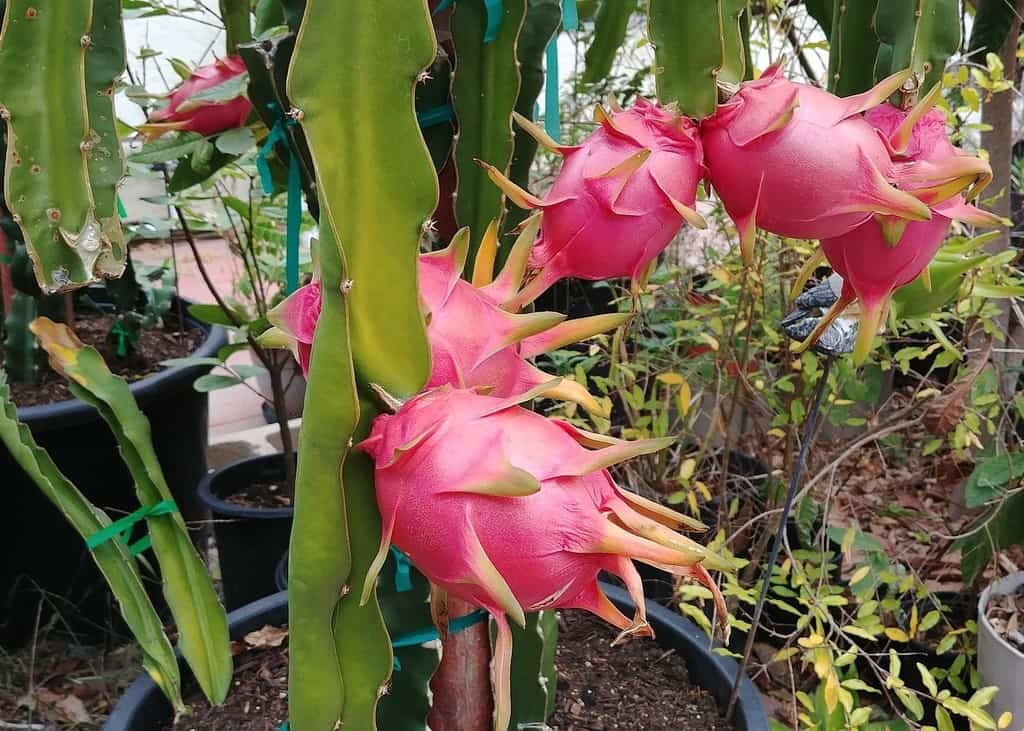
Moreover, the distinctive appearance of dragon fruit sets it apart – a bright pink exterior adorned with green scales, housing either white, red, or yellow flesh studded with tiny black seeds. These unique characteristics match its impressive nutritional profile:
- Rich in vitamins C and B-complex
- High antioxidant content
- Essential minerals including iron and calcium
- Heart-healthy omega-3 fatty acids
- Natural dietary fiber
Kenya’s dragon fruit market has experienced significant growth, driven by health-conscious consumers and increasing awareness of the fruit’s benefits. Local prices range from Ksh 800 to Ksh 1,500 per kilogram, making it an attractive option for farmers seeking profitable alternatives to traditional crops.
The fruit’s adaptability to Kenya’s climate, combined with its drought-tolerant nature, positions it as an ideal crop for both small-scale and commercial farming operations across various regions of the country. However, to maximize the potential of this lucrative venture, it’s essential for farmers to consider what makes a good nursery when sourcing their seedlings.
In addition to dragon fruit, other exotic fruits like avocados also present lucrative farming opportunities in Kenya. For those interested in diversifying their farming ventures, our step-by-step guide to starting an avocado orchard in Kenya provides valuable insights. It’s also important for farmers to be aware of the seasonal planting calendar for fruit seedlings in Central Kenya, as this can significantly influence their crop yield.
Moreover, proper land preparation before receiving seedling delivery is crucial for successful farming. We offer expert advice on preparing your land before receiving seedlings delivery which can help ensure a fruitful harvest. Lastly, if you’re considering purchasing avocado seedlings online but have some queries, our frequently asked questions about avocado seedling purchases online section might provide the answers you need.
Varieties of Dragon Fruit Grown in Kenya
Three distinct dragon fruit varieties thrive in Kenya’s agricultural landscape:
1. White-Fleshed Dragon Fruit (Hylocereus undatus)
- Bright pink exterior with green scales
- Snow-white flesh dotted with tiny black seeds
- Mild, sweet taste with subtle pear-like notes
- Most common variety in Kenyan farms
2. Red-Fleshed Dragon Fruit (Hylocereus costaricensis)
- Deep magenta flesh
- Higher antioxidant content
- Rich, sweet flavor with berry undertones
- Striking visual appeal for premium markets
3. Yellow-Fleshed Dragon Fruit (Selenicereus megalanthus)
- Yellow exterior with smaller spines
- White flesh with higher sugar content
- Sweet, tropical taste with hints of citrus
- Rarer variety commanding premium prices
Each variety displays unique growth characteristics and market advantages. White-fleshed dragons fruits adapt easily to various growing conditions. For instance, similar adaptability can be seen in certain avocado seedling varieties, which also thrive under diverse climatic conditions. Red-fleshed varieties attract health-conscious consumers seeking antioxidant-rich options.
Yellow-fleshed dragon fruits, while less common, appeal to specialty markets and fetch higher prices due to their exceptional sweetness. This phenomenon is not unique to dragon fruits; the same trend is observed in the market for local versus imported apple varieties or even the selection of mango varieties suitable for Kenyan farms.
Climate and Soil Requirements for Successful Dragon Fruit Cultivation in Kenya
Dragon fruit plants thrive in Kenya’s warm subtropical to tropical climate zones. The ideal temperature range sits between 20°C to 35°C, making regions like Malindi, Mombasa, and Naivasha perfect for cultivation.
Optimal Climate Conditions:
- 6-8 hours of direct sunlight daily
- Annual rainfall: 500-1500mm
- Relative humidity: 60-80%
- Protection from strong winds
- Frost-free environment
Soil Requirements:
The understanding soil requirements for different fruit trees in Kenya is crucial for successful dragon fruit cultivation. The ideal soil should be:
- Well-draining sandy or loamy soil
- pH level: 6.0-7.5
- Rich in organic matter
- Good water retention capacity
- Depth: minimum 45cm
Your dragon fruit plants need protection from waterlogging – raised beds or mounds can help achieve proper drainage. The soil structure should allow root penetration while maintaining adequate moisture levels.
Different regions in Kenya offer varying soil compositions. Coastal areas provide sandy soils ideal for dragon fruit, while highland regions like Muranga, might need soil amendments to achieve optimal growing conditions. Adding organic compost improves soil structure and nutrient content for better plant growth.
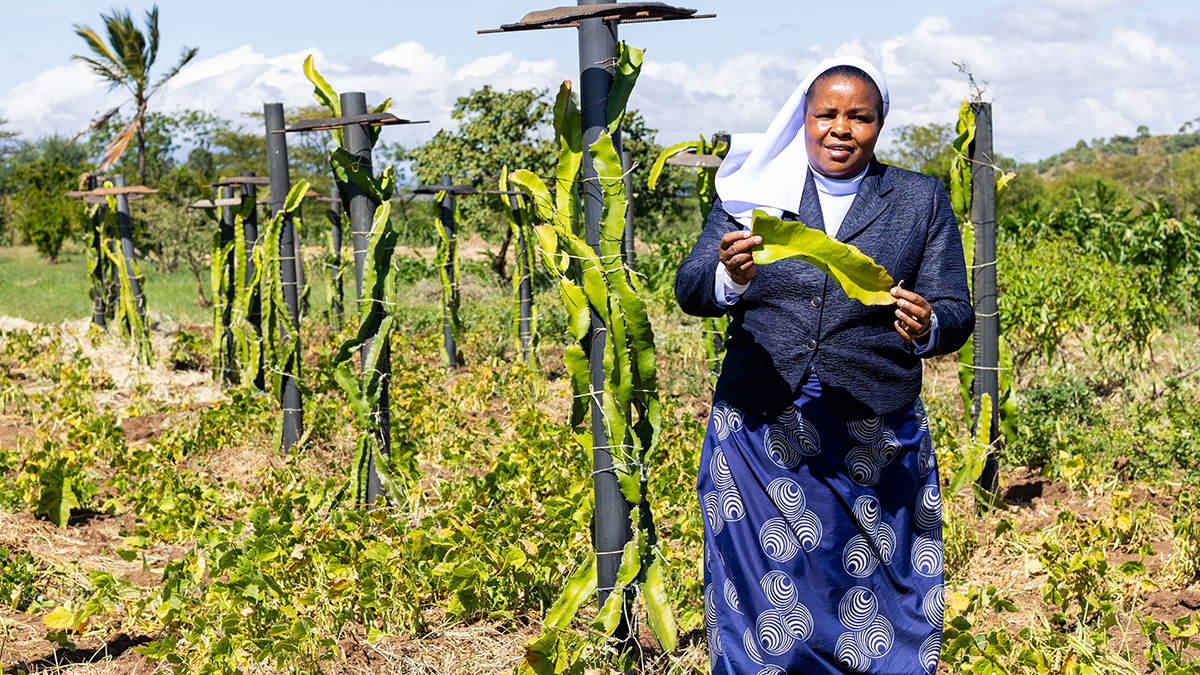
Dragon Fruit Farming Propagation Techniques: Cuttings vs. Seeds
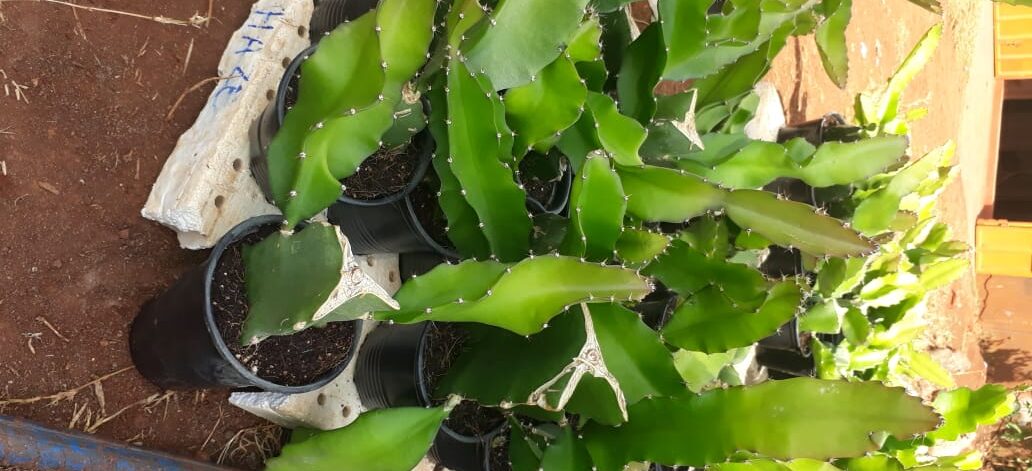
Dragon fruit propagation in Kenya presents two distinct methods: stem cuttings and seeds. Commercial farmers predominantly choose stem cuttings for rapid, reliable results.
Benefits of Stem Cuttings:
- Produces fruit within 12-18 months
- Maintains genetic traits of parent plant
- Higher success rate in establishment
- Requires minimal technical expertise
- Creates multiple plants from single mature specimen
Characteristics of Seed Propagation:
- Takes 6-8 years to produce first fruits
- Introduces genetic variations
- Lower establishment success rate
- Requires specific germination conditions
Cutting Selection Guide:
- Choose healthy stems 30-40cm long
- Allow cuts to dry for 5-7 days
- Plant in well-draining soil mix
- Maintain slight moisture without waterlogging
The stark difference in fruiting timelines makes stem cuttings the preferred choice for Kenyan farmers seeking quick returns on investment. A single mature dragon fruit plant can provide 10-12 quality cuttings, creating a cost-effective expansion method for your farm.
For those venturing into other types of farming as well, such as Pixie Orange farming, understanding these propagation techniques can be beneficial. Additionally, it’s worth exploring other agricultural lessons and resources, such as those available on the Minnesota Agriculture Classroom website, which also offer comprehensive information on various farming practices and techniques.
Planting, Spacing, and Care Tips for Healthy Growth
Dragon fruit plants require specific spacing and support structures for optimal growth. It’s essential to follow the importance of proper spacing when planting fruit trees, which means planting your dragon fruit cuttings 2-3 meters apart within rows, with rows spaced 4 meters apart. This spacing allows sufficient sunlight penetration and air circulation while maximizing land use.
Support Structure Requirements:
- Install concrete or wooden posts (2.5-3 meters tall)
- Place posts before planting to avoid root damage
- Use strong wire or metal rings at the top to support climbing vines
- Ensure posts can bear 30-40kg of fruit weight
Essential Care Guidelines:
- Water deeply once weekly during dry seasons
- Reduce watering during rainy periods
- Apply balanced NPK fertilizer (14-14-14) every 2 months
- Add organic compost at planting and twice yearly
- Maintain soil moisture without waterlogging
- Prune excess branches to maintain plant shape
- Orient rows east-west for maximum sun exposure
These care guidelines are also applicable when caring for newly planted avocado seedlings, emphasizing the need for tailored care depending on the plant type.
Soil Management:
- Keep soil pH between 6.0-7.5
- Add lime if soil is too acidic
- Mulch around plants to retain moisture
- Create raised beds in areas with poor drainage
Notably, regular monitoring helps identify potential issues early, allowing for timely interventions and ensuring healthy plant development.

Pest Management Strategies and Disease Control Measures
Dragon fruit plants face several pest challenges that require vigilant monitoring and control measures. Here are the primary pests and management strategies:
Common Pests and Control Methods:
1. Fruit Flies
- Install yellow sticky traps around plants
- Use pheromone-based fruit fly traps
- Apply neem-based pesticides during fruiting season
- Remove fallen fruits promptly
2. Mealybugs
- Spray affected areas with insecticidal soap
- Release natural predators like ladybugs
- Apply alcohol-based solutions to visible colonies
- Prune heavily infested plant sections
Disease Management:
1. Fungal Infections
- Apply copper-based fungicides during wet seasons
- Maintain proper air circulation between plants
- Remove infected plant material immediately
- Keep the base of plants free from weeds
Preventive Measures:
Implementing regular plant inspection routines, maintaining field sanitation practices, and using disease-resistant varieties when available are crucial steps. Additionally, practising crop rotation in affected areas and applying biological control agents proactively can significantly enhance the health of your dragon fruit farm. For more insights on preventing pest infestations in young orchards naturally, consider exploring organic methods that can be beneficial.
In addition, regular monitoring helps detect early signs of pest infestation or disease outbreak, allowing for timely intervention and minimal crop damage. A combination of cultural, biological, and chemical control methods creates an effective integrated pest management system for your dragon fruit farm.
Harvesting Techniques and Post-Harvest Handling Practices
Dragon fruit harvesting requires careful timing and proper handling techniques to maintain fruit quality. Here’s what you need to know about harvesting and storage:
Signs of Ripe Dragon Fruit:
- Skin color changes from green to bright pink or red
- Scales turn from green to reddish-brown
- Fruit yields slightly when gently pressed
- Sweet aroma develops near the fruit
- Wings of the fruit start to wither
Harvesting Methods:
- Use clean, sharp scissors or pruning shears
- Cut the fruit stem 1-2 inches from the base
- Harvest during early morning hours
- Wear protective gloves to avoid cactus spines
- Place fruits gently in padded collection baskets
Storage Guidelines:
- Clean fruits with soft brush to remove debris
- Store at 10-12°C with 90% relative humidity
- Keep fruits separate to prevent bruising
- Use ventilated plastic crates for storage
- Properly stored fruits last 14-21 days
Quality Preservation Tips:
- Handle fruits with care to prevent bruising
- Sort fruits by size and ripeness level
- Remove damaged or diseased fruits
- Store away from ethylene-producing fruits
- Check stored fruits regularly for signs of decay
While these tips are essential for dragon fruit, it’s interesting to note that similar best practices for smallholder farmers when buying avocado seedlings online can be applied in other areas of farming such as avocado cultivation. Furthermore, understanding the economic impact of quality seedlings on smallholder incomes can significantly influence farming outcomes.
Moreover, learning about common avocado farming mistakes can help avoid pitfalls and ensure a bountiful harvest. Lastly, exploring the science behind grafting and how it improves crop yield and quality could provide valuable insights into enhancing overall productivity.
Economic Potential, Market Opportunities, and Suitable Regions for Cultivation
Dragon fruit farming in Kenya presents a lucrative investment opportunity, with local market prices ranging from Ksh 800 to Ksh 1,500 per kilogram. Export markets in Europe and China offer even higher returns, with prices reaching up to Ksh 2,000 per kilogram. This potential is similar to the Hass avocado exports which have been a profitable venture for many Kenyan farmers.
Prime Growing Regions in Kenya:
- Coastal Areas
- Malindi
- Mombasa
- Kilifi
- Inland Regions
- Tana River lowlands
- Naivasha
- Thika
- Kisumu
- Kakamega
The coastal regions provide ideal growing conditions with their warm climate and well-draining soils. These areas experience consistent temperatures between 20°C to 35°C, perfect for dragon fruit cultivation.
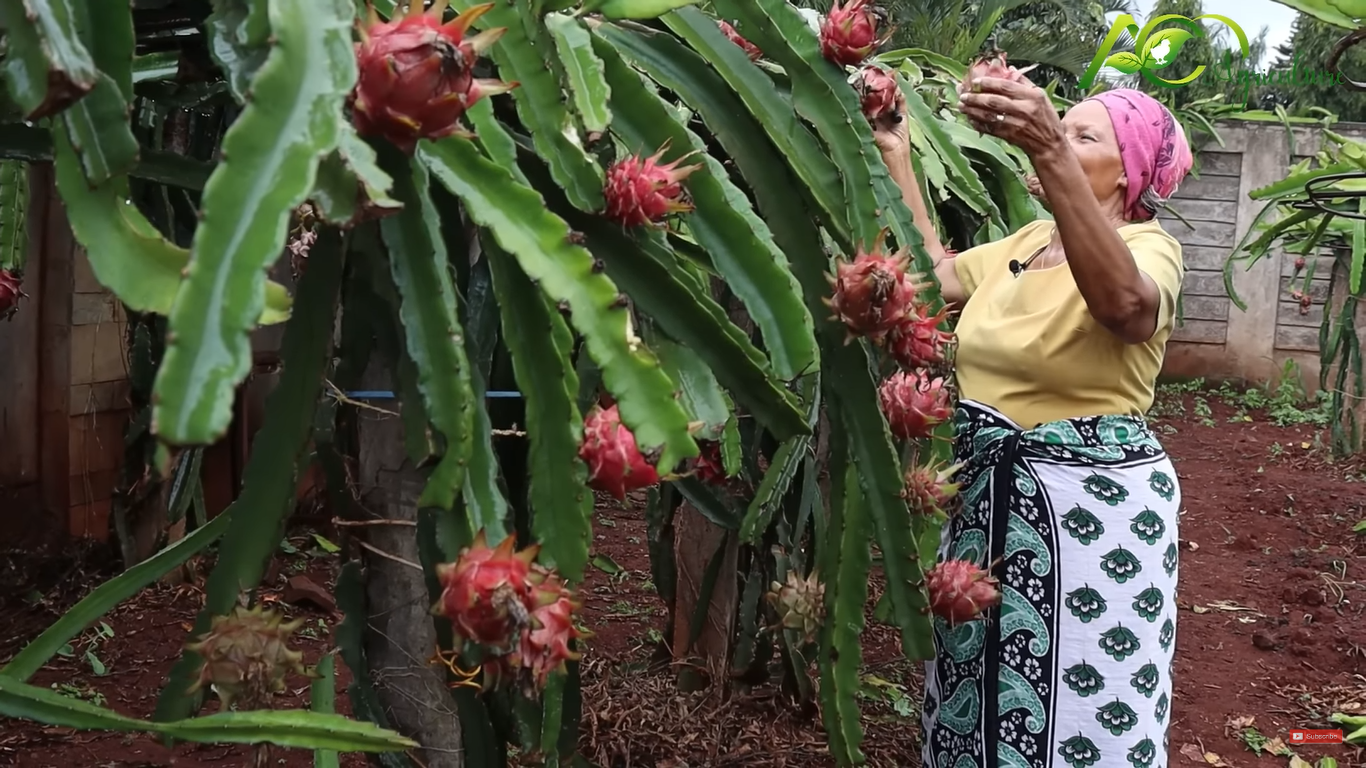
A small-scale farmer can start with 1/8 acre, requiring minimal initial investment. The return on investment typically begins within 18 months of planting, with each plant capable of producing 20-30 fruits annually. Also, a well-managed acre can yield up to 10 tons per year, translating to potential annual revenues of Ksh 8-15 million.
Additionally, the growing health-conscious consumer market in urban areas has created steady demand, with high-end supermarkets and specialty fruit stores serving as primary distribution channels. This trend is not limited to dragon fruit but also extends to other sectors such as pomegranate farming, which is gaining traction due to its health benefits.
Notably, the rise of e-commerce is reshaping the agricultural landscape. Farmers are now able to reach a wider audience through online platforms. Understanding the future of e-commerce in agriculture will be crucial for farmers looking to expand their market reach and increase profitability.
Exploring Additional Uses and Value-added Products: The Lucrative Agribusiness Opportunity
Dragon fruit plants offer multiple revenue streams beyond fresh fruit sales. The plant’s versatile components create opportunities for value-added products:
Peel Applications:
- Natural food coloring for beverages and desserts
- Organic textile dyes
- Biodegradable packaging material
- Antioxidant-rich tea blends
Flower Uses:
- Dried flowers for specialty teas
- Culinary garnishes for high-end restaurants
- Essential oil extraction
- Traditional medicine ingredients
Root and Stem Benefits:
- Traditional medicinal preparations
- Natural binding agents
- Organic fertilizer production
- Drought-resistant grafting stock
Value-Added Products:
- Dragon fruit powder
- Freeze-dried snacks
- Jams and preserves
- Wine and vinegar
- Beauty products and facial masks
- Natural food supplements
These alternative uses create year-round income opportunities, reducing dependency on seasonal fruit harvests. Local processors and exporters seek these plant components, establishing a steady market for dragon fruit farmers in Kenya. Also, such initiatives not only boost the economy but also provide crucial support to marginalized groups, as evidenced by efforts like those from Royal Seedlings, which focus on empowering women and youth in agribusiness.
Conclusion
Note that dragon fruit farming in Kenya is a great opportunity for both new and experienced farmers. The combination of high market demand, premium pricing, and adaptability to Kenya’s climate makes it a perfect environment for success in this venture.
Your journey into dragon fruit farming can start today. At Royal Seedlings, we offer:
- Premium quality dragon fruit cuttings
- Expert guidance throughout your farming journey
- Ongoing technical support
- Market linkages for your produce
We also provide comprehensive training opportunities for aspiring commercial fruit growers in Muranga County, which can be beneficial if you’re considering diversifying into other fruit farming ventures such as avocado or banana. Also, our professional avocado farming training sessions will prepare you for the unique challenges of that crop, while our insights into the role of tissue culture in banana seedling production can help streamline your banana farming process.
Additionally, if you’re interested in understanding the benefits of grafted fruit seedlings, we have resources available on that topic.
Ready to start your dragon fruit farming venture?
Contact Royal Seedlings:
- 📱 Phone: +254 711315313
- 📧 Email: Julius.murega@royalseedlings.com
- 🌐 Website: www.royalseedlings.com
Lastly, take the first step toward this profitable agricultural venture. Our team stands ready to support your success in dragon fruit farming, from initial planting to your first harvest and beyond.
Join the growing community of successful dragon fruit farmers in Kenya – contact Royal Seedlings today.
FAQs (Frequently Asked Questions)
What are the ideal climate and soil conditions for dragon fruit farming in Kenya?
Dragon fruit thrives best in warm climates with moderate rainfall, making various regions in Kenya, including coastal areas like Malindi and Mombasa, ideal for cultivation. In addition, plant prefers well-drained soils with a pH level suitable for optimal growth, ensuring healthy development and fruit production.
Which dragon fruit varieties are commonly grown in Kenya and how do they differ?
Kenya cultivates several dragon fruit varieties including Hylocereus undatus (white-fleshed), Hylocereus costaricensis (red-fleshed), and Selenicereus megalanthus (yellow-fleshed). Also each variety offers distinct features and flavors, catering to diverse consumer preferences and market demands.
What are the advantages of propagating dragon fruit through cuttings compared to seeds?
Propagation through cuttings is preferred in commercial dragon fruit farming due to faster plant establishment and earlier fruiting compared to seed-grown plants. Moreover, cuttings ensure genetic consistency and reduce the timeline to harvest, enhancing farm productivity and profitability.
How should dragon fruit plants be spaced and cared for to ensure healthy growth in Kenya?
Optimal spacing between dragon fruit plants is essential for efficient growth, allowing adequate sunlight and air circulation. Support structures are crucial for these climbing cacti, alongside regular watering schedules and appropriate fertilization techniques to promote vigorous plant health and maximize yield.
What pest management strategies are effective for controlling common pests in Kenyan dragon fruit farms?
Integrated Pest Management (IPM) approaches are recommended, targeting pests such as fruit flies and mealybugs through cultural practices, biological controls, and judicious use of fungicides. Also, this comprehensive strategy helps maintain plant health while minimizing chemical residues on fruits.
What economic opportunities does dragon fruit farming present in Kenya’s agricultural sector?
Dragon fruit farming offers lucrative agribusiness potential due to increasing market demand locally and internationally, including export markets like Europe and also China. In addition, suitable cultivation regions combined with value-added product development create diverse income streams for Kenyan farmers.