

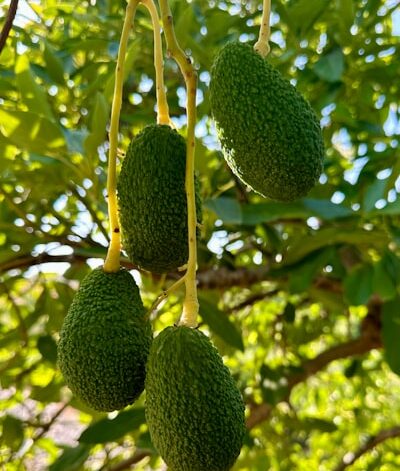
Kenya’s agricultural landscape has witnessed a remarkable transformation with the rise of Hass avocado farming. This lucrative venture has earned its nickname – “the green gold mine” – through impressive profit margins and growing international demand.
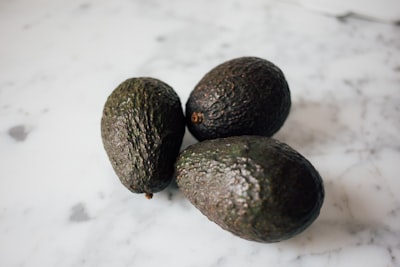
The Hass variety stands out in Kenya’s agricultural sector for its distinctive characteristics:
- Rich, creamy texture
- High fat content
- Extended shelf life
- Export-friendly qualities
Kenyan farmers have capitalized on these attributes, turning avocado cultivation into a significant economic driver. The numbers tell a compelling story – by mid-2020, Kenya’s avocado exports reached 58 million kilograms, valued at approximately $8 billion.
The term “green gold mine” perfectly captures the economic potential of Hass avocado farming in Kenya. Just as traditional gold mining transforms raw materials into valuable assets, avocado farming converts agricultural land into highly profitable enterprises, creating wealth for farmers across the country’s diverse growing regions.
History of Hass Avocado Farming in Kenya
Avocado farming in Kenya began in the 18th century, with the first commercial orchards established in 1923. The introduction of the Hass variety changed everything, opening up new opportunities for farmers all over the country.
The Role of the Avocado Society of Kenya
The Avocado Society of Kenya has been instrumental in shaping the industry by:
- Providing technical support and training to farmers
- Ensuring quality control measures are in place
- Facilitating access to markets
- Conducting research and development projects
Success Stories: Small-Scale Farmers Making an Impact
Success stories highlight the sector’s remarkable growth. Small-scale farmer Jane Muthoni from Murang’a County started with just 50 trees in 2015. By 2020, her 200-tree farm generated annual revenues exceeding $15,000, demonstrating the crop’s profit potential.
Growth of Avocado Exports from Kenya
Since 2003, Kenya’s avocado exports have experienced significant growth, surpassing 20,000 tonnes each year. The main markets for these exports include:
- European Union nations
- Middle Eastern countries
- Asian markets such as China and Hong Kong
- African countries like Egypt and South Africa
The industry continues to expand as new markets open up in Russia, Qatar, and Morocco. By mid-2020, export values had reached approximately $8 billion, indicating strong international demand for Kenyan Hass avocados.
Ideal Growing Conditions for Hass Avocados
Successful Hass avocado farming requires specific environmental conditions to achieve optimal yields. Research shows these trees thrive at altitudes between 1,000 to 2,100 meters above sea level, with temperatures ranging from 20°C to 28°C.
Water Requirements
Your avocado trees need a consistent water supply through:
- Annual rainfall of at least 1,000mm
- Supplementary irrigation during dry spells
- Drip irrigation systems for water efficiency
Key Growing Regions in Kenya
The following areas in Kenya are known for their avocado production:
- Central Kenya (Murang’a, Kiambu, Nyeri)
- Rift Valley (Nakuru, Bomet)
- Eastern Region (Meru)
- Western Kenya (Kisii)
Soil Requirements
The soil characteristics play a crucial role in avocado production:
- Well-draining soil structure
- pH levels between 5 and 7
- Deep soil profile (minimum 1 meter)
- Rich organic matter content
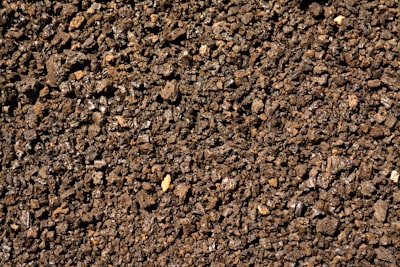
Sandy loam soils produce the best results, allowing proper root development and water drainage. Heavy clay soils can lead to waterlogging and root rot diseases, affecting tree health and fruit production.
Cultivation and Management Practices for Successful Hass Avocado Farming
Hass avocado trees reach maturity within 2-4 years after planting, producing their first fruit harvest. Selecting certified rootstock from KEPHIS-approved nurseries ensures disease resistance and higher yields. These trees can produce 70-100 fruits initially, increasing to over 1,000 fruits annually when mature.
Planting and Spacing Guidelines
- Standard spacing: 5×5 meters between trees (150 trees per acre)
- Hillside spacing: 6×6 meters to prevent soil erosion
- Windbreak trees: Plant at farm boundaries to protect avocado trees
Land Preparation Techniques
- Dig planting holes: 60cm x 60cm x 60cm
- Mix topsoil with:
- 20kg well-decomposed manure
- 1kg DAP fertilizer
- 1kg agricultural lime for acidic soils
- Implement contour plowing on slopes exceeding 5% gradient
Farm Management Techniques: Enhancing Productivity and Quality
Mulching Practices
- Apply 15cm thick organic mulch around tree base
- Use materials like:
- Dried grass
- Maize stalks
- Coffee husks
- Keep mulch 10cm away from tree trunk to prevent collar rot
Strategic Pruning
- Remove dead/diseased branches
- Shape young trees at 1.5m height
- Thin out dense canopy areas
- Time pruning:
- Before flowering season
- After harvest completion
Pest and Disease Management
- Monitor for common pests:
- Fruit flies
- False codling moths
- Red spider mites
- Apply copper-based fungicides for anthracnose control
- Practice regular scouting for early detection
Weed Control
- Maintain 1m weed-free radius around trees
- Use shallow cultivation to protect surface roots
- Apply selective herbicides when necessary
- Hand-weed young orchards to prevent chemical damage
Market Opportunities and Challenges for Kenyan Hass Avocado Farmers
Kenyan Hass avocados command premium prices in international markets, particularly in Europe and the Middle East. The superior taste profile and high nutritional value of Kenyan avocados create a competitive advantage in these markets. Key export destinations include:
- United Kingdom
- Netherlands
- Russia
- China
- Singapore
- Hong Kong
- Egypt
The Kenyan government actively supports avocado farmers through targeted initiatives:
- Subsidized irrigation equipment
- Free agricultural extension services
- Export promotion programs
- Quality certification support
Challenges in the Sector:
- Pest infestations affecting crop yields
- Disease outbreaks requiring constant monitoring
- Climate change impacts:
- Erratic rainfall patterns
- Extended dry spells
- Temperature fluctuations as detailed in this IPCC report
The sector faces logistical hurdles in maintaining cold chain requirements for exports. Limited access to modern farming technology hampers production efficiency for small-scale farmers. Market price volatility affects farmer income stability, while strict international certification requirements create barriers for new exporters entering the market.
Conclusion
Hass avocado farming is changing the game for agriculture in Kenya. The numbers speak for themselves – one hectare of land can produce up to 1,000 fruits per tree each year, bringing in significant profits for hardworking farmers.
But it’s not just about the money. This green gold mine has a positive impact on communities as well:
- Job Creation: The industry provides various employment opportunities, from farm workers to packaging specialists
- Sustainable Income: Farmers can expect a steady cash flow throughout the year due to the potential for continuous production
- Global Market Access: Increasing demand from countries like Europe and Asia leads to higher prices for avocados
- Diversification Options: Savvy farmers are finding ways to diversify their income by integrating:
- Intercropping with coffee or macadamia trees
- Agro-tourism activities
- Producing value-added products such as avocado oil
The future looks promising for avocado farming in Kenya. By adopting better farming practices, understanding market dynamics, and finding innovative ways to be sustainable, this industry has the potential to continue being a major success story for Kenyan agriculture. It’s a journey that will uplift rural economies, one tree at a time.
Conclusion
Hass avocado farming is changing the agricultural landscape in Kenya. Its impressive growth shows how it can empower rural communities by providing sustainable income opportunities. Small-scale farmers now have the chance to sell their avocados in international markets, benefiting not only themselves but also entire villages.
Success stories from areas like Murang’a and Kiambu highlight the entrepreneurial spirit in agriculture. Farmers are using their profits from avocado farming to improve their homes, educate their children, and expand their farms.
This ongoing green revolution is attracting young Kenyans to agriculture, challenging the traditional view of farming as just a means of survival. The Hass avocado industry demonstrates that with the right knowledge, commitment, and access to markets, farming can become a lucrative business.
FAQs (Frequently Asked Questions)
What makes Hass avocado farming in Kenya known as the ‘Green Gold Mine’?
Hass avocado farming in Kenya is termed the ‘Green Gold Mine’ due to its significant economic value, high profitability, and the increasing global demand for Kenyan avocados. The sector has transformed rural livelihoods by providing substantial financial returns and job opportunities.
How has the Avocado Society of Kenya contributed to the growth of Hass avocado farming?
The Avocado Society of Kenya has played a pivotal role in promoting the cultivation of the Hass variety by establishing quality standards, supporting commercial orchard development, and facilitating access to export markets. Their efforts have enhanced productivity and ensured Kenyan avocados meet international market requirements.
What are the ideal growing conditions for Hass avocados in Kenya?
Optimal conditions for Hass avocado cultivation in Kenya include altitudes between 1,200 to 2,000 meters above sea level, temperatures ranging from 16°C to 24°C, well-distributed rainfall or supplementary irrigation, and soil with a pH between 5.5 and 6.5 that offers good drainage. These factors collectively support healthy tree growth and fruit production.
What cultivation practices enhance productivity in Hass avocado farming?
Successful cultivation involves selecting high-yielding rootstocks, proper planting distances tailored to local climates, effective land preparation such as contour plowing to prevent erosion, mulching to retain soil moisture during dry spells, regular pruning for air circulation and disease control, weed management, and integrated pest/disease management strategies.
What market opportunities exist for Kenyan Hass avocado farmers?
Kenyan Hass avocados enjoy high demand in international markets like Europe and the Middle East due to their superior taste profile. Government support through subsidies on irrigation equipment helps farmers mitigate climate change impacts, enhancing production consistency and enabling entry into lucrative export destinations.
What are the economic benefits and future prospects of Hass avocado farming in Kenya?
Hass avocado farming offers attractive financial returns with potential profit margins per hectare when best agronomic practices are followed year-round. It creates employment opportunities and supports sustainable income diversification through intercropping or agro-tourism. With growing global demand trends, the sector holds promising prospects for long-term rural economic transformation.