

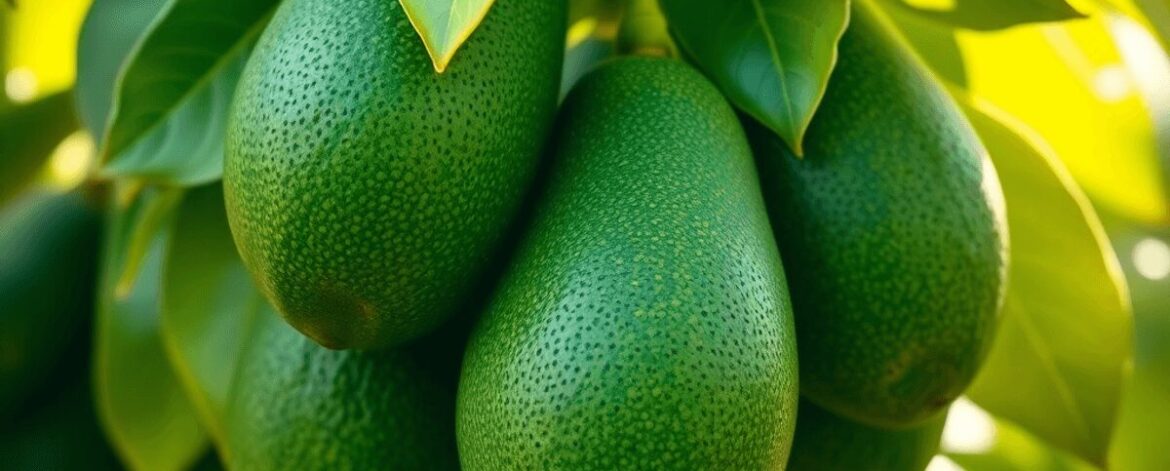
Common Pests and Diseases Affecting Fuerte Avocados. Fuerte avocados are a key variety in the global avocado market, known for their creamy texture and unique pear shape. These green-skinned fruits are loved by both growers and consumers, making them a valuable agricultural product.
To ensure successful production of Fuerte avocados, it is crucial to keep the trees healthy and strong. A thriving avocado tree has the potential to bear large quantities of high-quality fruit for many years. However, this potential is constantly threatened by various pests and diseases.
Your Fuerte avocado trees need protection from:
- Insect Pests – such as aphids and thrips
- Diseases – including root rot and fungal infections
- Environmental Stressors – that can weaken trees and make them more vulnerable to problems
This guide will help you understand the main pests and diseases that affect Fuerte avocados. You will learn how to recognize these threats and implement effective management strategies to protect your avocado trees. Whether you are a commercial grower or a backyard enthusiast, knowing about these challenges is crucial for successful avocado farming.
It’s worth mentioning that the methods used to tackle these challenges aren’t just applicable to avocado farming. Similar pest control techniques can be utilized in other agricultural industries like banana farming, onion farming, or even garlic farming in Kenya. Each of these crops has its own specific difficulties, but with proper understanding and tactics, successful cultivation is possible. Additionally, learning about the sorghum farming process in Kenya may offer valuable knowledge on managing environmental stressors that impact crop health.
Common Pests Affecting Fuerte Avocados
Pests pose significant challenges to Fuerte avocado cultivation, with several species known to cause substantial damage to trees and fruit production. Let’s examine one of the most prevalent pests:
1. Aphids
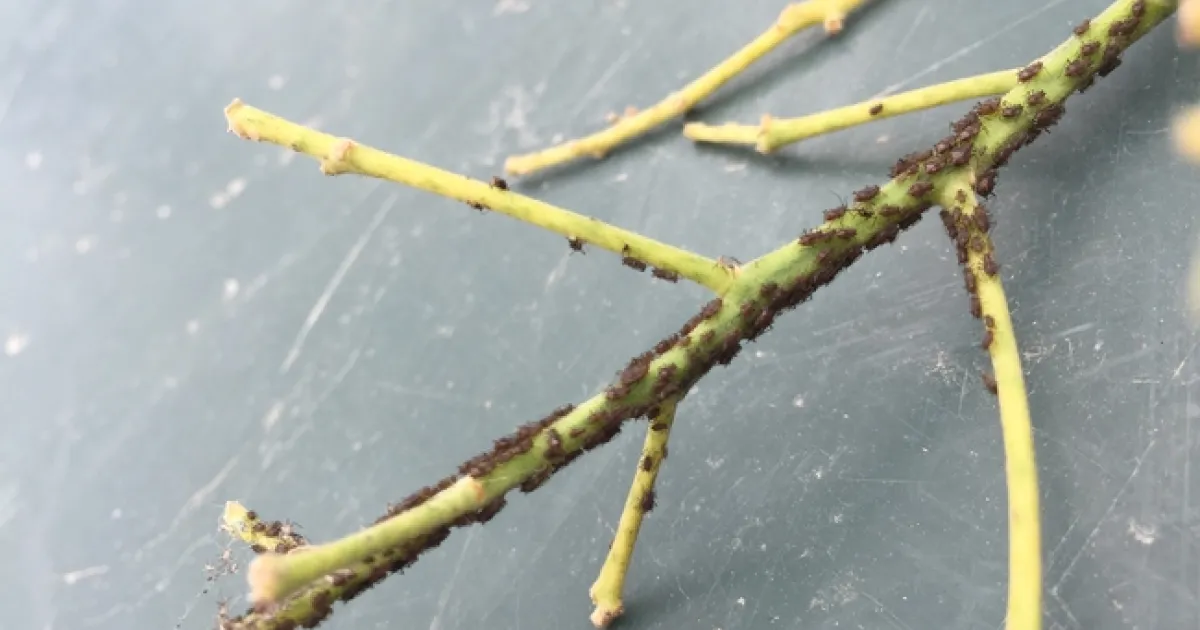
These tiny, soft-bodied insects measure just 1-4mm in length and come in various colors, including green, brown, and black. Aphids typically cluster on the undersides of young leaves and tender shoots of Fuerte avocado trees.
Key Characteristics:
- Rapid reproduction rates – females can birth live young without mating
- Multiple generations can exist simultaneously on a single tree
- Often attended by ants, which protect them from natural predators
Damage Symptoms:
- Curled, distorted leaves
- Sticky honeydew residue on leaves and branches
- Black sooty mold growth on honeydew deposits
- Yellowing foliage
- Stunted new growth
The feeding behavior of aphids directly impacts tree health. As they pierce plant tissue to extract sap, they inject saliva that causes leaf deformation. The honeydew they excrete serves as a growth medium for sooty mold, which blocks sunlight and reduces photosynthesis. Heavy infestations can significantly weaken Fuerte avocado trees, leading to reduced fruit production and compromised tree vigor.
However, the challenges posed by pests are not limited to avocado farming alone. For instance, in cabbage farming or sugarcane farming, similar pest-related issues can arise. It’s crucial for farmers to understand these challenges across different types of agriculture.
Moreover, effective farming practices such as those outlined in our watermelon farming guide, or understanding the key qualities of a good nursery as discussed in our article about good nurseries, can significantly improve crop yield and health.
Lastly, similar pest management strategies could also be beneficial in sweet potato farming, highlighting the universal nature of these agricultural challenges.
2. Spider Mites
Spider mites create distinctive fine webbing across Fuerte avocado leaves, making them relatively easy to identify. These tiny arachnids, barely visible to the naked eye, cause significant damage through their feeding habits:
- Yellow or brown spots appear on leaves
- Fine silk webbing covers leaf surfaces
- Leaves become brittle and fall prematurely
- Bronze coloring develops on affected foliage
Spider mite populations explode during hot, dry conditions, rapidly colonizing trees. They pierce leaf cells to feed, creating thousands of tiny wounds that interfere with photosynthesis. The resulting stress on Fuerte avocado trees leads to:
- Reduced fruit size
- Lower yields
- Compromised fruit quality
- Weakened tree vigor
Severe infestations can defoliate entire branches, leaving trees vulnerable to sunburn and secondary infections. The damage intensifies during water-stressed periods, making proper irrigation crucial for managing spider mite populations. This is particularly important in regions like Central Kenya, where understanding the seasonal planting calendar for fruit seedlings can significantly improve crop resilience and yield.

While dealing with spider mites in avocado farming, it’s also essential to consider the broader agricultural context. For instance, carrot farming or arrowroot farming in the same region could be affected by similar environmental conditions that favor spider mite infestations. Therefore, adopting integrated pest management strategies that include proper irrigation and crop rotation with less susceptible plants could be beneficial.
Moreover, if you’re also interested in diversifying your farming portfolio, exploring Sukari F1 watermelon farming or improved kienyeji chicken farming could offer profitable avenues while managing pest pressure effectively.
3. Scale Insects
Scale insects appear as small, round, or oval bumps on Fuerte avocado trees, typically clustering along stems and leaf surfaces. These pests range in color from brown to gray and measure 1-3mm in diameter, making them look like natural bark formations at first glance.
These parasitic insects attach themselves firmly to plant tissue, where they:
- Create protective waxy or cottony coverings
- Feed continuously on plant sap
- Secrete honeydew that attracts sooty mold
- Form dense colonies that can encrust entire branches
The constant sap-feeding by scale insects depletes your Fuerte avocado trees of vital nutrients. Affected branches show signs of stress through yellowing leaves, reduced growth, and diminished fruit production. Heavy infestations can kill entire branches and severely impact tree health.
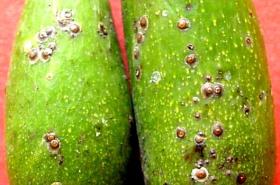
Regular inspection of your trees, particularly the undersides of leaves and along stems, helps identify scale insect problems before they become severe. Look for discolored patches on leaves and sticky residue on branches as early warning signs.
Interestingly, the methods used to combat scale insects in avocado farming can also be applied to other types of farming, such as grape farming, where these pests might also pose a threat.
4. Avocado Thrips (Scirtothrips perseae)
Avocado thrips, a type of garden insect, are a major threat to Fuerte avocado production because they reproduce rapidly. One female can lay up to 300 eggs in her lifetime, leading to multiple generations within a growing season.
These tiny pests target young, tender leaves and developing fruit, causing distinctive damage patterns:
- Fruit Damage: Silvery scarring appears on the fruit surface, reducing market value
- Leaf Damage: Bronzing and distortion of new growth
- Growth Impact: Severe infestations stunt tree development
You’ll spot the first signs of thrips damage when leaves develop a silvery sheen, accompanied by small black dots – thrips excrement. Early-season feeding on immature fruit results in characteristic “alligator skin” scarring that becomes more pronounced as the fruit grows.
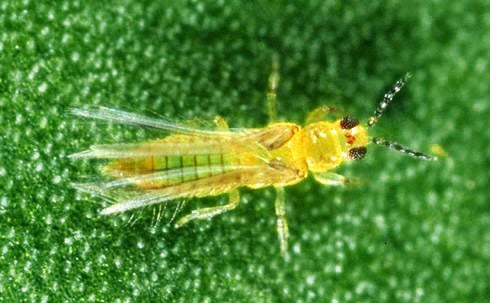
The pest’s rapid lifecycle means populations can surge within 2-3 weeks under favorable conditions, making regular monitoring essential for effective control. To combat such infestations, it’s crucial to implement natural prevention methods during the early stages of orchard development.
For those considering starting an avocado orchard in regions like Kenya, following a step-by-step guide can be immensely helpful. Additionally, aspiring commercial fruit growers can benefit from professional training sessions, which often cover essential aspects of avocado farming including pest management strategies.
Moreover, understanding the benefits of grafted fruit seedlings can also play a crucial role in enhancing the resilience of avocado trees against such pests.
5. Leafrollers (Light Brown Apple Moth)
Light Brown Apple Moths create distinctive shelters by rolling Fuerte avocado leaves with silk threads. These pests feed aggressively on young leaves and developing fruit from within their protective leaf cocoons.
The damage pattern includes:
- Rolled leaves becoming brown and dried
- Irregular holes in leaves and fruit surface
- Scarring on developing avocados
- Severe defoliation in heavy infestations
Young Fuerte trees are particularly vulnerable to leafroller attacks. A single leafroller infestation can reduce fruit yields by 20-30% through direct feeding damage and secondary infections entering through wounded areas. The rolled leaves also serve as breeding grounds, allowing rapid population growth across avocado orchards.
Signs of leafroller presence include silk threads between leaves, frass deposits, and characteristic leaf rolling patterns visible on outer branches. These moths target new growth areas, making spring flush periods critical for monitoring.
Interestingly, the impact of such pests is not limited to avocados. Similar challenges are faced in other agricultural sectors, such as passion fruit farming in Kenya, where various pests also pose a threat to crop yields.
Additional Noted Pests: Persea Mites and Avocado Lace Bugs
Persea Mites
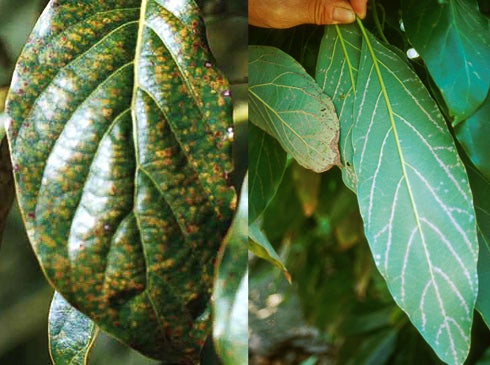
Persea mites create distinctive yellow spots on Fuerte avocado leaves, primarily attacking the undersides where they feed and lay eggs. These tiny arachnids cause severe leaf bronzing and premature leaf drop, reducing the tree’s photosynthetic capacity and weakening its natural defenses.
Avocado Lace Bugs
Avocado lace bugs present another significant threat to Fuerte avocados. These small insects create a characteristic stippling pattern on leaves, appearing as white or yellow spots on the upper surface. The damage intensifies during hot, dry conditions, leading to:
- Reduced leaf efficiency
- Decreased fruit size
- Weakened tree vigor
- Increased susceptibility to other pests
Both pests can cause substantial economic losses when left unchecked. Early detection through regular leaf inspections helps identify these pests before populations reach damaging levels. Natural predators like lacewings and predatory mites often help control these pest populations in well-managed orchards.
Common Diseases Affecting Fuerte Avocados
Managing diseases is a major challenge when it comes to growing Fuerte avocados. These trees are vulnerable to several harmful diseases that can greatly affect their ability to produce fruit and stay healthy.
1. Root Rot Caused by Phytophthora cinnamomi
Root rot is one of the most damaging diseases that can affect Fuerte avocados. This pathogen, which lives in the soil, thrives in areas with excessive moisture, making poorly drained locations particularly prone to infection.
Key Symptoms:
- Yellowing leaves (chlorosis)
- Progressive wilting despite adequate irrigation
- Stunted new growth
- Small, pale green leaves
- Premature leaf drop
- Branch dieback
The disease attacks the tree’s root system, destroying feeder roots critical for nutrient absorption. As the infection progresses, you’ll notice a dramatic decline in tree vigor. The compromised root system fails to uptake essential nutrients and water, leading to visible stress symptoms in the canopy.

Wet soil conditions create the perfect environment for Phytophthora cinnamomi spores to multiply and spread. The pathogen can survive in soil for extended periods, making infected areas challenging to rehabilitate. Root decay typically starts with the smallest roots and progresses to larger ones, gradually destroying the tree’s ability to sustain itself.
Trees planted in heavy clay soils face increased risk due to poor drainage. The pathogen moves through soil water, spreading from infected to healthy trees through irrigation systems or surface water movement.
2. Anthracnose (Colletotrichum gloeosporioides)
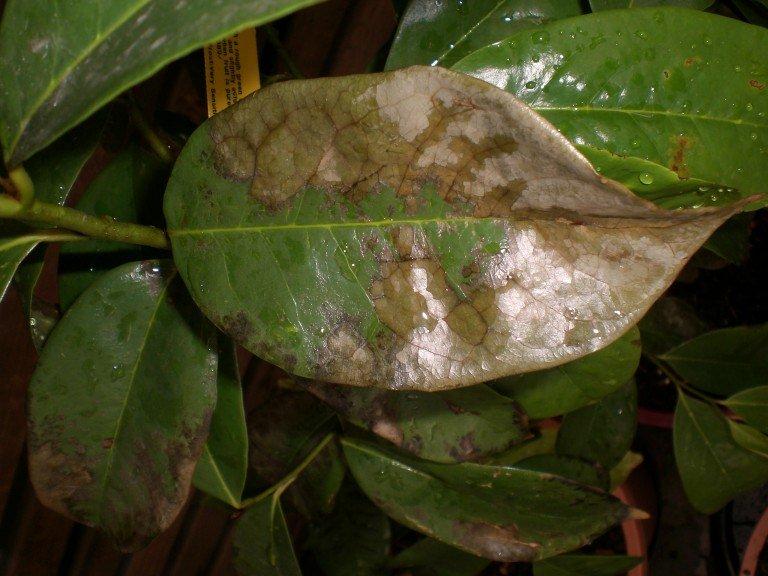
Anthracnose poses a serious threat to Fuerte avocado production, as it causes distinct dark, sunken lesions on fruits, leaves, and stems. These lesions begin as small brown spots that gradually grow into larger patches, forming a characteristic “bull’s eye” pattern with darker edges.
How Anthracnose Spreads
The fungal infection thrives in humid conditions and spreads quickly through water splash and wind. On fruits, the disease appears as dark spots that can remain inactive until ripening starts. Once triggered, these spots develop into deep lesions that penetrate the flesh, rendering the fruit unsellable.
Effects on Leaves, Flowers, and Fruit
Young leaves are particularly susceptible to anthracnose, showing irregular brown patches that can lead to premature leaf drop. The infection can also spread to flowers and developing fruit, resulting in:
- Reduced fruit set
- Premature fruit drop
- Decay after harvest
- Shortened storage life
Long-Term Consequences
The impact of this disease goes beyond immediate damage to the crops. It also affects the long-term storage potential and market value of Fuerte avocados. Infected fruits often ripen more quickly than normal, reducing their shelf life and export opportunities.
3. Armillaria Root Rot (Armillaria spp.)
Armillaria root rot poses a significant threat to Fuerte avocado trees, causing severe damage to their root system. This aggressive fungal pathogen, commonly referred to as “oak root fungus,” attacks the tree’s root collar and major roots, resulting in a rapid decline in tree health.
Key Symptoms:
- White fungal growth beneath the bark
- Honey-colored mushrooms near the base of the tree
- Black, shoe-string-like structures (rhizomorphs)
- Decaying wood with characteristic white rot
- Yellowing leaves and dieback of branches
The fungus spreads through soil contact and root grafting between trees, leading to clusters of infection in avocado orchards. Infected trees show reduced vigor, stunted growth, and can die within 2-3 seasons after the initial symptoms appear. Root decay weakens the tree’s ability to absorb water and nutrients, making infected Fuerte avocados especially vulnerable to drought stress and nutrient deficiencies.
Other Notable Diseases: Powdery Mildew, Rust, Black Rot, Blight, Stem-End Rot
Fuerte avocados face several fungal diseases that can significantly impact fruit quality and tree health:
1. Powdery Mildew
- White, powdery patches on leaves
- Stunted leaf growth
- Premature leaf drop
2. Rust
- Orange-brown spots on leaf undersides
- Yellow spots on upper leaf surfaces
- Severe defoliation in advanced cases
3. Black Rot
- Dark, sunken lesions on fruit
- Internal fruit decay
- Brown to black discoloration
4. Blight
- Rapid wilting of shoots
- Dark streaks in wood
- Branch dieback
5. Stem-End Rot
- Soft, dark decay at fruit stem
- Internal fruit rotting
- Post-harvest quality issues
These diseases thrive in humid conditions and poor air circulation. Each presents unique visual symptoms that help distinguish them during orchard inspections. Regular monitoring allows for early detection and targeted treatment approaches.
Integrated Pest and Disease Management Strategies for Fuerte Avocados
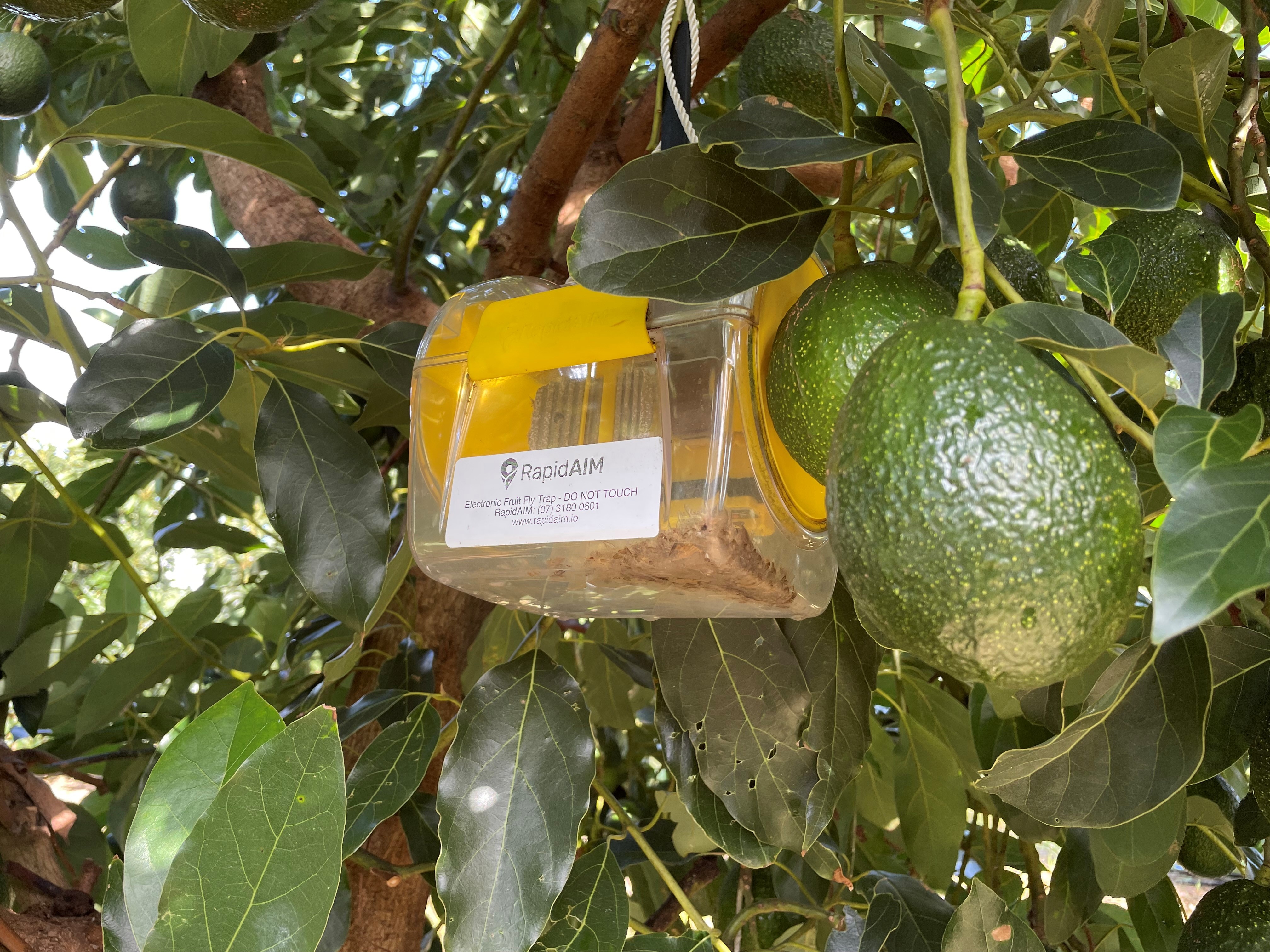
Successful management of Fuerte avocado pests and diseases requires a comprehensive Integrated Pest Management (IPM) approach. Regular monitoring through visual inspections and strategic trap placement helps detect issues before they become severe.
Key IPM Components:
- Biological Controls: Predatory mites for spider mite control, parasitic wasps targeting aphids, and beneficial insects supporting natural pest balance.
- Cultural Practices: Strategic pruning for improved air circulation, proper irrigation scheduling, regular orchard sanitation, mulching to suppress disease, and soil testing for optimal nutrient balance.
- Chemical Controls: Selective pesticide use when necessary, rotation of active ingredients, and application timing based on pest life cycles.
- Prevention Methods: Disease-resistant rootstock selection, maintaining orchard biodiversity, proper tree spacing, and adequate drainage systems.
These strategies work together to create a resilient growing environment that naturally suppresses pest populations and disease development while promoting healthy Fuerte avocado tree growth.
FAQs (Frequently Asked Questions)
What are the most common pests affecting Fuerte avocado trees?
Common pests that affect Fuerte avocado trees include aphids, spider mites, scale insects, avocado thrips (Scirtothrips perseae), leafrollers (Light Brown Apple Moth), Persea mites, and avocado lace bugs. These pests can cause damage such as curled leaves, sticky residue, webbing on leaves, silvery scarring on fruit, defoliation, and overall tree stress.
How can I identify aphid infestation on my Fuerte avocado plants?
Aphid infestation is characterized by the presence of small sap-sucking insects on the plant, causing symptoms like curled leaves and sticky honeydew secretion. This feeding behavior reduces photosynthesis and weakens overall tree vigor in Fuerte avocados.
What are the symptoms and effects of Phytophthora cinnamomi root rot in Fuerte avocados?
Phytophthora cinnamomi causes root rot that thrives in poorly drained or wet soils. Infected Fuerte avocado trees exhibit wilting, chlorosis (yellowing of leaves), and stunted growth due to root decay impairing nutrient uptake and overall tree vitality.
How does anthracnose disease affect Fuerte avocado fruits and leaves?
Anthracnose, caused by Colletotrichum gloeosporioides fungus, produces dark lesions on fruits and leaves of Fuerte avocados. This disease compromises fruit quality, reduces marketability, and limits storage potential by causing visible damage to multiple plant parts.
What integrated pest management strategies are recommended for controlling pests and diseases in Fuerte avocados?
Effective integrated pest management (IPM) for Fuerte avocados involves early detection through regular monitoring using visual inspections and traps throughout the growing season. Combining biological control methods with timely interventions helps manage pest populations and disease outbreaks while maintaining tree health.
Which other diseases should growers watch for besides root rot and anthracnose in Fuerte avocado cultivation?
Growers should also be vigilant for Armillaria root rot caused by Armillaria spp., as well as fungal diseases like powdery mildew, rust, black rot, blight, and stem-end rot. Recognizing their visual symptoms on leaves and fruit is essential for timely treatment to preserve tree productivity.