

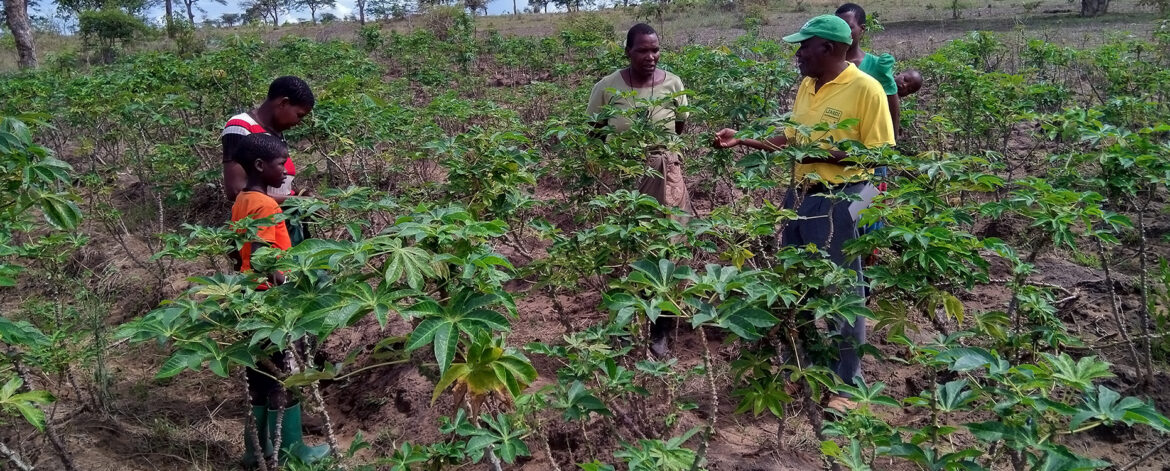
Kenya’s agricultural sector is facing significant challenges as climate change disrupts traditional farming practices. Climate-resilient crops have emerged as a crucial solution, providing hope to millions of farmers dealing with unpredictable weather patterns.
These specialized crop varieties have distinct traits that allow them to:
- Withstand extended periods of drought
- Survive extreme temperature changes
- Adjust to shifting rainfall patterns
- Resist new pests and diseases
The effects of climate change on Kenyan agriculture have been severe:
- Decreased crop yields by up to 50% in some areas
- Increased pest invasions due to rising temperatures
- Irregular rainfall patterns affecting traditional planting seasons
- Soil degradation caused by extreme weather events
Sustainable farming practices centered around climate-resilient crops offer a way forward for Kenyan agriculture. These approaches combine traditional knowledge with modern agricultural techniques, creating farming systems that can:
- Maintain productivity despite weather uncertainties
- Protect soil health and biodiversity
- Ensure food security for local communities
- Generate stable income for farmers
The adoption of climate-resilient crops is a critical step in securing Kenya’s agricultural future. By choosing suitable crop varieties and implementing sustainable farming practices, farmers can strengthen their ability to cope with the increasing challenges posed by climate change.
1. Sweetpotato: A Climate-Resilient Crop
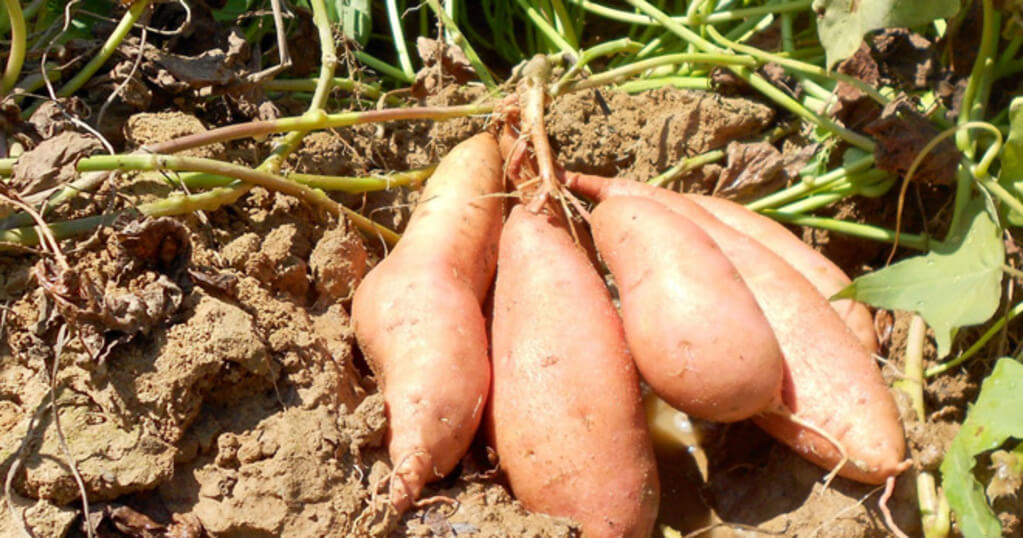
Sweetpotato stands out as a powerhouse crop in Kenya’s agricultural landscape, demonstrating remarkable resilience to climate variability. This hardy crop thrives in diverse soil conditions and can withstand both drought and waterlogging, making it an ideal choice for unpredictable weather patterns.
Key Adaptive Features:
- Drought tolerance up to 3 months
- Quick maturation period (3-4 months)
- Minimal fertilizer requirements
- Ability to grow in poor soil conditions
- Natural resistance to many pests
The nutritional profile of sweetpotato positions it as a vital food security crop. A single medium-sized sweetpotato provides:
- 400% of daily Vitamin A requirements
- High levels of Vitamin C and B6
- Essential minerals including potassium and manganese
- Dietary fiber
- Complex carbohydrates
Kenyan farmers have embraced sweetpotato cultivation across different regions, from Western Kenya to the coastal areas. The crop’s adaptability has led to increased food production in areas previously considered unsuitable for farming. Local varieties like SPK004 and Kenspot, which demonstrate enhanced drought resistance and higher yields, producing up to 25 tons per hectare under optimal conditions, are becoming increasingly popular among farmers.
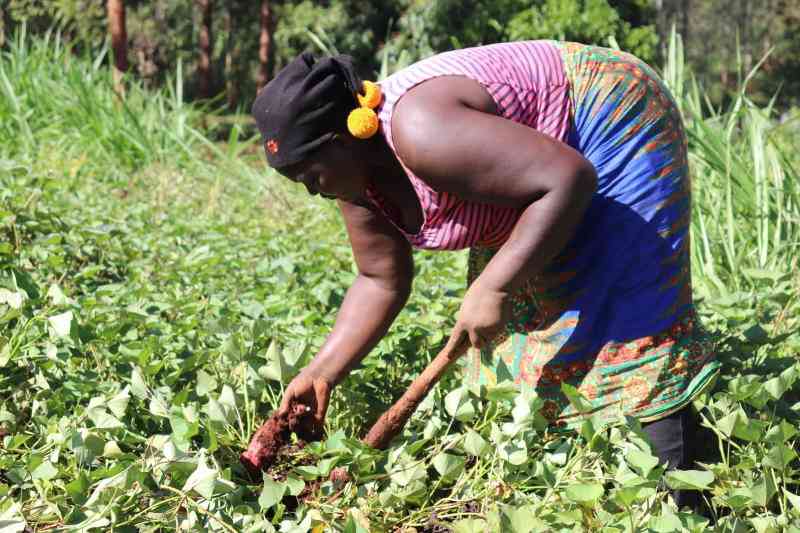
Small-scale farmers particularly benefit from sweetpotato’s low maintenance requirements and high market value. The crop’s ability to produce substantial yields with minimal inputs has transformed it into a reliable source of both food and income for rural communities facing climate-related challenges. Furthermore, studies have shown that certain sweetpotato varieties are not only resilient but also significantly contribute to improving the livelihoods of smallholder farmers by providing food security and economic stability.
2. Genetically Modified (GM) Crops for Food Security
In 2022, Kenya made a significant change in its agricultural policies by lifting a ban on genetically modified organisms (GMOs) that had been in place for ten years. This decision allows 17 million farmers in the country to access GM crops, which is expected to play a crucial role in addressing food insecurity.
Development of GM Varieties
Research institutions in Kenya are actively working on creating genetically modified versions of key staple crops:
- Maize: Improved with genes that make it resistant to drought and pests
- Cassava: Altered to withstand diseases such as brown streak disease and mosaic virus
- Cotton: Designed for better pest resistance and increased yields
Benefits of GM Crops
The introduction of GM crops has the potential to bring several advantages to Kenyan agriculture:
- Higher crop production by as much as 40%
- Decrease in pesticide usage and related expenses
- Better defense against diseases and pests
- Enhanced nutritional value through biofortification techniques
Concerns Surrounding GM Technology
The discussion around GM crops has sparked debates throughout the country. Critics have raised concerns about various issues, including:
- Long-term effects on the environment
- Possible impact on traditional seed varieties
- Dependence on seed companies for market supply
- Risk of cross-pollination between GM and non-GM crops
Ongoing Research and Safety Measures
Despite these concerns, scientific studies continue to support the safety of genetically modified crops. The Kenya Agricultural and Livestock Research Organization (KALRO) is actively conducting field trials and research to ensure that these crops meet safety standards while also addressing challenges related to food security.
Advantages for Farmers
The adoption of GM technology is seen as a strategic approach to tackle agricultural problems caused by climate change. Farmers in areas prone to drought have reported better harvests and fewer crop losses since they started using genetically modified varieties in their farming practices.
3. Pest-Resistant Crop Varieties: A Solution to Climate Stress
Climate change creates ideal conditions for pest populations to thrive, leading to devastating crop losses across Kenya. Pest-resistant crop varieties offer a practical solution to this growing challenge.
Research shows that farmers lose up to 40% of their crops to pests and diseases, with climate change intensifying these losses. Pest-resistant varieties can reduce this damage by:
- Natural pest deterrence mechanisms
- Enhanced immune responses to common diseases
- Improved survival rates during pest outbreaks
The success of pod borer-resistant cowpea demonstrates the effectiveness of pest-resistant crops. This variety specifically targets the Maruca vitrata pod borer, a destructive pest responsible for yield losses of up to 80% in conventional cowpea crops. Farmers using this resistant variety report:
- 70% reduction in pesticide use
- 20-25% increase in crop yields
- Significant cost savings on pest control
GM technology plays a crucial role in developing these resistant varieties. Scientists identify and incorporate specific genes that produce natural pesticides or strengthen plant defenses. This approach has created crops that:
- Resist multiple pest species simultaneously
- Maintain effectiveness throughout growing seasons
- Reduce the need for chemical pesticides
The Kenya Agricultural and Livestock Research Organization (KALRO) continues to develop new pest-resistant varieties adapted to local conditions. These innovations help farmers protect their harvests while reducing their dependence on chemical pesticides.
Moreover, studies indicate that the introduction of pest-resistant crops could significantly enhance food security in the region by mitigating the adverse effects of climate stress on agriculture.
4. Traditional Climate-Resilient Crops for Arid Regions
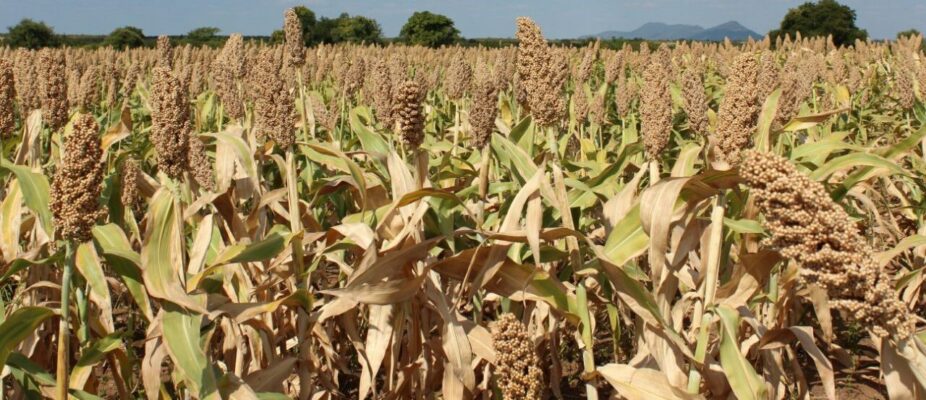
Traditional crops have proven their resilience in Kenya’s arid and semi-arid regions through centuries of cultivation. <strong>Sorghum, pearl millet, and cowpeas stand out as exceptional choices for farmers facing harsh climate conditions.</p>
&amp;lt;h3>Sorghum: The Drought-Tolerant Staple <p>Sorghum thrives in temperatures between 27-30°C and requires minimal rainfall, making it ideal for Kenya’s dry regions. Its deep root system allows it to access water from lower soil layers, while its waxy coating reduces water loss through evaporation.
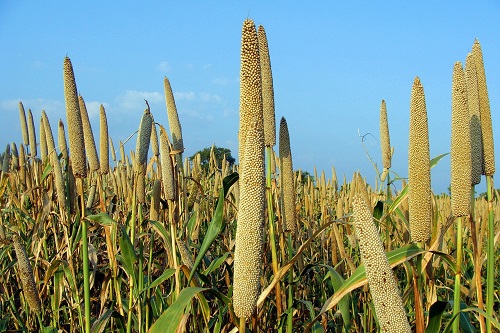
Pearl Millet: The Adaptable Superfood
Pearl millet demonstrates remarkable adaptability to poor soils and drought conditions. This hardy crop:
- Matures in just 60-90 days
- Survives in areas with annual rainfall as low as 250mm
- Provides essential nutrients including iron and zinc
- Maintains stable yields under heat stress
Cowpeas: The Nutrient-Rich Legume
Cowpeas complement these grains by enriching soil fertility through nitrogen fixation. Research shows traditional cowpea varieties in Kenya’s arid regions improve yields by up to 30% when intercropped with cereals.
Best Practices for Crop Management
Farmers can maximize crop performance through:
- Strategic planting dates aligned with rainfall patterns
- Proper seed spacing to optimize resource use
- Regular weeding during early growth stages
- Seed selection from healthy, mature plants
The Kenya Agricultural Research Institute (KARI) supports farmers with improved traditional crop varieties that maintain their climate-resilient properties while offering enhanced yields and pest resistance.

5. Conventional Breeding and Biotechnology for High-Yielding Varieties
The combination of conventional breeding and biotechnology creates powerful solutions for Kenya’s agricultural challenges. Scientists at the Kenya Agricultural and Livestock Research Organization (KALRO) use marker-assisted breeding to develop crops with enhanced traits:
- Drought tolerance
- Disease resistance
- Improved nutritional content
- Higher yields
- Better adaptation to local conditions
Biotechnology tools accelerate the breeding process through:
- DNA sequencing to identify beneficial genes
- Gene editing for precise trait modifications
- Tissue culture for rapid multiplication
- Molecular markers for efficient selection
Recent breakthroughs include biofortified maize varieties with 2-3 times more vitamin A and zinc content. These varieties show 15-20% higher yields under drought conditions compared to traditional varieties.
Advanced breeding techniques target specific climate-related challenges:
- Heat tolerance: New varieties withstand temperatures up to 35°C
- Water efficiency: Crops requiring 30% less water
- Salt tolerance: Plants adapting to increasing soil salinity
- Early maturity: Varieties completing growth cycles before severe weather
The Kenya Plant Health Inspectorate Service (KEPHIS) validates these improved varieties through field trials across different agro-ecological zones. Successful varieties undergo multiplication and distribution to farmers through certified seed programs.
Local seed companies partner with research institutions to scale up production, ensuring farmers access these climate-smart varieties at affordable prices.
Conclusion
Climate-resilient crops are crucial for Kenya’s agricultural sustainability. By combining traditional farming knowledge with modern biotechnology, we can create a strong system for ensuring food security despite unpredictable weather.
The success stories of sweetpotato cultivation, GM crop adoption, and pest-resistant varieties show us the power of climate-smart agriculture. These innovations have given Kenyan farmers the tools they need to:
- Maintain consistent yields even when rainfall is irregular
- Fight against new pest problems
- Improve the nutritional value of their crops
- Prepare for extreme weather events
To move forward, we need everyone to play their part:
Farmers: Embrace new crop varieties and sustainable farming practices while sharing knowledge within farming communities.
Policymakers: Create supportive frameworks for research funding, farmer education, and market access for climate-resilient crops.
Researchers: Continue developing improved varieties through both conventional breeding and biotechnology approaches.
Lastly, the future of Kenyan agriculture depends on those who are willing to adapt and innovate. By choosing climate-resilient crops and implementing smart farming practices, you are helping to create a sustainable agricultural legacy for future generations. The time to act is now – your decisions as a farmer today will determine Kenya’s food security tomorrow.
Ready to learn how to grow drought resistant crops in Kenya?
Contact Royal Seedlings:
 Phone: +254 711315313
- Email: Julius.murega@royalseedlings.
com, - Website:www.royalseedlings.com
 Phone: +254 711315313
 Email:
  Website:
FAQs (Frequently Asked Questions)
What are climate-resilient crops and why are they important for Kenya?
Climate-resilient crops are varieties that can withstand changing weather patterns and adverse climatic conditions. They are crucial for Kenya as they help farmers adapt to climate change, ensuring food security and sustainable agricultural practices amid unpredictable rainfall and temperature fluctuations.
How does sweetpotato contribute to climate resilience and food security in Kenya?
Sweetpotato is highly adaptable to varying climatic conditions, making it a climate-resilient crop. It offers significant nutritional benefits, including essential vitamins and minerals, which enhance food security by providing a reliable and nutritious food source for Kenyan communities impacted by climate variability.
What role do genetically modified (GM) crops play in addressing food security challenges in Kenya?
GM crops such as maize and cassava have been introduced in Kenya to tackle food security issues by improving crop yields and resistance to pests and diseases. The lifting of the ban on GMOs has allowed research and adoption of these technologies, offering benefits like increased productivity while also generating discussions around their safety and environmental impact.
Why are pest-resistant crop varieties important for combating climate stress in Kenyan agriculture?
Pest-resistant crop varieties help reduce crop losses caused by pests that thrive under changing climatic conditions. Developing such varieties, including pod borer-resistant cowpea through genetic modification, is vital for maintaining stable yields and enhancing the resilience of Kenyan agriculture against climate-induced pest pressures.
Which traditional crops are considered climate-resilient in Kenya’s arid regions, and how do they support agricultural productivity?
Traditional crops such as sorghum, pearl millet, and cowpeas are well-suited to arid and semi-arid regions of Kenya due to their drought tolerance and adaptability. These crops contribute to agricultural productivity by providing reliable harvests under harsh conditions, supporting livelihoods, and promoting resilience against climate variability.
How does integrating conventional breeding with biotechnology improve crop resilience in Kenya?
Combining conventional breeding techniques with biotechnology enables the development of high-yielding and biofortified crop varieties that can better withstand erratic rainfall patterns and temperature fluctuations. This integration enhances the ability of Kenyan farmers to cultivate resilient crops that sustain productivity despite the challenges posed by climate change.