

Young orchards face unique challenges when it comes to pest infestations management. These tender trees require special protection during their early growth stages, making natural pest control methods essential for their survival and development.
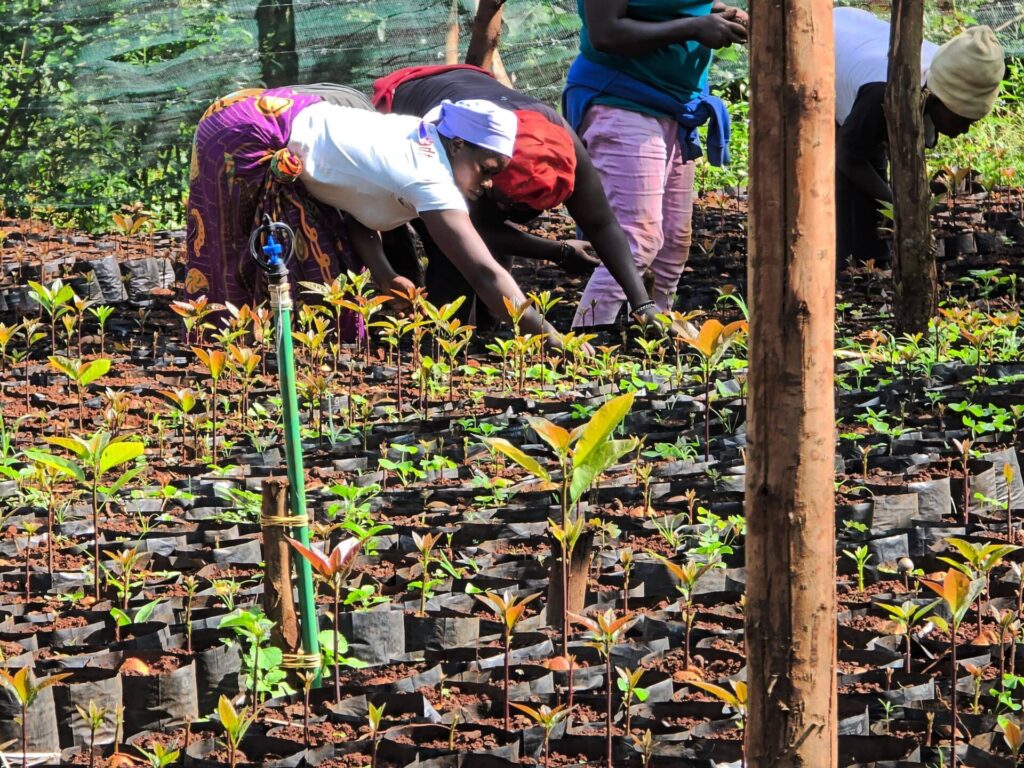
Natural pest prevention strategies offer a sustainable approach to protecting your orchard investment. By working with nature rather than against it, you’ll create a balanced ecosystem that supports both your trees and beneficial wildlife. These methods range from attracting insect-eating birds to implementing physical barriers and maintaining proper orchard hygiene.
Key Benefits of Natural Pest Control:
- Preserves beneficial insects and wildlife
- Reduces environmental impact
- Creates long-term pest resistance
- Improves fruit quality
- Minimizes chemical residues
- Saves money on pesticides
You’ll discover practical, proven techniques to protect your young trees from common pests while building a resilient orchard ecosystem. These strategies work together to create a sustainable environment where your trees can thrive naturally, producing healthy fruit for years to come.
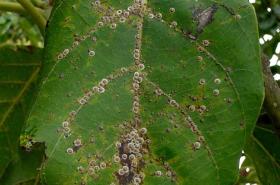
Understanding Pest Challenges in Young Orchards
Young orchards face significant threats from various destructive pests that can severely impact tree development and future fruit production. These pests target vulnerable saplings during their critical growth stages.
Common Orchard Pests:
- Aphids – Small sap-sucking insects that cluster on new growth, causing leaf curl and stunting
- Codling Moths – Larvae burrow into developing fruit, creating tunnels that lead to rot
- Citrus Red Mites – Tiny arachnids that feed on leaves, causing discoloration and reduced photosynthesis
- Pear Psylla – Insects that secrete honeydew, promoting sooty mold growth and weakening trees
Young trees are more susceptible to pest damage because of the following reasons:
- Tender bark and shoots
- Limited energy reserves
- Underdeveloped natural defense mechanisms
- Reduced ability to recover from injury
Impact of Pest Infestations:
Pest infestations can have several negative effects on young orchards, including:
- Stunted growth and deformed branches
- Reduced fruit set and quality
- Weakened root systems
- Increased vulnerability to diseases
- Delayed establishment in the orchard
- Potential tree death in severe cases
The economic implications of pest damage in young orchards extend beyond immediate crop loss. Affected trees require additional resources for recovery, leading to increased maintenance costs and delayed returns on investment. A single severe infestation can set back orchard development by several growing seasons.

1. Promoting Beneficial Wildlife and Insects for Natural Pest Control
Natural pest control starts with creating a welcoming environment for beneficial wildlife and insects. These helpful creatures act as your orchard’s first line of defense against harmful pests.
Attracting Insectivorous Birds
- Install nesting boxes 5-6 feet above ground for eastern bluebirds
- Place tree swallow houses near open areas of your orchard
- Mount boxes facing away from prevailing winds
- Clean and maintain boxes annually during winter
Creating a Flowering Haven
Plant nectar-rich flowers like:
- Sweet alyssum
- Yarrow
- Dill
- Fennel
- Cosmos
These flowering plants attract powerful pest controllers:
- Ladybugs – consume up to 5,000 aphids in their lifetime
- Lacewings – devour mites, thrips, and small caterpillars
- Parasitic wasps – target codling moths and other destructive pests
Building Predator Habitats
- Wrap corrugated cardboard bands around tree trunks
- Place wood piles near orchard edges
- Create rock piles for ground beetles
- Leave strips of unmowed grass for predatory insects
The combination of diverse habitats and food sources creates a balanced ecosystem where beneficial insects thrive and naturally suppress pest populations in your young orchard.
2. Maintaining Orchard Hygiene to Reduce Pest Habitats
Proper orchard hygiene practices create an inhospitable environment for pests, reducing their ability to establish and multiply in your young orchard. A clean orchard disrupts pest life cycles and limits their survival chances.
Essential Fall Cleanup Tasks:
- Remove fallen fruit within 24-48 hours
- Clear infested fruit showing signs of pest damage
- Pick remaining fruit from trees after harvest
- Clean pruning equipment between trees
Leaf litter and organic debris serve as perfect winter shelters for pests. Regular removal of these materials exposes overwintering pests to:
- Natural predators like ground beetles
- Free-range chickens that scratch and feed
- Cold temperatures that reduce pest survival rates
Proper Disposal Methods:
- Bag infested materials in sealed containers
- Dispose through municipal waste services
- Burn infected materials where legally permitted
- Bury debris at least 2 feet deep
Resist adding pest-infected materials to your compost pile. Even well-maintained compost heaps might not reach temperatures high enough to kill pest eggs and larvae. These surviving pests can re-infest your orchard in spring, creating a persistent cycle of infestation.
Consider implementing a weekly cleaning schedule during peak growing seasons. This routine maintenance helps identify potential pest issues early while keeping your orchard environment clean and pest-resistant.
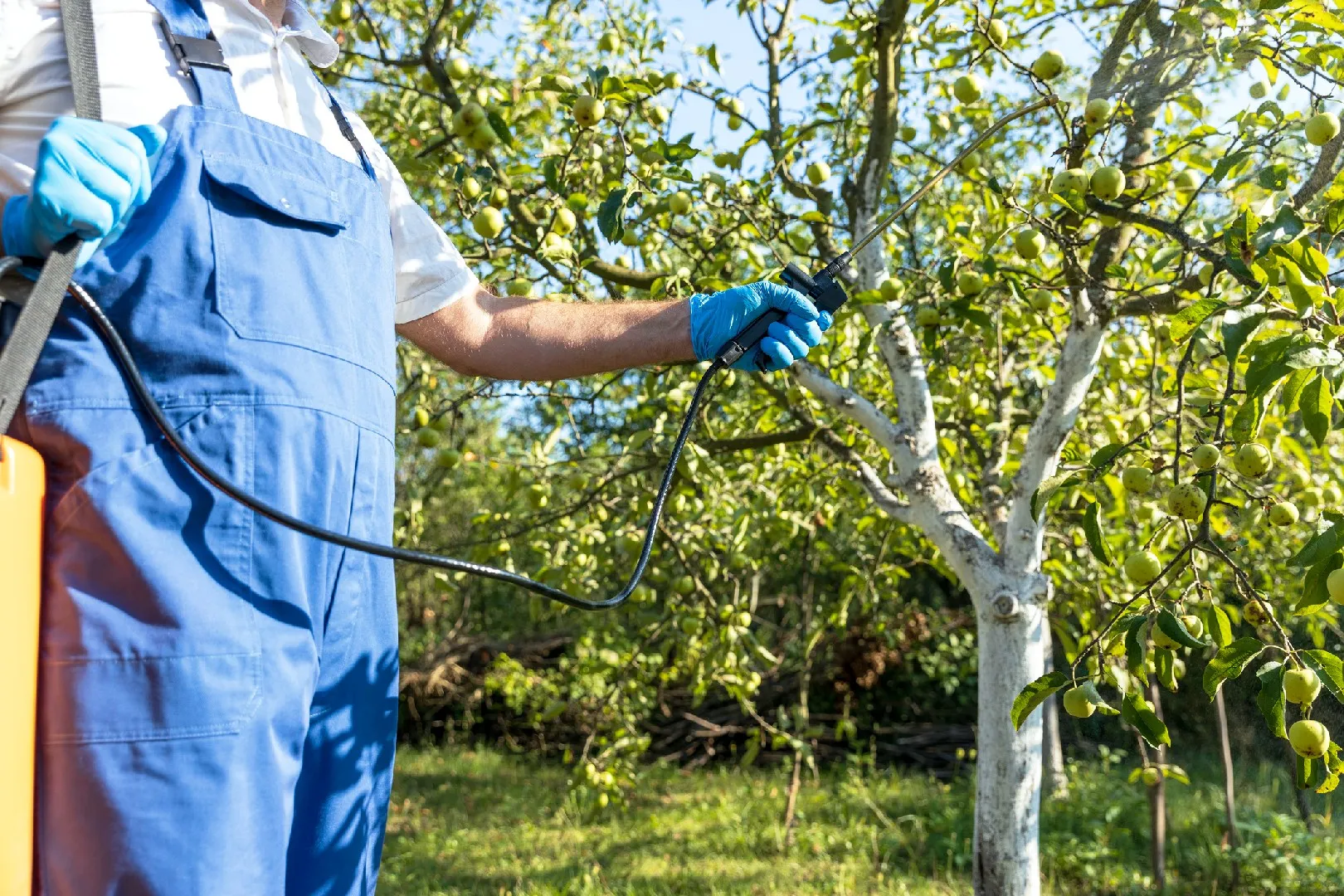
3. Implementing Physical Barriers and Traps Against Orchard Pests
Physical barriers create effective defensive lines against persistent orchard pests. Sticky traps serve as frontline protection, capturing both crawling and flying insects before they reach your trees. These traps work through a simple yet powerful mechanism – insects get stuck in the adhesive surface, preventing their movement toward the trees.
You can implement sticky traps in several strategic ways:
- Place bands around tree trunks to catch crawling insects
- Hang yellow sticky cards to attract and trap flying pests
- Install blue sticky traps specifically for thrips control
- Set up white sticky traps for apple maggot flies
Maggot barriers add another layer of protection for your developing fruit. These lightweight mesh bags, also known as orchard sox, create a physical shield between pests and individual fruits or fruit clusters. The barriers allow sunlight and air to reach the fruit while blocking:
- Apple maggot flies
- Codling moths
- Plum curculios
- Oriental fruit moths
For optimal protection, install maggot barriers when fruits are about 1 inch in diameter. The mesh size matters – choose barriers with openings small enough to prevent target pests from reaching the fruit but large enough to maintain proper air circulation.
These physical barriers complement other pest management strategies by:
- Reducing pest populations without chemicals
- Protecting fruit during critical development stages
- Allowing natural predators to move freely through the orchard
- Providing visible evidence of pest activity for monitoring
4. Enhancing Tree Health for Natural Resistance Against Infestations
Strong, healthy trees naturally resist pest infestations. You can boost your young orchard’s resilience through strategic tree health management practices:
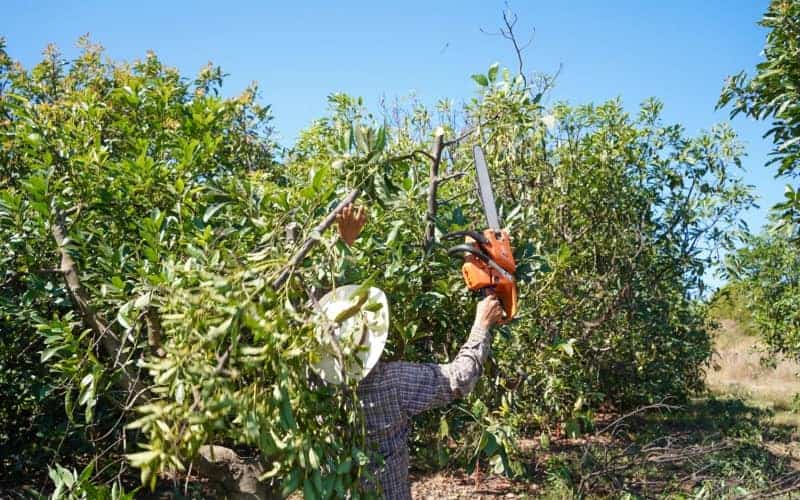
Proper Pruning Techniques
- Remove dead, diseased, or crossing branches to improve air circulation
- Create an open center structure to allow sunlight penetration
- Trim water sprouts and suckers that drain tree energy
- Make clean cuts at proper angles to prevent disease entry points
Strategic Feeding Program
- Apply slow-release organic fertilizers to avoid nitrogen spikes
- Maintain balanced soil pH between 6.0-7.0
- Add compost tea applications during growing season
- Use foliar sprays with seaweed extract to boost micronutrients
Health Monitoring Systems
- Test brix levels regularly – aim for readings above 12
- Check leaf color and texture weekly
- Monitor trunk health and bark integrity
- Assess new growth patterns and vigor
Disease Prevention Practices
- Maintain proper tree spacing for ventilation
- Water at soil level to keep foliage dry
- Apply organic mulch to regulate soil moisture
- Remove any signs of disease immediately
These proactive health measures create robust trees capable of withstanding pest pressure. Regular monitoring allows you to spot potential issues before they escalate into serious problems.
5. Regular Pest Monitoring and Early Intervention Strategies in Young Orchards
Regular pest monitoring creates a proactive defense against infestations in young orchards. You’ll need to inspect your trees twice weekly during rapid growth phases when pest populations can explode quickly.
Key monitoring practices include:
- Examining leaf undersides for aphid colonies
- Checking branch joints and bark crevices for pest activity
- Inspecting fruit for early signs of damage
- Looking for ant trails on tree trunks
Ant management plays a crucial role in pest control. These insects form symbiotic relationships with aphids – protecting them from natural predators in exchange for honeydew. To disrupt this relationship:
- Apply sticky barriers around tree trunks
- Remove vegetation touching tree branches
- Create physical barriers using diatomaceous earth
- Maintain a clear zone around tree bases
Your monitoring schedule should adapt to seasonal changes:
- Spring: Focus on emerging leaf buds
- Summer: Watch for fruit damage patterns
- Fall: Track pest movement to winter shelter spots
Document pest patterns and population changes in a monitoring log. This record helps identify trouble spots and optimal timing for intervention strategies in your young orchard.
6. Fostering Biodiversity and Agroecological Practices in Orchards for Pest Infestations Control
A biodiverse orchard creates natural defense mechanisms against pest invasions. You can establish this protective ecosystem through strategic plant selection and spacing:
Plant Diversity Strategies:
- Integrate companion plants like yarrow, fennel, and dill between tree rows
- Create hedgerows with native flowering shrubs along orchard borders
- Plant cover crops such as clover and vetch under tree canopies
- Include aromatic herbs like lavender and thyme to confuse pest navigation
Incorporating these strategies, along with the principles of sustainable edible landscapes, can significantly enhance the resilience of your orchard.
Optimal Tree Spacing Guidelines:
- Standard apple trees: 15-20 feet apart
- Semi-dwarf varieties: 12-15 feet spacing
- Dwarf fruit trees: 8-10 feet between trees
The varied plant heights and growth patterns create multiple vegetation layers, providing diverse habitats for beneficial insects and natural predators. This multi-story approach maximizes the ecological benefits while minimizing pest pressure on your young trees.
Botanical Diversity Benefits:
- Reduces pest concentration on specific tree species
- Creates natural barriers against pest movement
- Supports year-round presence of beneficial insects
- Improves soil health through root diversity
- Enhances pollination through increased pollinator activity
Your orchard’s plant diversity acts as a living pest management system, reducing the need for intervention while building long-term ecological resilience.
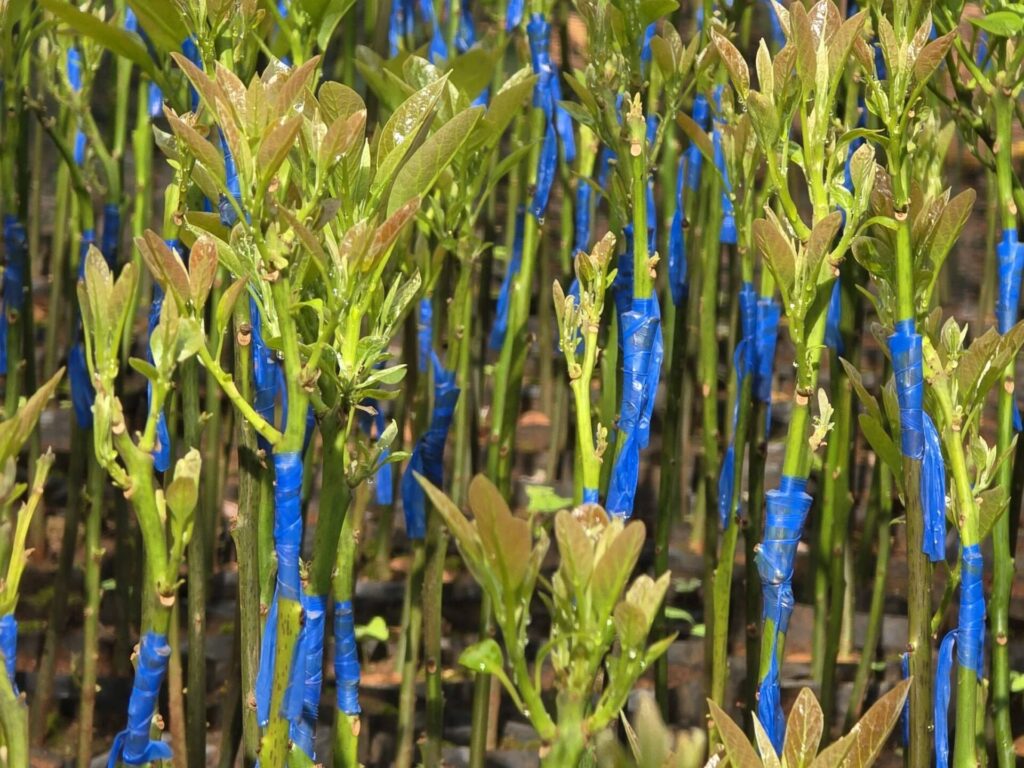
Integrating Natural Methods for a Resilient Orchard Ecosystem Against Pests
A successful integrated pest management strategy in young orchards requires synchronizing multiple natural control methods throughout the growing season. Here’s how to weave these practices together:
Spring Actions:
- Release beneficial insects as temperatures warm
- Set up bird houses before nesting season
- Install physical barriers before pest emergence
Summer Integration:
- Rotate chicken tractors through orchard rows
- Maintain flowering strips between tree lines
- Adjust irrigation timing to discourage pest cycles
Fall Coordination:
- Time cover crop planting with pest life cycles
- Coordinate beneficial insect habitat maintenance
- Schedule strategic pruning with pest monitoring data
The key to success lies in timing these practices to work together. When you coordinate biological controls with cultural practices, each method amplifies the effectiveness of others. This creates a robust defense system where predator populations establish permanent cycles, physical barriers protect during vulnerable periods, and management practices disrupt pest reproduction at critical points.
Conclusion
Natural pest prevention strategies create resilient young orchards that thrive for generations. The combination of beneficial wildlife, proper hygiene practices, and strategic monitoring builds a robust ecosystem that naturally resists pest pressure.
Your investment in these sustainable methods pays dividends through:
- Reduced need for chemical interventions
- Stronger, healthier trees with higher yields
- Enhanced biodiversity supporting natural pest control
- Lower maintenance costs long-term
- Improved fruit quality and market value
You can start implementing these practices today – begin with simple steps like installing bird boxes or planting flowering strips. Each natural method you add strengthens your orchard’s defenses against pests while contributing to environmental sustainability.
The path to a thriving, pest-resistant orchard lies in working with nature rather than against it. Your thoughtful management choices now will shape the success and sustainability of your orchard for years to come.
Ready to learn about preventing pest infestations in your farm?
Contact Royal Seedlings:
 Phone: +254 711315313
- Email: Julius.murega@royalseedlings.
com, - Website:www.royalseedlings.com
 Phone: +254 711315313
 Email:
  Website:
FAQs (Frequently Asked Questions)
What are the common pests that affect young orchards and why are young trees more vulnerable?
Common pests in young orchards include aphids, codling moths, citrus red mites, and pear psylla. Young fruit trees are especially susceptible to pest damage because they have less established defenses and their growth can be significantly impacted by infestations, leading to reduced orchard health and lower yields.
How can beneficial insects and insectivorous birds help in natural pest control in young orchards?
Beneficial insects such as lacewings, ladybugs, and parasitic wasps prey on harmful pests. Installing nesting boxes for insect-eating birds like eastern bluebirds and tree swallows encourages these natural predators to inhabit the orchard. Additionally, planting flowering plants attracts beneficial insects, creating a balanced ecosystem that naturally controls pest populations.
What orchard hygiene practices are effective in reducing pest habitats?
Maintaining orchard hygiene involves removing fallen and infested fruit during the fall to disrupt pest life cycles, clearing leaf litter and debris which exposes overwintering pests to natural predators like chickens or beetles, and avoiding composting infested materials to prevent pests from surviving through winter. These practices reduce available habitats for pests and lower infestation risks.
What physical barriers and traps can be used to protect young fruit trees from pests?
Sticky traps can be employed to block crawling and flying insect pests from reaching the trees. Using orchard sox or maggot barriers around developing fruit prevents insect damage by physically obstructing pest access. These methods provide a non-chemical means of protecting young trees from infestation.
How does enhancing tree health contribute to natural resistance against pest infestations?
Proper pruning and feeding techniques strengthen young trees, making them less susceptible to pest attacks. Monitoring tree health indicators such as brix levels allows for early detection of stress or disease, enabling timely corrective actions that enhance the tree’s natural defenses against infestations.
Why is fostering biodiversity important for pest control in orchards?
Maintaining botanical diversity within the orchard supports a variety of natural predators that regulate pest populations. Adequate tree spacing reduces disease and pest spread risks by improving air circulation and habitat conditions. These agroecological practices create a resilient orchard ecosystem that naturally suppresses pests without relying on chemical interventions.