

How to Store and Transport Seedlings Safely
To transport seedlings across long distances presents unique challenges for gardeners and plant enthusiasts. Your precious plants face risks from temperature fluctuations, physical damage, dehydration, and stress during transport. The success of your move depends on proper storage and transportation techniques.
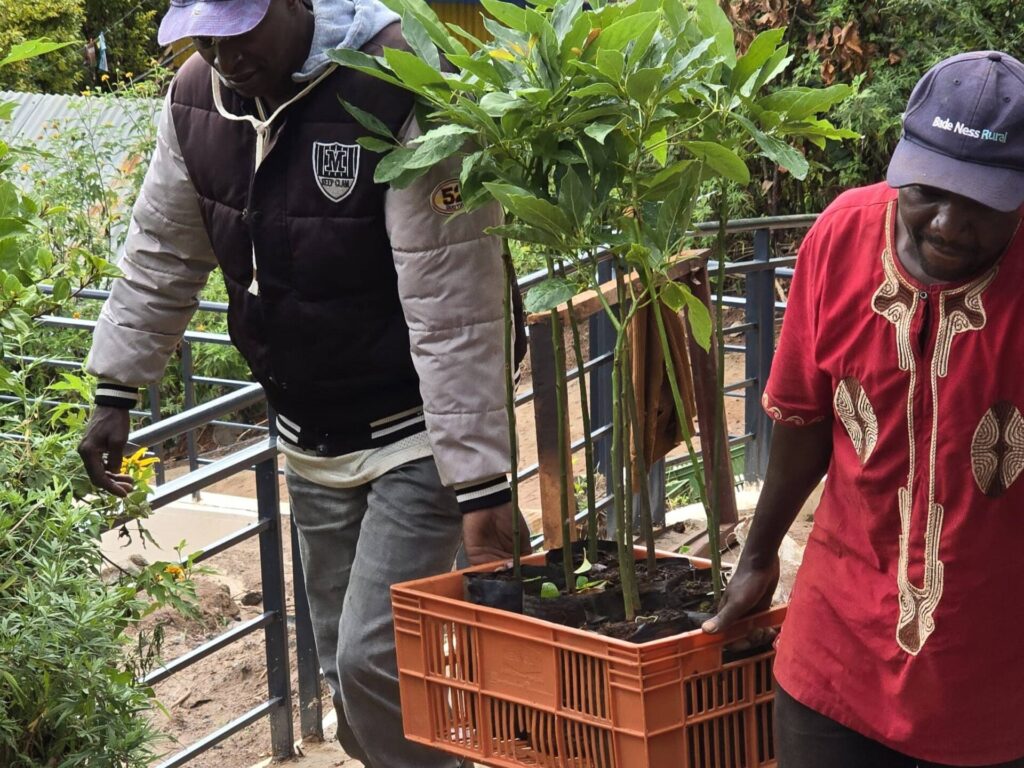
We understand the anxiety of relocating your carefully nurtured seedlings. A single mistake in packaging or transportation can undo months of patient cultivation. That’s why we’ve consulted expert horticulturists and experienced plant movers to create this comprehensive guide.
You’ll discover proven methods to:
- Prepare your seedlings for the journey ahead
- Pack them securely using appropriate materials
- Transport them safely while maintaining optimal conditions
- Navigate regulatory requirements
- Care for your plants upon arrival
These expert-backed strategies will help safeguard your Hass avocado seedlings during their journey, ensuring they arrive healthy and ready to thrive in their new location. Whether you’re moving across state lines or shipping plants to customers, these techniques will maximize your success rate in long-distance seedling transport.
1. Preparing Seedlings for Transport
Proper preparation is crucial for your seedlings’ survival during long-distance moves. Start by conducting a thorough inspection of each plant. Look for:
- Signs of pest infestation
- Leaf discoloration
- Stem damage
- Root health
- Disease symptoms
Remove any damaged or diseased parts through careful pruning. Use clean, sharp tools to trim:
- Broken stems
- Yellowed leaves
- Overgrown branches
- Dead foliage
Repot your seedlings into lightweight containers with adequate drainage holes. Select pots that are:
- Made of plastic or other lightweight materials
- Slightly larger than the root ball
- Equipped with multiple drainage holes
- Filled with fresh, well-draining potting mix
Watering Schedule Tips:
- Water seedlings thoroughly 1-2 days before transport
- Allow soil to drain completely
- Skip watering on moving day
- Check soil moisture – it should be damp but not wet
For large plants that prove challenging to transport, consider these alternatives:
- Take stem cuttings (a method that can be beneficial for certain plants like the Modiola caroliniana)
- Remove small rooted sections
- Divide multi-stemmed plants
- Root plant segments in water before transport
These preparation steps create optimal conditions for your seedlings to withstand the stress of long-distance travel.
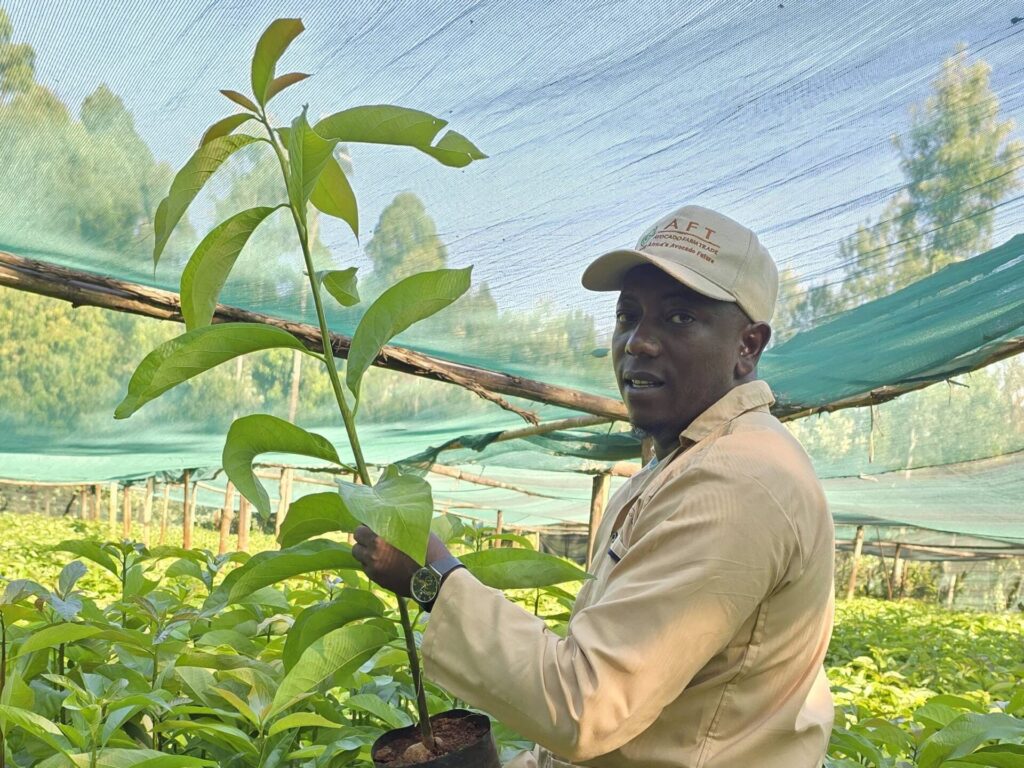
2. Effective Packaging Techniques for Seedlings
Proper packaging plays a vital role in protecting your seedlings during long-distance transport. Start with sturdy cardboard boxes lined with newspaper or packing paper – these materials provide insulation while absorbing excess moisture.
Essential Soil Security Measures:
- Place plastic bags over each pot
- Secure bags tightly around the base of plants
- Use rubber bands or plant-safe ties to prevent soil spillage
Creating an Optimal Transport Environment:**
- Punch 4-6 small ventilation holes on each side of the box
- Space holes evenly to promote consistent airflow
- Position holes above soil level to prevent dirt from escaping
Protection Against Movement:**
- Fill empty spaces with bubble wrap or crumpled packing paper
- Create buffer zones between plants to prevent contact
- Secure taller plants with bamboo stakes
- Use soft plant ties or strips of fabric to attach stems to stakes
Strategic Box Placement:**
- Position heavier plants at the bottom
- Place lighter, more delicate seedlings on top
- Create layers using cardboard dividers between plants
Clear Labeling Requirements:**
- Mark boxes with “LIVE PLANTS” in large letters
- Add “THIS SIDE UP” arrows
- Include “HANDLE WITH CARE” or “FRAGILE” labels
- Write specific handling instructions if needed
Remember to pack boxes firmly but not too tightly – plants need some space to “breathe” during transit. Double-check all securing mechanisms before sealing your packages to ensure maximum protection during the journey.
3. Transportation Best Practices for Seedlings
The choice of transportation vehicle plays a crucial role in seedling survival during long-distance moves. Never store seedlings in moving trucks or car trunks – these enclosed spaces lack proper ventilation and experience extreme temperature swings that can harm or kill your plants.
Your personal vehicle offers the best environment for seedling transport. Cars, SUVs, and vans provide:
- Climate control capabilities
- Protection from wind damage
- Easy access for monitoring
Temperature Management Tips:
- Set vehicle temperature between 65°F-75°F
- Avoid parking in direct sunlight
- Use sun shields when necessary
- Place seedlings away from air conditioning vents
Humidity Requirements:
- Keep a spray bottle handy for misting
- Check soil moisture every 2-3 hours during transit
- Place damp paper towels near (not touching) plants
- Consider using a portable humidifier for trips longer than 6 hours
Secure your seedlings to prevent tipping during transport. Place boxes on flat surfaces and use non-slip mats underneath. For added stability, wedge boxes between seats or other fixed objects. Create a buffer zone of at least 6 inches between plant containers to allow proper air circulation.
During rest stops, crack windows slightly to maintain airflow while keeping temperature stable. Regular monitoring helps catch any issues before they become serious problems.
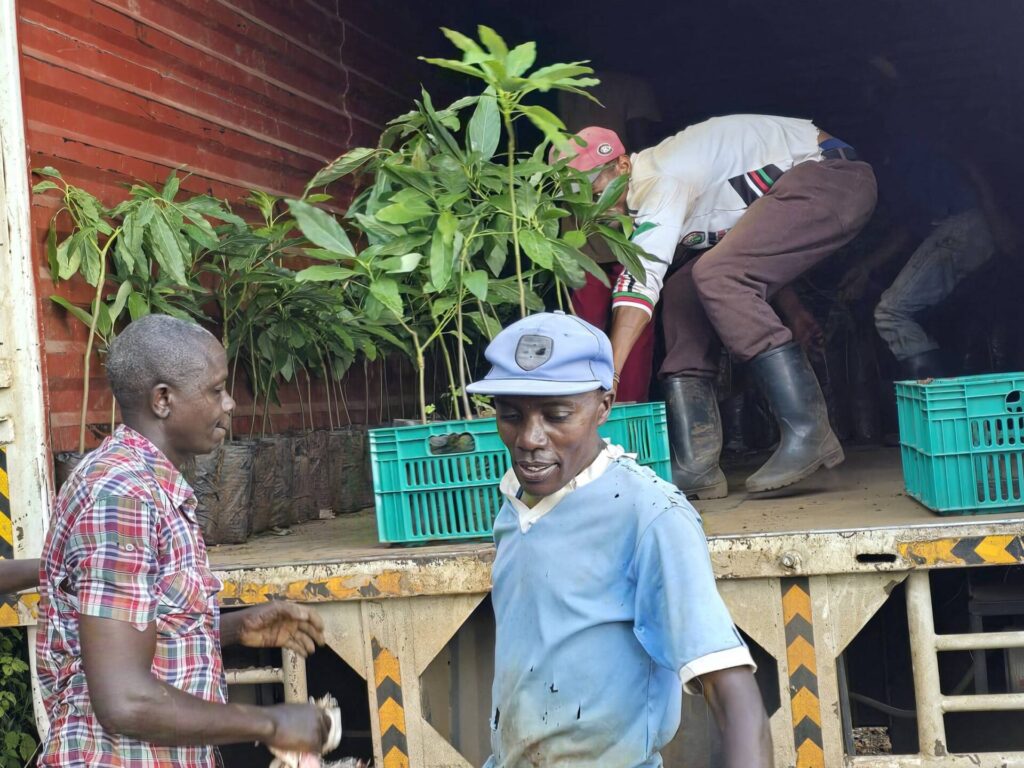
4. Navigating Regulatory Considerations When Transporting Seedlings
Plant transportation across state lines requires careful attention to legal requirements. Different states maintain specific regulations to protect their agricultural industries from pests and diseases.
Key State Restrictions:
- California enforces strict regulations through its Department of Food and Agriculture, requiring phytosanitary certificates for most plant materials
- Florida prohibits certain plant species and requires declaration forms for incoming plants
- Arizona maintains rigorous quarantine protocols, particularly for citrus plants
Required Documentation:
- Phytosanitary certificates from state agricultural departments
- Plant health inspection certificates
- Declaration forms listing plant species and quantities
- Proof of pest treatment (if applicable)
Inspection Requirements:
- Schedule inspections with authorized state examiners before transport
- Present plants for visual examination
- Submit soil samples when required
- Allow time for laboratory testing if necessary
You can check specific requirements through:
- USDA’s Animal and Plant Health Inspection Service (APHIS)
- State agricultural department websites
- Local agricultural extension offices
Violations of plant transport regulations can result in fines or confiscation of plant materials. Contact relevant agricultural authorities at both origin and destination points before beginning your journey to ensure compliance with current regulations.
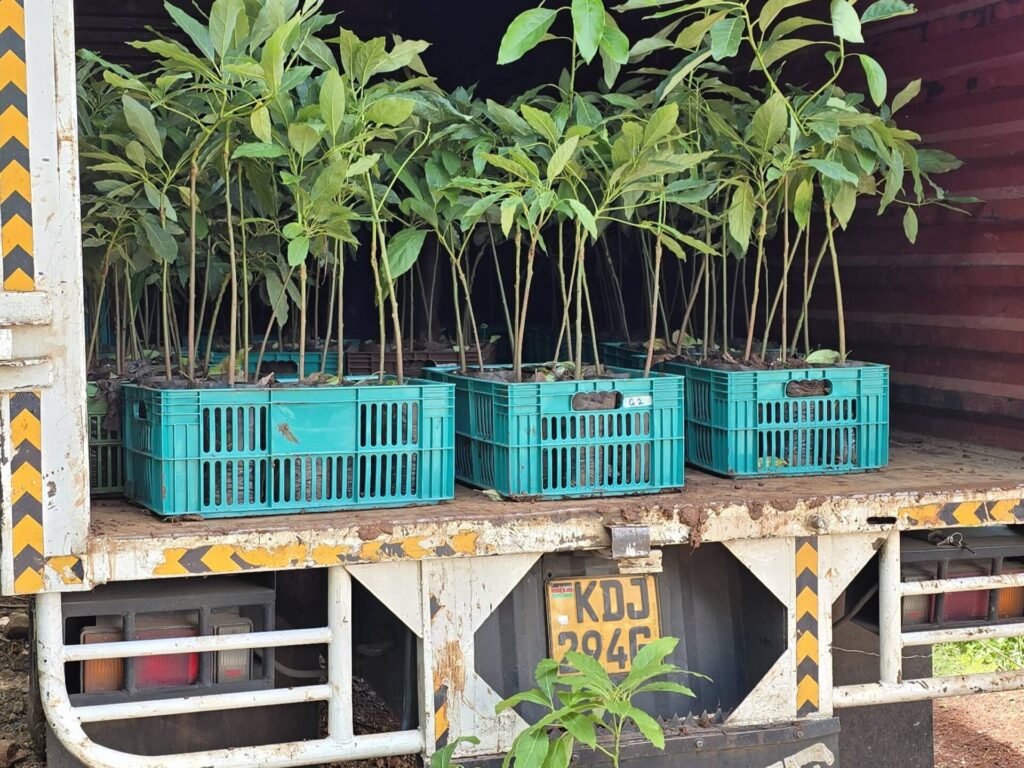
5. Post-Transport Care Upon Arrival
Your seedlings have completed their journey – now it’s time for critical post-transport care. The first 24-48 hours after arrival play a vital role in their recovery and future growth.
Immediate Unpacking Protocol
- Remove seedlings from their packaging right away
- Check for any physical damage or broken stems
- Inspect soil moisture levels
- Document the condition of each plant for future reference
Strategic Light Exposure
Place your seedlings in a sheltered spot with bright, indirect light. Direct sunlight can overwhelm plants that are already stressed from transport. A north-facing window or a spot under 50% shade cloth provides ideal conditions for recovery.
Health Monitoring Signs
Watch for these stress indicators:
- Wilting or drooping leaves
- Yellow or brown spots
- Leaf drop
- Stunted growth
- Dry or waterlogged soil
Recovery Care Tips
- Maintain consistent room temperature (65-75°F)
- Mist leaves lightly to increase humidity
- Water only when top inch of soil feels dry
- Hold off on fertilizing for 2 weeks
- Remove any damaged leaves with clean scissors
Environmental Adjustments
Create a recovery zone with stable conditions:
- Protection from drafts
- Consistent humidity levels
- Good air circulation
- Even temperature throughout day and night
Gradually reintroduce your seedlings to their normal growing conditions over 7-10 days. Start with 1-2 hours of usual light exposure, increasing daily as plants show signs of recovery.
For more detailed guidance on post-transport care and other gardening tips, visit Mill Creek Gardens’ blog.
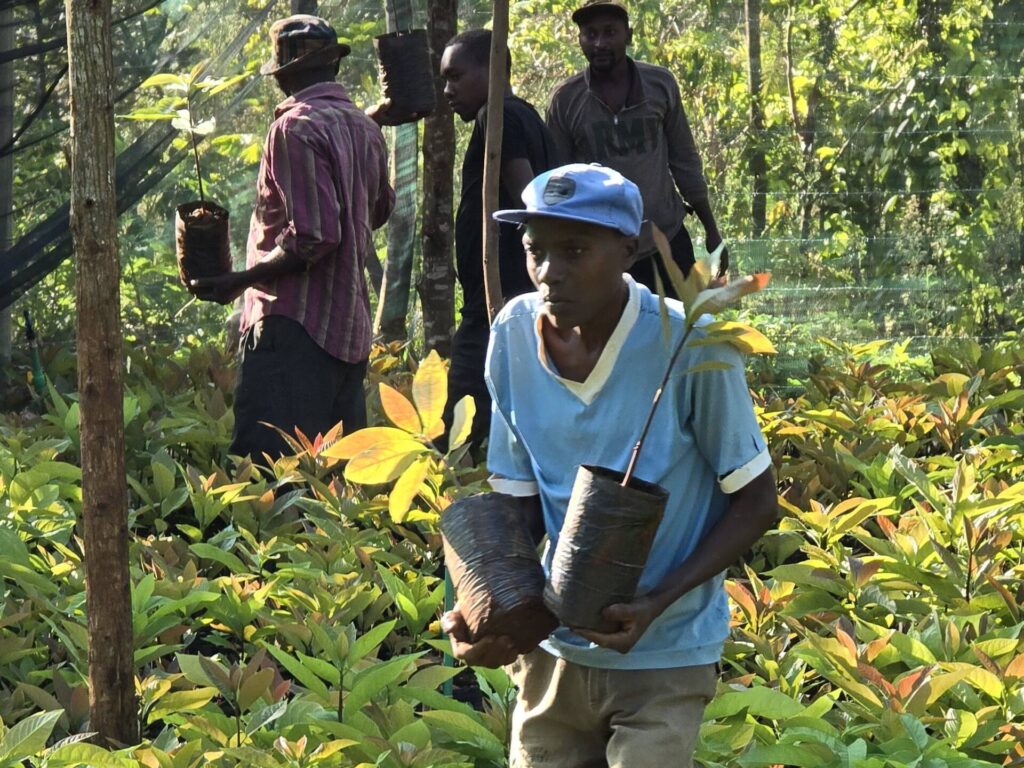
6. Additional Tips for Safe Long-Distance Seedling Transport
Large plants present unique challenges during transportation. You can minimize risks by taking cuttings from your mature plants instead of moving entire specimens. This method reduces physical strain on the plant and creates more manageable packages for transport.
Creating successful cuttings:
- Select healthy stems with 3-4 leaf nodes
- Make clean cuts just below a node
- Remove lower leaves
- Dip stems in rooting hormone
- Place in small, secure containers with moist growing medium
Breathable covering options for plant protection:
- Agricultural fleece
- Muslin cloth
- Shade cloth with 30-50% density
- Perforated plant sleeves
- Horticultural mesh
The right covering material creates a protective barrier while maintaining essential airflow. Secure these materials loosely around the foliage to prevent leaf damage and condensation buildup.
Pro tip: Create a temporary greenhouse effect by using clear plastic bags with small ventilation holes. Place wooden or plastic stakes around the plant’s perimeter to keep the covering from touching the leaves directly.
For exceptionally large specimens, you might consider:
- Taking multiple cuttings from different sections
- Root division for spreading plants
- Air layering techniques several weeks before transport
- Shipping bare-root after careful cleaning and wrapping
In addition, understanding how to provide frost protection for your plants is crucial during long-distance transport in colder climates. You can find valuable insights on this topic here.
If you’re considering taking cuttings from specific plants, such as rhubarb, it’s essential to follow certain guidelines to ensure successful growth. You can refer to this comprehensive guide on growing your own rhubarb for more information.
Lastly, if you’re interested in learning more about seedling transport and management practices, I recommend checking out this resource from the University of Alaska Fairbanks which offers detailed insights into safe long-distance seedling transport.
Conclusion
Transporting seedlings safely requires careful attention to detail and proper planning. Every step of the process, from getting ready to taking care of them at their final destination, is crucial for your plants’ survival. The methods explained in this guide create a protective environment that keeps your seedlings safe from common transportation dangers.
Your success in transporting seedlings over long distances depends on:
- Thorough preparation through proper inspection, pruning, and container selection
- Strategic packaging with appropriate materials and ventilation
- Temperature control during the journey
- Regulatory compliance with local plant transportation laws
- Immediate care upon arrival at the destination
These practices help reduce stress on your plants and increase their chances of thriving in their new home. Remember that healthy seedlings can handle the challenges of long-distance transport when you use these protective measures. By following these guidelines carefully, you will be rewarded with vibrant, resilient plants ready to thrive in their new surroundings.
Ready to learn more on storing, transporting, and handling seedlings?
Contact Royal Seedlings:
 Phone: +254 711315313
- Email: Julius.murega@royalseedlings.
com, - Website:www.royalseedlings.com
 Phone: +254 711315313
 Email:
  Website:
FAQs (Frequently Asked Questions)
What are the essential steps to prepare seedlings for safe long-distance transport?
To prepare seedlings for long-distance transport, inspect them carefully for pests and diseases to prevent spread and damage. Prune and repot seedlings into lightweight containers with good drainage to reduce stress. Water the seedlings 1-2 days before transport but avoid watering on moving day to prevent excess moisture. For large plants, consider transporting cuttings or rooted portions as alternatives.
How can I effectively package seedlings to ensure their safety during transportation?
Use sturdy, well-ventilated containers such as cardboard boxes lined with newspaper or packing paper. Secure soil by covering pots with plastic bags tied tightly to prevent spillage. Fill empty spaces with bubble wrap or packing material to minimize movement and damage. Create ventilation holes in packages to maintain airflow, support tall or fragile seedlings with stakes or soft ties, and clearly label packages as “Live Plant” and “Fragile” for careful handling.
What are the best practices for transporting seedlings over long distances?
Avoid storing seedlings in moving trucks or trunks where airflow is limited and temperature fluctuates drastically. Transport seedlings in vehicles where temperature can be controlled ideally between 65°F and 75°F, with adequate humidity levels maintained. Ensure seedlings remain stable and hydrated during transit; misting may be necessary especially on long drives to keep them healthy.
Are there regulatory considerations when transporting seedlings across state lines?
Yes, it’s important to research state or regional restrictions on importing plants to prevent pest and disease spread—states like California, Florida, and Arizona have specific regulations. Understand inspection requirements by authorized examiners depending on your transportation method or destination regulations to ensure compliance and avoid penalties.
What post-transport care should be given to seedlings upon arrival?
Immediately unpack seedlings upon arrival to reduce stress. Keep them out of direct sunlight initially to minimize transplant shock. Monitor for signs of stress such as drooping or yellow leaves and adjust care accordingly by providing appropriate water, light, and nutrients to help them recover from the journey.
What additional tips can help ensure safe long-distance transport of large plants or delicate seedlings?
For large plants, consider transporting cuttings instead of whole plants when feasible to reduce risk of damage. Use breathable materials for covering foliage during transport which balance protection with adequate airflow. Following these guidelines helps maintain seedling health and increases survival rates during long-distance moves.