

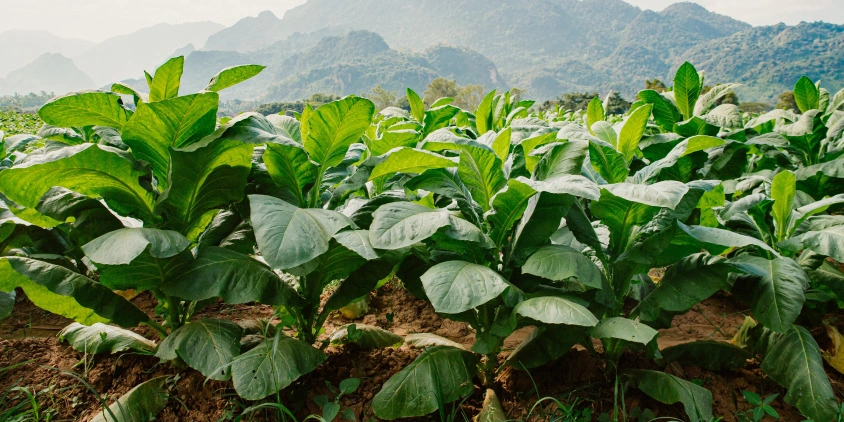
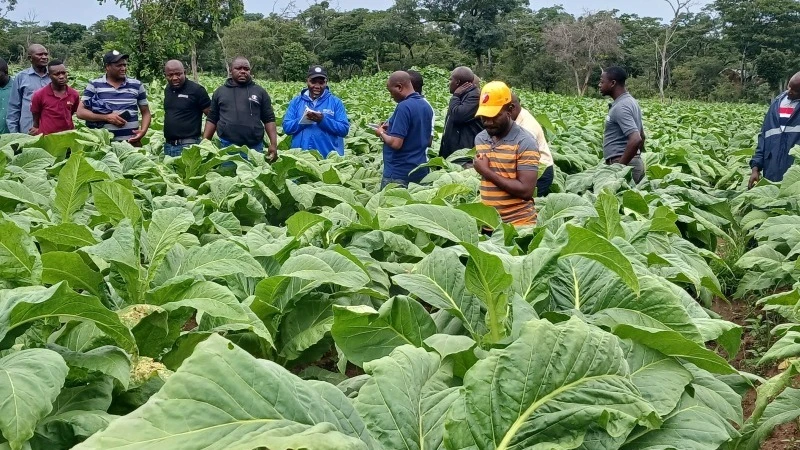
Tobacco farming is a crucial part of Kenya’s agricultural sector in 2025, providing support to over 100,000 smallholder farmers in important areas like Migori, Homa Bay, Bungoma, and Meru. This traditional cash crop continues to have a significant impact on the country’s economy through:
- Generating export earnings
- Contributing to government revenue through taxes (excise duty, VAT, corporate tax)
- Creating employment opportunities in rural areas
- Developing supply chains
However, the current situation of tobacco farming in Kenya is quite complicated. Major companies in the industry such as British American Tobacco (BAT) and Mastermind Tobacco Kenya are leading the sector with structured farming contracts. These agreements offer farmers:
- Technical support
- Input supplies
- Guaranteed market access
- Price frameworks
Despite this support, the industry is facing several challenges in 2025:
- Increasing production costs
- Environmental concerns
- Health risks for farmers
- Fluctuations in market prices
- Dependence on contract farming
Tobacco remains an important part of Kenya’s agricultural economy, especially in rural areas where there are limited options for earning income. Its influence goes beyond farming and extends to processing, distribution, and retail networks.
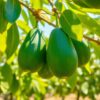
Due to these challenges and the need for diversifying income sources, some farmers are looking into alternative cash crops like avocados. However, this transition comes with its own difficulties and learning experiences. For example, those interested in starting avocado farming must understand various factors such as land preparation before receiving seedling deliveries (expert advice here), taking care of newly planted seedlings (essential tips here), and avoiding common mistakes for a successful harvest (avoid these avocado farming mistakes).
Furthermore, farmers may have inquiries regarding avocado seedling purchases online, which could provide additional assistance during their transition from tobacco to avocado farming.
Historical Background of Tobacco Farming in Kenya
Tobacco farming in Kenya traces its roots to the 1930s, marking a significant shift in the country’s agricultural landscape. British colonial settlers introduced tobacco cultivation, establishing the first commercial farms in the Meru region. The industry witnessed substantial growth during the post-independence period of the 1960s.
Expansion of Tobacco Farming
The 1970s brought rapid expansion as British American Tobacco (BAT) established operations in Kenya. This period saw tobacco farming spread to new regions:
- Migori County: Emerged as a primary tobacco-growing hub
- Homa Bay: Developed extensive tobacco plantations
- Bungoma: Became known for its high-quality tobacco leaves
- Kuria District: Experienced significant agricultural transformation
The 1980s marked the peak of tobacco farming expansion, with over 55,000 farmers engaged in cultivation. The sector attracted smallholder farmers through contract farming arrangements, offering guaranteed market access, input supply systems, technical support, and initial financial assistance.
Challenges Faced by Farmers
Despite the growth, farmers faced persistent challenges:
- Financial Strain: High production costs vs. low market prices
- Contract Issues: Unfavorable terms with tobacco companies
- Input Dependencies: Reliance on expensive fertilizers and pesticides
- Debt Cycles: Many farmers trapped in continuous borrowing
Moreover, tobacco farming is associated with numerous health risks and environmental concerns, leading to calls for more sustainable practices. In response to these challenges and the adverse effects of tobacco farming, organizations like WHO have proposed guidelines such as those outlined in their toolkit for Article 17 of the WHO Framework Convention on Tobacco Control, which aims to provide alternative livelihoods for those affected by tobacco farming.
Current Trends and Shifts
The sector’s historical development shaped current farming patterns, establishing deep-rooted agricultural practices that continue to influence Kenya’s tobacco industry in 2025. However, these challenges have prompted some farmers to explore alternative crops such as pomegranate or venture into Pixie orange farming, which could provide more sustainable livelihoods.
Furthermore, there is a growing recognition of the need for inclusivity in agriculture. Organizations like Royal Seedlings are making strides in supporting women and youth in agribusiness, thereby fostering a more equitable agricultural sector.
Best Practices for Fruit Tree Planting
In addition to these shifts, it’s crucial for farmers to adopt best practices when it comes to planting and spacing, especially for fruit trees. Understanding the importance of proper spacing when planting fruit trees can significantly enhance productivity and yield.
As we move
Environmental Impact of Tobacco Farming
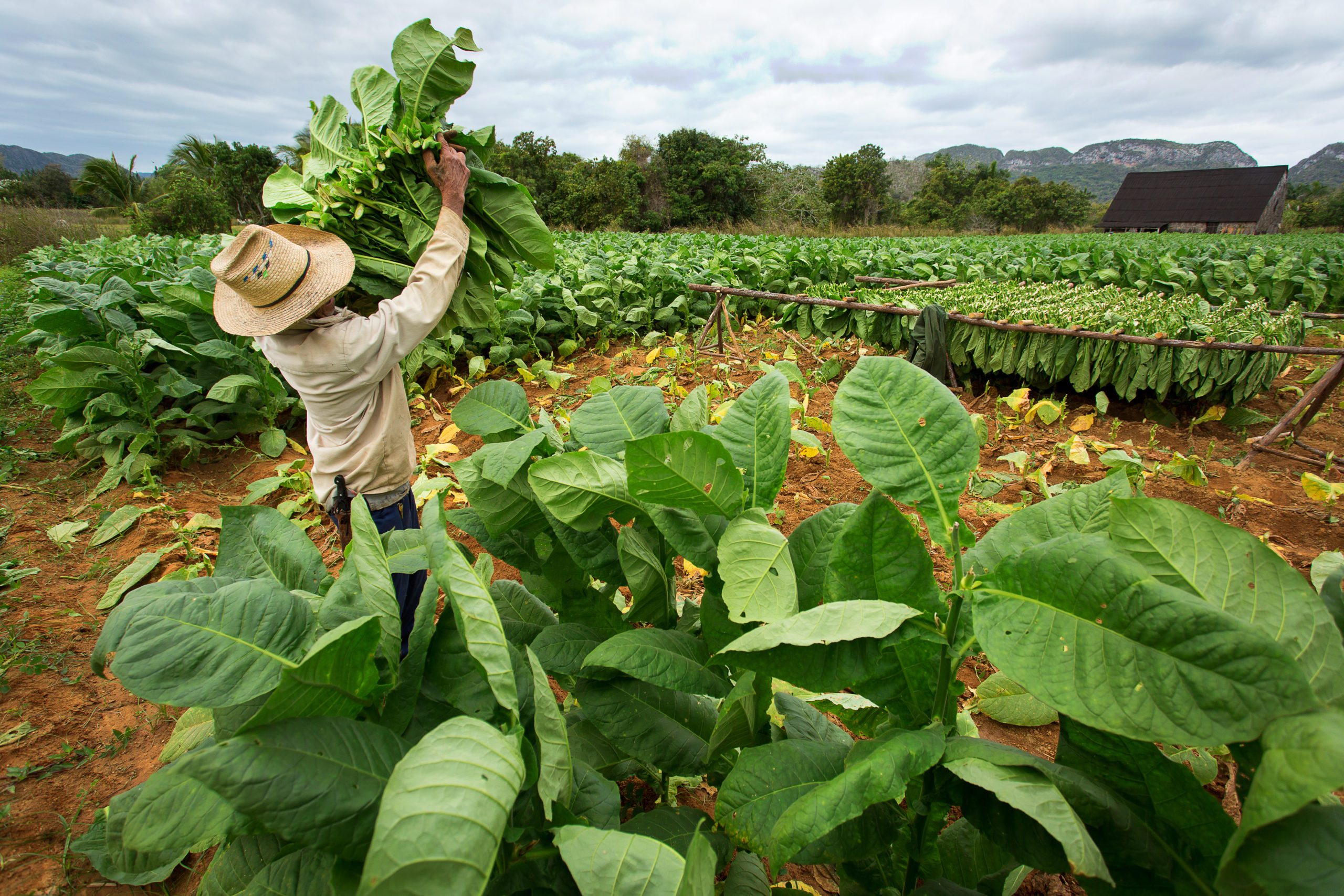
Tobacco farming in Kenya has a devastating effect on the environment, impacting various ecosystems. One of the main reasons for this is the process of tobacco curing, which requires a large amount of wood fuel. As a result, extensive deforestation occurs in areas where tobacco is grown. Studies show that for every 1 hectare of tobacco cultivated, 1-2 hectares of forested land are cleared each year.
Effects on Soil
The environmental damage caused by tobacco farming goes beyond just forests. It also leads to significant harm to the soil:
- Heavy use of chemical fertilizers
- Nutrient depletion from intensive monocropping
- Reduced soil fertility affecting future crop yields
- Accelerated soil erosion in cleared areas
Understanding soil requirements for different fruit trees in Kenya could provide insights into sustainable alternatives.
Impact on Water Resources
Tobacco farming also has adverse effects on water resources:
- Chemical pesticides contaminate local water sources
- Increased sediment load in rivers from soil erosion
- Reduced groundwater quality affecting drinking water
- Disrupted aquatic ecosystems
Additional Environmental Challenges
The process of curing tobacco brings about further environmental problems:
- Release of greenhouse gases
- Air pollution affecting local communities
- Increased pressure on remaining forest resources
- Loss of biodiversity in areas impacted by tobacco farming
These environmental consequences create a cycle of destruction, as farmers clear new land when existing plots become unproductive. This practice particularly affects regions like Migori and Homa Bay, where natural resources are under severe strain due to continuous cultivation of tobacco.
Need for Sustainable Solutions
Recent satellite imagery reveals a concerning trend: between 2020 and 2025, there has been a 12% decrease in forest cover in major areas where tobacco is grown. This highlights the urgent need for sustainable farming alternatives.
One potential solution is transitioning towards quality seedling production such as Hass avocado seedlings from Muranga, which is known as the hub for producing high-quality Hass avocado seedlings in Kenya. This shift could help alleviate some of the environmental issues caused by tobacco farming.
Another approach worth exploring is implementing techniques like grafting to enhance crop yield and quality while minimizing reliance on harmful agricultural practices.
Health Risks Associated with Tobacco Farming
Tobacco farming poses severe health risks to Kenyan farmers and agricultural workers.
Green Tobacco Sickness
Green tobacco sickness affects up to 47% of tobacco farmers in Kenya, caused by dermal absorption of nicotine when handling wet tobacco leaves. Symptoms include:
- Nausea and vomiting
- Severe headaches
- Dizziness
- Muscle weakness
- Fluctuating blood pressure
Agricultural Chemicals and Health Issues
The use of agricultural chemicals in tobacco cultivation exposes farmers to dangerous substances. Common health issues include:
- Chronic respiratory problems
- Skin rashes and burns
- Nerve damage
- Birth defects in farming communities
- Increased cancer risks
Mental Health Challenges
Mental health challenges plague tobacco farmers due to:
- High levels of debt from contract farming
- Seasonal income instability
- Physical exhaustion
- Chemical exposure-related anxiety
Struggling Local Healthcare Systems
Local healthcare systems struggle to manage these health impacts. Rural clinics report:
- Limited resources for treating chemical exposure
- Insufficient protective equipment
- Lack of specialized medical personnel
- Growing cases of chronic illnesses
Risks to Children in Tobacco Farming Communities
Children in tobacco farming communities face additional risks through second-hand exposure to nicotine and agricultural chemicals. Studies show decreased cognitive function and stunted growth among youth in tobacco farming areas.
The Kenya Medical Research Institute identifies tobacco farming as a significant public health concern, with healthcare costs for affected communities rising by 35% between 2020 and 2025.
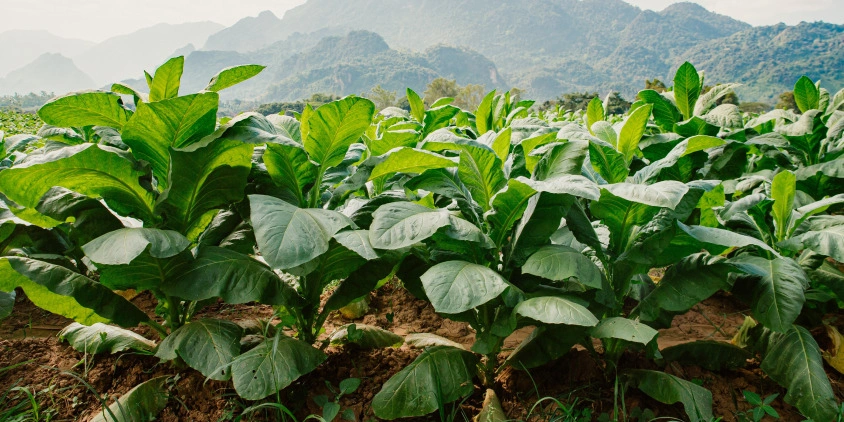
Transitioning Away from Tobacco Farming: A Sustainable Future for Kenyan Farmers
The shift from tobacco farming to sustainable agriculture marks a transformative period for Kenyan farmers. The WHO’s Tobacco-Free Farms project has emerged as a beacon of change, supporting over 9,000 farmers in their transition to alternative crops.
Key Alternative Crops:
- High-iron beans
- Sweet potatoes
- Groundnuts
- Indigenous vegetables
- Fruits
The project provides farmers with:
- Free seedlings and inputs
- Technical training
- Market linkages
- Financial literacy education
To maximize the benefits of this transition, farmers must choose the right nursery for their seedlings. Those who have embraced this transition report significant benefits:
- 40% increase in income
- Reduced production costs
- Improved food security
- Better soil health
- Enhanced biodiversity
The sustainable agriculture model introduces crop rotation practices, reducing dependence on chemical fertilizers. Farmers now integrate livestock keeping with crop farming, creating additional income streams.
Local success stories showcase the viability of this transition. “My income has doubled since I switched to growing vegetables,” says Sarah Kemunto, a former tobacco farmer from Migori County. “I can now feed my family and sell the surplus at local markets.”
Digital platforms connect farmers directly with buyers, eliminating middlemen and ensuring fair prices. Training programs equip farmers with skills in organic farming methods, pest management, and post-harvest handling. These programs also incorporate essential farmer education strategies that aim to significantly enhance yield outputs.
Additionally, exploring export markets can significantly boost profits. For instance, Hass avocado exports are projected to be highly profitable by 2025. Likewise, understanding the right mango variety for one’s specific farm conditions or making informed decisions when choosing between local and imported apple varieties can further enhance productivity and income.
The Role of Tobacco-Free Farms Initiative in 2025: Climate-Smart Agriculture Practices and Digital Market Access for Kenyan Farmers
The Tobacco-Free Farms initiative implements climate-smart agriculture practices to enhance farm productivity while building resilience against climate change. These practices include:
- Drought-resistant crop varieties
- Water conservation techniques
- Soil health management
- Integrated pest management
Farmers receive comprehensive training through dedicated programs focusing on:
- Agricultural Skills Development
- Crop rotation techniques
- Organic farming methods
- Post-harvest handling
- Financial Management
- Budgeting
- Record keeping
- Investment planning
Digital Market Access for Kenyan Farmers
The Maano Virtual Market platform revolutionizes market access for Kenyan farmers. This digital marketplace connects farmers directly with buyers, eliminating middlemen and ensuring fair prices. Through the platform, you can:
- List products and set competitive prices
- Access real-time market information
- Connect with verified buyers
- Track transactions and payments
- Receive digital payments securely
The initiative’s digital integration extends to mobile-based weather alerts, farming tips, and market updates. Farmers use SMS services to receive critical information about:
- Weather forecasts
- Market prices
- Pest and disease alerts
- Training opportunities
These digital tools empower farmers with knowledge and market access, creating sustainable livelihoods beyond tobacco farming.
In line with these efforts, tissue culture is being explored to improve banana seedling production, which could significantly benefit farmers in the long run. Additionally, there are training opportunities for aspiring commercial fruit growers in areas like Muranga County that can further enhance the skills of local farmers.
Moreover, best practices for smallholder farmers when buying avocado seedlings online are also being shared to ensure quality seedling procurement. It is equally important for farmers to be aware of common avocado seedling diseases and how to prevent them.
As we look towards the future, it’s crucial for farmers to stay updated on the trends in e-commerce within agriculture that could shape their business strategies moving forward.
In addition to these initiatives in Kenya, similar efforts are being made elsewhere in Africa. For instance, the Farmonaut’s Grow Program, which empowers youth and enhances sustainable farming practices in Ghana, serves as a model for other regions. Furthermore, the recent visit of the German president to sustainable rice farmers in Thailand highlights the global shift towards sustainable farming practices, as seen in this article about it [here](https://farmingfirst.org/2024
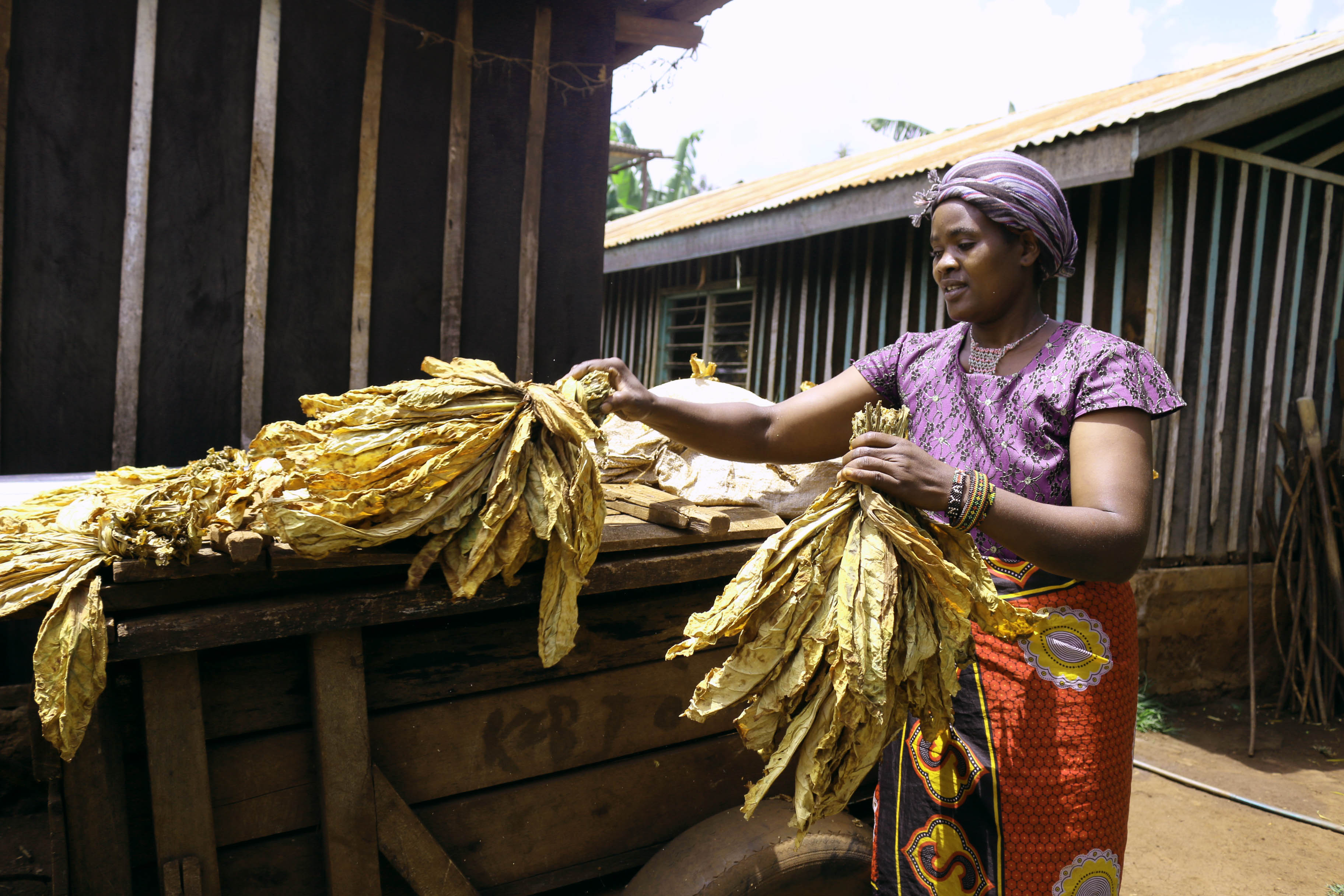
Government Support and Future Plans for a Tobacco-Free Kenya
The Kenyan government is committed to helping tobacco farmers transition to other crops through strategic policies and resource allocation. The Ministry of Agriculture has set aside Ksh 500 million for the 2025 fiscal year to support alternative crop programs in areas where tobacco is grown.
County Initiatives
County governments in Migori, Homa Bay, Bungoma, and Meru have established dedicated agricultural extension services to assist farmers:
- Technical Support Teams: Each county has specialized units providing hands-on guidance for crop transition
- Subsidized Inputs: Distribution of high-quality seeds and fertilizers at reduced costs
- Water Infrastructure: Development of irrigation systems supporting year-round farming
National Expansion Strategy
The national expansion strategy aims to reach 50,000 more farmers by 2026 through:
- Integration with existing agricultural programs
- Establishment of regional training centers
- Development of cold storage facilities
- Creation of local processing units
Strengthening Partnerships
Partnerships between government agencies, private sector players, and international organizations are crucial for the sustainability of the program. The Kenya Bureau of Standards has made certification processes easier for alternative crops, while the Agricultural Finance Corporation offers specialized loan products for transitioning farmers.
Health Monitoring and Support Services
The Ministry of Health works together with county governments to monitor health impacts and provide support services in communities where tobacco is grown. This integrated approach ensures comprehensive support for farmers who are making the shift to sustainable agriculture.
Conclusion: Towards a Healthier and Sustainable Future Beyond Tobacco Farming in Kenya by 2025
The transformation of Kenya’s agricultural landscape away from tobacco farming is crucial for sustainable development. The harmful effects of tobacco cultivation on farmer health and the environment require immediate action. Switching to alternative crops can provide farmers with more stable incomes, better health, and a healthier environment.
Key Benefits of Agricultural Transformation:
- Sustainable income through diversified crop production
- Reduced exposure to harmful chemicals and nicotine
- Restoration of soil health and forest cover
- Enhanced food security for farming communities
- Access to structured markets and fair prices
Call to Action
You can contribute to Kenya’s sustainable agricultural future:
- For Farmers:
- Contact the Tobacco-Free Farms Initiative: +254-XX-XXXXXXX
- Register for professional training programs such as avocado farming or fruit seedlings cultivation: www.tobaccofreefarmskenya.org
- Order alternative crop seedlings through the Maano Virtual Market app
- For Organizations:
- Partner with the initiative: partnerships@tobaccofreefarmskenya.org
- Support farmer transition programs through resource provision
- Participate in market linkage programs
- For Community Members:
- Share information about alternative farming options
- Support local farmers transitioning to sustainable crops
- Purchase products from tobacco-free farms
The path to a tobacco-free Kenya requires collective effort. Each step toward sustainable agriculture strengthens farmer livelihoods, protects the environment, and builds a healthier future for generations to come.
Contact Information:
Contact Royal Seedlings:
 Phone: +254 711315313
- Email: Julius.murega@royalseedlings.
com, - Website:www.royalseedlings.com
 Phone: +254 711315313
 Email:
  Website:
FAQs (Frequently Asked Questions)
What is the current state and economic significance of tobacco farming in Kenya in 2025?
Tobacco farming in Kenya remains an important agricultural activity with significant economic contributions, particularly in regions historically involved in cultivation. However, there is a growing emphasis on transitioning towards sustainable agriculture due to environmental and health concerns associated with tobacco farming.
How has tobacco farming evolved historically in Kenya from the 1930s to the 1980s?
Tobacco farming in Kenya expanded notably from the 1930s through the 1980s, with several regions becoming prominent for cultivation. Despite growth during this period, challenges such as market fluctuations and environmental impacts began to affect the sector.
What are the main environmental impacts of tobacco farming in Kenya?
Tobacco farming contributes to deforestation for curing processes, soil degradation including erosion and loss of soil quality, and water pollution caused by pesticide runoff. These environmental issues have prompted calls for more sustainable agricultural practices.
What health risks are associated with tobacco farming for Kenyan farmers?
Farmers face health risks such as green tobacco sickness due to nicotine absorption, respiratory problems from exposure to harmful chemicals, increased cancer risks, and mental health challenges. These health concerns strain local healthcare systems and highlight the need for safer farming alternatives.
What initiatives support Kenyan farmers in transitioning away from tobacco farming towards sustainable agriculture?
Several initiatives empower farmers to adopt sustainable agriculture practices and diversify into alternative crops. Notably, the WHO’s Tobacco-Free Farms project promotes climate-smart agriculture and provides digital market access through platforms like Maano Virtual Market, enhancing farmer training and market opportunities.
How is the Kenyan government supporting a tobacco-free future and what are the plans for expansion?
The Kenyan government supports multi-sectoral partnerships aimed at achieving a tobacco-free nation. National and county governments back initiatives focusing on long-term sustainability, farmer empowerment, and expanding programs like Tobacco-Free Farms to additional regions to promote healthier livelihoods and environmental conservation.