


Kenya is a leading country in producing and exporting avocados globally. With its fertile volcanic soils and perfect climate, it grows top-quality export avocados. The avocado industry in Kenya has seen significant growth, exporting over 80,000 metric tonnes each year and earning more than $130 million.
The avocado export industry in Kenya is crucial for the economy as it:
- Provides jobs throughout the production process
- Brings in foreign currency
- Supports many small-scale farmers
- Diversifies agriculture
Main Avocado Varieties Exported from Kenya
Two main types of avocados are primarily exported from Kenya:
Hass Avocados
Hass avocados have distinct features that make them popular in international markets:
- Dark, bumpy skin that turns purple-black when ripe
- Rich, creamy texture
- Excellent durability during transportation
- High demand globally
Fuerte Avocados
Fuerte avocados also have their own unique characteristics:
- Smooth, green skin
- Mild, creamy flavor
- Larger size compared to Hass variety
- Preferred by European consumers
Global Reach of Kenyan Avocados
Kenya exports its avocados to various countries around the world. The European Union is the largest market, accounting for 65% of total exports. However, there is also rapid growth in the Middle East market and new opportunities in Asia, especially after China opened its doors to Kenyan avocados in 2022. These developments position Kenya as a key player in the global avocado trade.
Enhancing Productivity and Sustainability in Avocado Farming
To further improve the productivity and sustainability of the avocado industry, it is important to consider implementing advanced farming techniques such as tissue culture for better seedling production. Additionally, preventing pest infestations naturally can greatly enhance the quality of yields.
Starting an Avocado Orchard: Key Considerations
For those interested in entering this profitable industry, having a thorough understanding of what makes a good nursery is essential. Moreover, following a detailed step-by-step guide to starting an avocado orchard can set the foundation for successful farming.
The Future of Agriculture: E-commerce Trends
As we move towards a more digital future, staying informed about the trends in e-commerce within agriculture will be advantageous for both existing farmers and newcomers in the avocado export business.

Understanding the Kenyan Avocado Export Market
Kenya’s avocado export industry has shown remarkable growth, with annual exports exceeding 80,000 metric tonnes, generating revenue of $130+ million. The market demonstrates strong year-on-year expansion, positioning Kenya as a significant player in global avocado trade.
Key Market Distribution:
- European Union (65% market share): Primary destinations include Netherlands, France, and Spain. There is high demand for both Hass and Fuerte varieties, with premium prices for certified organic produce.
- Middle East (20% market share): Growing demand in UAE, Saudi Arabia, and Qatar. The preference is for Fuerte variety, with rapid market expansion due to improved logistics.
- Asian Markets (15% market share): China’s market opening in 2022 creates new opportunities. There is rising demand in Hong Kong and Singapore, with potential for significant growth in Japanese markets.
The Chinese market entry marks a significant milestone for Kenyan exporters. This new market access allows Kenya to tap into China’s 1.4 billion consumer base, with projected export growth of 40% in the coming years.
Market trends indicate increasing demand for:
- Organic certified avocados
- Sustainable farming practices
- Digital traceability systems
- Year-round supply capabilities
The growth potential remains strong as health-conscious consumers worldwide seek nutrient-rich foods. Kenya’s strategic location and favorable growing conditions position it perfectly to meet this rising global demand.
To sustain this growth and meet the increasing demand, understanding the benefits of grafted fruit seedlings and caring for newly planted avocado seedlings becomes crucial. Additionally, it’s important to prepare your land before receiving seedlings delivery to ensure optimal growth conditions.
Moreover, as online purchasing becomes more prevalent, having answers to frequently asked questions about avocado seedling purchases online can help consumers make informed decisions.
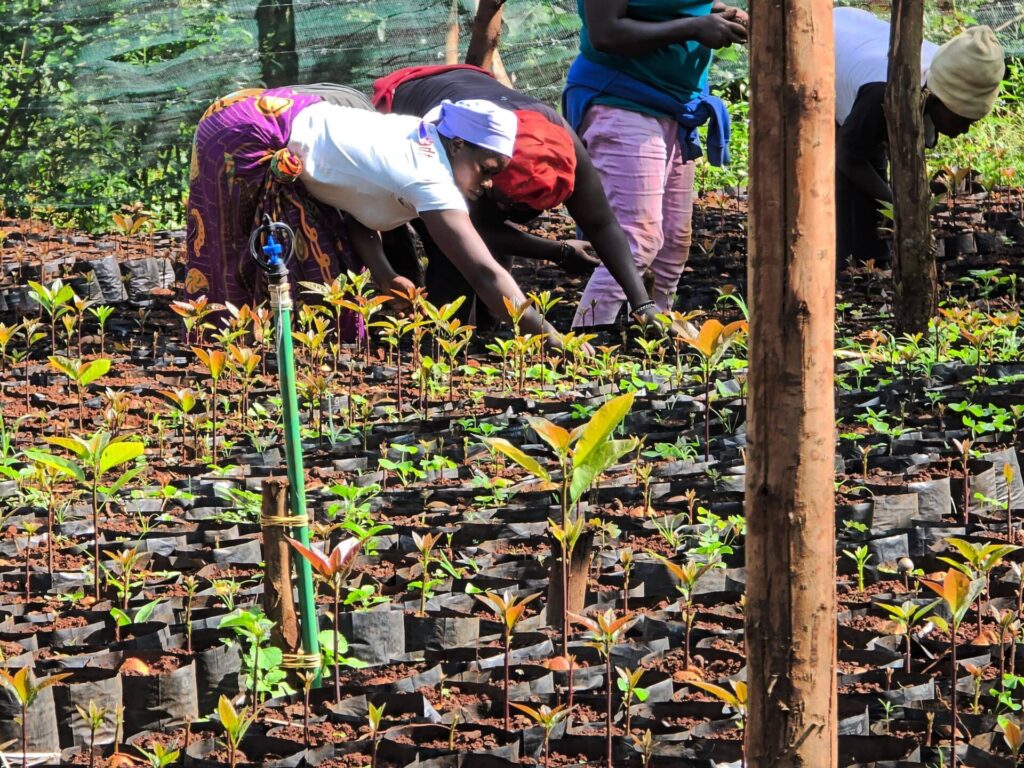
Lastly, it’s worth noting that initiatives like those by Royal Seedlings which support women and youth in agribusiness, play a significant role in promoting sustainable farming practices and enhancing the overall export avocados industry in Kenya.
Legal Requirements and Certifications for Exporting Avocados from Kenya
Starting an export avocados business in Kenya requires strict adherence to regulatory requirements and specific certifications. Here’s what you need to know:
Essential Registration Requirements:
- Register with the Agriculture and Food Authority Integrated Management Information System (AFA IMIS)
- Obtain approval from the Directorate of Horticultural Crops (HCD)
- Complete registration with Kenya Plant Health Inspectorate Service (KEPHIS)
Mandatory Documentation:
- Export license following successful farm inspections
- Phytosanitary certificates for each shipment
- Electronic Cargo Tracking System (ECS) registration for fund transfers
- EU certificate of origin for European market access
Premium Market Certifications:
- GlobalG.A.P. certification for Good Agricultural Practices
- HACCP certification for food safety management
- Organic certification for specialized markets
- Fair Trade certification for ethical trade recognition
KEPHIS plays a crucial role by conducting regular field inspections, monitoring quarantine pests, and implementing pest management measures. You’ll need to maintain detailed records of all farming practices, post-harvest handling procedures, and storage conditions.
The certification process includes thorough facility inspections, documentation reviews, and compliance audits. Your packing facilities must meet specific standards for cleanliness, temperature control, and product handling. Regular renewal of certifications ensures continuous compliance with international trade requirements.
For those looking to diversify their agricultural ventures beyond avocados, exploring other fruit farming opportunities such as Pixie orange farming, or pomegranate farming could be beneficial. Additionally, understanding the soil requirements for different fruit trees is essential for successful farming. As the avocado export market continues to grow, particularly with the Hass avocado exports projected to profit Kenyan farmers, it’s crucial to stay informed about these legal requirements and certifications.

Quality Standards and Post-Harvest Handling for Export Avocados
Meeting strict quality standards is crucial for successful export avocados from Kenya. Each variety requires specific maturity levels measured through dry matter content:
- Hass Avocados: 23-28% dry matter content. The quality of these avocados largely depends on the seedling production, which is predominantly centered in regions like Muranga. This area is known as the heart of quality Hass avocado seedling production in Kenya.
- Fuerte Avocados: 21-24% dry matter content
The post-harvest handling process follows a systematic approach:
1. Initial Sorting
- Remove damaged or diseased fruits
- Check for physical defects
- Separate fruits by ripeness stage
2. Size Grading
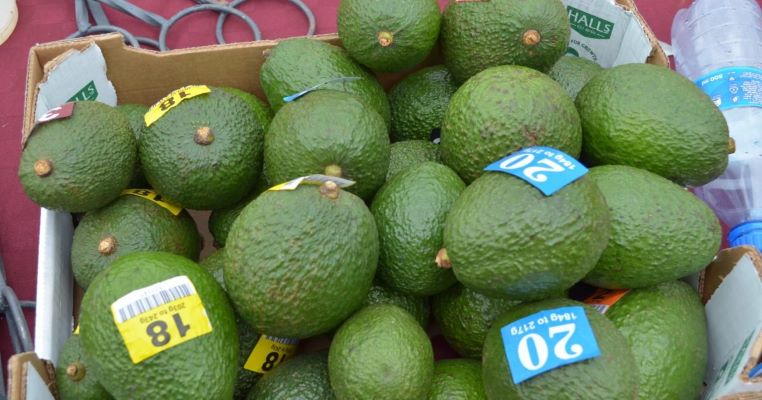
- Count sizes range from 12 to 32 fruits per 4kg carton
- Premium markets prefer sizes 16-20
- Uniform sizing within each package
3. Quality Classification
- Class Extra: Premium quality, free from defects
- Class 1: Good quality, slight defects allowed
- Class 2: Reasonable quality, some skin defects permitted
Cleaning Protocol
- Dry brushing removes dirt and debris
- Avoid water contact to prevent fungal growth
- Clean handling equipment between batches
Temperature Management
- Pre-cool fruits to 5-7°C immediately after harvest
- Use forced-air cooling systems
- Monitor temperature throughout the process
- Package in ventilated cartons after cooling
Professional packing facilities maintain strict hygiene standards and employ trained staff to handle the delicate fruits. Quality control checks occur at each stage of the process to ensure compliance with international market requirements.
In addition to maintaining quality standards during post-harvest handling, it’s essential to focus on improving crop yield and quality right from the beginning. This can be significantly achieved through advanced agricultural practices such as grafting, which enhances both yield and overall fruit quality.

Cold Chain Management for Freshness Preservation in Avocado Exports from Kenya
Proper cold chain management is crucial for maintaining the quality of avocados during export. Avocados need specific environmental conditions throughout their journey from the farm to international markets.
Key Sensitivity Factors:
- Physical impact damage
- Temperature fluctuations
- Moisture exposure
- Ethylene gas presence
Temperature Control Requirements:
- Unripe avocados: 8-12°C
- Ripe avocados: 5-12°C
- Pre-cooling period: 4-6 hours
Atmospheric Conditions:
- Relative humidity: 85-90%
- Oxygen levels: 2-5%
- Carbon dioxide levels: up to 10%
The use of controlled atmosphere storage creates an ideal environment that can extend the shelf life of avocados by up to six weeks. This longer preservation period allows Kenyan exporters to reach faraway markets while still keeping the fruit fresh.
To ensure high-quality avocados, it’s important to start with the right seedlings. For aspiring commercial fruit growers in areas like Muranga County, understanding the importance of proper spacing when planting fruit trees and following a seasonal planting calendar for fruit seedlings can greatly impact the yield and quality of harvested avocados.
Cold Chain Monitoring Systems:
- Temperature data loggers
- Real-time tracking devices
- Humidity sensors
- Ethylene scrubbers
Successful cold chain management relies on specialized refrigerated containers that have precise temperature control systems. These containers ensure that the conditions remain consistent throughout transportation, preventing early ripening and loss of quality.
Regularly monitoring and documenting temperature readings is essential for identifying any potential disruptions in the cold chain. Exporters utilize digital monitoring systems to keep track of environmental conditions, allowing them to quickly respond to any deviations from optimal parameters.
Export Logistics and Transportation Options for Kenyan Avocado Exporters
The logistics chain for Kenyan avocado exports starts with local transportation from farms to packing facilities. Covered trucks equipped with proper ventilation systems protect the fruit from direct sunlight and maintain temperature stability during transit.
Key transportation practices include:
- Early morning or late evening transport schedules to avoid peak heat hours
- Padded vehicle interiors to minimize fruit damage
- Maximum stacking height of 2.1 meters to prevent compression damage
- Regular vehicle maintenance to ensure smooth rides and minimize vibration
However, the choice of transportation can also be influenced by the type of fruit being exported. For instance, while avocados have specific transportation needs, other fruits like apples and mangoes may require different logistics considerations or transportation practices based on their variety and stage of ripeness.
For international shipping, exporters choose between two primary options:
Refrigerated Containers (Reefers)
- Cost-effective for large volumes
- 20-40 foot containers with temperature control
- Transit time: 21-30 days to Europe
- Ideal for established supply chains
- Lower cost per kilogram
Air Freight
- Premium option for high-value markets
- Faster transit times (24-48 hours)
- Smaller minimum shipment requirements
- Higher cost per kilogram
- Preferred for ripe fruit shipments
Your choice between these options depends on market requirements, fruit maturity, volume, and target price points. Premium markets like Dubai often justify air freight costs, while European buyers typically prefer sea freight for bulk shipments.
Challenges Faced by Kenyan Avocado Exporters and How to Overcome Them
Kenyan avocado exporters face significant operational hurdles in their quest to meet global market demands. Here are the key challenges and potential solutions:
1. Quality Consistency Issues
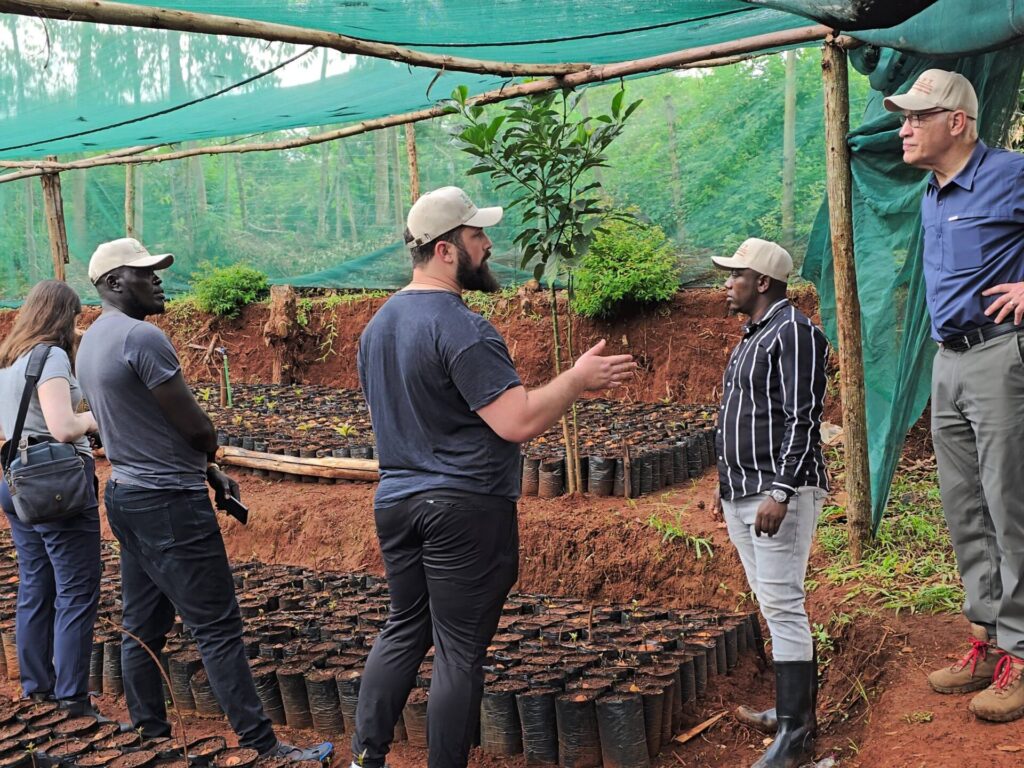
- Implement standardized training programs for smallholder farmers, focusing on the use of quality seedlings which can significantly boost their income.
- Set up quality control checkpoints at collection centers
- Establish farmer clusters for shared best practices
2. Limited Cold Chain Infrastructure
- Partner with cold storage facility providers
- Invest in mobile cooling units
- Create regional consolidation centers with temperature controls
- Explore Farm Storage Facility Loan (FSFL) program for financial assistance in improving storage facilities
3. Regulatory Compliance
- Stay updated through industry associations
- Build relationships with regulatory bodies
- Maintain digital documentation systems
4. Market Competition
- Develop unique value propositions
- Focus on premium market segments
- Build strong buyer relationships
5. Financial Constraints
- Explore agricultural financing options
- Join farmer cooperatives
- Establish partnerships with financial institutions
These challenges require strategic planning and collaborative efforts between exporters, farmers, and service providers to maintain Kenya’s competitive edge in the global avocado market. Insights from the USDA Agri-Food Supply Chain Report could prove beneficial in understanding and navigating these challenges effectively.
Success Stories and Best Practices in the Kenyan Avocado Export Industry
Freshela Exporters stands as a testament to successful growth in Kenya’s avocado industry. Starting with partnerships with small-scale farmers, the company now supplies avocados to markets across Europe and Asia. Their success stems from:
- Implementation of FDA-approved packing facilities
- HACCP certification for food safety
- Modern grading machinery for quality control
- Blockchain traceability systems
The company’s farmer training program has transformed local growing practices. Small-scale farmers receive hands-on education in areas such as post-harvest handling techniques, quality control measures, proper fruit maturity assessment, and sustainable farming methods.
These practices have led to a 40% increase in export-grade fruit production and established long-term relationships with international buyers, setting new standards for Kenyan export avocados.
Conclusion
Exporting avocados from Kenya presents lucrative opportunities for entrepreneurs ready to navigate the complexities of international trade. The key elements for success include:
- Strict adherence to regulatory requirements
- Implementation of robust quality control systems
- Investment in proper cold chain management
- Building strong relationships with farmers and buyers
The growing global demand for Kenyan avocados, coupled with new market openings like China, creates an attractive business landscape. Start your export journey by contacting:
Kenya Export Promotion and Branding Agency
- Email: info@brand.ke
- Tel: +254 20 222 8534
- Website: www.brand.ke
Ready to export? Visit the Agriculture and Food Authority portal to begin your registration process.
FAQs (Frequently Asked Questions)
What are the key avocado varieties exported from Kenya?
Kenya primarily exports the Hass and Fuerte avocado varieties, which are highly sought after in international markets due to their quality and taste.
Which international markets import Kenyan avocados?
Kenyan avocados are exported mainly to the European Union, Middle East, and Asia, with recent market expansions including China as of 2022.
What legal certifications are required to export avocados from Kenya?
Exporters must register with the Directorate of Horticultural Crops (HCD) and Kenya Plant Health Inspectorate Service (KEPHIS), obtain export avocados permits, phytosanitary certificates, and certificates of origin for EU exports. Additional certifications such as GlobalG.A.P., HACCP, organic, and Fair Trade may be needed for premium markets.
How is post-harvest handling managed to ensure quality of Kenyan avocados?
Post-harvest handling includes sorting and grading by size and quality, cleaning using dry brushing methods, adhering to maturity criteria based on dry matter content (23-28% for Hass and 21-24% for Fuerte), and pre-cooling fruits to 5-7°C before packaging to maintain freshness.
What cold chain management practices are essential for exporting fresh avocados from Kenya?
Maintaining ideal temperature ranges (8-12°C for unripe and 5-12°C for ripe fruit), relative humidity at 85-90%, controlling oxygen (2-5%) and carbon dioxide levels (up to 10%), and protecting avocados from impact, heat, moisture, and ethylene gas during transportation are critical to extend shelf life up to six weeks.
What challenges do Kenyan avocado exporters face and how can they overcome them?
Challenges include maintaining consistent quality across smallholder farms, managing cold chain logistics with limited infrastructure, and navigating regulatory changes. Overcoming these involves investing in farmer training on quality control, improving post-harvest handling practices, enhancing cold chain infrastructure, and staying updated with export avocados regulations.