

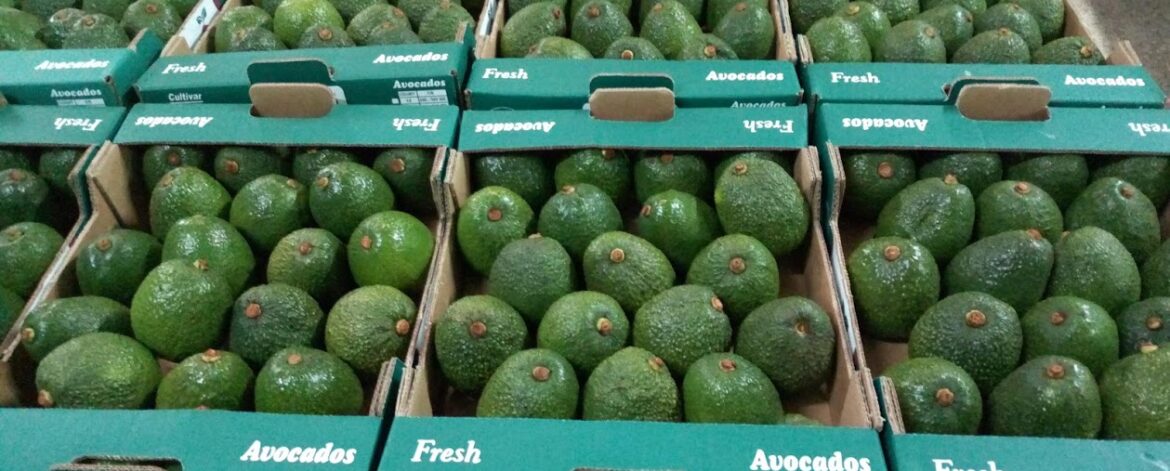
Kenya’s agricultural sector is a key driver of economic growth, employing 40% of the workforce and contributing 33% to the country’s GDP. With its diverse agricultural landscape, Kenya has become a significant player in global agricultural exports.
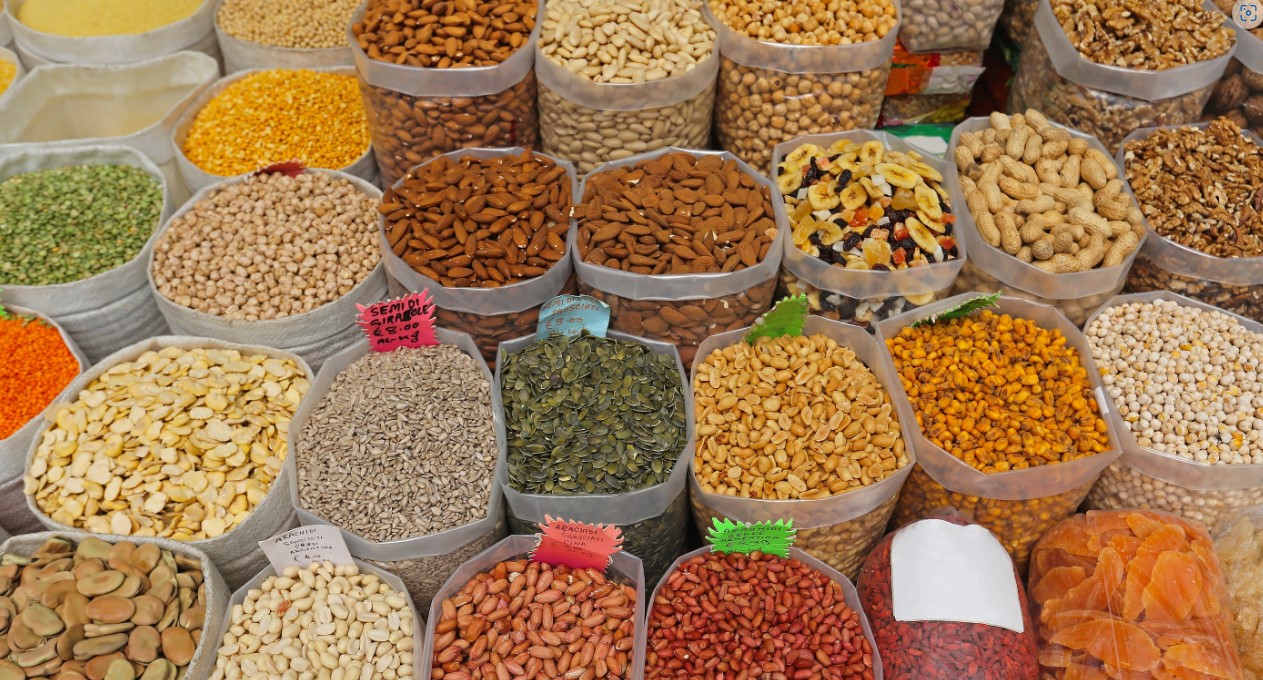
Agricultural exports are crucial for Kenya’s economy, providing foreign exchange and creating jobs throughout the value chain. From tea plantations to flower farms near Lake Naivasha, Kenya’s agricultural products are exported to markets in Europe, Russia, and the United States.
This guide explores:
- The structure and dynamics of Kenya’s agricultural sector
- Key export products and their global market position
- Regulatory frameworks governing agricultural exports
- Production systems: smallholder vs. large-scale farming
- Government support initiatives and market access opportunities
- Challenges and investment prospects in the sector
Whether you’re an investor, trader, or agricultural enthusiast, this guide will provide valuable insights into Kenya’s agricultural export landscape and its potential for international trade and collaboration.
As we explore specific sectors of agriculture such as fruit farming, it’s important to understand seasonal planting calendars for fruit seedlings in Central Kenya, which can greatly impact yield. For example, if you’re thinking about starting an avocado orchard, it’s crucial to learn about the essential tips for caring for newly planted avocado seedlings to ensure successful growth.
Additionally, pest infestations can pose a significant threat to young orchards. Therefore, understanding how to prevent pest infestations in young orchards naturally could be invaluable.
For those interested in purchasing avocado seedlings online, it’s important to be aware of certain factors. Here are some frequently asked questions about avocado seedling purchases online that can guide you through the process.
1. Overview of Kenya’s Agricultural Sector
Kenya’s agricultural landscape divides into distinct zones, each contributing uniquely to the nation’s agricultural output:
High-Potential Zones
- Central Highlands
- Western Kenya
- Parts of Rift Valley
- Coastal Strip
These regions receive 1000mm+ annual rainfall, representing 10% of Kenya’s arable land yet generating 70% of commercial agricultural production.
Semi-Arid Regions
- Eastern Province
- Parts of Coast Province
- Northern Rift Valley
These areas receive 500-750mm annual rainfall, suitable for drought-resistant crops and livestock farming.
Agricultural Production by Zone
- High-Potential Areas: Tea, coffee, dairy farming, maize, wheat
- Semi-Arid Regions: Millet, sorghum, cassava, livestock
- Coastal Strip: Coconuts, cashews, mangoes, citrus fruits
The agricultural sector employs 40% of Kenya’s total workforce and 70% of the rural population. The sector’s contribution to GDP stands at 33%, making it a crucial economic pillar.
Production Patterns
High Rainfall Areas
- Year-round cultivation
- Multiple harvests annually
- Higher crop yields
- Intensive farming methods
Semi-Arid/Arid Regions
- Seasonal cultivation
- Single annual harvest
- Lower yields
- Extensive farming methods
The sector’s diversity allows Kenya to maintain steady agricultural production throughout the year, supporting both domestic food security and export markets.
Avocado Farming in Kenya
Among the high-potential areas, avocado farming has gained popularity due to its lucrative nature. However, avocado farming mistakes to avoid for a bountiful harvest are common among new farmers. It’s essential to seek expert advice on preparing your land before receiving seedlings delivery to ensure a successful yield.
Moreover, understanding how to identify and prevent common avocado seedling diseases can significantly improve your chances of success in this venture.
Supporting Women and Youth in Agribusiness
Recognizing the role of women and youth in agribusiness, initiatives like those by Royal Seedlings aim to provide support for women and youth in agribusiness. This support is crucial as these groups often face unique challenges in the agricultural sector.
Pixie Orange Farming Guide
In addition to avocado farming, other crops like Pixie oranges are also being cultivated in these high-potential areas. For beginners interested in this venture, a complete guide for Pixie orange farming can be immensely helpful.
2. Key Agricultural Export Products from Kenya
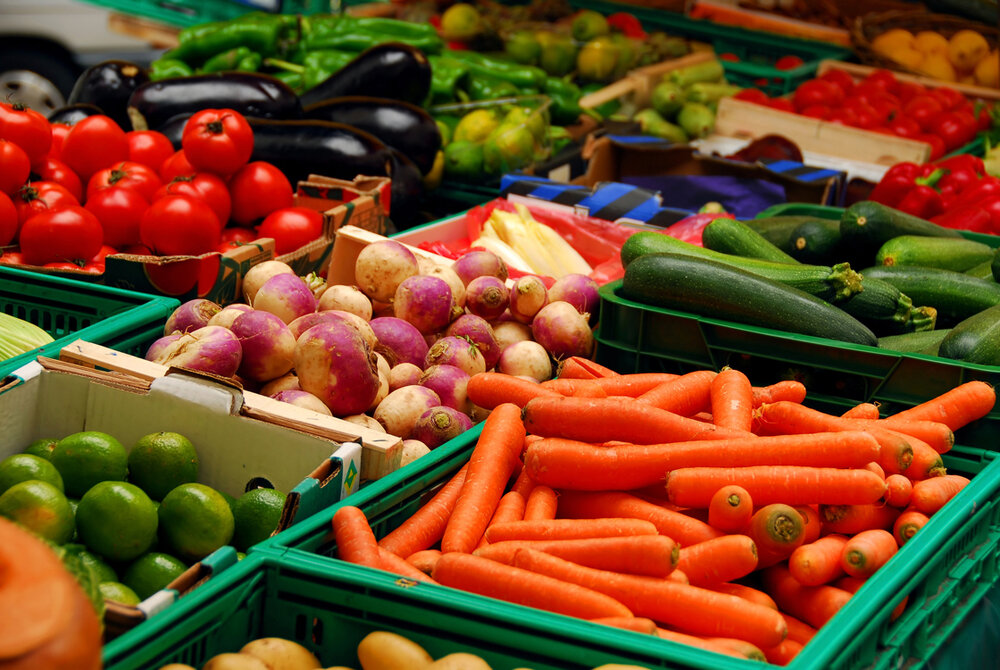
Kenya’s agricultural exports showcase the country’s diverse production capabilities, with several products dominating international markets.
1. Tea
Kenya stands as the world’s largest exporter of black tea, producing premium varieties sought after globally. The country’s tea exports generate approximately $1.3 billion annually, with key markets in:
- United Kingdom
- Pakistan
- Egypt
- United Arab Emirates
2. Coffee
Kenyan coffee, known for its bright acidity and full-bodied flavor, commands premium prices in specialty markets. The country produces about 50,000 metric tons annually, primarily exported to:
- United States
- Germany
- Belgium
- Sweden
3. Cut Flowers
The Lake Naivasha region serves as Kenya’s flower production hub, employing over 500,000 people. Kenya supplies:
- 38% of all flower imports to the European Union
- Daily shipments of 360 tons during peak season
- Premium roses, carnations, and alstroemeria
4. Fresh Vegetables
Kenya ranks as a leading exporter of fresh produce:
- Third-largest exporter of cabbages globally
- Significant exporter of onions and mangoes
- Major supplier of green beans and peas to European markets
The horticultural sector, combining flowers and vegetables, contributes $1.5 billion to Kenya’s export earnings, making it a crucial revenue source for the country. This sector’s success is not just due to favorable climatic conditions but also because of the importance of proper spacing when planting fruit trees, which is a practice that can significantly enhance yield and quality.
3. Regulatory Framework Governing Agricultural Exports in Kenya
The Agricultural Produce (Export) Act is the main law that regulates agricultural exports in Kenya. It sets strict rules and standards for the quality of agricultural products that are meant for international markets.
Key Components of the Act:
- All agricultural exports must be inspected and certified
- Different types of produce have specific grading requirements
- There are detailed rules for packaging and storing the products
- Guidelines for transporting goods that are going to be exported
- Documents needed for clearing the export process
The Act gives power to certain authorities to:
- Carry out regular assessments of quality
- Grant permits for exports
- Ensure that international standards are being followed
- Impose penalties for not following the rules
Quality Control Measures
The regulatory framework has a strong system in place to check the quality at different stages:
- Assessments before harvesting
- Protocols for handling crops after they have been harvested
- Inspections of storage facilities
- Verification of transportation methods
- Examinations at the port where goods leave the country
These regulations follow international food safety standards, including Global GAP certification requirements. Exporters need to get permits and certificates from the Kenya Plant Health Inspectorate Service (KEPHIS) before sending their products.
The framework also includes rules about:
- Limits on pesticide residues
- Requirements for tracing products back to their source
- Standards for preventing plant diseases (phytosanitary standards)
- Specifications for packaging materials
- Guidelines for managing temperature during transportation (cold chain management)
To make sure they comply with these strict regulations, exporters often use advanced farming practices. For example, areas like Murang’a, which is known for producing top-notch Hass avocado seedlings, carefully follow these guidelines.
Additionally, using scientific techniques such as grafting can greatly enhance both crop yield and quality, thereby increasing the chances of successful agricultural exports from Kenya.
4. Production Dynamics: Smallholder vs Large-scale Farms in Exporting Agricultural Produce from Kenya
Kenya’s agricultural landscape presents a distinct divide between smallholder and large-scale farming operations. Smallholder farms, typically less than 2 hectares, represent 75% of total agricultural production and primarily serve local markets.
The characteristics of these farming models include:
Smallholder Farms:
- Average land size: 0.2-3 hectares
- Focus on subsistence crops
- Limited access to modern farming technology
- Informal market channels
- Labor-intensive farming methods
To improve their productivity, smallholder farmers can adopt best practices such as buying quality avocado seedlings online which can significantly enhance their crop yield.
Large-scale Commercial Farms:
- Land size: 50+ hectares
- Export-oriented production
- Advanced irrigation systems
- Direct contracts with international buyers
- Mechanized farming operations
Large-scale farms dominate Kenya’s agricultural export sector through:
- Consistent production volumes
- Quality control systems
- Cold chain facilities
- Certification compliance
- Strong market linkages
The export success of large-scale operations stems from their ability to meet strict international standards and maintain reliable supply chains. These farms invest heavily in post-harvest handling facilities and maintain direct relationships with overseas buyers.
Smallholder farmers face significant barriers to entering export markets, including:
- Limited access to finance
- Inadequate storage facilities
- Lack of market information
- Insufficient volumes for export contracts
Recent initiatives aim to bridge this gap through farmer cooperatives and aggregation centers, enabling smallholder farmers to participate in export opportunities while maintaining their traditional role in domestic food security. One key factor that could help increase smallholder incomes is the economic impact of quality seedlings on their farming output.
5. Government Support and Initiatives for Export Growth in Kenyan Agriculture Sector
The Kenyan government has implemented strategic programs to boost agricultural productivity and support export growth. The National Accelerated Agricultural Inputs Access Program (NAAIAP) stands as a cornerstone initiative, providing critical support to farmers through:
- Subsidized fertilizer distribution
- High-quality seed provision
- Technical training programs
- Market linkage facilitation
NAAIAP’s impact reaches across different agricultural zones, with targeted support for both subsistence and commercial farmers. The program has helped reduce production costs by up to 50% through its subsidy structure.
Additional government support mechanisms include:
- E-voucher system – Digital distribution of agricultural inputs
- Warehouse receipt system – Enabling farmers to store produce and access credit
- Agricultural insurance schemes – Protection against crop failure and weather risks
The Kenya Export Promotion and Branding Agency works alongside NAAIAP to:
- Identify new export markets
- Train farmers on international quality standards
- Facilitate trade missions and exhibitions
- Support value addition initiatives
These combined efforts have resulted in a 15% increase in agricultural exports between 2018-2022, with smallholder farmers reporting improved access to quality inputs and enhanced productivity levels.
To further enhance the quality of agricultural inputs, it’s essential for farmers to understand what makes a good nursery. This knowledge is crucial as it directly impacts the quality of seeds they use, which is a significant part of the NAAIAP’s high-quality seed provision.
Moreover, the future of agriculture is increasingly leaning towards digital solutions. The e-commerce trends that every farmer should be aware of will play a pivotal role in shaping the way agricultural inputs are accessed and utilized.
6. Regional Trade Agreements and Market Access Opportunities for Kenyan Agricultural Exporters
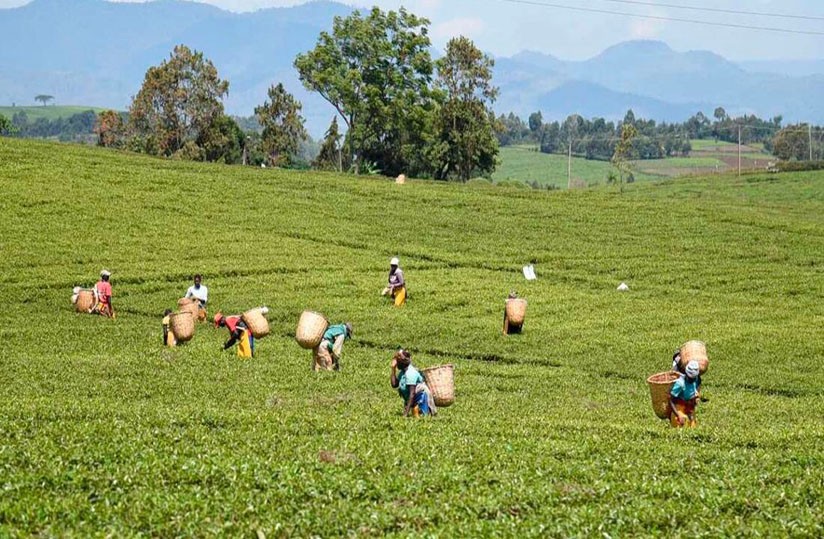
Kenya’s membership in the Common Market for Eastern and Southern Africa (COMESA) creates significant market access opportunities for agricultural exporters. The COMESA trade agreements eliminate tariffs on goods traded between member states, allowing Kenyan producers to reach a market of over 560 million consumers across 21 countries.
Key Benefits of COMESA Membership:
- Zero-rated customs duties on agricultural exports
- Simplified customs procedures
- Harmonized quality standards across member states
- Reduced documentation requirements
- Enhanced cross-border trade efficiency
The COMESA trading bloc has established specific protocols benefiting Kenyan agricultural exporters:
- Green Pass System: A standardized certification scheme that streamlines agricultural trade
- Regional Payment System: Facilitates faster, secure cross-border transactions
- Trade Information Portal: Provides real-time market intelligence and trade opportunities
Kenyan exporters can access preferential market rates in countries like Egypt, Ethiopia, and Sudan – major importers of Kenyan tea, coffee, and horticultural products. The COMESA Free Trade Area agreement has reduced trade costs by approximately 25%, making Kenyan agricultural products more competitive in regional markets.
The trade bloc’s harmonized standards particularly benefit small and medium-scale exporters, who can now participate in regional trade without navigating complex individual country requirements. These agreements have opened new markets for traditional exports like tea and emerging products like macadamia nuts and avocados.
Moreover, the improved market access also provides opportunities for choosing between local and imported apple varieties that can thrive in Kenyan climates, further diversifying the agricultural export portfolio. Additionally, a comprehensive understanding of these regional trade agreements can empower stakeholders to leverage these opportunities effectively.
7. Challenges Facing Agricultural Exports from Kenya: Counterfeit Agro-inputs to Drought Vulnerability Issues
The Kenyan agricultural export sector faces significant challenges that hamper its growth potential. The presence of counterfeit agro-inputs stands as a critical threat to productivity and quality standards.
Key Challenges:
-
Counterfeit Fertilizers: Fake fertilizers flood local markets, reducing crop yields by up to 40%. These products often contain harmful substances that damage soil quality and compromise long-term farm productivity.
-
Unreliable Weather Patterns: Drought vulnerability affects 80% of Kenya’s agricultural land, creating unpredictable harvest cycles and unstable export volumes.
-
Infrastructure Limitations:
- Poor storage facilities lead to post-harvest losses
- Limited cold chain systems affect fresh produce quality
- Inadequate rural road networks increase transportation costs
-
Market Access Barriers:
- Strict international quality standards
- Complex certification requirements
- High compliance costs for small-scale farmers
The impact of these challenges extends beyond individual farmers to affect the entire export value chain. Small-scale farmers bear the heaviest burden, with limited resources to verify input authenticity or implement drought mitigation measures.
Recent studies indicate that counterfeit agro-inputs cost Kenyan farmers approximately $1.5 billion annually in lost productivity. The prevalence of fake products has led to the establishment of verification systems, yet enforcement remains a significant challenge in rural areas.
However, amidst these challenges, there are opportunities such as pomegranate farming which can be explored by farmers. This crop not only has a high market demand but also presents a viable solution to some of the issues faced in the agricultural sector.
8. Investment Opportunities in the Agricultural Export Value Chain of Kenya: From Farm Equipment to Irrigation Technology Sectors
Kenya’s agricultural sector presents lucrative investment opportunities across multiple segments of the value chain. The growing demand for mechanization creates a promising market for farm equipment and related services.
Key Investment Areas:
- Farm Machinery Leasing Services
- Tractors and harvesters for large-scale farms
- Small-scale equipment for smallholder farmers
- Mobile maintenance units
- Irrigation Technology
- Drip irrigation systems
- Smart irrigation controllers
- Water pumps and storage solutions
- Post-Harvest Infrastructure
- Cold storage facilities
- Processing equipment
- Packaging solutions
The demand for agricultural equipment in Kenya grows at 7% annually, with a market value exceeding $200 million. Investors can tap into this growth through:
- Direct equipment sales
- Equipment leasing programs
- Maintenance service networks
- Training and capacity building
Strategic Investment Locations:
- Rift Valley Region – Large-scale farming equipment
- Central Kenya – Horticultural processing facilities
- Western Kenya – Storage and distribution centers
- Coastal Region – Export infrastructure
The Kenya Investment Authority offers tax incentives and support for agricultural technology investments, including duty exemptions on imported agricultural machinery and equipment. These incentives, combined with the sector’s growth potential, create attractive opportunities for both local and international investors.
Moreover, understanding soil requirements is crucial for maximizing productivity in the agricultural sector. This knowledge can significantly influence the success of investments in areas such as mango farming, where selecting the right variety can yield better results.
9. International Support Enhancing Export Capacity of Kenyan Agriculture Sector
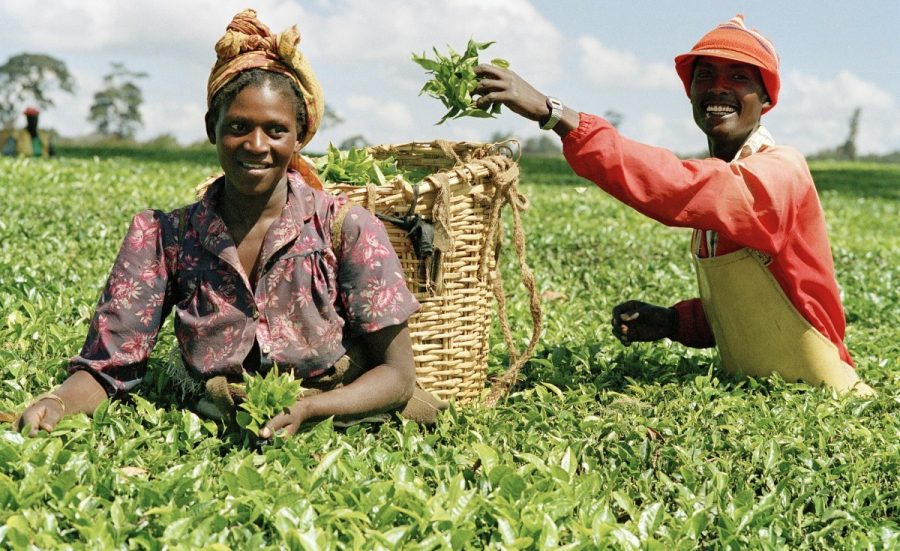
The U.S. government plays a crucial role in strengthening Kenya’s agricultural export capacity through targeted programs and initiatives. USAID’s Kenya Agricultural Value Chain Enterprises (KAVES) project has directly impacted over 500,000 smallholder farmers by introducing modern farming techniques and connecting them to international markets.
Key U.S. Support Programs:
- Feed the Future Initiative – Provides technical assistance to Kenyan farmers in high-potential agricultural zones
- Kenya Crops and Dairy Market Systems Activity – Enhances market access and value chain development
- Resilient Agricultural Markets Activity (RAMA) – Strengthens climate-smart agriculture practices
The U.S. Department of Agriculture’s (USDA) Food for Progress program has invested $21 million in Kenya’s agricultural sector, focusing on:
- Training farmers in post-harvest handling techniques
- Establishing quality control systems for export compliance
- Developing cold chain infrastructure
- Supporting certification processes for international markets
These initiatives have resulted in tangible improvements:
- 35% increase in agricultural exports to the U.S. market
- 40,000 farmers trained in GlobalGAP certification standards
- Creation of 15 agricultural collection and processing centers
- Implementation of digital tracking systems for export produce
The collaboration between U.S. agencies and Kenyan agricultural institutions has established sustainable pathways for smallholder farmers to access international markets while maintaining high-quality standards required for export.
Conclusion
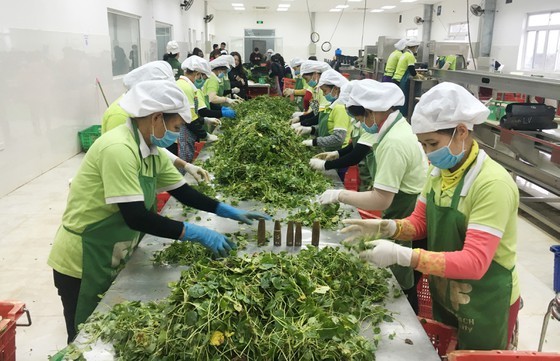
Kenya’s agricultural export sector is a testament to the country’s agricultural skills and economic potential. The growth of this sector presents lucrative opportunities for both local and international stakeholders seeking to partner with Kenyan agricultural exporters.
The path to successful agricultural exports from Kenya requires quality seedlings, proper farming techniques, and strategic partnerships. Our commitment to supporting this vision drives us to provide premium seedlings that meet international export standards. This includes understanding the role of tissue culture in banana seedling production and offering grafted fruit seedlings which are crucial for certain types of farming.
Moreover, we also offer training opportunities for aspiring commercial fruit growers in Muranga County and provide insights into what one can expect from a professional avocado farming training session.
Ready to contribute to Kenya’s agricultural export success story? We invite you to:
- Source high-quality seedlings for your export-oriented farming venture
- Explore partnership opportunities in the agricultural sector
- Benefit from our expertise in agricultural exports
Connect with us today:
To order seedlings or partner with us, please call us at 0711315313 or email us at julius.murega@royalseedlings.com
Your success in Exporting Agricultural Produce from Kenya starts with the right foundation – let’s build it together.
FAQs (Frequently Asked Questions)
What is the significance of Kenya’s agricultural sector to its economy?
Kenya’s agricultural sector plays a crucial role in the country’s economy by contributing significantly to employment and GDP growth. It supports diverse agricultural zones that produce various crops, making it vital for both local consumption and export markets.
Which are the key agricultural export products from Kenya?
Kenya’s major agricultural exports include tea, coffee, cut flowers, and fresh vegetables. The country is also a global exporter of cabbages, onions, and mangoes, with the flower industry around Lake Naivasha being particularly significant in international markets.
How does the Agricultural Produce (Export) Act impact Kenya’s agricultural exports?
The Agricultural Produce (Export) Act governs Kenya’s export regulations to ensure quality control measures are met for all exported produce. This regulatory framework helps maintain high standards and enhances the competitiveness of Kenyan agricultural products in global markets.
What roles do smallholder and large-scale farms play in Kenya’s agricultural exports?
In Kenya, smallholder farms primarily focus on local consumption, while large-scale farms concentrate on meeting the demands of international markets. This dynamic influences production strategies and export capacities within the agricultural sector.
What government initiatives support growth in Kenya’s agricultural exports?
Programs like the National Accelerated Agricultural Inputs Access Program (NAAIAP) provide seed and fertilizer subsidies to farmers, boosting productivity levels. Such government support initiatives are essential for enhancing export growth in Kenya’s agriculture sector.
How do regional trade agreements affect Kenyan agricultural exporters?
Regional trade agreements such as those under COMESA help reduce trade barriers for Kenyan exporters. These agreements facilitate easier access to regional markets, promoting increased export opportunities for Kenyan agricultural produce.