
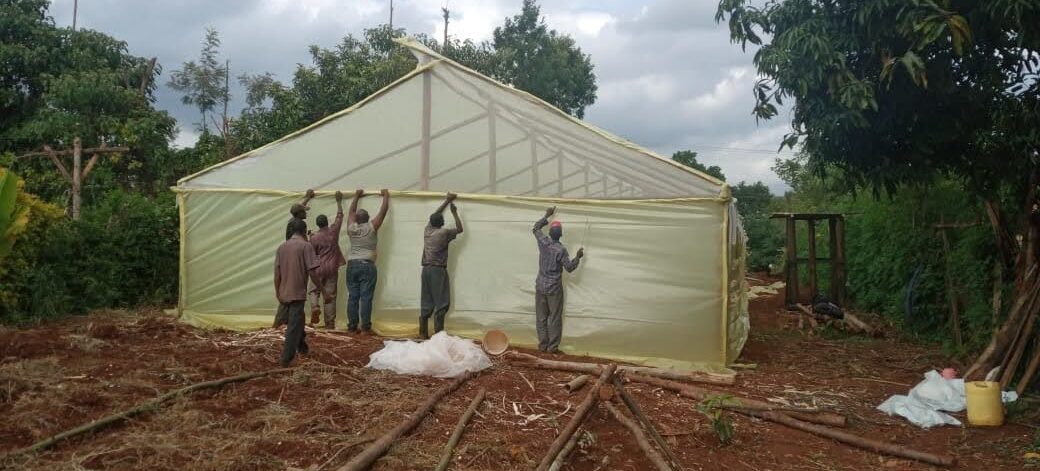
Greenhouse farming in Kenya has experienced remarkable growth, transforming the agricultural landscape with innovative controlled environment solutions. These structures have become essential tools for modern farmers seeking to maximize their production potential. That is why being informed in greenhouse prices in Kenya is important for any farmer.

The adoption of greenhouse technology brings significant advantages to Kenyan agriculture:
- Year-round cultivation enables continuous crop production regardless of seasonal changes
- 2-3x higher yields compared to traditional open-field farming methods
- Enhanced pest management through controlled environments, which is crucial when preventing pest infestations in young orchards naturally
- Reduced water consumption with efficient irrigation systems
- Protection from harsh weather conditions that can damage crops
Kenyan farmers are increasingly turning to greenhouse farming to meet growing market demands while optimizing their available land. A well-designed greenhouse creates ideal growing conditions for various high-value crops, from tomatoes and capsicums to flowers and herbs.
As you explore greenhouse options for your farming venture, understanding current market prices and available features will help you make an informed investment decision that aligns with your agricultural goals. This includes knowing what makes a good nursery and the key qualities Kenyan farmers should look for.
For those interested in diversifying their crop portfolio, starting an avocado orchard in Kenya could be a lucrative venture. However, it’s important to be aware of common pitfalls and avoiding these avocado farming mistakes can lead to a bountiful harvest.
Moreover, with the rise of online shopping, many farmers are considering purchasing avocado seedlings online. Understanding the process and having the right information can greatly enhance this experience.
Types and Features of Greenhouses Available in Kenya
Kenya’s greenhouse market offers four distinct types, each designed to meet specific farming needs and budget considerations:
1. Wooden Greenhouses
- Built using treated timber frames
- Cost-effective initial investment at KES 150,000-450,000
- 3-6 year lifespan with proper maintenance
- Suitable for small-scale farmers
- Requires regular wood treatment against termites
- Natural aesthetic appeal
2. Metallic Greenhouses
- Constructed with galvanized steel frames
- Greenhouse price range: KES 150,000-650,000
- Extended lifespan of 9-15 years
- Rust-resistant properties
- Higher stability in strong winds
- Minimal maintenance requirements
3. Net Greenhouses
- Designed with high-quality shade netting
- Most affordable option at KES 100,000-350,000
- Excellent ventilation properties
- Perfect for warm climate regions
- Easy installation and relocation
- Limited temperature control capabilities
4. Polycarbonate Greenhouses
- Premium construction with polycarbonate sheets
- Investment range: KES 500,000-1,900,000
- Superior light transmission properties
- Excellent insulation capabilities
- Highest durability rating
- Ideal for commercial farming operations
Each greenhouse type adapts differently to Kenya’s varied climate zones. Coastal regions benefit from net greenhouses’ enhanced ventilation, while highland areas see better results with polycarbonate structures for temperature regulation. Your choice should align with local weather patterns, crop requirements, and available budget.
The structural integrity varies significantly among these options. Metallic frames offer the best stability for long-term investment, while wooden structures provide a balance between cost and functionality. Net houses excel in areas requiring maximum air circulation, and polycarbonate models deliver optimal growing conditions for sensitive crops.
In addition to choosing the right greenhouse type, it’s crucial to consider other factors such as land preparation before receiving seedlings delivery. For instance, preparing your land properly can significantly enhance the success of your farming venture.
Moreover, while smallholder farmers often face challenges when buying seedlings online, following best practices can help navigate these hurdles effectively.
It’s also worth noting that certain regions in Kenya like Muranga are renowned for their high-quality Hass avocado seedling production. This area is considered the heart of quality Hass avocado seedling production in Kenya, making it an ideal location for aspiring avocado farmers.
As we look towards the future of agriculture in Kenya, there are promising opportunities in export markets. With the right strategies and support, Kenyan farmers can significantly profit from Hass avocado exports.
Lastly, it’s important to highlight the role of agribusiness in empowering women and youth in Kenya. Organizations like Royal Seedlings are actively supporting women and youth in agribusiness through various initiatives and programs.

Understanding Size Categories and Greenhouse Price Ranges in Kenya
Greenhouse size directly impacts your farming capacity and investment requirements. Here’s a detailed breakdown of greenhouse sizes and their corresponding greenhouse prices in Kenya:
Small Greenhouses (8m x 15m)
- Wooden frames: KES 150,000 – 180,000
- Metallic structures: KES 120,000 – 150,000
- Net houses: KES 100,000 – 130,000
- Polycarbonate models: KES 500,000 – 650,000
Medium Greenhouses (8m x 24m)
- Wooden frames: KES 220,000 – 260,000
- Metallic structures: KES 180,000 – 210,000
- Net houses: KES 160,000 – 190,000
- Polycarbonate models: KES 850,000 – 1,000,000
Large Greenhouses (16m x 30m)
- Wooden frames: KES 400,000 – 450,000
- Metallic structures: KES 350,000 – 400,000
- Net houses: KES 300,000 – 350,000
- Polycarbonate models: KES 1.8 million – 1.9 million
The size of your greenhouse affects several cost factors beyond the initial greenhouse price:
- Installation costs increase with larger structures
- Bigger greenhouses require more extensive irrigation systems
- Foundation work costs scale with size
- Maintenance expenses grow proportionally
- Labor requirements for operation increase
Your choice of size should align with:
- Available land space
- Production goals
- Labor capacity
- Initial capital
- Target market demands
A larger greenhouse offers economies of scale, potentially reducing per-unit production costs. Small greenhouses suit beginners and hobby farmers while medium to large structures cater to commercial operations.
It’s essential to consider the understanding soil requirements for different fruit trees in Kenya as this will significantly influence your choice of greenhouse size and type. Additionally, staying informed about the future of e-commerce in agriculture can provide valuable insights into market trends and demands that should be factored into your decision-making process.

Key Considerations: Materials and Features Included in Greenhouse Packages in Kenya
The quality and durability of your greenhouse depend heavily on the materials and features included in your package. Here’s what you need to know about essential components:
1. UV-Treated Polythene Covers
- 200-micron thickness for optimal light transmission
- UV protection lasting 3-5 years
- Heat-resistant properties for temperature control
- Anti-drip coating to prevent water condensation
2. Polycarbonate Sheets
- Superior durability with 10+ years lifespan
- Better insulation compared to polythene
- Impact-resistant against harsh weather
- Higher light diffusion for improved plant growth
3. Frame Structure Options
- Galvanized Steel Frames
- Rust-resistant coating
- Load-bearing capacity of 100kg/m²
- 15-year average lifespan
- Suitable for areas with strong winds
- Wooden Poles
- Treated cypress or cedar options
- Natural aesthetic appeal
- Cost-effective choice
- 5-year average lifespan with proper maintenance
4. Essential Protection Features
- Insect nets (40-mesh size)
- Shade nets (50-70% density)
- Anti-virus screens
- Door systems with double-entry protection
5. Irrigation Components
- Drip lines with 30cm spacing
- Water tanks (500-1000L capacity)
- Pressure pumps
- Fertilizer injection systems
- Digital controllers for automated watering
These materials and features form the foundation of a successful greenhouse system. Your choice of components directly impacts crop yield, maintenance requirements, and long-term operational costs.
In addition to these considerations, it’s crucial to be aware of potential diseases that could affect your crops. For instance, if you’re planning to grow avocado seedlings in your greenhouse, you might want to read this farmer’s guide on identifying and preventing common avocado seedling diseases. This knowledge can significantly enhance your greenhouse’s productivity.
Regional Pricing Variations Across Different Areas in Kenya for Greenhouses
Greenhouse prices vary greatly in different parts of Kenya due to factors like transportation costs and local climate conditions. Here’s a detailed look at how greenhouse prices differ by region:
1. Nairobi Region
- Base greenhouse prices tend to be 10-15% lower due to proximity to major suppliers
- Transportation costs range from KES 5,000 to KES 15,000
- Installation costs average KES 20,000 to KES 35,000
- Most competitive pricing for metallic greenhouses due to local manufacturing
2. Coastal Regions (Mombasa, Kilifi, Malindi)
- Greenhouse prices increase by 20-25% compared to Nairobi rates
- Transportation costs can reach KES 25,000 to KES 40,000
- Higher humidity requires:
- Enhanced ventilation systems (+KES 15,000)
- Specialized UV-treated materials (+KES 20,000)
- Rust-resistant frames (+KES 30,000)
3. Western Kenya
- Transportation adds 15-20% to base costs
- Additional structural reinforcement needed for heavy rainfall (+KES 25,000)
- Installation costs range from KES 25,000 to KES 45,000

Greenhouse Prices Saving Strategies
Here are some strategies that farmers can use to save on greenhouse costs:
- Bulk ordering with neighboring farmers
- Choosing local suppliers when available
- Scheduling construction during dry seasons
- Selecting materials suited to local climate conditions
The choice of greenhouse location impacts both initial investment and long-term maintenance costs. Farmers in coastal regions often opt for galvanized steel frames despite higher costs, as wooden structures deteriorate faster in humid conditions. Local climate considerations directly influence material selection and ultimately affect the total investment required for a successful greenhouse operation.
However, it’s not just about the structure itself. The quality of the seedlings used can have a significant economic impact on smallholder incomes. Therefore, investing in high-quality seedlings is crucial for maximizing returns from greenhouse farming.
Advantages and ROI Expectations of Investing in a Greenhouse in Kenya
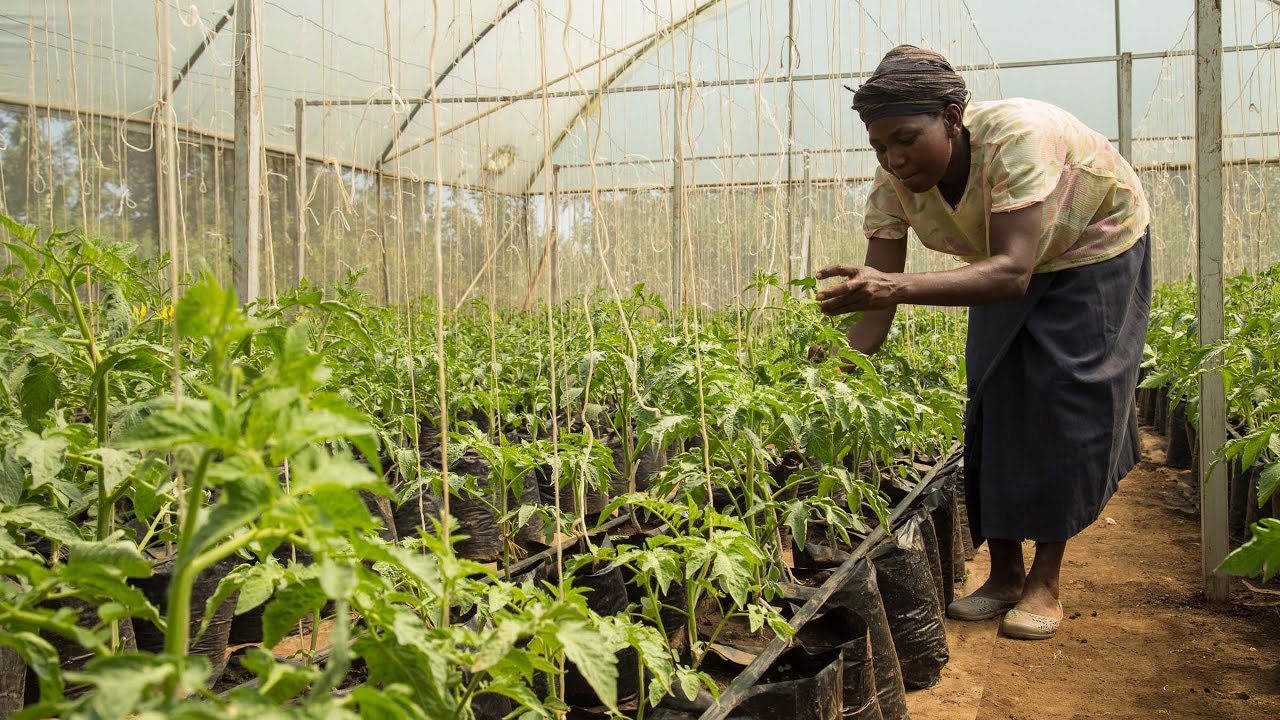
Greenhouse farming delivers substantial returns through controlled environment agriculture. The precise climate control mechanisms create optimal growing conditions year-round, resulting in healthier plants and increased crop yields.
Key Benefits for Plant Health:
- Temperature regulation between 20-30°C
- Humidity control at 60-70%
- Protection from harsh weather elements
- Reduced pest and disease incidents
- Extended growing seasons
These benefits significantly improve the health of various plants, including fruits. For instance, understanding the importance of proper spacing when planting fruit trees can further enhance yield performance in a greenhouse setting.
Yield Performance Metrics:
- Tomatoes: 20-25 tons per greenhouse cycle
- Capsicum: 15-18 tons per greenhouse cycle
- Cucumbers: 22-28 tons per greenhouse cycle
These yields represent a 2-3x increase compared to traditional open-field farming methods. A standard 8x15m greenhouse can produce enough crops to generate KES 150,000-200,000 per harvest cycle.
Investment Recovery Timeline:
- Small greenhouse (8x15m): 2 planting cycles
- Medium greenhouse (8x24m): 2-3 planting cycles
- Large greenhouse (16x30m): 3 planting cycles
The rapid return on investment stems from:
- Higher quality produce commanding premium market prices
- Multiple harvest cycles per year
- Reduced crop losses from pests and diseases
- Lower water and fertilizer consumption
- Consistent production regardless of external weather conditions
For instance, a KES 200,000 investment in a small greenhouse growing tomatoes can generate up to KES 150,000 in profits within a single harvest cycle. This calculation factors in operational costs including labor, inputs, and maintenance while assuming average market prices.
Moreover, with the right knowledge and resources, one can venture into pomegranate farming in Kenya, or explore pixie orange farming as part of their agricultural diversification strategy. Additionally, utilizing a seasonal planting calendar for fruit seedlings could optimize the yield potential even further.
Leading Greenhouse Suppliers in Kenya to Consider for Your Purchase
Kenya’s greenhouse market features several established suppliers known for their quality products and reliable service. Here’s a detailed look at trusted companies offering diverse greenhouse solutions:
1. Aqua Hub Kenya
Specializes in metallic and wooden greenhouse designs
Offers customizable sizes from 8x15m to 16x30m
Provides complete installation services
Known for competitive pricing and after-sales support
2. Hortitechno Greenhouses
Premium supplier of polycarbonate greenhouses
Features advanced climate control systems
Serves both small-scale and commercial farmers
Includes comprehensive training for buyers
3. Amiran Kenya
Industry leader with 20+ years experience
Offers turnkey greenhouse solutions
Provides agronomic support services
Specializes in high-tech irrigation systems
4. Illuminum Greenhouses
Focus on smart farming technology integration
Affordable options for small-scale farmers
Solar-powered automation features available
Mobile app monitoring capabilities
5. Elite Growers
Budget-friendly wooden greenhouse options
Quick installation timeframes
Serves major agricultural regions
Includes basic training in greenhouse management
These suppliers offer varying warranty terms, payment plans, and additional services such as:
- Crop management consultation
- Spare parts availability
- Technical support
- Installation services
- Maintenance packages
When selecting a supplier, request detailed quotations and compare:
- Material quality specifications
- Installation costs
- Warranty terms
- After-sales support options
- Payment flexibility

Tips for Choosing the Right Greenhouse Based on Your Budget and Needs in Kenya
Selecting the right greenhouse requires careful consideration of several key factors to ensure your investment delivers optimal results. Here’s a practical guide to help you make an informed decision:
1. Match Your Crops with Greenhouse Features
- Heat-sensitive crops, like certain mango varieties, need greenhouses with proper ventilation and cooling systems.
- Climbing plants require taller structures with strong support systems
- Root vegetables, such as avocados, need deeper soil beds and ground-level accessibility
- Leafy greens thrive in greenhouses with adjustable shade nets
- When considering fruit crops, it’s crucial to understand the difference between local and imported apple varieties as this can influence your greenhouse choice.
2. Climate Considerations
- Hot regions like Mombasa: Choose designs with enhanced ventilation
- Cold areas like Eldoret: Select materials with better heat retention
- High rainfall zones: Opt for stronger frames and UV-treated covers
- Windy locations: Pick metallic frames over wooden structures
3. Budget-Smart Selection Tips
- Start with essential features, add upgrades later
- Consider cost per square meter rather than total price
- Factor in maintenance costs over the greenhouse lifespan
- Calculate potential crop yields, especially if you plan to use techniques like [grafting](https://royalseedlings.com/the-science-behind-grafting-how-it-improves-crop-yield-and-quality), to justify your investment
4. Size and Space Planning
- Allow 30% extra space for future expansion
- Include working areas between plant rows
- Plan for storage space for tools and supplies
- Consider access points for equipment and harvesting
5. Essential vs Optional Features
- Must-have: UV-protected covering, proper ventilation, secure foundation
- Nice-to-have: Automated systems, climate controls, specialized irrigation
- Future upgrades: Cooling systems, additional growing spaces, storage areas
Remember to request detailed specifications and warranty information for each greenhouse option you consider. Compare multiple quotes and inspect existing installations when possible.
Conclusion
Investing in a greenhouse transforms your farming journey into a sustainable, profitable venture. The controlled environment agriculture sector in Kenya continues to evolve, offering diverse options to match every farmer’s needs and budget in 2025.
Your greenhouse investment opens doors to:
- Year-round crop production
- Enhanced yield quality
- Reduced pest and disease challenges
- Better resource management
- Higher market value produce
The future of agriculture lies in controlled environments. Your decision to invest in a greenhouse positions you at the forefront of modern farming practices in Kenya.
Ready to start your greenhouse farming journey?
Contact us for professional guidance on greenhouse selection and high-quality seedlings. We offer a variety of grafted fruit seedlings, which can significantly enhance your crop yield.
Additionally, we provide specialized training opportunities for aspiring commercial fruit growers in Muranga County. Our training sessions cover various aspects of fruit farming, including what to expect from a professional avocado farming training session and the role of tissue culture in banana seedling production.
- 📱 Phone: 0711315313
- 📧 Email: julius.murega@royalseedlings.com
Let’s grow together – your success in greenhouse farming starts here.
FAQs (Frequently Asked Questions)
What are the main benefits of greenhouse farming in Kenya?
Greenhouse farming in Kenya offers key benefits such as increased crop yields, extended growing seasons, and effective pest control by providing a controlled environment for agriculture.
What types of greenhouses are available in Kenya and how do they differ?
In Kenya, greenhouses come in wooden, metallic, net, and polycarbonate types. Wooden greenhouses offer natural insulation but may lack durability; metallic ones are durable but can be costly; net greenhouses provide ventilation but less protection; polycarbonate greenhouses are durable and offer good light diffusion, suitable for various climates.
How do sizes affect greenhouse prices in Kenya?
Greenhouse prices in Kenya vary by size: small (8m x 15m), medium (8m x 24m), and large (16m x 30m). Larger sizes require higher investment due to more materials and construction costs. Prices also vary depending on the material used within each size category.
What materials and features are typically included in greenhouse packages in Kenya?
Common materials include UV-treated polythene or polycarbonate sheets with frames made from galvanized steel or wooden poles. Packages often include insect and shade nets for pest management and recommended drip irrigation systems to enhance water efficiency.
Are there regional differences in greenhouse pricing across Kenya?
Yes, greenhouse prices vary regionally due to transport costs and local climate factors. For example, Nairobi may have different pricing compared to coastal areas like Mombasa where higher humidity affects material choices and overall cost.
What is the expected return on investment (ROI) when investing in a greenhouse in Kenya?
Investing in a greenhouse typically leads to improved plant health through controlled temperature and humidity, resulting in higher yields compared to open field farming. Most investors can expect to recoup their initial investment within 2–3 planting cycles.