

Tree tomato farming has become a promising agricultural venture in Kenya, attracting the interest of both small-scale and commercial farmers. This subtropical fruit, scientifically known as Solanum betaceum and commonly referred to as tamarillo, has gained significant popularity in local and international markets.
The increasing demand for tree tomatoes can be attributed to their:
- High nutritional value
- Versatile uses in food processing
- Strong market demand
- Excellent profit potential
A well-managed acre of tree tomatoes can yield up to 30 tons per season, resulting in potential earnings between Ksh 2.1 million to Ksh 4.5 million annually. These impressive returns have made tamarillo farming an attractive investment opportunity for Kenyan farmers.
The success of tree tomato farming depends on understanding key factors:
- Suitable growing conditions
- Proper propagation methods
- Effective field management practices
- Pest and disease control strategies
- Market dynamics
Kenya’s diverse agricultural zones, particularly in areas like Migori, Kisii, Meru, and parts of Central Kenya, offer ideal conditions for tamarillo cultivation. The crop thrives in altitudes between 1,500 to 3,000 meters above sea level, making these regions perfect for commercial production.
Additionally, the knowledge gained from professional training sessions such as those offered in avocado farming can also benefit tree tomato farmers. Understanding the seasonal planting calendar for fruit seedlings can greatly improve farm productivity.
It is also crucial to implement effective field management practices and avoid common farming mistakes to ensure a plentiful harvest.
Furthermore, initiatives like Royal Seedlings’ support for women and youth in agribusiness play a vital role in promoting inclusivity and sustainability in the agricultural sector.
Understanding Tree Tomato (Tamarillo)
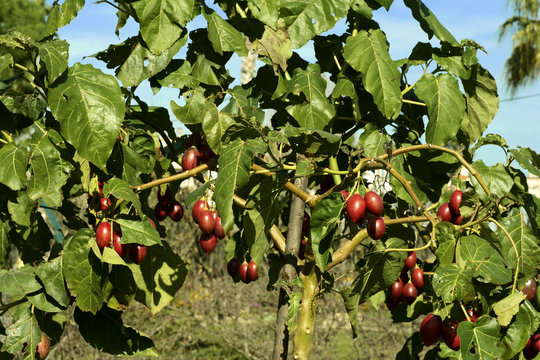
Tree tomato (Solanum betaceum) is a unique fruit-bearing tree known for its impressive physical features. This fast-growing subtropical plant can reach heights of 3-5 meters, with a semi-woody stem and large, heart-shaped leaves that can grow up to 40cm long.
Physical Features:
- Height: 3-5 meters at maturity
- Stem: Semi-woody with multiple branches
- Leaves: Heart-shaped, dark green, 20-40cm long
- Flowers: Pink to white, growing in clusters
- Fruit: Egg-shaped, 4-10cm long
- Fruit Colors: Red, yellow, orange, or purple varieties
The tree produces fragrant pink-white flowers in clusters, leading to fruit development within 5-6 months. The fruits grow in bunches of 1-6, featuring a smooth, egg-shaped appearance with pointed ends.
Nutritional Value per 100g:
- Vitamin C: 31.2mg
- Vitamin A: 540 IU
- Protein: 2g
- Fiber: 4g
- Iron: 0.7mg
- Potassium: 321mg
Tree tomatoes offer significant health benefits due to their high antioxidant and nutrient content. In addition to being enjoyed fresh, the fruit can also be transformed into jams, juices, and preserves.
Under ideal conditions, each tree can yield between 15-30kg of fruit annually and have a productive lifespan of up to 12 years.
The flesh of the fruit varies in color from yellow to deep red and contains small, flat black seeds arranged in two vertical columns. Although the skin is edible, it has a bitter taste which leads most people to peel the fruit before consuming it.
To maximize the yield from each tree and ensure healthy growth of these unique plants, it’s essential to consider factors such as proper spacing when planting fruit trees.
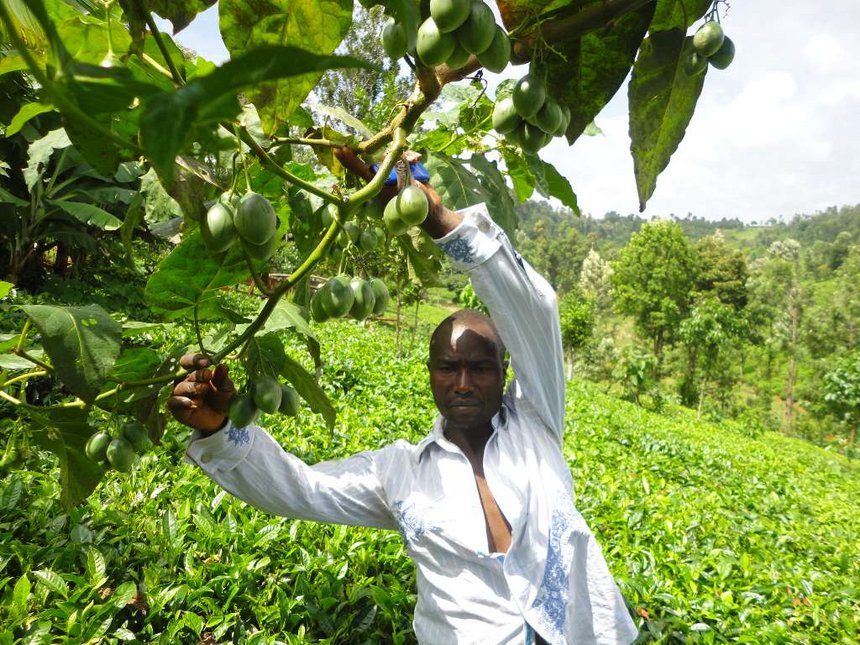
Ideal Growing Conditions for Tree Tomato in Kenya
Tree tomatoes thrive in specific regions across Kenya where climate and soil conditions meet their growth requirements. The most suitable areas include:
- Migori
- Kisii
- Meru
- Embu
- Murang’a
- Nyeri
- Western Kenya
- Nyanza
- Central Kenya
- Taita Taveta
- Rift Valley
- Kakamega
- Nyandarua
- Kericho
Climate Requirements
The following climate conditions are ideal for growing tree tomatoes:
- Altitude: 1,500 to 3,000 meters above sea level
- Temperature: 15-20°C
- Annual rainfall: 1,000-1,800mm
- Protection from frost and strong winds
Soil Conditions
To understand the specific soil conditions that favor tree tomato growth, it’s beneficial to explore the understanding soil requirements for different fruit trees in Kenya. However, generally speaking, tree tomatoes prefer:
- pH range: 5.0-8.5
- Well-drained fertile soils
- Rich organic matter content
- Good water retention capacity
- Deep soil profile (minimum 1 meter)
The plant performs best in areas with consistent rainfall distribution throughout the year. In regions with irregular rainfall patterns, supplementary irrigation becomes essential for optimal growth and fruit production. The selected growing site should have natural windbreaks or artificial shelter belts to protect the plants from strong winds that can damage branches and reduce fruit quality.
These growing conditions directly influence fruit development, yield potential, and the overall success of your tree tomato farming venture. Your chosen location should meet these requirements to ensure healthy plant growth and maximum productivity.

Propagation Methods
Tree tomato propagation in Kenya primarily uses two effective methods: seed propagation and semi-hardwood cuttings.
Seed Propagation
- Extract seeds from ripe, healthy fruits
- Ferment seeds in water for 48 hours to remove pulp
- Dry seeds in shade for 24 hours
- Plant seeds in nursery beds or seedling trays
- Maintain soil moisture through light watering
- Expect germination within 2-3 weeks
Semi-Hardwood Cuttings
- Select healthy branches from 1-2 year old plants
- Cut 20-30cm sections with 3-4 nodes
- Remove leaves from lower nodes
- Dip cutting base in rooting hormone
- Plant in well-draining propagation mix
- Keep cuttings under partial shade
- Water regularly to maintain humidity
Both methods require careful management of growing conditions. Seedlings and cuttings need transplanting when they reach 20-30cm in height. Semi-hardwood cuttings produce faster-growing plants that bear fruit earlier than seed-propagated trees. The choice between methods depends on available resources and desired production timeline.
For optimal results, prepare planting holes 60cm x 60cm x 60cm, filled with topsoil mixed with well-decomposed manure. Space plants 2m x 2m apart to allow proper growth and easy management.
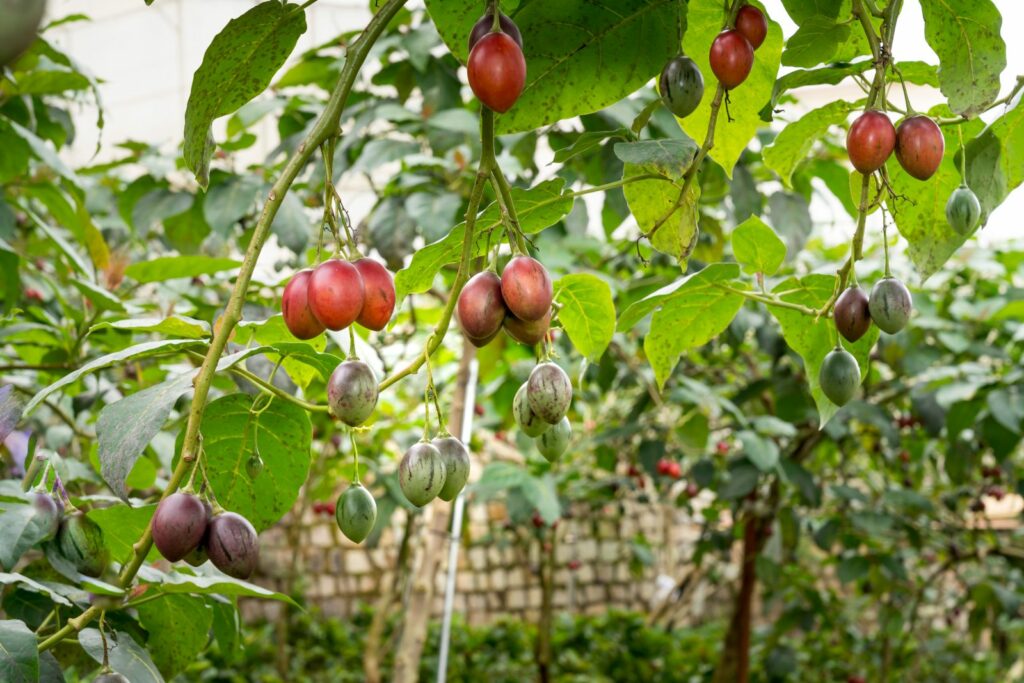
Field Management Practices
Successful tamarillo farming requires consistent attention to three core management practices: weeding, irrigation, and pruning. However, these practices can be enhanced by incorporating high-quality seedlings, much like those used in mango farming or Hass avocado production in Kenya.
Weeding Management
- Remove weeds every 2-3 weeks during the first year
- Apply organic mulch around the base to suppress weed growth
- Maintain a weed-free radius of 1 meter around each tree
- Use shallow cultivation to avoid damaging surface roots
Irrigation Requirements
- Install drip irrigation systems for efficient water distribution
- Water deeply 2-3 times per week during dry seasons
- Maintain soil moisture at 60-70% field capacity
- Apply 20-30 liters of water per tree weekly
- Reduce watering during rainy seasons to prevent waterlogging
Pruning Techniques
- Remove dead, diseased, or crossing branches
- Cut back the main stem at 1.5 meters to encourage branching
- Thin out dense canopy to improve air circulation
- Prune after harvest to stimulate new growth
- Remove water sprouts and suckers regularly
Additional Management Tips
- Support heavy fruit-bearing branches with stakes
- Apply balanced fertilizer every 3-4 months
- Monitor soil pH and adjust as needed
- Keep grass and vegetation away from tree base
- Create windbreaks to protect trees from strong winds
Regular field management practices directly impact fruit yield and quality. A well-maintained tamarillo farm produces larger fruits with better market value. These practices also help prevent pest infestations and disease outbreaks by maintaining optimal growing conditions. The use of quality seedlings can significantly enhance these outcomes. Furthermore, understanding the science behind grafting can provide additional insights into improving crop yield and quality.
Pest and Disease Control Strategies
Tree tomatoes face several pest and disease challenges that require vigilant monitoring and control measures. Here are the primary threats and their management strategies:
Common Pests
- Aphids: These tiny insects cluster on young shoots and leaves, causing stunted growth
- Whiteflies: They feed on plant sap and spread viral diseases
- Thrips: These pests attack flowers and developing fruits
- Nematodes: Root-knot nematodes damage the root system, reducing nutrient uptake
Disease Management
- Powdery Mildew: Appears as white powder-like spots on leaves
- Bacterial Blight: Creates dark brown spots on leaves and fruits
- Mosaic Virus: Causes mottled leaf patterns and reduced fruit production
Integrated Pest Management (IPM) Solutions
Preventive Measures
- Plant resistant varieties
- Maintain proper spacing between plants
- Remove infected plant parts
- Practice crop rotation
Natural Control Methods
- Apply neem oil spray every 14 days
- Use garlic extract as a natural pesticide
- Introduce beneficial insects like ladybugs
- Install yellow sticky traps for flying pests
You can also explore natural methods to prevent pest infestations which could be effective in your tree tomato farm.
Chemical Control
- Apply copper-based fungicides for bacterial infections
- Use systemic insecticides for severe pest infestations
- Rotate pesticides to prevent resistance buildup
Regular scouting helps detect problems early, allowing for timely intervention. Combining cultural, biological, and chemical control methods creates an effective defense against pests and diseases in your tree tomato farm. It’s also important to be aware of common seedling diseases which could potentially affect your crops.

Economic Potential of Tree Tomato Farming in Kenya
Tree tomato farming in Kenya presents substantial income opportunities for both small-scale and commercial farmers. The market demand for tamarillo fruits has seen steady growth, with prices ranging from Ksh 70 to 150 per kilogram.
Income Potential from Tree Tomato Farming
A well-managed acre of tree tomatoes can yield:
- 25-30 tons per season
- Annual earnings of Ksh 2.1 – 4.5 million per acre
- Multiple harvests throughout the year
Additional Revenue Streams from Processing
The processing sector offers additional revenue streams through:
- Fresh juice production
- Jam manufacturing
- Dried fruit slices
- Export opportunities
Strong Demand in Local Markets
Local markets show strong demand patterns:
- Urban supermarkets
- Hotels and restaurants
- Processing companies
- Local fruit vendors
Premium Prices for Value-Added Products
The value-added products command premium prices, with processed juice selling at Ksh 200-300 per liter. Export markets in Europe and Middle East have shown increasing interest in Kenyan tamarillo products, creating new opportunities for large-scale producers.
E-Commerce: A Game Changer for Farmers
Furthermore, the advent of e-commerce is revolutionizing the agricultural sector. Farmers can now leverage online platforms to reach a wider customer base, thereby increasing their sales potential. This trend is expected to grow significantly by 2025, as outlined in this article on the future of e-commerce in agriculture, providing even more avenues for income generation in tree tomato farming.
Challenges Faced by Tree Tomato Farmers in Kenya
Tree tomato farmers in Kenya face several significant hurdles that impact their farming success:
1. Water Management Issues
- Prolonged dry seasons create severe water shortages
- Limited access to reliable water sources
- High costs of installing irrigation systems
- Inadequate water storage facilities
2. Market-Related Challenges
- Unpredictable price fluctuations in local markets
- Limited access to export markets, which could provide better pricing opportunities
- Price manipulation by middlemen
- Lack of proper storage facilities leading to post-harvest losses
3. Infrastructure Constraints
- Poor road networks affecting transportation
- Limited cold storage facilities
- Inadequate processing facilities
- High cost of farm inputs
Tree tomato farmers need substantial capital investment to implement effective solutions like drip irrigation systems, water storage tanks, and modern storage facilities. The installation of a basic drip irrigation system costs approximately Ksh 150,000 per acre, while constructing water storage facilities requires an additional investment of Ksh 200,000-300,000.
Small-scale farmers struggle with these high initial costs, making it difficult to maintain consistent production throughout the year. The lack of proper storage facilities forces many farmers to sell their produce immediately after harvest, often at lower prices.
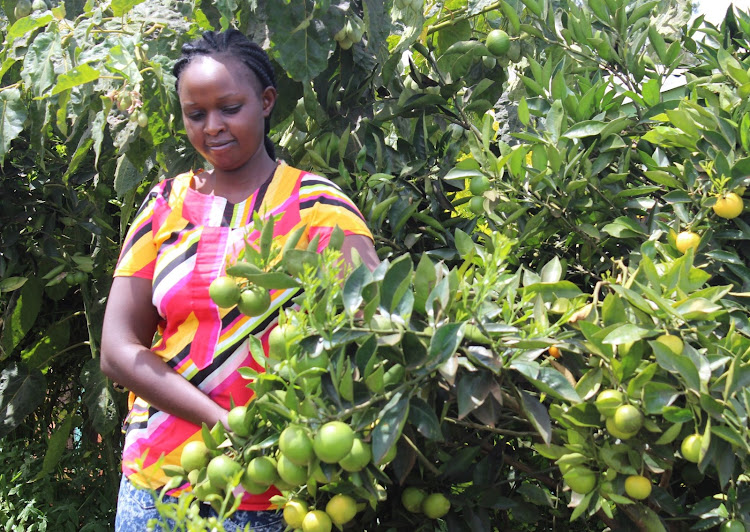
BestPractices & Recommendations for Successful Tree Tomato Farming in Kenya
Success in tree tomato farming requires careful attention to specific agricultural practices. Here are essential guidelines for optimal results:
1. Land Selection and Preparation
- Choose gently sloping terrain with natural drainage, similar to the preparation needed for starting an avocado orchard
- Avoid frost-prone areas and low-lying spots
- Select sites protected from strong winds
- Clear land of vegetation and debris
- Deep plow to break hardpans and improve soil structure
2. Soil Management
- Conduct soil tests every 6-12 months
- Maintain soil pH between 5.0-8.5
- Add organic matter through composting
- Apply lime if soil is too acidic
- Practice crop rotation to prevent soil depletion
3. Planting Guidelines
- Space plants 2m x 2m for optimal growth, a spacing strategy that also works well in pixie orange farming
- Dig planting holes 60cm x 60cm x 60cm
- Mix topsoil with well-rotted manure
- Plant during rainy season for natural irrigation
- Install windbreaks using trees or artificial barriers
4. Fertilization Strategy
- Apply NPK fertilizer in split doses
- Use foliar feeds during flowering
- Add calcium to prevent blossom end rot
- Incorporate micronutrients based on soil test results
- Time fertilizer application with growth stages
5. Farm Infrastructure
- Install proper drainage systems
- Set up irrigation infrastructure
- Build storage facilities
- Create access roads within the farm
- Establish nursery areas for seedling production, ensuring to follow the best practices for smallholder farmers when buying avocado seedlings online
These practices create optimal conditions for tree tomato growth and development. Regular monitoring and adjustment of these practices ensures healthy plant development and maximum yield potential.
Popular Tree Tomato Varieties Grown in Kenya
Kenyan farmers cultivate several distinct tree tomato varieties, each offering unique characteristics and market appeal. However, selecting the right variety and understanding the specific growing conditions are crucial for success. It’s important to consider [what makes a good nursery](https://royalseedlings.com/what-makes-a-good-nursery-key-qualities-kenyan-farmers-should-look-for) when sourcing seedlings.
1. Red Tree Tomato
- Most sought-after variety in local markets
- Deep crimson flesh with intense flavor
- High juice content
- Excellent for fresh consumption
2. Yellow/Gold Tree Tomato
- Superior preservation qualities
- Longer shelf life compared to other varieties
- Mild, sweet taste
- Ideal for processing into jams and preserves
3. Orange Tree Tomato
- Medium-sized fruits
- Balanced sweet-tart flavor profile
- Popular for juice production
- Good resistance to cracking
4. Purple/Black Tree Tomato
- Larger fruit size
- Rich, complex flavor
- Higher market value
- Dark red flesh with enhanced nutritional content
Each variety performs differently under various climatic conditions across Kenya’s growing regions. The selection of variety depends on your target market, intended use, and local growing conditions. For instance, if you’re considering [choosing between local and imported apple varieties](https://royalseedlings.com/choosing-between-local-and-imported-apple-varieties-for-kenyan-climates), similar principles apply to tree tomatoes.
Conclusion
Tree tomato farming in Kenya is a promising agricultural venture with potential for significant profits. By applying the knowledge and practices shared in this guide, you can turn your farming aspirations into a successful tamarillo business.
Ready to start your tree tomato farm in Kenya? We’re here to support you with top-quality seedlings and expert guidance. Our team has a deep understanding of the local growing conditions and can assist you in setting up a thriving operation. Additionally, we offer valuable resources such as training opportunities for aspiring commercial fruit growers in Muranga County, which can further enhance your farming skills.
If you’re interested in learning about the benefits of grafted fruit seedlings or exploring the role of tissue culture in banana seedling production, we have comprehensive guides available for you.
For any inquiries regarding the purchase of avocado seedlings online, please refer to our frequently asked questions about avocado seedling purchases online for more information.
Contact us today:
- 📞 Call: 0711315313
- 📧 Email: julius.murega@royalseedlings.com
Take the first step toward profitable tree tomato farming – your success story begins with the right foundation.
FAQs (Frequently Asked Questions)
What is tree tomato (tamarillo) farming and why is it lucrative in Kenya?
Tree tomato farming involves cultivating Solanum betaceum, a subtropical fruit known as tamarillo. It is lucrative in Kenya due to rising local and international demand for the fruit, offering farmers profitable opportunities when they understand the crop’s characteristics and farming requirements.
Which regions in Kenya are ideal for cultivating tree tomatoes?
Ideal regions for tree tomato cultivation in Kenya include Migori, Kisii, and Meru. These areas provide suitable altitude ranges, favorable temperatures, and soil conditions such as appropriate pH and fertility needed for successful tamarillo farming.
What are the recommended propagation methods for tree tomato farming in Kenya?
Tree tomatoes can be propagated through seed propagation or semi-hardwood cuttings taken from healthy plants aged 1-2 years. Both methods are effective for establishing productive tamarillo orchards tailored to Kenyan farming conditions.
How should farmers manage their tamarillo farms for optimal yield?
Key management practices include regular weeding schedules, efficient irrigation techniques like drip irrigation during dry spells, and pruning methods to control tree size and enhance fruit quality. Proper field management ensures healthy growth and maximizes yields.
What pests and diseases commonly affect tree tomato crops in Kenya and how can they be controlled?
Common pests include aphids and whiteflies, while diseases such as powdery mildew affect tree tomatoes. Integrated pest management strategies using organic sprays like neem oil combined with fungicides are recommended to effectively control these challenges.
What are the economic benefits and challenges of tree tomato farming in Kenya?
Tree tomato farming offers profitable market demand for fresh fruits and processed products like juice and jams, with potential high yields per acre under good management. Challenges include water scarcity during dry seasons requiring efficient irrigation solutions and fluctuating market prices impacting income stability.