

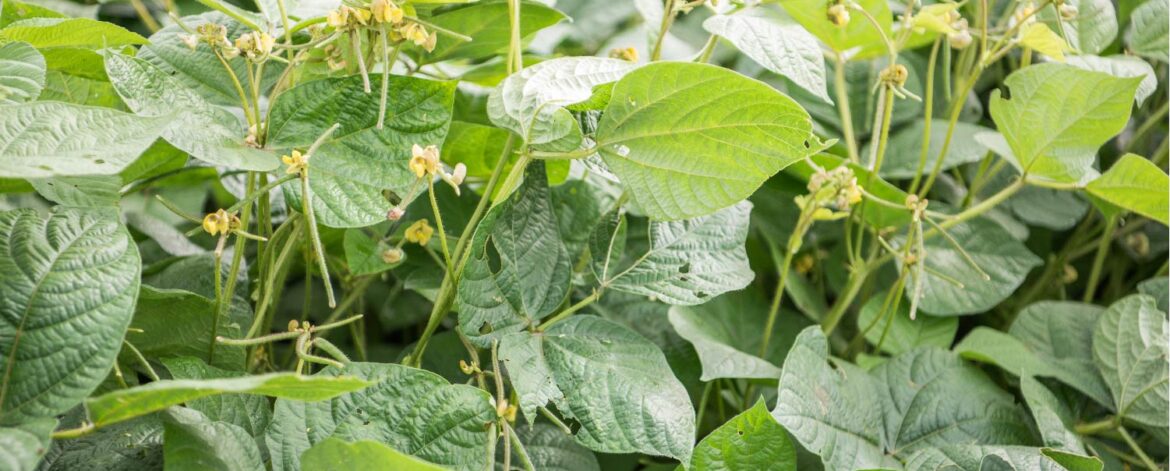
Green grams farming has become a great opportunity for Kenyan farmers looking for profitable agricultural ventures. These small, nutrient-rich legumes – also known as mung beans – have evolved from being a traditional crop grown for personal consumption into a highly profitable cash crop driving economic growth in various agricultural regions of Kenya.
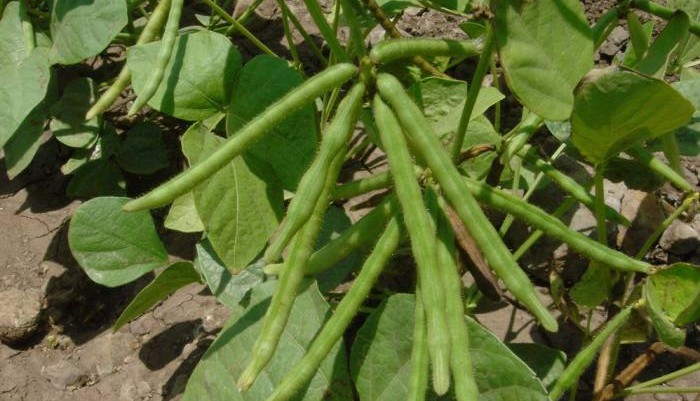
The rise in popularity of green grams farming can be attributed to its numerous benefits:
- Low initial investment requirements
- Quick maturity period of 60-90 days
- High market demand both locally and internationally
- Drought resistance making it ideal for Kenya’s climate
- Multiple harvests possible within a year
Kenyan smallholder farmers are increasingly turning to green grams cultivation, especially in arid and semi-arid areas. The crop’s ability to thrive in challenging climatic conditions has made it a preferred choice for farmers seeking to diversify their sources of income.
This comprehensive guide will take you through the essential steps of successful green grams farming – from choosing the right seeds to finding profitable markets. You’ll discover proven methods to increase your yields and turn your green grams venture into a sustainable source of income.
While green grams farming is indeed lucrative, it’s not the only promising agricultural venture in Kenya. For example, starting an avocado orchard could also bring in significant profits. Avocados have seen a surge in demand both locally and internationally, similar to green grams.
Starting Green Grams Farming
When starting any type of farming, including green grams or avocados, it’s important to understand what makes a good nursery. This knowledge will help you choose high-quality seeds which are crucial for a successful farming venture.
Additionally, with the rise of online platforms, buying avocado seedlings has become easier. However, it’s important to know certain frequently asked questions about avocado seedling purchases online to avoid potential problems.
Once you have your seedlings, proper care is vital for their survival and growth. Here are some essential tips for caring for newly planted avocado seedlings that could also apply to other crops like green grams.
Lastly, it’s worth mentioning that initiatives such as those by Royal Seedlings which support women and youth in agribusiness are helping empower marginalized groups in the agricultural sector. This not only helps reduce poverty but also promotes sustainable economic growth in these communities.
Understanding Green Grams: The Nutritional Powerhouse
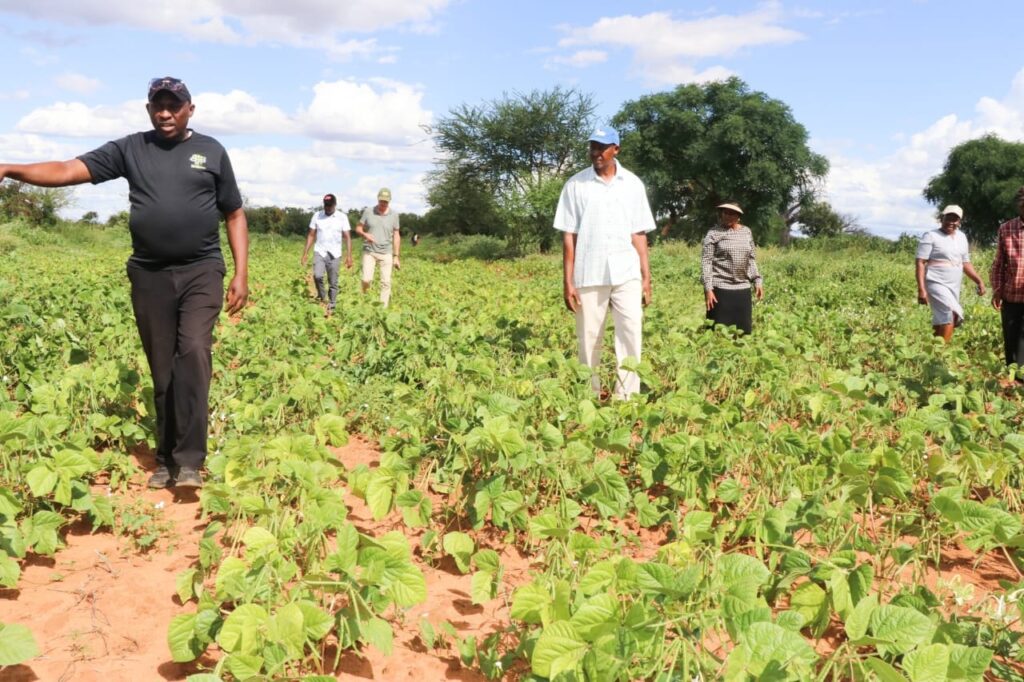
Green grams (Vigna radiata), also known as mung beans, belong to the Fabaceae family, a group of leguminous plants known for their protein-rich seeds. These small, round beans showcase a vibrant green color when split and measure approximately 3-4mm in diameter.
The nutritional profile of green grams stands out among legumes:
- Protein Content: 24-28% protein by weight
- Dietary Fiber: 15-20g per 100g
- Essential Vitamins: Folate (B9), Thiamine (B1), Riboflavin (B2), Vitamin K
- Mineral Content: Iron, Magnesium, Potassium, Zinc
Green grams play a crucial role in Kenya’s food security strategy. Their high nutrient density makes them an excellent protein source for communities with limited access to animal proteins. A single serving (100g) provides up to 50% of an adult’s daily protein requirements.
Versatile Ingredients in Kenyan Cuisine
The versatility of green grams in Kenyan cuisine enhances their nutritional impact. Common preparations include:
- Boiled beans for main dishes
- Ground flour for porridge
- Sprouted beans for salads, which are highly nutritious as mung bean sprouts are known to be low in calories but rich in vitamins and minerals.
- Traditional stews
These preparation methods preserve the beans’ nutritional value while making them easily digestible. Local communities benefit from improved nutrition through regular consumption, particularly in regions where dietary diversity remains limited.
Exploring Additional Nutritional Options
In addition to incorporating green grams into the diet, exploring other nutritional options such as grafted fruit seedlings can further enhance food security and dietary diversity in Kenya. These seedlings offer a variety of fruits that are not only rich in vitamins and minerals but also provide an alternative source of income for farmers.
Also, the potential benefits of consuming mung bean seeds and sprouts should not be overlooked as they are packed with essential nutrients that can significantly contribute to a balanced diet.

Ecological Suitability and Growing Regions for Green Grams in Kenya
Green grams thrive in Kenya’s arid and semi-arid lands (ASALs), which cover 89% of the country’s total land area. These drought-resistant legumes adapt well to challenging climatic conditions, making them an ideal crop choice for farmers in water-scarce regions.
Key Growing Regions in Kenya:
- Embu and Meru – Known for fertile soils and moderate rainfall
- Kitui and Makueni – Semi-arid regions with successful green gram production
- Tharaka Nithi – Features suitable altitude and temperature ranges
- Machakos – Popular for commercial green gram farming
- Selected Rift Valley areas – Growing adoption of green gram cultivation
Optimal Growing Conditions:
- Altitude: Sea level to 1,600 meters
- Temperature: 28-35°C
- Rainfall: 350-700mm during growing season
- Soil type: Well-drained sandy-loam, similar to the soil requirements for different fruit trees in Kenya
- Soil pH: 5.5-7.5
Green grams perform exceptionally well in areas receiving bimodal rainfall patterns. The crop’s short maturity period of 60-90 days allows farmers to plant during both long and short rain seasons, maximizing land productivity.
The plant’s deep root system enables it to extract water from lower soil layers, making it resilient during dry spells. This characteristic has led to increased adoption of green gram farming in traditionally dry areas, transforming these regions into productive agricultural zones.
Best Practices for Profitable Green Grams Farming
Successful green grams farming starts with proper land preparation. Clear your land of weeds and plant debris, then plow to a depth of 20-30cm. A second plowing creates the fine tilth needed for optimal seed germination. The soil pH should range between 5.5-7.5, with sandy-loam texture providing ideal growing conditions.
Seed Selection Guidelines:
- Use certified seeds from authorized dealers
- Check for uniformity in size and color
- Ensure seeds are free from physical damage
- Select varieties suited to your region’s climate
- Purchase fresh seeds from the current season
Planting Specifications:
- Row spacing: 30 cm
- Plant spacing: 10 cm within rows
- Planting depth: 3-5 cm
- Seed rate: 20-25 kg/ha
Timing your planting with the onset of rains maximizes yield potential. Plant your green grams when soil moisture is adequate for germination. The crop requires minimal irrigation, but water supply becomes critical during two key stages:
Critical Irrigation Periods:
- Flowering stage (30-35 days after planting)
- Pod formation stage (45-50 days after planting)
Apply light irrigation during these periods to prevent flower drop and ensure proper pod filling. A drip irrigation system proves most efficient, delivering water directly to the root zone while conserving water resources.
Thin your plants 2 weeks after emergence, removing weak seedlings to maintain the recommended spacing. This practice reduces competition for nutrients and sunlight, leading to stronger plant development and higher yields.
To maximize the benefits of proper spacing, consider the importance of proper spacing when planting fruit trees, as this principle also applies to green grams farming.
Managing Pests, Diseases, and Weeds in Green Grams Farming
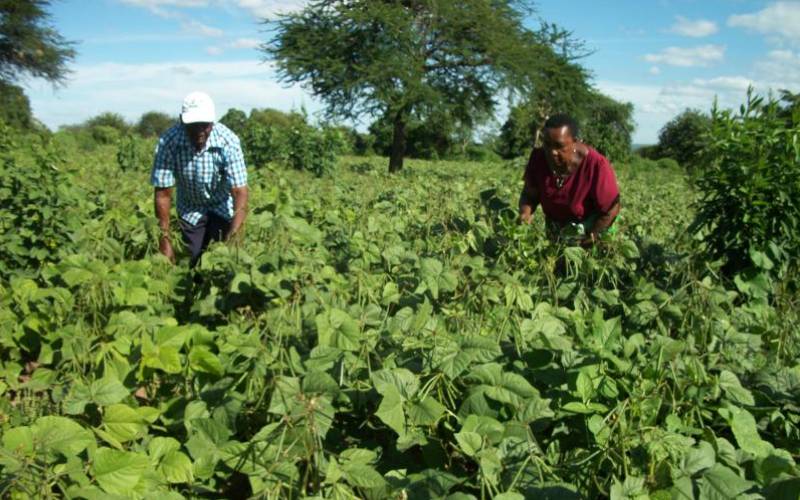
Successful green grams farming requires vigilant pest, disease, and weed management. Your crops face several persistent threats that need strategic control measures.
Common Pests
- Cutworms attack young seedlings at night, cutting stems at ground level
- Aphids cluster on leaves and stems, causing stunted growth
- Bean flies lay eggs in stems, leading to wilting
- Pod borers create holes in pods, damaging seeds
- Whiteflies and thrips spread viral diseases while feeding on plant sap
Major Diseases
- Damping off kills seedlings before emergence
- Anthracnose creates dark, sunken lesions on pods
- Powdery mildew shows as white powder-like coating on leaves
- Bacterial blight appears as water-soaked spots on leaves
- Rust manifests as brown pustules on leaf surfaces
- Yellow mosaic virus causes distinctive yellow mottling
For more insights into managing diseases in seedlings, you can refer to this farmer’s guide which provides valuable information that could be applicable to various seedling types including green grams.
Integrated Pest Management (IPM) Strategies
- Plant resistant varieties like KS20 or N26
- Practice crop rotation with non-legume crops
- Use sticky traps for flying insects
- Apply neem-based pesticides for organic control
- Spray selective chemicals only when pest populations exceed economic thresholds
Weed Management
- Apply CLAMPDOWN 480SL herbicide pre-emergence
- Mulch around plants to suppress weed growth
- Hand-weed during early crop stages
- Maintain proper plant spacing to shade out weeds
- Keep field edges clean to prevent weed seed spread
Regular field monitoring helps identify problems early. Scout your farm twice weekly during the growing season to catch pest issues before they escalate. Record pest occurrences and control measures to improve future management decisions.
Additionally, understanding the specific needs of different plant varieties can significantly enhance farming outcomes. For instance, when choosing between local and imported apple varieties for Kenyan climates, it’s essential to consider various factors. This resource provides detailed guidance that could be beneficial.
Maximizing Yields Through Nutrient Management and Proper Harvesting Techniques
Proper nutrient management starts with applying Di-Ammonium Phosphate (DAP) fertilizer during planting. You’ll need 50kg of DAP per acre, placed in the planting furrows before seed placement. This basal application provides essential phosphorus for root development and early plant growth.
Farm yard manure plays a critical role in green grams production. Apply well-decomposed manure at 2-3 tons per acre, incorporating it into the soil during land preparation. The organic matter content determines application rates:
- Low organic matter (below 1.5%): Apply 3 tons/acre
- Medium organic matter (1.5-3%): Apply 2 tons/acre
- High organic matter (above 3%): Apply 1 ton/acre
Top dressing occurs 3-4 weeks after emergence using Calcium Ammonium Nitrate (CAN) at 50kg per acre. Foliar feeds containing micronutrients enhance pod formation – apply these every 14 days during flowering.
Harvesting timing significantly impacts yield quality. Watch for these indicators:
- Yellow-brown pod color for most varieties
- Black pods for dark-seeded varieties
- Dry, brittle pods that rattle when shaken
- 90% of pods showing mature coloration
Pick pods when morning dew has dried to prevent moisture-related quality issues. Hand-harvesting reduces seed damage compared to mechanical methods, preserving seed quality for better market prices.
In addition to these practices, it’s worth exploring the role of tissue culture in enhancing seedling production for crops like bananas, which can also be beneficial for diversifying your farm’s output. Moreover, understanding how to choose the right mango variety can significantly impact your farming success if you’re considering expanding into fruit cultivation.

Post-Harvest Handling: Ensuring Quality and Marketability of Green Grams
Proper post-harvest handling determines the market value of your green grams harvest. The process starts immediately after picking the mature pods from the field.
Essential Post-Harvest Steps:
1. Sun Drying
- Spread harvested pods on clean canvas or mats
- Dry for 2-3 days under direct sunlight, ensuring to follow proper drying techniques for optimal results
- Turn pods regularly to ensure uniform drying
- Target moisture content: 12-14%
2. Threshing
- Beat dried pods gently with sticks on clean surface
- Use mechanical threshers for large quantities
- Remove empty pods and plant debris
- Winnow to separate seeds from chaff
3. Storage Requirements
- Clean and disinfect storage containers
- Use airtight metal bins or hermetic bags
- Store in cool, dry place away from direct sunlight
- Check moisture levels regularly
- Keep storage area free from pests
Quality Preservation Tips:
- Sort seeds to remove damaged or discolored grains
- Package in smaller units for easier handling
- Label containers with harvest date
- Monitor stored grains weekly for pest infestation
- Maintain storage room temperature below 25°C
Proper post-harvest handling reduces losses by up to 40% and ensures you receive premium prices for your green grams in both local and export markets. However, achieving such quality is not solely dependent on post-harvest practices. It also begins at the seedling stage.
For instance, understanding the economic impact of quality seedlings on smallholder incomes can significantly influence the overall yield and market value of crops like green grams.
Furthermore, certain farming practices can be detrimental to the yield if not avoided. For example, in avocado farming, there are specific mistakes that farmers should steer clear of for a bountiful harvest.
In regions like Muranga, which is known as the heart of quality Hass avocado seedling production in Kenya, understanding local farming dynamics is crucial. This region’s success story can be attributed to several factors including the science behind grafting, a technique that significantly improves crop yield and quality.
By implementing these comprehensive strategies from seedling selection, through optimal farming practices to effective post-harvest handling, farmers can maximize their crop yield and market value.
The Lucrative Market for Green Grams in Kenya and Beyond
Green grams are one of Kenya’s most profitable agricultural commodities, with strong market demand both locally and internationally. In the domestic market, urban centers consistently demand green grams, with wholesale prices ranging from KES 80-120 per kilogram.
Opportunities in Export Markets
Export markets offer significant opportunities for Kenyan farmers. Similar to the promising prospects seen in the Hass avocado export market, green gram exports are also thriving:
- India: The largest importer, purchasing up to 60% of Kenya’s green gram exports
- China: Growing demand for organic and high-quality green grams
- European Union: Premium market for certified organic produce
Revenue Streams from Value-Added Products
The versatility of green grams creates multiple revenue streams through value-added products:
- Whole Dried Grains
- Direct consumption
- Restaurant supply
- Export market
- Processed Products
- Green gram flour
- Ready-to-eat snacks
- Protein supplements
- Agricultural Products
- Animal feed
- Green manure
- Cover crop seeds
Strong Returns for Farmers
Current market prices reflect a strong return on investment, with farmers earning between KES 90,000 to KES 120,000 per acre. The growing health food sector has sparked increased demand for plant-based proteins, positioning green grams as a strategic crop for both small-scale and commercial farmers.
Support from Kenya National Trading Corporation
The Kenya National Trading Corporation actively supports green gram farmers by providing guaranteed minimum prices and facilitating export connections, ensuring stable market access and competitive returns. Moreover, the potential of green grams as a sustainable source of plant-based protein further enhances their value in both local and international markets.

Overcoming Challenges in Green Grams Farming: A Path Towards Sustainability
Green grams farmers in Kenya face significant challenges that require strategic solutions for sustainable production. The changing climate patterns create unpredictable growing conditions, particularly affecting farmers in arid zones where rainfall fluctuations can devastate entire crops.
Key Production Challenges:
- Erratic rainfall patterns disrupting planting schedules
- Extended dry spells during critical growth stages
- Rising temperatures affecting pod formation
- Increased pest resistance to conventional controls
- Soil nutrient depletion from intensive farming
These challenges are not unique to green gram farming. Other agricultural sectors, such as pomegranate farming, also face similar hurdles, further emphasizing the need for comprehensive strategies to enhance resilience across all farming practices.
Storage and Market Access Issues:
- Traditional storage methods leading to 20-30% post-harvest losses
- Limited access to modern storage facilities
- Price fluctuations due to market saturation during harvest
- High transportation costs to reach premium markets
- Limited processing facilities in rural areas
Innovative farmers tackle these challenges through climate-smart agriculture techniques, which include strategies for tackling the impacts of drought. Drought-resistant varieties, water harvesting systems, and conservation agriculture practices help maintain yields during difficult seasons. Crop rotation with cereals like maize or sorghum prevents soil degradation and breaks pest cycles.
Modern storage solutions such as hermetic bags protect harvested green grams from moisture and pests. Farmer groups pool resources to access better storage facilities and strengthen their market position through collective bargaining. These adaptations, combined with improved agricultural practices, create resilient farming systems capable of withstanding environmental pressures while maintaining profitable production levels.
Innovative Solutions For A Sustainable Future In Green Grams Farming
Kenya’s green grams farming sector embraces cutting-edge solutions to address production challenges. Modern climate-smart agriculture techniques now enable farmers to adapt to weather uncertainties:
1. Smart Irrigation Systems
- Drip irrigation technology
- Water harvesting structures
- Soil moisture sensors for precise water management
2. Advanced Pest Management
- Biological control agents
- Pheromone traps
- Disease-resistant seed varieties
- Natural predator conservation
3. Storage Innovations
- Hermetic storage bags
- Modified atmosphere packaging
- Temperature-controlled facilities
- Moisture monitoring
Start Your Green Grams Farming Journey Today!
Green grams farming in Kenya presents an exciting opportunity to join a thriving agricultural sector. Your success starts with implementing the proven practices we’ve shared in this guide.
Ready to start your green grams farming venture? Here’s what you need:
- Certified, high-quality seedlings
- Proper land preparation
- Understanding of best farming practices
- Market connections
We’re here to support your farming journey with:
- Premium green grams seedlings
- Expert farming guidance
- Direct market linkages
- Post-harvest handling support
To enhance your understanding of best farming practices, we offer various training opportunities. For instance, if you’re also interested in branching out into commercial fruit growing, our training opportunities for aspiring commercial fruit growers in Muranga County could be beneficial.
Moreover, if you’re considering avocado farming as part of your venture, we provide comprehensive professional avocado farming training sessions.
Take the first step toward profitable green grams farming
Contact us to order seedlings or discuss partnership opportunities:
📱 Call: 0711315313
📧 Email: julius.murega@royalseedlings.com
Start your green grams farming venture today and tap into this lucrative agricultural opportunity. Our team stands ready to guide you toward farming success.
FAQs (Frequently Asked Questions)
What makes green grams (mung beans) a profitable crop for farmers in Kenya?
Green grams, also known as mung beans, are a money-making cereal in Kenya due to their high nutritional value, rising market demand locally and internationally, and adaptability to arid and semi-arid regions. Their protein-rich content combined with multiple income streams from whole grains, flour, snacks, and animal feed products make them highly profitable for smallholder farmers.
Which regions in Kenya are best suited for green grams cultivation?
Green grams thrive in Kenya’s arid and semi-arid ecological zones. Key growing regions include Embu, Meru, Kitui, Makueni, Tharaka Nithi, Machakos, and parts of the Rift Valley. These areas provide the suitable climate and soil conditions required for optimal growth of drought-resistant green grams.
What are the best agronomic practices for successful green grams farming in Kenya?
Successful green grams farming involves proper land preparation including weed removal and tillage for fine soil tilth with ideal pH levels. Use certified or disease-free seeds planted with spacing of 30 cm between rows and 10 cm between plants. Irrigation is mainly needed during flowering and pod formation stages. Additionally, integrated pest management strategies should be employed to control pests and diseases effectively.
How can farmers manage pests, diseases, and weeds in green grams cultivation?
Common pests affecting green grams include cutworms, aphids, bean flies, pod borers, whiteflies, and thrips; diseases such as damping off, anthracnose, powdery mildew, bacterial blight, rust, and yellow mosaic virus are also prevalent. Integrated pest management combining resistant varieties with selective chemical controls is recommended. Pre-planting weed control using herbicides like CLAMPDOWN 480SL alongside cultural practices reduces weed pressure effectively.
What post-harvest handling techniques ensure quality and marketability of green grams?
After harvesting when pods change color (yellow or black depending on variety), sun drying for 2–3 days reduces moisture before threshing. Proper storage using dry airtight containers prevents post-harvest losses caused by moisture or pests. These methods maintain grain quality essential for local consumption and export markets including India, China & Europe.
How does climate-smart agriculture contribute to sustainable green grams farming in Kenya?
Climate-smart agriculture enhances resilience against weather extremes through adoption of integrated pest management reducing chemical dependency; development of irrigation infrastructure; farmer education on best agronomic practices; improved storage technologies; and strengthened market linkage programs. These innovations address challenges like climate variability, water scarcity, soil degradation, and limited market access promoting sustainability in green grams farming.