



Narok County is a key part of Kenya’s agricultural landscape, turning large areas of fertile land into productive farming areas. This agricultural powerhouse includes various regions, from cool highlands to semi-arid lowlands, creating perfect conditions for growing different types of crops.
The farming sector in Narok County is crucial for the economy, providing income for local communities and contributing to Kenya’s food security. Here’s a look at some of the impressive agricultural activities happening in the area:
- Large-scale wheat production supplying national demand
- Extensive maize cultivation supporting food security
- Commercial potato farming with multiple annual harvests
- High-value horticultural crops including tomatoes and onions
- Strategic barley production supporting Kenya’s brewing industry
The Role of Geography in Farming
The unique geographical location of Narok County creates specific farming areas, each suited for particular crop types. Here’s how geography influences farming in Narok:
- Highland areas: These regions have moderate temperatures and reliable rainfall, making them ideal for wheat and barley production.
- Midland regions: These areas are perfect for growing maize and potatoes due to their favorable climate and soil conditions.
- Lower zones: These regions support drought-resistant crops, which are essential in adapting to climate challenges.
This diverse agriculture has made Narok County a crucial food supplier for Kenya, attracting significant investment in farming infrastructure and technology. Farmers in the region continuously adjust their practices to meet increasing food demands while dealing with climate issues.
New Opportunities in Agriculture
In addition to traditional crops, there’s also a growing interest in starting avocado orchards in the region due to its favorable climate. However, it’s important for these new avocado seedlings to receive proper care during their early growth stage. Therefore, understanding essential tips for caring for newly planted avocado seedlings can greatly increase their survival rate and yield.
Empowering Local Communities
Moreover, the agricultural sector in Narok is not just about large-scale farming; it also plays a significant role in empowering local communities. Organizations like Royal Seedlings are making strides in supporting women and youth in agribusiness, providing them with resources and knowledge to thrive in this sector.
Potential for Diversification
Furthermore, there’s potential for diversifying into other profitable crops such as Pixie oranges. For those interested in this venture, our comprehensive guide on Pixie orange farming can provide valuable insights.

Key Crops Cultivated in Narok County
Wheat Farming Practices and Challenges
Narok County is Kenya’s leading wheat-producing region, accounting for 40% of the country’s wheat supply. The county’s success in wheat production can be attributed to its use of advanced farming techniques and effective management practices.
Essential Wheat Farming Practices:
- Deep Plowing Techniques: Soil aeration at 30-45cm depth, breaking hardpan for root development, enhanced water infiltration, and improved nutrient absorption.
- Certified Seed Selection: Disease-resistant varieties like Kenya Hawk and Kenya Robin, 95% germination rate guarantee, pure genetic qualities, and higher yield potential.
- Soil Management: Regular pH testing (optimal range: 5.5-7.0), custom fertilizer applications based on soil analysis, organic matter incorporation, and micronutrient supplementation.
- Understanding soil requirements is crucial, not only for wheat but also for other crops such as fruit trees. For instance, understanding soil requirements for different fruit trees in Kenya can provide valuable insights into improving overall soil health and productivity.
- Integrated Pest Management: Pre-planting field sanitation, regular crop monitoring, strategic fungicide application for rust control, cultural practices for smut prevention, and biological control agents integration.
Current Challenges:
- Market price fluctuations affecting farmer income
- Climate variability impacting planting schedules
- Rising production costs
- Competition from imported wheat
- Storage infrastructure limitations
- Emerging pest resistance
Local farmers have adapted by implementing precision agriculture techniques and participating in cooperative farming groups. These adaptations help manage costs and improve market access. The county’s agricultural extension services provide technical support through regular field visits and training programs, helping farmers optimize their wheat production practices.
The wheat sector continues to evolve with new technological adoptions, including GPS-guided planting systems and automated irrigation solutions. These innovations help farmers maintain productivity despite environmental challenges and market pressures.
In addition to wheat, there’s also a growing interest in pomegranate farming in Kenya, which presents both opportunities and challenges similar to those faced in the wheat sector.
Maize Cultivation Techniques and Issues
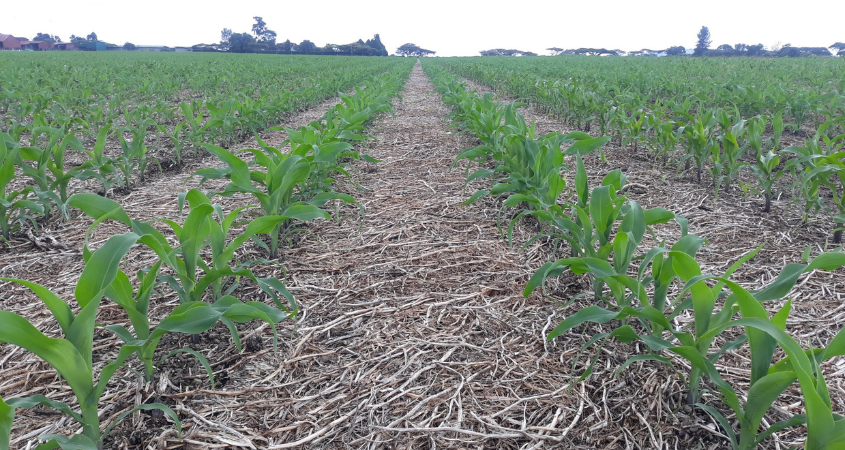
Maize farming in Narok County requires careful land preparation methods. Farmers clear fields of debris, followed by [deep plowing to create optimal soil conditions](https://royalseedlings.com/expert-advice-preparing-your-land-before-receiving-seedlings-delivery). The choice of certified seeds is crucial – popular varieties include H614, H624, and H629, known for their resistance to common diseases.
Successful maize cultivation depends on a balanced fertilizer strategy:
- Biological fertilizers: Farm manure, green manure, compost
- Inorganic fertilizers: DAP during planting, CAN for top dressing
Pest management focuses on two major threats:
- Fall armyworm control through early detection and targeted pesticide application
- Maize deadly necrosis disease prevention via crop rotation and clean farming tools
Post-harvest handling requires careful attention:
- Drying maize to 13% moisture content
- Storage in clean, dry facilities with proper ventilation
- Regular monitoring for pest infestations
Key challenges facing Narok maize farmers:
- Limited access to modern storage facilities
- High costs of certified seeds and fertilizers
- Unpredictable weather patterns affecting planting schedules
- Post-harvest losses reaching up to 30% of yield
Recent innovations include hermetic storage bags and metal silos, helping farmers reduce post-harvest losses. Local agricultural extension services provide training on integrated pest management and proper storage techniques to enhance productivity.
Potato Production Advantages and Methods
Narok County’s unique climate creates perfect conditions for potato cultivation. The region’s cool temperatures and consistent rainfall patterns enable farmers to harvest potatoes multiple times throughout the year, making it a reliable income source.
Soil Preparation Techniques
- Deep plowing at 30-45cm depth
- Addition of well-decomposed manure (10-15 tons per hectare)
- pH adjustment to 5.5-6.5 for optimal growth
Fertility Management
- Base fertilizer application: NPK 17:17:17
- Top dressing with CAN at 45 days after planting
- Regular soil testing to monitor nutrient levels
Disease Prevention Through Rotation
- 3-year rotation cycle with non-solanaceous crops
- Integration of legumes to enhance soil nitrogen
- Strategic placement between wheat and maize seasons
Preferred Varieties
- Shangi: Fast maturing, good market demand
- Kenya Mpya: Disease resistant, high yielding
- Dutch Robijn: Excellent storage qualities
The potato farming sector in Narok benefits from the county’s agricultural extension services, providing farmers with technical support and disease management strategies. Local farmers have adopted modern storage facilities to reduce post-harvest losses and maintain consistent market supply.
Tomato Farming Practices
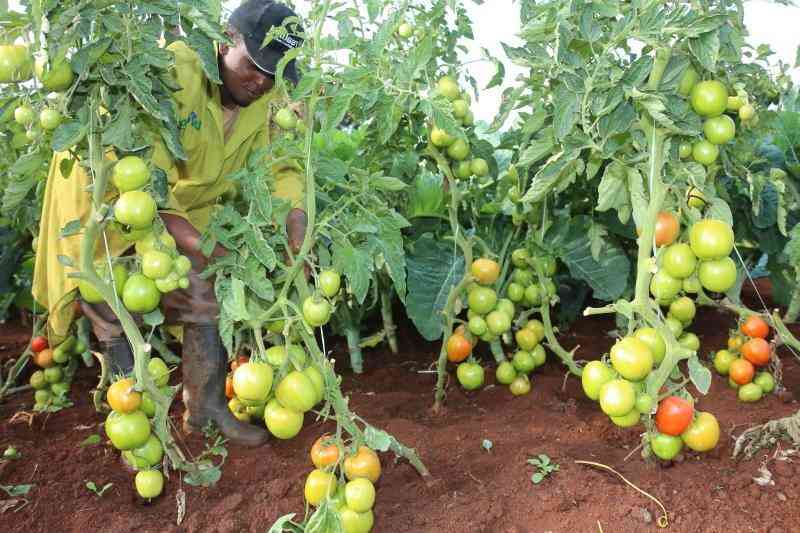
Tomato farming in Narok County involves several key practices that contribute to successful cultivation and increased productivity.
Seedling Preparation
The process begins with careful preparation of seedlings in protected nurseries. Farmers raise the seedlings for a period of 21 to 30 days, ensuring that optimal moisture levels are maintained and young plants are shielded from harsh weather conditions. The setup of the nursery includes:
- Raised beds filled with fine, well-draining soil
- Protective shade nets to shield the seedlings
- Regular watering schedules to provide adequate moisture
- Disease monitoring systems to detect any potential issues
Crop Diversification
In addition to tomatoes, farmers in Narok County also explore other crops such as bananas and avocados. The use of tissue culture in banana seedling production has been a game changer, allowing for healthier and more resilient plants. Similarly, the convenience of purchasing avocado seedlings online has made it easier for farmers to diversify their crop production.
Field Preparation
For successful transplanting, it is essential to have well-drained soils with pH levels between 6.0 and 6.8. Narok farmers prepare their fields through various methods:
- Deep plowing to improve soil structure
- Adding lime to adjust the pH levels
- Creating raised beds for better drainage
- Installing drip irrigation systems for efficient water supply
Fertilizer Application
Balanced fertilizer application plays a critical role in tomato production. The recommended regime includes:
- Base fertilizer during land preparation
- Weekly foliar feeds during vegetative growth
- Phosphorus-rich fertilizers during flowering
- Potassium application during fruit development
Disease Management
Disease management is crucial for maintaining healthy tomato crops. In Narok’s tomato farms, farmers practice crop rotation as an effective strategy. They follow a three-year rotation cycle, alternating tomatoes with:
- Cereals such as wheat and maize
- Legumes like beans
- Root crops including potatoes
This rotation pattern helps break pest cycles and maintain soil health, resulting in improved yields and reduced reliance on chemical interventions.
Innovative Farming Techniques
Some farmers in Narok County have also adopted innovative farming techniques such as grafting to further enhance their crop yield and quality. Grafting involves joining two different plant varieties together to combine desirable traits and improve overall productivity.
These tomato farming practices implemented by farmers in Narok County demonstrate their commitment to sustainable agriculture and continuous improvement in crop production techniques.

Onion Cultivation Overview
The semi-arid regions of Narok are perfect for onion farming, as they can meet the high demand in both local and regional markets. There are different varieties of onions grown in this area, each with its own advantages:
- Red Creole: These onions have a long shelf life, making them ideal for storage.
- Bombay Red: This variety matures early, allowing farmers to harvest and sell their crops sooner.
- Texas Grano: These onions grow larger in size, which can fetch higher prices in premium markets.
Key Requirements for Successful Onion Farming
To successfully grow onions in Narok, farmers need to focus on the following:
- Bed Preparation: Creating raised beds and adding organic matter to the soil will ensure proper drainage and fertility.
- Irrigation Systems: Implementing drip irrigation methods will help conserve water in these semi-arid areas.
- Pest Management: Using natural pest control methods such as neem extracts and beneficial insects will keep thrips and other pests at bay.
- Disease Control: Practicing crop rotation and maintaining adequate spacing between plants will reduce the risk of fungal infections.
Harvesting and Curing Process
Farmers know it’s time to harvest when the leaves of the onion plants turn yellow and start falling off. After harvesting, they cure the onions by placing them in dry, shaded areas for about 2-3 weeks before storing or selling them. This curing process strengthens the outer skin of the onions and helps prolong their shelf life.
Common Challenges Faced by Onion Farmers
Onion farmers in Narok often face several challenges that can impact their business:
- Fluctuating market prices during peak harvest seasons
- Infestations of thrips affecting the growth of onion bulbs
- High costs associated with purchasing quality seeds and irrigation equipment
- Limited storage options during rainy seasons
Innovative Solutions Adopted by Progressive Farmers
To overcome these challenges, some progressive farmers in Narok are adopting greenhouse cultivation techniques. By creating controlled environments for their onion crops, they can manage factors such as temperature and humidity more effectively. This allows them to produce onions consistently throughout the year, regardless of external weather conditions.
As a result, these farmers are able to stabilize their market supply and negotiate better prices for their produce.
Insights on Bean Farming
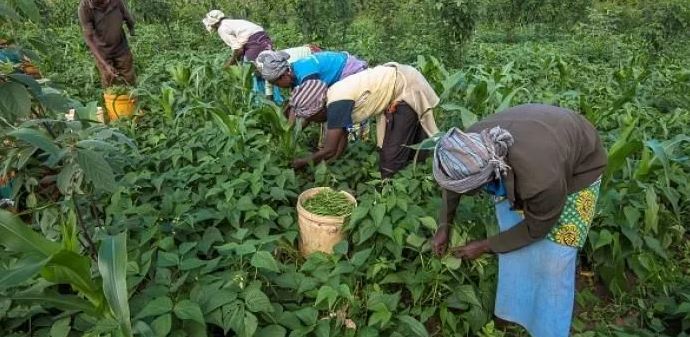
Beans are an important source of protein in Narok County. Farmers have started using strategic intercropping methods by planting beans alongside maize. This technique, known as companion planting, not only improves soil fertility through nitrogen fixation but also makes the best use of available land.
Popular Bean Varieties in Narok
Here are some of the bean varieties that are commonly grown in Narok:
- Rosecoco: This variety is preferred for commercial production due to its high yield.
- Mwitemania: Known for its fast growth and resistance to diseases, this strain is gaining popularity among farmers.
- Yellow Beans: These beans are valued for their superior nutritional content.
Importance of Proper Tillage Practices
To achieve successful bean farming, it is essential to follow precise tillage practices. Farmers in Narok incorporate organic matter into the soil by plowing deeply at a depth of 20-30cm. This process helps create an enriched soil structure that promotes healthy root development and improves water retention.
Effective Weed Management Techniques
Weeds can pose a significant threat to bean crops if not managed properly. Here are some weed management protocols followed by farmers in Narok:
- Manual weeding during the early growth stages of beans
- Selective application of herbicides specifically targeting broad-leaf weeds
- Regular field monitoring to prevent weed competition with bean plants
Vigilant Pest Control Measures
Pests can cause substantial damage to bean crops if left unchecked. Farmers employ various strategies for pest control, including:
- Weekly field scouting to identify common pests
- Encouraging natural predators that feed on harmful insects
- Applying pesticides only when pest populations exceed threshold levels
- Practicing crop rotation by planting non-leguminous crops in between bean cycles
Understanding the Beans Market in Narok
The demand for beans in Narok remains strong throughout the year. Local traders directly purchase beans from farms, while larger producers supply regional markets. It’s important for farmers to be aware of price fluctuations based on seasonal supply, as peak harvests usually result in lower market rates.
Importance of Barley Cultivation and Innovations in Narok
Barley is well-suited for cultivation in the cooler highland areas of Narok, making it an important supplier for Kenya’s brewing industry. Currently, barley is grown on 40,000 acres of land across 500 farms in the county, with plans to expand this area to 60,000 acres.
Key Varieties of Barley
The following are the main varieties of barley being cultivated in Narok:
- Nguzo: Known for its high yield potential and strong resistance to diseases.
- Fanaka: Recognized for its superior quality malt.
- Cocktail: Versatile variety that can be used in both food and beverage applications.
Cultivation Process
The process of cultivating barley involves several key steps:
- Land preparation is done using minimum tillage techniques to preserve soil health.
- Planting is done early at the beginning of the rainy season to take advantage of optimal growing conditions.
- Seeds are spaced 20-25 cm apart during planting to ensure proper plant growth.
- Fertilization is done using balanced nitrogen-rich fertilizers to support healthy crop development.
Disease Management Strategies
To protect barley crops from diseases, farmers implement specific management protocols:
- Timely application of fungicides to combat rust disease.
- Integrated pest management techniques to target aphid infestations.
- Strategic use of herbicides to control weed populations competing with barley plants.
Recent Innovations in Barley Cultivation
In recent years, new and improved varieties of barley have been introduced to enhance productivity:
- ‘Propino’ and ‘Laureate’ are high-performance cultivars that have shown promising results.
- These new varieties have the potential to increase yields from 6 tonnes per acre to 7 tonnes per acre while requiring fewer fungicide applications.
Economic Impact on Local Farmers
Kenya Breweries Limited’s significant investment in Narok’s barley sector has had a positive effect on local farmers:
- The company has established direct purchasing agreements with farmers, providing them with a stable market for their produce.
- This arrangement ensures reliable income streams for farmers and encourages them to sustain production growth over time.
Harvesting and Post-Harvest Practices
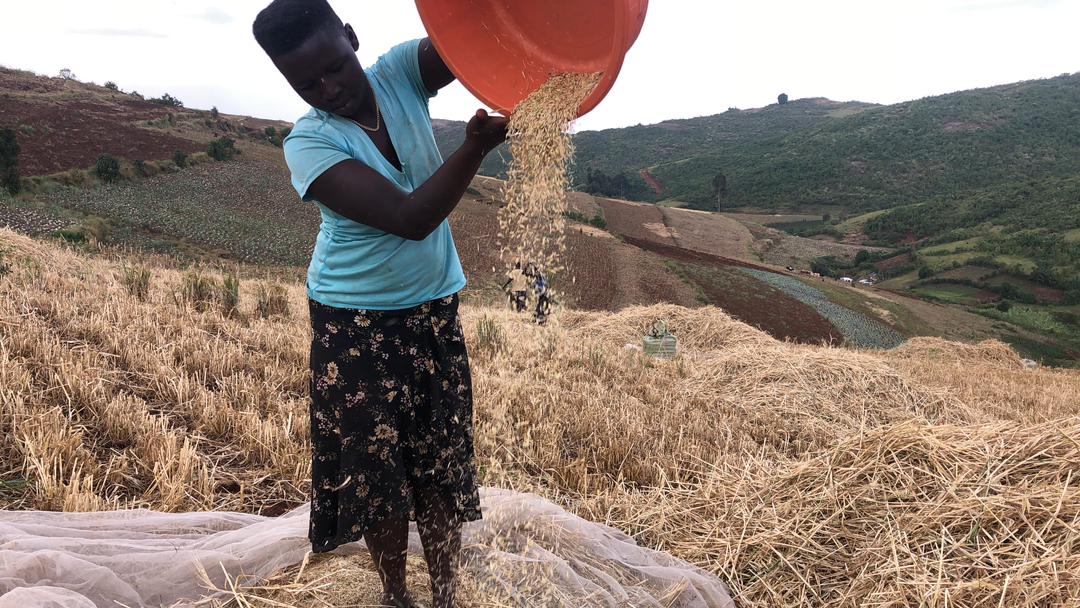
Harvesting of barley takes place when the moisture content of the grains drops below 13%:
- This timing is crucial as it helps maintain optimal storage conditions and preserves malt quality.
- The harvested barley is then supplied to local breweries, animal feed processors, and export markets in neighboring countries.
This success story in barley cultivation highlights the broader potential of seasonal planting strategies that could be applied to other crops in the region. For instance, understanding how to choose between local and imported apple varieties could open up new avenues for fruit farming in Narok.
Moreover, regions like Muranga have become synonymous with quality Hass avocado seedling production, showcasing the diverse agricultural potential of Kenya.
Finally, it’s essential to recognize the economic impact of quality seedlings on smallholder incomes, which can significantly enhance productivity and profitability across various farming sectors.

Support Services by Narok County Agriculture Department
The Narok County Agriculture Department provides comprehensive support services to empower local farmers. Their dedicated agricultural extension officers conduct regular farm visits, offering personalized crop husbandry advice tailored to specific farming challenges.
Plant Health Support
The department’s plant health specialists assist farmers with:
- Disease identification and control strategies
- Soil testing recommendations
- Pest management solutions
- Post-harvest handling techniques
Agricultural Engineering Support
Agricultural engineering teams deliver critical infrastructure support through:
- Dam construction for water harvesting
- Terrace building to prevent soil erosion
- Farm road development improving access
- Irrigation system installation guidance
Agribusiness Development Support
The department’s agribusiness development unit strengthens market connections by:
- Linking farmers to reliable buyers
- Organizing agricultural trade fairs
- Facilitating contract farming arrangements
- Supporting farmer group formation
A specialized digital platform connects farmers with real-time market information and technical advice. This aligns with the future of e-commerce in agriculture, providing valuable insights for local farmers.
The department also coordinates with research institutions to introduce improved farming technologies and crop varieties suited to Narok’s diverse agro-ecological zones. For instance, they provide guidance on choosing the right mango variety for Kenyan farms and share best practices for smallholder farmers when buying avocado seedlings online.
Training programs cover essential topics such as modern farming techniques, financial management, value addition methods, and climate-smart agriculture practices.
In addition, the department maintains demonstration plots across different regions, showcasing best practices in crop production and new agricultural technologies to local farmers. They also explore opportunities in export markets, helping farmers profit from Hass avocado exports.
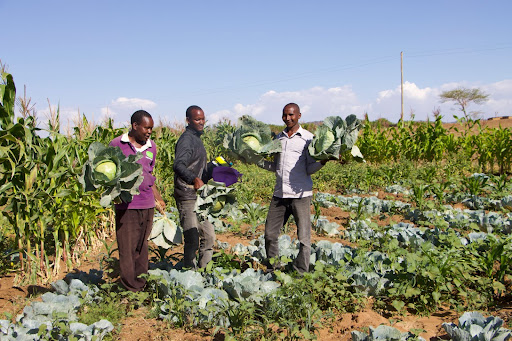
Common Challenges Facing Farmers In The Region
Farmers in Narok County face significant obstacles that impact their agricultural productivity and economic stability:
1. Pest and Disease Infestations
- Wheat and barley crops battle persistent rust infections
- Fall armyworm devastates maize fields, reducing yields by up to 70%
- Fungal diseases thrive during wet seasons, particularly affecting bean crops
- Thrips infestations damage onion production
- Avocado seedlings are also susceptible to various diseases which can hinder their growth and yield
2. Climate Change Effects
- Unpredictable rainfall patterns disrupt traditional planting schedules
- Extended dry spells stress crops during critical growth phases
- Increased frequency of extreme weather events damages standing crops
- Shifting temperatures affect crop disease resistance
3. Storage and Post-Harvest Issues
- Limited modern storage facilities lead to grain quality deterioration
- Potato farmers lose up to 40% of harvests due to improper storage
- High moisture content during storage triggers aflatoxin development in maize
- Inadequate curing facilities for onions reduce shelf life
4. Market-Related Challenges
- Price fluctuations create income uncertainty for farmers
- Supply gluts during harvest seasons drive prices down
- High input costs reduce profit margins
- Limited access to direct markets forces reliance on middlemen
These challenges intersect and compound each other, creating complex problems for Narok’s farming community. Local agricultural experts recommend integrated approaches combining modern farming techniques with traditional knowledge to build resilience against these challenges.
Modern Techniques Enhancing Productivity In The Region
Narok County farmers are using advanced agricultural technologies to increase crop production and improve farming efficiency. These new methods are changing the way traditional farming is done.
Precision Agriculture Practices
Precision agriculture practices are modern techniques that use technology to optimize farming operations. Here are some examples of how these practices are making a difference in Narok County:
- GPS-guided tractors: Farmers can now use tractors equipped with GPS technology to accurately map their fields. This ensures that every inch of land is properly cultivated, minimizing wastage and maximizing productivity.
- Soil sensors: With the help of soil sensors, farmers can monitor the moisture levels in their fields in real-time. This allows them to make informed decisions about irrigation and water management, leading to more efficient use of resources.
- Smart irrigation systems: Traditional irrigation methods often result in water wastage due to overwatering or inefficient distribution. However, with smart irrigation systems in place, farmers can reduce water waste by up to 40% by delivering the right amount of water at the right time.
- Drone technology: Drones equipped with cameras and sensors are being used for crop monitoring and targeted pesticide application. This not only saves time and labor costs but also ensures that pesticides are applied only where necessary, reducing environmental impact.
Advanced Breeding Programs
In addition to precision agriculture practices, Narok County farmers are also benefiting from advanced breeding programs. These programs focus on developing crop varieties that are resilient and well-suited to the local climate and conditions.
Some of the key benefits of these new crop varieties include:
- Enhanced resistance to common pests
- Improved tolerance to drought conditions
- Higher potential yields
- Better nutritional content
Digital Transformation in Agriculture
Digital platforms are playing a crucial role in transforming agricultural value chains across Narok County. Here are some ways in which technology is bridging gaps and creating opportunities for farmers:
- Mobile apps: Farmers can now access mobile applications that connect them directly with buyers. This eliminates the need for intermediaries and allows farmers to negotiate better prices for their produce.
- WhatsApp groups: Real-time market price updates are being shared through WhatsApp groups, enabling farmers to make informed decisions about when and where to sell their crops.
- Digital payment systems: Transactions between farmers and buyers are being streamlined through digital payment systems, making it easier for both parties to complete sales.
- Online platforms: Weather forecasts and farming tips are now readily available on online platforms, helping farmers plan their activities accordingly.
Collaboration Among Farmers
Farmer groups in Narok County are leveraging these technological advancements by pooling resources together and sharing knowledge with one another. This collaborative approach allows them to overcome challenges that individual farmers may face.
Local agricultural extension services play a vital role in this collaboration by providing training on modern farming techniques such as precision agriculture and advanced breeding practices. Additionally, partnerships with research institutions bring innovative solutions to common farming problems.
The integration of smart farming practices positions Narok County as a model for agricultural modernization in Kenya, attracting investment in agri-tech solutions and creating opportunities for sustainable farming practices.

Conclusion
Narok County is a shining example of agricultural excellence in Kenya, with great potential for various crop production. The region’s success comes from its ideal climate, fertile soils, and hardworking farming communities.
Your involvement can make a difference in Narok’s agricultural growth:
- Partner with Local Farmers: Connect directly with farming groups for bulk produce orders
- Source Quality Seedlings: Access certified seeds and seedlings from registered suppliers. It’s essential to understand what makes a good nursery when sourcing quality seedlings.
- Join Agricultural Programs: Engage in knowledge-sharing initiatives with experienced farmers. You might find valuable training opportunities for aspiring commercial fruit growers beneficial.
Ready to be part of Narok’s agricultural journey?
Contact Royal Seedlings Company:
 Phone: +254 711315313
 Email: Julius.murega@royalseedlings.
com,  Website:www.royalseedlings.com
The future of farming in Narok County grows brighter with each new partnership and innovation. Your involvement can help shape this agricultural powerhouse’s next chapter. Remember, whether it’s understanding the benefits of grafted fruit seedlings, or knowing the importance of proper spacing when planting fruit trees, every piece of knowledge contributes to our collective success.
FAQs (Frequently Asked Questions)
What makes Narok County a key agricultural hub in Kenya?
Narok County is a vital agricultural hub in Kenya due to its diverse agro-ecological zones that support the cultivation of various crops. Farming in Narok significantly contributes to food security and economic growth in the region, with major crops including wheat, maize, potatoes, tomatoes, onions, beans, and barley.
What are the primary wheat farming practices and challenges in Narok County?
Wheat farming in Narok involves large-scale production contributing to the national supply. Key practices include deep plowing for soil aeration, use of certified seeds for disease resistance, soil testing with appropriate fertilization, and integrated pest management targeting rust and smut diseases. Challenges faced include market fluctuations and climate variability impacting yields.
How is maize cultivated in Narok County, and what issues do farmers face?
Maize cultivation in Narok involves careful land preparation and seed certification, use of biological and inorganic fertilizers, and pest control focusing on threats like fall armyworm and maize deadly necrosis disease. Post-harvest drying and storage practices are crucial to minimize losses. Farmers often contend with pest infestations and inadequate storage facilities leading to significant crop losses.
What are the advantages and methods of potato production in Narok County?
Potato farming thrives under ideal cool temperatures and rainfall patterns in Narok, allowing multiple harvests annually. Soil enrichment using manure enhances fertility, while strategic fertilization improves crop growth. Crop rotation is practiced as an effective method to manage pests and diseases, ensuring sustainable potato production.
Can you describe tomato farming practices employed in Narok County?
Tomato cultivation in Narok starts with raising seedlings in nurseries before transplanting them into well-drained soils with adjusted pH levels. Balanced fertilizer application optimizes yield, while crop rotation helps reduce pest and disease pressure. These practices support consistent tomato production contributing to local diets and income generation.
What are some key insights into bean farming and intercropping with maize in Narok?
Beans serve as an important protein source in Narok and are often intercropped with maize to enhance soil fertility. Popular varieties like Rosecoco and Mwitemania offer traits such as fast growth or disease resistance. Tillage incorporates organic matter to improve soil quality, while weed control is managed manually or chemically. Regular pest monitoring ensures healthy bean crops.