

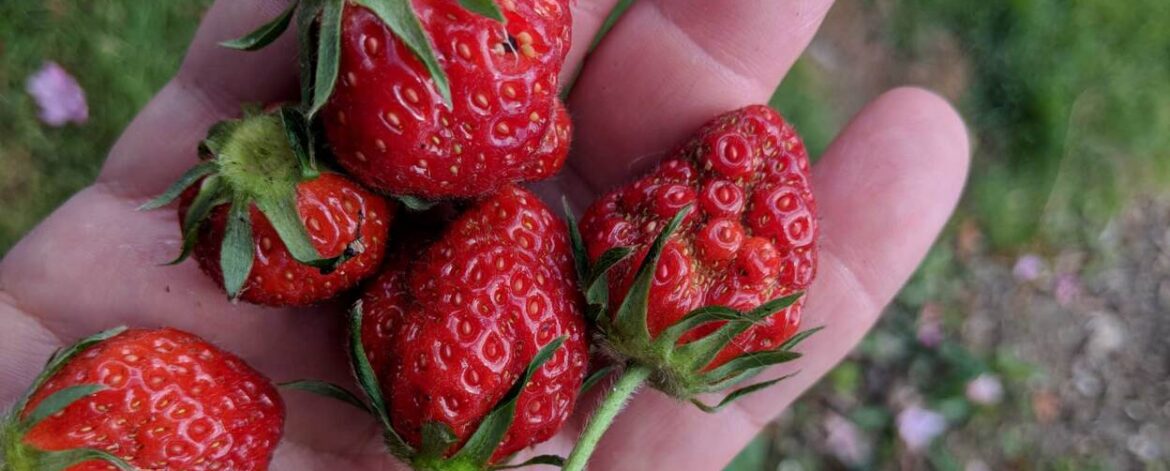
Strawberry farming in Kenya has become a profitable agricultural business, turning small-scale farmers into successful agripreneurs. This high-value crop offers impressive profits in a short time, making it an appealing choice for both new and experienced farmers.

The demand for strawberries in Kenya’s local and international markets continues to grow, driven by:
- Increasing health awareness among consumers
- Rising popularity in hotels and restaurants
- Growing demand from food processing industries
- Export opportunities to EU and Middle Eastern markets
A well-managed 1/8 acre strawberry farm can produce 30-50 kg per week, generating monthly earnings between Ksh 40,000 to Ksh 100,000. The crop matures within 90 days and can bear fruits continuously for up to three years, providing consistent income for farmers.
Key Benefits of Strawberry Farming:
- Quick returns on investment
- Space-efficient cultivation
- Multiple harvesting seasons per year
- High market value
- Long production cycle
However, starting a successful strawberry farm requires knowledge and proper planning. It’s crucial to obtain quality seedlings from a trusted nursery. Understanding what makes a good nursery is vital in ensuring the success of your farming venture.
Additionally, while this guide focuses on strawberry farming, it’s important to note that other high-value crops like avocados are also gaining popularity in the Kenyan agricultural scene. If you’re considering diversifying your farming portfolio, exploring avocado farming could be beneficial.
This comprehensive guide will walk you through every aspect of successful strawberry cultivation in Kenya.
Popular Varieties of Strawberries in Kenya
Kenya’s strawberry farmers cultivate five main varieties, each with unique characteristics suited to different growing conditions and market needs:
1. Chandler
- Large, sweet fruits with bright red coloring
- Ideal for fresh market sales
- High yield potential
- Best suited for lower altitude regions
2. Douglas
- Medium-sized, firm berries
- Strong disease resistance properties
- Extended shelf life
- Performs well in highland areas
3. Aiko
- Heat-tolerant variety
- Perfect for greenhouse cultivation
- Consistent fruit size
- Adapts well to varying climatic conditions
4. Pajaro
- Large, uniform fruits
- Superior shelf life
- Strong resistance to handling damage
- Popular for export markets
5. Fern
- High-yielding variety
- Excellent disease tolerance
- Medium-sized fruits
- Adaptable to different soil types
Your choice of variety depends on several factors:
- Local climate conditions, which can significantly impact the success of your strawberry farming venture as outlined in this USDA report.
- Target market preferences (for instance, exploring export markets like the Hass avocado exports could be beneficial)
- Disease prevalence in your area (considering best practices for smallholder farmers when buying avocado seedlings online might help mitigate this issue)
- Available farming infrastructure (which could also include steps like starting an avocado orchard)
- Altitude of your farm location
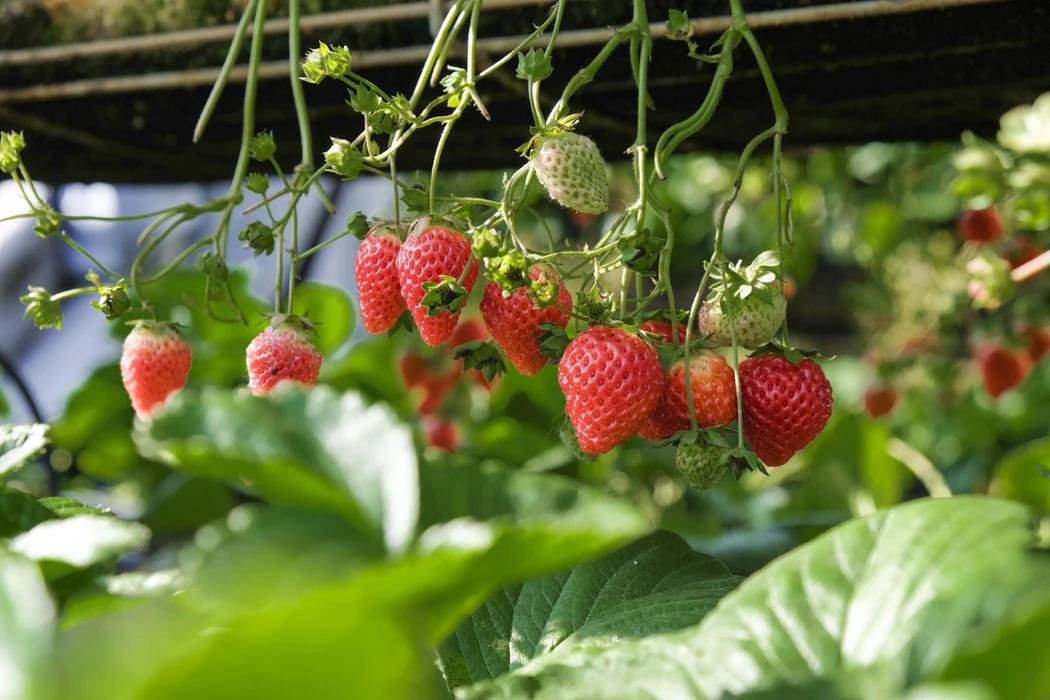
Ecological Requirements for Growing Strawberries
Successful strawberry cultivation in Kenya demands specific environmental conditions for optimal growth and fruit production. The ideal altitude ranges from 1,500 to 2,500 meters above sea level, where the climate supports healthy plant development.
Temperature Requirements
Temperature plays a crucial role in strawberry farming:
- Daytime: 15°C to 25°C
- Night: 8°C to 13°C
- Critical point: Plants struggle above 35°C
Soil Requirements
Soil conditions directly impact strawberry yield and quality. Understanding the soil requirements for different fruit trees in Kenya is essential:
- pH level: 5.5 to 6.8
- Texture: Well-drained, loose, aerated
- Composition: Rich in organic matter
- Depth: Minimum 30cm for root development
Water Management Requirements
Water management is crucial for strawberry farming:
- Regular irrigation
- Consistent soil moisture
- Drip systems preferred
- Water pH: 6.0-7.0
The combination of proper altitude, temperature control, and [soil management](https://royalseedlings.com/understanding-soil-requirements-for-different-fruit-trees-in-kenya) creates an optimal growing environment for strawberries in Kenya. These conditions support strong root development, healthy foliage growth, and abundant fruit production throughout the growing season.
Additionally, embracing modern agricultural trends such as e-commerce can further enhance the farming experience by providing easier access to quality seedlings and other resources. The economic impact of quality seedlings on smallholder incomes cannot be overstated, making it vital for farmers to invest in high-quality seedlings.
Moreover, understanding [the science behind grafting](https://royalseedlings.com/the-science-behind-grafting-how-it-improves-crop-yield-and-quality) can significantly improve crop yield and quality, thereby boosting overall productivity and profitability in strawberry farming.
Land Preparation and Planting Techniques
Proper land preparation creates the foundation for successful strawberry farming. Start by clearing the land of weeds and debris, then till the soil to a depth of 30cm to ensure good root development. For a more comprehensive guide on this process, refer to this expert advice on preparing your land before receiving seedlings delivery.
Essential Steps for Land Preparation:
- Test soil pH levels (ideal range: 5.5-6.8)
- Remove rocks and plant debris
- Till the soil thoroughly
- Create raised beds 15cm above ground level
- Space beds 1 meter apart
Soil Enrichment Requirements:
- Mix DAP fertilizer with Humipower growth stimulants
- Add well-decomposed manure (2-3 kg per square meter)
- Incorporate organic matter to improve soil structure
Planting Guidelines:
- Space plants 30-45cm apart within rows
- Maintain 45-60cm between rows
- Plant seedlings at crown level
- Apply mulch using pine needles or straw
- Water immediately after planting
The raised bed system improves drainage and makes harvesting easier. Applying mulch around plants helps control soil temperature, suppress weed growth, and keep fruits clean. Drip irrigation systems deliver water directly to plant roots, ensuring efficient water usage and preventing leaf diseases. For further insights on irrigation and nutrient management in raspberry farming, which can also be beneficial for strawberry farming, consider exploring this resource.
For optimal results, it’s crucial to follow a seasonal planting calendar for fruit seedlings in Central Kenya. Additionally, understanding the importance of proper spacing when planting fruit trees can significantly impact the success of your strawberry farming venture.
If you’re considering expanding into home gardening with strawberries, you might find this detailed guide on growing strawberries in your home garden helpful.

Pest and Disease Management in Strawberry Farming
Successful strawberry farming requires vigilant pest and disease management. Here are the primary threats and control measures for Kenyan strawberry farmers:
Common Pests:
- Aphids – tiny insects that suck plant sap
- Spider mites – cause yellowing and webbing on leaves
- Strawberry bud weevils – damage flower buds
- Cutworms – attack young plants at soil level
- Crown borers – tunnel into plant crowns
To combat these pests, it’s essential to adopt [preventive measures](https://royalseedlings.com/preventing-pest-infestations-in-young-orchards-naturally) such as installing physical barriers, applying organic pesticides when possible, monitoring humidity levels, maintaining proper drainage, using clean farming tools, and scheduling regular preventive spraying.
Disease Challenges:
- Verticillium root rot
- Gray mold (Botrytis)
- Powdery mildew
- Leaf blight
- Anthracnose fruit rot
For disease management, regular field inspection to detect early signs is crucial. This includes the application of approved insecticides like Malathion, use of fungicides for disease prevention, maintaining proper plant spacing for air circulation, removing infected plants and debris, implementing crop rotation practices, using disease-resistant varieties, and practicing good field hygiene.
Some strategies used in other farming sectors such as avocado or pomegranate farming, could also be beneficial in strawberry farming.
Effective Management Strategies:
These management practices help ensure healthy plant growth and optimal fruit production throughout the growing season.
Harvesting, Storage, and Business Aspects
Harvesting Best Practices
Strawberry harvesting requires precise timing and careful handling. The fruits reach maturity 60-90 days after planting, displaying a bright red color and firm texture. Harvesting occurs every 2-3 days during peak season.
Essential harvesting guidelines:
- Pick fruits during cool morning hours
- Select berries with 75-100% red coloration
- Leave a short stem attached to prevent damage
- Use clean containers lined with soft material
- Handle fruits gently to avoid bruising
Storage Solutions
Proper storage extends shelf life and maintains fruit quality. Fresh strawberries typically last 5-7 days when stored correctly.
Storage requirements:
- Temperature: 0-4°C
- Humidity: 90-95%
- Ventilated containers
- Immediate cooling after harvest
- Regular inspection for spoilage
Market Opportunities
Local Markets:
- Supermarket chains
- Hotels and restaurants
- Food processing companies
- Local fruit vendors
- Direct consumer sales
Export Markets:
- European Union
- Middle East
- Regional African markets
Capital Investment Breakdown
Initial setup costs for 1/8 acre:
- Land lease: Ksh 6,000/year
- Seedlings (500 plants): Ksh 15,500 (consider exploring the role of tissue culture in banana seedling production or the benefits of grafted fruit seedlings for more insights)
- Soil testing: Ksh 5,000
- Chemical inputs: Ksh 3,900
- Irrigation system: Ksh 20,000
- Labor costs: Ksh 18,000 (potentially reduced through training opportunities for aspiring commercial fruit growers in Muranga County)
- Farm setup: Ksh 50,000
- Fertilizers and manure: Ksh 6,400
Total initial investment: approximately Ksh 151,000
Key Success Factors
Critical elements for profitable strawberry farming:
- Strategic site selection
- Quality seedling sourcing (including potential grafted seedlings)
- Efficient irrigation systems
- Integrated pest management
- Market research and networking
- Professional packaging
- Consistent quality control
- Financial management skills
Common Challenges
Market-related obstacles:
- Price fluctuations
- Limited storage facilities
- Transportation logistics
- Market access barriers
Ready to start Strawberry farming in Kenya?
Contact Royal Seedlings:
 Phone: +254 711315313
- Email: Julius.murega@royalseedlings.
com, - Website:www.royalseedlings.com
 Phone: +254 711315313
 Email:
  Website:
FAQs (Frequently Asked Questions)
What are the most popular strawberry varieties grown in Kenya?
The popular strawberry varieties cultivated in Kenya include Chandler, Douglas, Aiko, Pajaro, and Fern strawberries. Each variety has unique characteristics suited to different ecological conditions and market preferences.
What ecological conditions are ideal for growing strawberries in Kenya?
Strawberries in Kenya thrive best at specific altitudes with moderate temperatures and well-drained, fertile soils. Ensuring optimal soil quality and maintaining appropriate temperature ranges are crucial for successful strawberry cultivation.
How should I prepare my land and plant strawberries effectively?
Land preparation involves thorough soil enrichment to enhance fertility, proper tilling, and ensuring adequate planting spacing. These steps promote healthy growth and maximize yield in strawberry farming.
What are common pests and diseases affecting strawberries in Kenya, and how can they be managed?
Common challenges include various pests and diseases that can hinder strawberry production. Effective management strategies involve regular monitoring, use of appropriate pest control measures, and disease prevention techniques tailored for Kenyan conditions.
What are the key marketing opportunities and challenges for strawberry farmers in Kenya?
Kenyan strawberry farmers have access to both local and export markets offering significant financial returns. However, challenges such as shelf life limitations and competition require strategic marketing approaches to maximize profitability.
How does Royal Seedlings support strawberry farming in Kenya?
Royal Seedlings provides quality seedlings and expert guidance to farmers. Interested individuals can partner with Royal Seedlings or order seedlings directly by contacting them via phone at 0711315313 or email at julius.murega@royalseedlings.com to kickstart their strawberry farming venture.