


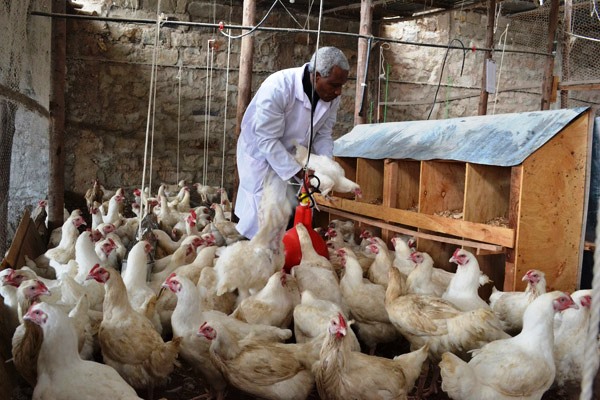
Newcastle Disease strikes fear into the hearts of poultry farmers worldwide, devastating flocks and causing significant economic losses. This highly contagious viral infection attacks birds’ respiratory, digestive, and nervous systems, leading to severe symptoms and potential death.
While no direct cure exists for Newcastle Disease, proper management strategies can help control outbreaks and minimize losses. Your quick action and understanding of treatment options make the difference between losing entire flocks or maintaining healthy birds.
This comprehensive guide equips you with practical steps to:
- Identify early warning signs
- Implement effective treatment protocols
- Prevent disease spread through biosecurity
- Protect your flock through strategic vaccination
- Handle infected birds safely
Whether you’re a commercial farmer or backyard poultry keeper, these proven management techniques will help you navigate Newcastle Disease outbreaks. You’ll learn to recognize symptoms quickly and take decisive action to protect your birds’ health and wellbeing.
Let’s explore the essential strategies you need to manage this challenging avian disease effectively while also considering these additional farming aspects.
Understanding Newcastle Disease
Newcastle Disease is caused by the avian paramyxovirus type 1, a highly adaptable virus that affects birds’ vital systems. This RNA virus has the ability to mutate quickly, resulting in multiple strains with different levels of severity.
Key Symptoms by System:
Respiratory Issues
- Coughing and gasping
- Nasal discharge
- Difficulty breathing
- Rattling sounds during breathing
Digestive Problems
- Green, watery diarrhea
- Loss of appetite
- Dehydration
- Weight loss
Neurological Signs
- Neck twisting
- Wing paralysis
- Uncoordinated movements
- Tremors and seizures
The severity of Newcastle Disease varies based on specific factors:
- Virus Strain: Different strains produce distinct symptoms:
- Lentogenic – Mild respiratory issues
- Mesogenic – Moderate respiratory and neurological signs
- Velogenic – Severe symptoms with high mortality rates
- Host Factors:
- Age of birds (younger birds show increased susceptibility)
- Immune system strength
- Previous exposure or vaccination status
- Species type (chickens face higher risk than waterfowl)
Birds infected with Newcastle Disease may show symptoms within 2-12 days after exposure. The infection spreads rapidly through direct contact with infected birds, contaminated equipment, or airborne transmission.
In light of this disease’s impact on poultry farming, it’s essential for farmers to adopt preventive measures. One such measure is to consider diversifying their agricultural practices. For instance, integrating grafted fruit seedlings into their farming system could be beneficial. These seedlings are known for their resilience and higher yield potential.
Moreover, if a farmer is interested in starting an avocado orchard as part of this diversification strategy, they can refer to this step-by-step guide which provides valuable insights on how to go about it.
For those who have further questions regarding online purchases of avocado seedlings, the frequently asked questions section on our website offers comprehensive answers.
Once the avocado seedlings are delivered, essential tips for caring for newly planted avocado seedlings can help ensure their successful growth.
Lastly, before receiving the delivery of these seedlings, it’s crucial to prepare the land adequately. Our expert advice on preparing your land before receiving seedlings delivery can provide useful guidance in this regard.
Additionally, understanding the broader implications of Newcastle disease on poultry farming and exploring potential solutions such as adopting more resilient agricultural practices is crucial. Research has shown that certain interventions can significantly mitigate the impacts of such diseases on livestock health and productivity. For example, utilizing advanced agricultural techniques or implementing comprehensive biosecurity measures could greatly enhance

Why There Is No Specific Cure for Newcastle Disease
Newcastle Disease presents unique treatment challenges due to its viral nature. Like many viral infections, the virus integrates into the host cells, making it difficult to target without damaging healthy bird tissue.
Current medical limitations prevent the development of effective antiviral medications for birds. The rapid mutation rate of the Newcastle Disease virus creates additional barriers to developing targeted treatments.
Treatment Focus Areas:
- Maintaining hydration levels
- Supporting nutrition intake
- Reducing stress on infected birds
- Managing body temperature
- Providing comfortable isolation spaces
Veterinary care emphasizes supportive treatments to help infected birds fight the virus naturally. This approach includes:
- Electrolyte supplementation
- Vitamin boosters
- Temperature regulation
- Isolation from healthy birds
Secondary bacterial infections pose significant risks during Newcastle Disease outbreaks. These opportunistic infections take advantage of the bird’s weakened immune system. Antibiotics play a crucial role in managing these secondary complications, helping prevent additional health deterioration in affected birds.
In such challenging times, it’s essential to consider alternative agricultural practices that could help improve overall farm resilience. For instance, the role of tissue culture in banana seedling production can provide healthier planting material that may withstand diseases better.
Moreover, exploring export markets like those for Hass avocados could offer additional revenue streams for farmers, helping them recover from losses incurred due to disease outbreaks.
Furthermore, identifying and preventing common avocado seedling diseases can also aid in maintaining a healthy crop yield.
Lastly, when it comes to apple varieties, understanding the differences between local and imported types for Kenyan climates can provide valuable insights for farmers looking to diversify their produce amidst these challenges.
Managing Secondary Bacterial Infections in Newcastle Disease Cases
Secondary bacterial infections pose a significant threat to birds affected by Newcastle Disease. These opportunistic infections take advantage of the weakened immune system, potentially leading to severe complications if left untreated.
Common Signs of Secondary Infections:
- Thick, discolored nasal discharge
- Swollen face or wattles
- Increased respiratory sounds
- Reduced feed intake
- Lethargy and depression
- Persistent diarrhea
Effective Antibiotic Treatment Strategies:
- Broad-spectrum antibiotics target multiple bacterial species
- Treatment duration typically spans 5-7 days
- Administration through drinking water or feed
- Individual injections for severely affected birds
Responsible Antibiotic Usage Guidelines:
- Conduct bacterial culture tests before treatment
- Select appropriate antibiotics based on sensitivity testing
- Complete full treatment course as prescribed
- Maintain accurate treatment records
- Observe withdrawal periods before processing birds
Critical Care Measures:
- Isolate affected birds in clean, temperature-controlled environments
- Provide fresh, clean water with electrolytes
- Offer soft, easily digestible feed
- Monitor birds closely for treatment response
- Clean and disinfect housing areas daily
The success of secondary infection management depends on early detection and prompt treatment. Regular monitoring helps identify signs of bacterial complications quickly, allowing for timely intervention and improved recovery chances.
In the context of poultry farming, it’s crucial to understand that these birds often rely on the quality of their feed for optimal health and recovery. Hence, ensuring the right nutritional intake is vital during this critical period.
Moreover, just as in other farming sectors such as mango cultivation, selecting the right variety or type can significantly influence the overall success rate and health of the livestock.
Lastly, understanding agricultural techniques like grafting, which improves crop yield and quality, can also provide insights into better managing farm resources and ensuring a healthier environment for the birds to recover in.
Implementing Biosecurity Measures to Prevent and Control Spread of Newcastle Disease Virus Among Poultry Flocks
Strict biosecurity protocols create a protective barrier against Newcastle Disease virus transmission. Your poultry farm’s defense starts with a comprehensive quarantine system.
Essential Quarantine Practices:
- Isolate new birds for 30 days minimum before introducing them to your flock
- Keep returning show birds separated from the main flock for 21 days
- Monitor quarantined birds daily for disease symptoms
- Use separate equipment and protective gear for quarantine areas
Access Control Guidelines:
- Create designated “clean” and “dirty” zones within your facility
- Install footbaths containing approved disinfectants at entry points
- Require visitors to wear protective clothing and boot covers
- Maintain visitor logs to track potential exposure sources
- Restrict unnecessary human and vehicle traffic
Sanitation Protocol:
To effectively control outbreaks, it is crucial to follow specific cleaning and disinfecting protocols. This includes:
- Cleaning and disinfecting equipment between uses
- Removing organic matter before applying disinfectants
- Using EPA-registered disinfectants effective against paramyxoviruses
- Implementing regular cleaning schedules for:
- Feed containers
- Water systems
- Housing structures
- Transport vehicles
- Tools and equipment
These biosecurity measures require consistent implementation and monitoring. Your staff needs proper training on these protocols, understanding their role in disease prevention. Regular audits help identify potential weaknesses in your biosecurity system, allowing for timely adjustments to protect your flock.
In addition, similar principles of care and attention to detail can be applied in other areas such as proper spacing when planting fruit trees, which can significantly affect their growth and yield.
Utilizing Vaccination as a Primary Preventive Tool Against Newcastle Disease Virus Infection in Poultry Farms Worldwide
Vaccination is the most important way to prevent Newcastle Disease on poultry farms. The poultry industry around the world depends on several effective vaccines to keep birds safe from this harmful virus.
Common Vaccine Strains:
- B1 Strain: Mild vaccine suitable for young birds
- LaSota Strain: Most widely used strain worldwide
- Clone 30: Modified LaSota strain with enhanced stability
- VG/GA Strain: Specifically designed for in-ovo vaccination
These vaccines are designed to target different types of the Newcastle Disease virus, including genotype VII, which is responsible for major outbreaks in Asia and Africa.
Vaccination Methods:
- Spray application
- Eye drops
- Drinking water administration
- Injectable formats
- In-ovo vaccination for hatcheries
Standard Vaccination Schedule:
- Day 1: First dose via spray or eye drops
- Day 18-21: Second dose through drinking water
- Week 8: Booster vaccination
- Every 6 months: Maintenance boosters
The choice of vaccine strain depends on several factors:
- Local disease prevalence
- Bird species and age
- Production system type
- Regional climate conditions
- Previous exposure history
Commercial farms often implement a multi-strain approach, starting with milder strains like B1 for young chicks and progressing to more potent vaccines like LaSota for adult birds. This strategy provides comprehensive protection against various viral strains while minimizing adverse reactions in vulnerable birds.
Proper vaccine storage at 2-8°C maintains efficacy, while correct administration timing ensures optimal immune response. Regular serological monitoring helps assess vaccination success and guides program adjustments based on flock immunity levels.
In addition to vaccination, understanding soil requirements for different fruit trees can significantly enhance the overall productivity of poultry farms, especially when integrated with fruit tree farming. Furthermore, keeping an eye on e-commerce trends in agriculture can provide farmers with valuable insights into optimizing their operations and expanding their market reach.

Diagnosing Newcastle Disease Virus Infections Quickly And Accurately Using Molecular Techniques Like RT-PCR Testing For Birds
Early diagnosis of Newcastle Disease can mean the difference between saving your flock and catastrophic losses. The highly virulent clade 1.3.3.2b strain demands rapid detection due to its severe neurological impact and high mortality rates.
Primary Diagnostic Methods:
1. RT-PCR Testing
- Detects viral RNA directly from tracheal swabs
- Results available within 4-6 hours
- Identifies specific virus strains
- 98% accuracy rate in detecting active infections
2. ELISA Testing
- Measures antibody responses
- Useful for surveillance programs
- Results ready in 2-3 hours
- Helps track vaccination effectiveness
Sample Collection Protocol:
- Collect tracheal swabs from live birds showing symptoms
- Take tissue samples from recently deceased birds
- Store samples at 4°C if testing within 24 hours
- Freeze at -80°C for longer storage periods
Laboratory testing combines multiple approaches for accurate diagnosis. RT-PCR targets specific regions of the nucleoprotein or fusion protein genes, providing definitive identification of the virus strain. This precision allows you to implement appropriate control measures based on the exact variant affecting your flock.
Serological testing through ELISA complements molecular diagnostics by measuring antibody levels. This dual approach helps distinguish between vaccinated birds and those with active infections, crucial for effective disease management.
In light of the ongoing challenges posed by various infectious diseases, it’s essential to adopt a comprehensive approach to disease management and prevention. For instance, the strategies outlined in this PAHO document can provide valuable insights into improving overall health management practices in poultry farming.
Modern diagnostic facilities now offer rapid testing services with same-day results in emergency situations. You can coordinate with local veterinary laboratories to establish a testing protocol tailored to your farm’s needs

Handling Outbreaks And Infected Birds In Affected Poultry Farms
Swift action during Newcastle Disease outbreaks saves lives and minimizes economic impact. The World Organisation for Animal Health (OIE) guidelines establish strict protocols for handling infected flocks:
Immediate Response Actions:
- Isolate affected birds from healthy populations
- Stop movement of birds, equipment, and personnel between farm sections
- Notify relevant authorities within 24 hours of suspected cases
- Document all cases and maintain detailed records
Culling Procedures:
- Humanely euthanize infected birds using approved methods
- Include exposed birds within the designated control zone
- Wear appropriate personal protective equipment (PPE)
- Use carbon dioxide or cervical dislocation for quick, stress-free culling
Safe Disposal Requirements:
- Incinerate carcasses at temperatures exceeding 800°C
- Bury remains at least 6 feet deep
- Maintain minimum 200-foot distance from water sources
- Add quicklime to burial sites for enhanced decomposition
Post-Culling Protocols:
- Clean and disinfect all affected areas thoroughly
- Remove organic matter completely before disinfection
- Use approved virucidal disinfectants
- Implement mandatory waiting periods before restocking
The success of containment depends on rapid implementation of these measures. Professional disposal teams should handle large-scale culling operations to ensure compliance with environmental regulations and biosecurity standards. Small-scale farmers can work with local veterinary authorities to develop appropriate disposal plans suited to their facility size.
Moreover, the economic repercussions of such outbreaks can be significant, stressing the importance of quality in agricultural production. For instance, the economic impact of quality seedlings on smallholder incomes is a critical factor that needs to be considered in the broader context of farming practices.
In regions like Muranga, known for its high-quality Hass avocado seedling production, implementing effective strategies in agriculture can significantly mitigate the adverse effects of such diseases.
Long-Term Management Strategies For Sustainable Poultry Health Management Programs
Successful Newcastle Disease control requires a comprehensive, long-term approach integrating multiple protective layers. A resilient poultry health management system incorporates:
1. Systematic Vaccination Programs
- Tailored vaccination schedules based on local disease patterns
- Regular assessment of vaccine efficacy through serological monitoring
- Maintenance of detailed vaccination records for each flock
2. Enhanced Biosecurity Infrastructure
- Installation of permanent foot baths at critical entry points
- Implementation of dedicated changing rooms for farm workers
- Creation of clear zones separating clean and potentially contaminated areas
3. Supply Chain Integration
- Partnership with certified feed suppliers adhering to biosecurity protocols
- Collaboration with veterinary services for regular health assessments
- Development of relationships with diagnostic laboratories for rapid testing
4. Continuous Monitoring Systems
- Daily health checks of birds for early disease detection
- Regular environmental sampling to detect viral presence
- Documentation of production parameters to identify subtle changes
5. Staff Development
- Regular training on disease recognition and biosecurity protocols
- Creation of standard operating procedures for routine tasks
- Implementation of clear communication channels for reporting health concerns
These integrated control measures create a robust defense system against Newcastle Disease, minimizing the risk of outbreaks while maintaining optimal flock health and productivity.
In addition to poultry farming, professional training can greatly enhance the management practices in other agricultural sectors such as avocado farming. However, it’s crucial to avoid certain common mistakes that could hinder success.
For those interested in diversifying into other types of farming, resources are available. For example, if you’re considering Pixie orange farming, a comprehensive guide can provide valuable insights. Similarly, pomegranate farming in Kenya presents unique opportunities and challenges that require careful planning and strategy.
Ready to learn how to combat Newcastle disease in your poultry farm?
Contact Royal Seedlings:
 Phone: +254 711315313
- Email: Julius.murega@royalseedlings.
com, - Website:www.royalseedlings.com
 Phone: +254 711315313
 Email:
  Website:
Conclusion
Newcastle Disease requires proactive management through multiple layers of defense. The strategies outlined in this guide – from biosecurity protocols to vaccination schedules – create a strong barrier against NDV outbreaks. Success depends on consistently applying these practices.
Take action now to protect your flock:
- Partner with reputable suppliers for healthy stock
- Maintain strict biosecurity measures
- Follow recommended vaccination schedules
- Monitor flock health regularly
- Act quickly at first signs of disease
Your vigilance protects not only individual birds but also the entire poultry industry. Start implementing these proven strategies today to build a strong defense against Newcastle Disease.
Ready to strengthen your flock’s protection? Contact Royal Seedlings Ltd. for healthy, vaccinated stock and expert guidance on NDV management.
FAQs (Frequently Asked Questions)
What is Newcastle Disease and how does it affect poultry?
Newcastle Disease is a contagious avian viral infection caused by avian paramyxovirus type 1 (APMV-1) that impacts the respiratory, digestive, and nervous systems of birds. Its severity varies depending on the virus strain virulence and host factors, leading to significant health challenges in poultry populations worldwide.
Why is there no specific cure for Newcastle Disease in birds?
Due to the viral nature of Newcastle Disease, direct antiviral treatments are limited and ineffective. Management focuses on supportive care to alleviate symptoms and controlling secondary bacterial infections rather than eliminating the virus itself, as antiviral drugs for this disease are currently unavailable.
How can secondary bacterial infections be managed during a Newcastle Disease outbreak?
Secondary bacterial infections often arise due to weakened immunity in infected birds. Responsible use of antibiotics is essential to control these complications. Best practices include monitoring for signs of secondary infections and administering antibiotics under veterinary guidance to support poultry health during outbreaks.
What biosecurity measures help prevent the spread of Newcastle Disease among poultry flocks?
Effective biosecurity protocols include quarantining new or returning birds, restricting access to poultry areas to minimize contamination risks, and routinely cleaning and disinfecting facilities and equipment. These steps are critical to preventing introduction and transmission of Newcastle Disease virus within poultry farms.
How does vaccination contribute to preventing Newcastle Disease in poultry farms?
Vaccination using strains like B1 and LaSota provides protection against various Newcastle Disease virus genotypes globally. Implementing scheduled vaccinations starting at specific ages with regular boosters (e.g., every 6 months) helps maintain immunity in chickens, ducks, and other avian species, serving as a primary preventive tool against infection.
What strategies are recommended for managing Newcastle Disease outbreaks in affected poultry farms?
Outbreak management involves rapid diagnosis using molecular techniques such as RT-PCR, immediate culling of infected or exposed birds following OIE guidelines, safe disposal of carcasses through high-temperature incineration and deep burial away from water sources, along with implementing strict containment measures to limit virus spread and reduce economic losses.