

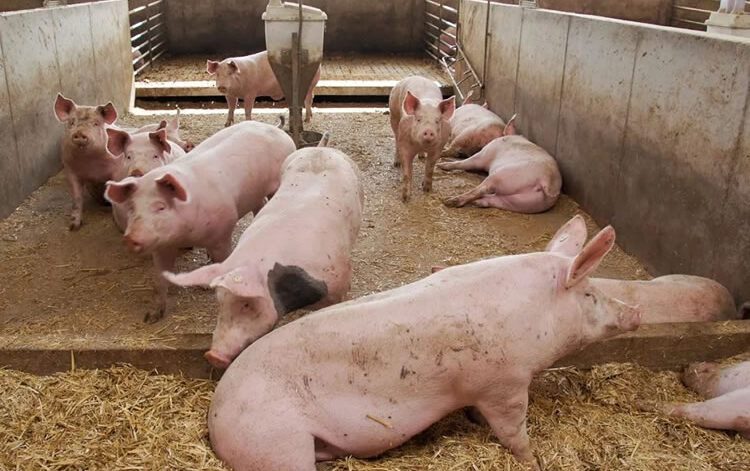
Pig farming in Kenya is a growing agribusiness opportunity, driven by a rising demand for pork products in urban areas. The industry has seen significant growth, supported by a growing middle class and a booming hospitality sector.
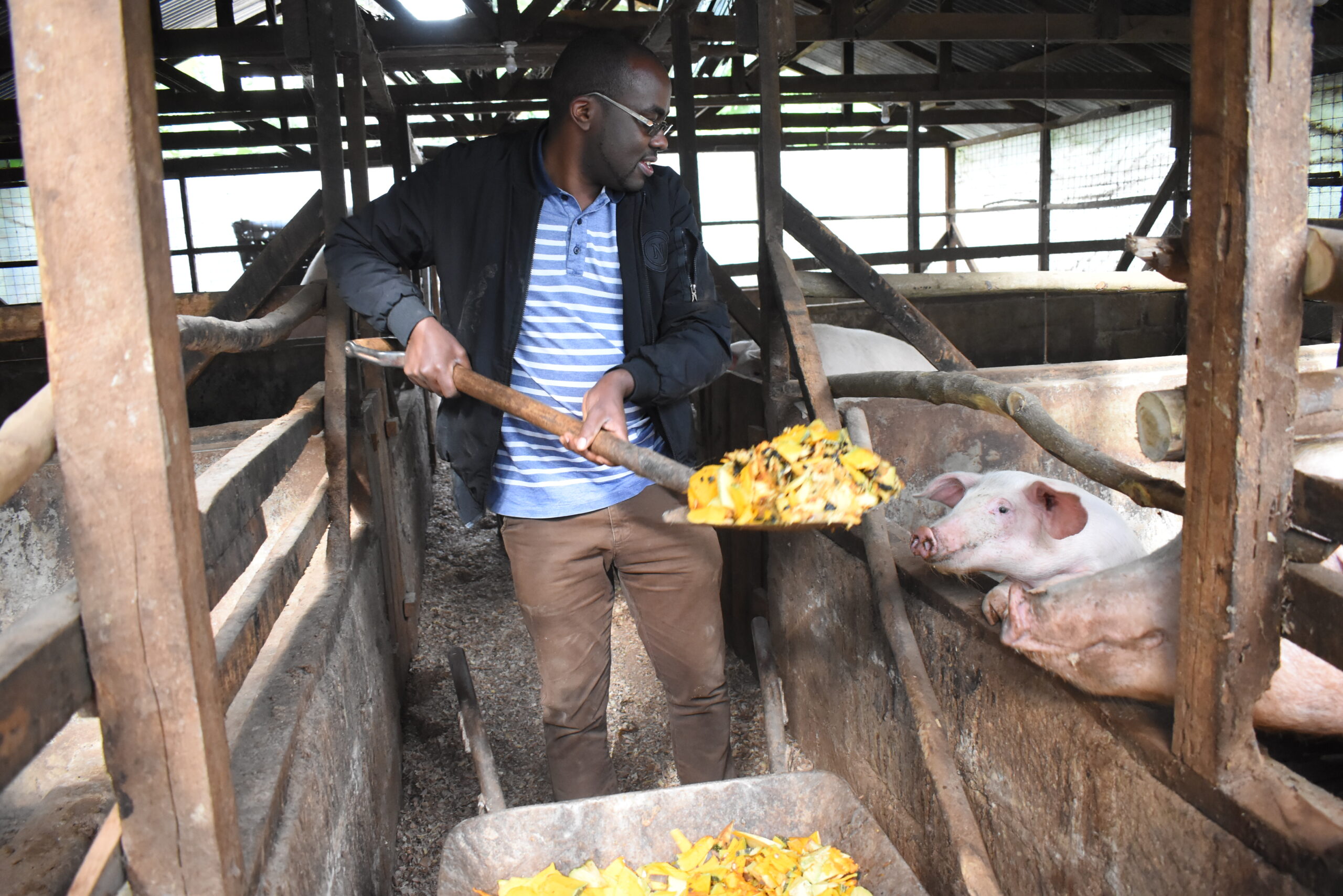
Your venture into pig farming can bring in substantial profits through various sources of income:
- Live pig sales
- Pork meat distribution
- Value-added products
- Organic fertilizer from manure
The Kenyan market offers favorable conditions for pig farmers, with mature pigs selling for KES 20,000 to 30,000 each at the market. A small herd of 10 pigs can generate up to KES 300,000 per production cycle.
Starting a successful pig farming
Starting a successful pig farming business requires careful planning, choosing the right breed, and implementing effective management practices. This guide will provide you with the essential knowledge to turn your pig farming dreams into a profitable reality.
However, it’s important to note that diversifying your agribusiness could lead to even greater financial rewards. For example, incorporating grafted fruit seedlings into your farm can provide additional sources of income. These seedlings are known for their higher yield and better resistance to diseases.
Additionally, if you decide to pursue fruit farming alongside pig farming, understanding the seasonal planting calendar for fruit seedlings in Central Kenya is crucial. This knowledge will help you plan your planting schedule effectively.
Furthermore, if you’re considering starting an avocado orchard as part of your diversification strategy, our step-by-step guide to starting an avocado orchard in Kenya will be invaluable.
Lastly, if you’re looking for high-quality Hass avocado seedlings, Muranga is known as the heart of quality Hass avocado seedling production in Kenya. You can learn more about this region’s significance in our article on Muranga’s role in Hass avocado seedling production.
By using these resources and insights, you can maximize the profitability of your agribusiness ventures in Kenya.
1. Popular Pig Breeds in Kenya
Kenya’s pig farming industry thrives on four main breeds, each offering unique advantages for farmers:
1. Large White
- Fast-growing breed reaching market weight of 90-100kg in 6 months
- Superior mothering abilities with 10-14 piglets per litter
- Excellent meat-to-fat ratio
- Adaptable to both intensive and free-range systems
2. Landrace
- Long-bodied pigs with high-quality lean meat
- Known for docile temperament
- Average litter size of 12 piglets
- Strong resistance to local diseases
3. Duroc
- Distinctive reddish-brown color
- Rapid growth rate and muscular build
- Excellent feed conversion efficiency
- Ideal for crossbreeding programs
4. Camborough
- Hybrid breed with enhanced disease resistance
- Superior reproductive performance
- Produces uniform litter sizes
- High survival rates in local conditions
When selecting a breed for your farm, consider:
- Local climate adaptability
- Available feed resources
- Market demands for specific meat qualities
- Your farming system (intensive vs free-range)
- Initial investment capacity
- Breeding objectives (meat production vs breeding stock)
In addition to pig farming, diversifying into other agricultural sectors can be beneficial. For instance, if you’re considering venturing into avocado farming, it’s essential to understand the frequently asked questions about avocado seedling purchases online. Similarly, if you’re interested in apple farming, knowing how to choose between local and imported apple varieties for Kenyan climates can significantly impact your success.
Moreover, for those looking into mango farming, it’s crucial to understand how to choose the right mango variety for your Kenyan farm. Lastly, it’s worth noting that agribusiness can be a powerful tool for empowerment. Learn more about how Royal Seedlings supports women and youth in agribusiness, as this could provide valuable insights and opportunities.
2. Housing Requirements for Pig Farming
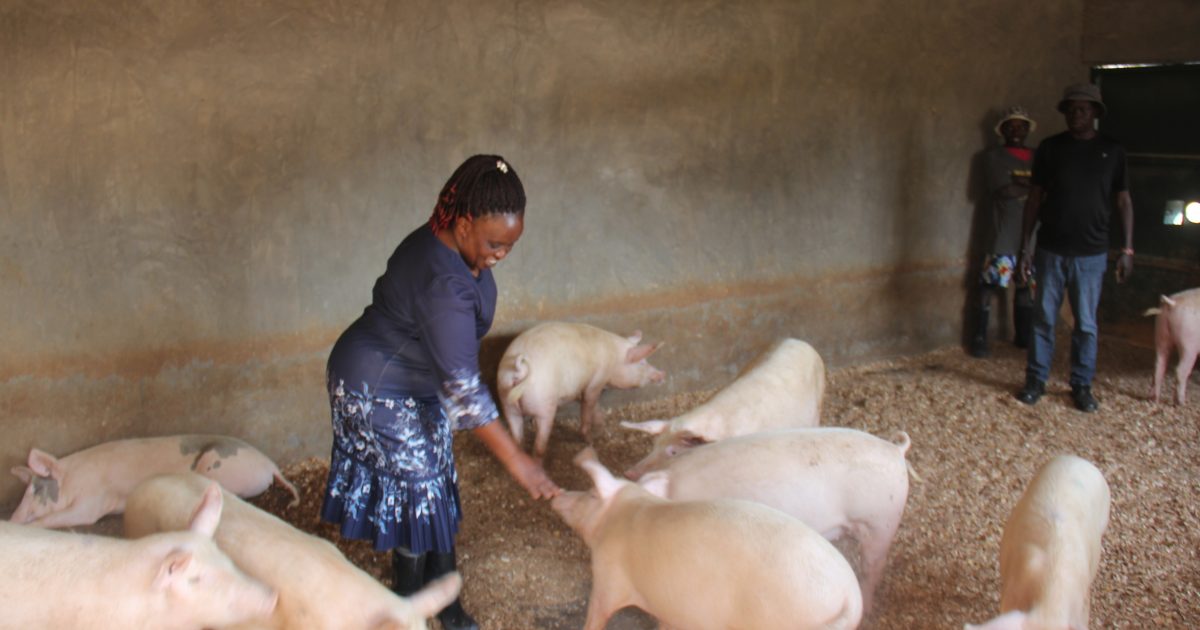
Proper housing is a critical factor in successful pig farming. A well-designed pig house directly impacts your animals’ health, growth rate, and reproductive performance.
Essential Components of a Pig House:
1. Space Requirements
- Adult pigs: 1.5-2 square meters per animal
- Pregnant sows: 2.5-3 square meters
- Weaners: 0.6-0.8 square meters
It’s worth noting that just like the importance of proper spacing when planting fruit trees, adequate space in pig housing is crucial for their overall well-being.
2. Ventilation System
- Cross-ventilation windows at pig height
- Adjustable curtains for temperature control
- Roof vents to release hot air
- Protection from direct wind
3. Drainage Features
- Sloped concrete floors (3-5% gradient)
- Channels for waste removal
- Separate waste collection area
- Easy-to-clean surfaces
Strategic Housing Layout:
Your pig house needs strong fencing materials to prevent escapes and protect against predators. Consider using concrete blocks or treated wooden posts with chain-link fencing. The roof should extend beyond the walls to prevent rain from entering and maintain dry conditions inside.
In terms of design, you might find inspiration from various resources such as ideas for building shelter for farm animals or explore goat housing design which can provide valuable insights applicable to pig housing as well.
Remember to position your pig house away from residential areas and ensure easy access for feed delivery and waste removal vehicles.
In the context of modern farming, it’s essential to stay updated with the latest trends in agriculture such as the future of e-commerce in agriculture.
3. Feeding and Nutrition for Pigs
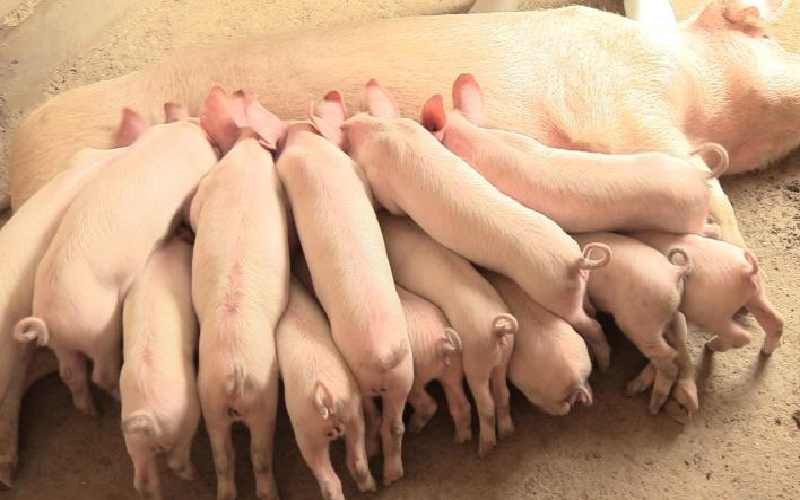
Proper nutrition is the foundation of successful pig farming. It directly affects growth rates, reproductive performance, and meat quality. To help your pigs reach their full potential, it’s important to provide them with specific nutrients at different stages of growth.
Essential Nutrients for Pigs:
- Proteins: 16-22% of diet for growth and muscle development
- Carbohydrates: 60-70% for energy requirements
- Vitamins and minerals: 3-5% for optimal health
- Fresh water: 5-10 liters daily per adult pig
Commercial Feed Options:
- Starter feed (2-8 weeks): High protein content for rapid growth
- Grower feed (8-16 weeks): Balanced protein-energy ratio
- Finisher feed (16+ weeks): Higher energy content for meat production
- Sow feed: Special formulation for breeding females
Creating Cost-Effective Homemade Rations:
- Base ingredients: Maize, wheat bran, rice bran
- Protein sources: Soybean meal, fishmeal, sunflower cake
- Local alternatives: Sweet potatoes, cassava, food remnants
- Mineral supplements: Calcium, phosphorus, salt
Incorporating tissue culture techniques could potentially enhance your feed production if you consider growing your own feed crops like maize or sweet potatoes.
Feeding Schedule:
- Young piglets: 4-6 times daily
- Growing pigs: 3-4 times daily
- Adult pigs: 2-3 times daily
Remember to adjust feed quantities based on pig size, age, and production stage. A 60kg growing pig typically requires 2.5-3kg of feed daily, while a lactating sow needs 4-6kg to maintain milk production.
Furthermore, if you’re interested in diversifying your farm’s output by venturing into fruit cultivation alongside pig farming, there are training opportunities available for aspiring commercial fruit growers in certain regions like Muranga County. This could provide you with additional knowledge and skills to successfully manage both livestock and fruit cultivation.
Lastly, understanding the soil requirements for different fruit trees can also be beneficial. Proper soil management is crucial not just for growing fruits but also for cultivating high-quality feed crops that your pigs will thrive on.
4. Disease Management in Pig Farming
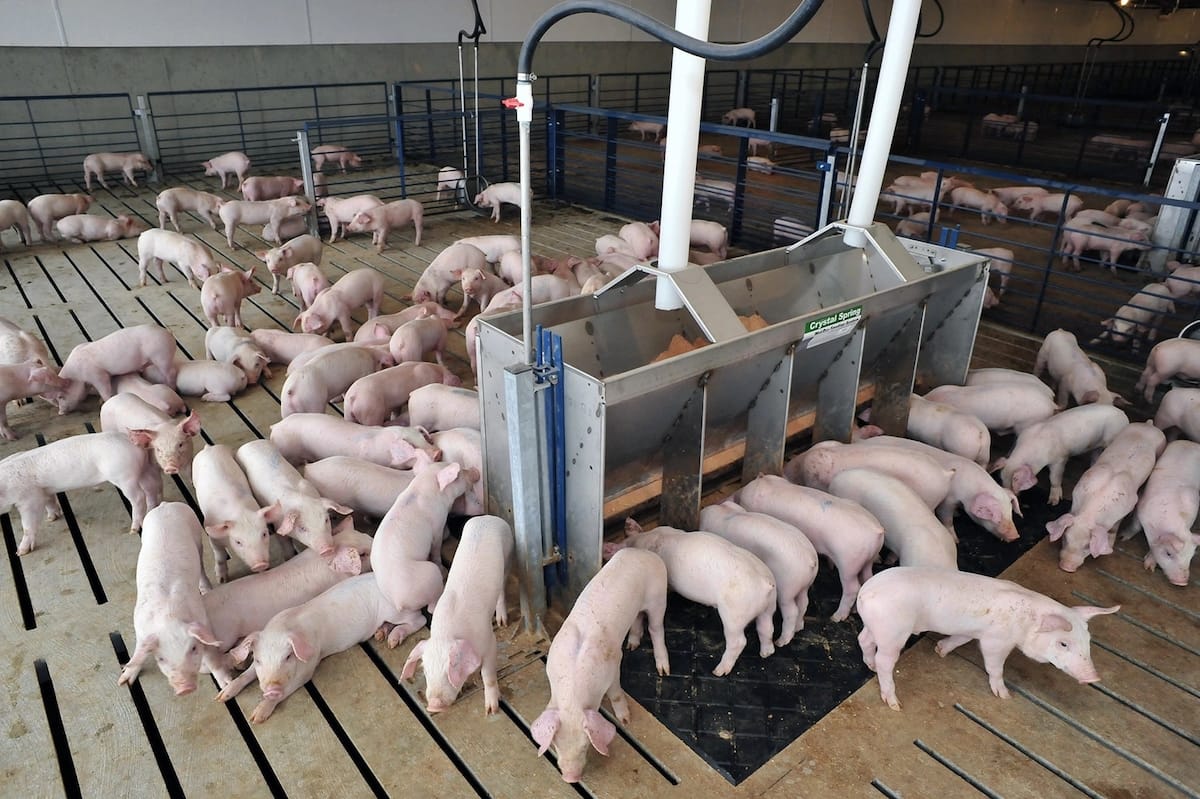
Effective disease management is crucial for successful pig farming operations in Kenya.
5. Income Potential in Pig Farming
Pig farming in Kenya offers multiple revenue streams that can generate substantial income. A well-managed pig farm can tap into these profitable channels:
Primary Income Sources:
- Live pig sales: Mature pigs (6-8 months) fetch KES 20,000-30,000 each
- Breeding stock: Quality breeding sows and boars command premium prices
- Pork meat: Direct sales to butcheries and restaurants
- Value-added products: Sausages, bacon, and ham production
Secondary Revenue Streams:
- Organic fertilizer from pig manure, which can be used effectively in crop farming due to its nutrient-rich content as outlined here
- Consultancy services for new farmers
- Training programs for aspiring pig farmers
A small-scale farm with 10 pigs can generate up to KES 300,000 per production cycle. Your profit margins increase significantly when you:
- Practice batch farming to ensure consistent market supply
- Establish direct relationships with meat processors
- Implement cost-effective feeding programs
- Maintain detailed financial records
- Create value-added products for higher returns
The pig farming market in Kenya continues to grow, driven by increasing urban pork consumption and expanding hospitality sectors. Smart farmers diversify their income streams by combining different revenue channels, maximizing their return on investment through efficient management practices and strategic market positioning.
In addition to pig farming, Kenyan farmers are exploring export markets for other lucrative ventures such as Hass avocado exports. This diversification not only provides an additional income source but also mitigates risks associated with single-crop farming.
Moreover, adopting best practices when buying avocado seedlings online can further enhance profitability in this sector.
6. Key Success Strategies for Pig Farming
Success in pig farming requires a systematic approach focused on key operational practices. Here are the essential strategies you need to implement:
1. Farm Hygiene Standards
- Clean and disinfect pig pens daily
- Install footbaths at entry points
- Remove manure regularly
- Maintain separate tools for different pig sections
- Practice strict pest control measures
2. Breeding Stock Selection
- Choose pigs with proven genetic records
- Select sows with good mothering abilities
- Monitor breeding cycles carefully
- Keep detailed breeding records
- Replace breeding stock at appropriate intervals
3. Management Practices
- Create a vaccination schedule
- Implement strict biosecurity measures
- Monitor pig behavior and health daily
- Keep accurate production records
- Build relationships with reliable veterinarians
4. Staff Training
- Train workers on proper handling techniques
- Educate staff about disease recognition
- Establish clear standard operating procedures
- Conduct regular skill enhancement sessions
- Maintain consistent communication channels
5. Quality Control Measures
- Source feed from reputable suppliers, similar to how one would look for good nursery qualities when buying seedlings.
- Test water quality regularly
- Monitor growth rates weekly
- Maintain proper stocking density
- Keep equipment in good working condition
These strategies work together to create a robust farming system. Your success depends on consistent application of these practices while adapting to your specific farm conditions and market demands. Furthermore, just as quality seedlings significantly impact smallholder incomes, the quality of your pig farming operations will directly influence your profitability.
7. Initial Investment Costs and Challenges in Pig Farming
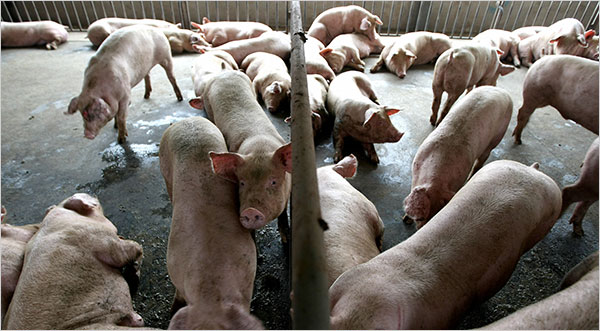
Starting a pig farm requires careful financial planning. Here’s a breakdown of essential startup costs in Kenyan Shillings (KES):
1. Initial Infrastructure Costs:
- Land acquisition or lease: KES 100,000 – 500,000
- Housing construction: KES 150,000 – 300,000
- Feeding equipment: KES 30,000 – 50,000
- Water systems: KES 20,000 – 40,000
- Security fencing: KES 50,000 – 100,000
2. Livestock and Feed Investment:
- Breeding stock (3 sows + 1 boar): KES 120,000 – 160,000
- Initial feed stock: KES 50,000 – 80,000
- Veterinary supplies: KES 20,000 – 30,000
Your total initial investment can range from KES 500,000 to KES 1,500,000 depending on your farm’s scale and location. Starting small and scaling gradually helps manage these costs effectively.
Common Challenges You’ll Face:
- Price Fluctuations: Feed costs can vary significantly, impacting your profit margins
- Disease Outbreaks: African Swine Fever poses a constant threat to pig farms
- Market Access: Limited processing facilities can affect your ability to sell
- Cash Flow Management: Delayed returns during the initial production cycle
- Labor Issues: Finding skilled workers with pig farming experience
- Weather Changes: Extreme temperatures affect pig growth and reproduction
- Feed Quality: Inconsistent feed quality from local suppliers
- Breeding Management: Difficulty in maintaining optimal breeding schedules
Moreover, diversifying into other agricultural ventures such as pomegranate farming could provide additional income streams and help mitigate some of the financial risks associated with pig farming.
Conclusion: Your Journey Towards Successful Pig Farming Begins Now!
Pig farming in Kenya is a great opportunity for financial independence and sustainable income generation. With the knowledge you’ve gained from this guide, you’re now equipped with the tools to start your pig farming venture confidently.
Success in pig farming requires dedication, continuous learning, and adaptability. The industry is constantly evolving with new technologies, improved breeding methods, and better management practices. To stay informed, make sure to:
- Regularly consult with experienced veterinarians
- Participate in agricultural workshops and seminars
- Network with successful pig farmers
- Follow updates from agricultural research institutions
Your pig farming success story begins with taking action. Start by:
- Selecting suitable breeds for your farm
- Creating proper housing facilities
- Implementing effective feeding programs
- Establishing disease prevention protocols
- Developing strong market connections
Call to Action: Partner with Us for Quality Pig Breeds and Expert Guidance!
We offer comprehensive support to help you get started on your pig farming journey:
- Premium Breeding Stock: Access to high-quality Large White, Landrace, and Duroc breeds
- Expert Consultation: Personalized guidance on farm setup and management
- Ongoing Support: Regular farm visits and technical assistance
- Market Linkages: Connection to established pork buyers and processors
Ready to start your pig farming venture?
Contact Royal Seedlings:
 Phone: +254 711315313
- Email: Julius.murega@royalseedlings.
com, - Website:www.royalseedlings.com
 Phone: +254 711315313
 Email:
  Website:
Transform your agricultural dreams into reality. The growing demand for pork products in Kenya creates endless opportunities for dedicated farmers. However, success in any form of farming requires knowledge and expertise.
For instance, if you’re considering diversifying into avocado farming alongside your pig farming venture, you might want to explore what to expect from a professional avocado farming training session. This could provide you with valuable insights and skills necessary for successful avocado cultivation.
Moreover, it’s crucial to be aware of common pitfalls in avocado farming that could hinder your success. Therefore, understanding the avocado farming mistakes to avoid for a bountiful harvest is essential.
Additionally, if you’re planning on expanding your agricultural endeavors further into fruit farming like Pixie orange or other crops, we recommend seeking expert advice on preparing your land before receiving seedlings delivery.
Start your pig farming journey today – your path to sustainable income generation awaits!

FAQs (Frequently Asked Questions)
What are the most popular pig breeds for farming in Kenya?
The most popular pig breeds in Kenya include Large White, Landrace, Duroc, and Camborough. Each breed has unique characteristics and advantages that suit different farming needs. Choosing the right breed depends on factors like climate adaptability, growth rate, and market demand.
How should I design housing for pigs to ensure their health and productivity?
Proper pig housing should include adequate ventilation to maintain air quality, effective drainage systems to prevent waterlogging and disease, secure fencing for safety, and enough space to allow natural behaviors. Well-designed housing is crucial for maintaining pig health and maximizing productivity.
What feeding practices optimize pig growth in Kenyan farms?
Feeding practices should include providing commercial balanced feeds tailored to different growth stages of pigs as well as homemade rations using locally available ingredients. Proper nutrition plays a vital role in maximizing pig productivity and ensuring healthy development throughout their lifecycle.
How can pig farmers in Kenya prevent common diseases like African Swine Fever (ASF) and Foot and Mouth Disease (FMD)?
Farmers can prevent disease outbreaks by implementing strict biosecurity measures such as controlling farm access, regularly disinfecting facilities, isolating new or sick animals, and maintaining good hygiene practices. Awareness of ASF and FMD symptoms and early reporting also help minimize risks.
What is the income potential from pig farming in Kenya?
Pig farming offers multiple revenue streams including selling live pigs, pork meat, and value-added products like sausages or bacon. With efficient management practices, farmers can optimize profits per production cycle making pig farming a lucrative agribusiness venture in Kenya.
What are the initial investment costs and challenges when starting a pig farm in Kenya?
Initial investment costs include purchasing quality breeding stock, constructing proper housing facilities with ventilation and drainage systems, and acquiring feed supplies. New farmers may face challenges such as disease management, securing markets, and learning best husbandry practices but these can be overcome with expert guidance.