

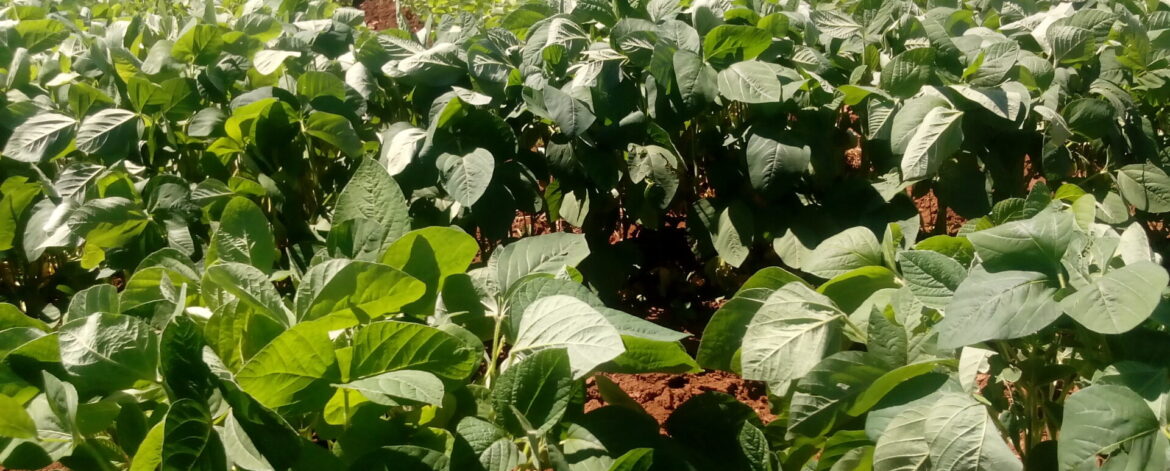
Soya farming is an exciting opportunity for farmers in Kenya. With the increasing demand for soybeans both locally and internationally, this agricultural venture has great potential.
Why Soya Farming?
Currently, Kenya relies heavily on imports for its soybean needs, with 90% of the requirements being brought in from other countries. This presents a unique chance for local farmers to step in and fulfill the growing demand.
The benefits of soya farming are significant:
- Financial rewards: On average, farmers can earn Ksh. 122,100 per hectare with a production cycle of 4-5 months.
- Diverse income sources: Soya beans have various uses, allowing farmers to tap into multiple revenue streams.
- Environmental impact: Soya farming contributes to sustainable practices by improving soil fertility, water retention, and preventing erosion.
These advantages make soya farming an attractive option for Kenyan farmers looking to diversify their income while promoting eco-friendly agriculture.
Exploring Other Agricultural Ventures
Apart from soya farming, there are other profitable agricultural ventures that Kenyan farmers can consider. One such example is pixie orange farming, which is gaining popularity due to its high market demand and profitability.
Additionally, the introduction of avocado farming could also provide additional income streams for farmers. This venture requires specific care and attention during the seedling stage, but with the right guidance and resources, it can be highly rewarding.
Empowering Women and Youth in Agribusiness
It’s important to highlight that initiatives supporting women and youth in agribusiness are on the rise. Such programs not only empower these groups but also contribute to the overall growth of the agricultural sector in Kenya.
By leveraging resources like those from Royal Seedlings, aspiring farmers can gain valuable insights and support to help them succeed in their agricultural endeavors.
Understanding Soybeans and Their Uses
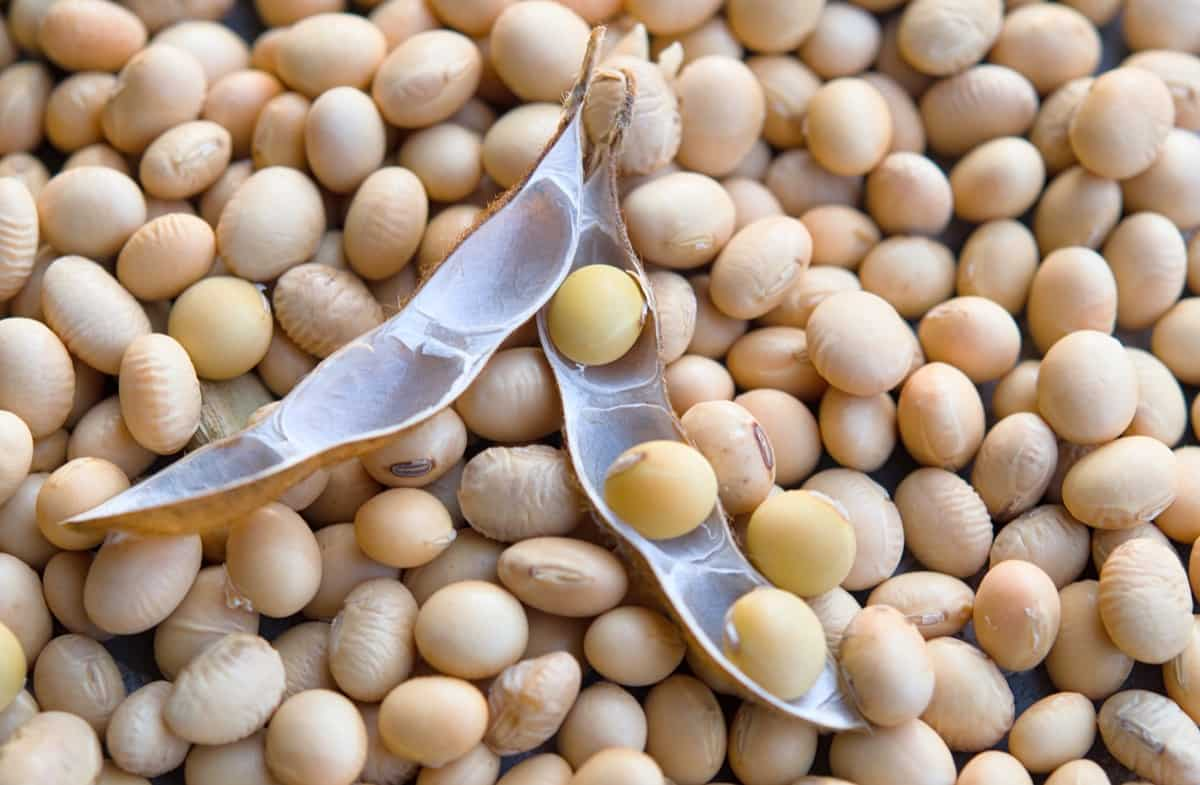
Soybeans are a highly nutritious crop that play a significant role in Kenya’s agriculture. These legumes are packed with protein, containing 35-45% protein content, which is higher than most plant-based sources. Additionally, soybeans contain about 20% oil, making them valuable for both food and industrial purposes.
Applications of Soybeans
Soybeans have various uses across different industries:
1. Food Products
- Soya milk – a dairy alternative
- Tofu – popular in vegetarian dishes
- Protein-rich snacks and flour
- Meat substitutes
2. Animal Feed
- High-protein livestock feed
- Poultry feed supplements
- Fish meal alternatives
3. Industrial Uses
- Cooking oil extraction
- Margarine production
- Soap manufacturing
- Biodiesel components
Economic Impact of Soybeans in Kenya
Soybeans also have a positive economic impact on Kenya’s manufacturing sector. Local processing facilities take raw soybeans and turn them into value-added products, which creates jobs and reduces the need for imports. With the increasing demand for plant-based proteins, soybeans have become an important crop in Kenya’s efforts to achieve food security.

Ideal Growing Conditions for Soya in Kenya
Successful soya farming in Kenya requires specific environmental conditions for optimal growth and yield. Here’s what you need to know about the ideal growing conditions:
Soil Requirements
- Well-drained fertile soils
- pH levels between 5.6 and 7.0
- Rich in organic matter
- Good water retention capacity
Understanding the soil requirements for different crops is crucial, as it varies from one plant species to another. This knowledge can also be beneficial if you’re considering diversifying your farm with other crops such as avocados, for which you can find a step-by-step guide to starting an avocado orchard in Kenya.
Climate Conditions
- Temperature range: 15°C to 30°C
- Optimal growth temperature: 20°C-25°C
- Rainfall needs: 400mm during growing period
- Growing season: 3-4 months
- Altitude: Up to 2,000 meters above sea level
The success of soya farming is largely influenced by several environmental factors affecting plant growth, making it essential to understand these aspects.
Prime Growing Regions
Western Kenya
- Busia
- Kakamega
Rift Valley Region
- Trans Nzoia
- Uasin Gishu
Nyanza Region
- Kisii
- Migori
These regions offer the perfect combination of fertile soils, adequate rainfall, and suitable temperatures for soya cultivation. The moderate climate and well-distributed rainfall patterns in these areas support healthy crop development from planting through harvest.
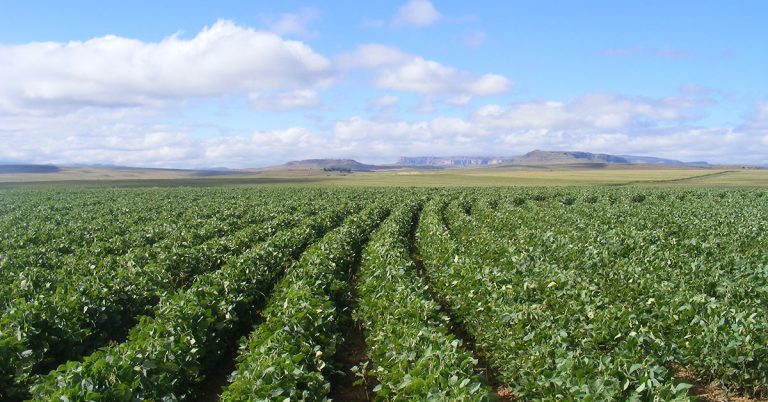
Selecting Suitable Soybean Varieties
Choosing the right soybean variety is crucial for your farming success in Kenya. The selection process requires careful consideration of several key factors:
Essential Selection Criteria:
- Growing season compatibility (4-5 months)
- Disease resistance, particularly against soybean rust
- Lodging resistance to prevent crop falling
- High yield potential
- Adaptability to local climate
Popular Varieties in Kenya:
Nyala
- Medium maturity (120 days)
- High resistance to lodging
- Excellent pod retention
- Yields 2.5-3.0 tons/hectare
Hill
- Early maturity (100 days)
- Good drought tolerance
- Strong disease resistance
- Yields 2.0-2.5 tons/hectare
Black Hawk
- Late maturity (130 days)
- High protein content
- Superior pest resistance
- Yields 3.0-3.5 tons/hectare
It’s important to understand that the selection of soybean varieties isn’t just about the soybeans themselves. It also involves a broader understanding of your farming ecosystem, which may include other crops like avocados or apples. For instance, identifying and preventing common avocado seedling diseases can significantly improve your overall yield if you’re intercropping.
Similarly, when considering the planting of different varieties to spread risks and maximize returns throughout the growing season, you might want to explore how choosing between local and imported apple varieties could impact your farm’s productivity.
Moreover, understanding how to choose the right mango variety for your Kenyan farm can also play a role in diversifying your crop portfolio.
Finally, incorporating grafting techniques into your farming practices can further enhance crop yield and quality, providing another avenue for increasing profitability.
Your local agricultural extension officer can recommend specific soybean varieties based on your region’s soil type, rainfall patterns, and prevalent diseases.
Land Preparation and Planting Techniques
Proper land preparation sets the foundation for successful soybean farming in Kenya. Start soil preparation two weeks before planting to effectively manage weeds and preserve soil moisture.
Key steps for land preparation:
- Clear the land of crop residue and weeds
- Plow to a depth of 20-25 cm
- Harrow to achieve fine tilth
- Level the field to prevent waterlogging
Implementing [minimal tillage practices](https://royalseedlings.com/expert-advice-preparing-your-land-before-receiving-seedlings-delivery) reduces soil erosion and maintain beneficial soil microorganisms. This approach preserves soil structure while cutting down production costs.
Planting specifications:*
- Row spacing: 45 cm between rows
- Plant spacing: 10 cm within rows
- Seed rate: 50 kg per hectare
- Planting depth: 3-5 cm
The ideal planting window falls during Kenya’s long rains from March to June, as per the [seasonal planting calendar for fruit seedlings in Central Kenya](https://royalseedlings.com/seasonal-planting-calendar-for-fruit-seedlings-in-central-kenya). This timing ensures adequate soil moisture for seed germination and early plant development.
It’s crucial to plant seeds in straight rows using a string line for uniform spacing, which is [important when planting fruit trees](https://royalseedlings.com/the-importance-of-proper-spacing-when-planting-fruit-trees) too, and easier crop management.
Seeds should be planted in moist soil. Dry planting risks poor germination rates and uneven crop establishment. A well-prepared seedbed allows good seed-to-soil contact, essential for uniform emergence.
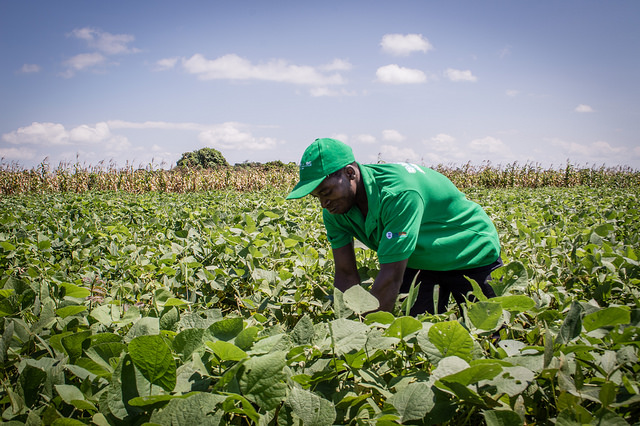
Crop Management Practices
Successful soya farming requires careful attention to key management practices throughout the growing season. Here’s what you need to know:
Irrigation Management
- Install drip irrigation systems in areas with unreliable rainfall
- Maintain soil moisture levels during critical growth stages
- Water regularly during flowering and pod formation periods
Fertilization Program
- Apply DAP fertilizer at planting: 50kg per hectare
- Add potassium-based fertilizers in potassium-deficient soils
- Consider foliar feeding during vegetative growth stages
Disease and Pest Control
- Monitor fields weekly for early pest detection
- Control bean fly through seed treatment and early planting
- Manage stem borers using approved pesticides
- Apply fungicides preventively during wet seasons
- Choose rust-resistant varieties in high-risk areas
Essential Field Operations
- Inoculate seeds with Rhizobium bacteria before planting
- Conduct first weeding 2-3 weeks after emergence
- Complete second weeding before flowering stage
- Remove diseased plants to prevent spread
- Maintain field hygiene through regular cleaning
Soil Health Management
- Practice crop rotation with non-legumes
- Incorporate crop residues into soil
- Test soil pH annually
- Add lime in acidic soils when necessary
Harvesting and Post-Harvest Handling Techniques for Soybeans in Kenya
Successful soybean harvesting starts with recognizing the right time to harvest. Your crop is ready when:
- 90% of pods display a brownish-yellow color
- Most leaves have fallen off
- Seeds rattle inside the pods when shaken
Harvesting Methods:
- Manual harvesting – Pull plants by hand or cut at ground level with sickles
- Mechanical harvesting – Use combine harvesters for large-scale operations
Post-Harvest Handling:
- Dry beans on clean surfaces like tarpaulins or concrete floors
- Target 13% moisture content for safe storage
- Test moisture by biting seeds – properly dried beans crack cleanly
Storage Guidelines:
- Use airtight containers or silos
- Keep storage area cool and dry
- Place containers away from direct sunlight
- Stack bags on wooden pallets to prevent moisture absorption
- Check regularly for signs of pest infestation
Proper handling preserves bean quality and increases market value. Clean, well-dried soybeans can maintain their quality for up to 12 months when stored correctly.
In addition to soybeans, avoiding certain farming mistakes can lead to a bountiful harvest in other crops as well, such as avocados. Moreover, regions like Muranga, known for their quality Hass avocado seedling production, highlight the importance of proper farming techniques across different types of crops.
Government Support and Industry Initiatives in Promoting Soya Farming in Kenya
The Kenyan government actively supports soya farming through the National Soya Bean Strategy, which prioritizes:
- Seed improvement programs
- Advanced pest control measures
- Market access enhancement
- Research and development initiatives
The Agricultural Sector Development Support Program empowers farmers with:
- Technical training sessions
- Modern farming methodologies
- Market linkage opportunities
- Access to agricultural inputs
Research institutions like KALRO develop high-yielding soybean varieties adapted to Kenya’s diverse climatic conditions. Smallholder farmers benefit from:
- Agricultural subsidies for inputs
- Microfinance options with flexible terms
- Equipment leasing programs
- Value addition support
The government promotes value-added soybean products through:
- Tax incentives for processing facilities
- Training in tofu production
- Support for oil extraction ventures
- Market development initiatives
Local agricultural extension officers provide hands-on guidance to farmers, ensuring proper implementation of recommended farming practices and technology adoption.
In addition, the knowledge gained from professional training sessions, such as those offered in avocado farming, can be beneficial. These sessions equip farmers with modern methodologies that can also be applied to soya farming.
Moreover, smallholder farmers should adopt best practices when buying avocado seedlings online as they venture into other agricultural areas.
With the government’s support and the right training, there are abundant opportunities for smallholder farmers not just in soya farming but also in profiting from Hass avocado exports.

Challenges Facing Soya Farming in Kenya
Kenyan soya farmers face significant hurdles in their agricultural endeavors:
-
Market Competition: Imported soybeans from countries with lower production costs flood the local market, driving down prices and reducing profit margins for Kenyan farmers.
-
Pest and Disease Management: Various pests and diseases pose threats to soybean crops, including:
- Soybean rust disease causing substantial yield losses
- Bean fly infestations damaging young plants
- Stem borers reducing plant vigor
- Pod-sucking bugs affecting seed quality
-
Price Instability: Market prices fluctuate unpredictably due to:
- Seasonal supply variations
- International market dynamics
- Local demand shifts
- Storage capacity limitations
-
Infrastructure Constraints: Inadequate infrastructure hampers the efficiency of soya farming through:
- Poor road networks delaying produce transportation
- Limited storage facilities affecting post-harvest handling
- Inadequate processing facilities restricting value addition
-
Climate-Related Challenges: Climate factors significantly impact soybean farming, including:
- Irregular rainfall patterns disrupting planting schedules
- Extended dry spells affecting crop development
- Extreme weather events damaging crops
- Soil degradation impacting productivity
To combat these challenges, it is essential for farmers to adopt sustainable agricultural practices, which can help improve resilience against climate change, enhance pest management, and stabilize prices through better market strategies.
Opportunities and Future Trends in Kenyan Soya Farming
Modern agricultural practices are transforming soya farming into a lucrative venture for Kenyan farmers. The adoption of mechanized farming equipment reduces labor costs by 40% while increasing production efficiency. Tractors speed up land preparation, and combine harvesters cut harvesting time from weeks to days.
Sustainable Farming Cycles through Soya’s Nitrogen-Fixing Properties
Soya’s nitrogen-fixing properties create sustainable farming cycles:
- Improves soil fertility naturally
- Reduces fertilizer costs for subsequent crops
- Supports crop rotation with maize and wheat
- Enhances long-term soil health
Diverse Income Streams from the Value Addition Sector
The value addition sector presents diverse income streams:
- Local processing of soya milk
- Production of animal feed
- Manufacturing of cooking oil
- Creation of protein-rich food products
Expanding Market Opportunities for Soya
Market opportunities continue expanding through:
- Rising demand from local processors
- Growing export potential to neighboring countries
- Increased consumer awareness of soya-based products
- Development of new industrial applications
Enabling Precision Agriculture with Digital Farming Technologies
The integration of digital farming technologies enables:
- Precision agriculture practices
- Real-time crop monitoring
- Efficient resource management
- Data-driven decision making
In addition to these trends, there are also training opportunities for aspiring commercial fruit growers in Muranga County, which can complement soya farming by diversifying income sources. Furthermore, exploring pomegranate farming in Kenya could offer additional profitable avenues for farmers.
The future of e-commerce in agriculture is also a trend that every farmer should be aware of. Understanding the future of e-commerce in agriculture can help farmers leverage online platforms for better market reach and sales.
Moreover, the economic impact of quality seedlings on smallholder incomes cannot be underestimated. This aspect is crucial for farmers looking to improve their profitability, as highlighted in this article about the economic impact of quality seedlings on smallholder incomes.
Additionally, embracing the findings from the USDA’s report on the economic contributions of the agricultural sector can provide valuable insights into maximizing profitability and sustainability in soya farming and beyond.

Conclusion
Soya farming is a profitable agricultural venture in Kenya, thanks to the ideal growing conditions in various regions. The increasing market demand, government support programs, and research-driven advancements provide a strong foundation for success in this industry.
Farmers who follow recommended practices – such as choosing the right variety and using modern post-harvest techniques – are likely to achieve high yields and sustainable income. The economic benefits and soil improvement qualities of soya make it an appealing option for both commercial farmers and smallholders.
However, there are other agricultural opportunities beyond soya farming. For example, learning about the advantages of grafted fruit seedlings can greatly improve your farming results. If you plan to establish orchards, understanding how to naturally prevent pest infestations in young orchards can save you from potential problems.
Additionally, selecting the right nursery is crucial for any farmer. It’s essential to understand what constitutes a good nursery and the key qualities Kenyan farmers should seek when purchasing seedlings.
If you’re considering expanding into avocado farming as well, be sure to explore these commonly asked questions about online avocado seedling purchases for valuable information.
Ready to kickstart your soya farming journey?
- Get top-notch soybean seedlings
- Receive expert farming advice
- Collaborate with established industry professionals
Contact us:
- 📞 Call: 0711315313
- ✉️ Email: julius.murega@royalseedlings.com
Begin your path towards profitable soya farming – our team is prepared to assist you with proven varieties and technical knowledge.
FAQs (Frequently Asked Questions)
What are the ideal growing conditions for soya farming in Kenya?
Soya farming in Kenya thrives best in well-drained fertile soils with a pH range of 5.6 to 7.0. The optimal temperature for soybean cultivation is between 20°C and 25°C, within an overall suitable range of 15°C to 30°C. Adequate rainfall of around 400 mm during the 3-4 month growing period is essential, and altitudes up to 2,000 meters are favorable. Key regions ideal for soya farming include Western Kenya, Rift Valley, and Nyanza.
Which soybean varieties are best suited for cultivation in Kenya?
Selecting high-yielding, disease-resistant soybean varieties adapted to regional climatic conditions is crucial. Commonly recommended varieties in Kenya include Nyala, Hill, and Black Hawk. These varieties match the typical growing season length of 4-5 months and exhibit resistance to diseases such as soybean rust and lodging, ensuring better crop performance.
How should land be prepared and soybeans planted for optimal growth in Kenya?
Land preparation should begin about two weeks before planting to control weeds and conserve moisture, with minimal tillage practices preferred. Soybean seeds are best planted using row spacing of approximately 45 cm apart and intra-row spacing near 10 cm, at a seeding rate of around 50 kg per hectare. Planting during the long rains from March to June ensures optimal moisture availability for germination and growth.
What crop management practices enhance soybean yields in Kenyan farms?
Effective crop management includes balanced fertilization starting with basal DAP application at recommended rates and seed inoculation with Rhizobium bacteria to enhance nitrogen fixation. Irrigation methods like drip irrigation can supplement rainfall when necessary. Regular hand weeding twice during early growth stages helps control weeds. Integrated pest management targeting pests such as bean fly and stem borers, along with using disease-resistant varieties and fungicides when needed, are vital for healthy crops.
How is harvesting and post-harvest handling done for soybeans in Kenya?
Soybeans are ready for harvest when about 90% of pods turn brownish-yellow accompanied by leaf fall. Harvesting can be manual or mechanized using combine harvesters. Post-harvest handling involves drying harvested beans to approximately 13% moisture on clean surfaces to prevent spoilage. Proper storage using airtight containers or silos away from sunlight maintains quality and extends shelf life.
What government support and initiatives exist to promote soya farming in Kenya?
The Kenyan government supports soya farming through programs like the National Soya Bean Strategy focusing on seed improvement and pest control measures. Agricultural Sector Development Support Programs offer farmer training and improve market access. Research institutions develop improved high-yielding varieties, while subsidies and microfinance options assist smallholder farmers. Additionally, value addition activities such as tofu production and oil extraction are promoted to enhance farmer incomes.