

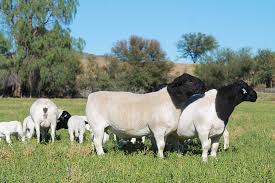
Dorper sheep farming has become a game-changing agricultural venture in Kenya’s livestock sector. This hardy breed has captured the attention of both small-scale and commercial farmers across the country, from the semi-arid plains of Kajiado to the highlands of Central Kenya.

The economic appeal of Dorper sheep farming lies in its impressive returns:
- Fast growth rates – lambs reach market weight in just 3-4 months
- Low maintenance costs due to natural wool shedding
- Year-round breeding capability
- Strong demand in local and export markets
Kenyan farmers are increasingly choosing Dorper sheep for their remarkable adaptability to diverse climatic conditions and minimal care requirements. The breed’s ability to thrive in harsh environments while delivering premium quality meat has positioned it as a profitable livestock option.
The rising popularity of Dorper sheep farming reflects its potential to transform Kenya’s agricultural landscape. However, integrating crop farming with livestock farming can further enhance productivity and profitability. For instance, adopting practices such as preventing pest infestations in young orchards or following a seasonal planting calendar for fruit seedlings can yield substantial benefits.
Whether you’re a beginner farmer or looking to diversify your existing operations, this comprehensive guide will walk you through everything you need to know about successful Dorper sheep farming in Kenya. Moreover, if you’re interested in expanding into areas like avocado farming, we also provide a step-by-step guide to starting an avocado orchard in Kenya along with expert advice on preparing your land before receiving seedlings delivery.
Understanding the Dorper Sheep Breed
The Dorper sheep breed emerged in South Africa during the 1930s through selective breeding between Dorset Horn rams and Blackheaded Persian ewes. This strategic crossbreeding aimed to create a hardy meat sheep capable of thriving in challenging environments.
Distinctive Physical Characteristics:
- Medium-sized body with strong muscular build
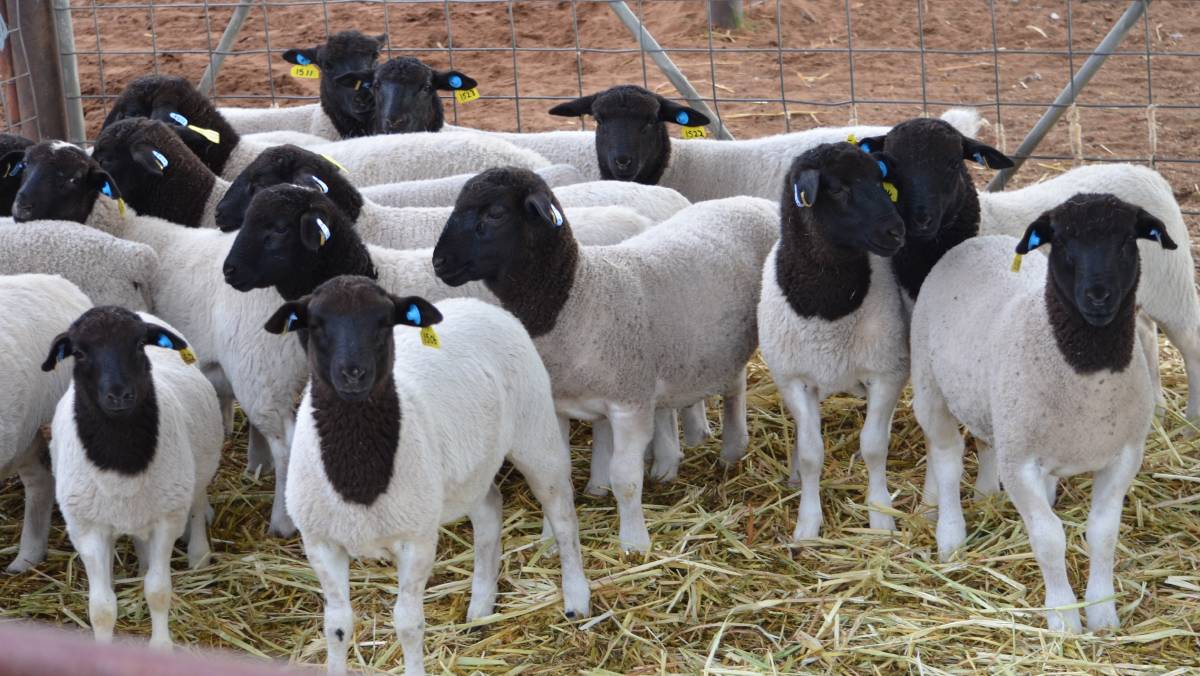
- Black head with white body (Black Dorper) or completely white (White Dorper)
- Naturally polled (hornless) in both sexes
- Short, thick coat that sheds naturally
- Adult ewes weigh 65-85kg, rams 85-100kg
Unique Performance Traits:
- Rapid growth rate – reaching 36kg by 4 months
- High fertility rates with year-round breeding ability
- Superior mothering abilities
- Early sexual maturity – as early as 6-8 months
- High-quality carcass yield with excellent meat-to-bone ratio
The breed’s adaptability to Kenya’s diverse climatic conditions stands out as a remarkable feature. Dorper sheep demonstrate exceptional resilience across various regions:
Climate Adaptation:
- Thrives in semi-arid areas like Kajiado and Narok
- Tolerates temperatures ranging from 10-35°C
- Survives on sparse vegetation during dry seasons
- Requires minimal water compared to other breeds
- Maintains productivity in both highland and lowland areas
Their natural resistance to parasites and diseases common in tropical environments makes them particularly suitable for Kenyan farming conditions. The breed’s ability to maintain good body condition even during periods of feed scarcity showcases their efficient feed conversion capabilities.
In addition to livestock farming, understanding soil requirements is crucial for successful agricultural practices in Kenya. This knowledge can also aid farmers who are venturing into fruit tree farming, such as Pixie Orange farming, which requires specific soil types and conditions.
Moreover, the economic impact of quality seedlings on smallholder incomes is significant. By investing in quality seedlings, farmers can enhance their productivity and income levels.
Additionally, it’s worth noting that women and youth play a vital role in agribusiness. Royal Seedlings supports women and youth in this sector, providing them with resources and opportunities to thrive.
Lastly, for those interested in diversifying their agricultural ventures, exploring avocado seedling purchases online could be a profitable option.
Essential Farming Considerations for Successful Dorper Sheep Farming in Kenya
Land Preparation
Your Dorper sheep farm’s success starts with proper land preparation. Clear the land of toxic plants and debris that could harm your flock. Create gentle slopes for effective drainage during rainy seasons to prevent waterlogging and reduce disease risks. Establish designated grazing paddocks with drought-resistant grass varieties like Rhodes grass or Kikuyu grass to ensure year-round feed availability. Additionally, consider integrating tissue culture techniques for producing high-quality banana seedlings if you’re planning to diversify your farming.
Secure Fencing Systems
Protect your investment with robust fencing that serves multiple purposes:
- Install fences at least 1.2 meters high with sturdy posts every 2.5-3 meters
- Use chain-link or woven wire mesh with smaller gaps at the bottom to prevent lamb escapes
- Add electric fencing as a secondary barrier against predators like hyenas and jackals
- Create separate paddocks for:
- Breeding ewes
- Growing lambs
- Rams
- Quarantine areas for new arrivals
Shelter Requirements
Dorper sheep need well-designed shelters that balance protection with proper ventilation:
- Build raised floors with slight elevation to prevent water accumulation
- Allow 1.5-2 square meters of space per adult sheep
- Include the following shelter features:
- Wide doorways for easy movement
- Adequate roof height (minimum 2.5 meters)
- Multiple ventilation points at different heights
- Solid walls on sides facing prevailing winds
- Extended eaves to prevent rain from entering
Your shelter design should incorporate separate areas for different activities:
- Lambing pens with extra bedding
- Feed storage space
- Equipment storage
- Handling facilities for routine health checks
- Isolation area for sick animals
These facilities require regular maintenance and cleaning to prevent disease buildup and ensure optimal living conditions for your flock.
If you’re considering expanding your farming venture beyond sheep, such as into avocado farming or mango cultivation, it’s crucial to understand the specific requirements of these crops. For instance, newly planted avocado seedlings require special care, and there are common mistakes to avoid in avocado farming that can significantly impact yield.

Feeding, Health Management, and Breeding Strategies for Thriving Dorper Sheep Farms in Kenya
Strategic Feeding Management
Proper nutrition plays a vital role in achieving optimal growth rates and meat quality in Dorper sheep. Your feeding program should include:
-
- Divide pastures into paddocks
- Move sheep every 3-4 days
- Allow 21-30 days for grass regeneration
-
Supplementary Feeding
- Protein-rich concentrates (16-18% crude protein)
- Mineral blocks for essential nutrients
- Clean, fresh water available 24/7
Health Management Protocols
Maintaining robust health practices prevents common diseases and ensures flock productivity:
-
Regular Health Checks
- Weekly physical examinations
- Hoof trimming every 6-8 weeks
- Body condition scoring monthly
-
Vaccination Schedule
- Clostridial diseases: Every 6 months
- Foot and mouth disease: Annually
- Blue tongue: Before breeding season
-
- Strategic deworming every 3 months
- Fecal egg count monitoring
- Rotation of deworming medications
Breeding Management
Successful breeding requires careful attention to timing and ewe conditions:
-
Heat Detection
- Watch for restlessness
- Tail wagging
- Reduced appetite
- Swollen vulva
-
Mating Ratios
- 1 ram per 30-40 ewes
- Separate young ewes from older ones
- Maintain breeding records
-
Lambing Management
- Prepare clean lambing pens
- Monitor ewes closely
- Ensure colostrum intake within 6 hours
- Record birth weights and twins
Regular body condition scoring helps adjust feeding levels based on reproductive stages. Ewes require increased nutrition during the last six weeks of pregnancy and throughout lactation.
In addition to sheep farming, best practices can also be applied to other agricultural ventures such as avocado farming. Understanding common avocado seedling diseases is crucial for maintaining healthy crops. Regions like Muranga, known for quality Hass avocado seedling production, can provide valuable insights into successful farming strategies. Furthermore, keeping an eye on the future of e-commerce in agriculture can help farmers adapt to changing market trends and improve their business operations.
Market Opportunities, Challenges, and Climate Resilience Strategies in the Kenyan Context
The Dorper sheep meat market in Kenya presents substantial growth opportunities for farmers. Local demand continues to rise, driven by:
- Urban restaurants seeking premium cuts
- Religious festivals and cultural celebrations
- Institutional buyers like hotels and catering services
- Growing middle-class consumer base
International markets, particularly in the Middle East, value Kenyan Dorper sheep meat for its quality and halal certification. Export opportunities extend to:
- Saudi Arabia
- United Arab Emirates
- Qatar
- Regional East African markets
Value Addition Possibilities
- Premium meat cuts packaging
- Processed meat products
- Leather production from hides
- Breeding stock sales
Key Challenges and Solutions
Disease Management
To effectively manage diseases within the flock, farmers should implement strict biosecurity measures, maintain detailed health records, partner with experienced veterinarians, and adhere to regular health screening protocols.
Price Fluctuations
To mitigate the impact of price fluctuations, diversifying market channels is essential. This could involve forming farmer cooperatives or developing value-added products. Building strong buyer relationships can also provide more stability.
Climate-Related Challenges
Farmers must adapt to climate-related challenges by installing water harvesting systems, planting drought-resistant fodder crops, creating strategic feed reserves, and adopting rotational grazing patterns.
The sector faces infrastructure limitations and high initial costs. Successful farmers tackle these challenges through:
- Government support programs
- Agricultural financing options
- Technical training opportunities such as those offered in Muranga County
- Modern farming technology adoption
Proactive risk management strategies help maintain profitable operations despite market uncertainties. Smart partnerships with established buyers, processors, and fellow farmers create resilient business models in this growing sector.
Moreover, exploring other agricultural avenues such as Hass avocado exports, or delving into niche markets like pomegranate farming or understanding the nuances of choosing between local and imported apple varieties, could further enhance profitability and sustainability for farmers.
Additionally, understanding what makes a good nursery can significantly benefit those looking to expand their farming ventures.
For comprehensive resources on agricultural practices that can aid in overcoming these challenges, you may explore various publications available through UKY’s agriculture department. These resources offer valuable insights into effective farming strategies and disease management techniques among others.

Conclusion
Dorper sheep farming is a promising opportunity in Kenya’s agricultural industry. The breed’s ability to adapt, fast growth, and steady market demand provide a strong foundation for long-term profitability.
To succeed in Dorper sheep farming, you need to focus on:
- Planning your infrastructure strategically
- Implementing effective health management practices
- Making informed breeding choices
- Building strong connections with the market
- Adopting climate-resilient methods
Starting your journey into Dorper sheep farming requires hard work, knowledge, and a dedication to excellence. The benefits go beyond just making money – you’ll also be contributing to Kenya’s food security and agricultural development.
Furthermore, incorporating advanced agricultural techniques like grafting can greatly enhance crop yield and quality. Additionally, understanding the significance of proper spacing when planting fruit trees can further improve the success of your farming efforts.
Are you ready to begin your Dorper sheep farming journey? We’re here to support you every step of the way.
Get in touch with us for expert assistance:
- Phone: 0711315313
- Email: julius.murega@royalseedlings.com
Make your agricultural dreams come true with Dorper sheep farming – where tradition meets innovation in Kenya’s thriving livestock industry.
FAQs (Frequently Asked Questions)
What are the key characteristics and origin of the Dorper sheep breed in Kenya?
The Dorper sheep breed is renowned for its unique traits such as adaptability to diverse climates, rapid growth rates, and high-quality meat production. Originating from South Africa, Dorper sheep have been successfully introduced in Kenya, where they thrive due to their resilience and suitability to local environmental conditions.
How should I prepare my land and shelter for successful Dorper sheep farming in Kenya?
Proper land preparation is essential for optimal growth and production of Dorper sheep. This includes ensuring well-drained pastures and adequate grazing areas. Secure fencing is crucial to protect your flock from predators and prevent wandering. Additionally, shelters must provide good ventilation and protection from extreme weather to meet the specific needs of the Dorper breed.
What are the best feeding and health management practices for Dorper sheep in Kenya?
Feeding management should focus on providing balanced nutrition that promotes healthy growth rates and enhances meat quality in Dorper lambs. Regular health monitoring is vital to prevent common diseases; implementing vaccination protocols and maintaining hygiene can mitigate health risks. Breeding management involves monitoring ewes’ reproductive cycles closely and offering appropriate lambing assistance when necessary.
What market opportunities exist for Dorper sheep farmers in Kenya?
There is a growing demand for high-quality Dorper lamb meat both locally within Kenya and internationally, especially in export markets like the Middle East. Farmers can capitalize on this trend by producing premium meat products that meet market standards, thus enhancing profitability.
What challenges do Dorper sheep farmers face in Kenya, and how can they be addressed?
Common challenges include disease outbreaks, fluctuating market prices, and environmental stresses. Proactive management strategies such as regular health checks, vaccination programs, market research, and adopting climate resilience measures can help farmers overcome these obstacles effectively.
How can I achieve sustainable profitability with Dorper sheep farming in Kenya?
Sustainable profitability requires careful planning encompassing proper land preparation, secure fencing, adequate shelter, effective feeding and health management, strategic breeding practices, and tapping into lucrative market opportunities. Continuous learning and adaptation to challenges will ensure long-term success in this lucrative agricultural enterprise.