

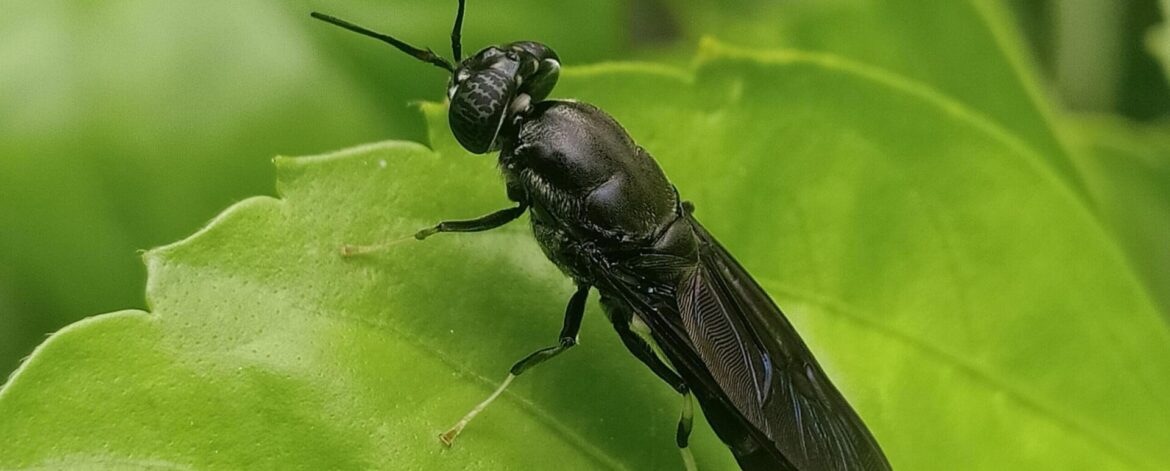
Black Soldier Fly (BSF) farming has become a game-changing solution for Kenya’s agricultural sector. This innovative farming method turns organic waste into high-protein animal feed, creating a sustainable cycle of food production.
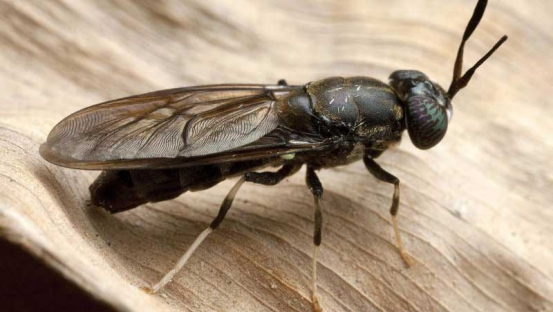
BSF larvae contain an impressive 35-45% protein content, making them comparable to traditional protein sources like soybean and fishmeal. For Kenyan farmers facing high feed costs, BSF farming offers an affordable alternative that doesn’t compromise on nutritional value.
The benefits of BSF farming go beyond just saving money:
- Waste Management: BSF larvae effectively break down organic waste from markets, breweries, and agricultural operations
- Environmental Protection: Less reliance on landfills and reduced greenhouse gas emissions
- Economic Growth: New income opportunities for smallholder farmers
- Sustainable Agriculture: Production of organic fertilizer as a valuable by-product
However, the success of BSF farming can be further improved by combining it with other agricultural practices. For example, knowing what makes a good nursery can greatly enhance the quality of seedlings used alongside BSF farming.
Additionally, using a seasonal planting calendar for fruit seedlings can optimize yield and perfectly align with the sustainable approach of BSF farming.
Furthermore, exploring avocado orchard farming or pixie orange farming could provide new income opportunities for smallholder farmers adopting BSF farming.
Moreover, seeking expert advice on land preparation before receiving seedlings delivery can ensure better integration of these practices.
Overall, BSF farming offers a practical solution to Kenya’s increasing demand for affordable animal feed while addressing urgent environmental issues. This sustainable approach provides both economic and ecological benefits to farmers throughout the country.
Understanding the Black Soldier Fly Life Cycle
The Black Soldier Fly progresses through four distinct life stages, each playing a crucial role in the farming process:
1. Egg Stage (4-5 days)
- Female flies lay clusters of 400-800 eggs
- Eggs require 60-70% humidity to hatch successfully
- Optimal temperature range: 27-30°C
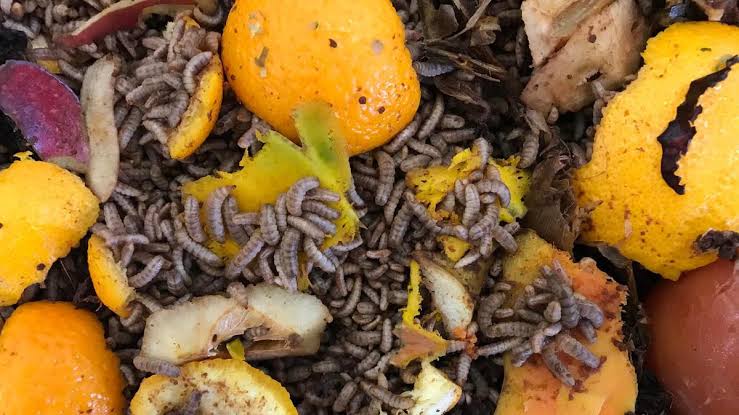
2. Larval Stage (13-18 days)
- Most valuable phase for animal feed production
- Larvae grow from 2mm to 25mm in length
- Consume up to twice their body weight daily
- Protein content reaches 35-45%
3. Pupal Stage (7-14 days)
- Larvae migrate to dry areas for pupation
- Color changes from white to dark brown
- No feeding occurs during this period
4. Adult Stage (5-8 days)
- Adults emerge from pupae
- Do not require feeding
- Focus solely on mating and reproduction
Essential Requirements for Larval Rearing Units:
- Temperature-controlled environment (27-30°C)
- Proper ventilation systems
- Drainage facilities for excess moisture
- Protection from direct sunlight
- Easy access to organic waste sources
- Fine mesh covering for breeding cages
- Adequate space for waste management
- Regular monitoring equipment for humidity levels
The success of BSF farming depends on maintaining these specific conditions throughout each life stage. Your rearing units need proper insulation, ventilation controls, and monitoring systems to ensure optimal growth conditions.
It’s interesting to note how understanding soil requirements can further enhance these farming practices. For instance, when integrating BSF farming with fruit tree cultivation, the quality of soil becomes paramount.

Similarly, if you’re considering choosing between local and imported apple varieties or selecting the right mango variety, having a robust understanding of the BSF life cycle can aid in managing organic waste effectively, enhancing soil health and ultimately improving crop yield.
Moreover, as we look towards the future, it’s essential to stay informed about the trends in e-commerce within agriculture. This knowledge could prove invaluable in optimizing your farming operations.
Lastly, it’s worth mentioning that the economic implications of utilizing quality seedlings are significant. They can substantially impact smallholder incomes, making it crucial to consider both seedling quality and effective waste management strategies like BSF farming in your agricultural endeavors.
The Benefits of Black Soldier Fly Farming in Kenya
BSF farming is changing the agricultural scene in Kenya, offering numerous benefits to farmers and the environment. The larvae’s high protein content of 35-45% makes it an excellent feed option for various livestock.
Feed Benefits:
- Chickens fed with BSF larvae reach 5kg at maturity compared to 3.5kg with commercial feeds
- Natural nutritional supplement rich in essential amino acids
- Reduces dependency on expensive imported feed ingredients
- Suitable for fish, poultry, pigs, and other livestock
Economic Impact for Farmers:
- 30-50% reduction in conventional feed costs
- Multiple revenue streams from:
- Direct larvae sales
- Dried BSF meal production
- Organic fertilizer (frass) marketing
- Waste management services
- Low initial investment requirements
- Quick return on investment (45-60 days)
In addition to BSF farming, training opportunities for aspiring commercial fruit growers in regions like Muranga can further diversify income sources for farmers.
Environmental Sustainability:
- Processes 75% of organic waste into valuable biomass
- Reduces methane emissions from landfills
- Creates zero-waste farming systems through:
- Converting food waste to protein
- Producing organic fertilizer
- Supporting circular economy practices
- Minimizes pressure on marine resources used in fishmeal
Furthermore, the sustainability aspects of BSF farming are noteworthy. It not only provides a solution to the growing feed demand but also contributes significantly towards environmental conservation. The process of converting organic waste into protein-rich biomass is a prime example of how agriculture can be aligned with sustainable practices.
Additional Value Streams:
- Chitin extraction for bioplastics
- Biochar production
- Organic certification opportunities
- Carbon credit potential
BSF farming is transforming Kenya’s agricultural sector by providing cost-effective feed solutions and creating sustainable waste management systems. It empowers smallholder farmers with diverse income opportunities and contributes to environmental conservation efforts. For instance, by adopting best practices when buying avocado seedlings online, farmers can enhance their productivity. Furthermore, with an understanding of the benefits of grafted fruit seedlings, they can optimize their yields.
Additionally, the Hass avocado export market presents another lucrative opportunity for local farmers, especially those in Muranga, which is known for quality Hass avocado seedling production.
Overcoming Challenges in Black Soldier Fly Farming
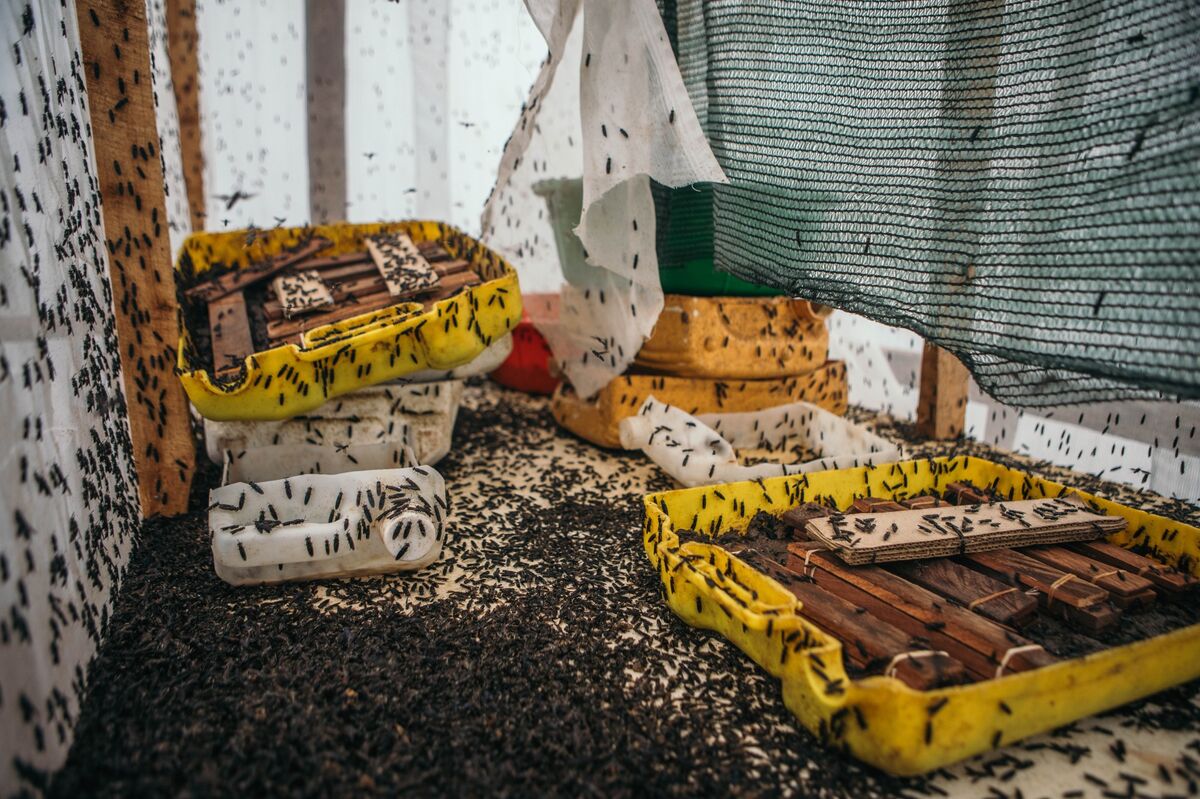
BSF farming presents specific operational challenges that require strategic solutions for successful production. Here’s what you need to know about managing common issues:
Temperature and Humidity Control
- Install proper ventilation systems to maintain temperatures between 27-30°C
- Use automated misting systems to keep humidity levels at 60-70%
- Create insulated rearing units with temperature monitoring devices
- Set up shade nets during hot seasons to prevent overheating
Odor Management
- Implement a daily waste removal schedule
- Mix dry materials like sawdust with wet organic waste
- Install proper drainage systems in rearing units
- Use biofilters made from local materials to reduce odors
- Position farms away from residential areas
Pest Control Solutions
- Install fine mesh screens around breeding areas
- Set up physical barriers to prevent unwanted insect entry
- Maintain cleanliness in storage and processing areas
- Use natural predator deterrents like neem oil
- Regular monitoring for early detection of pest issues, similar to identifying and preventing common avocado seedling diseases
Waste Breakdown Efficiency
- Pre-process organic waste to optimal sizes (2-3cm pieces)
- Balance nitrogen-rich and carbon-rich materials
- Maintain proper moisture content in feeding substrates
- Regular turning of waste materials to ensure even breakdown
- Monitor larval density to prevent overcrowding
These practical solutions help maintain optimal conditions for BSF larvae production while ensuring minimal disruption to surrounding communities. Regular monitoring and quick response to emerging issues prevent production losses and maintain farm efficiency. This approach mirrors the strategies used in pomegranate farming in Kenya, where understanding the science behind grafting can significantly improve crop yield and quality. Additionally, just as with fruit trees, the importance of proper spacing when planting cannot be overstated in any farming venture.
Government Support and Initiatives for Black Soldier Fly Farming in Kenya
The Kenyan government has established dedicated support systems to nurture the growth of BSF farming across the country. Working alongside organizations like FAO, they’ve created comprehensive programs that transform BSF farming into a sustainable business venture.
Key Government Support Programs:
- Technical training workshops for aspiring BSF farmers
- Research funding for improved farming methods
- Licensing guidance and regulatory framework development
- Market linkage facilitation between farmers and feed manufacturers
The FAO plays a crucial role through its Sustainable Feed Development Initiative, providing:
- Hands-on training in BSF rearing techniques
- Business management skills development
- Quality control standards implementation
- Market access strategies
Youth groups receive special attention through targeted programs:
- Start-up capital assistance
- Mentorship opportunities with established BSF farmers
- Access to modern farming equipment
- Marketing support for BSF products
The Kenya Agricultural and Livestock Research Organization (KALRO) contributes by:
- Conducting research on optimal BSF breeding conditions
- Developing best practices for local farming contexts
- Creating standardized guidelines for BSF production
- Offering technical support to farmers
These initiatives have sparked significant growth in Kenya’s BSF farming sector, with hundreds of youth-led enterprises now operating successful BSF farms across different counties. This growth is further supported by specialized training programs, such as those offered in professional avocado farming and the use of advanced techniques like tissue culture in banana seedling production. Moreover, efforts are being made to support women and youth in agribusiness, ensuring inclusivity in this burgeoning sector.
Conclusion
Black Soldier Fly farming is a game-changing opportunity for Kenyan agriculture. This innovative practice not only transforms the production of animal feed but also addresses critical environmental challenges. By combining these two benefits, BSF farming offers a powerful solution for smallholder farmers who are looking for sustainable and cost-effective alternatives to traditional feed options.
The evidence speaks for itself:
- Reduced Feed Costs: BSF larvae provide a high-protein feed source at a fraction of conventional feed prices
- Waste Management: Each farming operation can process up to 75% of organic waste into valuable biomass
- Income Generation: Multiple revenue streams from larvae sales, dried meal production, and organic fertilizer
- Environmental Benefits: Significant reduction in greenhouse gas emissions and landfill usage
Smallholder farmers across Kenya report remarkable results:
“My chickens reach market weight faster with BSF larvae feed, and my production costs have decreased by 40%” – Mary Wangari, Poultry Farmer
The adoption of BSF farming represents a strategic investment in Kenya’s agricultural future. As feed prices continue to rise and environmental concerns grow, BSF farming offers a practical path forward for sustainable livestock production.
However, it is essential to remember that successful farming requires more than just innovative practices. For instance, if you’re venturing into avocado farming, understanding common pitfalls can significantly enhance your yield. Additionally, caring for newly planted avocado seedlings is crucial for their survival and growth.
Moreover, if you’re dealing with young orchards, learning about preventing pest infestations naturally could save you from potential losses. And for those who have questions regarding online purchases of avocado seedlings, we have resources available to assist you.
Your success in BSF farming begins with the right guidance and resources. Our team provides:
- Expert consultation on setup requirements
- Quality breeding stock
- Technical support throughout your farming journey
- Market access connections
Take Action Now
Take the first step toward sustainable feed production today:
📱 Phone: 0711315313
📧 Email: julius.murega@royalseedlings.com
Join the growing community of innovative farmers transforming Kenya’s agricultural landscape through Black Soldier Fly farming. Your journey toward profitable, sustainable farming starts here.
FAQs (Frequently Asked Questions)
What is Black Soldier Fly (BSF) farming and why is it profitable in Kenya?
Black Soldier Fly farming involves rearing BSF larvae to produce high-protein animal feed. In Kenya, it is profitable because it offers a sustainable and cost-effective alternative to conventional feed, reduces feed costs for farmers, and creates diversified income opportunities.
How does the Black Soldier Fly life cycle impact the farming process?
Understanding the BSF life cycle—from eggs to larvae to pupae—is crucial for successful farming. Proper larval rearing units that control site conditions like temperature ensure optimal growth and efficient waste conversion into protein-rich feed.
What are the key benefits of Black Soldier Fly farming in Kenya?
BSF farming provides high-protein animal feed suitable for poultry, pigs, fish, and livestock. It promotes sustainable enterprise by lowering feed costs, managing organic waste effectively, reducing landfill use and greenhouse gas emissions, and supporting circular economy principles.
What challenges do farmers face in BSF farming and how can they be overcome?
Common challenges include odor management, pest control, and regulating temperature and humidity. These can be addressed through practical solutions such as maintaining clean rearing environments, using pest deterrents, and ensuring controlled climate conditions within larval units.
How does the Kenyan government support Black Soldier Fly farming initiatives?
The government collaborates with organizations like FAO to promote BSF farming by offering training programs for youth groups and farmers, facilitating market access, and advocating for sustainable animal feed development to enhance adoption rates.
How can interested farmers or partners get involved in Black Soldier Fly farming in Kenya?
Farmers or partners interested in BSF farming can order seedlings or collaborate by contacting the provided phone number 0711315313 or emailing julius.murega@royalseedlings.com to receive support and guidance on starting their BSF farming ventures.