

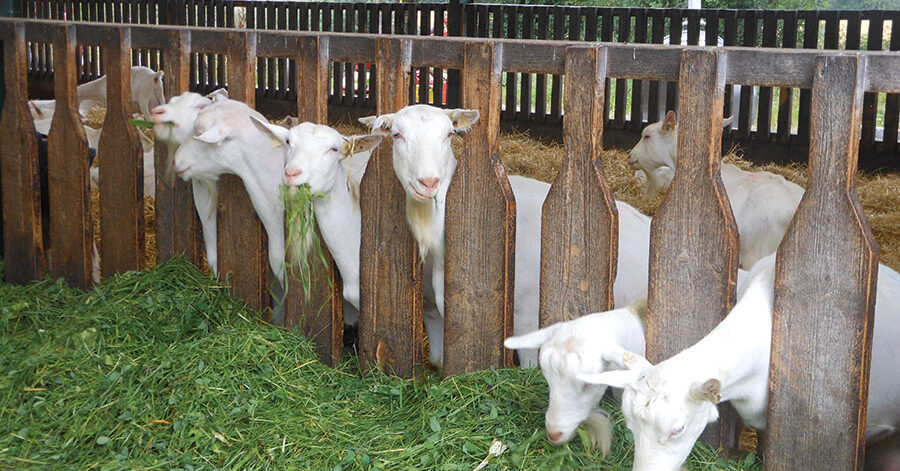
Zero grazing sheep farming has become a game-changer in Kenya’s agriculture, transforming traditional livestock management. Unlike conventional methods where sheep roam freely, this intensive farming system keeps them in well-designed enclosures, providing all necessary feed and care.

The popularity of zero grazing among Kenyan farmers can be attributed to several practical advantages:
- Maximum Land Utilization: You can rear 20-30 sheep on just a quarter acre, compared to 2-3 sheep per acre in traditional grazing
- Enhanced Production Control: Confined spaces allow for better monitoring of animal health and feeding
- Reduced Disease Exposure: Limited movement minimizes contact with external disease vectors
- Year-round Production: Protected environment enables consistent farming regardless of weather conditions
The benefits of zero grazing extend beyond space efficiency:
- Higher productivity rates
- Better feed conversion
- Improved disease management
- Steady income generation
- Sustainable manure collection
Yet, this system presents specific challenges:
- Initial setup costs range from KSh 500,000 to 800,000 for 20 sheep
- Daily intensive management requirements
- Feed supply considerations during dry seasons
- Disease control in confined spaces
Despite these challenges, zero grazing sheep farming represents a viable solution for Kenyan farmers facing land constraints. This approach not only offers a path to profitable livestock production through intensive management practices but also allows for the integration of other agricultural practices such as fruit farming.
For instance, understanding the benefits of grafted fruit seedlings can provide additional sources of income. Furthermore, employing strategies for preventing pest infestations in young orchards naturally can enhance the productivity of such integrated farms.
However, it is crucial to choose the right resources for success. Knowing what makes a good nursery is essential when sourcing fruit seedlings or other agricultural inputs.
Setting Up a Zero Grazing Sheep Farming System
A well-designed zero grazing system starts with proper housing infrastructure. Your sheep need a shed that provides at least 15-20 square feet per adult animal to prevent overcrowding and ensure comfort.
Essential Housing Features:
- Raised slatted floors (minimum 2 feet high)
- Roof height of 8-10 feet
- Multiple entry/exit points
- Separate feeding and resting areas
- Designated quarantine space for sick animals
Ventilation Requirements:
- Cross-ventilation windows at different heights
- Ridge vents in the roof
- Adjustable side curtains for weather control
- Protection from direct wind while maintaining airflow
The fencing system forms your second line of defense against predators and escape attempts. A robust perimeter fence should include:
- Chain-link fencing (minimum 6 feet high)
- Wooden or concrete posts at 8-foot intervals
- Buried fence base (1 foot deep)
- Double-gate system at entry points
Climate control measures protect your flock from extreme weather conditions:
- Insulated roofing materials
- East-west orientation to minimize direct sun exposure
- Adequate drainage systems
- Shade nets for additional cooling
- Windbreakers during cold seasons
Your water system needs multiple access points with:
- Automatic drinkers (1 per 10 sheep)
- Elevated water troughs to prevent contamination
- Storage tanks (minimum 1000L capacity)
- Backup water supply system
In addition to these considerations, if you’re contemplating diversifying into other agricultural ventures, such as growing avocado or apple trees, it’s essential to understand the specific requirements for these crops. For example, caring for newly planted avocado seedlings requires certain conditions to be met.
Furthermore, as you expand your agricultural activities, consider the role of e-commerce in this field. The future of e-commerce in agriculture is promising, with trends that every farmer should be aware of.
Lastly, it’s worth noting that engaging in agribusiness can also have a positive social impact. For instance, understanding how Royal Seedlings supports women and youth in agribusiness could provide valuable insights into sustainable farming practices.
Moreover, adopting a zero grazing system not only benefits livestock management but also aligns with sustainable farming practices, which can contribute to long-term agricultural success.
Feeding Practices in Zero Grazing Systems
A well-balanced feeding program is the foundation of successful zero grazing sheep farming. Your sheep’s diet should consist of 60-70% forage, primarily made up of:
- Napier grass
- Lucerne
- Rhodes grass
- Sweet potato vines
- Maize stovers
Forage Preparation and Feeding
To ensure optimal consumption and digestion, you’ll need to chop these forages into 2-3 inch lengths. Fresh forage should be given to the sheep twice a day, with each adult sheep eating 1.5-2 kg of dry matter.
Importance of Concentrate Supplementation
Concentrate supplementation is crucial for meeting your flock’s nutritional needs. A balanced concentrate mix includes:
- Maize grain (40%)
- Wheat bran (30%)
- Cottonseed cake (20%)
- Soya bean meal (10%)
Feed concentrates at a rate of 0.5-1 kg per sheep daily, adjusting quantities based on the animal’s production stage and body condition.
Strategic Mineral Supplementation
Mineral supplementation requires a strategic approach:
- Provide mineral blocks or loose minerals continuously
- Include salt licks rich in essential minerals
- Supply calcium and phosphorus supplements for pregnant ewes
- Ensure access to clean, fresh water (5-10 liters per sheep daily)
Aligning Feeding Schedule with Sheep Behavior
Your feeding schedule should align with natural sheep behavior – offering feed during cooler hours of the day. Maintain consistent feeding times and monitor feed intake to adjust portions as needed.
Enhancing Farming Outcomes through Sustainable Practices
In addition to these feeding practices, integrating sustainable agricultural methods can significantly improve your farming results.
Understanding Soil Requirements for Crop Diversification
For example, understanding the soil requirements for different fruit trees in Kenya could help diversify your farm’s produce and increase income. This understanding of soil requirements is essential for any farmer looking to optimize their yield.
The Economic Impact of Quality Seedlings on Smallholder Incomes
Moreover, quality seedling production plays a crucial role in achieving successful crop yields. The economic impact of quality seedlings on smallholder incomes is significant, making it vital to invest in quality seedling production.
Improving Crop Yield and Quality through Advanced Techniques
The use of advanced techniques like tissue culture can also transform your farming practices by enhancing the quality and yield of crops such as bananas.
Additionally, understanding the science behind grafting can provide insights into how to improve both crop yield and quality.
Sourcing Quality Seedlings for Avocado Farming Expansion
Lastly, regions like Muranga are known for their high-quality Hass avocado seedling production due to their optimal growing conditions. This makes it a prime area for sourcing quality seedlings if you’re considering expanding into avocado farming.
Breeding and Management Strategies for Success
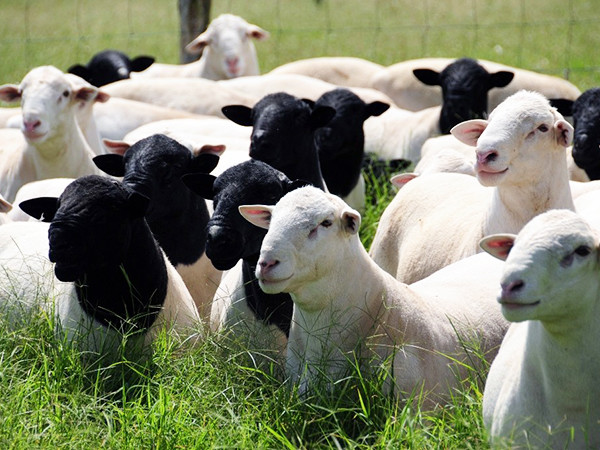
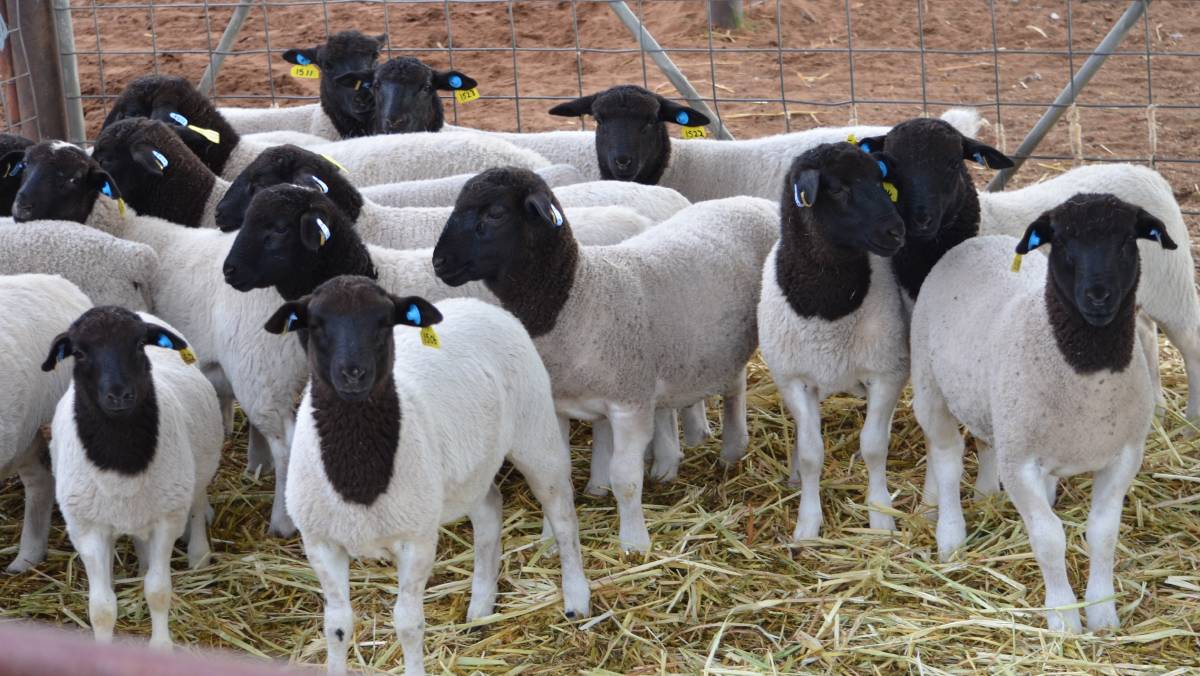
Selecting the right sheep breeds for zero grazing systems in Kenya plays a crucial role in farm success. Two breeds stand out for their exceptional performance:
1. Dorper Sheep
- Fast growth rate – reaches market weight in 4-6 months
- High fertility – produces twins frequently
- Excellent meat quality with good muscle distribution
- Adaptable to confined spaces
- Strong disease resistance
2. Red Maasai
- Natural heat tolerance suited for Kenya’s climate
- Superior parasite resistance
- Good mothering abilities
- Hardy constitution
- Ideal for crossbreeding programs
Your breeding management strategy should focus on these key practices:
1. Ram Selection Criteria
- Select rams with strong physical traits
- Check for structural soundness
- Verify health records
- Consider genetic diversity
2. Ewe Management
- Monitor body condition scores
- Record breeding dates
- Track lambing performance
- Maintain detailed genealogy records
3. Crossbreeding Program
- Implement systematic rotation breeding
- Use breed complementarity
- Keep detailed mating records
- Avoid inbreeding through proper record-keeping
Creating a robust identification system helps track individual animals’ performance. Each sheep should have ear tags with unique numbers linked to their health, breeding, and production records. This data becomes invaluable for making informed breeding decisions and maintaining genetic diversity within your flock.
In addition to sheep farming, diversifying into fruit farming can also be beneficial. For instance, following a seasonal planting calendar can optimize the yield of fruit seedlings. If you’re considering starting an avocado orchard, it’s important to follow a step-by-step guide to ensure success. Moreover, pomegranate farming presents its own set of opportunities and challenges that need to be understood before venturing into it.
Lastly, when planting fruit trees, one must recognize the importance of proper spacing to ensure healthy growth and maximize yield.

Health Management Practices to Ensure a Thriving Flock
Disease prevention is crucial in zero grazing sheep systems. The confined environment presents specific health challenges that require careful monitoring and proactive management.
Common Diseases and Prevention Strategies:
Pneumonia
- Maintain proper ventilation in housing units
- Clean bedding regularly
- Monitor temperature fluctuations
- Isolate affected animals immediately
Foot Rot
- Keep floor surfaces dry
- Implement regular hoof trimming
- Use foot baths with zinc sulfate
- Treat affected animals promptly
Internal Parasites
- Regular deworming every 3-4 months
- Rotate deworming medications
- Monitor fecal samples
- Clean feeding areas daily
Additionally, it’s important to be aware of potential diseases that can affect other livestock or crops on the farm, such as avocado seedlings. For instance, common avocado seedling diseases can also pose a risk if not managed properly.
Essential Vaccination Schedule:
PPR (Peste des Petits Ruminants)
- Vaccinate every 6 months
- Critical for lambs at 3-4 months age
Sheep Pox
- Annual vaccination
- Booster shots for breeding stock
Clostridial Diseases
- Vaccinate every 4-6 months
- Essential for pregnant ewes
Regular health checks by a qualified veterinarian help identify potential issues before they become severe. Maintaining detailed health records for each animal enables tracking of vaccination schedules and treatment responses. Creating an isolation area for sick animals prevents disease spread within the flock.

Sustainable Manure Management Techniques for Zero Grazing Farms
Zero grazing sheep farms generate significant amounts of manure, creating valuable opportunities for sustainable resource utilization. Here’s how you can transform this byproduct into profitable ventures:
1. Direct Fertilizer Application
- Fresh sheep manure contains high nitrogen levels
- Apply directly to crops after proper aging (2-3 months)
- Mix with soil at a ratio of 1:3 (manure:soil)
- Ideal for vegetables, fruits, and fodder crops
2. Composting Methods
- Create compost piles in layers with manure and plant materials
- Maintain moisture levels at 50-60%
- Turn piles every 2-3 weeks
- Ready-to-use compost available in 3-4 months
- Sell excess compost to local farmers
3. Biogas Production
- Install biogas digesters to convert manure into energy
- A 20-sheep unit produces enough gas for:
- 3-4 hours of cooking daily
- Basic lighting needs
- Organic fertilizer as a byproduct
- Potential monthly savings: KSh 2,000-3,000 on energy costs
4. Value-Added Products For
- Package processed manure for sale to urban gardeners
- Create specialized compost blends for different crops such as mango varieties that require specific nutrient profiles
- Develop partnerships with local greenhouse operators
- Supply organic farming projects with certified manure products
These management techniques reduce environmental impact while creating additional revenue streams for your sheep farming operation.
Advantages and Challenges of Zero Grazing Sheep Farming in Kenya
Zero grazing sheep farming presents distinct advantages for Kenyan farmers:
Key Benefits:
- Maximized land utilization – farmers can rear 20-30 sheep on a quarter acre
- Enhanced disease control through confined environments
- Year-round production capabilities
- Improved feed conversion efficiency
- Protection from predators and theft
- Consistent income generation
- Simplified flock monitoring and management
- Higher quality wool production in controlled conditions
However, there are also notable challenges that farmers may face:
Notable Challenges:
Initial Setup Hurdles:
- High startup costs (KSh 500k-800k for 20 sheep)
- Infrastructure requirements for proper housing
- Technical knowledge acquisition needs
While these challenges may seem daunting, they can be mitigated through proper training and knowledge acquisition. For instance, farmers could benefit from professional training sessions that cover various aspects of farming, such as avocado farming, which is becoming increasingly popular in Kenya.
Operational Difficulties:
- Daily labor-intensive routines
- Feed cost fluctuations
- Regular veterinary care expenses
- Market price variations
- Limited mobility for animals
- Heat stress management requirements
- Waste handling demands
These operational difficulties require meticulous planning and management. Farmers should also be aware of the common mistakes to avoid in avocado farming to ensure a bountiful harvest.
Resource Management:
- Continuous water supply maintenance
- Feed storage facilities
- Energy costs for lighting and ventilation
- Skilled labor availability
In terms of resource management, preparation is key. For example, seeking expert advice on land preparation before receiving seedlings can significantly enhance the success rate of any farming venture.
Moreover, understanding the market dynamics can greatly influence profitability. With the right strategies, farmers can tap into lucrative export markets for Hass avocados, thereby diversifying their income sources.
The success of zero grazing systems depends on careful planning and management of these advantages and challenges. Farmers who understand and prepare for these aspects can develop profitable operations despite the initial hurdles.
Government Support Programs and Best Practices for Successful Zero Grazing Sheep Farming
The Kenyan government offers several support initiatives to help farmers succeed in zero grazing sheep farming:
Available Government Programs:
- Agricultural Finance Corporation (AFC) provides loans with flexible repayment terms
- Kenya Climate Smart Agriculture Project (KCSAP) offers grants for sustainable farming practices
- National Agricultural and Rural Inclusive Growth Project (NARIGP) supports market access initiatives
- County-specific subsidies for farm inputs and equipment
Extension Services:
- Free technical training through agricultural extension officers
- Regular farm visits for guidance and problem-solving
- Access to veterinary services at subsidized rates
- Workshops on modern farming techniques
Best Practices from Successful Farms:
Infrastructure Setup
- Build raised slatted floors with proper drainage systems
- Install automated feeding and watering systems
- Create separate areas for different sheep categories (lambs, pregnant ewes)
- Design efficient waste collection channels
Income Diversification Strategies
- Process wool into value-added products
- Package and brand meat products
- Sell organic manure to other farmers
- Create breeding programs to sell quality stock
Record Keeping
- Track daily feed consumption
- Monitor health records
- Document breeding cycles
- Maintain financial statements
NGOs like Farm Africa and Heifer International complement government efforts by providing additional training, resources, and market linkages to zero grazing sheep farmers.
Moreover, adopting best practices not only in sheep farming but also in areas like avocado farming can significantly enhance productivity and income.
Conclusion
Zero grazing sheep farming is a game-changing agricultural practice in Kenya. Its success depends on implementing strong management practices in every area of operations – from housing design to health protocols.
To start your journey into zero grazing sheep farming, you need:
- Commitment to maintaining proper housing and feeding systems
- Strict adherence to health management protocols
- Smart breed selection and breeding practices
- Effective manure management strategies
- Strong market connections and diversified income sources
The profitability potential of zero grazing systems becomes clear when farmers adopt these comprehensive management approaches. A well-managed zero grazing farm can generate significant profits through various income streams – meat production, wool harvesting, manure sales, and value-added products.
The future of Kenyan agriculture lies in intensive farming systems like zero grazing. By combining traditional farming knowledge with modern practices and government support, you can create a sustainable and profitable sheep farming business, even with limited land resources.
Ready to start your zero grazing sheep farming venture?
Contact Royal Seedlings:
- 📱 Phone: +254 711315313
- 📧 Email: Julius.murega@royalseedlings.com
- 🌐 Website: www.royalseedlings.com
FAQs (Frequently Asked Questions)
What is zero grazing sheep farming in Kenya and why is it popular among farmers?
Zero grazing sheep farming in Kenya is a system where sheep are kept in confined housing with controlled feeding, rather than grazing freely on pasture. It is popular among farmers because it allows efficient land use, better disease control, and improved management of the flock.
How should I set up housing and fencing for a zero grazing sheep farm?
Setting up a zero grazing sheep farm requires well-ventilated and spacious sheds to ensure animal comfort and health. Proper fencing materials and techniques must be used to secure the animals from predators and prevent escape, while climate control within housing structures helps maintain optimal living conditions for the sheep.
What are the key feeding practices in zero grazing systems for sheep?
Feeding practices in zero grazing systems include effective forage management to provide quality roughage, supplementing with concentrates to support growth and production, and continuous mineral supplementation to prevent nutritional deficiencies in the flock.
Which sheep breeds are recommended for zero grazing systems in Kenya?
Common sheep breeds suitable for zero grazing systems in Kenya include those with traits such as adaptability to confined environments, good growth rates, and high reproductive performance. Selecting breeds that thrive under intensive management enhances productivity.
What health management practices should be implemented in zero grazing sheep farming?
Health management should focus on disease prevention measures including biosecurity protocols, regular vaccination schedules against major infectious diseases, and prompt treatment of any illnesses to ensure a thriving flock.
How can manure be managed sustainably on a zero grazing sheep farm?
Sheep manure can be utilized sustainably through composting or direct application as fertilizer to improve soil fertility. Additionally, manure can be used for biogas production, offering an alternative income stream and contributing to energy sustainability on the farm.