

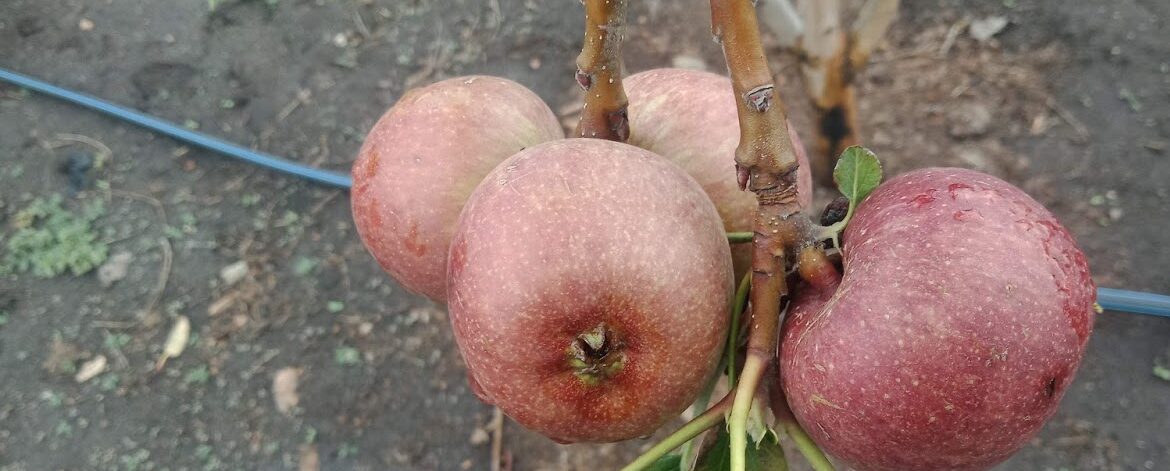
Apple farming in Kenya has transformed from a challenging endeavor into a promising agricultural venture. Recent technological advancements and shifting climate patterns have created favorable conditions for apple cultivation across various regions in the country.

The success stories of Kenyan apple farmers demonstrate the crop’s potential. You’ll discover how local innovations, such as the development of the Wambugu apple variety, have revolutionized apple farming by providing climate-adapted, pest-resistant options for farmers.
This comprehensive guide will equip you with essential knowledge about:
- Selecting ideal locations and climate conditions for your apple orchard
- Choosing the right apple varieties for Kenyan conditions
- Preparing your land and soil for optimal growth
- Implementing effective planting techniques
- Managing your orchard through proper maintenance
- Understanding growth timelines and harvesting methods
Whether you’re a seasoned farmer looking to diversify or a newcomer to agriculture, apple farming presents a viable opportunity. With Kenya’s growing demand for fresh apples and reduced reliance on imports, the market potential remains strong.
The key to success lies in understanding the specific requirements of apple cultivation in Kenya’s unique environment. By following proven practices and leveraging available support systems, you can establish a thriving apple farming business that contributes to both local food security and economic growth.
However, if you’re also considering diversifying into other profitable fruit farming ventures like avocado farming, there are valuable resources available. For instance, you can explore what to expect from a professional avocado farming training session, or follow this step-by-step guide to starting an avocado orchard in Kenya which could provide additional insights.
Moreover, if you have questions regarding avocado seedling purchases online, or need essential tips for caring for newly planted avocado seedlings, these resources are designed to assist you.
Climate and Geographical Conditions for Apple Farming in Kenya
Successful apple farming in Kenya requires specific climatic conditions that mirror temperate regions where apples traditionally thrive. The ideal altitude for apple cultivation ranges from 1500 to 2700 meters above sea level, creating the cool temperatures these fruits need to develop properly.
Temperature Requirements
The optimal temperature range sits between 21-24°C, allowing apple trees to undergo their natural dormancy period and produce high-quality fruits. These temperature conditions are found in several high-altitude regions across Kenya:
- Central Highlands (Nyeri, Kiambu)
- Upper Rift Valley (Timau, Nyandarua)
- Western Kenya highlands
Rainfall Needs
Rainfall plays a crucial role in apple tree development. The recommended annual rainfall should measure between 1000-1250mm, distributed throughout the growing season. This amount ensures:
- Proper root establishment
- Healthy leaf development
- Consistent fruit growth
- Prevention of water stress
Creating Microclimates
The combination of these geographical and climatic factors creates microclimates that closely resemble traditional apple-growing regions. Kenya’s highland areas benefit from:
- Cool nights and warm days
- Protection from strong winds
- Natural frost periods
- Adequate sun exposure
These unique climate conditions, paired with proper farming techniques, enable Kenyan farmers to grow apples successfully in regions once considered unsuitable for temperate fruits. For instance, areas like Murang’a, known as the heart of quality Hass avocado seedling production in Kenya, are also suitable for apple farming under the right conditions.
Promising Future for Agriculture in Kenya
Moreover, the future of agriculture in Kenya is looking promising with trends such as the rise of e-commerce in agriculture opening up new avenues for farmers. This shift could potentially benefit not only apple farmers but also those engaged in other agricultural ventures such as pomegranate and Pixie orange farming, thus diversifying their income sources.
Empowering Women and Youth in Agribusiness
Additionally, it’s important to recognize the role of women and youth in agribusiness. Initiatives like those by Royal Seedlings, which support women and youth in this sector, are vital for sustainable development and growth in the agricultural landscape of Kenya.

Popular Apple Varieties Grown in Kenya
Kenya’s apple farming landscape features several successful varieties adapted to local growing conditions. Here are the key apple varieties thriving in Kenyan orchards:
International Varieties
- Winter Banana: Known for its distinctive banana-like flavor and pale yellow skin
- Anna: A low-chill variety producing red-streaked fruits with sweet-tart flesh
- Top Red: Delivers bright red apples with firm, crisp texture
- Braeburn: Produces red-striped fruits with spicy-sweet flavor
- Fuji: Sweet, crisp apples with excellent storage life
- Golden Dorsett: Yellow-skinned variety with mild, sweet taste
- Cripps Pink (Pink Lady): Distinguished by its pink blush and tart flavor
The Wambugu Apple Revolution
The Wambugu apple, developed by Kenyan farmer Peter Wambugu, represents a breakthrough in local apple cultivation. This variety stands out for its:
- Natural resistance to common pests and diseases, making it easier to prevent pest infestations in young orchards naturally
- Adaptability to diverse Kenyan soil conditions
- Lower maintenance requirements
- Early maturity (3-4 years)
- High yield potential
- Strong performance in varying altitudes
The success of the Wambugu apple has not only inspired many Kenyan farmers to venture into apple farming but also demonstrated that locally developed varieties can outperform traditional imports in the Kenyan climate. This is particularly relevant when considering the economic impact of quality seedlings on smallholder incomes, which underscores the importance of choosing between local and imported apple varieties for Kenyan climates.
Soil Requirements and Site Preparation for Apple Orchards
The success of apple orchards largely depends on the quality of soil and proper site preparation. Here are the key factors to consider:
1. Soil Type
Apple trees thrive in well-drained soils with good fertility. The ideal soil types for apple orchards include:
- Sandy loam
- Loamy soil
- Clay loam (with proper drainage)
Avoid heavy clay soils that retain water, as they can lead to root rot and other diseases.
2. Soil pH
The pH level of the soil is crucial for nutrient availability to apple trees. Aim for a soil pH between 6.0 and 7.0, which is slightly acidic to neutral. Conduct a soil test to determine the pH level and make necessary amendments using lime or sulfur.
3. Nutrient Content
Apple trees require essential nutrients like nitrogen, phosphorus, potassium, and magnesium for healthy growth and fruit production. Before planting, conduct a soil test to assess nutrient levels and apply organic matter or fertilizers accordingly.
4. Drainage
Proper drainage is vital for apple orchards to prevent waterlogging and root diseases. If your site has poor drainage, consider implementing drainage systems or choosing raised beds for planting.
5. Sunlight Exposure
Apple trees need full sunlight for at least 6-8 hours a day to produce high-quality fruits. Select a site that receives ample sunlight throughout the day and avoid areas with excessive shade from buildings or trees.
6. Wind Protection
Strong winds can damage apple blossoms and fruits, affecting yield and quality. If your orchard is exposed to strong winds, consider planting windbreaks such as tall hedges or rows of trees to provide protection.
7. Site Preparation
Before planting apple trees, proper site preparation is essential:
- Clear the land of any weeds, rocks, or debris.
- Plow or till the soil to loosen it up and improve aeration.
- Incorporate organic matter such as compost or well-rotted manure into the soil.
- Create furrows or mounds based on your planting method (e.g., row planting or hill planting).
- Ensure proper spacing between trees according to their variety and growth habit.
By understanding these soil requirements and implementing effective site preparation techniques, you can create optimal conditions for your apple orchard’s success.
Planting Techniques and Seedling Acquisition Strategies
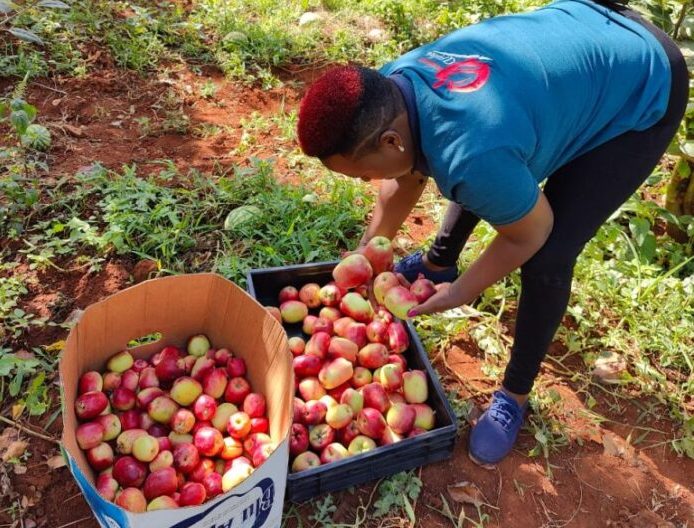
Sourcing high-quality, disease-free apple seedlings is crucial for establishing a successful orchard in Kenya. Here’s what you need to know about acquiring and planting your apple trees:
Reliable Seedling Sources:
- Kenya Agricultural and Livestock Research Organization (KALRO) centers
- Certified private nurseries in Nyeri, Kiambu, and Nyandarua counties
- University agricultural research stations
In addition to these sources, tissue culture has become a reliable method for producing high-quality seedlings, including apples.
Quality Indicators for Seedlings:
- Height: 45-60cm
- Stem diameter: 1-1.5cm
- Healthy green leaves without spots
- Well-developed root system
- Disease-free certification
The planting process requires careful attention to spacing and technique. Position your trees 3-5 meters apart in rows, with 4-6 meters between rows. This spacing allows:
- Sufficient sunlight penetration
- Good air circulation
- Easy access for maintenance
- Room for root development
Planting Method:
- Dig holes 60cm x 60cm x 60cm
- Mix topsoil with well-rotted manure (2:1 ratio)
- Create a small mound at the hole’s bottom
- Place seedling at the same depth it grew in the nursery
- Fill hole with soil mixture, pressing firmly
- Water immediately after planting
For optimal root development, incorporate mycorrhizal fungi into the planting hole. This beneficial fungus enhances nutrient uptake and strengthens the root system.
It’s also worth noting that understanding the benefits of grafted fruit seedlings can greatly improve your orchard’s yield. Moreover, if you’re considering diversifying into other fruits, be aware of common avocado farming mistakes to ensure a bountiful harvest.
Finally, remember to follow a seasonal planting calendar for fruit seedlings in Central Kenya to maximize growth potential and yield.
If you’re an aspiring commercial fruit grower, there are also training opportunities available in Muranga County that can equip you with valuable skills and knowledge for successful farming.
Orchard Maintenance Practices for Healthy Apple Trees
Maintaining healthy apple trees requires consistent care and attention to detail. Your orchard’s success depends on implementing proper maintenance practices throughout the growing season.
Fertilization Requirements
Apple trees need specific nutrients at different growth stages. Apply balanced fertilizers in early spring when buds begin to show and late season after harvest:
- NPK Ratio: Use a 10-10-10 fertilizer for young trees
- Organic Options: Well-rotted manure or compost tea
- Micronutrients: Add zinc and boron supplements during flowering
- Application Rate: 0.5kg per tree annually, split into two applications
Pruning Techniques for Optimal Tree Structure
Proper pruning shapes your trees for maximum fruit production and easy harvesting. The best time to prune is during the dormant season (June-August in Kenya):
Essential Pruning Steps:
- Remove dead, diseased, or crossing branches
- Create an open center to allow light penetration
- Maintain a central leader with 3-4 main scaffold branches
- Cut back vigorous upright shoots by 1/3
Pruning Tools Required:
- Clean, sharp pruning shears
- Long-handled loppers
- Pruning saw for larger branches
- Disinfectant solution for tools
Soil Management
Maintain soil health through regular practices:
- Add mulch around trees (10cm thick)
- Keep grass and weeds 1m away from trunk
- Test soil pH annually
- Apply lime if pH drops below 5.5
Your orchard’s health directly impacts fruit quality and yield. Regular monitoring helps identify potential issues before they affect tree productivity. Document your maintenance activities to establish effective patterns for your specific growing conditions.
In addition to these practices, smallholder farmers might also consider exploring best practices when buying avocado seedlings online, as these could provide valuable insights into maintaining a successful orchard with diverse fruit varieties.
Managing Pests and Diseases Effectively in Apple Orchards
Apple orchards in Kenya face several common threats that require vigilant monitoring and management. The primary diseases affecting local apple trees include:
- Apple Scab: Dark, scaly spots on fruits and leaves
- Fire Blight: Bacterial infection causing withered branches
- Powdery Mildew: White, powdery coating on leaves and fruits
Implementing an integrated pest management (IPM) strategy combines multiple control methods:
1. Cultural Controls
- Remove fallen leaves and infected branches
- Maintain proper tree spacing for air circulation
- Practice regular sanitation of tools
2. Resistant Varieties
- Plant Wambugu apples for enhanced disease resistance
- Select varieties adapted to local conditions
3. Chemical Controls
- Apply copper-based sprays during dormant season
- Use approved fungicides when disease pressure is high
- Time applications based on weather conditions
Regular monitoring helps detect issues early. Scout your orchard weekly during growing season, checking leaves, branches, and developing fruits for signs of pest activity or disease symptoms. Record keeping of pest occurrences and treatment effectiveness helps refine your management strategy.
In addition to the aforementioned diseases, apple orchards can also be susceptible to common avocado seedling diseases, which may pose a threat if avocados are grown alongside apples. Therefore, it’s crucial to understand the symptoms and preventive measures for such diseases as well.
Ensuring Adequate Water Supply without Overwatering Your Trees
Water management plays a critical role in successful apple farming. Your trees need consistent moisture throughout the growing season, but excessive water can lead to devastating root rot issues.
Optimal Watering Practices:
- Water deeply but infrequently to encourage deep root growth
- Apply water directly to the root zone
- Maintain soil moisture at 50-75% field capacity
- Reduce watering during the dormant season
Benefits of Drip Irrigation:
- Precise water delivery to individual trees
- Minimizes water waste through evaporation
- Reduces weed growth between trees
- Allows for fertigation (fertilizer application through irrigation)
- Prevents leaf wetness that can promote fungal diseases
A soil moisture meter helps you monitor water levels accurately. Young apple trees require 20-30 liters of water weekly, while mature trees need 40-50 liters during the growing season. Installing a drip irrigation system with pressure-compensating emitters ensures each tree receives its required water amount, promoting healthy growth and optimal fruit production.
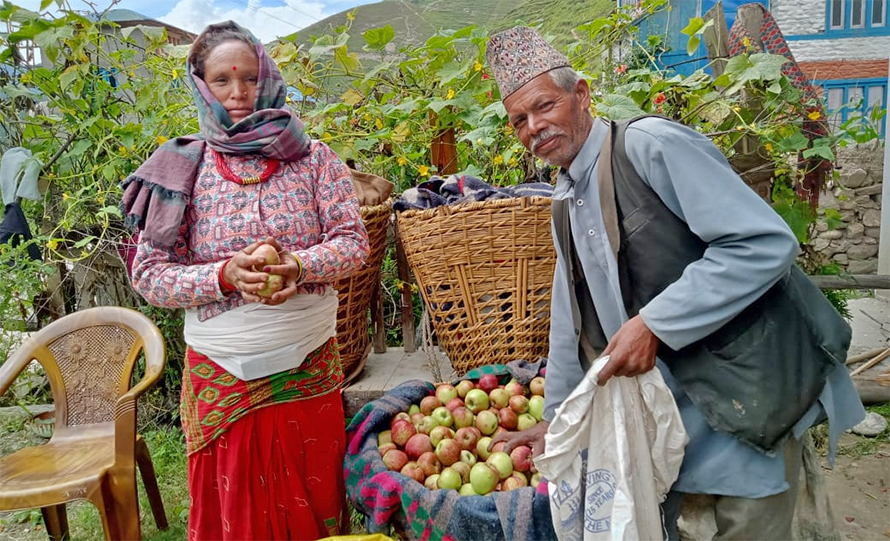
Understanding the Growth Timeline and Harvesting Guidelines for Apples in Kenya
Apple trees in Kenya require patience – you’ll wait 5-8 years before seeing your first harvest. During this growth period, proper care and maintenance set the foundation for healthy fruit production.
However, if you’re considering diversifying your orchard, you might want to explore other fruit varieties, such as mangoes. Choosing the right mango variety for your Kenyan farm can also be a profitable venture.
Key Growth Milestones:
- Years 1-2: Root system establishment
- Years 3-4: Branch structure development
- Years 5-8: First fruit production begins
- Years 8+: Full production capacity
Harvest Readiness Indicators:
- Fruit has reached full size for its variety
- Skin color has developed completely
- Seeds have turned dark brown
- Fruit separates easily from the branch with a gentle twist
The ideal harvesting season in Kenya runs from late August through October, varying by apple variety and location. Pink Lady apples mature later than Anna or Winter Banana varieties.
Proper Harvesting Techniques:
- Pick during dry weather to prevent disease spread
- Hold the apple gently and twist upward
- Use clean, padded collection baskets
- Handle fruit carefully to avoid bruising
- Leave the stem attached to maintain freshness
Your harvested apples need immediate sorting – separate damaged fruits from healthy ones. Store healthy apples in cool, dry conditions between 3-7°C for optimal shelf life. Commercial farmers can expect yields of 20-40 kg per tree annually under good management practices.
Ready to start your apple farming venture?
Contact Royal Seedlings:
- 📱 Phone: +254 711315313
- 📧 Email: Julius.murega@royalseedlings.com
- 🌐 Website: www.royalseedlings.com
FAQs (Frequently Asked Questions)
What are the ideal climate and geographical conditions for apple farming in Kenya?
Apple farming in Kenya thrives best at altitudes between 1500-2700 meters with temperature ranges of 21-24°C. Rainfall should ideally be between 1000-1250mm to ensure healthy tree development. Key growing regions that meet these conditions include the Central Highlands, Upper Rift Valley, and Western Kenya highlands.
Which apple varieties are most suitable for cultivation in Kenya?
Popular apple varieties grown in Kenya include Winter Banana, Anna, Top Red, Braeburn, Fuji, Golden Dorsett, and Cripps Pink (Pink Lady). Additionally, the locally developed Wambugu apple is favored for its climate adaptability and pest resistance, making it an excellent choice for Kenyan farmers.
What soil requirements and site preparations are necessary for successful apple orchards in Kenya?
Apple trees require well-drained loamy soil with a pH range of 5.5-7.0 for optimal root growth. Preparing the planting site involves loosening the soil and incorporating organic matter. Selecting sites with ample sunlight and good air circulation is essential to promote healthy tree development.
How should I plant apple trees and acquire quality seedlings in Kenya?
To establish a successful orchard, source high-quality disease-free seedlings from reputable nurseries. Proper tree spacing of 3-5 meters ensures adequate airflow between trees, reducing disease risks. Employ suitable planting methods that encourage healthy root development for robust growth.
What orchard maintenance practices are recommended for healthy apple trees in Kenya?
Effective orchard management includes pruning during dormancy to shape trees and remove diseased branches, balanced fertilization in early spring and late season using appropriate fruit tree fertilizers, managing pests like apple scab and powdery mildew through integrated pest management strategies, and ensuring consistent moisture levels via drip irrigation to avoid waterlogging.
When do apple trees mature in Kenya and how should harvesting be conducted?
Apple trees typically take 5–8 years to mature before fruiting begins. Harvest readiness is indicated by firmness levels and full color development of the fruit. The best harvesting seasons are late summer to early fall depending on variety characteristics. Hand-picking techniques are recommended to minimize damage during collection.