

Aloe vera is one of nature’s most versatile succulent plants, known for its healing properties and economic value. This resilient plant thrives in Kenya’s diverse environment, especially in the country’s dry and semi-dry areas. Yes. And aloe vera farming is the new money maker in the country.
The Perfect Climate for Aloe Farming
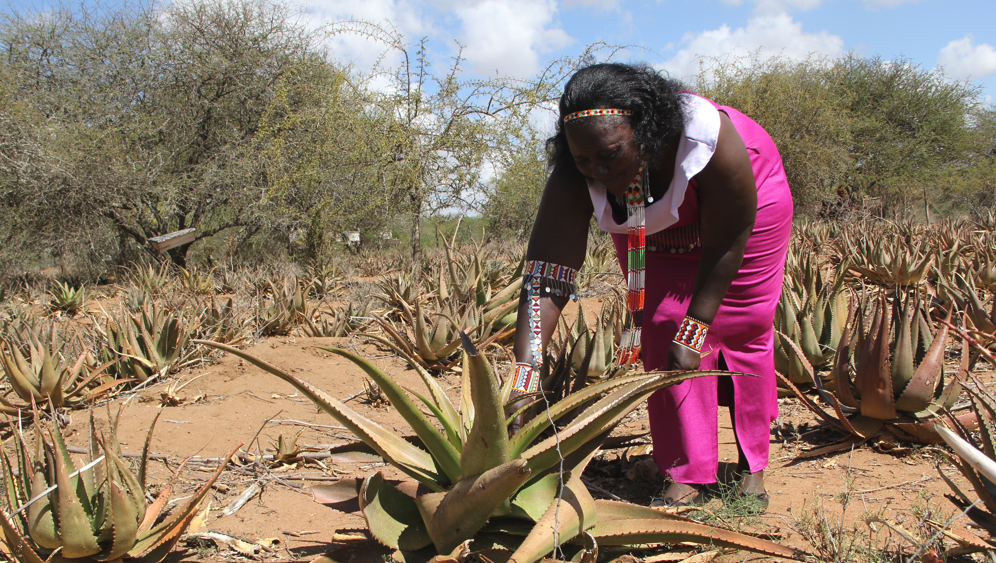
Kenya’s weather conditions are ideal for growing aloe, with large areas of suitable land in counties like Baringo, Kajiado, Kitui, Makueni, Taita Taveta, and Turkana. The plant’s incredible ability to thrive in tough conditions has caught the attention of more and more Kenyan farmers.
Growing Demand for Aloe Products
Both local and international markets are showing a rising demand for aloe products, ranging from beauty items to health supplements. This economic potential of aloe farming has turned it from a traditional medicinal plant into a profitable crop.
Opportunities for Kenyan Farmers
Kenyan farmers are now accessing both domestic and export markets, generating sustainable income through various products made from aloe. This agricultural initiative aligns with Kenya’s efforts to cultivate crops that can withstand drought, providing farmers with a resilient choice in the face of shifting climate patterns. Additionally, programs like supporting women and youth in agribusiness are further empowering local communities.
Exploring Other Agricultural Ventures
Besides aloe farming, there is also a growing interest in other agricultural ventures such as Pixie orange farming, which offers another viable opportunity for farmers. As we explore these options, it’s important to remember the significance of proper spacing when planting fruit trees, as this can greatly affect yield and productivity.
Understanding the Economic Impact
As we dive deeper into the world of agriculture in Kenya, grasping the economic impact of quality seedlings on smallholder incomes will be vital for making the most of these opportunities.
Understanding Aloe Vera and Its Varieties in Kenya
Kenya’s diverse climate supports several aloe varieties, each with unique characteristics and applications. The most prominent species include:
- Aloe barbadensis Miller: Known as true aloe, this variety yields the highest gel content. Its thick, fleshy leaves produce clear gel ideal for cosmetics and health supplements.
- Aloe saponaria: The zebra aloe features distinctive white spots and produces gel rich in saponins, making it valuable for natural soaps and cleansers.
- Aloe arborescens: This tree-like variety grows up to 3 meters tall. Its bitter sap contains high concentrations of healing compounds used in traditional medicine.
- Aloe ferox: The cape aloe yields potent bitter extracts used in digestive aids and immune boosters.
These varieties offer distinct medicinal and cosmetic benefits:
- Anti-inflammatory properties
- Skin healing capabilities
- Digestive health support
- Immune system enhancement
- Natural moisturizing effects
Selecting the right variety depends on your intended use. Aloe barbadensis Miller suits commercial gel production, while Aloe ferox excels in medicinal applications. Local farmers often cultivate multiple varieties to diversify their product offerings and maximize market opportunities.
In addition to aloe cultivation, understanding the benefits of grafted fruit seedlings can also enhance farmers’ productivity. Furthermore, the role of tissue culture in banana seedling production is another area that could be explored for better yield.
When considering the overall farming strategy, it’s essential to know what makes a good nursery for successful seedling production. Lastly, for those interested in diversifying their fruit crop selection, understanding how to choose between local and imported apple varieties for Kenyan climates can provide valuable insights.

Ideal Climate and Soil Conditions for Aloe Vera Farming
Aloe vera thrives in Kenya’s warm climate, requiring specific environmental conditions for optimal growth. The plant performs best in temperatures between 20-30°C, paired with moderate humidity levels that mirror its natural habitat.
Rainfall Requirements:
- Annual rainfall: 500-1000mm
- Drought-tolerant once established, making it one of the 7 drought-resistant plants for low-water gardening
- Excess rainfall can lead to root rot
Soil Specifications:
- Light sandy to loamy texture
- pH range: 6.0-7.5
- Well-draining soil structure
- Avoid clay-heavy soils
For a deeper understanding of the soil requirements for different fruit trees in Kenya, it’s important to note that while aloe vera has specific soil needs, the principles of soil management can be similar across various types of farming.
Irrigation Best Practices:
- Install drip irrigation systems
- Water deeply but infrequently
- Allow soil to dry between watering
- Reduce watering during rainy seasons
The success of aloe farming in Kenya depends heavily on proper water management. Drip irrigation proves most effective, delivering water directly to the root zone while preventing leaf wetness. This method conserves water and reduces the risk of fungal diseases common in conventional irrigation systems. For instance, implementing some gardening tips for conserving water could further enhance water management practices.
Sandy or loamy soils in areas like Baringo and Kajiado counties provide ideal growing conditions, allowing excess water to drain freely while retaining essential nutrients for healthy plant development.
Starting an Aloe Vera Farm in Kenya
Selecting the right location sets the foundation for a successful aloe vera farm in Kenya. Your chosen site needs reliable water access through natural sources or established infrastructure. The land should connect to good transport networks, enabling smooth distribution of harvested products to markets.
Essential Location Criteria:
- Proximity to water sources
- Access to main roads
- Security of land tenure
- Gentle slope for natural drainage
- Protection from strong winds
Land Preparation Steps:
- Clear existing vegetation
- Remove rocks and debris
- Deep plowing to break soil clumps
- Create raised beds for better drainage
Source healthy planting materials from certified nurseries in Kenya. Look for disease-free suckers with well-developed root systems. The ideal planting season falls during the dry months to prevent root rot, which is recommended according to this seasonal planting calendar for fruit seedlings in central Kenya.
Planting Guidelines:
- Space plants 12-18 inches apart
- Plant suckers 4-6 inches deep
- Align rows east to west for optimal sunlight
- Create pathways between rows for easy maintenance
- Water immediately after planting
While this guide focuses on aloe vera farming, it’s worth noting that similar principles apply when starting other types of farms in Kenya, such as an avocado orchard or choosing the right mango variety for your farm. For instance, you can follow this step-by-step guide to starting an avocado orchard or learn about how to choose the right mango variety. Additionally, if you’re considering buying avocado seedlings online, these best practices for smallholder farmers could be very helpful.

Cultivation Practices for Healthy Growth
Successful aloe vera farming requires consistent care and maintenance practices. Apply organic compost or well-rotted manure every 3-4 months to enrich soil nutrients. A balanced NPK ratio of 6-1-3 works best for aloe plants.
Pest Management
- Spray neem oil solution to control aphids
- Remove infected leaves showing fungal spots
- Maintain proper spacing between plants for air circulation
- Use copper-based fungicides for severe infections
Weed Control Strategies
- Apply organic mulch 2-3 inches thick around plants
- Practice regular hand weeding
- Keep 6-inch clear zone around each plant
- Use black plastic mulch in commercial operations
Pruning Guidelines
- Remove dead or yellowing leaves at the base
- Cut damaged leaves at 45-degree angles
- Trim flower stalks to redirect energy to leaf growth
- Leave 12-15 healthy leaves per plant
Maintain plant records to track fertilization schedules and pest occurrences. Regular monitoring helps identify potential issues before they affect crop health. It’s also beneficial to familiarize yourself with common avocado seedling diseases, as some of these pests and diseases can affect other succulent plants if not managed properly. For more detailed information on addressing these health issues, consider referring to resources like this handbook on plant health medicines which can provide valuable insights.
Harvesting and Processing Aloe Vera
Proper harvesting techniques ensure optimal yield and quality of aloe vera products. The mature outer leaves reach harvest readiness every 8-10 weeks, measuring 40-50 cm in length. Cut these leaves at a 45-degree angle, 3-4 cm from the base using clean, sharp tools.
Gel Extraction Process
- Remove the cut leaves’ spiny edges
- Split leaves lengthwise
- Scrape the clear gel using sterile stainless steel tools
- Filter the gel through fine mesh to remove pulp
- Store in food-grade containers at 4-8°C
Bitter Gum Production
- Collect yellow sap from cut leaf edges
- Boil collected sap until thick
- Dry under controlled conditions
- Grind into powder form
Quality Control Measures
- Use sterilized equipment
- Process within 6 hours of harvesting
- Test pH levels (ideal range: 4.0-5.0)
- Monitor gel clarity and viscosity
- Implement HACCP protocols
- Maintain detailed batch records
The processed gel requires immediate stabilization through cold storage or preservation methods to maintain its beneficial properties. Commercial processors often add natural preservatives like vitamin C or citric acid to extend shelf life.
As we look towards the future, it’s important for farmers to stay informed about emerging trends in the agricultural sector. The future of e-commerce in agriculture is one such trend that could revolutionize how products like aloe vera are marketed and sold.

Market Opportunities for Aloe Vera Products in Kenya
Kenya’s aloe vera market presents diverse opportunities across multiple sectors.
Cosmetics Industry
The local cosmetics industry actively seeks aloe vera for skincare products, including moisturizers, sunscreens, and hair care items.
Pharmaceutical Companies
Pharmaceutical companies incorporate aloe extracts in medicines and healing ointments.
Food Supplement Sector
The food supplement sector creates:
- Aloe-based health drinks
- Dietary capsules
- Natural energy boosters
- Digestive health products
Traditional Medicine Practitioners
Traditional medicine practitioners maintain steady demand for raw aloe materials, particularly in rural areas where natural remedies remain popular.
Emerging Value-Added Products
Emerging value-added products showcase innovative uses:
- Aloe-infused textiles for antimicrobial clothing
- Herbal tea blends combining aloe with local herbs
- Organic powders for smoothies and wellness drinks
- Natural preservatives for food products
Export Markets
Export markets value Kenyan aloe products, particularly in:
- European organic cosmetics sector
- Middle Eastern natural medicine market
- Asian beauty product industry
Small-Scale and Large Manufacturers
Small-scale processors focus on niche markets through specialty products like handmade soaps and natural healing balms. Large manufacturers target mass markets with standardized aloe products meeting international quality standards.
In addition to the potential of the aloe vera market, there’s also an increasing interest in pomegranate farming in Kenya, which presents its own set of opportunities and challenges. Furthermore, training opportunities for aspiring commercial fruit growers are becoming more accessible, potentially expanding the agricultural landscape of the country. Lastly, the success of Hass avocado exports could serve as a model for other agricultural exports from Kenya, including aloe vera.
Challenges Facing Aloe Vera Farmers in Kenya
Aloe vera farmers in Kenya face significant obstacles that impact their production and profitability. Some of the major challenges include:
Water Scarcity
Water scarcity stands as a critical challenge, particularly in arid regions where rainfall patterns remain unpredictable. Many farmers struggle to maintain consistent irrigation schedules, leading to reduced plant growth and gel quality.
Pest Infestations
[Pest infestations pose serious threats to aloe crops](https://royalseedlings.com/preventing-pest-infestations-in-young-orchards-naturally). Common pests include:
- Aphids attacking young shoots
- Scale insects damaging leaf surfaces
- Root-knot nematodes affecting plant health
- Fungal diseases during wet seasons
Market Price Volatility
Market price volatility creates financial uncertainty for farmers. Prices can drop by 30-50% during peak harvest seasons, affecting income stability and long-term planning.
Processing Limitations
Processing limitations hamper value addition opportunities:
- Lack of modern extraction equipment
- Limited cold storage facilities
- Inadequate quality testing laboratories
- Insufficient packaging solutions
Quality Control Challenges
Quality control presents additional challenges. Meeting international standards requires specialized knowledge and equipment many small-scale farmers cannot afford. Regulatory compliance adds another layer of complexity, with requirements from multiple agencies creating bureaucratic bottlenecks in the production chain.
Strategies for Sustainable and Profitable Aloe Farming
Successful aloe farming in Kenya requires implementing proven strategies that balance profitability with sustainability. Here’s what works:
Water Conservation
- Install drip irrigation systems to deliver precise water amounts
- Mulch around plants using organic materials to retain soil moisture
- Schedule watering during early morning or late evening hours
Organic Pest Management
- Plant companion crops like marigolds to repel harmful insects
- Use neem oil sprays for natural pest control
- Maintain healthy soil biology through composting
Cooperative Farming Benefits
- Join local farmer groups to share equipment costs
- Pool resources for bulk purchasing of supplies
- Create collective bargaining power for better market prices
Value Addition Techniques
- Learn gel extraction methods that preserve product quality
- Develop skills in processing aloe-based products
- Implement proper storage practices to extend shelf life
Knowledge Enhancement
- Attend agricultural training workshops, such as those focused on avocado farming which can provide valuable insights applicable to aloe farming, like this professional avocado farming training session.
- Partner with experienced aloe farmers
- Stay updated on market trends and consumer preferences
These strategies help farmers maximize yields while maintaining sustainable practices. Regular soil testing, crop rotation, and integrated pest management create resilient farming systems that withstand environmental challenges.

Financial Aspects of Aloe Vera Farming in Kenya
Starting an aloe vera farm in Kenya requires careful financial planning. Here’s a detailed breakdown of costs and expected returns:
Initial Investment Costs:
- Land preparation: KES 30,000-50,000 per acre
- Aloe vera seedlings: KES 100-150 per plant
- Drip irrigation system: KES 150,000
Government Support and Regulatory Framework
The Kenyan government actively supports aloe vera farming through its Agricultural Sector Development Strategy. This initiative promotes drought-resistant crops as part of national food security and economic diversification plans.
Key Licensing Requirements:
- Kenya Wildlife Service permit for wild aloe harvesting
- KEBS certification for processed aloe products
- Health ministry approval for medicinal products
- Export permits from relevant authorities
Financial Support Programs:
- Agricultural Finance Corporation (AFC) loans at competitive rates
- Women Enterprise Fund for female farmers
- Youth Enterprise Development Fund for young entrepreneurs
- E-voucher system for subsidized farming inputs
NGOs and international organizations provide additional support through:
- Technical training programs
- Grant funding opportunities
- Market linkage assistance
- Research and development initiatives
The Kenya Agricultural and Livestock Research Organization (KALRO) offers specialized guidance for aloe vera farmers, including best practices for cultivation and processing techniques. These support systems create a structured framework for sustainable aloe farming development in Kenya.
Incorporating advanced agricultural techniques such as grafting, as advised by KALRO, can further enhance crop yield and quality, making aloe vera farming even more profitable.
Ready to start your aloe vera farming venture?
Contact Royal Seedlings:
- 📱 Phone: +254 711315313
- 📧 Email: Julius.murega@royalseedlings.com
- 🌐 Website: www.royalseedlings.com

FAQs (Frequently Asked Questions)
What are the ideal climate and soil conditions for aloe vera farming in Kenya?
Aloe vera thrives best in temperatures ranging from 20–30°C with moderate humidity. The optimal annual rainfall is between 500-1000 mm. Suitable soils include light sandy to loamy types with good drainage and a pH level of 6.0–7.5. Overwatering should be avoided, and drip irrigation is recommended to maintain proper moisture levels.
Which aloe vera varieties are commonly cultivated in Kenya and what are their uses?
Key aloe species grown in Kenya include Aloe barbadensis Miller, Aloe saponaria, Aloe arborescens, and Aloe ferox. Aloe barbadensis Miller is primarily used for gel production due to its medicinal and cosmetic benefits. Selecting the right variety depends on the intended use such as medicinal, cosmetic, or health-related applications.
How can one start an aloe vera farm in Kenya effectively?
Starting an aloe vera farm involves selecting a suitable location with adequate water access and transport links. Land preparation includes clearing and tilling the soil. Healthy planting materials should be sourced from trusted nurseries. The best time to plant offsets is during dry seasons, spacing them 12–18 inches apart to ensure healthy growth.
What cultivation practices ensure healthy growth of aloe vera plants in Kenya?
Balanced fertilization using compost or manure enhances growth, while organic pest management strategies target common pests like aphids and fungal diseases. Effective weed control through mulching and hand weeding is essential. Regular pruning maintains plant health and optimizes productivity.
What are the market opportunities for aloe vera products within Kenya?
There is growing local demand for aloe vera products across cosmetics, pharmaceuticals, food supplements, and traditional medicine sectors. Emerging value-added products include juices, powders, herbal teas, and textiles infused with aloe. Additionally, there is significant export potential especially in organic and natural product niches.
What challenges do aloe vera farmers face in Kenya and how can they be addressed?
Challenges include water scarcity affecting irrigation, pest infestations impacting yields, market price fluctuations causing income instability, limited processing facilities, and regulatory compliance complexities. Strategies such as adopting drip irrigation systems, organic pest control methods, cooperative marketing efforts, and training on advanced processing techniques help mitigate these issues.