

Yellow beans farming is a shining example of agricultural success in Kenya’s diverse farming landscape. This resilient crop delivers impressive yields of 1,500 to 2,500 kg per acre, making it a smart choice for both small-scale and commercial farmers.
The growing demand for yellow beans goes beyond local markets and extends internationally. Current market prices range from Ksh 80-150 per kg, creating substantial income potential for dedicated farmers. The export market reaches beyond East Africa into the Middle East and European regions, presenting opportunities for ambitious agricultural entrepreneurs.
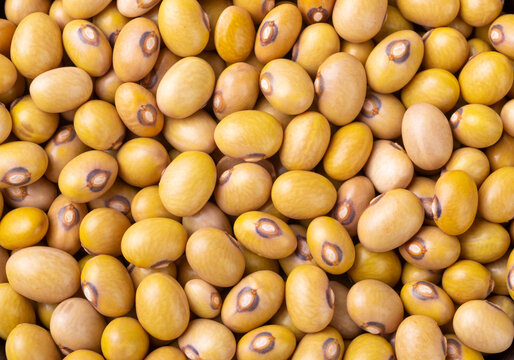
What makes yellow beans special is their ability to adapt to different climate zones in Kenya. These hardy plants thrive in highland areas with volcanic soils, at altitudes reaching 2,400 meters, in regions with rainfall between 400-800mm per season, and in various soil types, including sandy and clay loams.
The crop’s quick maturity cycle of 75-90 days allows farmers to harvest up to three times a year, maximizing their land’s productivity. This fast turnover, combined with relatively low input costs, positions yellow beans as an attractive option for sustainable farming income.
The increasing demand for protein-rich foods (yellow beans contain 22-25% protein) drives consistent market growth. Support systems through organizations like KEPHIS and One Acre Fund provide farmers with essential resources, from certified seeds to technical expertise.
In addition to yellow beans, diversifying into other crops such as avocados could further enhance income potential. Professional avocado farming training can equip farmers with the necessary skills. Understanding the benefits of grafted fruit seedlings can also lead to better yield and quality of produce.
For those interested in avocado seedling purchases online, it’s crucial to follow some essential tips for caring for newly planted avocado seedlings to ensure successful growth.
Ideal Growing Conditions for Yellow Beans in Kenya
Yellow beans thrive in specific environmental conditions across Kenya’s diverse agricultural zones. Understanding these requirements helps farmers maximize their yield potential.
Agro-Ecological Zones
Yellow beans grow best in the following areas:
- Highland volcanic regions with rich, fertile soils
- Mid-altitude areas with moderate temperatures
- Well-ventilated locations with good sunlight exposure
- Areas protected from strong winds
Altitude Requirements
The altitude at which yellow beans are grown affects their growth and yield. Here are the altitude requirements for yellow bean cultivation:
- Optimal growth occurs at an altitude of 1,000 – 2,400 meters above sea level.
- The best yields are achieved between 1,500 – 2,000 meters above sea level.
- Lower altitudes require careful selection of bean varieties.
- Higher elevations need frost-resistant cultivars.
Rainfall Patterns
Yellow beans require a specific amount of rainfall for healthy growth. Here are the rainfall patterns that support yellow bean cultivation:
- Annual rainfall needs: 400-800 mm per season
- Critical water requirements during:
- Germination phase
- Flowering stage
- Pod formation period
- Supplementary irrigation is needed during dry spells.
Soil Characteristics
To achieve the ideal soil characteristics for yellow bean cultivation, farmers can benefit from understanding the soil requirements for different fruit trees in Kenya, as these insights can also be applied to leguminous crops like yellow beans. The soil should be well-drained sandy loams or clay loams with a pH range of 5.5 to 7.5. Organic matter content should be a minimum of 2%. The soil depth should be at least 30 cm with good water retention capacity and adequate drainage to prevent waterlogging.
Temperature Requirements
Temperature plays a crucial role in the growth of yellow beans. Here are the temperature requirements for optimal growth:
- Ideal temperature range: 18°C – 28°C
- Minimum temperature: 10°C
- Maximum temperature: 30°C
- Night temperatures below 15°C can affect pod formation.
- Daytime temperatures above 30°C may cause flower drop.
Additional Environmental Factors
In addition to the factors mentioned above, there are other environmental conditions that contribute to successful yellow bean cultivation:
- Relative humidity: 45-80%
- Good air circulation reduces disease pressure.
- Protection from strong winds prevents plant damage.
- Full sun exposure for optimal photosynthesis.
- Moderate slope (2-8%) aids drainage.
These growing conditions create an ideal environment for yellow bean cultivation, supporting healthy plant development and robust yields. Different regions in Kenya meet these requirements at various times throughout the year, allowing for multiple growing seasons. The adaptability of certain crops such as bananas, which benefit from tissue culture techniques, showcases the potential for innovation in Kenyan agriculture.
Additionally, initiatives that support women and youth in agribusiness could further enhance productivity and sustainability in this sector.
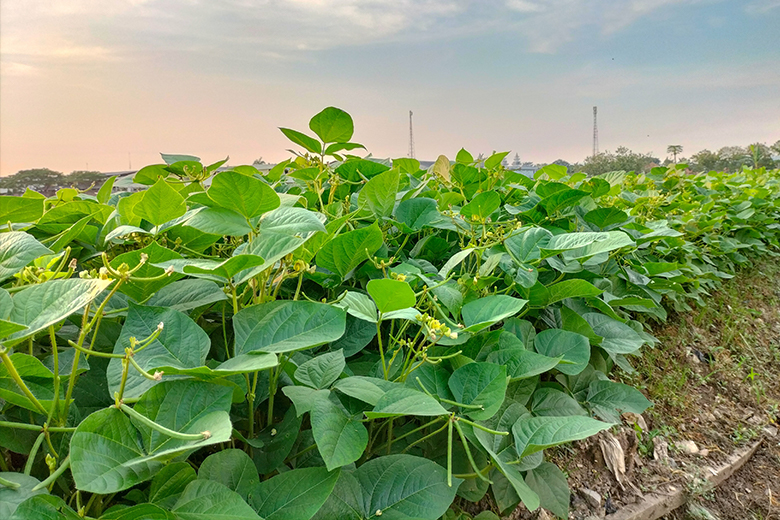
Types of Yellow Beans Cultivated in Kenya
Kenyan farmers cultivate two distinct categories of yellow beans: pole varieties and bush varieties. Each type offers unique advantages and suits different farming scenarios.
Pole Varieties
-
Yellow Roman
- Grows up to 2 meters tall
- Produces long, flat pods (15-20 cm)
- High-yielding variety with extended harvesting period
- Strong market demand due to superior taste
- Requires trellising support
-
Marvel of Venice
- Known for bright golden-yellow pods
- Excellent disease resistance
- Premium market prices
- Climbing height of 1.8-2.2 meters
- Popular in export markets
Bush Varieties
- Brittle Wax Bush Snap Bean
- Compact growth habit (45-60 cm tall)
- Early maturing (65-70 days)
- Ideal for small-scale farmers
- Requires minimal support structures
- Suitable for intercropping
The pole varieties excel in maximizing vertical space and provide continuous harvests throughout the growing season. Yellow Roman and Marvel of Venice varieties attract higher market prices due to their exceptional pod quality and visual appeal.
Bush varieties, particularly the Brittle Wax Bush Snap Bean, offer practical advantages for smallholder farmers. Their compact growth pattern eliminates the need for expensive trellising systems, reduces labor requirements, and allows efficient land use through intercropping with other crops.
Each variety demonstrates specific traits that influence farming decisions:
-
Growth Duration
- Pole varieties: 80-90 days
- Bush varieties: 65-75 days
-
Yield Potential
- Pole varieties: 2,000-2,500 kg/acre
- Bush varieties: 1,500-2,000 kg/acre
-
Labor Requirements
- Pole varieties: High (trellising, multiple harvests)
- Bush varieties: Low (minimal support needed)
For smallholder farmers looking to optimize their yield and income, understanding these best practices when purchasing seedlings can significantly impact their farming success. Whether it’s choosing the right mango variety or making informed decisions about local versus imported apple varieties, these factors play a crucial role in maximizing productivity and profitability. Additionally, the [economic impact of quality seedlings](https://royalseedlings.com/the-economic-impact-of-quality-seedlings-on-smallholder-incomes) on smallholder incomes cannot be overstated.

Suitable Regions for Yellow Beans Farming in Kenya
Yellow beans thrive in certain areas of Kenya, each with its own advantages for farming:
1. Eastern Kenya
- Machakos: Known for its rich volcanic soils with excellent drainage
- Kitui: Has semi-arid conditions perfect for growing drought-resistant varieties
- Makueni: Falls within the ideal altitude range of 1,000-1,800 meters
2. Rift Valley Region
- Nakuru: Boasts fertile soils with reliable rainfall patterns
- Narok: Features high altitude areas providing cool temperatures
3. Central Kenya
- Nyeri: Home to deep, well-drained soils with consistent moisture
- Kirinyaga: Has volcanic soils rich in nutrients
- Murang’a: Known for its agricultural diversity and quality soil, making it another potential region for yellow bean farming.
These regions have similar qualities that contribute to successful yellow bean farming:
- Altitudes ranging from 1,000 to 2,400 meters
- Average annual rainfall between 400-800mm
- Temperatures consistently between 18°C and 28°C
- Access to established market networks
- Strong agricultural support systems
Small-scale farmers in these areas benefit from existing infrastructure and established farming communities that share knowledge and resources for yellow bean cultivation.
Land Preparation Techniques for Successful Yellow Bean Cultivation
Proper land preparation sets the foundation for successful yellow bean farming. Here’s a detailed guide to prepare your land effectively:
1. Initial Land Assessment
- Test soil pH levels (ideal range: 5.5-7.5)
- Check soil drainage patterns
- Remove any standing water sources
2. Land Clearing
- Remove existing vegetation and crop residues
- Clear rocks, stumps, and debris
- Burn or compost cleared materials away from the planting site
3. Primary Tillage
- Deep plow the soil to 20-30cm depth
- Break up soil clumps
- Incorporate organic matter if needed
4. Secondary Tillage
- Harrow the field to achieve fine tilth
- Level the ground surface
- Create proper soil structure for seed germination
5. Furrow Creation
- Make planting furrows 30-45cm apart
- Ensure furrow depth of 5-7cm
- Maintain straight lines for efficient irrigation
Special Considerations:
- For sloped land: Create terraces or contour bunds similar to what is done in avocado orchards.
- For heavy soils: Add organic matter to improve drainage
- For acidic soils: Apply agricultural lime 2-3 weeks before planting
Timing Tips:
- Start land preparation 3-4 weeks before planting
- Complete final tillage just before the expected planting date
- Avoid working wet soil to prevent compaction
Remember to maintain soil moisture during preparation by timing your activities with weather patterns. The goal is to create a fine, firm seedbed that promotes good seed-to-soil contact and enables proper root development.
For further insights on preparing your land before receiving seedlings delivery, which can be beneficial for various crops including yellow beans, consider exploring expert advice on this topic.
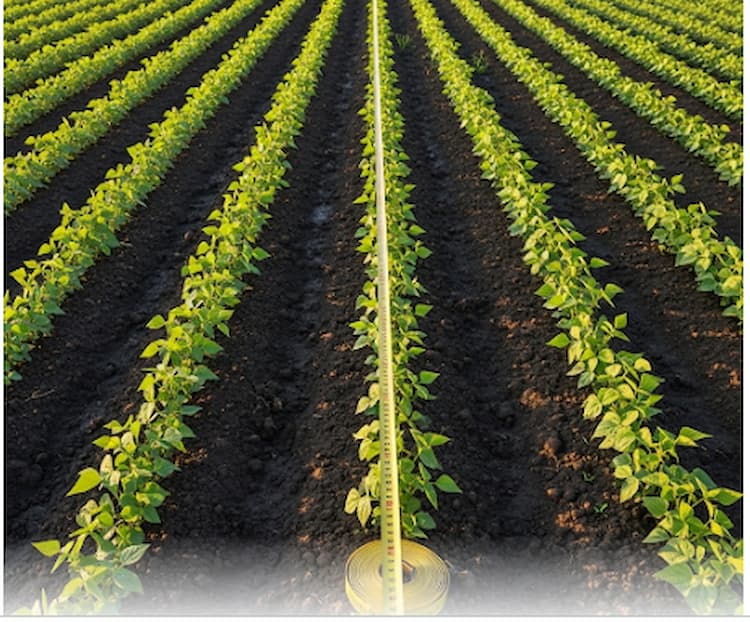
Seed Selection Strategies and Planting Practices for Optimal Yields
Selecting high-quality certified seeds is crucial for success in yellow bean farming. Certified seeds from authorized dealers ensure:
- 90% germination rates
- Disease-free plantlets
- Pure varietal characteristics
- Higher yield potential
The [planting process requires specific spacing measurements for maximum productivity](https://royalseedlings.com/the-importance-of-proper-spacing-when-planting-fruit-trees):
- Row spacing: 45-60 cm between rows
- Plant spacing: 15-20 cm within rows
- Planting depth: 3-5 cm deep
Your seed requirements typically range from 25-30 kg per acre. Plant during the onset of rains when soil moisture is adequate. The recommended planting patterns include:
- Single row system
- Double row system
- Triple row system for intensive farming
You can boost germination rates by pre-treating seeds with appropriate fungicides. The seeds need proper soil contact – press soil firmly but gently after planting. A light mulch layer helps retain soil moisture during the critical germination period.
The timing of planting aligns with local rainfall patterns:
- Long rains season (March-May)
- Short rains season (October-December)
Crop Management Strategies to Enhance Yellow Bean Production
Effective moisture management stands as a critical factor in successful yellow bean farming. Your yellow bean crop requires specific water amounts during different growth stages to achieve optimal yields.
Key Growth Stages and Water Requirements:
- Germination Stage: Light, frequent irrigation to maintain soil moisture
- Vegetative Stage: 25-30mm water per week
- Flowering Stage: 35-40mm water per week
- Pod Formation: 40-45mm water per week
Irrigation Methods
-
- Delivers water directly to plant roots
- Reduces water wastage
- Ideal for small to medium-scale farms
-
Furrow Irrigation
- Cost-effective for larger plantations
- Requires proper land leveling
- Best suited for clay-loam soils
Moisture Conservation Techniques
- Apply mulching materials like dry grass or crop residues
- Create raised beds for better water distribution
- Install soil moisture sensors to monitor water levels
- Practice intercropping with drought-resistant crops
Dry Spell Management
- Water early morning or late evening to reduce evaporation
- Maintain 2-3 inch mulch layer around plants
- Remove competing weeds promptly
- Apply supplemental irrigation when rainfall is inadequate
Signs of Water Stress
- Wilting leaves during midday
- Yellowing of lower leaves
- Stunted growth
- Flower and pod drop
Regular soil moisture monitoring helps you adjust irrigation schedules based on weather conditions and crop growth stages. A well-managed irrigation system can increase your yellow bean yields by 30-40% compared to rain-fed cultivation.
Weed Control Methods for Maintaining Healthy Yellow Bean Crops
Effective weed control is crucial for maximizing yellow bean yields. You can implement several practical methods to keep your bean crop weed-free:
Manual Weeding Practices
- Hand pulling: Best for small-scale farms
- Hoeing between rows: Ideal during early growth stages
- Shallow cultivation: Prevents damage to bean roots
Chemical Control Options
- Pre-emergence herbicides: Apply immediately after planting
- Post-emergence selective herbicides: Use when beans reach 2-3 leaf stage
- Spot treatment: Target specific weed-prone areas
Cultural Control Methods
- Mulching with organic materials reduces weed growth
- Close row spacing limits weed establishment
- Timely planting helps beans outcompete weeds
Critical Periods
- First 3-4 weeks after emergence require strict weed management
- Second weeding at flowering stage
- Regular monitoring identifies new weed patches early
Proper weed control timing reduces labor costs and prevents yield losses of up to 50%. Combining multiple control methods creates an effective weed management strategy for your yellow bean farm.

Pest and Disease Management Approaches to Safeguard Yellow Bean Harvests from Common Threats
Integrated Pest Management (IPM) offers yellow bean farmers effective control strategies while minimizing environmental impact. Here’s a comprehensive approach to managing common pests and
Harvesting Techniques That Maximize Quality During Post-Harvest Handling Processes
Proper harvesting techniques directly impact the quality and market value of yellow beans. The choice between hand harvesting and mechanical methods depends on your farm size and available resources.
Hand Harvesting
- Ideal for small to medium-scale farms
- Allows selective picking of mature pods
- Reduces damage to beans and plants
- Labor-intensive but cost-effective for smaller plots
- Enables multiple harvests as pods mature at different times
Mechanical Harvesting
- Suitable for large-scale commercial production
- Requires uniform pod maturity
- Higher efficiency for large acreage
- Initial investment in equipment needed
- Can lead to 5-10% crop loss due to mechanical damage
Regardless of the method chosen, avoiding common farming mistakes is crucial for ensuring a bountiful harvest.
Post-Harvest Handling Best Practices
- Dry beans to 13-14% moisture content
- Sort beans to remove damaged or discolored ones
- Use clean, airtight containers for storage
- Store in cool, dry places away from direct sunlight
- Monitor regularly for pest infestation
Quality Indicators
- Uniform color without spots or blemishes
- No broken or split beans
- Free from foreign matter
- Consistent size grading
- Proper moisture content for storage stability
The timing of harvest is crucial – pick yellow beans when pods turn yellow and feel dry to touch. For optimal results, harvest during dry weather conditions to prevent moisture-related quality issues. Implementing scientific methods such as grafting, can also improve crop yield and quality significantly.
Market Opportunities Await Farmers Venturing Into The Profitable Business Of Yellow Beans Farming In Kenya
The Kenyan yellow beans market presents robust opportunities for both small-scale and commercial farmers. Current domestic market trends show increasing demand driven by:
- Urban Consumer Preferences: Rising health consciousness among urban populations
Conclusion
Yellow beans farming in Kenya is a promising agricultural venture with great potential for growth. The combination of favorable growing conditions, diverse market opportunities, and proven cultivation techniques creates a strong foundation for success. Farmers who have the right knowledge and resources can achieve impressive yields while contributing to Kenya’s food security.
The adaptability of yellow beans to different climatic zones, along with strong domestic and export demand, makes this crop an ideal choice for both small-scale and commercial farmers. By following the recommended practices in this guide, you can start a successful yellow beans farming business that provides sustainable profits and meets the increasing market demand.
Ready to start your yellow beans farming venture?
Contact Royal Seedlings:
- 📱 Phone: +254 711315313
- 📧 Email: Julius.murega@royalseedlings.com
- 🌐 Website: www.royalseedlings.com
FAQs (Frequently Asked Questions)
What makes yellow beans farming a profitable venture in Kenya?
Yellow beans farming in Kenya is highly profitable due to its adaptability to various climatic conditions, high yield potential, and growing demand in both local and export markets, making it an attractive agricultural enterprise for farmers.
What are the ideal growing conditions for yellow beans in Kenya?
Yellow beans thrive best in highland volcanic soils with well-drained sandy loams or clay loams having a pH between 5.5 and 7.5. They grow well at altitudes up to 2,400 meters, require rainfall between 400-800 mm per season, and prefer temperatures ranging from 18°C to 28°C.
Which types of yellow beans are commonly cultivated in Kenya?
In Kenya, both pole and bush varieties of yellow beans are cultivated. Notable pole varieties include Yellow Roman and Marvel of Venice, known for their unique traits and market demand. The Brittle Wax Bush Snap Bean is a popular bush variety suitable for smallholder farmers.
Which regions in Kenya are most suitable for yellow beans farming?
Key regions ideal for yellow beans cultivation include parts of Eastern Kenya such as Machakos, Kitui, and Makueni; Rift Valley areas like Nakuru and Narok; as well as Central Kenya counties including Nyeri and Kirinyaga.
What are the recommended land preparation techniques for successful yellow bean cultivation?
Successful cultivation involves thorough land clearing followed by appropriate plowing methods to ensure well-prepared soil beds. Proper land preparation enhances seedbed quality, promotes healthy plant establishment, and optimizes crop yields.
How can farmers effectively manage pests and diseases affecting yellow beans in Kenya?
Farmers should adopt integrated pest management (IPM) strategies combining cultural practices like crop rotation with minimal use of chemical pesticides to control common threats such as bean flies and angular leaf spot disease, thereby safeguarding harvests while promoting sustainable farming.