


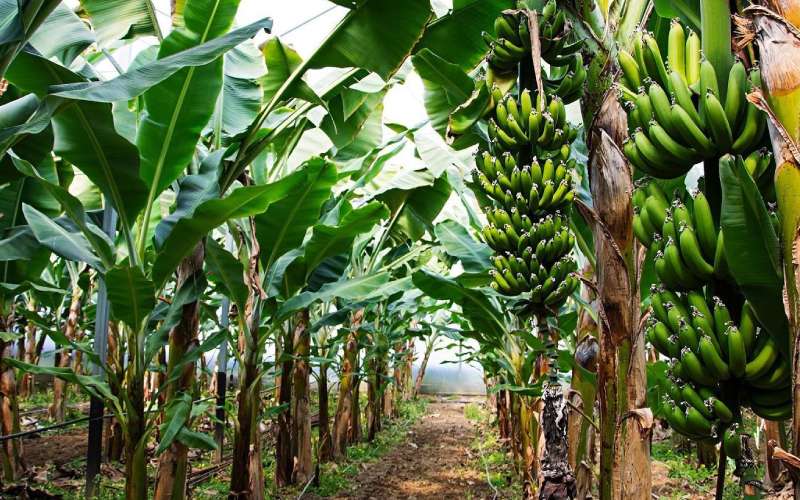
Banana farming is a crucial part of Kenya’s agriculture, helping rural communities and driving economic growth. It supports many small farmers and plays a key role in ensuring the country has enough food.
The impact of banana farming in Kenya goes beyond individual farms:
- Rural Employment: Creates jobs in cultivation, harvesting, and distribution
- Economic Growth: Generates steady income streams for farming families
- Food Security: Provides year-round nutritious food supply
- Export Revenue: Contributes to foreign exchange through international trade
Growing Demand for Kenyan Bananas
The demand for Kenyan bananas continues to surge both locally and internationally. Local markets value these fruits for their nutritional benefits and versatility in cooking, while international buyers seek out Kenya’s high-quality banana varieties, particularly the Cavendish type.
Key Regions for Banana Production
Key growing regions include:
- Meru
- Kisii
- Nyamira
- Central Kenya
- Eastern Province
- Western Kenya
- Parts of Rift Valley
Diversification Opportunities for Farmers
In addition to bananas, other crops such as avocados are also gaining popularity. With the right knowledge and resources, farmers can successfully diversify their crops. For example, essential tips for caring for newly planted avocado seedlings can be beneficial for those looking to venture into avocado farming.
Empowering Communities through Agribusiness
Moreover, it’s important to note that agribusiness is not just about farming; it also involves empowering individuals within the community. Organizations like Royal Seedlings are making strides in this area by supporting women and youth in agribusiness, providing them with the necessary resources and training to thrive in this sector.
1. Optimal Conditions for Banana Farming
Successful banana farming in Kenya requires specific environmental conditions to achieve optimal growth and yield. Here’s what you need to know about the ideal growing conditions:
Temperature Requirements
- Optimal range: 24-30°C
- Minimum temperature: 20°C
- Maximum temperature: 35°C
- Plants show reduced growth below 16°C
Rainfall and Water Needs
- Annual rainfall: 1000-2500mm
- Even distribution throughout the year
- Humidity levels: 60-80%
- Supplementary irrigation needed during dry spells
Soil Characteristics
To fully understand the [soil requirements for banana farming](https://royalseedlings.com/understanding-soil-requirements-for-different-fruit-trees-in-kenya), it’s essential to note that banana plants thrive in deep, well-drained fertile soil rich in potassium content. The ideal pH range is between 5.5 and 7.5, with a loamy or sandy-loam texture and good organic matter content. Importantly, the soil should be free from waterlogging.
Altitude Considerations
- Sea level up to 1800 meters
- Best performance: 900-1200 meters
- Higher altitudes lead to longer crop cycles
- Lower altitudes require more frequent irrigation
These conditions create an ideal environment for banana root development, leaf growth, and fruit production. Kenyan regions meeting these requirements include Meru, Kisii, Nyamira, and parts of Central and Western provinces.
Additionally, the use of [tissue culture in banana seedling production](https://royalseedlings.com/the-role-of-tissue-culture-in-banana-seedling-production) can significantly enhance the success of banana farming by producing disease-free and high-yielding seedlings. Furthermore, exploring other varieties such as Pixie Orange could also diversify and potentially increase the profitability of your farming venture.
2. Popular Banana Varieties in Kenya
Kenya’s diverse climate supports the cultivation of several banana varieties, each with distinct characteristics and market appeal. Here are the main varieties you’ll find across Kenyan farms:
1. Cavendish Banana
- Sweet, creamy flavor with firm texture
- High resistance to Panama disease
- Export-quality fruit with extended shelf life
- Grows well in coastal and highland regions
- Yields 20-30 kg per bunch
2. Apple Banana (Manzano)
- Rich, sweet taste with apple-like aroma
- Compact size ideal for local markets
- Drought-resistant qualities
- Perfect for small-scale farming
- Produces 15-20 kg per bunch
For more information on how to choose between local and imported apple varieties suitable for Kenyan climates, check this resource.
3. Plantain
- Starchy texture suitable for cooking
- High nutritional value
- Versatile culinary applications
- Strong demand in urban markets
- Yields 25-35 kg per bunch
4. Red Banana
- Distinctive reddish-purple peel
- Creamy flesh with sweet taste
- Premium pricing in specialty markets
- Disease-resistant properties
- Produces 15-25 kg per bunch
These varieties thrive in different regions of Kenya, from the coastal lowlands to the highland areas. The choice of variety depends on your farming location, market demands, and intended use – whether for export, local fresh consumption, or processing.
3. Key Practices for Successful Banana Farming
Successful banana farming starts with selecting the right site. Your chosen location needs well-drained soil with direct sunlight exposure. The land should have a gentle slope to prevent water logging, which can damage banana roots.
Land Preparation Steps:
- Clear the land of weeds and debris
- Deep plow to a depth of 45-60cm
- Add organic matter like farmyard manure (20-25 tons per hectare)
- Create drainage channels if needed
- Level the field while maintaining a slight slope
For more detailed guidance on preparing your land before receiving seedlings delivery, check out this expert advice.
Planting Requirements:
- Space plants 3m x 3m apart for most varieties. This is crucial as proper spacing can significantly impact growth and yield, so it’s essential to understand [the importance of proper spacing when planting fruit trees](https://royalseedlings.com/the-importance-of-proper-spacing-when-planting-fruit-trees).
- Dig planting holes 60cm x 60cm x 60cm
- Mix topsoil with organic manure
- Plant healthy suckers or tissue-cultured plantlets
Fertilization Guide:
- Apply NPK fertilizer (17:17:17) at planting
- Use 250g per plant every 3-4 months
- Add potassium-rich fertilizers during fruit development
- Maintain soil pH between 5.5-7.5
Soil Management Tips:
- Mulch around plants using dried grass or banana leaves
- Keep a 30cm weed-free zone around each plant
- Add compost regularly to improve soil structure
- Monitor soil moisture levels
Your banana plants need regular care after planting. Remove excess suckers, leaving only the mother plant and two followers. This practice ensures proper nutrient distribution and optimal fruit development.
Additionally, consider implementing a seasonal planting calendar for fruit seedlings in Central Kenya to optimize your farming efforts.

4. Pest and Disease Management Strategies in Banana Farming
Banana farmers in Kenya face significant challenges from pests and diseases that can devastate entire plantations. Here are the primary threats and effective management strategies:
Common Pests:
- Banana Weevils – These bore into the plant’s stem, weakening its structure
- Nematodes – Microscopic worms that damage root systems
- Thrips – Tiny insects causing scarring on fruit surfaces
Major Diseases:
- Black Sigatoka – Fungal disease causing leaf spots and reduced yields
- Fusarium Wilt – Soil-borne disease leading to plant death
- Banana Bacterial Wilt – Bacterial infection causing premature ripening
- Banana Bunchy Top Virus – Viral disease stunting plant growth
Effective Control Measures:
- Regular field monitoring to detect early signs of infestation
- Use of clean, certified planting materials
- Removal and destruction of infected plants
- Application of approved pesticides at recommended doses
- Crop rotation with non-host plants
- Implementation of field sanitation practices
In addition to these measures, preventing pest infestations through natural methods can be beneficial, especially for young banana plants which are more susceptible to damage.
Preventive Strategies:
- Maintain proper plant spacing for air circulation
- Install drainage systems to prevent water stagnation
- Use disease-resistant varieties when available
- Practice tool sterilization between plants
- Create barriers against pest movement
- Apply organic mulch to suppress nematode populations
Furthermore, understanding how to identify and prevent common seedling diseases can also aid in maintaining healthy banana plantations. These management practices require consistent implementation throughout the growing cycle to ensure optimal yields.
5. Harvesting, Post-Harvest Handling, and Economic Importance of Bananas in Kenya
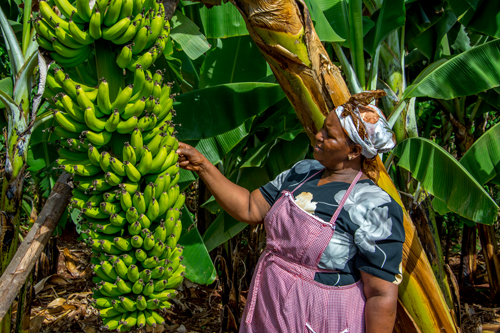
Successful banana harvesting starts with understanding the maturation timeline. Banana plants typically reach maturity within 8-12 months after planting, with fruits developing in 90-150 days. You’ll recognize harvest-ready bananas by their rounded appearance and light green color.
Key Harvesting Indicators:
- Fruit angles changing from sharp to round
- Color shift from dark to light green
- Top leaves starting to dry
- First hand of the bunch showing ripeness signs
Proper Harvesting Techniques:
- Cut the pseudostem at a 45-degree angle
- Support the bunch during cutting to prevent bruising
- Use clean, sharp tools to minimize damage
- Harvest during cool morning hours
It’s also important to note that similar harvesting techniques can be applied to other crops like avocados, which are also a significant agricultural product in Kenya.
Post-Harvest Handling Best Practices:
- Clean fruits with water to remove sap
- Store in well-ventilated areas at 13-14°C
- Transport while green to prevent premature ripening
- Use padded containers for damage protection
The economic value of bananas in Kenya extends beyond direct sales. A single acre can yield 20-30 tons annually, providing steady income for farmers. Local markets absorb 80% of production, while export markets offer premium prices for quality Cavendish varieties.
Storage Requirements:
- Relative humidity: 85-95%
- Temperature control: 13-14°C
- Adequate ventilation
- Protection from direct sunlight
The success of banana farming, much like Hass avocado farming, can significantly impact smallholder incomes. The economic impact of quality seedlings is profound, as they lead to improved crop yield and quality. This is further enhanced by understanding the science behind grafting, which can be a crucial factor in achieving successful harvests.

6. Challenges Faced by Kenyan Banana Farmers & Governmental Support Programs Available to Overcome Them
Kenyan banana farmers face significant obstacles in their farming operations. Climate change brings unpredictable weather patterns, causing irregular rainfall and prolonged droughts that affect banana yields. The changing climate also creates favorable conditions for pest infestations and disease outbreaks.
Key Challenges:
- Limited access to disease-free planting materials
- Poor road infrastructure hampering market access
- Inadequate storage facilities leading to post-harvest losses
- Price fluctuations in local markets
- High costs of farm inputs and equipment
- Competition from other crops and imported produce
The Kenyan government has implemented support programs to address these challenges:
Agricultural Support Initiatives:
- Training Programs: Agricultural extension officers provide hands-on training in modern farming techniques. For instance, training opportunities for aspiring commercial fruit growers in Muranga County are available which could greatly benefit these farmers.
- Subsidized Inputs: Government-supported programs offer reduced prices on fertilizers and pesticides
- Research Support: Funding for development of disease-resistant banana varieties
- Infrastructure Development: Investment in rural roads and storage facilities
- Market Access: Creation of farmer cooperatives and market linkage programs
The Kenya Agricultural and Livestock Research Organization (KALRO) offers specialized support through:
- Distribution of certified tissue culture plantlets, which are crucial for ensuring access to disease-free planting materials. This aspect is vital as [what makes a good nursery](https://royalseedlings.com/what-makes-a-good-nursery-key-qualities-kenyan-farmers-should-look-for) can greatly influence the quality of seedlings.
- Technical guidance on pest management
- Research on climate-resilient banana varieties
- Development of improved farming technologies
These support systems help farmers adapt to changing conditions and maintain profitable banana farming operations. Additionally, the knowledge gained from [best practices for smallholder farmers when buying avocado seedlings online](https://royalseedlings.com/best-practices-for-smallholder-farmers-when-buying-avocado-seedlings-online) can also be applied to banana farming. Furthermore, with the right guidance, there are opportunities for Kenyan farmers to profit from Hass avocado exports, which can serve as an alternative income source amidst the challenges faced in banana farming.
Moreover, it is worth noting that the issues faced by Kenyan banana farmers are not unique to them. Many agricultural sectors worldwide are grappling with similar challenges due to climate change, market fluctuations, and other socio-economic factors. This is evidenced by various studies such as one published in the PMC article, which highlights the global nature of these agricultural challenges and the need for comprehensive strategies to address them effectively.
7. Future Prospects for Banana Farming in Kenya: Value Addition Opportunities & Improved Technologies
The Kenyan banana industry has great potential for growth through value addition and technological advancements. Local entrepreneurs are finding innovative ways to turn raw bananas into high-value products:
Value Addition Products
- Banana flour for baking and cooking
- Dried banana chips and crisps
- Natural sweeteners and syrups
- Banana-based beverages and wines
- Banana fiber for textiles and crafts
Technological Innovations
- Smart irrigation systems with soil moisture sensors
- Mobile apps for crop monitoring and market prices
- Drone technology for aerial farm surveillance
- GPS-guided precision farming tools
- Digital platforms connecting farmers to buyers
These advancements not only create new sources of income for farmers but also help reduce waste and prolong the shelf life of products. By integrating technology into their practices, farmers can make better use of resources, accurately predict yields, and improve overall farm management.
Furthermore, the success of pomegranate farming in Kenya demonstrates the potential benefits of diversifying into other fruit farming sectors, which could further strengthen the agricultural economy.
Research institutions are continuously working on developing new processing methods and products to open up market opportunities both locally and internationally. The rise of e-commerce is also playing a significant role in this transformation, as discussed in our article about the future of e-commerce in agriculture, where we outline key trends that every farmer should be aware of by 2025.
Conclusion: Success Factors Involved In Profitable And Sustainable Banana Farming In Kenya
Successful banana farming in Kenya requires a combination of knowledge, hard work, and smart farming techniques. The most successful farmers have these key factors in common:
-
Scientific Knowledge Application
- Understanding soil chemistry and nutrient requirements
- Mastering water management techniques
- Implementing effective pest control strategies
-
Market Intelligence
- Building strong relationships with reliable buyers
- Tracking price trends across different markets
- Identifying profitable value addition opportunities
-
Continuous Learning
- Participating in agricultural workshops and training
- For instance, professional avocado farming training can provide valuable insights applicable to banana farming.
- Networking with experienced banana farmers
- Staying updated with latest farming technologies
- Participating in agricultural workshops and training
-
Quality Management
- Using certified disease-free planting materials, such as grafted fruit seedlings
- Maintaining strict farm hygiene practices
- Following proper post-harvest handling procedures
Your success in banana farming depends on embracing these proven practices while adapting to changing market demands and environmental conditions. Profitable banana farming requires patience, dedication, and a willingness to learn from both successes and setbacks.
Ready to Start Your Banana Farming Journey?
Take these next steps to launch your successful banana farming venture:
-
Research Your Local Market
- Identify potential buyers
- Study price variations
- Analyze competition
-
Connect with Experts
- Contact agricultural extension officers
- Join local farmer groups
- Attend farming workshops
-
Source Quality Materials
- Purchase certified seedlings, potentially including avocado seedling purchases online
- Acquire recommended tools
- Prepare proper storage facilities
-
Consider Diversification
Exploring other profitable ventures like starting an avocado orchard could also be beneficial.
Ready to start your banana farming venture?
Contact Royal Seedlings:
- 📱 Phone: +254 711315313
- 📧 Email: Julius.murega@royalseedlings.com
- 🌐 Website: www.royalseedlings.com
Start your banana farming journey today – your success story begins with the first step!

FAQs (Frequently Asked Questions)
What are the optimal conditions for successful banana farming in Kenya?
Successful banana farming in Kenya requires an ideal temperature range and adequate annual rainfall. Suitable soil characteristics that promote healthy growth include well-drained, fertile soils with good organic matter content. Additionally, recommended altitude levels for optimal banana cultivation vary but generally fall within specific ranges conducive to banana plant health.
Which banana varieties are commonly grown in Kenya and what are their unique features?
Popular banana varieties grown in Kenya include Cavendish, Apple Banana, Plantain, and Red Banana. Each variety has unique characteristics making them suitable for cultivation: Cavendish is widely favored for its commercial value; Apple Banana offers a distinct flavor; Plantain is essential for cooking purposes; and Red Banana is valued for its nutritional benefits and taste.
What key practices should Kenyan farmers follow to ensure successful banana cultivation?
Key practices include selecting the right site with appropriate conditions, thorough land preparation before planting, adhering to recommended planting spacing to promote healthy growth, and implementing proper fertilization techniques. These steps are crucial to establish a strong foundation for productive banana farming.
How can Kenyan banana farmers manage pests and diseases effectively?
Effective pest and disease management involves identifying common pests and diseases affecting banana plants in Kenya and applying suitable control techniques. Preventative measures throughout the farming cycle such as regular monitoring, use of resistant varieties, proper sanitation, and timely application of approved pesticides or biological controls are vital to maintain productivity.
What are the best harvesting and post-harvest handling methods for bananas in Kenya?
Understanding the maturation period of bananas helps determine the optimal harvest time to ensure quality. Harvesting techniques should minimize damage to fruits. Post-harvest handling includes proper storage and transportation practices that maintain fruit quality and extend shelf life, thereby enhancing marketability both locally and internationally.
What challenges do Kenyan banana farmers face, and what government support programs exist?
Kenyan banana farmers face challenges such as pest management difficulties, climate change impacts on yields, and limited access to quality planting materials. The government supports farmers through initiatives like training programs on best practices, subsidies or grants to improve input access, and efforts aimed at promoting sustainable banana farming to boost food security and rural economies.