


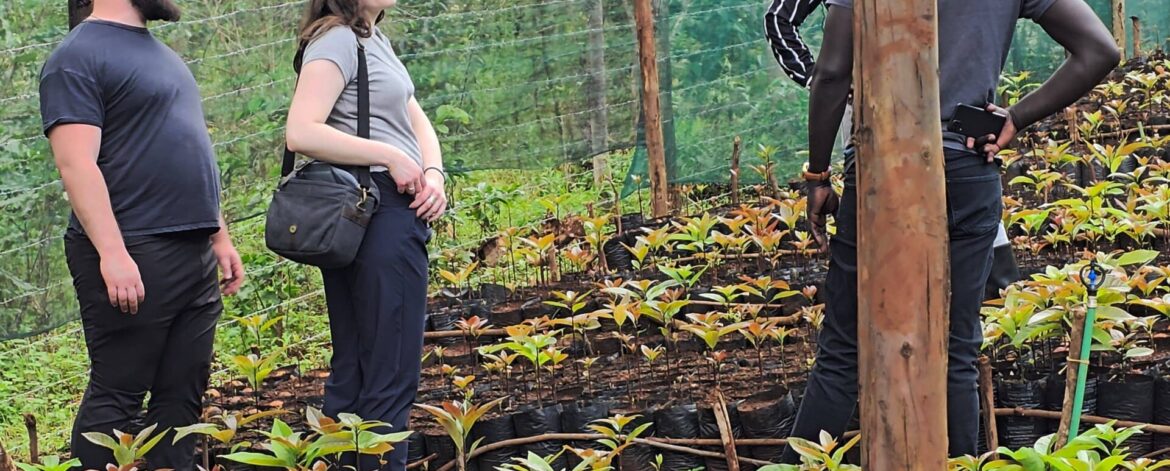
Kenya’s agricultural landscape is transforming through an innovative approach: vertical farming. This revolutionary method grows crops in stacked layers within controlled environments like warehouses, containers, and greenhouses, maximizing space efficiency in urban areas.
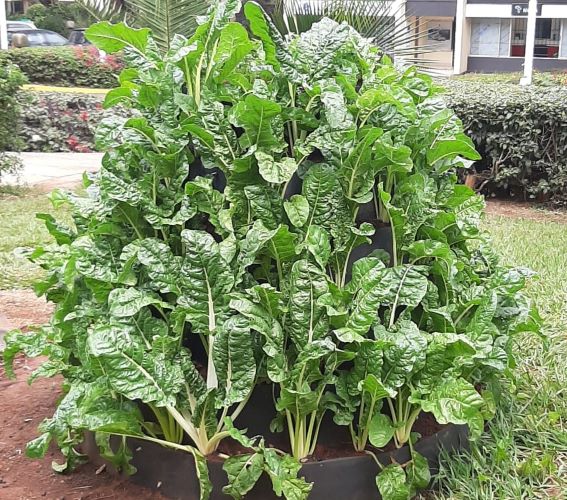
Vertical farming offers a solution to the food security challenges faced by Kenya, including:
- Limited arable land
- Increasing population and urbanization
- Climate change impacts on traditional farming
By utilizing vertical farming techniques, Kenya aims to address these issues and ensure a sustainable food supply for its growing population.
Understanding Vertical Farming Techniques
Vertical farming in Kenya employs three primary cultivation methods, each offering unique advantages for different agricultural needs.
1. Hydroponics Systems
- Plants grow in nutrient-rich water without soil
- Requires 90% less water than traditional farming
- Fast growth rates and higher yields
- Ideal for leafy greens and herbs
- Challenge: Higher setup costs and technical expertise needed
2. Aeroponics Systems
- Roots suspended in air and misted with nutrients
- Uses 95% less water than soil-based farming
- Maximizes oxygen exposure for faster growth
- Perfect for root crops and tubers
- Challenge: Requires consistent power supply and precise monitoring
3. Soil-Based Vertical Systems
- Traditional growing medium in stacked containers
- Lower initial investment costs
- Familiar technique for local farmers
- Suitable for heavy-fruiting plants such as mangoes
- Challenge: Heavier structure requirements and more maintenance
These systems adapt well to Kenya’s diverse agricultural landscape, with specific benefits for different regions:
- Urban Areas: Hydroponic systems maximize limited space in cities
- Arid Regions: Water-efficient aeroponic systems suit dry areas
- Rural Communities: Soil-based systems offer an easier transition from traditional farming
Each method brings distinct advantages to Kenyan agriculture:
Hydroponics delivers year-round production regardless of weather conditions. Aeroponics achieves the highest water efficiency but demands technical expertise. Soil-based systems provide the most accessible entry point for farmers transitioning to vertical farming.
The choice of technique depends on factors like:
- Available resources
- Technical knowledge
- Target crops
- Market demands
- Local climate conditions
For instance, understanding soil requirements for different fruit trees is crucial when opting for soil-based vertical farming. Additionally, while venturing into lucrative options such as avocado farming or exploring the potential of pixie orange farming, it’s essential to have the right knowledge and support. At Royal Seedlings, we are committed to empowering individuals, especially women and youth, by providing them with the necessary resources and guidance in agribusiness through our various programs.

Benefits of Vertical Farming for Kenyan Farmers and Consumers
Vertical farming is changing the game for agriculture in Kenya. It’s not just about growing food; it’s about doing it in a way that’s smarter, more efficient, and better for the environment. Here’s how vertical farming is benefiting both farmers and consumers in Kenya:
1. Higher Yields, More Income
Data shows vertical farms produce 70% higher yields compared to conventional farming methods. This means farmers can grow more food in the same amount of space, which is especially important in urban areas where land is limited.
Increased income potential from limited space means:
- Farmers can earn more money from their crops
- They can invest in better equipment and technology
- They can support their families and communities
2. Efficient Use of Water Resources
Water scarcity is a major issue in many parts of Kenya. Vertical farming addresses this challenge head-on with innovative water-saving techniques:
- Drip irrigation systems reduce water usage by 90%
- Recycling systems capture and reuse water
- Controlled environments minimize evaporation losses
- Smart irrigation technology ensures precise water delivery
These methods not only conserve water but also make farming more sustainable in areas where every drop counts.
3. Optimizing Land Utilization
Vertical farms are designed to make the most out of every square foot. By stacking crops vertically instead of spreading them out horizontally, farmers can achieve:
- 350x more crops per square foot compared to traditional farming
- Multi-level growing systems in urban areas
- Year-round cultivation potential
- Reduced pressure on rural agricultural land
This efficient use of space is crucial as urban populations continue to grow and demand for food increases.
4. Stable Production Regardless of Weather Conditions
One of the biggest challenges faced by farmers is unpredictable weather patterns. With vertical farming, crops are grown indoors under controlled conditions, making them less susceptible to droughts, floods, or other extreme weather events.
This stability means:
- Consistent crop production regardless of weather conditions
- Multiple harvests throughout the year
- Reduced reliance on seasonal farming practices
Farmers can plan their operations better and ensure a steady supply of produce to meet market demands.
5. Lower Costs, Higher Profits
Vertical farming also brings down certain costs associated with traditional agriculture:
- Reduced transportation costs to urban markets
- Lower pesticide and fertilizer expenses
By growing food closer to where it’s consumed, farmers can save on logistics costs and pass those savings onto consumers.
6. Freshness Guaranteed for Consumers
For consumers, vertical farming offers several benefits:
- Fresh, locally-grown produce that hasn’t traveled long distances
- Reduced food prices due to lower transportation costs
- Year-round availability of seasonal crops
- Chemical-free vegetables and herbs grown without synthetic pesticides or fertilizers
With vertical farms located near urban centers, consumers can enjoy farm-to-table freshness like never before.
7. Protecting Crops from Pests and Diseases
The controlled environment of vertical farms acts as a barrier against pests and diseases that often plague outdoor crops. This means healthier plants and higher-quality harvests.
Farmers can implement integrated pest management strategies tailored specifically for indoor growing systems, further minimizing chemical interventions.
8. Reducing Carbon Footprint through Local Sourcing
Food
Common Crops Grown in Kenyan Vertical Farms
Kenyan vertical farms excel at producing specific crops that maximize space efficiency and market demand. Here’s a detailed look at the most successful crops in these systems:
1. Leafy Greens
- Sukuma Wiki (Kale) – A staple in Kenyan cuisine, thriving in vertical systems with 21-day harvest cycles
- Spinach – Produces continuous yields with minimal space requirements
- Swiss Chard – Adapts well to hydroponic systems, offering year-round harvests
- Lettuce varieties – Fast-growing crops ideal for vertical farming’s controlled environment
2. High-Value Herbs
- Rosemary – Drought-resistant and space-efficient
- Lemongrass – Popular in local markets and restaurants
- Mint – Multiple harvests possible from single plantings
- Basil – High market value in urban areas
3. Space-Efficient Vegetables
- Cherry Tomatoes – Compact varieties suited for vertical growth
- Spring Onions – Quick-growing crop with steady market demand
- Capsicum – Thrives in controlled environments
These crops share key characteristics making them ideal for vertical farming:
- Compact growth patterns
- Short harvest cycles
- High market value
- Resilience to indoor growing conditions
- Year-round production capability
Vertical farming systems in Kenya maintain optimal temperature, humidity, and light conditions for these crops, resulting in consistent quality and reliable harvests. The controlled environment protects against common pests and diseases, reducing the need for chemical interventions and ensuring food safety standards.
However, it’s important to note that even with the advantages of vertical farming, some crops like avocados may still face challenges such as common seedling diseases.
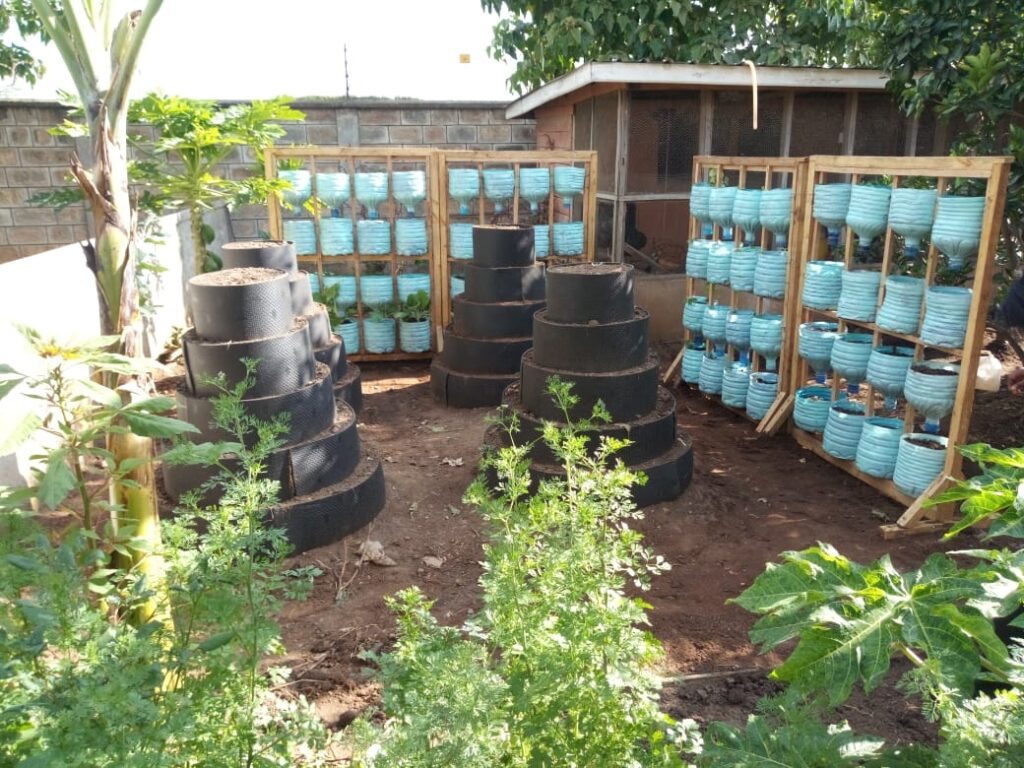
Challenges Facing the Adoption of Vertical Farming in Kenya
The implementation of vertical farming in Kenya faces significant hurdles that affect its widespread adoption.
1. High Initial Setup Costs
The initial setup costs present a substantial barrier, particularly for smallholder farmers. A basic vertical farming system requires:
- Specialized infrastructure (≈ KES 500,000)
- Advanced irrigation systems (≈ KES 250,000)
- Climate control equipment (≈ KES 300,000)
- Monitoring technology (≈ KES 150,000)
2. Energy Consumption Challenges
Energy consumption creates another critical challenge. Vertical farms need consistent power supply for:
- LED lighting systems
- Temperature regulation
- Automated irrigation
- Ventilation systems
The high electricity costs in Kenya, averaging KES 24 per kilowatt-hour, strain operational budgets. Many farmers lack access to reliable power infrastructure, limiting their ability to maintain optimal growing conditions.
3. Limited Technical Expertise
Limited technical expertise poses additional challenges. Successful vertical farming requires specialized knowledge in areas such as hydroponics management and climate control systems. For instance, pomegranate farming in Kenya has shown that understanding pest management in enclosed environments and nutrient solution preparation is crucial for success.
4. Insufficient Government Support
The current gap in government support affects vertical farming development. Key areas requiring attention include:
- Financial assistance programs for initial setup costs
- Technical training initiatives for farmers
- Research funding for locally adapted solutions
- Policy frameworks supporting urban agriculture
5. Water Availability Issues
Water availability issues persist in many regions, affecting the sustainability of hydroponic systems. The need for clean, filtered water adds to operational costs and infrastructure requirements.
6. Economic Impact on Smallholder Incomes
Moreover, the economic impact of quality seedlings on smallholder incomes cannot be overlooked. Best practices for smallholder farmers when buying avocado seedlings online can serve as a guide to optimize their investments in quality seedlings, which could significantly enhance their income levels.
Initiatives and Innovations Promoting the Growth of Vertical Farming in Kenya
Kenya’s agricultural sector witnesses significant support from various stakeholders driving vertical farming adoption. The Kenya Agricultural and Livestock Research Organization (KALRO) leads research initiatives to develop climate-resilient vertical farming systems tailored for local conditions.
Government Programs Supporting Urban Farmers
Several government-backed programs provide financial assistance to urban farmers:
- The Agricultural Technology Development Fund offers grants up to KES 500,000 for innovative vertical farming projects
- Youth Enterprise Development Fund supports young entrepreneurs venturing into vertical farming businesses
- Women Enterprise Fund provides low-interest loans for female farmers adopting vertical farming technologies
Private Sector Innovations Enhancing Vertical Farming
Private sector innovations enhance vertical farming accessibility:
- Solar-powered vertical farm systems reduce operational costs by 40%
- Mobile apps for monitoring crop health and automating irrigation systems
- Locally manufactured hydroponic equipment cutting import expenses by 60%
Training Programs Empowering Farmers
Training programs equip farmers with essential skills:
- Agricultural Training Centers offer practical courses on vertical farming techniques
- Partnership programs between universities and farming communities share technical expertise
- Online learning platforms provide accessible education on vertical farming methods
Collaborative Efforts for Research and Development
The World Vegetable Center collaborates with local institutions to:
- Develop crop varieties suited for vertical farming
- Research cost-effective growing media alternatives
- Create sustainable pest management strategies
These initiatives transform vertical farming from an experimental concept into a practical solution for urban agriculture in Kenya. Local tech startups design affordable vertical farming kits, while research institutions optimize growing conditions for indigenous crops.
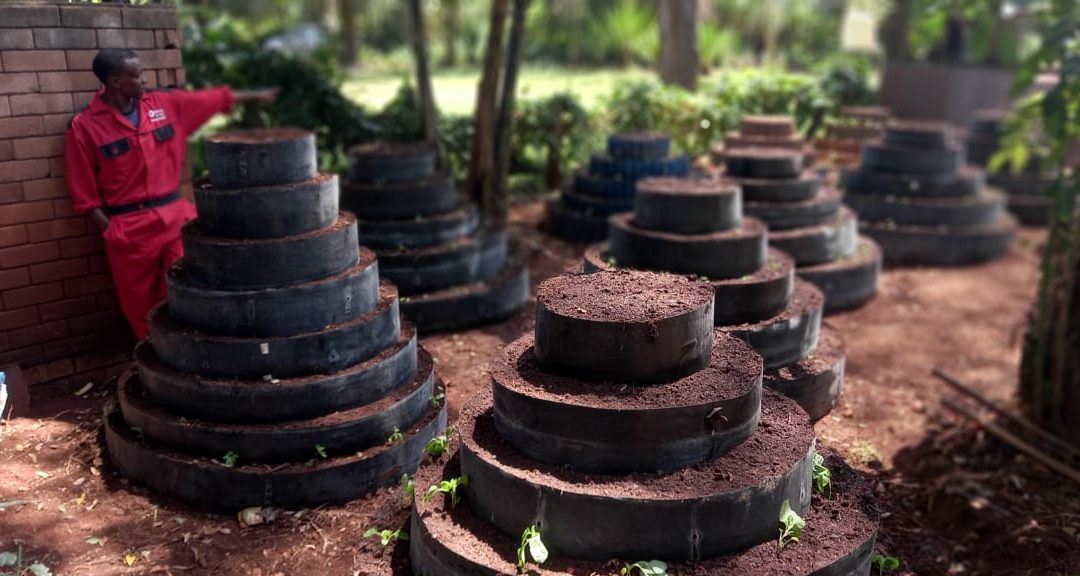
Impact on Food Security and Urban Livelihoods in Kenya
Vertical farming is changing the way food is produced in urban areas of Kenya. It allows for consistent year-round production, which means that local communities can now access fresh produce every day. This reduces their reliance on seasonal harvests and imports, making food more stable and affordable for urban residents.
1. Job Creation
Vertical farms are creating a variety of jobs in the community. Some of the roles being filled include:
- Farm technicians
- System maintenance specialists
- Produce packaging workers
- Distribution coordinators
2. Skills Development
Urban residents are also gaining valuable skills through vertical farming. They are learning how to manage hydroponic systems, operate climate control equipment, monitor crops, and handle post-harvest processes.
3. Community Resilience
Vertical farming is helping communities become more resilient by:
- Reducing the distance food has to travel from farms to consumers
- Improving the quality of food through controlled growing conditions
- Decreasing losses that occur after harvesting
- Making it easier for urban populations to access nutritious meals
4. Creating Sustainable Food Systems
The integration of vertical farming into cities is creating sustainable food systems. Local schools are incorporating these farms into their feeding programs, ensuring that students receive fresh and healthy meals. Hospitals are benefiting from reliable access to clean and pesticide-free produce for patient care.
5. Empowering Families
Small-scale vertical farms in residential areas are empowering families to grow their own food. This not only helps them save money but also allows them to earn extra income by selling any surplus produce they have. This model is particularly beneficial for women and youth, who make up 60% of urban farmers in Kenya.
6. Supporting Local Markets
The presence of vertical farms is also having a positive impact on local markets. Vendors are now able to source their produce directly from nearby vertical farms, which cuts down on transportation costs and ensures that consumers get fresher products.
7. Shifting Consumer Preferences
One significant outcome of vertical farming is its ability to influence consumer preferences towards locally sourced food. For example, many households in Kenya are now considering whether to choose local or imported apple varieties that are suitable for their climate.
8. Meeting Demand Sustainably
In regions like Murang’a, known as the hub for high-quality Hass avocado seedling production in Kenya, vertical farming is playing a crucial role in meeting the increasing demand for these avocados. The versatility and nutritional value of Hass avocados have made them highly sought after.
By implementing sustainable practices within vertical farming systems, such as organic cultivation methods and responsible water usage, it becomes possible to meet this growing demand while minimizing negative environmental impacts associated with conventional agriculture.
This means that not only will these avocados be readily available to local consumers but they will also be produced in an environmentally friendly manner that supports long-term sustainability goals.
The combination of all these factors demonstrates how vertical farming has the potential not only improve food security but also uplift urban livelihoods throughout Kenya’s cities
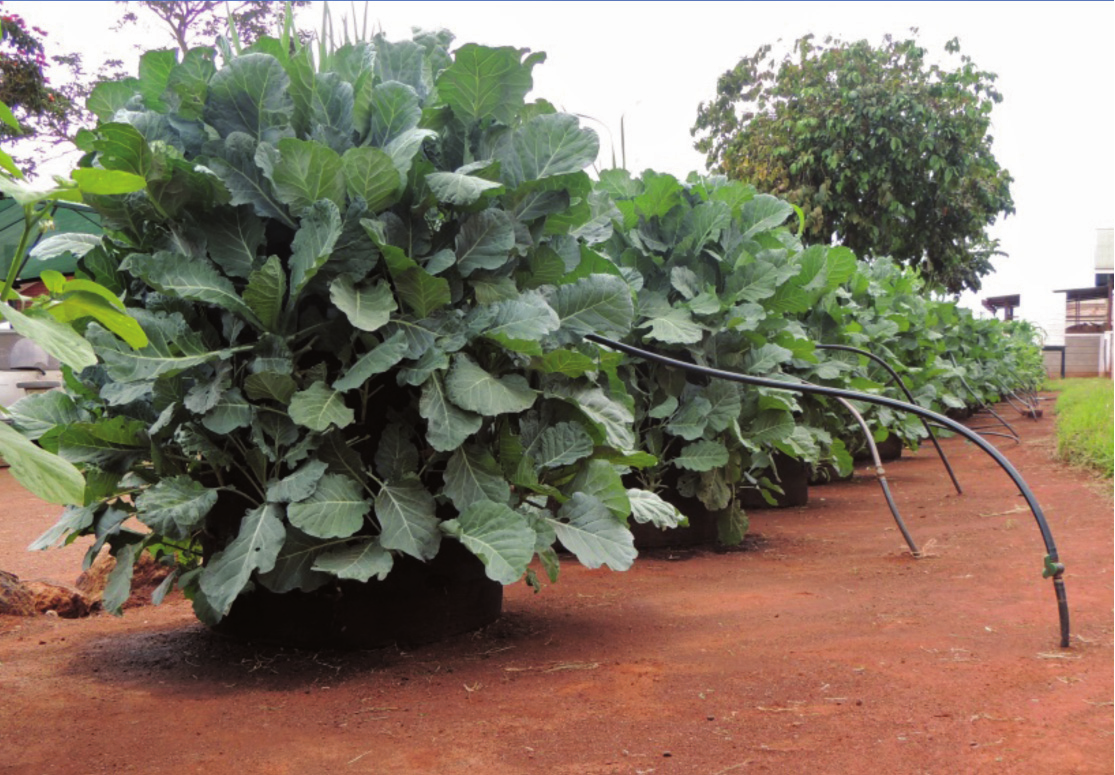
Future Outlook for Vertical Farming as a Sustainable Solution for Food Security Challenges in Kenya
The future of vertical farming in Kenya looks promising with new technologies and research breakthroughs on the horizon. Here are some key areas where we can expect to see significant developments:
1. Artificial Intelligence (AI) Integration
AI is set to play a crucial role in transforming vertical farming practices. Some potential applications of AI in this context include:
- Smart Crop Monitoring Systems: Using AI-powered sensors to monitor plant health, nutrient levels, and growth patterns in real-time.
- Automated Climate Control: Implementing precise management techniques for temperature, humidity, and lighting conditions.
- Predictive Analytics: Leveraging data-driven insights to determine optimal harvest timing and make accurate yield predictions.
Research institutions such as KALRO are actively working on developing crop-specific algorithms that can optimize growing conditions for various plant varieties. These technological innovations have the potential to significantly reduce labor costs and increase production efficiency by up to 40%.
2. Robotics Integration
The integration of robotics into vertical farming systems holds great promise for streamlining daily operations. Some potential areas where robotics can make an impact include:
- Automated seeding and harvesting processes.
- Implementation of precise nutrient delivery systems.
- Introduction of robotic pest management techniques.
- Utilization of smart irrigation controls.
By automating these tasks, farmers can save time, reduce manual labor requirements, and improve overall productivity.
3. Localized Solutions from Tech Startups
Kenya’s vibrant tech startup ecosystem is actively developing localized solutions that cater to the country’s specific agricultural needs. Some examples of such innovations include:
- Solar-powered vertical farming systems that harness renewable energy sources.
- Mobile applications for remote farm management, enabling farmers to monitor their operations from anywhere.
- Internet of Things (IoT) devices for resource optimization, allowing farmers to track and manage inputs such as water and fertilizer more efficiently.
- Machine learning models for crop disease detection, helping farmers identify and address potential threats to their crops early on.
These localized solutions have the potential to address some of the unique challenges faced by Kenyan farmers and enhance the viability of vertical farming in the country.
4. E-commerce Growth in Agriculture
The rise of e-commerce platforms in agriculture presents new opportunities for vertical farming businesses. According to industry projections, there is expected to be a 25% annual growth rate in vertical farming adoption across major Kenyan cities by 2025. This growth aligns with increasing investments in agricultural technology and the demands of a growing urban population.
Vertical farms can leverage e-commerce channels to directly reach consumers, restaurants, and grocery stores, bypassing traditional supply chains and reducing food miles. This not only enhances the freshness and quality of produce but also contributes to sustainable food systems.
5. Research Partnerships for Knowledge Exchange
Collaborations between Kenyan universities and international agricultural institutions are fostering knowledge exchange and technological advancement in vertical farming practices. These partnerships focus on developing cost-effective solutions tailored to local conditions and crop varieties.
By sharing expertise, resources, and best practices, these collaborations can accelerate innovation in vertical farming techniques and contribute to addressing food security challenges in Kenya.
As these technological advancements continue to unfold, it is essential for stakeholders including government agencies, private investors, research institutions, and farmers themselves to work together towards creating an enabling environment for the growth of vertical farming as a sustainable solution for food security challenges in Kenya.
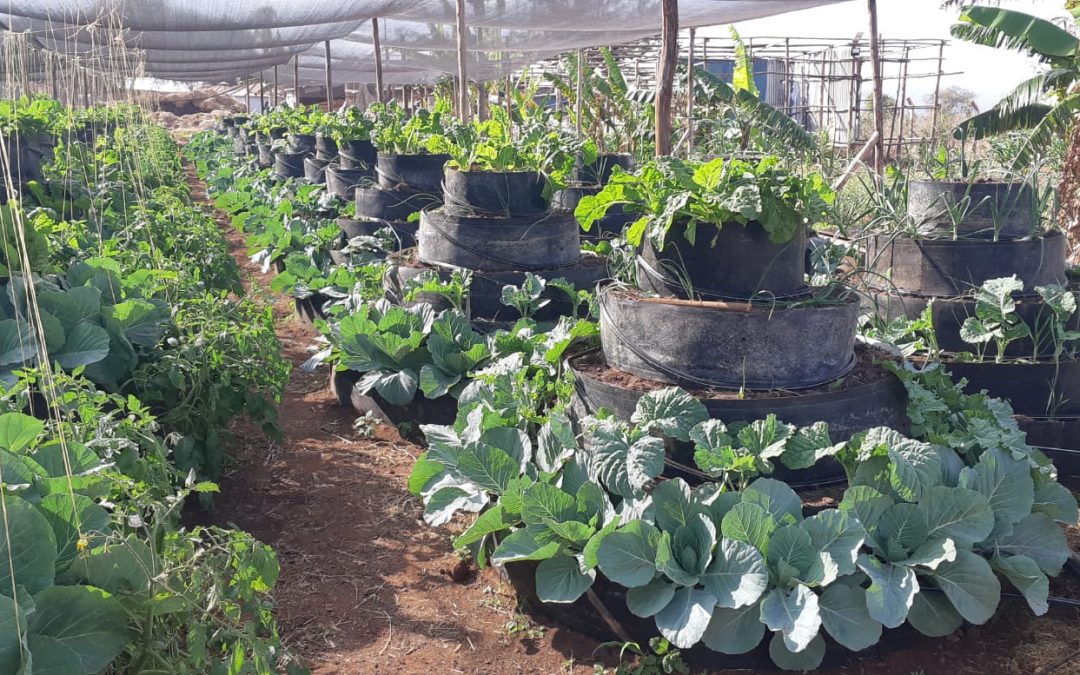
Conclusion
Vertical farming is changing the game for agriculture in Kenya. This new and innovative way of farming brings us closer to sustainable food production and better food security throughout the country.
Everyone involved – from farmers to government agencies – can be a part of this agricultural revolution. By investing in vertical farming technology, you’re helping:
- Produce food sustainably in urban areas
- Use less water
- Grow crops all year round
- Create jobs in agriculture
- Adapt farming practices to climate change
The time to act is now. Whether you’re a small-scale farmer, an investor, or an organization interested in sustainable agriculture, vertical farming presents viable solutions for Kenya’s food security challenges.
Ready to start your vertical farming journey?
Contact us for seedlings or partnership opportunities. We specialize in various types of seedlings including those produced through tissue culture for banana seedling production, and we also offer grafted fruit seedlings that can thrive in vertical farms.
For those looking to delve deeper into the world of commercial fruit growing, we provide training opportunities for aspiring commercial fruit growers in Muranga County. Additionally, we offer specialized training sessions on professional avocado farming which can be highly beneficial for your vertical farming venture.
Join us in building a sustainable future for food production in Kenya through vertical farming innovation. For more information, feel free to reach out via phone at 0711315313 or email at julius.murega@royalseedlings.com.
FAQs (Frequently Asked Questions)
What is vertical farming and how does it address food security challenges in Kenya?
Vertical farming is a sustainable agricultural method that involves growing crops in vertically stacked layers, often incorporating controlled-environment agriculture techniques. In Kenya, it addresses food security by enabling year-round food production, optimizing land use especially in urban areas, and providing fresh produce to local communities.
What are the main vertical farming techniques used in Kenya?
The primary vertical farming techniques in Kenya include hydroponics (growing plants without soil using nutrient-rich water), aeroponics (growing plants in air or mist environments), and soil-based vertical systems. Each method offers unique advantages and challenges tailored to Kenyan agricultural conditions.
How does vertical farming benefit Kenyan farmers and consumers?
Vertical farming benefits Kenyan farmers and consumers by increasing crop yields up to 70% higher than conventional methods, conserving water by using only about 10% of traditional irrigation needs through efficient systems like drip irrigation, and maximizing land use with up to 350 times more crop production per square foot via vertical stacking.
Which crops are commonly grown in Kenyan vertical farms?
Kenyan vertical farms commonly cultivate popular leafy greens such as kale and spinach due to their compact growth habits. Additionally, herbs like rosemary, lemongrass, and mint are grown year-round in controlled environments to meet high market demand.
What challenges does vertical farming face in Kenya?
Key challenges for adopting vertical farming in Kenya include high initial setup costs and significant energy consumption needed for operating farms at scale. These factors may limit accessibility for smallholder farmers unless addressed through supportive policies and innovations.
What initiatives are promoting the growth of vertical farming in Kenya?
Growth of vertical farming in Kenya is supported by government funding initiatives aimed at establishing urban farms, agricultural research focusing on solar-powered systems, and training programs designed to equip farmers with necessary skills for sustainable vertical agriculture.