

The Sukari F1 watermelon farming has emerged as a game-changing crop in Kenya’s agricultural landscape. This premium hybrid variety stands out for its exceptional sweetness, impressive size, and remarkable market demand across the country.
The rising popularity of Sukari F1 among Kenyan farmers stems from its proven track record of delivering consistent yields and generating substantial returns. A well-managed acre can produce 25-35 tons of watermelons, potentially earning farmers over Ksh. 500,000 per harvest cycle.

This comprehensive guide walks you through every aspect of successful Sukari F1 watermelon farming in Kenya:
- Land preparation techniques
- Optimal planting methods
- Essential irrigation practices
- Effective pest management strategies
- Strategic marketing approaches
Whether you’re a seasoned farmer looking to diversify your crops or a newcomer to agriculture, you’ll find practical, actionable insights to establish and grow a thriving Sukari F1 watermelon farm. The guide draws from proven farming practices and real experiences of successful Kenyan watermelon farmers.
In addition to watermelon farming, exploring other lucrative crops like avocado could be beneficial. For instance, professional avocado farming training could provide valuable insights into this high-demand crop. If you’re considering purchasing avocado seedlings online, it’s essential to understand frequently asked questions about avocado seedling purchases.
Moreover, it’s worth noting the support systems available for aspiring farmers. Organizations like Royal Seedlings play a crucial role in empowering women and youth in agribusiness, providing them with the necessary resources and knowledge to succeed.
Lastly, if you’re interested in diversifying your crop portfolio further, consider exploring other fruit varieties such as the Pixie Orange. This complete guide for beginners on Pixie Orange farming could serve as a useful resource.
Understanding the Characteristics of Sukari F1 Watermelon
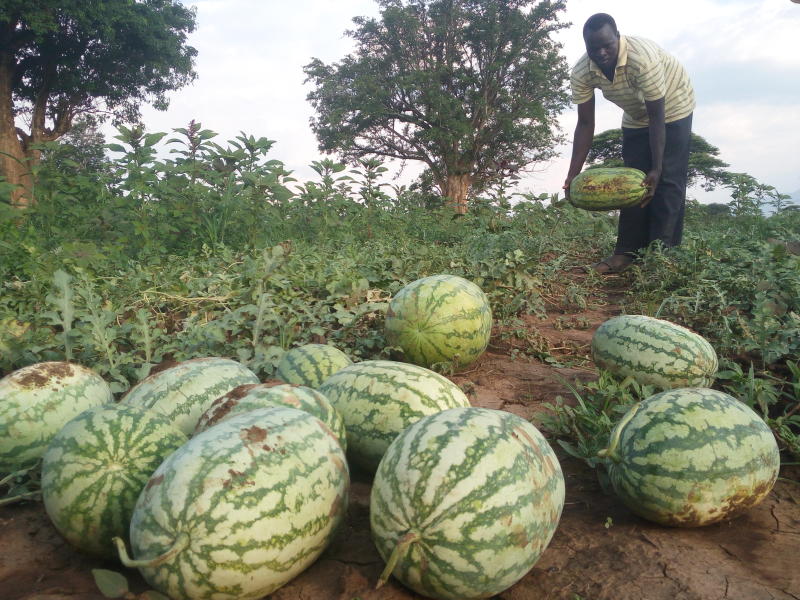
The Sukari F1 watermelon stands out with its distinctive oblong shape, making it easily recognizable in Kenyan markets. The fruit’s exterior features a light green rind adorned with striking dark stripes, creating an appealing visual pattern that catches buyers’ attention.
Beneath the rind lies the watermelon’s prized deep red flesh, known for its crisp texture and exceptional sweetness. The high sugar content of 11-12% sets Sukari F1 apart from other varieties, delivering a consistently sweet taste that has earned it widespread popularity among consumers.
Key Physical Attributes:
- Weight range: 7-8 kg per fruit
- Shape: Oblong with uniform symmetry
- Rind: Light green with dark stripe pattern
- Flesh: Deep red with firm texture
The thick, protective rind serves multiple practical purposes:
- Resistance to cracking during transport
- Enhanced shelf life in storage conditions
- Protection against bruising and damage
- Reduced post-harvest losses
These characteristics make Sukari F1 particularly valuable for commercial farming. The fruit’s sturdy construction allows for safe transportation across longer distances, while its consistent size and weight simplify packaging and handling processes. The extended shelf life enables farmers to reach markets beyond their immediate locality without compromising fruit quality.
Incorporating [grafted fruit seedlings](https://royalseedlings.com/understanding-the-benefits-of-grafted-fruit-seedlings) into the farming practice can further enhance these benefits. Grafted seedlings often have improved disease resistance and yield potential, which can significantly boost the profitability of growing Sukari F1 watermelons.
Moreover, as we look towards the future, embracing [e-commerce trends in agriculture](https://royalseedlings.com/the-future-of-e-commerce-in-agriculture-trends-every-farmer-should-know-2025) could revolutionize the way farmers market their produce. By leveraging online platforms, farmers can reach a wider customer base, ensuring that their high-quality Sukari F1 watermelons find homes far beyond local markets.
Ideal Climatic and Soil Conditions for Growing Sukari F1 Water
Land Preparation Techniques for Successful Watermelon Farming
Proper land preparation creates the foundation for successful Sukari F1 watermelon farming. Here’s your step-by-step guide to prepare your land:
1. Clear the Land
- Remove all weeds, rocks, and plant debris
- Collect and dispose of any remaining crop residue
- Clear surrounding areas to prevent pest harboring
2. Deep Plowing
- Plow the land to a depth of 30 cm
- Break up compacted soil layers
- Allow better root penetration and water movement
3. Harrowing Process
- Harrow the field 2-3 times
- Create a fine, level seedbed
- Break down large soil clumps
- Ensure even seed germination
4. Bed Formation
- Create raised beds 15-20 cm high
- Make beds 1 meter wide
- Leave adequate walking paths between beds
- Shape beds with slight slopes for water drainage
These land preparation steps create optimal growing conditions for your Sukari F1 watermelon seeds, ensuring strong root development and healthy plant growth from the start.
For those interested in expanding their agricultural horizons beyond watermelon farming, such as venturing into avocado orchard farming, you might find this step-by-step guide to starting an avocado orchard in Kenya helpful. Furthermore, if you’re planning to receive seedlings delivery soon, it’s essential to follow some expert advice on preparing your land before receiving seedlings delivery.
Planting Methods, Seed Rate, and Irrigation Practices for Optimal Growth
The success of Sukari F1 watermelon planting hinges on proper spacing and consistent irrigation practices. Let’s explore the two main planting systems and their specific requirements.
Single Row System
- Row spacing: 2.0 to 2.5 meters
- Advantages:
- Easier crop management
- Better disease control
- Simplified harvesting process
- Disadvantages:
- Lower plant population per acre
- Reduced yield potential
Double Row System
- Row spacing: 3.5 to 4.0 meters
- Advantages:
- Higher plant population
- Increased yield per acre
- Maximized land use
- Disadvantages:
- More complex maintenance
- Higher risk of disease spread
- Challenging harvest operations
Plant spacing within rows should maintain 60 cm between plants. This spacing creates optimal conditions for:
- Root development
- Air circulation
- Sunlight penetration
- Vine spread
Irrigation Requirements
Water needs vary throughout growth stages:
- Germination: Light, frequent watering
- Vegetative growth: 1-2 inches weekly
- Flowering: Increased water supply
- Fruit development: Regular, deep watering
Soil Moisture Monitoring
Check soil moisture daily by:
- Digging 6 inches deep
- Testing soil moisture with finger test
- Adjusting irrigation based on soil condition
Reduce watering during:
- Rainy seasons
- High humidity periods
Increase watering during:
- Hot, dry spells
- Windy conditions
Fertilization Strategies to Maximize Yields and Fruit Quality
Proper fertilization directly impacts the success of your Sukari F1 watermelon crop. A strategic fertilization program ensures robust plant growth and high-quality fruit production.
Base Fertilizer Application
- Apply 200-250 kg/ha of balanced NPK (17:17:17) or DAP before planting
- Mix fertilizer into the soil during land preparation
- Incorporate 5-8 tons per acre of well-decomposed farmyard manure
- Wait 7-10 days after fertilizer application before planting seeds
Top Dressing Schedule
- First application: 100 kg/ha CAN at 3-4 weeks after emergence
- Second application: 150 kg/ha CAN during flowering stage
- Third application: 100 kg/ha CAN at fruit development stage
Micronutrient Management
- Spray calcium solutions weekly during fruit development
- Apply boron foliar spray at flowering stage
- Use magnesium supplements if yellowing appears between leaf veins
Soil Testing Benefits
- Conduct soil tests before planting
- Adjust fertilizer ratios based on soil analysis results
- Monitor pH levels to ensure nutrient availability
- Repeat testing every growing season
The fertilization program should adapt to your specific soil conditions and local climate. Signs of nutrient deficiency include yellowing leaves, stunted growth, or poor fruit development – adjust your fertilization strategy accordingly.
For those interested in expanding their knowledge and skills in commercial fruit growing, there are training opportunities available for aspiring commercial fruit growers in Muranga County. Additionally, understanding what makes a good nursery can greatly aid in selecting the right seedlings for your farm. It’s also essential to follow a seasonal planting calendar for fruit seedlings in Central Kenya for optimal results. If you’re venturing into avocado farming, consider these essential tips for caring for newly planted avocado seedlings to ensure their healthy growth.

Pest and Disease Management in Watermelon Farming: Challenges and Solutions
Successful Sukari F1 watermelon farming requires vigilant pest and disease management. Here’s what you need to know about protecting your crop:
Common Pests and Control Measures
Aphids
These tiny insects cluster under leaves, causing stunted growth and virus transmission
- Apply neem-based insecticides
- Use yellow sticky traps
- Introduce natural predators like ladybugs
- For more comprehensive strategies, consider exploring methods used in preventing pest infestations in young orchards naturally.
Whiteflies
Small white insects that damage leaves and spread diseases
- Install blue sticky traps
- Spray pyrethroid-based insecticides
- Remove infected leaves promptly
Spider Mites
Microscopic pests that create webbing and cause leaf yellowing
- Apply miticides during early infestation
- Increase humidity through misting
- Maintain proper plant spacing
Disease Management
Powdery Mildew
Symptoms: White powdery coating on leaves
Prevention: Maintain proper plant spacing
Treatment: Apply copper-based fungicides every 7-14 days
Anthracnose
Signs: Dark, sunken lesions on fruits
Control: Rotate crops every season
Treatment: Use approved fungicides containing chlorothalonil
When it comes to diseases affecting other crops like avocado, understanding common avocado seedling diseases can provide insights into similar issues in watermelon farming.
Preventive Measures
- Install melon fly traps around field perimeter
- Practice crop rotation with non-cucurbit crops
- Maintain field hygiene by removing infected plant material
- Monitor crops regularly for early detection
- Use resistant varieties when available
Enhancing Pollination for Better Yields: The Role of Honey Bees in Watermelon Farming
Honey bees play a vital role in Sukari F1 watermelon production, acting as nature’s most efficient pollinators. These industrious insects visit watermelon flowers between 9 AM and 12 PM, when pollen viability reaches its peak.
The Importance of Bee Visits for Watermelon Flowers
A single watermelon flower requires multiple bee visits to achieve optimal pollination:
- 8-12 visits for proper fruit development
- 16-20 visits for maximum fruit size
- 20+ visits for highest sugar content
Strategic Placement of Beehives for Effective Pollination
Strategic placement of beehives enhances pollination success:
- Position 2-3 hives per acre
- Place hives 50-100 meters from the field edge
- Face hive entrances toward the morning sun
- Ensure fresh water sources within 100 meters
The Impact of Proper Pollination on Watermelon Yields
The impact of proper pollination on Sukari F1 watermelon yields is significant:
- Increased fruit set by up to 90%
- Better fruit shape and uniformity
- Higher sugar content in mature fruits
- Reduced number of misshapen fruits
Creating Bee-Friendly Environments for Sustainable Agriculture
Creating bee-friendly environments through reduced pesticide use during flowering periods and maintaining flowering plants near watermelon fields attracts additional pollinators, supporting consistent fruit development throughout the growing season. This approach not only benefits watermelon farming but also aligns with sustainable agricultural practices, similar to the role of tissue culture in banana seedling production, which aims to enhance yield and quality while minimizing environmental impact.

Harvesting Techniques, Yield Expectations, and Profitability Considerations in Sukari F1 Watermelon Farming
Harvesting Techniques
Identifying the perfect harvest time for Sukari F1 watermelons requires careful observation of specific ripeness indicators:
Key Ripeness Signs:
- Dried tendril nearest to the fruit
- Yellow-colored spot where the fruit touches the ground
- Hollow sound when tapped gently
- Slight softening of the blossom end
- Dull, waxy appearance of the rind
The harvesting process demands gentle handling to prevent damage. Cut the stem 2-3 inches from the fruit using clean, sharp pruning shears. This practice helps prevent stem-end rot during storage and transportation.
Yield Expectations
Under optimal growing conditions and proper management practices, Sukari F1 watermelon yields impressive results:
- Average yield: 25-35 tons per acre
- Individual fruit weight: 7-8 kg
- Market price range: Ksh 30-50 per kg
- Potential gross earnings: Ksh 500,000+ per acre
However, achieving these yields requires avoiding common farming mistakes that could hinder growth. For instance, avocado farming mistakes to avoid for a bountiful harvest can also apply to watermelon farming.
Profitability Considerations
The high sugar content (11-12%) of Sukari F1 watermelons creates strong market demand, particularly in urban areas. Local markets value their consistent quality and extended shelf life, thanks to the thick protective rind. Proper timing of harvest combined with careful handling practices significantly impacts the final market value of your crop.
Factors Affecting Profitability:
- Seasonal market price fluctuations
- Transportation costs to market
- Post-harvest handling practices
- Quality of fruits at harvest
- Storage facilities availability
Regular monitoring of fruit development helps plan harvesting schedules effectively. Early morning harvesting reduces field heat and extends shelf life. Establishing relationships with reliable buyers before harvest season ensures smoother market access and better price negotiations.
To further enhance profitability, it’s essential to understand the economic impact of quality seedlings on smallholder incomes. Investing in high-quality seedlings can significantly improve crop yield and quality.
Moreover, employing advanced techniques such as grafting can also be beneficial. Grafting not only improves crop yield but also enhances the overall quality of the produce, making it more appealing in the market. The science behind grafting shows how it improves crop yield and quality significantly.
Marketing Strategies for Successful Sales Channels in the Watermelon Industry
Successful marketing of Sukari F1 watermelons in Kenya requires a strategic approach across multiple channels. Here’s how you can effectively market your produce:
1. Direct Market Access
- Partner with local supermarket chains like Naivas, Carrefour, and Quickmart
- Build relationships with wholesale buyers at major markets including Wakulima and Marikiti
- Supply hotels, restaurants, and juice bars directly
2. Value Addition Opportunities
- Pre-cut and package watermelon chunks for urban consumers
- Create branded packaging highlighting the Sukari F1’s superior sweetness
- Offer bulk discounts for large-volume purchases
3. Digital Marketing Tactics
- Use WhatsApp Business to connect with potential buyers
- Share product photos and updates on Facebook farming groups
- List your produce on agricultural e-commerce platforms
4. Collective Marketing Power
- Join local farmer groups to access larger markets
- Pool resources for transportation and storage
- Share market intelligence with other growers
5. Price Optimization
- Monitor market prices through agricultural apps
- Adjust pricing based on seasonal demand
- Negotiate long-term supply contracts with institutional buyers
6. Quality Assurance
- Grade watermelons by size and quality
- Maintain consistent supply throughout the season
- Handle fruits carefully to prevent damage during transport
These marketing strategies help maximize returns from your Sukari F1 watermelon farming venture while building sustainable business relationships in the industry. In addition to watermelons, understanding how to choose the right mango variety for your Kenyan farm or choosing between local and imported apple varieties for Kenyan climates can further diversify your agricultural portfolio and enhance profitability.
Conclusion
Sukari F1 watermelon farming is a profitable agricultural opportunity in Kenya. By understanding the right growing methods, such as land preparation and harvest management, farmers can increase their chances of success. The unique qualities of this variety – sweet taste, thick skin, and heavy fruit – make it highly desirable in the market.
With Kenya’s favorable climate, proper farming techniques, and established distribution channels, Sukari F1 watermelon cultivation can be a lucrative business. Using the information from this guide on climate needs, soil preparation, pest control, and marketing tactics, you’re equipped to begin your successful journey in Sukari F1 watermelon farming in Kenya.
Ready to start your watermelon farming venture?
Contact Royal Seedlings:
- 📱 Phone: +254 711315313
- 📧 Email: Julius.murega@royalseedlings.com
- 🌐 Website: www.royalseedlings.com
FAQs (Frequently Asked Questions)
What are the key characteristics of Sukari F1 watermelon that make it popular in Kenya?
Sukari F1 watermelon is known for its oblong shape, vibrant rind color, and bright red flesh. It boasts a high sugar content of 11-12%, contributing to its deliciously sweet taste. Additionally, the average fruit weight and thick rind enhance its suitability for transport and storage, making it a favored hybrid watermelon variety in Kenya.
What are the ideal climatic and soil conditions for growing Sukari F1 watermelon in Kenya?
Sukari F1 watermelon thrives in temperatures ranging from 27°C to 35°C during the day and 16°C to 21°C at night. It prefers long warm seasons typical of various Kenyan regions. The optimal soil type is sandy loam rich in organic matter with a pH between 6.0 and 7.0, which ensures healthy root development and nutrient availability.
How should land be prepared for successful Sukari F1 watermelon farming?
Effective land preparation involves clearing all debris followed by plowing to a depth of about 30 cm. Harrowing the soil afterward creates a fine seedbed that facilitates good seed germination and promotes healthy crop establishment essential for Sukari F1 watermelon farming in Kenya.
What planting methods and irrigation practices optimize growth for Sukari F1 watermelons?
Farmers can choose between single row systems spaced 2.0 to 2.5 meters apart or double row systems spaced 3.5 to 4.0 meters, each with respective advantages. Intra-row plant spacing of approximately 60 cm ensures adequate airflow and sunlight penetration. Irrigation frequency should be adjusted based on weather conditions and soil moisture levels to support optimal vine growth.
Which fertilization strategies maximize yields and fruit quality in Sukari F1 watermelon farming?
Applying a balanced NPK or DAP fertilizer before planting provides essential nutrients during early growth stages. Top dressing with calcium ammonium nitrate at critical growth intervals supports vigorous vine development and enhances fruit filling, leading to higher yields and superior fruit quality.
How can pests, diseases, and pollination be managed effectively in Sukari F1 watermelon farming?
Common pests like aphids, whiteflies, and spider mites can be controlled using appropriate insecticides or traps such as melon fly traps. Diseases including powdery mildew and anthracnose require preventive or curative fungicide applications. Enhancing pollination by placing beehives near fields leverages honey bees as primary pollinators, increasing fruit set per plant and overall yields.