

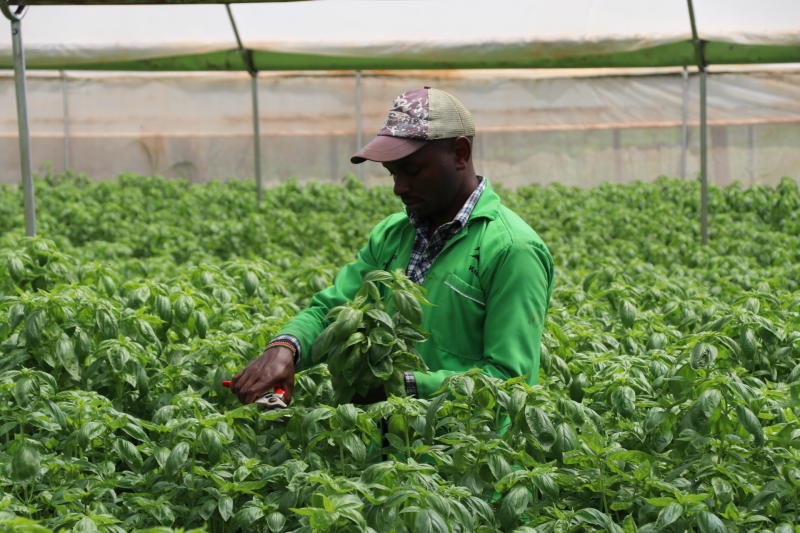
Basil farming in Kenya has become a profitable agricultural business, providing farmers with significant returns on investment. This fragrant herb has caught the interest of both local and international markets, creating exciting opportunities for Kenyan farmers.

The versatility of basil makes it a highly desired crop in various industries:
- Culinary Uses: An essential ingredient in Italian, Thai, and Mediterranean dishes
- Medicinal Benefits: Packed with antioxidants and anti-inflammatory properties
- Essential Oil Production: Utilized in aromatherapy and personal care products
- Natural Preservatives: Valued in food processing industries
The demand for Kenyan basil continues to grow, driven by:
- An increasing number of health-conscious consumers
- The expansion of restaurants and hospitality businesses
- Rising export opportunities to Europe and the Middle East
- Greater acceptance of herb-based natural remedies
For farmers seeking to diversify their agricultural activities, basil farming offers an appealing choice with relatively low startup costs and high potential profits. The crop’s ability to thrive in Kenya’s climate and quick harvest cycle makes it an ideal option for sustainable farming practices.
Moreover, the future of agriculture in Kenya is not solely reliant on traditional farming methods. With the upcoming changes in e-commerce within the agricultural sector, farmers now have the opportunity to utilize online platforms to access larger markets, thereby increasing their sales potential.
In addition, initiatives such as those by Royal Seedlings, which aim to empower women and youth in agribusiness, are paving the way for a more inclusive agricultural industry.
Furthermore, if you are interested in exploring other profitable ventures within the agricultural sector, Pixie orange farming is another promising option worth considering.
Ideal Growing Conditions for Basil Farming in Kenya
Kenya’s warm tropical climate creates perfect conditions for year-round basil cultivation. The temperatures ranging between 20-30°C (68-86°F) support robust plant growth and essential oil production. Basil thrives in areas receiving moderate rainfall of 600-1200mm annually.
Key Climate Requirements:
- 6-8 hours of direct sunlight daily
- Protection from strong winds
- Relative humidity between 60-70%
- Frost-free environment
Soil Specifications:
Basil requires specific soil conditions for optimal growth. These include well-drained loamy soil, a pH level of 6.0-7.5, richness in organic matter, and good water retention capacity. For a deeper understanding of the soil requirements not just for basil but also for different fruit trees in Kenya, you can refer to this resource on understanding soil requirements.
Soil Preparation Steps:
- Conduct soil testing to determine pH and nutrient levels
- Add lime if pH adjustment is needed
- Mix organic compost (2-3 kg per square meter)
- Incorporate well-rotted manure for enhanced fertility
- Till soil to improve drainage and aeration
The combination of Kenya’s natural climate advantages and proper soil management creates optimal growing conditions for healthy, aromatic basil plants with high yields.
Popular Basil Varieties Grown in Kenya
Kenyan farmers cultivate diverse basil varieties, each offering distinct characteristics and market opportunities. To ensure successful cultivation, it’s essential to understand [what makes a good nursery](https://royalseedlings.com/what-makes-a-good-nursery-key-qualities-kenyan-farmers-should-look-for) and the specific needs of different plant varieties.
1. Sweet/Genovese Basil
- Classic Italian variety with large, glossy leaves
- Sweet, peppery flavor perfect for pesto and Mediterranean dishes
- Most commercially grown variety in Kenya
2. Thai Basil
- Purple stems with narrow green leaves
- Distinctive anise-like flavor
- Essential in Asian cuisine and stir-fries
3. Holy Basil (Tulsi)
- Sacred plant in Indian culture
- Spicy, clove-like taste
- Used in traditional medicine and herbal teas
4. Specialty Varieties
- Lemon Basil: Citrus notes, ideal for seafood dishes
- Cinnamon Basil: Spicy-sweet flavor for desserts
- Dark Opal: Purple leaves, ornamental and culinary use
- Greek Basil: Compact growth, intense flavor
- African Blue: Kenyan hybrid, camphor notes
- Lettuce Leaf: Large ruffled leaves for salads
- Purple Ruffles: Decorative variety with rich color
These varieties thrive in Kenya’s climate, offering farmers flexibility to meet diverse market demands from local restaurants to international buyers. Farmers looking to diversify their crops beyond basil might consider exploring other options such as local and imported apple varieties.
Best Practices for Basil Cultivation in Kenya
Successful basil cultivation starts with proper nursery management. You’ll need to create a controlled environment using raised seedbeds or seed trays filled with sterilized soil mix. Plant the seeds at a depth of 0.25 inches, maintaining soil temperatures between 21-27°C for optimal germination.
Your seedlings require specific care during the nursery phase:
- Water twice daily using a fine spray
- Provide partial shade during intense sunlight
- Maintain proper ventilation to prevent damping off
- Remove weak or diseased seedlings
Transplant your basil seedlings when they develop 4-6 true leaves, typically 4-6 weeks after sowing. The recommended spacing patterns are:
- 30-45 cm between plants
- 45-60 cm between rows
- 1-meter walkways between blocks
This spacing arrangement creates an ideal microclimate around your basil plants, promoting:
- Enhanced air circulation
- Reduced disease pressure
- Better access for maintenance
- Optimal light penetration
For commercial production, plant basil in raised beds with black mulch to suppress weeds and conserve soil moisture. Install support systems like stakes or trellises for tall-growing varieties to prevent stem breakage during heavy rains.
In addition to basil, the role of tissue culture in banana seedling production can also be beneficial for diversifying your crop portfolio. If you’re considering expanding into other fruit crops, understanding the benefits of grafted fruit seedlings and seeking training opportunities for aspiring commercial fruit growers in Muranga County could provide valuable insights.
Furthermore, if you’re interested in starting an avocado orchard alongside your basil cultivation, you can follow this step-by-step guide to starting an avocado orchard in Kenya. Lastly, it’s crucial to prepare your land properly before receiving seedlings delivery to ensure successful planting and growth.
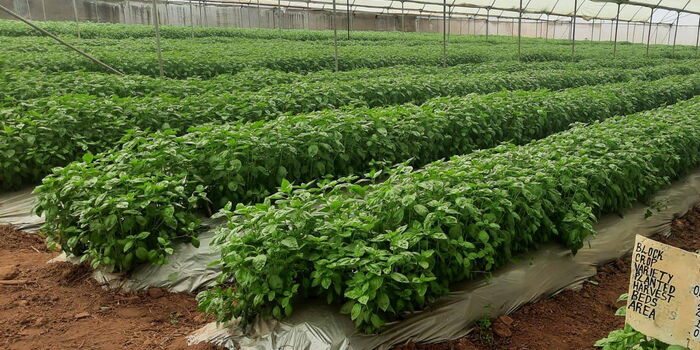
Land Preparation and Planting Techniques for Basil Farming in Kenya
Proper land preparation creates an optimal growing environment for your basil plants. Start by removing all weeds, rocks, and plant debris from your selected plot. This cleaning process prevents competition for nutrients and reduces pest hiding spots.
Your soil needs thorough tilling to achieve the ideal 20-30 cm depth. This depth allows:
- Strong root development
- Better water retention
- Enhanced nutrient absorption
- Improved soil aeration
After tilling, level the soil surface and create raised beds 15-20 cm high. These beds help:
- Prevent waterlogging
- Improve drainage
- Make harvesting easier
- Reduce soil compaction
To prepare your garden soil effectively, you might find this guide on soil preparation useful.
Plant your basil seedlings at a spacing of:
- 30-45 cm between plants
- 45-60 cm between rows
This spacing pattern maximizes your land use while giving each plant enough room to grow. Press the soil firmly around each seedling to eliminate air pockets and ensure good root-to-soil contact. Water immediately after transplanting to help seedlings establish themselves in their new environment.
For those interested in expanding their farming venture beyond basil, such as delving into avocado farming, it’s essential to undergo a professional avocado farming training. This training can provide invaluable insights into the intricacies of avocado cultivation.
Moreover, understanding the [seasonal planting calendar for fruit seedlings](https://royalseedlings.com/seasonal-planting-calendar-for-fruit-seedlings-in-central-kenya) in Central Kenya can significantly enhance your farming strategy. It’s crucial to know when to plant different types of seedlings to ensure optimal growth and yield.
If you’re considering purchasing avocado seedlings online, you might have some questions. Here are some frequently asked questions about avocado seedling purchases online that could assist you in making informed decisions.
Lastly, once you’ve planted your avocado seedlings, proper care is paramount. Here are some essential tips for caring for newly planted avocado seedlings that can help ensure their successful growth.
Water Management Strategies for Successful Basil Farming in Kenya
Drip irrigation stands as the most effective watering method for basil farming in Kenya. This system delivers water directly to plant roots, reducing water waste and preventing leaf diseases caused by overhead watering.
Key benefits of drip irrigation:
- Maintains consistent soil moisture
- Reduces water consumption by 30-50%
- Minimizes weed growth
- Prevents soil erosion
Your basil plants need specific water amounts based on growth stages. Young seedlings require light, frequent watering, while established plants need deeper, less frequent irrigation. Check soil moisture by inserting your finger 2-3 inches into the soil – if it feels dry, it’s time to water.
Seasonal water adjustments:
- Dry season: Water twice daily
- Rainy season: Reduce irrigation frequency
- Cool season: Decrease water volume
Watch for signs of improper watering:
- Overwatering: Yellowing leaves, root rot
- Underwatering: Wilting, brown leaf edges
Install moisture sensors or tensiometers to monitor soil water levels accurately. These tools help maintain optimal moisture conditions for healthy basil growth.

Nutrient and Fertilizer Management Techniques for Healthy Basil Plants in Kenya
Proper nutrient management directly impacts basil plant health and yield quality. Your basil plants require specific nutrients at different growth stages:
Seedling Stage (1-2 weeks)
- Light application of nitrogen-rich fertilizer (NPK 5-5-5)
- 2-3 tablespoons per plant applied weekly
Vegetative Growth (3-6 weeks)
- Balanced NPK fertilizer (10-10-10)
- Application rate: 1/4 cup per plant bi-weekly
Pre-harvest Stage
- Potassium-rich fertilizer (NPK 3-1-5)
- Reduced nitrogen to enhance flavor development
Organic Fertilization Options
- Compost tea application every 14 days
- Vermicompost side dressing monthly
- Neem cake powder (2-3 kg per 100 square meters)
You can enhance soil health through natural amendments:
- Aged cow manure mixed with topsoil
- Green manure from leguminous crops
- Bone meal for phosphorus supplementation
- Wood ash for potassium boost
Regular soil testing helps maintain optimal nutrient levels and pH balance. Adjust fertilizer applications based on leaf color – yellowing indicates nitrogen deficiency while purple leaves suggest phosphorus shortage.
Pest and Disease Control Using Integrated Pest Management (IPM) Strategies in Basil Farming in Kenya
Effective pest and disease management in basil farming requires a comprehensive IPM approach. Here are the key threats and control measures:
Common Pests:
- Aphids – These tiny insects cluster under leaves, causing yellowing and stunted growth
- Spider Mites – Create fine webbing and cause stippling on leaves
- Cutworms – Attack young plants at soil level, often at night
Major Diseases:
- Fusarium Wilt – Causes wilting and yellowing of leaves, starting from bottom
- Downy Mildew – Creates yellow patches on leaf surfaces with gray undersides
IPM Control Strategies:
- Install physical barriers like insect nets around growing areas
- Maintain proper plant spacing to reduce disease spread
- Remove infected plants immediately to prevent contamination
- Use companion planting with marigolds to repel pests
- Apply neem-based solutions for organic pest control
- Regularly monitor your basil plants to detect problems early. Scout your farm twice weekly, checking both upper and lower leaf surfaces for signs of pest activity or disease symptoms. This is similar to the preventive measures used in young orchards.
Chemical Control:
- Use certified pesticides only when necessary
- Apply during early morning or late evening
- Follow recommended dosage and safety protocols
- Maintain proper records of all chemical applications
- Observe pre-harvest intervals strictly
Understanding the common diseases that affect plants can also aid in effective management.
Harvesting Techniques and Post-Harvest Handling Methods for High-Quality Basil in Kenya
Proper harvesting techniques directly impact your basil crop’s quality and yield potential. You’ll achieve optimal results by harvesting basil plants when they reach 15-20 cm in height and display 4-6 full leaves per stem.
Best Harvesting Practices:
- Pick basil leaves during early morning hours (6-8 AM) when essential oil content peaks
- Cut stems at a 45-degree angle, 1-2 inches above leaf nodes
- Remove flower buds to redirect energy toward leaf production
- Leave at least 3 sets of leaves on each stem to support regrowth
Handling Fresh Basil:
- Use clean, sharp scissors or pruning shears to prevent stem damage
- Harvest larger leaves first, allowing smaller ones to mature
- Avoid crushing or bruising leaves during collection
- Place harvested basil in clean, ventilated containers
- Keep harvested leaves in shade to prevent wilting
Regular harvesting every 2-3 weeks maintains plant vigor and encourages bushier growth. Your basil plants can produce fresh leaves for 3-4 months under proper management and consistent harvesting practices.
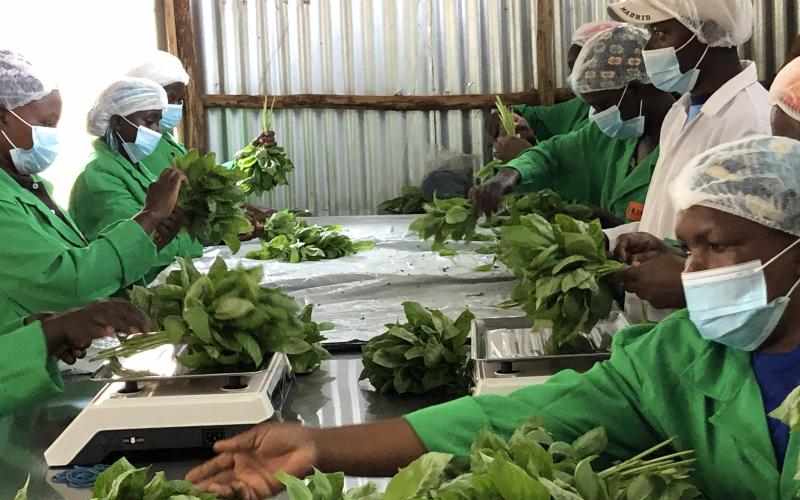
Sorting, Packaging & Storage Methods to Maintain Freshness of Harvested Basil in Kenya
Proper post-harvest handling determines the quality and shelf life of your basil crop. Start by sorting harvested leaves into different grades based on size, color, and condition. Remove damaged, discolored, or pest-affected leaves to maintain premium quality standards.
Essential cleaning steps:
- Gently wash leaves in cool, clean water
- Remove excess moisture using a salad spinner
- Pat dry with clean cotton cloth
Packaging requirements:
- Use food-grade ventilated plastic containers
- Line containers with perforated food-safe liners
- Stack leaves loosely to prevent bruising
- Label packages with harvest date and variety
Storage conditions for maximum freshness:
- Maintain temperature between 10-12°C
- Keep relative humidity at 85-95%
- Store away from ethylene-producing fruits
- Position containers upright to prevent leaf crushing
For extended shelf life, wrap basil stems in damp paper towels before placing in storage containers. This method helps maintain moisture while allowing proper air circulation, keeping leaves fresh for up to 10 days.
Exploring Market Opportunities for Basil Farmers in Kenya
Kenya’s basil market offers diverse selling opportunities for herb farmers. Local retail outlets, including supermarkets and grocery stores, purchase fresh basil regularly to meet growing consumer demand. These establishments prefer consistent suppliers who can deliver high-quality herbs on a scheduled basis.
The hospitality industry represents a significant market segment:
- Hotels: High-end hotels require fresh basil daily for their kitchens
- Restaurants: Both local and international cuisine restaurants use basil extensively
- Catering Services: Event caterers need regular herb supplies
- Food Processing Companies: Manufacturers of pesto, sauces, and ready-meals
You can establish direct supply relationships with:
- Local organic food stores
- Farmers’ markets
- Health food shops
- Specialty herb shops
The growing health-conscious consumer base in urban areas has created new market opportunities. Many restaurants now feature herb-focused dishes, increasing the demand for fresh basil. Health food stores stock fresh herbs for customers interested in natural remedies and healthy cooking ingredients.
Small-scale farmers can start by supplying to local markets and gradually expand their customer base as production increases. Building relationships with chefs and restaurant owners can lead to long-term supply contracts.
In addition to basil, diversifying into other profitable crops such as avocado could further enhance income. For instance, best practices for smallholder farmers when buying avocado seedlings online can provide valuable insights into expanding your farming portfolio.
Export Potential of Kenyan Basil to European Union and Middle Eastern Markets
The European Union presents substantial export opportunities for Kenyan basil farmers. Key markets include:
- Netherlands: Europe’s primary herb trading hub
- Germany: High demand for organic herbs
- UK: Growing market for fresh culinary herbs
- France: Strong preference for premium quality herbs
To access these lucrative markets, you need specific certifications:
- GlobalGAP certification: Essential for EU market entry
- Organic certification: Commands 20-30% price premium
- Food safety certifications: HACCP compliance required
The Middle East market shows promising growth potential:
- UAE: Rising demand in luxury hospitality sector
- Saudi Arabia: Increasing consumption of fresh herbs
- Qatar: Growing market for premium organic produce
Current export prices range from $4-6 per kg for conventional basil and $7-9 per kg for organic certified basil. The EU market particularly values consistent supply, high quality, and proper documentation. Middle Eastern buyers prefer fresh basil with strong aromatic properties and deep green coloring.
In addition to basil, there are other profitable agricultural exports that Kenyan farmers can explore. For instance, Hass avocado exports also present a lucrative opportunity in both the EU and Middle Eastern markets.
Value Addition Opportunities to Boost Profitability in Kenyan Basil Farming
Value addition transforms raw basil into high-value products, multiplying your farm’s income potential. Here are proven methods to increase your basil farming profits:
1. Dried Basil Production
- Air drying in clean, well-ventilated spaces
- Solar drying using specialized equipment
- Dehydrator processing for consistent quality
- Packaging dried herbs in airtight containers
2. Essential Oil Extraction
- Steam distillation method yields pure basil oil
- Cold pressing for premium quality extracts
- Essential oils fetch KES 5,000-8,000 per liter
3. Value-Added Products
- Basil-infused cooking oils
- Herb-seasoned vinegars
- Ready-to-use pesto sauce
- Herbal tea blends
4. Processing Benefits
- Extended product shelf life up to 12 months
- Reduced storage space requirements
- Higher price points than fresh herbs
- Year-round product availability
- Access to specialized market segments
In addition to basil farming, exploring other agricultural ventures like pomegranate farming in Kenya could further diversify income sources. Value addition creates multiple income streams from your basil farm. Processing equipment investments typically pay off within 6-12 months through increased product pricing and expanded market access.

Financial Viability Assessment of Basil Farming Ventures in Kenya
A quarter-acre basil farm in Kenya demonstrates impressive financial returns. With proper management practices, you can expect:
Monthly Revenue Breakdown:
- Fresh basil sales: KES 100,000
- Value-added products: KES 50,000
- Total monthly income: KES 150,000
Initial Investment Requirements:
- Land preparation: KES 30,000
- Seedlings and planting: KES 25,000
- Irrigation system: KES 45,000
- Basic tools and equipment: KES 20,000
The return on investment typically materializes within 4-6 months of planting. Your basil farm can generate income year-round through multiple harvests, with peak production during warm seasons.
Cost-Saving Strategies:
- Start small and expand gradually
- Practice organic farming to reduce input costs
- Implement efficient irrigation systems
- Maintain healthy soil through natural composting
A well-managed basil farm creates sustainable income streams through direct market sales, value-added products, and potential export opportunities. The low initial investment combined with high market demand makes basil farming an attractive agricultural venture in Kenya.
To maximize the potential of your basil farm, it’s crucial to adopt proper spacing techniques when planting your seedlings. This practice not only optimizes growth but also enhances overall yield.
Ready to start your basil farming venture?
Contact Royal Seedlings:
- 📱 Phone: +254 711315313
- 📧 Email: Julius.murega@royalseedlings.com
- 🌐 Website: www.royalseedlings.com
FAQs (Frequently Asked Questions)
What makes basil farming a profitable agricultural venture in Kenya?
Basil farming in Kenya is profitable due to the rising local and international demand for this versatile herb. The country’s tropical climate and suitable soil conditions support high-quality basil production, enabling farmers to tap into both local markets and lucrative export opportunities, especially to the European Union and Middle Eastern countries.
What are the ideal growing conditions for basil farming in Kenya?
Basil thrives in Kenya’s warm tropical climate with moderate rainfall. It requires well-drained loamy soil with a pH between 6.0 and 7.5. Proper soil preparation, including testing and enriching fertility using organic compost and manure, is essential to promote healthy growth.
Which basil varieties are commonly grown in Kenya and what are their uses?
Popular basil varieties in Kenya include Sweet (Genovese), Holy (Tulsi), Thai, Lemon, Cinnamon, Dark Opal, Greek, African Blue, Lettuce Leaf, and Purple Ruffles. Each variety has unique flavor profiles suited for various culinary applications ranging from fresh herb use to essential oil extraction.
How should water be managed effectively in basil farming to ensure healthy plants?
Effective water management involves using drip irrigation systems to enhance water efficiency and prevent diseases caused by overwatering. Farmers should avoid both overwatering and underwatering by adjusting irrigation schedules seasonally to maintain optimal soil moisture levels for basil growth.
What integrated pest management (IPM) strategies can be used to control pests and diseases in basil farming?
Common pests like aphids, spider mites, and cutworms, as well as diseases such as fusarium wilt and downy mildew, can be managed through cultural practices, physical barriers, and responsible use of certified pesticides. Implementing IPM strategies promotes sustainable pest control while maintaining plant health.
What market opportunities exist for Kenyan basil farmers locally and internationally?
Locally, Kenyan basil farmers can supply retail outlets, hotels, and restaurants that require fresh herbs regularly. Internationally, there is strong export potential to European Union countries like the Netherlands, Germany, UK, France, and emerging Middle Eastern markets. Meeting certification standards such as GlobalGAP enhances access to premium pricing in these markets.