

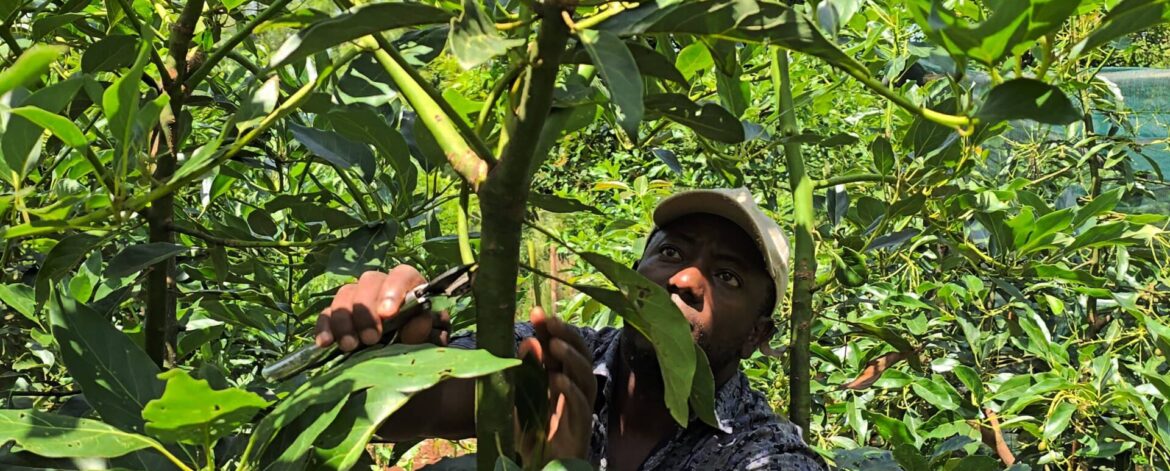
Cash crops have traditionally been the backbone of agricultural economies, providing farmers with reliable income streams. In recent years, the Hass avocado has emerged as a standout performer in the global agricultural market, transforming from a specialty fruit to a powerhouse cash crop.
The global avocado market now stands at an impressive $9 billion, with demand continuing to surge across international markets. This remarkable growth has caught the attention of farmers and agricultural experts alike, positioning Hass avocado as a prime candidate for sustainable farming ventures.
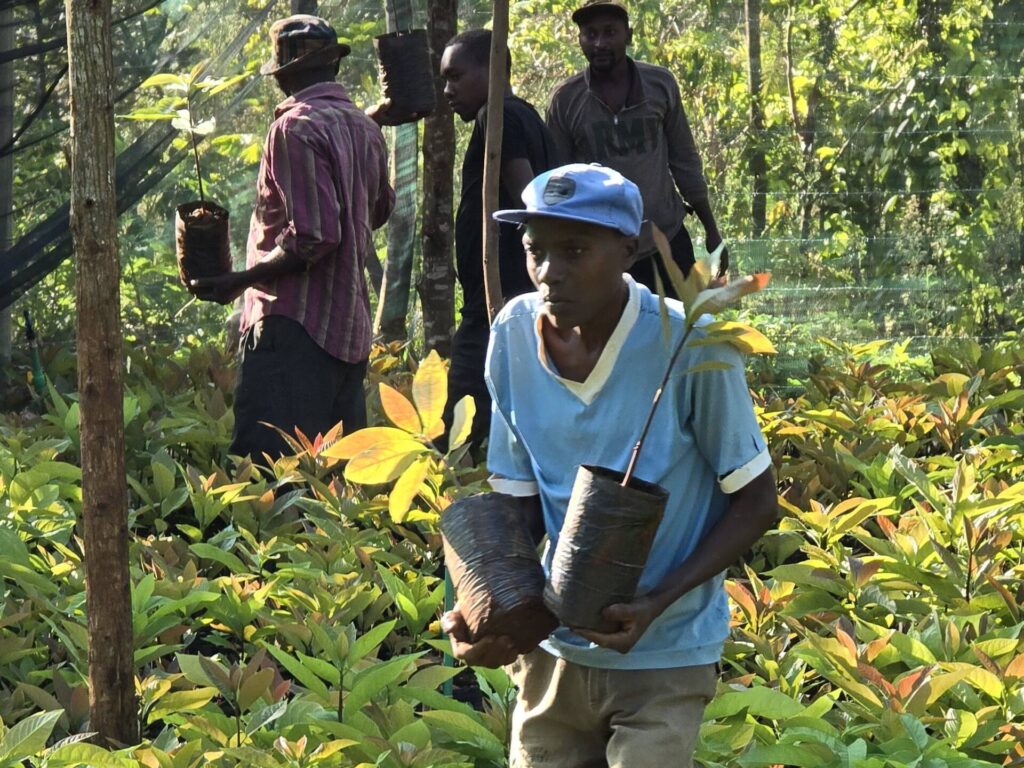
What sets Hass avocado apart in the cash crop landscape:
- Year-round demand in major markets
- High market value per unit compared to traditional crops
- Extended productive lifespan of trees
- Versatile growing conditions suitable for various climates
The rising popularity of healthy eating habits and plant-based diets has created an unprecedented appetite for avocados. Health-conscious consumers value this nutrient-rich fruit for its:
- Heart-healthy monounsaturated fats
- Rich vitamin and mineral content
- Versatility in culinary applications
This shift in consumer preferences has created a golden opportunity for farmers to tap into a market that shows no signs of slowing down. The Hass variety, in particular, has become the gold standard in commercial avocado production, thanks to its consistent quality and excellent shelf life.
For those looking to delve into the profitable world of Hass avocado farming, it’s essential to understand some key aspects. Caring for newly planted avocado seedlings is crucial for ensuring healthy growth and high yield. Additionally, preparing your land before receiving seedlings delivery can make a significant difference in the success of your farming venture.
Moreover, regions like Muranga, known for its quality Hass avocado seedling production in Kenya, are prime spots for such ventures. With the right support and resources, including initiatives that support women and youth in agribusiness, anyone can tap into this lucrative market.
As we look towards the future, there are promising opportunities on the horizon. For instance, Hass avocado exports from Kenya are expected to be particularly profitable by 2025.
The Rise of Hass Avocado Farming in Uganda and Kenya
Uganda and Kenya have seen a significant change in agriculture with the widespread adoption of Hass avocado farming. Both countries understand the potential of this crop to transform their agricultural industries.
Uganda’s Goals and Support for Farmers
Uganda aims to capture 10% of the global avocado market share, showing its determination to become a key player in international avocado trade. The country’s agricultural ministry is actively assisting farmers through:
- [Technical training programs](https://royalseedlings.com/what-to-expect-from-a-professional-avocado-farming-training-session)
- Distribution of high-quality seedlings
- Implementation of modern farming practices
- Access to international market connections
Kenya’s Approach to Hass Avocado Farming
Kenya has also embraced Hass avocado cultivation with enthusiasm. The country’s political leadership is promoting this shift through:
- Policy Support: Implementation of farmer-friendly regulations
- Infrastructure Development: Investment in storage and transportation facilities
- Market Access: Establishment of trade agreements with international buyers
- Research Initiatives: Development of improved farming techniques
Adaptability of Hass Avocados
Agricultural experts in both countries emphasize the crop’s ability to adapt to local conditions. Hass avocados can thrive in different soil types and elevations, making them suitable for various regions in Uganda and Kenya. For example, Kenyan farmers can use a seasonal planting calendar to optimize their yields.
Opportunities in the Global Hass Avocado Market
The global Hass avocado market, valued at approximately $9 billion USD, offers significant opportunities for East African farmers. Key indicators show:
- Rising demand in European markets
- Growing popularity in Asian countries
- Premium pricing for quality produce
- Year-round demand from international buyers
Integration with Existing Crops
Local farmers have reported successful integration of Hass avocado trees with their existing crops, leading to efficient land use. This intercropping method allows farmers to maintain their current production while developing their avocado orchards.
Government Support and Private Sector Partnerships
Both governments have established support systems that include partnerships with private sector players, creating a strong ecosystem for avocado farming. These collaborations provide farmers with:
- Access to certified seedlings
- Modern irrigation systems
- Post-harvest handling facilities
- Direct market linkages
Importance of High-Quality Seedlings and Disease Prevention
To ensure successful cultivation, it is crucial for farmers to seek out high-quality nurseries that offer certified seedlings. Additionally, understanding [common diseases affecting avocado seedlings](https://royalseedlings.com/a-farmers-guide-to-identifying-and-preventing-common-avocado-seedling-diseases) and how to prevent them can greatly improve the success rate of new orchards. For those planning to establish an avocado orchard, following a step-by-step guide can be beneficial.
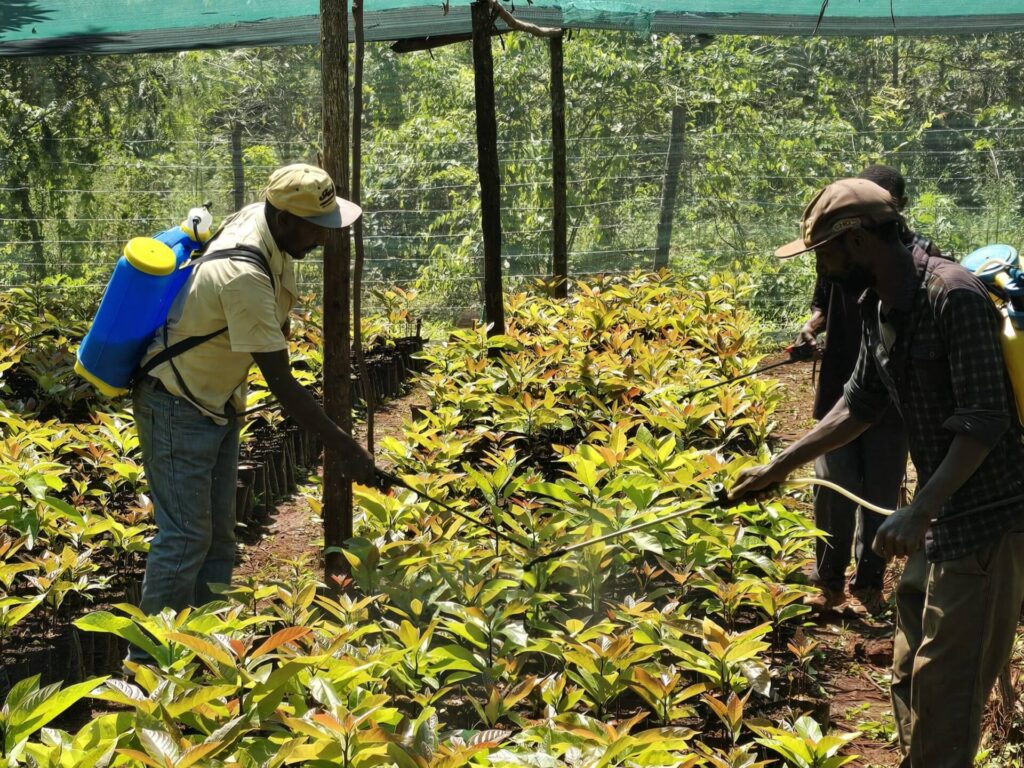
Long-Term Income Stability with Hass Avocado Cultivation
Hass avocado stands out as a generational crop, offering farmers a unique opportunity to create lasting wealth across multiple decades. A single Hass avocado tree can produce fruit for 50+ years, establishing a reliable income stream that spans generations.
The income stability from Hass avocado farming stems from several key factors:
1. Consistent Yield Patterns
- Trees begin producing fruit within 3-4 years
- Peak production occurs between years 7-20
- Steady yields continue well into the fifth decade
- Average yield: 500-1500 fruits per tree annually
2. Year-Round Income Potential
- Multiple harvesting seasons
- Staggered planting enables continuous production
- Reduced vulnerability to seasonal market fluctuations
The long-term financial benefits extend beyond direct fruit sales. Hass avocado trees create valuable agricultural assets that farmers can:
- Pass down to future generations
- Use as collateral for agricultural loans
- Leverage for additional business opportunities
A well-maintained Hass avocado orchard becomes a living legacy, providing steady returns throughout the farmer’s lifetime and beyond. This generational wealth creation aspect sets Hass avocados apart from annual crops or shorter-lived perennials like the Bartlett pear.
The extended productive lifespan of Hass avocado trees minimizes the need for frequent replanting, reducing long-term operational costs. Farmers can focus on optimizing their existing orchards rather than constantly establishing new plantations, creating a stable and sustainable agricultural enterprise.
In this context, understanding the science behind grafting can significantly enhance crop yield and quality. Additionally, adopting e-commerce trends in agriculture could open up new avenues for selling produce and managing operations more efficiently. Furthermore, recognizing the importance of proper spacing when planting fruit trees is crucial for maximizing yield and ensuring the health of the trees.
Commercial Viability of Hass Avocado in Kenya’s Agricultural Sector
Kenya’s agricultural landscape is undergoing a significant change as political leaders actively promote Hass avocado cultivation. Members of Parliament from various counties have started programs to distribute Hass avocado seedlings to farmers, recognizing its potential to transform the agricultural sector.
The Shift in Agricultural Policy
The move away from traditional cash crops towards Hass avocados is a strategic decision in Kenya’s agricultural policy. Coffee, which was once the mainstay of many farming communities, is facing several challenges:
- Fluctuating prices in the global market
- Rising production costs
- Vulnerability to diseases
- Long maturation periods
Hass avocados offer a promising alternative with benefits such as:
- Higher profits per acre
- Lower maintenance needs
- Natural resistance to common pests
- Multiple harvest seasons each year
Market Potential and Income Generation
Recent studies indicate that Kenyan Hass avocados are fetching high prices in international markets, especially in Europe and Middle Eastern countries. An individual mature Hass avocado tree has the potential to generate up to $1,000 annually, exceeding the income prospects of traditional cash crops.
Knowledge Transfer through Demonstration Farms
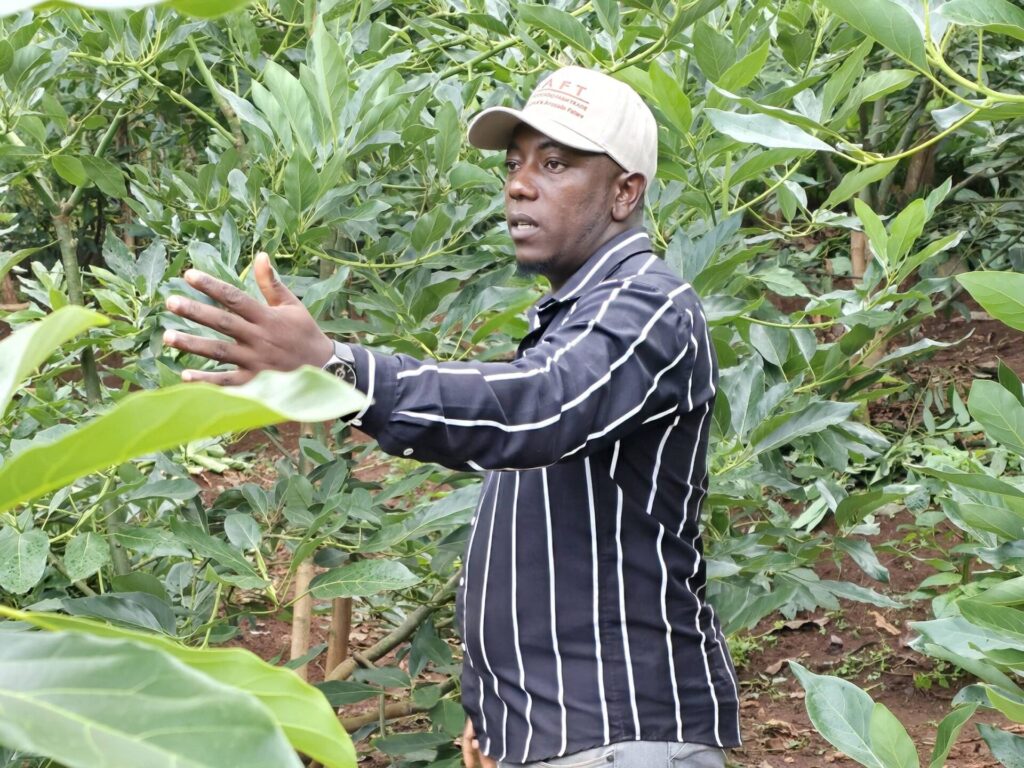
To facilitate knowledge transfer and skill development among farmers, the Kenyan government’s agricultural extension services have set up demonstration farms in various counties. These farms serve as practical learning centers where farmers can observe and understand successful Hass avocado cultivation techniques.
The demonstration farms focus on imparting crucial knowledge related to:
- Effective planting methods
- Optimal irrigation practices
- Integrated pest management strategies
- Proper post-harvest handling techniques
For aspiring commercial fruit growers seeking additional training opportunities, there are programs available in Muranga County that can enhance their skills and expertise.
Value Addition through Processing Facilities
Local agricultural cooperatives are taking proactive steps to establish Hass avocado processing facilities within their operations. This initiative aims to create additional value-chain opportunities for farmers by enabling them to process and package their avocados locally.
The establishment of processing facilities not only enhances the economic viability of Hass avocado farming but also empowers farmers with greater control over their produce and access to higher-value markets.
Infrastructure Development for Market Access
In line with efforts to strengthen the commercial viability of Hass avocado farming, there is a growing emphasis on infrastructure development in rural areas. This includes improving road networks, establishing cold storage facilities, and enhancing transportation systems.
Such infrastructural improvements play a pivotal role in ensuring timely delivery of avocados from farms to markets, reducing post-harvest losses, and maintaining product quality throughout the supply chain.
Diversification of Income Sources
As part of their strategy to mitigate risks associated with climate change and market fluctuations, many farmers are diversifying their income sources by intercropping Hass avocados with other crops.
This practice not only provides additional revenue streams but also promotes sustainable farming practices by enhancing soil health, conserving water resources, and attracting beneficial insects for pest control.
Alignment with Agricultural Modernization Goals
The transition towards Hass avocados aligns with Kenya’s broader agricultural modernization agenda aimed at increasing productivity, promoting value addition, and enhancing competitiveness in domestic and global markets.
By embracing modern farming techniques such as precision agriculture, organic farming practices, and agroecological approaches, farmers can further boost their yields while minimizing environmental impact.
Exploring Other Fruitful Ventures
In addition to venturing into Hass avocado cultivation, farmers can also explore other lucrative opportunities such as:
- Pomegranate farming
- Choosing between local and imported apple varieties for better adaptability to Kenyan climates
- Understanding the soil requirements for different fruit trees which can significantly impact yield outcomes
These complementary ventures provide avenues for income diversification while capitalizing on existing resources and market demand dynamics.
Attractive Prices and Expanding Market Opportunities for Farmers
The current market landscape for Hass avocados presents unprecedented opportunities for farmers. With prices ranging from $1.50 to $2.50 per fruit in international markets, Hass avocado farming offers substantial profit margins compared to traditional crops.
Key Market Indicators:
- Export prices have shown steady growth of 15% annually since 2018
- Premium pricing in European markets reaches up to €3 per fruit
- Asian markets offer competitive rates of ¥200-300 per piece
The global Hass avocado market demonstrates remarkable expansion patterns. Also, market research clearly indicates a projected growth rate of 7.2% annually through 2027, driven by:
- Rising health consciousness among consumers
- Increased adoption of plant-based diets
- Growing popularity in Asian markets, particularly China and Japan
- Year-round demand from food service industry
You’ll find particularly strong market penetration opportunities in:
Emerging Markets
- Middle Eastern countries
- Southeast Asian nations
- Eastern European regions
Established Markets
- North America
- Western Europe
- Australia
Notably, the versatility of Hass avocados in various cuisines has sparked increased demand from restaurants, health food stores, and supermarket chains. This market diversification provides multiple revenue streams for farmers, reducing dependency on single-buyer relationships.
Recent trade agreements have simplified export procedures, making it easier for farmers to access international markets. Direct partnerships with global distributors now offer guaranteed purchase agreements at favorable prices, providing stability and predictability for your farming investment.
In addition to avocados, exploring other profitable crops like Pixie oranges or selecting the right mango variety can further enhance profitability. Furthermore, adopting the best practices when buying avocado seedlings online can ensure successful cultivation and yield.
Conclusion
The transformation of Hass avocado into a powerful cash crop marks a significant shift in East African agriculture. The crop’s proven success in Uganda and Kenya demonstrates its potential to reshape farming economies across the region. Additionally, with its remarkable 50-year productive lifespan and consistent market demand, Hass avocado stands as a secure investment for generations of farmers.
The numbers tell a compelling story:
- Market Value: A $9 billion global market
- Production Cycle: 50+ years of continuous yields
- Market Share Goal: Uganda targets 10% of global supply
These statistics paint a picture of a crop that brings both immediate returns and long-term stability. The shift from traditional cash crops to Hass avocado represents more than an agricultural trend—it’s a strategic move toward sustainable farming practices and economic growth. The combination of political support, market demand, and farmer success stories positions Hass avocado as a cornerstone of agricultural development in East Africa.
Moreover, the economic impact of quality seedlings on smallholder incomes cannot be overlooked. By investing in high-quality seedlings, farmers can significantly increase their yields and, consequently, their income. Furthermore, this enhances the appeal of Hass avocado cultivation, making it not just a temporary shift but a long-term solution for economic stability in the region.
Call to Action: Get Started with Hass Avocado Farming Today!
Ready to transform your farming future with Hass avocados? Here’s how you can start your journey:
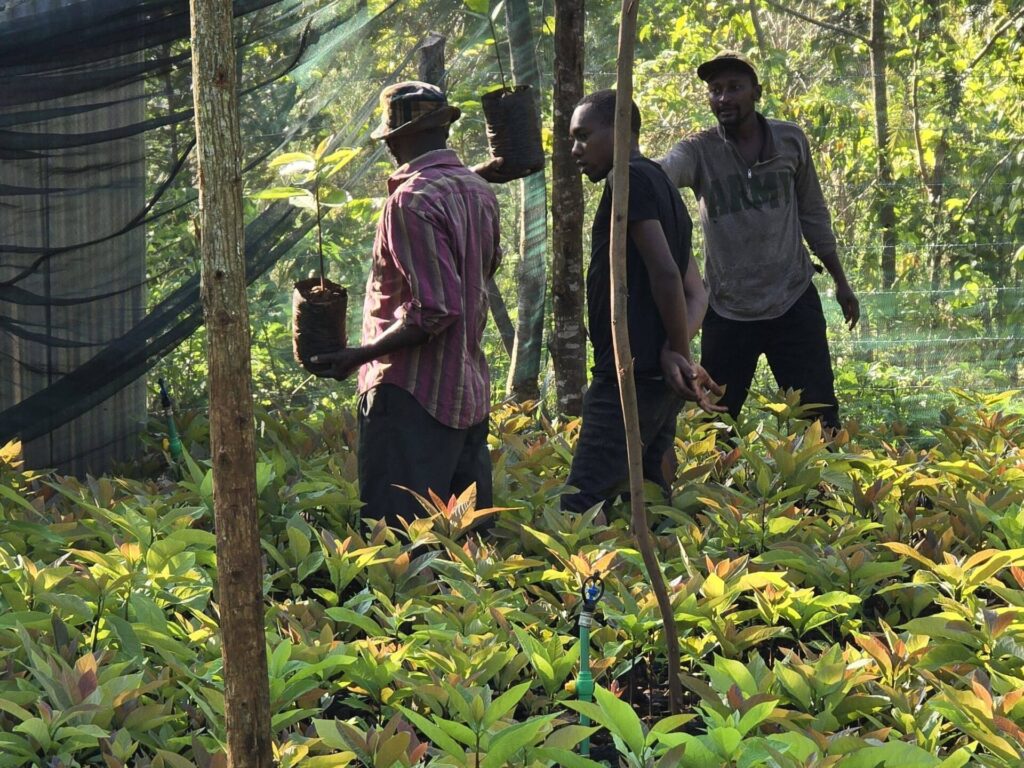
Order Your Seedlings Now
- Premium quality Hass avocado seedlings available
- Expert guidance on planting and maintenance, including the role of tissue culture in banana seedling production which can also be beneficial for your avocado farming
- Special bulk pricing for large orders
Partner With Us
- Access to proven farming techniques, such as understanding the benefits of grafted fruit seedlings
- Direct market connections
- Ongoing support and consultation
Moreover, don’t miss out on this golden opportunity to join the Hass avocado revolution. Your success story begins with a single seedling, and we’re here to support you every step of the way.
Contact Royal Seedlings:
-
- 📱 Phone: +254 711315313
- 📧 Email: Julius.murega@royalseedlings.com
- 🌐 Website: www.royalseedlings.com
Take the first step toward sustainable income generation – order your Hass avocado seedlings today and become part of the growing community of successful avocado farmers in East Africa. Also, remember to avoid common pitfalls by checking our guide on avocado farming mistakes to avoid for a bountiful harvest, and ensure your young orchards are thriving by following our tips on preventing pest infestations in young orchards naturally.
FAQs (Frequently Asked Questions)
Why is Hass avocado considered the new cash crop in Uganda and Kenya?
Hass avocado is emerging as the new cash crop due to its growing global demand and lucrative market value. Farmers in Uganda and Kenya are adopting Hass avocado farming practices supported by political leaders and agricultural experts, recognizing its potential to provide substantial income.
How does Hass avocado farming contribute to long-term income stability for farmers?
Hass avocado is classified as a generational crop, offering consistent yields over fifty years or more. This longevity ensures long-term income stability and security for farmers, making it an attractive option compared to traditional crops.
What makes Hass avocado commercially viable in Kenya’s agricultural sector?
The commercial viability of Hass avocado in Kenya is driven by strong advocacy from political leaders and its ability to supplement or replace older cash crops like coffee. Its increasing global market demand aligns well with Kenya’s agricultural goals, enhancing profitability for farmers.
What are the current market opportunities and pricing trends for Hass avocado farmers?
Farmers benefit from favorable prices due to the expanding global appetite for avocados, particularly the Hass variety. Also, these market conditions make Hass avocado farming financially appealing, opening up new revenue streams for growers in Uganda and Kenya.
How have political leaders influenced the adoption of Hass avocado farming in East Africa?
Political leaders in Uganda and Kenya have played a pivotal role by promoting Hass avocado cultivation as a strategic economic crop. Their support has facilitated farmer education, access to resources, and integration into global supply chains, boosting adoption rates.
How can interested farmers get started with Hass avocado farming today?
Farmers interested in cultivating Hass avocados are encouraged to order seedlings or partner with specialized companies offering guidance and resources. iIn addition, taking these steps enables them to tap into the promising economic potential of this new cash crop effectively.