

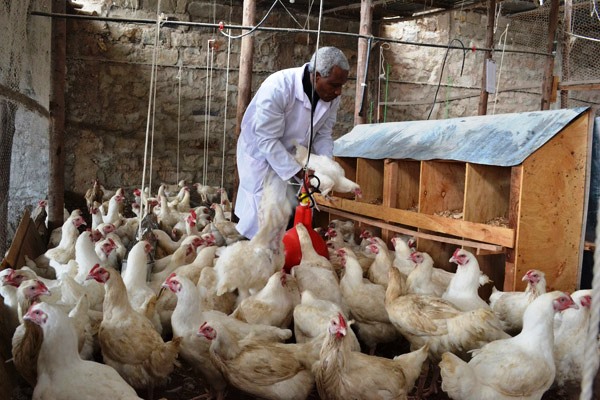
Broiler farming in Kenya is an exciting and profitable agricultural business. With the ability to raise chickens that grow quickly and reach market weight in just 6-8 weeks, it presents a great opportunity for both small-scale and commercial farmers.
The Growing Demand for Chicken Meat
The demand for chicken meat in Kenya has been steadily increasing, especially in:
- Urban areas
- Hotels and restaurants
- Supermarket chains
- Local meat markets
This surge in demand has made broiler farming an important part of Kenya’s agricultural industry. It not only provides jobs along the entire supply chain, including farm workers, traders, and processors but also contributes to the country’s food security.
The Importance of Broiler Farming
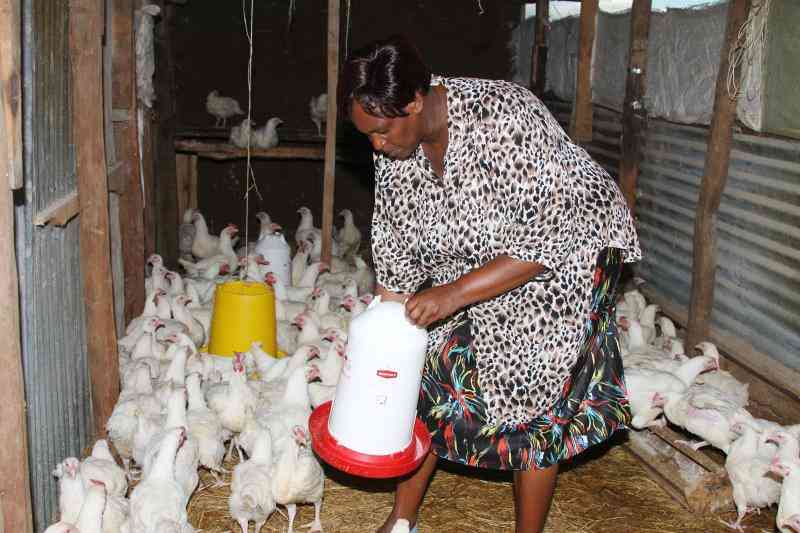
Broiler farming plays a vital role in ensuring that communities have access to protein, providing farmers with a stable income, reducing reliance on imported meat, and improving overall nutrition.
In this guide, we will explore the key aspects of successful broiler farming in Kenya. From understanding the requirements for setting up your farm to identifying potential markets for your products, this resource aims to equip you with the knowledge needed to thrive in this industry.
Note: While this guide focuses specifically on broiler poultry farming, it’s worth mentioning that many of the principles of successful agriculture apply universally. For example, if you’re interested in diversifying your farming activities by venturing into other crops such as avocado or avoiding common mistakes associated with its cultivation or even purchasing seedlings online (FAQ about avocado seedling purchases online), these resources can be valuable additions to your knowledge base.
Additionally, preparing your land ahead of time before receiving any seedlings is crucial for successful agricultural practices; expert advice on such matters can be found here.
Furthermore, initiatives like Royal Seedlings are making significant contributions towards empowering women and youth within agribusiness sectors – encouraging them towards taking charge over their own agricultural ventures.
Market Potential of Broiler Farming in Kenya
Kenya’s broiler farming sector shows remarkable growth potential, driven by significant shifts in consumer behavior and demographic changes. Research projections indicate chicken meat consumption will triple by 2050, creating substantial opportunities for farmers entering this market.
Factors Influencing Broiler Meat Demand
The following factors directly influence the demand for broiler meat in Kenya:
- Growing middle-class population in cities
- Increased disposable income
- Rising number of restaurants and food outlets
- Expansion of supermarket chains
As highlighted in a report on urbanization as a driver of changing food demand, these factors are closely linked to the ongoing urbanization trends in the country.
Modern Dietary Preferences Shaping Broiler Farming
The broiler farming landscape is being shaped by modern dietary preferences, which include:
- Shift towards protein-rich diets
- Preference for white meat
- Growing health consciousness
- Quick-cooking meal options
Consumer Segments Driving Demand for Broiler Products
The demand for broiler products is robust across various consumer segments, including:
- Hotels and restaurants
- Retail chains
- Food processing companies
- Direct consumer sales
The combination of population growth, urbanization, and evolving dietary habits positions broiler farming as a high-potential agricultural venture in Kenya’s dynamic food market.
Exploring Diversification Opportunities
However, it’s worth noting that diversification into other areas such as pixie orange farming or exploring export markets like Hass avocado could further enhance profitability. Additionally, understanding the nuances of choosing between local and imported apple varieties can provide valuable insights for farmers considering crop diversification.
Embracing E-commerce Trends and Quality Seedlings Impact
Moreover, embracing e-commerce trends in agriculture could open up new avenues for sales and marketing. Finally, acknowledging the economic impact of quality seedlings on smallholder incomes can guide farmers in making informed decisions about their operations.
Setting Up a Broiler Farm
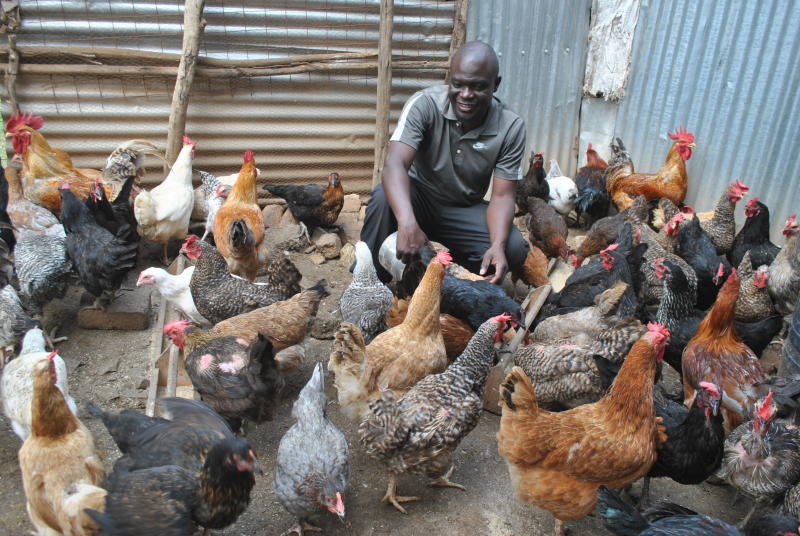
Selecting an ideal location for your broiler farm sets the foundation for success. Your farm needs reliable road access for feed delivery and market transportation. Essential utilities – electricity and clean water supply – must be readily available.
Key Infrastructure Requirements:
- Stable power supply for lighting and ventilation systems
- Clean water source for drinking and cleaning
- All-weather access roads
- Proximity to feed suppliers and markets
Your broiler house design must protect birds from harsh weather while maintaining optimal conditions. A well-constructed house includes:
- Concrete floors for easy cleaning
- Proper insulation materials
- Adjustable curtains for ventilation control
- Adequate roof overhang to prevent rain splash
Space Planning:
- Allow 10-12 birds per square meter
- Include 20% extra space for future expansion
- Position houses with east-west orientation
- Maintain 30-meter distance between houses
Your housing setup must accommodate essential equipment:
- Automatic or manual feeders
- Drinking systems
- Lighting fixtures
- Ventilation fans
- Storage area for feed and equipment
While broiler farming is focused on poultry, understanding the principles of good nursery management can also be beneficial. For instance, what makes a good nursery can provide insights into managing other types of farming ventures effectively. Similarly, if you’re considering diversifying into crops like avocados or mangoes alongside your broiler farm, knowing essential tips for caring for newly planted avocado seedlings or how to choose the right mango variety could prove invaluable.
Moreover, understanding the science behind grafting] can significantly improve crop yield and quality, thus enhancing the overall productivity of your farm.
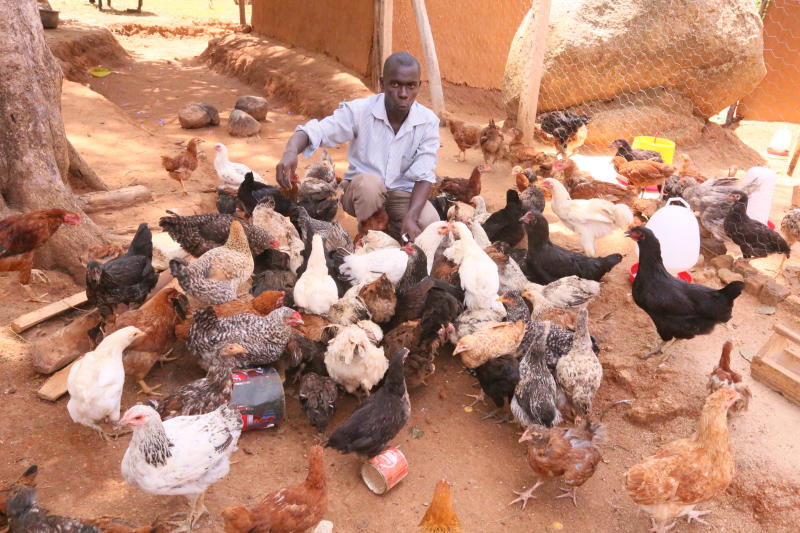
Brooding Phase and Feeding Management
The brooding phase is a critical period in broiler farming that requires precise temperature control for optimal chick development. During the first week, maintain temperatures at 35°C, gradually reducing by 2-3°C weekly until reaching room temperature.
Temperature Management Schedule:
- Week 1: 35°C
- Week 2: 32°C
- Week 3: 29°C
- Week 4: 26°C
Feed requirements evolve through three distinct growth phases:
Starter Phase (0-21 days)
- High protein content (22-24%)
- Fine crumble texture
- Feed available 24/7
Grower Phase (22-35 days)
- Protein content (20-22%)
- Pellet form
- Controlled feeding schedule
Finisher Phase (36-42 days)
- Protein content (18-20%)
- Large pellets
- Restricted night feeding
Implement these feeding strategies for optimal growth:
- Position feeders at breast height
- Clean feeders daily
- Maintain 2-3cm feed depth
- Monitor Feed Conversion Ratio (FCR)
- Provide fresh, clean water constantly
Proper feed storage prevents contamination and maintains nutritional value. Store feed in cool, dry conditions, elevated from the ground, away from direct sunlight.
In addition to managing the brooding phase and feeding strategies, understanding the broader agricultural context can be beneficial. For instance, understanding soil requirements for different fruit trees in Kenya can provide insights into sustainable farming practices that could complement poultry farming.
Moreover, considering the growing trend towards antibiotic reduction in livestock farming, it’s essential to explore alternative methods for maintaining poultry health without relying heavily on antibiotics. This could involve implementing stricter biosecurity measures, improving overall farm hygiene, and providing a balanced diet that strengthens the birds’ immune systems.

Broiler Management Practices
Starter Phase (Day 1-21)
The starter phase requires meticulous attention to detail. Your chicks need:
- Clean, disinfected housing with fresh bedding
- Room temperature maintained at 32-35°C
- Protection from drafts and temperature fluctuations
- Regular monitoring for signs of illness or stress
Finishing Phase (Day 22-Market)
During the finishing phase, ventilation becomes critical. A well-ventilated house:
- Removes excess moisture and ammonia
- Regulates temperature
- Reduces respiratory stress
- Prevents heat buildup
All-in-All-Out Production System
The all-in-all-out production system maximizes farm efficiency:
- Stock birds of the same age
- Raise them to market weight
- Sell entire batch at once
- Clean and disinfect thoroughly
- Allow 14-day rest period
- Start new cycle
This system breaks disease cycles and allows proper sanitization between batches. Your cleaning routine should include removing old litter, washing walls and equipment, disinfecting the entire house, and laying fresh bedding material.
If you’re also considering diversifying your farm by incorporating crops such as avocado, it’s essential to follow best practices for smallholder farmers when buying avocado seedlings online. In Kenya, particularly in regions like Muranga, quality Hass avocado seedling production is thriving, providing an excellent opportunity for farmers looking to expand their operations.
Disease Management in Broiler Farming
Disease prevention is crucial for successful broiler farming. In Kenya, farmers face several critical poultry diseases:
- Newcastle Disease: Causes respiratory issues and high mortality
- Gumboro Disease: Affects immunity and leads to secondary infections
- Coccidiosis: Damages intestinal lining and reduces growth
- Fowl Pox: Creates lesions and affects feed intake
- Fowl Cholera: Results in sudden deaths and reduced production
Vaccination Schedule
Implementing a strict vaccination schedule protects your flock from these diseases. Work with a qualified veterinarian to develop a customized vaccination program based on local disease patterns.
Biosecurity Measures
Essential Biosecurity Measures:
- Install footbaths at farm entrances
- Restrict visitor access to poultry houses
- Use protective clothing and boots
- Maintain clean water and feed storage
- Implement pest control systems, similar to preventing pest infestations in young orchards naturally
Health Monitoring
Regular health monitoring helps detect diseases early. Watch for signs like reduced feed intake, unusual droppings, or behavioral changes. Quick isolation of sick birds prevents disease spread within your flock.
Quarantine Areas and Health Records
Create designated quarantine areas for new birds and maintain detailed health records. These practices, combined with proper sanitation, create a robust disease prevention system for your broiler farm.
Additionally, understanding how to identify and prevent common poultry diseases can further enhance your disease management strategy.
Market Opportunities and Challenges
Kenya’s broiler farming sector presents significant market opportunities, particularly in urban areas. Hotels, restaurants, and supermarkets create a steady demand for chicken meat, while the growing middle class drives consumption in residential areas.
However, it’s not just broiler farming that holds potential. There are also training opportunities for aspiring commercial fruit growers in Muranga County, which could provide an additional revenue stream for farmers looking to diversify their operations.
Key Market Drivers:
- Rising urban population
- Increased disposable income
- Growing preference for white meat
- Expansion of fast-food chains
Profitability Factors:
- Feed cost management
- Production efficiency
- Market access
- Value addition opportunities
The broiler farming sector faces several operational challenges that impact business sustainability:
Cost-Related Challenges:
- High feed prices due to expensive raw materials
- Rising energy costs
- Transportation expenses
- Equipment maintenance costs
Market-Related Challenges:
- Price fluctuations
- Competition from imports
- Limited access to credit
- Middlemen exploitation
Supply Chain Issues:
- Storage limitations
- Distribution network gaps
- Cold chain management
- Market access barriers
Understanding these market dynamics helps farmers develop effective strategies to maximize opportunities while minimizing risks in their broiler farming operations. For instance, exploring pomegranate farming in Kenya could be a viable alternative or supplement to broiler farming, given the right market conditions and management practices.
Strategies for Success in Broiler Farming
Success in broiler farming demands strategic planning and market-focused operations. You can tap into Kenya’s growing consumer demand through these proven approaches:
Value Addition Processing
- Create chicken sausages and nuggets
- Package pre-cut portions for retail
- Develop ready-to-cook marinated products
Contract Farming Benefits
- Guaranteed market access
- Stable pricing structures
- Technical support from partners
- Access to quality inputs
Government Support Programs
- Agricultural Finance Corporation loans
- Kenya Poultry Farmers Association training
- County-level extension services
- Market linkage initiatives
You can enhance profitability by participating in farmer groups to access bulk purchasing benefits and shared marketing channels. Direct partnerships with hotels, restaurants, and supermarkets create reliable income streams. The adoption of modern farming technologies and regular skill upgrades through training programs position your farm for sustained growth in Kenya’s dynamic broiler market.
Conclusion
Starting a successful broiler farm in Kenya requires careful planning and implementation of proven strategies. New farmers should focus on these essential elements:
- Location Selection: Choose an accessible site with reliable infrastructure and room for future expansion
- Housing Setup: Build well-ventilated structures that protect birds from harsh weather and predators
- Health Management: Implement strict biosecurity measures and follow vaccination schedules
- Feed Management: Monitor feed consumption and maintain optimal Feed Conversion Ratios
- Market Research: Identify reliable buyers and establish strong market connections
Optimizing your broiler farm’s profitability depends on:
- Maintaining low mortality rates through proper disease control
- Reducing feed costs through bulk purchasing
- Implementing efficient production cycles
- Exploring value-addition opportunities
- Building strong relationships with suppliers and buyers
Call to Action: Partner with Us for Success in Broiler Farming!
Ready to start your broiler farming journey? We’re here to support your success with:
- Expert guidance on farm setup and management, including professional avocado farming training
- Access to quality inputs and resources such as tissue culture banana seedlings or grafted fruit seedlings
- Market linkage opportunities
- Technical support throughout your farming journey
Additionally, we offer valuable insights into the seasonal planting calendar for fruit seedlings in Central Kenya and the importance of proper spacing when planting fruit trees, which can greatly enhance your farming success.
Take the First Step Today!
Contact us to discuss your broiler farming goals and learn how we can help you achieve them.
📱 Phone: 0711315313
✉️ Email: julius.murega@royalseedlings.com
Your success in broiler farming starts with the right partnership. Let’s work together to build a profitable and sustainable broiler farming enterprise.
FAQs (Frequently Asked Questions)
What is the importance of broiler farming in Kenya?
Broiler farming in Kenya plays a crucial role in meeting the increasing demand for chicken meat, contributing significantly to food security by providing affordable and nutritious protein sources.
How does urbanization affect the market potential of broiler farming in Kenya?
Urbanization drives higher chicken meat consumption due to changing diets and increased demand in urban centers, thereby expanding market opportunities for broiler farmers.
What are the key considerations when setting up a broiler farm in Kenya?
Selecting an accessible location with good infrastructure, ensuring proper housing that meets space requirements, and planning for expansion are essential elements for establishing a successful broiler farm.
How should temperature and feeding be managed during the brooding phase?
Maintaining controlled temperature is vital during the brooding phase to support chick health, alongside tailored feed management strategies that meet nutritional needs through different growth stages for optimal growth.
What disease management practices are recommended for broiler farms in Kenya?
Implementing vaccination programs, enforcing strict biosecurity measures, and adopting pest control strategies are critical to prevent common poultry diseases and ensure flock health.
What challenges do broiler farmers face in Kenya and how can they be overcome?
Challenges include high feed costs and disease outbreaks. These can be mitigated through efficient feed management, robust disease control measures, value addition strategies, and leveraging government support programs.