



Hydroponic farming is a revolutionary agricultural practice in Kenya that offers a soil-free approach to growing crops. Instead of using soil, this innovative method relies on nutrient-rich water solutions to nourish plants, creating a controlled environment that maximizes growth potential and resource efficiency.
Why Hydroponics Matters in Kenya
The adoption of hydroponics in Kenya represents a significant shift from traditional farming methods, addressing critical challenges faced by local agriculturalists:
- Limited Land Availability: Hydroponic systems enable vertical farming, multiplying production capacity in small spaces
- Water Scarcity: These systems use up to 90% less water compared to conventional farming
- Climate Uncertainty: Protected environments allow year-round cultivation regardless of external weather conditions
- Soil Degradation: By eliminating soil dependency, hydroponics bypasses issues related to soil quality and erosion
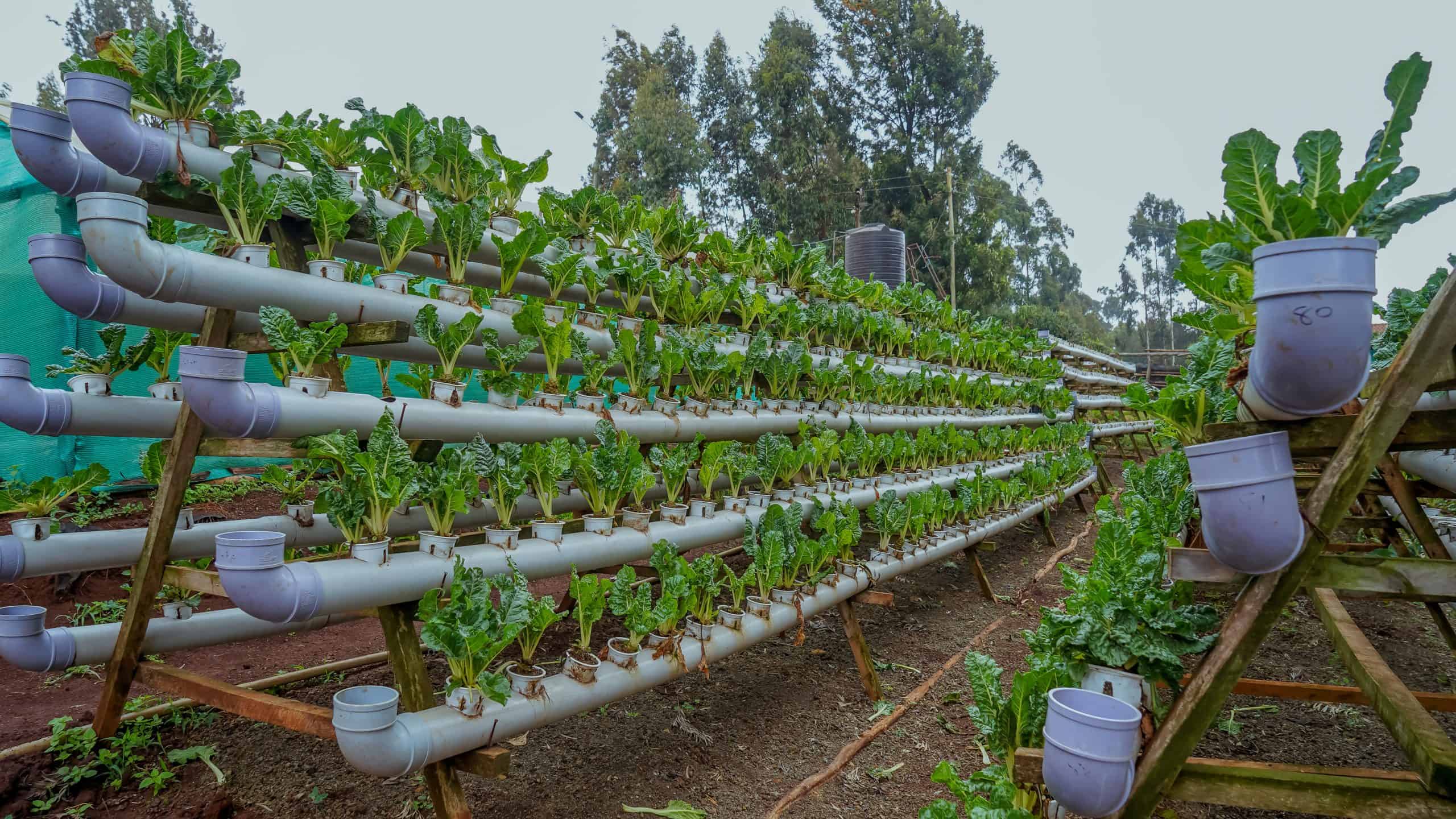
Kenyan farmers have embraced this sustainable agriculture approach, establishing successful operations across urban and rural areas. From small-scale backyard setups to commercial greenhouse installations, hydroponic farming has proven its adaptability to diverse settings and needs.
One notable aspect of this shift is the increasing interest in cultivating high-value crops like avocados through hydroponic methods. However, avocado farming mistakes can lead to significant losses if not addressed properly. Therefore, it’s crucial for farmers to understand the essential tips for caring for newly planted avocado seedlings and follow expert advice on preparing land before receiving seedlings delivery.
Moreover, the economic impact of using quality seedlings on smallholder incomes cannot be overstated. As such, understanding the nuances of purchasing avocados seedling online is also important for farmers (frequently asked questions about avocado seedling purchases online).
The transformation of Kenya’s agricultural landscape through hydroponics showcases the potential for technological innovation to create sustainable food production systems. This guide explores the essential aspects of hydroponic farming in Kenya, providing practical insights for both newcomers and experienced farmers looking to enhance their operations.
Advantages of Hydroponic Farming in Kenya
Hydroponic farming offers significant benefits that address Kenya’s agricultural challenges head-on. Here’s what makes this farming method stand out:
1. Water Conservation Excellence
- Uses up to 90% less water than traditional farming methods
- Recirculating systems prevent water wastage
- Precise water delivery directly to plant roots
- Drought-resistant farming solution for water-scarce regions
2. Enhanced Crop Yields
- Plants grow 30-50% faster than in soil
- Year-round cultivation regardless of seasons, making it a great alternative to the seasonal planting calendar for fruit seedlings in Central Kenya
- Multiple harvests from the same space
- Vertical farming capabilities maximize limited land
3. Superior Disease and Pest Management
- Controlled growing environment limits pest infestations, which aligns with strategies for preventing pest infestations in young orchards naturally
- Minimal need for pesticides and chemicals
- Reduced risk of soil-borne diseases
- Clean, sterile growing conditions
4. Climate-Smart Production
- Temperature-controlled environments
- Protection from harsh weather conditions
- Customizable nutrient solutions for each crop
- Ideal growing conditions maintained 24/7
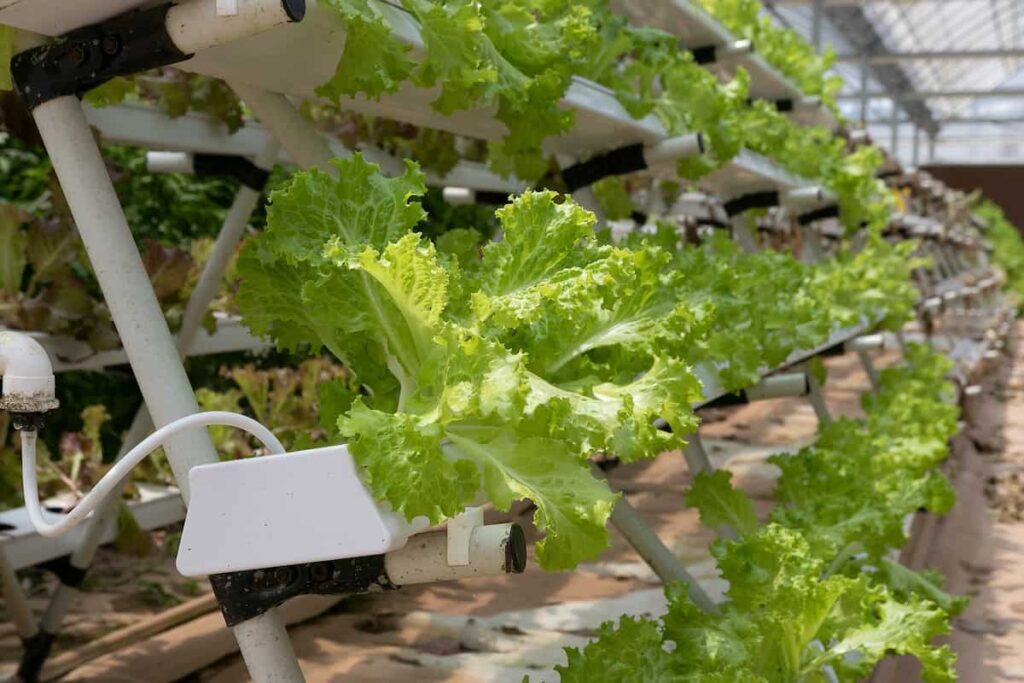
These advantages make hydroponic farming particularly suitable for Kenya’s agricultural landscape. Local farmers report consistent harvests throughout the year, with some achieving up to 10 times higher yields compared to traditional farming methods. The system’s efficiency has proven especially valuable in urban areas where space is limited and water access is restricted.
Moreover, these hydroponic techniques can be effectively combined with grafted fruit seedlings, which offer enhanced growth and yield potential. This synergy not only boosts food production but also plays a crucial role in empowering local communities, especially women and youth, through agribusiness initiatives supported by organizations like Royal Seedlings.
Additionally, the principles of climate-smart agriculture can be integrated into hydroponic practices. This approach enhances adaptive capacity of rural communities, as evidenced by successful projects like those funded by the Adaptation Fund. By leveraging these advanced agricultural techniques, farmers can not only increase their productivity but also contribute to sustainable food systems as highlighted in various studies on the subject (Frontiers in Sustainable Food Systems).
Key Components of Hydroponic Farming Systems
A successful hydroponic setup requires several essential components working together to create an optimal growing environment. Here’s what you need to get started:
1. Water Management System
- pH-balanced water (6.0-6.5 range)
- Water temperature control system
- Water filtration equipment
- Circulation pumps
- Reservoir tanks
2. Nutrient Delivery Components
- Primary nutrients (NPK)
- Secondary nutrients (calcium, magnesium)
- Micronutrients
- Nutrient dosing system
- EC/TDS meters for monitoring
3. Support Structure
- Plant support systems
- Growing channels or containers
- Reservoir tanks
- Framework for vertical systems
- Plumbing connections
4. Environmental Control
- Ventilation systems
- Temperature control
- Humidity management
- Light control (for indoor systems)
- Shade nets (for outdoor systems)
Popular Hydroponic Systems Used in Kenya
1. Nutrient Film Technique (NFT)
- Plants grow in channels with flowing nutrient solution
- Ideal for lightweight crops like lettuce
- Low water usage
- Requires reliable electricity
- Risk of system failure if power cuts occur
2. Deep Water Culture (DWC)
- Plants suspended in nutrient solution
- Excellent for leafy greens
- Simple to maintain
- Higher water usage
- More stable during power outages
3. Drip System
Nutrients delivered directly to plant roots, suitable for larger plants like tomatoes.
Advantages of Drip System:
- Efficient water distribution
- Easy to automate
- Works well with local power conditions
You can gain insights into how various fruit trees thrive in different soil types by understanding the soil requirements for different fruit trees in Kenya.
4. Wick System
A passive system that requires no electricity, making it suitable for small-scale farming.
Limitations of Wick System:
- Low maintenance needs
- Limited crop variety options
- Lower yields compared to active systems
Each component plays a crucial role in plant growth and system efficiency. The choice of system depends on:
- Available resources
- Local climate conditions
- Target crop types
- Scale of operation
- Technical expertise
- Budget constraints
Kenyan farmers often combine different systems to maximize productivity and minimize risks. This hybrid approach allows for crop diversification while maintaining system reliability under varying conditions.
For instance, Murang’a is known as the heart of quality Hass avocado seedling production in Kenya, which could be an ideal target crop when using these hydroponic systems.
Additionally, understanding the importance of proper spacing when planting fruit trees can also be beneficial when integrating traditional farming methods with hydroponics.
Choosing the Right Growing Medium for Your Hydroponic Setup
Selecting an appropriate growing medium plays a crucial role in the success of your hydroponic system. Here’s a detailed look at popular growing mediums used in Kenyan hydroponic farms:
1. Coconut Coir
- Made from processed coconut husks
- Excellent water retention capabilities
- pH neutral (5.8-6.8)
- Locally available and cost-effective
- Ideal for water-sensitive crops like tomatoes and peppers
2. Perlite
- Lightweight volcanic rock material
- Superior aeration properties
- Prevents water logging
- Perfect for root vegetables
- Needs frequent watering due to low water retention
3. Vermiculite
- Natural mineral with high water retention
- Rich in essential minerals
- Maintains consistent nutrient distribution
- Works well for leafy greens
- Can be mixed with perlite for balanced properties
4. Key Selection Factors
- Plant type and root system requirements
- Local availability and cost
- Water retention needs
- System type compatibility
- Reusability potential
Your crop selection directly influences the growing medium choice. For instance, if you’re considering choosing between local and imported apple varieties for Kenyan climates, or how to choose the right mango variety for your Kenyan farm, it’s essential to understand that leafy greens thrive in lighter mediums like vermiculite, while fruiting plants prefer coconut coir’s stability. The growing medium should match your system’s watering frequency – NFT systems work best with stable mediums like coconut coir, while DWC systems can utilize lighter options like perlite.
In addition, understanding [the science behind grafting](https://royalseedlings.com/the-science-behind-grafting-how-it-improves-crop-yield-and-quality) can also significantly improve your crop yield and quality, further emphasizing the importance of selecting the right growing medium.
Crops That Thrive in Hydroponic Systems: A Guide for Kenyan Farmers
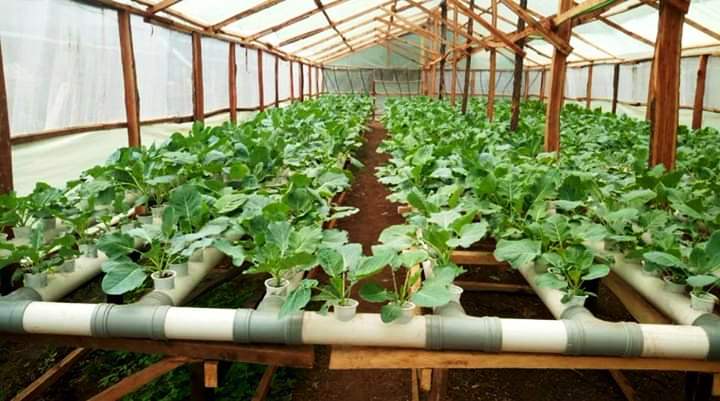
Kenyan hydroponic farmers achieve remarkable success with specific crop varieties perfectly suited to soilless cultivation. Here’s a comprehensive list of thriving crops and their cultivation requirements:
1. Leafy Greens
- Lettuce (All varieties) – Ready for harvest in 30-35 days
- Spinach – Harvest cycle: 40-45 days
- Kale – High nutrient demands, 45-day growth cycle
- Swiss Chard – Continuous harvest potential
2. Popular Herbs
- Basil – Ideal pH range: 5.5-6.5
- Mint – Aggressive growth rate
- Cilantro – Temperature sensitive, requires 18-24°C
- Parsley – Rich in essential nutrients
3. Fruiting Crops
- Cherry Tomatoes – Requires strong support systems
- Strawberries – Best in NFT or Dutch bucket systems
- Bell Peppers – High light requirements
- Cucumbers – Vertical growing recommended
- Avocado – A lucrative fruit that can also be grown hydroponically with the right care and conditions.
4. Best Practices for Success
To ensure optimal growth, it’s crucial to maintain water temperature between 20-22°C and monitor pH levels daily, as these factors significantly influence plant health. For instance, maintaining the ideal pH levels is essential for nutrient absorption.
Moreover, cleaning systems weekly to prevent algae growth, implementing proper spacing between plants, using appropriate EC levels for each growth stage, practicing regular pruning for optimal yields, and installing adequate lighting systems for indoor setups are all key practices.
When it comes to managing pH levels, sometimes an adjustment may be required. In such cases, understanding how much vinegar to add can provide a quick solution to achieving the desired pH level in your hydroponic system.
These crops adapt exceptionally well to Kenya’s climate conditions when grown hydroponically, offering consistent yields throughout the year. Each plant type requires specific nutrient solutions and environmental conditions for optimal growth.
For example, when considering Pixie Orange farming, it’s crucial to understand the unique needs of this fruit tree. Additionally, identifying and preventing common avocado seedling diseases is essential for maintaining a healthy crop yield.
Overcoming Challenges in Hydroponic Farming: Practical Solutions for Kenyan Farmers
Starting a hydroponic farm in Kenya presents specific challenges that require strategic solutions. The initial setup costs range from Ksh 50,000 to 500,000, depending on the scale of operations. You can reduce these costs through:
1. Start Small and Scale Gradually
- Begin with a pilot system of 100-200 plants
- Reinvest profits into system expansion
- Use locally available materials for basic structures
2. Access to Funding
- Apply for agricultural grants from organizations like Kenya Climate Innovation Center
- Join farmer cooperatives for shared resource access
- Explore microfinancing options from institutions like Equity Bank
3. Technical Knowledge Solutions
- Attend training programs by Hydroponics Africa
- Partner with experienced farmers for mentorship
- Access online resources and YouTube tutorials specific to Kenyan conditions
4. Equipment and Supply Management
- Form buying groups with other farmers to purchase supplies in bulk
- Source basic equipment from local manufacturers
- Create connections with reliable suppliers for consistent nutrient access
Successful hydroponic farmers in Kenya recommend focusing on market research before investment. Understanding your target market helps determine the appropriate scale and crop selection for your initial setup. Companies like Aqua Hub Kenya and Serahk Hydroponics offer consultation services to help you develop a sustainable business model aligned with your resources.
Moreover, exploring different avenues such as avocado farming or pomegranate farming could provide additional income streams. With the right knowledge and resources, Kenyan farmers can also tap into lucrative export markets, particularly in the Hass avocado sector. Additionally, when seeking to establish a nursery, it’s essential to know what makes a good nursery.
Government Support and Future Prospects for Hydroponics in Kenya
The Kenyan government recognizes hydroponic farming as a strategic solution to enhance food security. Through the Ministry of Agriculture, the government offers:
- Agricultural subsidies covering up to 50% of initial setup costs
- Tax incentives for hydroponic equipment imports
- Free technical training programs in partnership with agricultural institutions, including training opportunities for aspiring commercial fruit growers in Muranga County
NGOs play a vital role in promoting hydroponic adoption across Kenya:
- One Acre Fund provides micro-loans specifically for hydroponic ventures
- Farm Africa offers mentorship programs connecting new farmers with experienced practitioners
- Kenya Climate Innovation Center supports research and development in hydroponic technologies
The future of hydroponics in Kenya shows promising growth potential:
- Projected 25% increase in urban hydroponic farms by 2025
- Creation of 50,000+ new jobs in the hydroponic sector
- Enhanced food production capacity of 1.5 million tons annually
The widespread adoption of hydroponics directly impacts Kenya’s food security through:
- Year-round crop production regardless of weather conditions
- Reduced dependence on imported vegetables
- Stabilized food prices in urban areas
- Increased access to fresh produce in food-scarce regions
Local success stories demonstrate the transformative power of government-supported hydroponic initiatives. The Kibera Vertical Farms project, backed by government funding, now produces 2,000 kg of vegetables monthly, feeding 500 families in Africa’s largest urban settlement.
In addition to traditional crops, there is a growing interest in the role of tissue culture in banana seedling production, which could further enhance yield and efficiency. Furthermore, as the future of e-commerce in agriculture unfolds, farmers are expected to leverage digital platforms for better market access and increased sales.
Moreover, specialized training sessions such as professional avocado farming training are becoming more prevalent, equipping farmers with necessary skills to thrive in this evolving agricultural landscape.
Conclusion
Hydroponic farming is a game-changing technology that is transforming Kenya’s agriculture. It offers the potential for sustainable food production, water conservation, and year-round harvests, making it an appealing solution for farmers in both urban and rural areas.
You can begin your journey into hydroponic farming today:
- Join local farming communities and connect with experienced hydroponic practitioners
- Attend training sessions offered by agricultural organizations
- Start small with a basic setup and scale as you gain experience
- Research available government support programs and funding opportunities
The future of agriculture in Kenya depends on innovative solutions like hydroponics. By adopting this technology, you become part of a growing movement toward sustainable farming practices. Whether you’re an experienced farmer looking to diversify or an entrepreneur seeking new opportunities, hydroponics offers a path to agricultural success in Kenya.
Ready to start your hydroponic journey? Contact local agricultural extension officers or visit established hydroponic farms in your area to learn firsthand about this revolutionary farming method.
Contact Royal Seedlings:
- 📱 Phone: +254 711315313
- 📧 Email: Julius.murega@royalseedlings.com
- 🌐 Website: www.royalseedlings.com
FAQs (Frequently Asked Questions)
What is hydroponic farming and why is it important in Kenya?
Hydroponic farming is an innovative method of growing plants without soil, using nutrient-rich water solutions. In Kenya, it offers a sustainable agriculture alternative that addresses challenges faced by traditional farming methods, such as water scarcity and land degradation.
What are the main advantages of hydroponic farming in Kenya?
Hydroponic farming in Kenya conserves water by using efficient irrigation techniques, increases crop yields through controlled growing conditions, and reduces pest and disease problems commonly associated with soil-based agriculture.
Which hydroponic systems are most popular among Kenyan farmers?
Kenyan farmers commonly use Nutrient Film Technique (NFT), Deep Water Culture (DWC), and Drip Systems. Each system has specific benefits and drawbacks depending on local environmental conditions and crop requirements.
What growing mediums are suitable for hydroponic farming in Kenya?
Popular growing mediums include coconut coir, perlite, and vermiculite. Selecting the right medium depends on factors such as crop type, water retention needs, and nutrient delivery efficiency to support optimal plant growth.
Which crops thrive best in Kenyan hydroponic systems?
Leafy greens like lettuce, herbs such as basil, and certain fruits grow exceptionally well in hydroponic systems in Kenya. These crops benefit from the controlled environment that maximizes growth rates and yield quality.
How can Kenyan farmers overcome challenges like high setup costs and technical knowledge barriers in hydroponics?
Farmers can access government subsidies and training programs offered by agencies and NGOs to reduce initial costs and gain necessary expertise. Learning from successful local hydroponic farmers also provides practical solutions for starting and maintaining productive systems.