


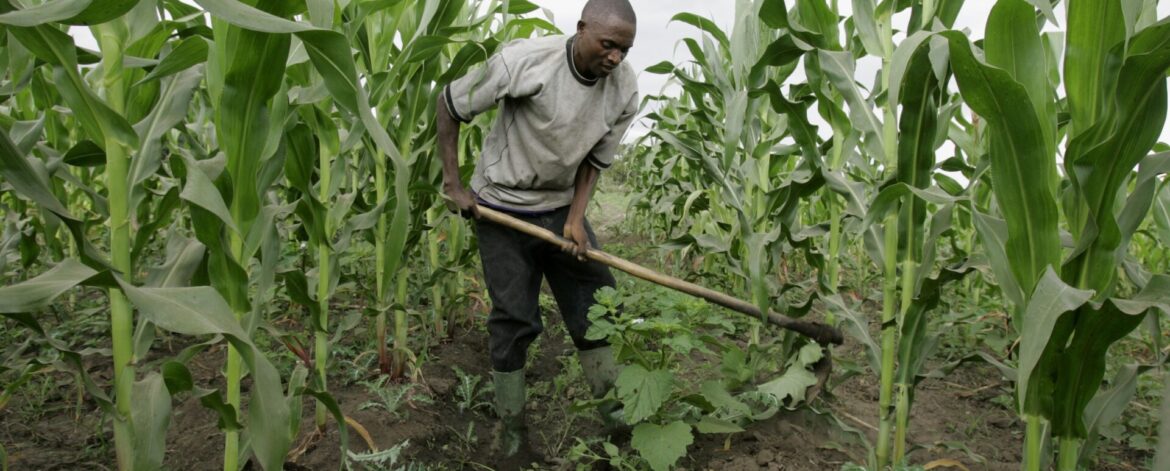
Smart farming represents a revolutionary shift in Kenya’s agricultural landscape, combining traditional farming practices with cutting-edge technology. Ideally, this innovative approach integrates digital tools, data analytics, and automated systems to enhance farming efficiency and productivity.
Smart farming technologies transform key agricultural processes:
- Precision crop monitoring
- Automated irrigation systems
- Data-driven decision making
- Resource optimization
- Climate-smart solutions
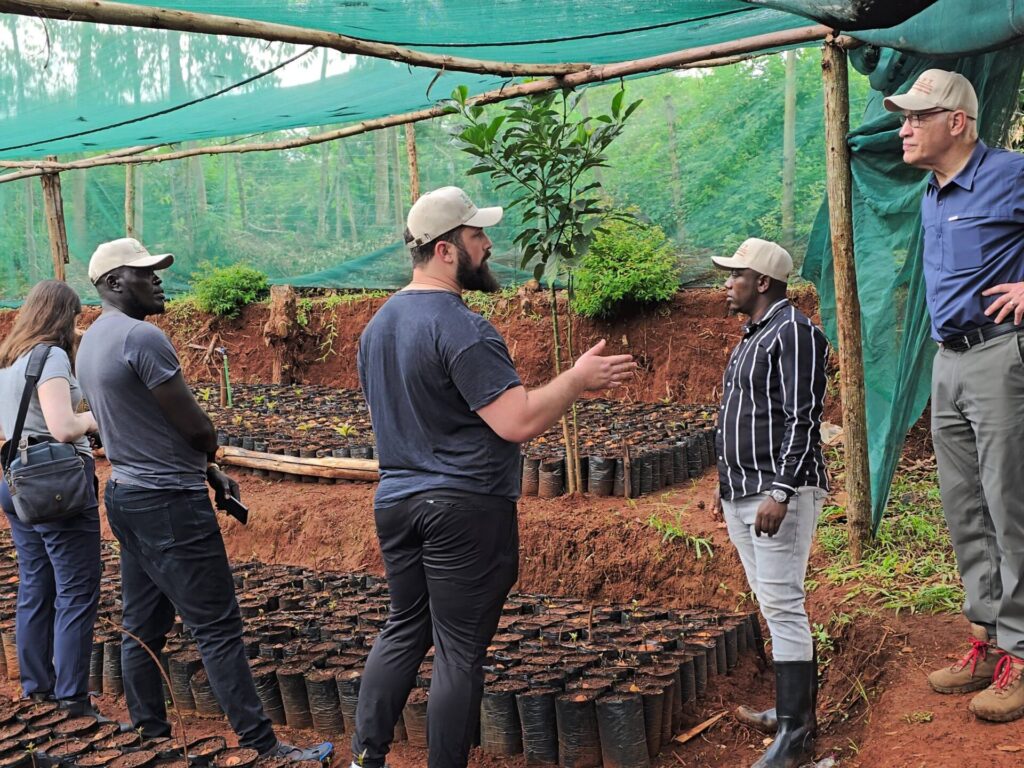
Technology’s role in agriculture has become increasingly vital for Kenya’s farming communities. Besides this, digital solutions help farmers tackle challenges like climate change, resource scarcity, and market access. These tools enable also farmers to make informed decisions, reduce waste, and maximize yields while minimizing environmental impact.
Kenya’s agricultural sector has embraced smart farming technologies with remarkable results. Local farmers now use mobile apps for market information, IoT devices for crop monitoring, and automated systems for irrigation. Without a doubt, this digital transformation has led to:
- 30% increase in agricultural productivity
- 20% reduction in water usage
- 40% decrease in emissions
- Improved market access
- Enhanced labor efficiency
The adoption of smart farming practices positions Kenya at the forefront of agricultural innovation in East Africa. These technological advancements create opportunities for sustainable farming, increased food security, and improved livelihoods for farming communities across the country.
In addition to these advancements, preventing pest infestations in young orchards naturally is becoming an integral part of smart farming. This method not only protects crops but also aligns with the overall goal of reducing chemical usage in agriculture.
Moreover, as farmers adopt smart farming practices, they must also understand what makes a good nursery when sourcing seedlings. This knowledge is crucial for ensuring high-quality produce.
Also, to further enhance productivity, farmers can utilize a seasonal planting calendar for fruit seedlings, which provides valuable insights into the optimal planting times for various fruits.
For those interested in diversifying their crops, our step-by-step guide to starting an avocado orchard in Kenya offers comprehensive advice on this lucrative venture. Additionally, we address common concerns with our frequently asked questions about avocado seedling purchases online, providing clarity and confidence to prospective buyers.
Technologies Revolutionizing Agriculture in Kenya
Smart farming in Kenya relies on three main technological innovations: IoT devices, drones, and big data analytics. These technologies work together to create a strong agricultural ecosystem that improves productivity and sustainability.
IoT Devices in Agriculture
IoT devices serve as the digital eyes and ears of modern farming operations.
- Smart Sensors: These devices monitor soil moisture, temperature, and nutrient levels in real-time.
- Automated Irrigation Systems: These systems adjust water flow based on soil conditions.
- Weather Stations: These stations provide localized climate data for informed decision-making.
- RFID Tags: These tags track livestock movement and health parameters.
These interconnected devices send data to central systems, allowing farmers to monitor their operations remotely through mobile applications.
Drone Technology
Agricultural drones have transformed traditional farming practices:
- Crop Mapping: High-resolution aerial imagery helps identify crop stress and disease.
- Precision Spraying: Targeted application of fertilizers and pesticides.
- Yield Estimation: Advanced imaging for accurate harvest predictions.
- Plant Health Assessment: Infrared sensors detect crop health variations.
Kenyan farmers using drone technology report up to 20% reduction in chemical usage and in addition a 15% improvement in crop yields.
Big Data Analytics
Data analytics platforms process information from multiple sources to generate actionable insights:
- Predictive Modeling
- Crop yield forecasting
- Disease outbreak prediction
- Market price trends analysis
- Resource Optimization
- Water usage efficiency
- Fertilizer application rates
- Labor allocation
- Market Intelligence
- Supply chain optimization
- Price optimization
- Demand forecasting
The integration of these technologies creates a data-driven farming ecosystem. In addition, Kenyan farmers now have access to real-time information through mobile platforms, enabling quick response to changing conditions. Moreover, small-scale farmers collaborate through shared technology platforms, reducing individual investment costs while maximizing benefits.
Smart farming technologies have shown significant impact on Kenyan agriculture. Adopters report increased yields, reduced resource waste, and improved market access. Besides, these digital tools empower farmers to make informed decisions based on precise, data-driven insights rather than traditional guesswork.
Moreover, avocado farming has also benefitted from these advancements.

Smart Farming Practices in Kenya
Kenyan farmers are adopting precision agriculture practices that turn traditional farming methods into data-driven operations. These innovative approaches also aim to optimize resources while maximizing yields through targeted interventions.
Precision Agriculture Implementation
1. Soil Health Monitoring
Farmers use advanced sensors to track soil moisture, nutrient levels, and pH in real-time. Also, this data enables precise application of fertilizers and irrigation, reducing waste and improving crop health. Understanding soil requirements for different fruit trees is crucial in this aspect.
2. Digital Crop Mapping
GPS-enabled devices create detailed field maps showing variations in:
- Soil composition
- Crop health status
- Growth patterns
- Yield potential
Also note that these advancements are part of a broader trend seen globally, where top digital agriculture technologies are being integrated into farming practices.
Resource Optimization Systems
Notably, advanced mapping technologies help farmers implement:
- Variable rate application of inputs
- Zone-specific crop management
- Targeted pest control measures
- Water conservation strategies
Automated Planting and Harvesting
Ideally, smart farming equipment has transformed traditional farming operations:
- Precision Planters: These machines optimize seed spacing and depth based on soil conditions
- Smart Harvesters: Equipment fitted with yield monitors and GPS tracking
- Automated Sorting Systems: Reduce post-harvest losses through efficient grading
The integration of these technologies has led to:
- 25% reduction in labor costs
- 30% increase in planting efficiency
- 40% improvement in harvest accuracy
- 20% decrease in post-harvest losses
Notably, local farmers report significant improvements in crop uniformity and quality through these precision agriculture practices. Small-scale farmers access these technologies through cooperative sharing programs and mobile-based equipment rental services.
The adoption of smart farming practices, including the use of artificial intelligence, has created new employment opportunities for skilled technicians and data analysts in rural areas. Training programs run by agricultural extension services help farmers master these new technologies and adapt them to local conditions.
Moreover, specific crop variety selection plays a vital role in the success of these smart farming practices. For instance, understanding how to choose the right mango variety or deciding between local and imported apple varieties can significantly impact yield outcomes.
Additionally, regions like Muranga have established themselves as the heart of quality Hass avocado seedling production, further enhancing the potential for successful farming in Kenya as highlighted here: Muranga’s avocado seedling production.
Furthermore, the future of small-scale farming looks promising with the rise of automation which is set to revolutionize how farmers
Mobile Applications for Agricultural Support in Kenya’s Smart Farming Revolution
Mobile applications have become powerful tools that are changing the way agriculture works in Kenya. Additionally, these digital platforms act as online marketplaces, sources of information, and providers of financial services for farmers throughout the country.
Key Agricultural Apps in Kenya:
- iShamba – Provides SMS-based weather forecasts, market prices, and farming tips
- M-Farm – Connects farmers directly to buyers, eliminating middlemen
- DigiFarm – Offers input financing, insurance, and market linkages
- Farmforce – Enables digital record-keeping and compliance tracking
- AgroWeather – Delivers localized weather predictions for crop planning
Digital Financial Services:
Mobile apps have transformed financial access for Kenyan farmers through:
- Digital wallets for secure payments
- Micro-loans for agricultural inputs
- Crop insurance services
- Digital savings products
- Mobile money transfers
Agricultural Advisory Services:
Digital platforms provide real-time support through:
- Expert consultation via video calls
- Disease identification through AI-powered image recognition
- Soil testing recommendations
- Crop rotation planning
- Pest management guidance
Notably, these mobile solutions have reduced the gap between rural farmers and urban markets. Farmers using agricultural apps report up to a 50% increase in productivity through better decision-making and market access. Digital platforms have created an ecosystem where farmers can access vital services, make informed choices, and connect with buyers – all from their mobile phones.
The integration of mobile technology with agriculture has sparked a digital revolution in Kenya’s farming sector. Furthermore, this is making agricultural information and services accessible to farmers in even the most remote areas.
For instance, farmers can now easily identify and prevent common avocado seedling diseases with the help of digital resources like this farmer’s guide. Additionally, understanding the importance of proper spacing when planting fruit trees is now more accessible than ever.
As we look toward the future, it’s clear that e-commerce in agriculture will continue to evolve and shape the industry.
Moreover, smart farming techniques are being adopted to enhance productivity and sustainability in agriculture while digital transformation is paving the way for innovative solutions that address various challenges faced by farmers today.
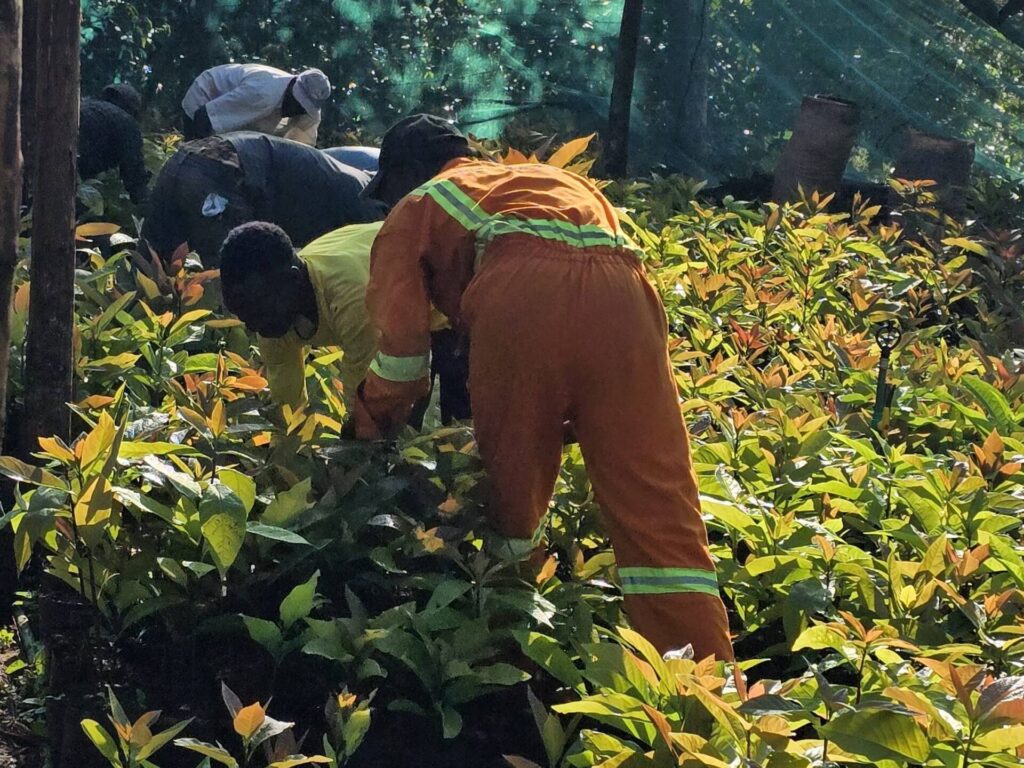
The Impact of Smart Farming on Agriculture in Kenya
Ideally, smart farming technologies have transformed Kenya’s agricultural landscape, delivering measurable improvements across multiple dimensions. Data from recent agricultural surveys reveals a 30% increase in crop yields for farms implementing smart technologies.
Key impacts include:
1. Resource Optimization
- 20% reduction in water consumption through precision irrigation
- 25% decrease in fertilizer usage with targeted application
- 40% reduction in greenhouse gas emissions
2. Enhanced Production Metrics
- Year-round crop production capabilities
- Reduced post-harvest losses by 35%
- Improved crop quality and market value
The adoption of smart farming practices has created a ripple effect in Kenya’s agricultural sector. Farmers using IoT-enabled systems report better crop health monitoring and early disease detection. Subsequently, these technological solutions have proven particularly effective in water-stressed regions, where automated irrigation systems maintain optimal soil moisture levels.
Without a doubt, smart farming’s environmental impact extends beyond individual farms. Precision agriculture techniques have reduced chemical runoff into water bodies, protecting local ecosystems. Soil health has improved significantly, with smart soil monitoring systems helping farmers maintain optimal pH levels and nutrient content.
The economic benefits are equally significant. Clearly, farmers implementing smart technologies report:
- 40% reduction in operational costs
- 50% increase in market access opportunities
- 45% improvement in price negotiation power through real-time market data
Experts like Jeffrey Mitchell emphasize the importance of these advancements, noting how they not only enhance productivity but also promote sustainable practices that are crucial for the future of agriculture in Kenya.
Challenges and Solutions for Smart Farming Adoption in Kenya
The path to smart farming adoption in Kenya faces several significant hurdles. T, the initial investment costs for technology acquisition create a substantial barrier for smallholder farmers. A basic IoT system setup can cost between KES 50,000 to KES 200,000, putting it out of reach for many farmers.
Notably, the technical knowledge gap presents another critical challenge. Many farmers lack the digital skills needed to operate smart farming technologies effectively. This knowledge deficit extends to:
- Data interpretation from IoT devices
- Operation of automated systems
- Understanding of precision farming techniques
- Maintenance of smart farming equipment
Connectivity issues in rural areas hamper the effectiveness of smart farming technologies. Poor internet coverage and unreliable power supply affect:
- Real-time data transmission from field sensors
- Mobile app functionality
- Remote monitoring capabilities
- Cloud-based services access
Whats more, several solutions are emerging to address these challenges. Pay-as-you-go models allow farmers to access technology without large upfront costs. Local tech hubs provide training programs focused on digital agriculture skills. Solar-powered IoT devices help overcome power supply issues, while offline functionality in farming apps ensures continuous operation in areas with limited connectivity.
Community-based approaches, such as shared equipment programs and group training sessions, help distribute costs and knowledge among farmer groups. Clearly, these collaborative solutions make smart farming more accessible to small-scale farmers across Kenya.
Moreover, exploring export markets like Hass avocado exports can provide additional income streams for these farmers. Similarly, diversifying into pomegranate farming could also present lucrative opportunities despite the challenges faced in smart farming adoption.
Government and NGO Support for Smart Farming Initiatives
The Kenyan government has launched strategic digital initiatives to accelerate smart farming adoption across the country. To note, the National Agricultural Digital Strategy empowers farmers through:
- Digital literacy training programs
- E-voucher systems for agricultural inputs
- Creation of smart farming innovation hubs
- Research funding for agricultural technology
NGOs complement these efforts by implementing grassroots programs that bring smart farming solutions to rural communities. Organizations like One Acre Fund and Farm Africa provide:
- Technical training on digital farming tools
- Access to smart farming equipment
- Financial support for technology adoption
- Digital platforms for knowledge sharing
The Ministry of Agriculture has partnered with international development agencies to establish demonstration farms showcasing smart farming technologies. In fact, these sites serve as practical learning centers where farmers witness the direct benefits of agricultural technology integration.
Indeed, the local agricultural extension officers now use digital platforms to reach more farmers, offering real-time support and guidance on smart farming practices through mobile applications and SMS services.
Partnership with Agritech Startups
Kenya’s agricultural landscape has seen a rise in collaborations between the private sector and agritech startups. These partnerships aim to provide smallholder farmers with innovative solutions through funding for research and expertise in technology.
Key Private Sector Initiatives:
- Twiga Foods: This platform connects farmers directly to markets, resulting in a significant reduction of 50% in post-harvest losses.
- iProcure: This initiative offers data-driven inventory management systems specifically designed for agricultural inputs.
- UjuziKilimo: Through mobile technology, this service provides real-time analysis of soil conditions and recommendations for crop cultivation.
- Illuminum Greenhouses: This company has developed SMS-based systems that automate greenhouse operations.
Certainly, these startups have received substantial funding for research from venture capitalists and impact investors. This financial support allows them to expand their operations throughout Kenya. As a result of the involvement of the private sector, a thriving ecosystem has been established where farmers can access:
- Digital marketplaces for direct sales of their crops
- Efficient solutions for managing inventory
- Tools for implementing precision agriculture practices
- Systems that automate greenhouse processes
- Advisory services for agriculture delivered through mobile devices
The collaboration between agritech startups and farmers has led to a decrease of 30% in operational costs while also improving crop yields through technology-driven solutions. These partnerships continue to attract investment from international sources, further promoting innovation within Kenya’s agricultural industry.
Case Study – Hello Tractor Initiative
Hello Tractor is a groundbreaking solution in Kenya’s agricultural landscape, connecting smallholder farmers with tractor owners through an innovative digital platform. This IoT-enabled tractor service has transformed the accessibility of mechanized farming for thousands of rural farmers.
The platform’s success lies in its unique pay-as-you-go financing model, allowing farmers to:
- Book tractor services through a mobile app
- Track tractor location and availability in real-time
- Make flexible payments based on usage
- Schedule maintenance and repairs efficiently
How IoT Technology is Making Farming More Efficient
Notably, the IoT technology embedded in the tractors provides valuable data insights:
- Real-time monitoring of fuel consumption
- GPS tracking for optimal route planning
- Performance analytics for preventive maintenance
- Usage patterns to maximize efficiency
The Impact of Hello Tractor on Smallholder Farmers
Smallholder farmers using Hello Tractor have reported:
- 200% increase in harvest yields
- 40% reduction in operational costs
- 60% savings in time spent on land preparation
- Enhanced ability to scale farming operations
Creating Opportunities for Local Entrepreneurs
The initiative’s impact extends beyond individual farmers, creating a network of local entrepreneurs who invest in tractors and provide services to their communities. In fact, this model has proven particularly effective in regions where traditional tractor ownership remains financially out of reach for most farmers.
In addition to mechanization, it’s crucial for smallholder farmers to adopt best practices when purchasing seedlings online, such as avocado seedlings. The quality of these seedlings can significantly influence their farming success, as highlighted by the economic impact of quality seedlings on smallholder incomes.
Conclusion
Smart farming is transforming Kenya’s agriculture. By using technologies like IoT devices, precision farming, mobile apps, and data analysis, farmers in Kenya now have access to opportunities that were previously unimaginable.
Certainly, the benefits of smart farming in Kenya are clear and measurable:
- Enhanced Productivity: 30% increase in agricultural output through precision farming
- Resource Optimization: 20% reduction in water and fertilizer usage
- Environmental Impact: 40% decrease in carbon emissions
- Labor Efficiency: Streamlined operations through automation
- Market Access: Improved connectivity between farmers and buyers
The future of smart farming in Kenya looks promising. As technology becomes more accessible and affordable, we expect to see:
- Widespread adoption of AI-powered farming solutions
- Integration of blockchain for transparent supply chains
- Advanced drone capabilities for crop management
- Enhanced mobile platforms for real-time decision making
- Expanded IoT networks for comprehensive farm monitoring
Indeed, success stories like Hello Tractor show us how smart farming brings together traditional agriculture and modern technology. These innovations make farming more appealing to young people, create new job opportunities, and strengthen food security throughout the country.
Lastly, smart farming isn’t just changing how we farm – it’s also transforming the entire agricultural ecosystem in Kenya. From small-scale farmers to large agricultural businesses, this technology-driven change is leading to sustainable, profitable, and environmentally friendly farming practices.
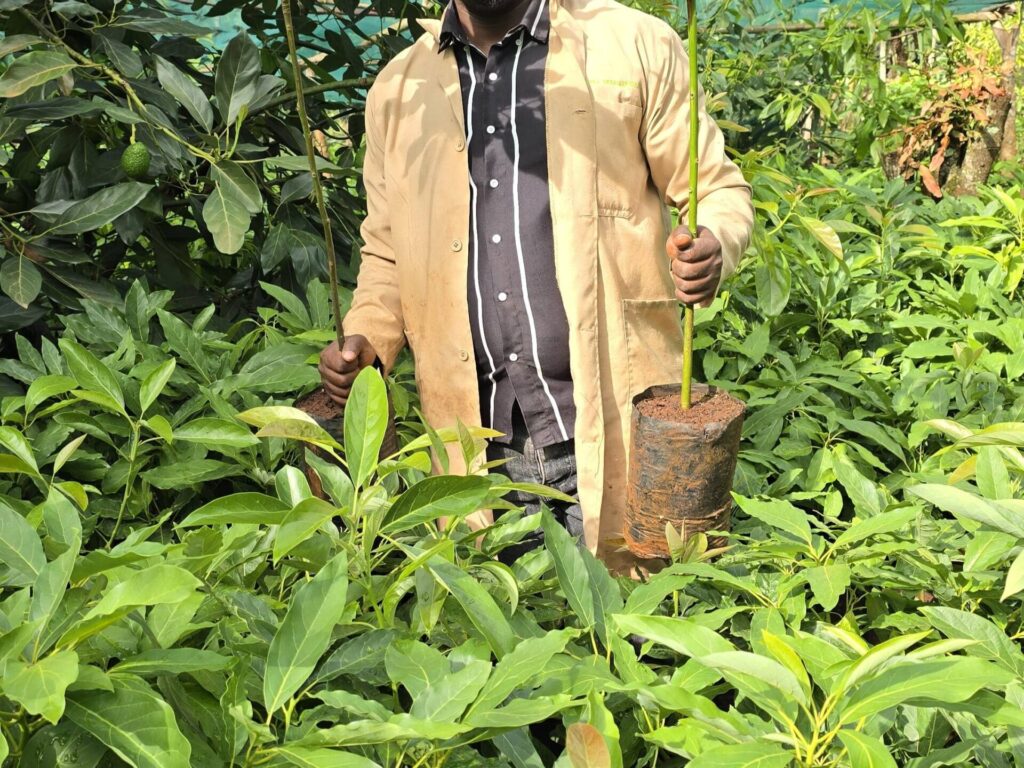
Take Action Today
Ready to be part of Kenya’s agricultural revolution?
Connect with us:
- 📱 Phone: 0711315313
- 📧 Email: Julius.murega@royalseedlings.com
Whether you’re looking to order seedlings or explore partnership opportunities, we’re here to support your journey into smart farming. Join us in shaping the future of agriculture in Kenya.
Our commitment extends beyond just providing seedlings. We also offer valuable training opportunities for aspiring commercial fruit growers in Muranga County. These sessions cover a wide range of topics including professional avocado farming and understanding the benefits of grafted fruit seedlings.
Moreover, our expertise in the science behind grafting ensures that our clients benefit from improved crop yield and quality. Join us as we revolutionize the agricultural sector in Kenya with smart farming practices.
FAQs (Frequently Asked Questions)
What is smart farming and why is it important in Kenya?
Smart farming refers to the integration of advanced technologies such as IoT devices, data analytics, and mobile applications into agricultural practices. In Kenya, it is crucial for enhancing productivity, sustainability, and environmental protection in agriculture.
Which technologies are revolutionizing agriculture in Kenya?
Technologies like IoT devices for monitoring, drones for aerial imagery, big data analytics, predictive modeling, and mobile apps are transforming Kenyan agriculture by improving crop inspection, fertilization, market intelligence, and decision-making processes.
How do mobile applications support smart farming in Kenya?
Mobile apps provide farmers with access to market information, advisory services, and financial inclusion. Also, they enhance farmer productivity by delivering digital platforms that facilitate better resource management and informed decision-making.
What are the main challenges faced by Kenyan farmers in adopting smart farming practices?
Key challenges include high initial costs of technology adoption, a technical knowledge gap among farmers, and connectivity issues in rural areas.Moreover, addressing these barriers is essential for widespread smart farming adoption.
How are government and NGOs supporting smart farming initiatives in Kenya?
The government and NGOs support smart farming through digital strategies such as e-voucher systems for agricultural inputs and partnerships with agritech startups. These efforts also aim to increase accessibility and funding for innovative farming solutions.
Can you provide an example of a successful smart farming initiative in Kenya?
The Hello Tractor initiative is a notable case study that uses a pay-as-you-go financing model combined with IoT-enabled tractor services to empower smallholder farmers with affordable mechanization options.