

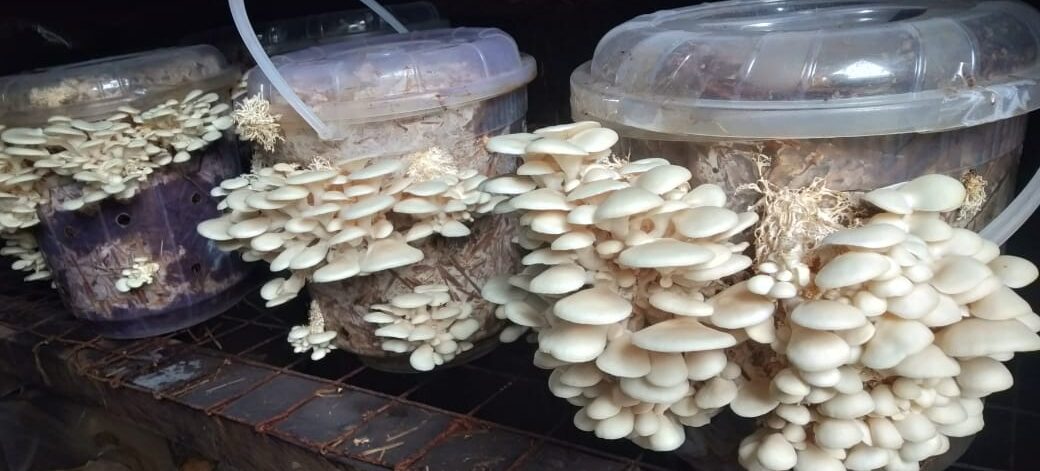
Mushroom farming in Kenya has become a thriving agricultural business, changing the country’s farming scene. The industry is growing rapidly, with demand increasing by 12-15% each year – a clear sign of the expanding market opportunities for aspiring farmers.
Kenya’s mushroom industry reached a significant milestone in 2023, exporting over 100 tons of mushrooms to international markets. This achievement highlights the sector’s potential for both local and export revenue generation.

The impact of mushroom cultivation goes beyond traditional farming:
- Resource Efficiency: Mushroom farming requires minimal land and water compared to conventional crops
- Quick Returns: Production cycles range from 3-8 weeks
- Year-Round Income: Indoor cultivation allows continuous production
- Employment Creation: Creates jobs across the supply chain
The rising popularity of mushrooms in Kenya is driven by:
- Growing health consciousness among urban consumers
- Increasing demand for plant-based protein alternatives
- Export opportunities to East African and European markets
- Rising interest in sustainable farming practices
For entrepreneurs and farmers looking for profitable agricultural ventures, Kenya’s mushroom farming sector offers exciting opportunities. The combination of increasing local demand, potential for exports, and environmentally-friendly production methods makes mushroom farming a promising investment in Kenya’s agricultural future.
As we explore the broader agricultural landscape in Kenya, it’s worth noting that other sectors like banana farming and avocado farming are also undergoing significant changes. For example, the use of tissue culture in banana seedling production is transforming that industry, just as advanced techniques are enhancing avocado farming results.
However, these advancements also bring challenges such as pest infestations and seedling diseases, which need careful management. Farmers must have knowledge about preventing pest infestations and identifying common avocado seedling diseases to ensure successful crop yield.
Furthermore, for individuals interested in purchasing avocado seedlings online, it is important to be aware of some frequently asked questions regarding the process.

Understanding Different Types of Mushrooms Cultivated in Kenya
Kenya’s mushroom farming industry focuses on three primary varieties, each with unique characteristics and market appeal. However, the success of cultivating these mushrooms can be significantly influenced by factors such as soil requirements and proper spacing when planting, which are critical aspects of fruit tree cultivation and spacing.
1. Oyster Mushrooms (Pleurotus ostreatus)
- Fan-shaped caps with delicate gills
- Colors range from pearl white to light gray
- Mild, sweet flavor with subtle seafood notes
- Fast growth cycle of 3-4 weeks
- Adaptable to various agricultural wastes as substrate
- High yield potential: 1kg spawn can produce 3-5kg mushrooms
2. Button Mushrooms (Agaricus bisporus)
- Classic white, rounded caps
- Firm texture with earthy flavor
- Two harvesting stages:
- White button stage (young)
- Brown cremini stage (mature)
- Requires composted substrate
- Temperature sensitive: optimal range 18-24°C
- 6-8 week cultivation cycle
3. Shiitake Mushrooms (Lentinula edodes)
- Dark brown caps with distinctive umbrella shape
- Rich, savory flavor profile
- Specialized growing requirements:
- Hardwood logs or sawdust blocks
- Controlled humidity: 85-95%
- Temperature range: 20-25°C
- Longer cultivation period: 6-12 months on logs
- Premium market value
- Growing popularity in high-end restaurants
These mushroom varieties offer different cultivation challenges and market opportunities for Kenyan farmers. Each type requires specific growing conditions and management techniques to achieve optimal yields.
Additionally, exploring the [benefits of grafted fruit seedlings](https://royalseeedlings.com/understanding-the-benefits-of-grafted-fruit-seedlings), which could potentially complement mushroom farming, might be worthwhile. Furthermore, with the future trends in e-commerce, farmers can leverage online platforms for better market reach and sales. Moreover, initiatives like those by Royal Seedlings, which support women and youth in agribusiness, are crucial for fostering inclusivity and empowerment in the sector.
Exploring the Market Potential and Consumer Demand for Mushrooms in Kenya
Kenya’s mushroom market shows remarkable growth potential, driven by shifting consumer preferences and expanding market opportunities. Urban populations embrace mushrooms as a protein-rich alternative to meat, creating a steady demand increase of 12-15% annually.
Key Market Drivers:
- Rising middle-class population seeking healthy, gourmet food options
- Growing awareness of plant-based protein alternatives
- Increased adoption of mushrooms in restaurants and hotels
- Health-conscious consumers attracted to nutritional benefits
The nutritional profile of mushrooms plays a significant role in market growth. These fungi pack:
- High-quality protein content (20-35% by dry weight)
- Essential vitamins B and D
- Vital minerals including selenium, potassium, and zinc
- Low caloric content, appealing to weight-conscious consumers
Export Market Opportunities:
- East African markets: Tanzania, Uganda, Rwanda
- European Union countries seeking organic mushrooms
- Middle Eastern nations with growing demand for specialty varieties
Local supermarket chains stock fresh mushrooms, while value-added products like dried mushrooms and mushroom powder gain traction. Hotels, restaurants, and catering services create consistent demand channels for commercial mushroom farmers.
The export sector shows promise, with Kenya shipping over 100 tons of mushrooms in 2023. Certification standards like GlobalGAP enable access to premium international markets, offering higher returns for quality produce.
In addition to mushrooms, there are also significant opportunities in other agricultural sectors such as Hass avocado exports which have been gaining traction among Kenyan farmers. Furthermore, the pomegranate farming sector is also worth exploring due to its potential profitability despite some challenges. For those interested in diversifying their agricultural ventures, training opportunities for aspiring commercial fruit growers in areas such as Muranga County could provide valuable knowledge and skills.
Setting Up Your Own Mushroom Farm in Kenya: A Step-by-Step Guide
Starting a mushroom farm in Kenya requires careful planning and strategic site selection. Here’s what you need to establish a successful mushroom farming operation:
1. Site Selection
- Choose a location with good drainage and access to clean water
- Select an area away from direct sunlight
- Ensure reliable electricity supply for climate control systems
- Consider proximity to target markets to reduce transportation costs
While selecting the site, you might also want to explore other agricultural opportunities in the area. For instance, the seasonal planting calendar for fruit seedlings in Central Kenya could provide insights into suitable fruit farming seasons in your chosen location.
2. Building Structure Requirements
- Construct a well-insulated room or building
- Install proper ventilation systems
- Create separate areas for:
- Spawn preparation
- Growing rooms
- Storage space
- Packaging area
3. Essential Equipment Checklist
Basic Equipment:
- Metal or wooden shelves for growing bags
- Plastic trays for substrate handling
- Digital thermometers
- Hygrometers for humidity monitoring
- Misting systems for moisture control
- pH meters
- Sterilization equipment (pressure cookers or autoclaves)
- Clean work tables
- Protective gear (gloves, masks, boots)
Specialized Tools:
- Spawn preparation equipment
- Substrate mixing containers
- Inoculation tools
- Cleaning supplies
- Storage containers
- Packaging materials
4. Water and Sanitation Setup
- Install reliable water storage systems
- Set up hand washing stations
- Create waste disposal systems
- Implement cleaning protocols
5. Climate Control Systems
- Air conditioning units or fans
- Humidifiers
- Ventilation fans
- Temperature control devices
Your mushroom farm setup should prioritize cleanliness and environmental control. The initial investment in quality equipment pays off through improved yields and reduced contamination risks. A well-planned facility layout maximizes space efficiency and workflow, creating optimal conditions for mushroom production.
If you’re considering diversifying your agricultural activities, such as starting an avocado orchard, you may find this step-by-step guide to starting an avocado orchard in Kenya useful. Additionally, once you’ve established your avocado orchard, these essential tips for caring for newly planted avocado seedlings could prove beneficial.
Moreover, if you’re interested in venturing into citrus farming as well, the Pixie orange farming complete guide for beginners would be an excellent resource.
Construction Guidelines for a Mushroom House: Insulation, Ventilation, Lighting, Drainage
A well-constructed mushroom house serves as the foundation for successful mushroom cultivation in Kenya. The structure requires specific design elements to maintain optimal growing conditions.
Building Materials and Structure
- Use concrete blocks or bricks for walls to ensure durability
- Install a double-layered roof with proper insulation material
- Create a slightly sloped floor (2-3% gradient) for effective drainage
- Build the structure on elevated ground to prevent water logging
Insulation Requirements
- Line walls with polythene sheets to maintain temperature
- Add ceiling insulation using materials like sawdust or straw
- Install double doors to minimize heat exchange
- Create an air lock system at the entrance
- Ensure moisture control within the house to prevent fungal growth
Ventilation System
- Position windows on opposite walls for cross-ventilation
- Install adjustable vents at floor and ceiling levels
- Add exhaust fans to control air circulation
- Place wire mesh on all openings to prevent pest entry
Lighting Considerations
- Install indirect lighting systems
- Use LED lights with adjustable intensity
- Position lights at least 2 meters above growing areas
- Create light barriers for species requiring darkness
Drainage Features
- Install proper guttering around the building
- Create channels along the walls for water collection
- Build a sloped concrete floor with drainage points
- Include a water collection system for recycling
The mushroom house design should incorporate separate areas for different cultivation stages, including spawning, incubation, and fruiting rooms. Each section requires specific environmental controls to maintain optimal growing conditions. It’s also advisable to follow the guidelines provided in resources such as the Build Better Guide for additional insights into constructing resilient structures.
Preparing Substrates and Inoculating Spawn for Mushroom Cultivation in Kenya: Techniques and Best Practices
Successful mushroom cultivation starts with selecting the right substrate for your chosen mushroom variety. Each species thrives on specific growing materials:
Substrate Options by Mushroom Type:
- Oyster Mushrooms: Wheat straw, cotton waste, banana leaves
- Button Mushrooms: Composted agricultural waste mixed with chicken manure
- Shiitake: Hardwood sawdust, particularly from oak or eucalyptus trees
Before you can cultivate mushrooms, it’s essential to prepare your land properly to ensure optimal growth conditions.
Substrate Sterilization Methods:
- Hot Water Treatment (65-80°C for 2-3 hours)
- Chemical Sterilization using calcium hydroxide solution
- Steam pasteurization in drums or autoclaves
- Solar sterilization for small-scale operations
The sterilization process eliminates harmful microorganisms that could compete with your mushroom spawn. You’ll know your substrate is ready when it reaches a moisture content of 65-75% and feels damp but not waterlogged.
Spawn Inoculation Process:
- Cool sterilized substrate to room temperature (20-25°C)
- Mix spawn with substrate at 2-3% ratio by weight
- Pack mixture into sterilized bags with small air holes
- Label bags with date and mushroom variety
- Store in a dark room at 20-25°C
Proper handling during inoculation prevents contamination. Use sterilized equipment, wear clean gloves, and work in a clean environment. The mycelium should start colonizing the substrate within 5-7 days, appearing as white thread-like growth throughout the material.
It’s worth noting that while the focus here is on mushroom cultivation, the same principles of land preparation and seedling quality also apply to other forms of agriculture such as avocado farming. For instance, smallholder farmers should adhere to certain best practices when buying avocado seedlings online.
Moreover, regions like Muranga are known for their quality Hass avocado seedling production in Kenya, demonstrating the economic impact of quality seedlings on smallholder incomes.
Creating Optimal Growing Conditions for Mushrooms in Kenya: Temperature, Humidity, Light Requirements and More
Successful mushroom cultivation in Kenya requires precise environmental control. Each mushroom species thrives under specific conditions that must be carefully maintained throughout the growing cycle.
Temperature Requirements by Species:
- Oyster Mushrooms: 20-30°C
- Button Mushrooms: 18-25°C
- Shiitake Mushrooms: 16-28°C
Humidity Control Techniques:
- Maintain 70-95% relative humidity using misting systems
- Install humidity gauges at different points in the growing room
- Place water trays on the floor to increase ambient moisture
- Mist walls and floors during dry periods
Light Management:
- Provide indirect natural light or fluorescent lighting
- 8-12 hours of diffused light daily
- Avoid direct sunlight which can dry out mushrooms
- Use shade nets to control light intensity
Air Circulation Guidelines:
- Install exhaust fans to remove excess CO2
- Position ventilation holes at ground level and ceiling
- Replace room air 4-6 times per hour
- Monitor CO2 levels – keep below 1000 ppm
A digital environmental control system helps track these conditions. Regular monitoring and adjustment of these parameters ensures healthy mushroom development and optimal yields. Small variations in these conditions can significantly impact mushroom growth and quality.
Inducing Fruiting and Harvesting Mushrooms: Techniques for Success in Kenyan Mushroom Farming
Successful mushroom fruiting requires precise environmental manipulation. A temperature drop of 5-10°C triggers fruiting in most mushroom species. You’ll notice small pinheads forming when conditions are right.
Best Practices for Inducing Fruiting
- Drop nighttime temperatures by 5-10°C
- Increase fresh air exchange to reduce CO2 levels
- Maintain light misting to create surface evaporation
- Keep relative humidity at 85-90%
Best Practices for Harvesting Mushrooms
Timing plays a crucial role in mushroom harvesting. You’ll achieve optimal results by picking mushrooms when the caps are fully developed but before they release spores.
Harvesting Guidelines:
- Oyster Mushrooms: Harvest when caps are flat to slightly curved
- Button Mushrooms: Pick when caps are closed and white
- Shiitake: Collect when caps are 70-90% open
Proper Harvesting Technique:
- Wear clean gloves to prevent contamination
- Grip the mushroom stem near the base
- Twist gently while pulling upward
- Remove entire cluster at once for oyster mushrooms
- Clean cuts with sterilized knife when needed
Quality Control Measures:
- Remove any damaged or discolored mushrooms
- Handle gently to prevent bruising
- Sort by size and quality immediately after harvest
- Place harvested mushrooms in clean, ventilated containers
- Keep harvested mushrooms at 2-4°C
Maintaining strict hygiene during harvest prevents contamination and extends shelf life. Clean your tools with 70% alcohol solution between harvesting different growing areas. Record harvest weights and dates to track production cycles and plan future harvests effectively.
In addition to mushrooms, choosing between local and imported apple varieties or selecting the right mango variety for your Kenyan farm can also be beneficial strategies for diversifying your agricultural output. Understanding the science behind grafting can further improve crop yield and quality, thus enhancing overall farm productivity.

Post-Harvest Handling and Marketing Strategies for Kenyan Mushroom Farmers
Proper post-harvest handling determines the success of your mushroom farming venture. Here’s a comprehensive guide to handling and marketing your mushroom produce effectively:
Immediate Post-Harvest Care
- Clean harvesting tools with a 70% alcohol solution before each harvest
- Pick mushrooms during cool morning hours
- Handle mushrooms gently to prevent bruising
- Remove substrate debris immediately
- Sort mushrooms by size and quality grade
Storage Requirements
- Store at 2-4°C for optimal freshness
- Maintain 85-90% humidity in storage areas
- Use perforated plastic containers for ventilation
- Keep different mushroom varieties separated
- Limit storage duration to 5-7 days maximum
Packaging Guidelines
- Use food-grade packaging materials
- Pack in 250g, 500g, or 1kg units
- Include proper labeling with:
- Harvest date
- Best-before date
- Storage instructions
- Farm certification details
- Contact information
Marketing Channels
- Direct sales to restaurants and hotels
- Supply to local supermarket chains
- Partner with organic food stores
- Set up stalls at farmers’ markets
- Create an online presence through social media platforms
Value Addition Options
- Dry mushrooms using solar driers
- Create mushroom powder products
- Package ready-to-cook mushroom meals
- Develop mushroom-based snacks
- Process mushroom-based seasonings
Pricing Strategies
- Research current market rates
- Set competitive wholesale prices
- Implement seasonal pricing adjustments
- Offer bulk purchase discounts
- Create premium packaging options for higher-end markets
Quality Certification
To ensure high quality standards, obtaining Kenya Bureau of Standards certification is crucial. Implementing HACCP food safety systems, maintaining organic certification if applicable, documenting all handling procedures, and conducting regular quality testing and monitoring are also essential steps.
Additionally, learning from common avocado farming mistakes can provide valuable insights that may be applicable to mushroom farming as well.
Ready to start Mushroom Farming in Kenya?
Contact Royal Seedlings:
 Phone: +254 711315313
- Email: Julius.murega@royalseedlings.
com, - Website:www.royalseedlings.com
 Phone: +254 711315313
 Email:
  Website:
FAQs (Frequently Asked Questions)
What are the main types of mushrooms cultivated in Kenya?
In Kenya, the primary mushroom types cultivated include oyster mushrooms (Pleurotus ostreatus), button mushrooms (Agaricus bisporus), and shiitake mushrooms (Lentinula edodes). Each type has unique characteristics and cultivation needs suited to Kenyan agricultural conditions.
What is driving the increasing demand for mushrooms in the Kenyan market?
The growing demand for mushrooms in Kenya, with an annual increase of 12-15%, is driven by urbanization, a rising middle-class population seeking nutritious health foods, and the recognized nutritional benefits of mushrooms such as high protein content, vitamins B & D, and essential minerals. Additionally, export opportunities to East African and European markets contribute to this growth.
How can I set up a successful mushroom farm in Kenya?
Setting up a mushroom farm in Kenya involves careful site selection emphasizing good ventilation, clean water access, and adequate space. Essential equipment includes shelves, trays, sterilization tools, thermometers, hygrometers, and misting systems. Constructing a mushroom house with proper insulation, ventilation, lighting, and drainage is crucial for optimal farming conditions.
What substrates are best for mushroom cultivation in Kenya and how should they be prepared?
Different mushroom species require specific substrates; for example, sawdust is ideal for shiitake mushrooms. Substrate preparation involves thorough sterilization to prevent contamination. High-quality spawn is then inoculated into the sterilized substrate following proven techniques to ensure successful mushroom growth.
What are the optimal growing conditions for mushrooms in Kenya?
Optimal growing conditions vary by species but generally include temperature ranges such as 20-30°C for oyster mushrooms, humidity levels between 70%-95%, indirect or minimal light exposure, and fresh air circulation to manage CO2 levels during growth phases. Maintaining these conditions supports healthy mushroom development.
How should Kenyan mushroom farmers handle post-harvest processes and marketing?
Post-harvest handling involves careful techniques to maintain mushroom quality including proper harvesting methods that avoid damage. Marketing strategies focus on leveraging the growing local demand and export opportunities by highlighting the nutritional benefits and freshness of Kenyan-grown mushrooms to attract consumers both locally and internationally.