



Kenya is a shining star in the global coffee industry, known for producing some of the best Arabica beans in the world. The country’s rich history of coffee farming has gained worldwide recognition, with Kenyan coffee beans consistently fetching high prices in specialty markets around the globe.
The unique qualities that set Kenyan coffee apart include:
- Bright, wine-like acidity
- Full-bodied flavors
- Complex fruity and berry undertones
- Crisp, clean cup profile
This detailed guide takes you on an exploration of Kenyan coffee farming, uncovering the various aspects that make this agricultural practice one-of-a-kind. From its colonial introduction to its current significance as an economic powerhouse, we delve into the fascinating story behind this crop. We’ll also examine the specific cultivation techniques employed, the different regions where coffee is grown, and the vital role played by cooperative societies in upholding Kenya’s reputation for excellence in coffee production.
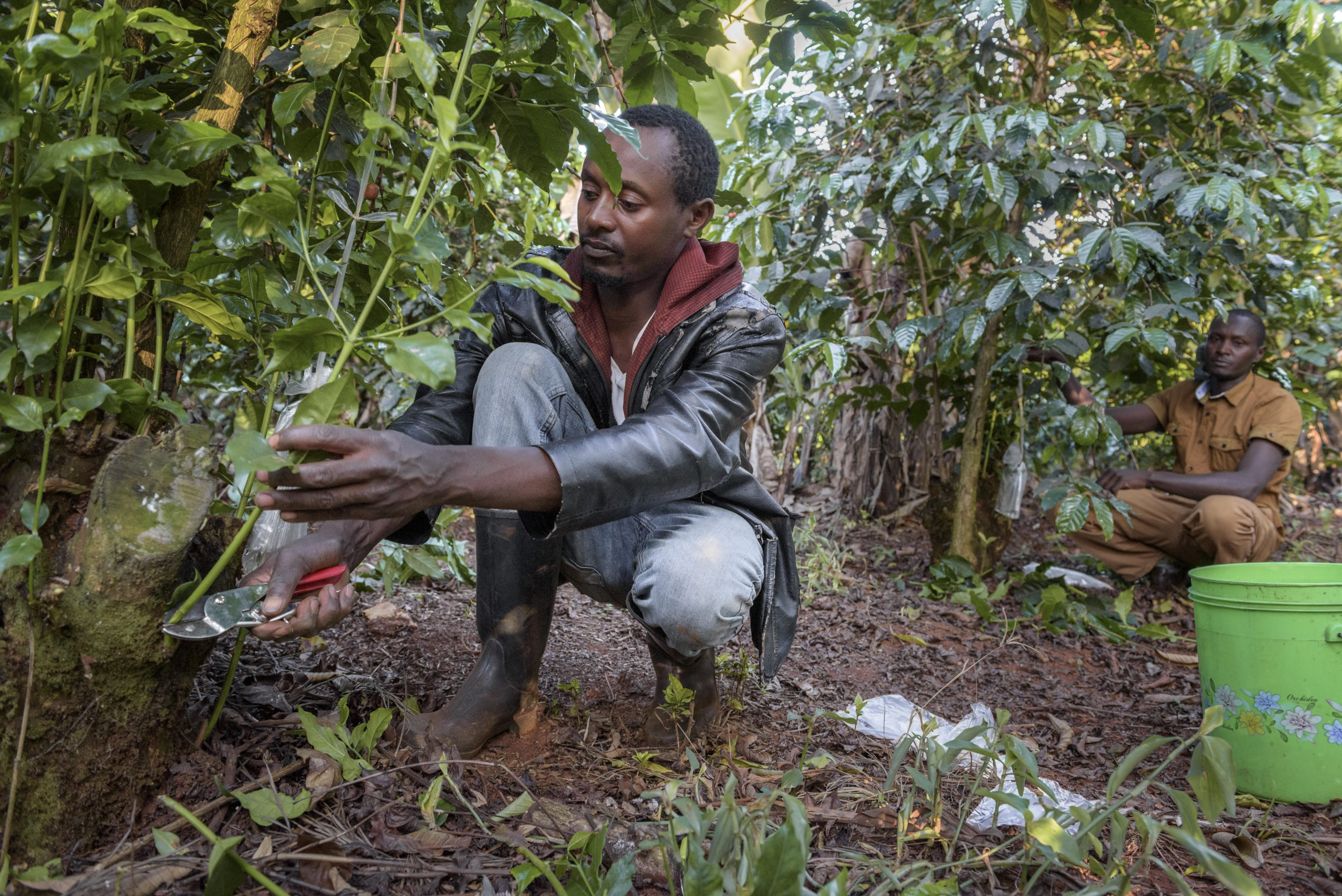
While our main focus here is on coffee farming, it’s interesting to note that starting an avocado orchard in Kenya follows a similar agricultural path. Both industries face pressing challenges such as adapting to climate change and overcoming economic obstacles. However, innovative farming approaches are being adopted in both sectors, striking a balance between traditional practices and embracing new technologies.
In the world of avocado farming, knowing how to care for newly planted seedlings is crucial for achieving success. Additionally, aspiring farmers should consider seeking expert guidance on land preparation before their seedling deliveries arrive to ensure optimal conditions for growth.
Furthermore, if you have any questions about buying avocado seedlings online, our FAQ section offers valuable information to help you out.
1. History and Background of Coffee Farming in Kenya
The story of Kenyan coffee begins in 1893 when John Paterson, representing the Scottish Mission, planted the first coffee seeds from the British East India Company. These initial plantings took root in Bura, Taita Hills, marking the birth of what would become one of Africa’s most prestigious coffee industries.
The Role of British Colonial Administration
The British colonial administration played a crucial role in the early development of coffee farming. They established large-scale coffee estates in the central highlands, particularly in regions like Kiambu and Thika. These areas proved ideal for coffee cultivation due to their rich volcanic soils and favorable climate.
Contributions of Early Missionaries
Early missionaries recognized coffee’s potential as a cash crop and actively encouraged local communities to embrace coffee farming. They:
- Distributed coffee seedlings to local farmers
- Provided basic training in cultivation techniques
- Established demonstration plots on mission lands
- Created initial market connections for the produce
Growth of Coffee as a Commercial Crop
By 1908, coffee had become a significant commercial crop, with the establishment of the first coffee cooperative society in Kiambu. The British administration implemented strict quality control measures and created a structured auction system that still influences Kenya’s coffee trade today.
Changes After Independence
During the colonial period, coffee farming was restricted to white settlers, but this changed after Kenya gained independence in 1963. The industry opened to indigenous farmers, leading to the emergence of numerous smallholder farms that now form the backbone of Kenya’s coffee sector.
Current Agricultural Practices
Interestingly, seasonal planting calendars are now used by farmers in these regions not only for coffee but also for other crops such as avocados and pomegranates. For instance, pomegranate farming has been gaining traction due to its lucrative nature despite some challenges.
Moreover, areas like Muranga have become known as the heart of quality Hass avocado seedling production in Kenya. This diversification into other cash crops is a testament to the evolving agricultural landscape in post-independence Kenya.
Challenges Faced by Farmers
However, with these opportunities come challenges such as common avocado seedling diseases that farmers need to be aware of and prevent.
2. Unique Characteristics That Set Kenyan Coffee Apart
Kenyan coffee stands out in the global market through its distinctive characteristics and complex flavor profiles. The high-altitude growing conditions, ranging from 1,400 to 2,000 meters above sea level, create dense beans packed with intense flavors.
Regional Flavor Profiles:
- Nyeri Region: Bright, wine-like acidity with black currant undertones, full-bodied with a sweet finish
- Kirinyaga Region: Floral aromatics, berry-like sweetness, clean crisp aftertaste
The volcanic soils in these regions contribute essential minerals that enhance the coffee’s unique taste. Understanding soil requirements for different fruit trees in Kenya can also provide insights into why such rich flavors are produced. Kenyan Arabica beans are graded by size, with AA being the largest and most premium grade.
Distinct Tasting Notes:
- Blackberry
- Citrus
- Tomato-like acidity
- Dark chocolate
- Wine-like complexity
The strict quality control measures implemented at washing stations preserve these intricate flavors. Kenyan coffee processing includes a unique double fermentation method, where beans undergo two separate fermentation cycles. This technique amplifies the coffee’s bright acidity and clean cup profile.
The combination of high altitude, rich soil composition, and meticulous processing methods creates coffee beans with exceptional density – a characteristic that allows for consistent, even roasting and superior flavor extraction. The knowledge about what makes a good nursery or choosing between local and imported apple varieties for Kenyan climates could also be beneficial for farmers looking to diversify their crops alongside coffee such as mangoes by learning how to choose the right mango variety for your Kenyan farm.
3. Cultivation Practices Employed by Farmers
Kenyan coffee farming requires meticulous attention and dedication, with trees demanding year-round care to produce high-quality beans. The cultivation process begins with selecting healthy seedlings, typically sourced from certified nurseries.
While coffee farming is the primary focus, some farmers also venture into avocado farming, which requires similar dedication and understanding of specific cultivation practices.
Key Cultivation Steps:
- Planting occurs at the onset of rainy seasons, with seedlings placed in holes measuring 2×2 feet
- Farmers maintain 2.5-meter spacing between trees to prevent overcrowding
- Regular pruning keeps trees at manageable heights of 6-8 feet for efficient harvesting
- Mulching helps retain soil moisture and suppress weed growth
The coffee trees take approximately four years to reach maturity and begin producing cherries. During this period, farmers implement specific care practices:
Pre-Production Care:
- Daily monitoring for pest infestations
- Application of organic fertilizers every three months
- Removal of competing vegetation
- Installation of drainage systems to prevent waterlogging
Production Phase Management:
- Hand-picking of ripe cherries at precise intervals
- Immediate processing within 24 hours of harvest
- Careful sorting to remove defective beans
- Implementation of integrated pest management techniques
Small-scale farmers often integrate other crops between coffee rows, creating beneficial microclimates that protect coffee trees from extreme weather conditions. This intercropping method also provides additional income streams during the coffee trees’ maturation period. For instance, when buying avocado seedlings online, smallholder farmers can apply these best practices to ensure a successful avocado crop alongside their coffee farming endeavors.
Moreover, the adoption of sustainable practices in both coffee and avocado farming can significantly enhance productivity and environmental health. As detailed in this comprehensive study on sustainable agriculture practices in Kenya, such approaches not only improve yield but also contribute positively to the ecosystem.
4. The Role of Cooperative Societies in Enhancing Quality Control and Market Access for Farmers
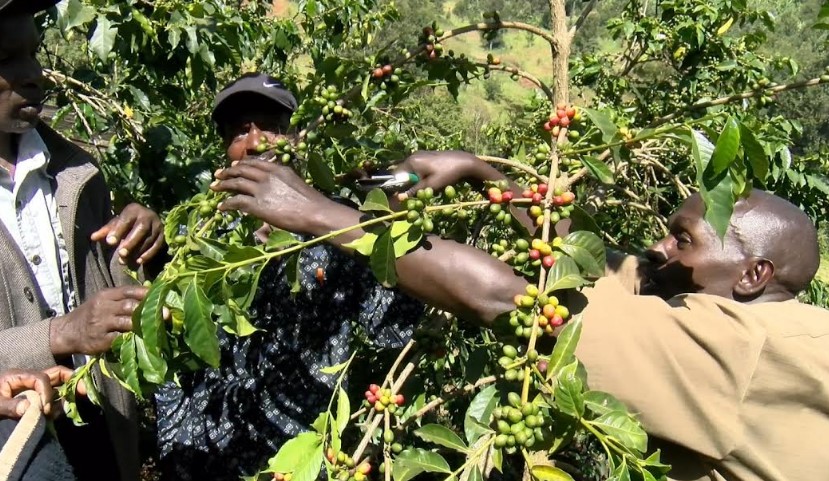
Coffee cooperative societies play a crucial role in connecting smallholder farmers with the global coffee market in Kenya. These organizations operate centralized washing stations where farmers bring their harvested coffee cherries for processing.
The Processing Sequence at Washing Stations
The processing steps at washing stations include:
- Pulping: Removal of the outer cherry skin
- Fermentation: 12-72 hour process to break down remaining pulp
- Washing: Multiple cycles of clean water to remove residual mucilage
- Controlled drying: Beans are spread on raised beds for 7-14 days
This standardized processing method ensures consistent quality across batches from different farmers, resulting in a uniform product that fetches higher prices at auction.
Advantages of Cooperative Membership for Farmers
Being a member of a cooperative offers farmers several benefits:
- Access to modern processing facilities
- Shared transportation costs
- Group certification opportunities
- Enhanced bargaining power at weekly auctions
- Technical support and training
- Bulk purchase of farming inputs at reduced prices
The cooperative model has shown great success in Kenya’s central regions, where societies like Mugaga Farmers’ Cooperative and Thiriku Coffee Growers have built strong reputations for producing outstanding coffee. These organizations typically represent 500-3000 smallholder farmers, combining resources to invest in quality control measures such as grafting which improves crop yield and quality, and market access strategies.
Cooperatives also play a vital role in establishing direct trade relationships with international buyers, allowing farmers to secure better prices and develop long-term partnerships with specialty coffee roasters around the world. Furthermore, these cooperatives are instrumental in implementing advanced agricultural practices, such as those discussed in this comprehensive study which emphasizes the importance of quality control and market access strategies for enhancing the overall productivity and profitability of smallholder farmers.
5. Economic Challenges Faced by Farmers Despite High Demand for Their Produce on Global Markets
Kenyan coffee farmers face significant financial hurdles that create a stark contrast between their products’ high market value and their economic reality. The interest rates on agricultural loans often exceed 20%, placing a heavy burden on farmers who need capital for essential farming inputs.
Key Financial Obstacles:
- High-cost fertilizers and pesticides require substantial upfront investment
- Equipment maintenance and replacement strain limited resources
- Labor costs during harvest seasons demand significant capital
- Transportation expenses to processing facilities add to operational costs
The immediate need for cash often forces farmers to accept unfavorable loan terms from predatory lenders. These loans create cycles of debt that affect farm operations and maintenance decisions. Many farmers resort to cutting corners on crucial agricultural inputs, leading to reduced yield quality and quantity.
Impact on Farm Operations:
- Delayed plant disease treatment due to insufficient funds
- Reduced fertilizer application affecting bean quality
- Postponed equipment repairs hampering efficiency
- Limited ability to hire skilled labor during critical periods
The financial strain particularly affects small-scale farmers who lack collateral for traditional bank loans. These economic pressures have led to a 70% reduction in Kenya’s coffee production since the 1980s, as farmers struggle to maintain their plantations at optimal productivity levels.
However, there are opportunities amidst these challenges. For instance, Kenyan farmers can profit from Hass avocado exports, which have seen a rising demand in global markets. Additionally, addressing the issue of seed quality could significantly improve smallholder incomes, as outlined in this article about the economic impact of quality seedlings.
Payment delays within the supply chain compound these challenges. Farmers typically wait months between harvest delivery and payment receipt, creating cash flow gaps that affect their ability to reinvest in their farms and maintain consistent production standards.

6. Adapting to Climate Change: Strategies Adopted by Farmers to Ensure Sustainability Over Time
Kenyan coffee farmers have developed innovative strategies to combat climate change impacts on their crops. These adaptations blend traditional knowledge with modern agricultural practices to create resilient farming systems.
1. Shade Tree Integration
- Farmers plant indigenous trees like Grevillea robusta and Cordia africana alongside coffee crops
- Shade trees reduce soil temperature by 2-5°C during heat waves
- Tree canopies protect coffee plants from extreme weather events
- Fallen leaves create natural mulch, reducing water evaporation
2. Water Conservation Methods
- Implementation of drip irrigation systems
- Construction of water harvesting structures
- Mulching with organic materials to retain soil moisture
- Terracing on sloped terrain to prevent soil erosion
3. Biodiversity Enhancement
- Integration of companion plants like beans and sweet potatoes
- Creation of natural barriers against pests using aromatic herbs, a method that aligns with preventing pest infestations in young orchards naturally
- Establishment of bee colonies for improved pollination
- Maintenance of diverse ground cover to support beneficial insects
4. Soil Management Practices
- Application of organic compost to improve soil structure
- Cover cropping during off-seasons
- Minimal tillage to preserve soil microorganisms
- Regular soil testing to monitor nutrient levels
These adaptation strategies have shown promising results, with participating farms reporting 15-20% higher yields compared to conventional methods. The practices also contribute to reduced production costs through natural pest control and improved soil fertility.
Furthermore, these sustainable farming practices are not only beneficial for the environment but also play a crucial role in supporting women and youth in agribusiness. Additionally, the importance of proper spacing when planting fruit trees is another vital aspect that can significantly impact crop yield and overall farm productivity.
The Future Outlook for Coffee Farming in Kenya: Bal
Conclusion
Kenyan coffee farming is a true example of resilience, innovation, and unmatched quality. With its rich history and ability to adapt to modern challenges, the industry is poised for continued growth and success in the global coffee market.
The future of Kenyan coffee depends on passionate farmers who combine traditional knowledge with modern practices. Their commitment ensures that the unique flavors and exceptional quality that have made Kenyan coffee highly sought after worldwide will continue.
However, you don’t have to navigate this rewarding industry alone. Whether you’re looking to start your own coffee farm or find high-quality coffee seedlings, we offer comprehensive support throughout your journey.
Our expertise goes beyond coffee farming; we also provide valuable resources and training opportunities for aspiring commercial fruit growers in Muranga County. If you’re considering expanding your farming ventures, our training opportunities for aspiring commercial fruit growers may be particularly beneficial.
Furthermore, we explore other agricultural sectors such as avocado farming, offering insights on what to expect from a professional avocado farming training session. We specialize in banana seedling production using advanced techniques like tissue culture, ensuring top-notch seedlings for improved yields.
In addition, understanding the benefits of grafted fruit seedlings can greatly enhance your farming outcomes. If you’re seeking a comprehensive guide on Pixie orange farming, we’ve got you covered as well.
Ready to be part of the Kenyan coffee story?
Join us in shaping the next chapter of Kenya’s coffee farming legacy, where tradition meets innovation to produce some of the finest coffee beans globally. Contact us today:
- 📞 Phone: 0711315313
- ✉️ Email: Julius.murega@royalseedlings.com

FAQs (Frequently Asked Questions)
What is the history behind coffee farming in Kenya?
Coffee farming in Kenya began in 1893 when John Paterson introduced coffee seeds from the British East India Company. Early settlers and missionaries played a significant role in promoting coffee cultivation, establishing it as a lucrative agricultural venture that has grown into a globally recognized industry.
What unique characteristics distinguish Kenyan Arabica coffee?
Kenyan Arabica coffee is renowned worldwide for its high density beans and distinctive flavor profiles. Grown in regions like Nyeri and Kirinyaga, factors such as soil composition and high altitude contribute to its rich taste, making it highly sought after by coffee enthusiasts around the globe.
How do Kenyan farmers cultivate their coffee crops?
Kenyan coffee cultivation involves traditional, labor-intensive methods practiced mainly by smallholder farmers. These techniques focus on nurturing healthy coffee trees over several years to ensure optimal berry development before harvest, maintaining the quality and consistency of the beans produced.
What role do cooperative societies play in Kenyan coffee farming?
Cooperative societies are vital in enhancing quality control and market access for Kenyan coffee farmers. They manage washing stations where harvested cherries undergo fermentation and controlled drying processes, preserving desirable flavors. Additionally, cooperatives provide members with better prices through collective bargaining during regular auctions.
What economic challenges do Kenyan coffee farmers face despite global demand?
Despite high global demand for Kenyan coffee, farmers face financial challenges such as high-interest rates on loans needed to purchase essential inputs like fertilizers and pesticides. These costs hinder their ability to invest adequately in plantation maintenance, affecting consistent production of quality beans over time.
How are Kenyan coffee farmers adapting to climate change to sustain their farms?
Kenyan farmers are adopting strategies like intercropping with shade trees to regulate temperature extremes during dry spells, enhancing biodiversity within farm ecosystems for natural pest control and improved soil fertility. These sustainable practices help build resilience against adverse climatic conditions, ensuring long-term productivity of their coffee farms.