


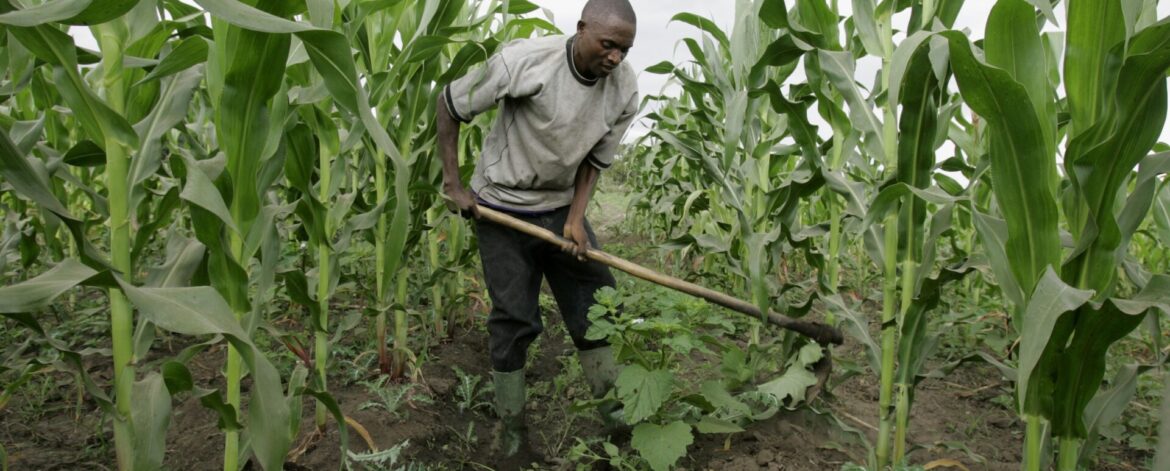
Organic farming in Kenya is a return to traditional agricultural practices, using natural methods that are in harmony with the environment. This approach to farming avoids the use of synthetic fertilizers, pesticides, and genetically modified organisms (GMOs), instead focusing on building healthy soil and maintaining ecological balance.
The growth of organic farming practices in Kenya has been remarkable, with over 150,000 farmers now utilizing these methods nationwide. This transition shows a growing understanding of how important sustainable agriculture is for the country’s food production system.
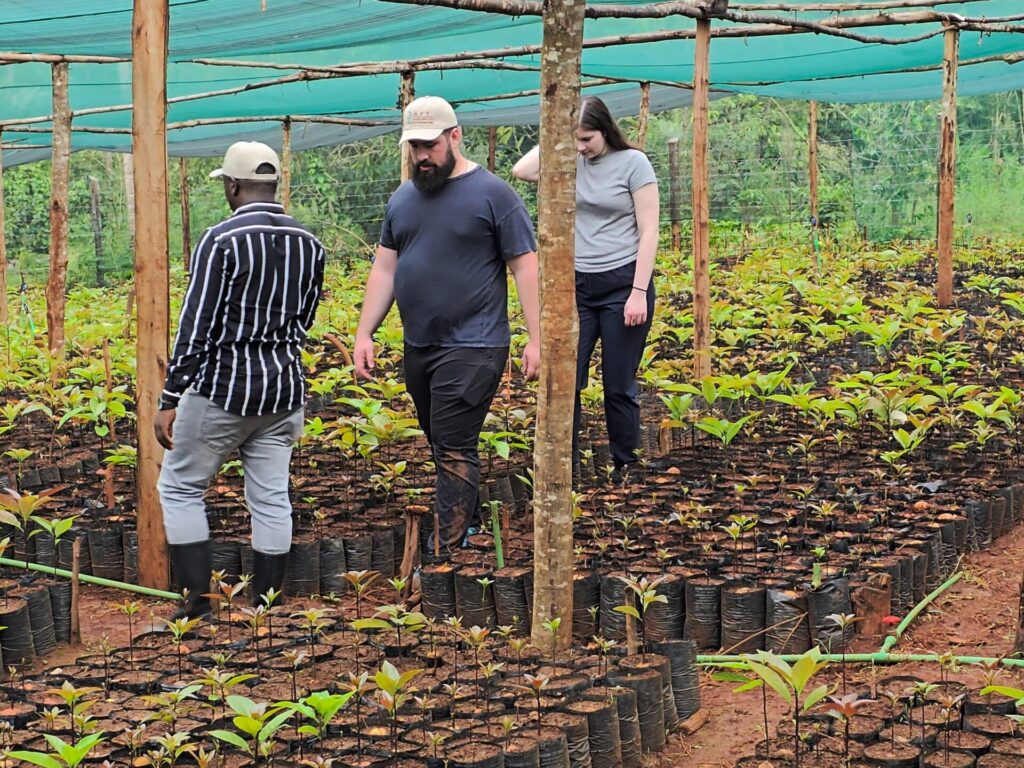
The adoption of organic farming addresses critical challenges facing Kenya’s agricultural sector:
- Food Security: Organic methods help create resilient food systems that can withstand climate changes
- Environmental Protection: Natural farming practices preserve soil health and protect water resources
- Economic Sustainability: Farmers benefit from premium prices and reduced input costs
- Health Benefits: Communities gain access to chemical-free, nutrient-rich food
As Kenya faces increasing pressure on its natural resources and rising food demand, organic farming becomes a practical solution for sustainable agricultural development.
A significant part of this shift towards organic practices is the focus on specific crops like avocados, which have become increasingly popular both locally and internationally.
Benefits of Organic Farming in Kenya
Organic farming practices deliver substantial benefits across environmental, economic, and health dimensions in Kenya’s agricultural landscape.
Environmental Advantages
- Natural soil enrichment through organic matter increases soil fertility
- Enhanced water retention capacity reduces irrigation needs
- Preservation of beneficial insects and pollinators
- Protection of local water sources from chemical runoff
- Reduced carbon footprint through minimal synthetic input usage
Economic Benefits
- Premium pricing for certified organic produce
- 20-30% higher market value compared to conventional crops
- Decreased production costs by eliminating expensive chemical inputs
- Risk mitigation through crop diversification
- Access to specialized organic export markets
- Income stability through year-round growing seasons
The economic impact of quality seedlings on smallholder incomes is significant. For instance, grafted fruit seedlings have proven to deliver higher yields and better quality produce. This is especially true in regions like Murang’a, known for its premium Hass avocado seedling production.
Moreover, the adoption of organic farming methods has transformed many Kenyan farms into sustainable enterprises. Local farmers report improved soil conditions within 2-3 growing seasons after switching to organic practices. Small-scale farmers particularly benefit from reduced dependency on external inputs, while larger operations capitalize on growing international demand for organic products.
Health Impacts
- Higher nutrient content in organically grown foods
- Zero chemical residues from synthetic pesticides
- Increased antioxidant levels in organic fruits and vegetables
- Enhanced food safety for consumers
- Reduced health risks for farmers and farm workers
In light of the future trends in e-commerce within agriculture, embracing these organic practices alongside leveraging technology can further enhance productivity and profitability. The science behind grafting also plays a crucial role in improving crop yield and quality, making it an essential aspect of modern farming that should not be overlooked.

Common Organic Crops Grown in Kenya
Kenya’s diverse climate zones support a rich variety of organic crops. Here’s what thrives in Kenyan organic farms:
1. Popular Vegetables
- Sukuma Wiki (kale) – A staple leafy green grown year-round
- Spinach – Favored for its quick growth and high nutrient content
- Carrots – Well-suited to Kenya’s highland areas
- Cabbages – Resistant to many pests when grown organically
- Tomatoes – Cultivated in both greenhouses and open fields
- Red and white onions – Essential kitchen ingredients
2. Tropical Fruits
- Bananas – Both cooking and dessert varieties
- Mangoes – Multiple varieties suited to different regions
- Papayas – Fast-growing with year-round production
- Avocados – High-value export crop, but proper spacing is crucial for optimal growth
- Passion fruits – Purple and yellow varieties
- Citrus fruits – Oranges, lemons, and limes
3. Cash Crops
- Coffee – Grown in high-altitude regions
- Tea – Thrives in areas with consistent rainfall
- Macadamia nuts – Popular in central and eastern regions
4. Herbs and Spices
- Basil – Used fresh and dried
- Cilantro – Essential for local cuisine
- Rosemary – Grows well in drier areas
- Ginger – Cultivated in warm, humid zones
- Turmeric – Gaining popularity for export markets
These crops adapt well to organic farming methods and meet growing market demands for chemical-free produce. However, it’s important to note that certain crops like avocados are susceptible to diseases. Farmers should be aware of common avocado seedling diseases to ensure healthy yields.

Organic Farming Methods Practiced in Kenya
Kenyan organic farmers employ time-tested natural methods to maintain soil health and crop productivity. Here are the key techniques transforming Kenya’s agricultural landscape:
1. Cover Cropping and Crop Rotation
- Plant legumes like beans and peas to fix nitrogen in the soil
- Rotate crops seasonally to prevent soil depletion
- Use green manure crops such as desmodium and mucuna
2. Natural Composting Systems
- Create nutrient-rich compost from crop residues and animal waste
- Practice vermiculture using earthworms for enhanced decomposition
- Apply bokashi composting techniques for faster fermentation
3. Soil Conservation Practices
- Implement zero-tillage farming where possible
- Use minimum tillage methods to preserve soil structure
- Build terraces on sloped land to prevent erosion
- Understand the soil requirements for different fruit trees in Kenya for better yield
4. Pest Management Solutions
- Plant marigolds and pyrethrum as natural pest deterrents
- Introduce beneficial insects like ladybugs for pest control
- Use neem-based solutions for crop protection
- Consider natural pest management solutions that have shown success in young orchards
5. Water Management Techniques
- Install drip irrigation systems for efficient water use
- Create water harvesting structures like zai pits
- Practice mulching with organic materials to retain moisture
6. Agroforestry Integration
- Plant nitrogen-fixing trees like calliandra and leucaena
- Create windbreaks using native tree species
- Establish multi-story cropping systems combining trees with annual crops
These methods work together to create resilient farming systems that protect natural resources while producing healthy food. Kenyan farmers adapt these techniques to their specific local conditions, soil types, and available resources. For instance, those venturing into pixie orange farming can leverage these organic farming practices for better results.
Kenyan Organic Standards and Certification Process
Kenya’s organic farming standards establish strict guidelines to maintain agricultural integrity and product quality. These standards prohibit:
- Synthetic pesticides and fertilizers
- Genetically Modified Organisms (GMOs)
- Growth hormones
- Antibiotics in livestock production
The certification process requires farmers to demonstrate commitment to:
- Soil conservation practices
- Biodiversity preservation
- Humane animal treatment
- Natural pest control methods
- Water resource management
Certification Timeline
The transition from conventional to certified organic farming takes 2-3 years. During this period, farmers must:
- Document all farming practices
- Implement organic methods exclusively
- Pass regular inspections
- Maintain detailed records of inputs and outputs
Available Certification Labels
Local Certifications
- Kenya Organic Mark (KOM)
- East African Organic Mark
- Kenya Standard for Organic Production
International Certifications
- USDA Organic
- EU Organic
- Global G.A.P
The certification process involves regular audits by accredited bodies to verify compliance with organic standards. Farmers must maintain detailed records of their practices, inputs used, and production methods.
In addition to adhering to these standards, Kenyan farmers can also explore various high-demand crops such as Hass avocados, which are profitable in export markets, as outlined in this article on Hass avocado exports.
Moreover, when it comes to fruit cultivation, choosing the right mango variety or selecting between local and imported apple varieties suitable for Kenyan climates can significantly impact yield and profitability. For instance, this guide on local and imported apple varieties provides valuable insights for farmers looking to diversify their fruit production.
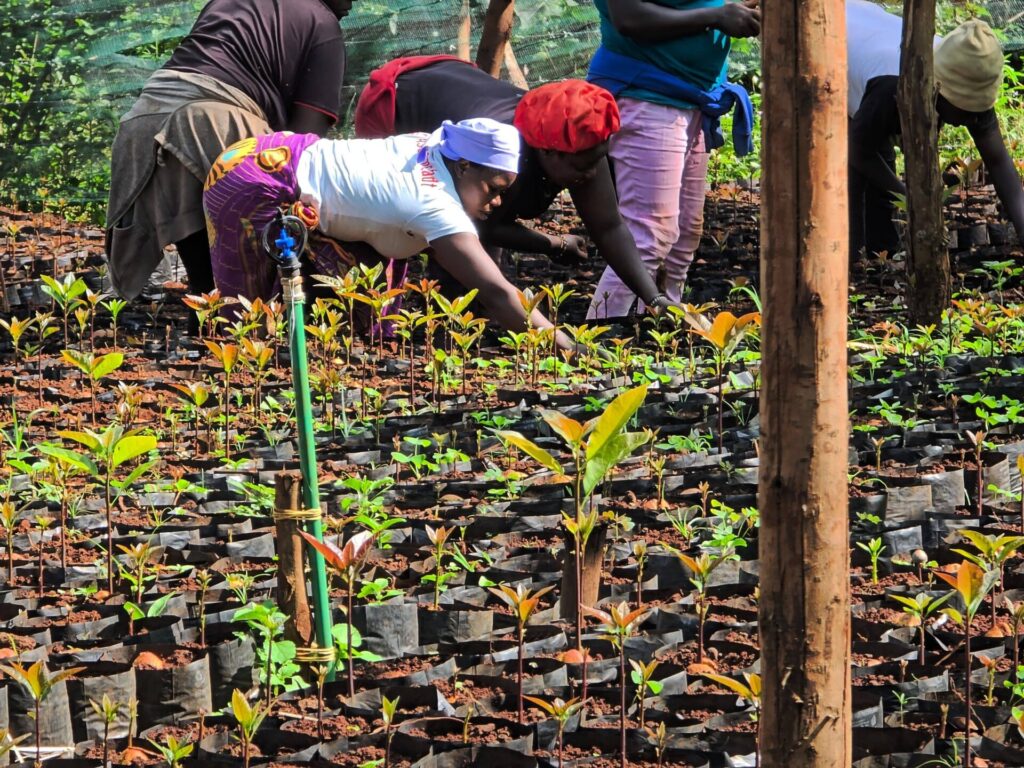
Challenges Facing Organic Farmers in Kenya
Kenyan organic farmers face significant hurdles that impact their ability to maintain sustainable operations. The certification process presents a substantial financial burden, with costs ranging from KES 150,000 to KES 300,000 per farm. These high fees create barriers for smallholder farmers, limiting their participation in certified organic markets.
Access to Quality Organic Inputs
Access to quality organic inputs remains problematic across different regions:
- Seeds: Limited availability of certified organic seeds forces farmers to rely on conventional alternatives. This is particularly challenging when it comes to purchasing specific crop seedlings, such as avocado. Best practices for smallholder farmers when buying avocado seedlings online can be a useful resource.
- Natural Fertilizers: Insufficient supply of organic fertilizers and bio-pesticides
- Equipment: High costs of specialized organic farming tools and machinery
Yield Reduction during Transition
The transition to organic farming methods typically results in 20-30% lower yields during the initial years. This yield reduction directly affects farmers’ income stability, particularly for those operating on small land holdings. To mitigate this issue, it’s essential for farmers to adopt effective strategies during the transition phase. A comprehensive Organic Transition Guide could provide valuable insights.
Market-related Challenges
Market-related challenges create additional pressure:
- Limited storage facilities for organic produce
- Poor transportation infrastructure leading to post-harvest losses
- Inconsistent market demand due to low consumer awareness
- Price premiums not always guaranteed due to market fluctuations
Climate Change Complications
Climate change introduces severe complications for organic farmers:
- Water Scarcity: Irregular rainfall patterns affect crop production
- Pest Pressures: New pest varieties emerge due to changing weather conditions
- Soil Degradation: Extreme weather events lead to increased soil erosion
- Temperature Fluctuations: Unpredictable temperatures affect crop growth cycles
These challenges require innovative solutions and support systems to ensure the sustainability of organic farming practices in Kenya. It is crucial for stakeholders to understand these hurdles and explore potential solutions, such as those suggested in recent scientific research, which could pave the way for more resilient farming practices.
Opportunities for Growth in Organic Farming in Kenya
Kenya’s organic farming sector presents significant growth opportunities driven by increasing market demand and supportive initiatives. Urban centers, particularly Nairobi, demonstrate a rising consumer preference for organic products, with specialty stores and farmers’ markets expanding their organic offerings.
Export Markets
The following factors contribute to the growth potential of organic farming in Kenya:
- European Union markets value Kenyan organic products, especially fruits, vegetables, and herbs
- Middle Eastern countries show growing interest in organic Kenyan tea and coffee
- Premium pricing in international markets offers higher returns for certified organic farmers
Government Support
The government plays a crucial role in supporting the growth of organic farming through various initiatives:
- Research funding allocation for organic farming methods
- Training programs for farmers transitioning to organic practices
- Tax incentives for organic input suppliers
- Integration of organic agriculture in national agricultural policies
Technological Advancements
Technological advancements are also driving the growth of organic farming in Kenya:
- Digital platforms connecting farmers directly to consumers
- Smart irrigation systems optimizing water usage
- Mobile apps providing organic farming guidance
- Soil testing technologies ensuring organic compliance
NGO Initiatives
Non-governmental organizations (NGOs) are actively involved in promoting organic farming through their initiatives:
- Training workshops on organic certification
- Market linkage programs
- Financial support for smallholder farmers
- Knowledge sharing platforms
The combination of market demand, policy support, and technological innovation creates a favorable environment for organic farming expansion in Kenya. Local entrepreneurs establish processing facilities for organic products, adding value through packaging and preservation methods. Youth engagement in organic agriculture increases through tech-enabled farming practices and agribusiness opportunities.
One specific area within the organic farming sector that holds immense potential is pomegranate farming. This fruit not only has a high market demand locally but also internationally due to its health benefits and versatility.
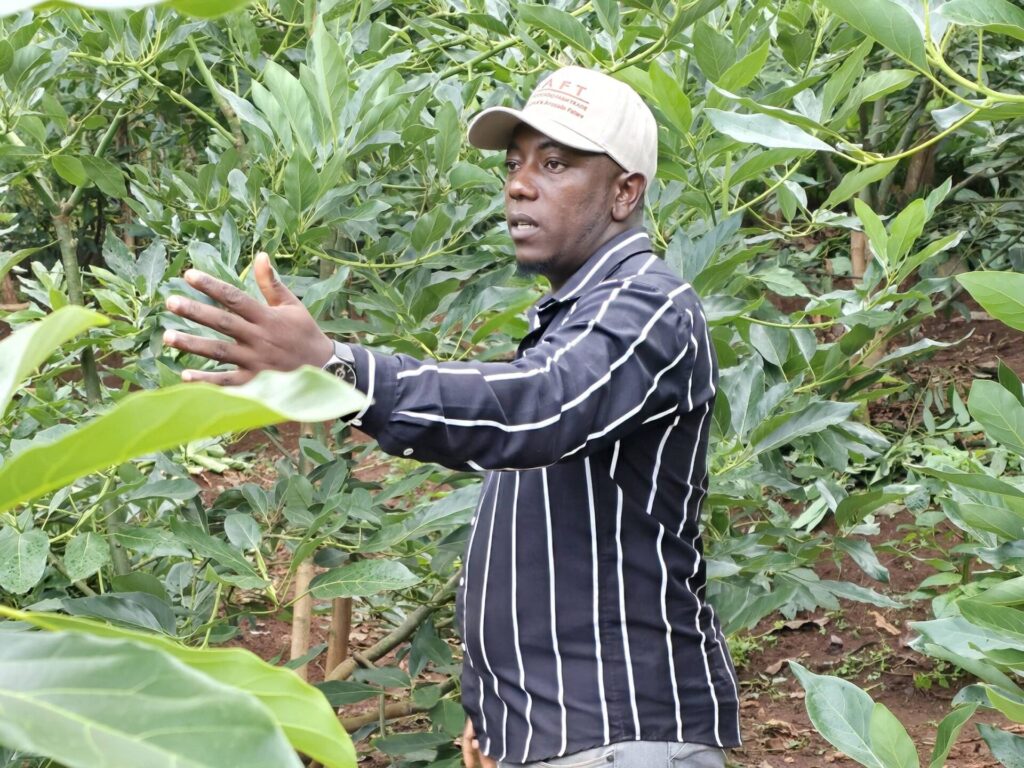
Role of Organizations Supporting Organic Farming in Kenya
The Kenya Organic Agriculture Network (KOAN) is the main organization promoting organic farming practices throughout the country. KOAN offers:
- Technical training on organic certification standards
- Market research and trade information
- Direct connections between farmers and buyers
- Quality assurance programs
- Advocacy for organic agriculture policies
The Organic Agriculture Center of Kenya (OACK) supports KOAN’s efforts by concentrating on:
- Practical training programs for farmers
- Demonstration farms for hands-on learning
- Soil testing and analysis services
- Development of the organic input supply chain
These organizations collaborate with local farming communities to create organic farming hubs. Their joint efforts have established a support network benefiting over 35,000 smallholder farmers in various agricultural regions of Kenya. By partnering with international organizations, they promote knowledge sharing and technology transfer to improve organic farming methods.
One significant aspect of this technology transfer involves the use of tissue culture in banana seedling production, which plays a crucial role in the organic farming initiative. Additionally, these organizations operate online platforms that offer up-to-date market information, weather forecasts, and technical resources to registered organic farmers. Their mobile applications establish direct communication between farmers and certified suppliers of organic inputs as well as potential buyers.
Future Outlook for Organic Farming in Kenya
The future of organic farming in Kenya shows promising growth potential. Market research indicates a steady increase in demand for organic products, driven by health-conscious consumers and environmental awareness. This rising demand creates opportunities for both small-scale and commercial farmers to expand their organic operations.
Government support plays a crucial role in shaping the sector’s future. Recent policy initiatives include:
- Integration of organic farming in agricultural extension services
- Research funding for sustainable farming methods
- Tax incentives for organic input suppliers
- Support for organic certification programs
The digital revolution brings technological advancements that benefit organic farmers:
- Mobile apps for pest management
- Weather monitoring systems
- Digital marketplaces connecting farmers to buyers
- Smart irrigation solutions
Climate change adaptation strategies will become increasingly important. Organic farming practices demonstrate resilience through:
- Water conservation techniques
- Drought-resistant crop varieties
- Soil health management
- Biodiversity preservation
The Path Forward
Success in Kenya’s organic farming sector requires collaborative effort from:
- Farmers embracing sustainable practices
- Consumers choosing organic products
- Organizations providing technical support
- Government bodies implementing supportive policies
Ready to Start Your Organic Farming Journey?
Transform your farming practices with quality organic seedlings and expert guidance. Our team specializes in:
- Disease-resistant varieties
- Climate-adapted seedlings like those used in professional avocado farming training sessions
- Organic farming consultation
- Technical support services
We also offer training opportunities for aspiring commercial fruit growers and provide a step-by-step guide to starting an avocado orchard in Kenya.
To optimize your planting schedule, refer to our seasonal planting calendar for fruit seedlings in Central Kenya.
Contact Us Today:
Phone: 0711315313
Email: Julius.murega@royalseedlings.com
Partner with us to contribute to Kenya’s sustainable agricultural future while building a profitable organic farming enterprise.
FAQs (Frequently Asked Questions)
What is organic farming and why is it important in Kenya?
Organic farming in Kenya involves using natural farming methods that avoid synthetic pesticides, fertilizers, and GMOs. It promotes sustainable agriculture by improving soil health, preserving biodiversity, and enhancing food security through nutrient-rich produce.
What are the key benefits of organic farming in Kenya?
Organic farming offers environmental benefits such as soil fertility improvement, biodiversity preservation, and water quality protection. Economically, it provides higher market prices, reduced input costs, and crop diversity. Health-wise, it delivers nutrient-rich foods with minimal chemical exposure.
Which organic crops are commonly grown in Kenya?
Popular organic crops in Kenya include vegetables like kale, spinach, carrots, cabbages, tomatoes, and onions; fruits such as bananas, mangoes, papayas, avocados, passion fruits, and citrus; cash crops including coffee, tea, and macadamia nuts; as well as herbs and spices like basil, cilantro, rosemary, ginger, and turmeric.
What organic farming methods are practiced in Kenya?
Kenyan organic farmers utilize techniques such as composting for natural fertilization, crop rotation and cover cropping to maintain soil fertility, minimal soil disturbance practices, biological pest control and manual weed suppression. They also employ mulching, rainwater conservation methods like drip irrigation and contour farming, intercropping, and agroforestry to balance ecosystems and manage pests.
How does the organic certification process work in Kenya?
Kenya’s organic standards prohibit synthetic pesticides/fertilizers and GMOs while emphasizing soil conservation and humane animal treatment. Farmers undergo a 2-3 year transition period to adopt organic practices before certification. Certification labels include the Kenya Organic Mark (KOM), East African Organic Mark, as well as international certifications like USDA Organic or EU Organic.
What challenges do organic farmers face in Kenya and what opportunities exist for growth?
Challenges include high certification costs limiting smallholder participation, limited access to quality organic inputs, lower short-term yields affecting income stability, market access difficulties due to low consumer awareness and infrastructure gaps, plus climate change impacts like water scarcity. Opportunities for growth lie in increasing local demand especially in urban areas like Nairobi, export potential to Europe and the Middle East markets, supportive government policies on research funding and capacity building, alongside NGO involvement and technological advancements facilitating sustainable practices.