

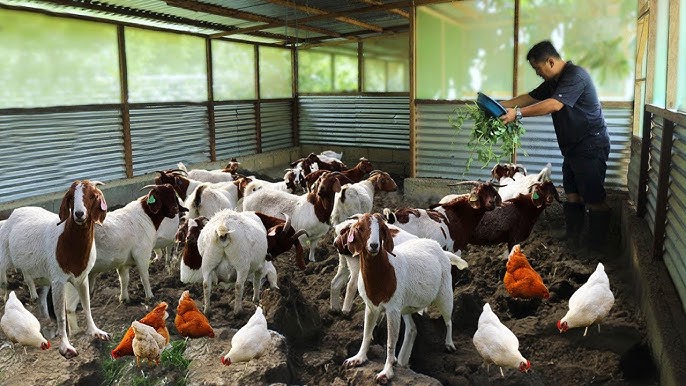
Goat farming in Kenya is a great opportunity for aspiring farmers and entrepreneurs. With a thriving livestock sector boasting over 26.7 million goats, this agricultural venture offers multiple revenue streams through meat, milk, manure, and hides production.
This comprehensive guide walks you through the essential steps to establish and run a successful goat farming business in Kenya. You’ll discover:
- Strategic breed selection for your specific needs
- Proper housing and infrastructure setup
- Effective nutrition and feeding management
- Smart breeding techniques
- Critical healthcare practices
- Business planning and marketing strategies

The beauty of goat farming lies in its accessibility. You can start small with minimal capital investment and scale up as you gain experience. These hardy animals adapt well to Kenya’s diverse climates, making them suitable for farming across different regions.
But goat farming is not the only lucrative venture in Kenya’s agricultural landscape. With the right training, such as professional avocado farming training, you can also tap into the profitable avocado market. This includes understanding how to properly prepare your land before receiving seedling delivery or navigating frequently asked questions about purchasing avocado seedlings online.
Moreover, there’s a growing emphasis on supporting women and youth in agribusiness in Kenya, which opens up even more opportunities for aspiring farmers.
Ready to transform your farming dreams into reality? Let’s explore how you can build a profitable goat farming enterprise through strategic planning and proven management practices.
Why Choose Goat Farming in Kenya?
Goat farming stands out as a strategic agricultural venture in Kenya, offering multiple revenue streams through meat, milk, manure, and hides. In addition, the adaptable nature of goats makes them ideal for Kenya’s diverse climatic conditions – from arid regions to highland areas.
Key Benefits of Goat Farming:
- Low Initial Investment: Starting a goat farm requires minimal capital compared to cattle farming. You can begin with 2-3 goats and scale up gradually.
- Quick Returns: Goats reach maturity faster than cattle, with breeding possible at 8-10 months of age.
- Space Efficiency: Goats need less land than cattle, making them suitable for both small and large-scale farming.
- Drought Resistance: Many goat breeds thrive in dry conditions, reducing the risk of losses during drought seasons.
Additionally, the demand for goat products continues to rise both locally and internationally. Local markets show strong demand for goat meat (nyama choma) in urban areas, while Middle Eastern countries offer promising export opportunities.
Market Opportunities:
- Local butcheries and restaurants
- Supermarket chains
- Export markets (Middle East)
- Value-added products (cheese, yogurt)
- Organic fertilizer from manure
- Leather industry (hides)
The growing health-conscious consumer base values goat meat for its lean properties and goat milk for its nutritional benefits. This trend drives increased market prices and creates sustainable income opportunities for farmers across Kenya.
However, while goat farming presents numerous advantages, it is crucial to avoid common pitfalls that could hinder success. For instance, if you’re also considering diversifying into other agricultural ventures like avocado farming, it’s important to be aware of certain mistakes that could affect your harvest yield.
Moreover, understanding the soil requirements for different fruit trees can significantly improve your chances of successful cultivation. This knowledge can be beneficial if you decide to integrate fruit farming with your goat rearing business.
Lastly, if you’re contemplating on choosing between local and imported apple varieties, it’s essential to consider the climatic conditions and soil type of your farm. This decision could complement your goat farming venture by providing additional income sources through fruit sales.
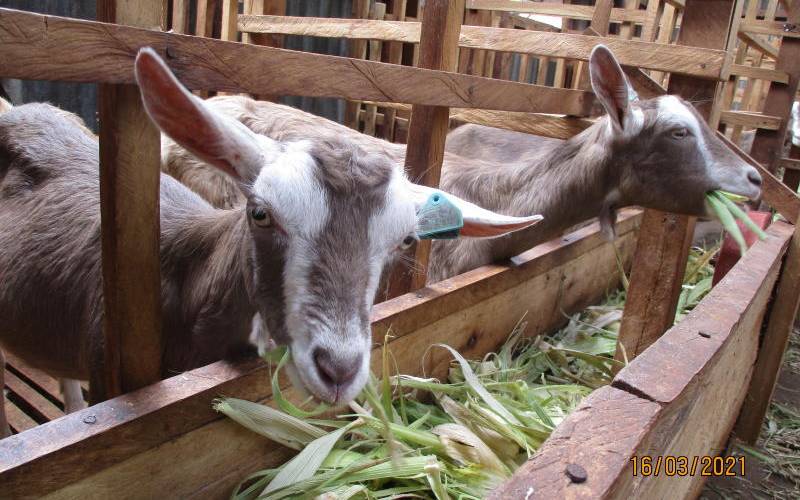
Selecting the Right Goat Breeds for Your Farm
Choosing the right goat breed determines your farming success. Kenya offers diverse goat breeds suited for different production purposes.
Popular Meat Breeds in Kenya:
- Boer Goats: Fast-growing with excellent meat quality, reaching 70-90kg
- Galla Goats: Hardy breed adapted to dry areas, good meat production
Leading Dairy Breeds:
- Toggenburg: Produces 3-4 liters daily, adapts well to cooler regions
- Saanen: High milk yields of 4-5 liters daily, requires intensive management
- Alpine: Good milk production, thrives in varied climates
Dual-Purpose Breeds:
- Small East African Goat (SEAG): Disease resistant, adaptable to harsh conditions
- Nubian: Good milk and meat production, suitable for crossbreeding
- Kiko: Fast growth rates, excellent maternal traits
Key Factors for Breed Selection:
- Climate suitability in your region
- Available resources and management level
- Market demand for specific products
- Disease resistance capabilities
- Initial purchase costs
- Feed availability in your area
- Your farming goals (meat, milk, or both)
Your farm location plays a crucial role in breed selection. High-rainfall areas suit dairy breeds like Toggenburg, while arid regions favor hardy breeds like Galla. It’s also beneficial to consider starting with local breeds or their crosses for better adaptation and lower management requirements. Also, just as choosing the right mango variety can impact your farming success, selecting the appropriate goat breed is equally essential.
Setting Up Your Goat Farming Infrastructure
Proper housing is a critical factor in successful goat farming. Also, a well-designed shelter protects your goats from harsh weather conditions, predators, and reduces disease transmission risks.
Essential Housing Requirements:
- Raised floor design (at least 1 meter high)
- Strong, weather-resistant roofing materials
- Adequate drainage systems
- Secure fencing with 1.5-meter height minimum
- Separate sections for different goat groups
Space Requirements Per Goat:
- Adult goats: 1.5-2 square meters
- Kids: 0.5-1 square meter
- Pregnant does: 2-2.5 square meters
Your goat shelter needs strategic ventilation placement – windows and vents positioned to allow fresh air circulation while preventing direct drafts on the animals. The shelter should face east to maximize morning sun exposure and protect from prevailing winds.
It’s also worth noting the importance of proper spacing in farming. Just like in fruit tree planting, adequate space is crucial for each goat’s health and wellbeing.
Key Infrastructure Components:
- Feeding troughs (30-40 cm per adult goat)
- Clean water points accessible to all animals
- Quarantine area for sick goats
- Storage space for feed and equipment
- Footbath at entrance points
- Milking area for dairy goats
The flooring should feature slight elevation toward drainage points, preventing water pooling. Ideally, use locally available materials like timber, iron sheets, or stone blocks to reduce construction costs while maintaining durability. Install proper lighting systems to monitor your goats during early morning or evening hours.
Nutrition and Feeding Management Strategies for Healthy Goats
A balanced diet directly impacts your goats’ growth rate, milk production, and reproductive performance. Your goats need specific nutrients at different life stages to maintain optimal health and productivity.
Essential Components of a Balanced Goat Diet:
- Proteins (16-18% for growing kids)
- Carbohydrates for energy
- Minerals (calcium, phosphorus)
- Clean, fresh water
- Vitamins A, D, and E
Natural Pasture Management:
- Allow goats to graze 6-8 hours daily
- Implement rotational grazing to prevent overgrazing
- Maintain grass height at 4-6 inches
- Plant drought-resistant grass varieties
Supplementary Feeds:
- Commercial concentrates (during pregnancy and lactation)
- Hay (Rhodes grass, Lucerne)
- Salt licks for mineral supplementation
- Grain supplements (maize, barley)
Recommended Fodder Trees in Kenya:
- Calliandra – High protein content
- Leucaena – Rich in nutrients
- Sesbania – Excellent for milk production
- Gliricidia – Drought-resistant option
Feed your goats according to their body weight (3-4% daily). Pregnant and lactating does require additional feed portions to support milk production and fetal development. Monitor your goats’ body condition regularly to adjust feed quantities as needed.
Create a feeding schedule with specific times for grazing, supplementary feeding, and water provision. Notably, this routine helps maintain digestive health and prevents nutritional disorders.
In addition to these strategies, it’s worth considering the role of tissue culture in banana seedling production, which can be an effective method for producing high-quality fodder. Utilizing such innovative agricultural techniques can significantly enhance the quality of feed available for your goats.
Breeding Management Techniques to Enhance Productivity on Your Farm
Successful goat breeding requires careful timing and strategic planning. Female goats reach breeding maturity at 8-10 months, while males can start breeding at 12 months. The gestation period for goats spans approximately 150 days.
Key Breeding Practices:
- Select breeding stock with desired traits like high milk production, fast growth rates, or disease resistance
- Maintain a ratio of 1 buck to 20-25 does for optimal breeding efficiency
- Record breeding dates to predict kidding times and prepare accordingly
- Separate pregnant does from the main herd during late pregnancy
Maximizing Kidding Rates:
- Implement flushing – increased feeding 2-3 weeks before breeding
- Schedule breeding during cooler months (March-April or October-November)
- Monitor doe health through pregnancy with regular vet checks
- Provide stress-free environment during pregnancy and kidding
Signs of Heat in Does:
- Tail wagging
- Decreased appetite
- Increased vocalization
- Swollen vulva
- Mounting other goats
A well-managed breeding program can achieve kidding rates of up to 200% annually through practices like synchronized breeding and proper buck selection. Consider artificial insemination for accessing superior genetics without maintaining multiple bucks on your farm.
Keep detailed breeding records including:
- Mating dates
- Buck used
- Kidding outcomes
- Birth weights
- Kid survival rates
These practices not only enhance productivity but also contribute significantly to the economic aspect of farming. For instance, the economic impact of quality seedlings on smallholder incomes is profound. Similarly, understanding the science behind grafting can further improve crop yield and quality on your farm.
Health Care Practices Every Goat Farmer Should Know About
Maintaining your goats’ health is crucial for a successful farming venture in Kenya. Also, a proactive approach to disease prevention and management can save you significant costs and protect your investment.
Common Diseases and Prevention
- Peste des Petits Ruminants (PPR): Vaccinate kids at 3-4 months old
- Contagious Caprine Pleuropneumonia (CCPP): Annual vaccination required
- Foot Rot: Regular hoof trimming and dry housing conditions
- Helminthiasis: Quarterly deworming schedule
- Ectoparasites: Monthly dipping or spraying against ticks and fleas
Essential Biosecurity Measures
- Install footbaths at farm entrances
- Quarantine new animals for 21 days
- Clean and disinfect housing units weekly
- Separate sick animals from healthy ones
- Keep detailed health records for each animal
Regular Health Checks
- Monitor body temperature
- Check for signs of diarrhea
- Observe feeding patterns
- Inspect hooves and skin condition
- Watch for unusual behavior
Professional Care
- Build relationships with local veterinarians
- Schedule regular health inspections
- Keep emergency contact numbers handy
- Stock essential medicines
- Learn basic treatment procedures
Creating a comprehensive vaccination calendar and maintaining strict biosecurity protocols helps prevent disease outbreaks. Your farm’s success depends on establishing these preventive measures and responding quickly to health issues when they arise.
In addition to goat farming, best practices for smallholder farmers can also be applied when venturing into other agricultural sectors, such as avocado farming. Understanding how to identify and prevent common avocado seedling diseases can further enhance your farming success. Moreover, it’s essential to stay updated with the future trends in e-commerce in agriculture, as these could significantly impact how you manage your farm operations.
Business Planning Essentials: From Market Research to Financial Management in Goat Farming Business Plan Kenya
A solid business plan serves as your roadmap to success in goat farming. Here’s what you need to include in your goat farming business plan:
Market Analysis
- Research current market prices for goat meat and milk
- Identify potential buyers (butcheries, restaurants, processors)
- Study seasonal demand patterns
- Analyze competition in your target area
Financial Projections
- Start-up costs breakdown:
- Land acquisition/lease
- Initial breeding stock
- Housing construction
- Equipment and tools
- Labor costs
- Operating expenses:
- Feed and supplements
- Veterinary services
- Marketing costs
- Transportation
- Revenue streams:
- Live goat sales
- Milk production
- Manure sales
- Hide processing
Risk Management Strategy
- Insurance options for livestock
- Disease prevention budget
- Emergency fund allocation
- Alternative market channels
Growth Plan
- Herd expansion timeline
- Value addition opportunities such as exploring complementary ventures like Pixie Orange farming
- Infrastructure development phases
- Staff training requirements
Your business plan should include realistic profit projections based on local market rates. Additionally, a typical dairy goat in Kenya produces 1.5-3 liters of milk daily, selling at KES 100-150 per liter. Meat goats can fetch KES 5,000-15,000 depending on size and market conditions.
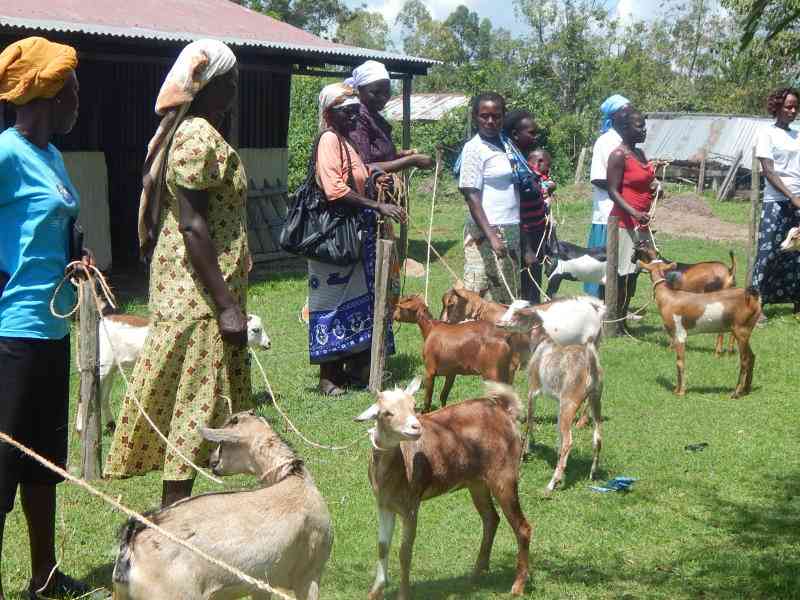
Marketing Strategies to Maximize Profits from Your Goat Products
Successful marketing of goat products in Kenya requires a multi-channel approach to reach diverse customer segments. Ideally, here’s how you can maximize your profits through strategic marketing:
1. Direct Sales Channels
- Set up farm-gate sales for fresh goat milk and meat
- Participate in local livestock markets and agricultural shows
- Create relationships with nearby butcheries and restaurants
- Supply to local supermarkets and retail shops
2. Value Addition Opportunities
- Process goat milk into yogurt, cheese, and ghee
- For instance, goat milk yogurt has shown potential as a remedy for infant malnutrition in Senegal.
- Create premium cuts of meat with proper packaging
- Produce leather goods from goat hides
- Package and sell goat manure to crop farmers
- Consider exploring marketing manure as a value-added product.
3. Digital Marketing Tactics
- List your products on agricultural e-commerce platforms
- Use WhatsApp Business for customer communication
- Share farm updates and product availability on Facebook
- Create engaging content on YouTube about your farming practices
4. Building Strong Networks
- Join local farmer cooperatives for collective marketing
- Partner with established meat processors
- Connect with export agencies for international markets
- Network with other goat farmers to fulfill large orders
5. Price Optimization
- Research current market prices regularly
- Offer bulk purchase discounts
- Set premium prices for value-added products
- Create seasonal pricing strategies during high-demand periods
Above all consider targeting specific market segments like high-end restaurants, health-conscious consumers, or religious celebrations where goat meat is in high demand. Track your sales data to identify which marketing channels bring the best returns and adjust your strategy accordingly.
Overcoming Challenges as a Goat Farmer in Kenya: Practical Solutions
Goat farming in Kenya presents specific challenges that require strategic solutions for sustainable success. To address these challenges effectively, here are the primary obstacles and their practical solutions:
1. Disease Management
- Implement strict vaccination schedules against PPR and CCPP
- Partner with reliable veterinary services for regular health checks
- Create isolation areas for sick animals
- Maintain detailed health records for each goat
2. Feed Shortage Solutions
- Establish fodder banks during abundant seasons
- Practice silage making using locally available materials
- Plant drought-resistant fodder crops like Napier grass
- Create partnerships with local feed suppliers
3. Security Concerns
- Install proper fencing and security lighting
- Use identification methods like ear tags or microchips
- Build relationships with local security personnel
- Consider livestock insurance coverage
4. Market Price Fluctuations
- Diversify income streams through value addition, such as exploring opportunities in pomegranate farming
- Join farmer cooperatives for collective bargaining power
- Build relationships with multiple buyers
- Store feed when prices are low
5. Limited Access to Resources
- Network with successful farmers for knowledge sharing
- Attend agricultural training programs
- Join WhatsApp farming groups for instant support
- Subscribe to agricultural newsletters and updates
6. Climate Change Impact
- Construct water harvesting systems
- Build raised housing structures for flood protection
- Plant shade trees around goat housing, possibly following a seasonal planting calendar for optimal results
- Develop contingency plans for extreme weather events
These solutions have proven effective for many Kenyan goat farmers. Implementing them systematically helps create a resilient farming operation capable of withstanding various challenges.
Learning from Successful Goat Farmers: Tips for Success
Successful goat farmers in Kenya share valuable insights gained through years of hands-on experience. Here are their proven strategies for building a thriving goat farming enterprise:
1. Record Keeping Excellence
- Track daily milk production per goat
- Document breeding dates and kidding history
- Monitor feed consumption and costs
- Keep detailed health records and vaccination schedules
2. Smart Financial Management
- Start small with 5-10 quality goats
- Reinvest profits into farm expansion
- Maintain emergency funds for unexpected expenses
- Diversify income streams through value-added products
3. Strategic Risk Management
- Practice rotational grazing to prevent overgrazing
- Build strong relationships with reliable veterinarians
- Stock feed reserves for dry seasons
- Implement strict biosecurity measures
4. Market-Focused Approach
- Research market trends and price fluctuations
- Build direct relationships with buyers
- Join farmer cooperatives for collective bargaining power
- Create value-added products like yogurt and cheese
5. Continuous Learning
- Attend agricultural training workshops
- Network with experienced farmers
- Stay updated on new farming technologies, including those related to avocado farming, which can be beneficial given the rising popularity of avocado exports. Many farmers are now exploring export markets for Hass avocados, which could provide additional income streams.
Ideally, successful farmers emphasize the importance of patience and consistency. Many report achieving significant returns within 18-24 months by following these practices and maintaining high standards in their operations. Additionally, understanding what makes a good nursery can also play a vital role in ensuring the success of any farming venture, including goat farming.
Conclusion
Starting a goat farming venture in Kenya opens doors to financial independence and sustainable income. Your success journey begins with implementing the strategies shared by experienced farmers, selecting appropriate breeds, and maintaining proper management practices.
However, goat farming is just one aspect of the diverse agricultural opportunities available in Kenya. For instance, if you’re also interested in starting an avocado orchard, our expert guidance can be invaluable. We provide quality grafted fruit seedlings that can significantly enhance your yield, as detailed in our article about the benefits of grafted fruit seedlings.
Moreover, we understand that pest infestations can be a significant challenge in both goat farming and fruit growing. Also, to help you navigate this issue, we offer insights on preventing pest infestations in young orchards naturally, which could also be beneficial for your goat farm if you’re considering integrating fruit trees into your farming system.
If you’re looking to diversify your farming ventures or simply want to gain more knowledge about training opportunities for aspiring commercial fruit growers, we’re here to support your agricultural dreams. Our team provides:
- Expert guidance on breed selection
- Quality fodder tree seedlings
- Ongoing technical support
- Market linkage assistance
Take the first step toward building your profitable goat farming enterprise or expanding into fruit farming. Contact us for personalized support and high-quality seedlings:
📱 Phone: 0711315313
✉️ Email: julius.murega@royalseedlings.com
Your path to success in agriculture starts now. Let’s work together to transform your farming aspirations into reality. The growing demand for goat products and quality fruits in Kenya creates the perfect opportunity for dedicated farmers to thrive in these rewarding sectors.
Start your goat farming journey today – reach out to our team
FAQs (Frequently Asked Questions)
Why is goat farming considered a profitable venture in Kenya?
Goat farming in Kenya is profitable due to its adaptability to various climates, low start-up costs, and the growing demand for goat products both locally and internationally. With proper planning and management, farmers can achieve significant returns.
Which goat breeds are best suited for meat and dairy production in Kenya?
Popular goat breeds in Kenya include meat breeds like the Boer goat, dairy breeds such as the Saanen, and dual-purpose breeds that provide both meat and milk. Selecting the right breed depends on your farm’s goals and environmental conditions.
What are the essential considerations for setting up goat housing in Kenya?
Proper goat housing is crucial to prevent diseases and ensure animal welfare. Key considerations include adequate space, good ventilation, protection from harsh weather, and easy access for feeding and cleaning.
How can I manage nutrition effectively to promote healthy goats on my farm?
A balanced diet comprising natural pasture, supplementary feeds, and fodder trees is vital for optimal growth and productivity. In addition incorporating local fodder trees can enhance nutrition while reducing feeding costs.
What health care practices should Kenyan goat farmers implement to prevent diseases?
Farmers should follow vaccination programs such as PPR vaccination, maintain strict biosecurity measures to prevent disease spread, regularly monitor herd health, and seek timely veterinary interventions when necessary.
How can I develop a successful business plan for my goat farming venture in Kenya?
A comprehensive business plan should include market research on demand for goat products in Kenya, financial management strategies, infrastructure planning, breeding management techniques, and marketing approaches to maximize profits.