

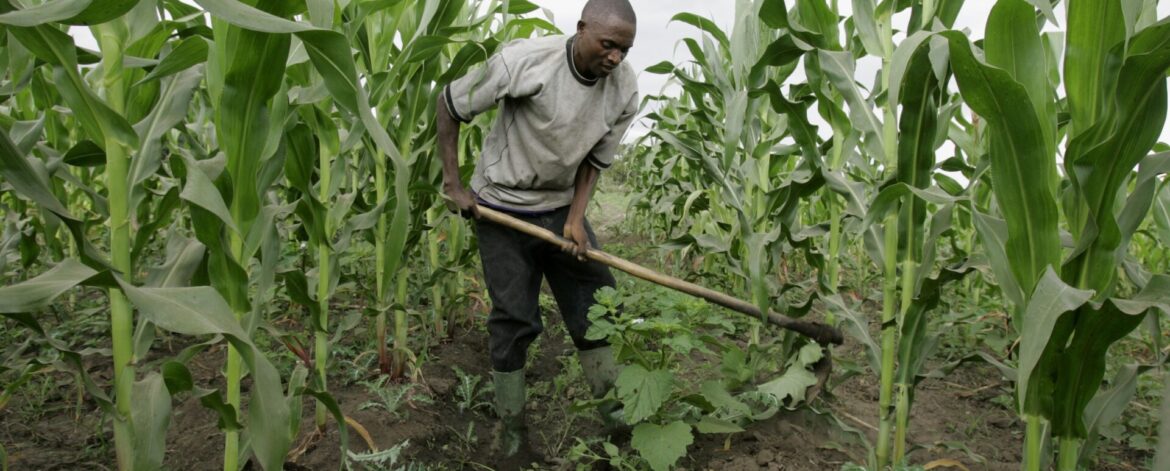
Maize farming is a crucial part of Kenya’s agriculture, playing a key role in ensuring food security and economic stability. This important crop feeds millions of Kenyan families every day and is the main staple food for many communities.

The Importance of Maize Farming in Kenya
Maize is not only important for people’s meals but also as a source of income for many farmers. Small-scale farmers depend on growing maize to provide for their families, while larger commercial farmers contribute significantly to the country’s food reserves and export markets.
As the oldest cultivated crop in Kenya, maize has a significant impact on the economy:
- It contributes 3.5% to Kenya’s GDP.
- It provides jobs for 40% of the rural population.
- It accounts for 40% of the daily caloric intake for Kenyan households.
- It supports livestock industries by producing feed.
The ability of maize to thrive in Kenya’s diverse climates has made it an essential crop throughout the country, from coastal areas to highlands. Whether grown on small family farms or large commercial operations, maize is deeply embedded in Kenya’s agricultural practices and cultural traditions.
Other Important Crops in Kenya
While maize is vital, other crops like bananas and avocados also hold significance in this agricultural landscape. For example, tissue culture has transformed banana farming in Kenya by streamlining seedling production. Likewise, knowing how to care for newly planted avocado seedlings can greatly improve avocado yields, another crucial crop in the country.
Empowering Women and Youth in Agriculture through Maize Farming
Efforts such as those by Royal Seedlings that support women and youth in agribusiness are essential for empowering these groups and enhancing agricultural productivity.
Exploring Niche Crop Farming
With proper guidance and resources, even beginners can successfully explore farming niche crops like Pixie oranges, diversifying their income streams beyond traditional staples like maize.

Climate and Soil Requirements for Maize Farming in Kenya
Successful maize farming in Kenya depends heavily on specific environmental conditions. The crop thrives in temperatures between 15°C to 30°C, with optimal growth occurring at 25°C during the day and 15°C at night.
Rainfall Requirements by Region
Rainfall requirements vary across different regions:
- High potential areas: 1,500mm – 2,500mm annually
- Medium potential zones: 800mm – 1,500mm annually
- Low potential regions: 600mm – 800mm annually
Altitude for Maize Growth
The most productive maize-growing zones lie between 900m and 2,500m above sea level. These altitudes provide ideal temperature conditions and adequate moisture levels for robust crop development.
Ideal Soil Conditions for Maize Farming
Soil conditions play a crucial role in maize cultivation. The ideal soil requirements include:
- pH Range: 5.5 to 7.5
- Texture: Well-draining loamy soils
- Structure: Deep, friable soil with good water retention
- Fertility: Rich in organic matter and essential nutrients
Sandy soils require additional organic matter incorporation, while heavy clay soils need proper drainage systems. Regular soil testing helps maintain optimal growing conditions through targeted soil amendments and fertilization programs.
Popular Maize Varieties Cultivated in Kenya
Kenyan farmers have access to diverse maize varieties suited for different ecological zones and farming needs. The selection of these varieties can significantly impact productivity and income, similar to the [economic impact of quality seedlings on smallholder incomes](https://royalseedlings.com/the-economic-impact-of-quality-seedlings-on-smallholder-incomes).
Hybrid Varieties
- H614: A late-maturing variety ideal for high-altitude areas, producing large cobs with deep kernels
- H6213: Drought-tolerant hybrid suitable for medium-altitude regions, offering resistance to common diseases
- DH01: Early-maturing variety adapted to low-rainfall areas, yielding 25-30 bags per acre
Open-Pollinated Varieties
- Katumani: Fast-maturing variety ready in 90 days, perfect for semi-arid regions
- MH18: Drought-resistant variety with good disease tolerance, suitable for small-scale farmers
Quality Protein Maize (QPM)
- Mwaiwathu: Rich in essential amino acids lysine and tryptophan
- Makueni: High-yielding variety with enhanced protein content
- KDV4: Early-maturing QPM variety with improved nutritional value
These QPM varieties contain up to 80% more usable protein than conventional maize, making them valuable for improving household nutrition. The enhanced protein content particularly benefits children, pregnant women, and communities where maize serves as a primary food source.
In addition to maize, farmers in Kenya also cultivate various other crops such as apples and avocados. Choosing between local and imported apple varieties can be a crucial decision for farmers looking to diversify their produce. Furthermore, regions like Muranga have become the heart of quality Hass avocado seedling production in Kenya, as highlighted in this article about Muranga’s avocado seedling production.
Land Preparation and Planting Techniques for Maize Farming
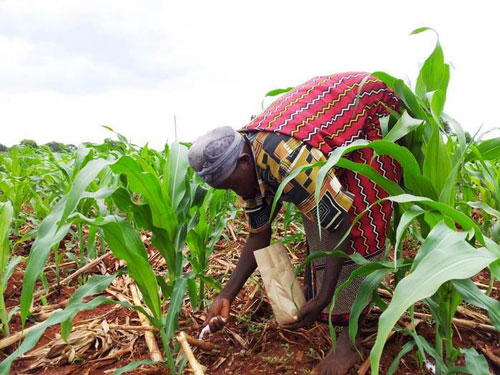
Proper land preparation sets the foundation for successful maize farming in Kenya. Start by clearing existing vegetation through manual methods like slashing, mechanical approaches using tractors, or applying appropriate herbicides.
Essential Land Preparation Steps:
- Deep plowing to break soil compaction
- Harrowing to achieve fine tilth
- Creating drainage channels in heavy soils
- Removing stones and stumps
For more detailed guidance on preparing your land before receiving seedlings delivery, you can refer to this expert advice.
The optimal planting time coincides with the onset of rains – typically March-April for long rains and October-November for short rains. This timing ensures adequate soil moisture for seed germination. You can find a comprehensive seasonal planting calendar for fruit seedlings in Central Kenya which may also be beneficial.
Planting Specifications for Maize Farming:
- Row spacing: 75cm
- Plant spacing: 30cm
- Planting depth: 5-10cm
- Seed rate: 8-10kg per acre
You can employ three main planting methods:
- Drilling: Creating continuous furrows with evenly spaced seeds
- Broadcasting: Scattering seeds across prepared land
- Dibbling: Making individual holes for seed placement
For optimal results, plant certified seeds in well-prepared soil. The seed rate varies based on:
- Soil fertility levels
- Maize variety selection
- Expected plant population
- Environmental conditions
Mechanical planters increase efficiency in large-scale farming, while manual planting suits smaller plots. Place 1-2 seeds per hole when dibbling to achieve desired plant population.
It’s also important to note that certain diseases can affect seedlings, such as avocado ones. Understanding how to identify and prevent these common diseases is crucial for maintaining healthy crops, which you can learn more about here.
Lastly, if you’re considering diversifying your farm with other crops like mangoes, it’s essential to know how to choose the right mango variety for your Kenyan farm. You can gain insights on this topic from this resource here.
Effective Crop Management Practices for Maize Farming
Successful maize farming requires vigilant crop management from planting through harvest. Early weed control within the first 3-4 weeks after planting is critical for optimal yields. You can implement these proven control methods:
Cultural Control
Implementing proper spacing along with crop rotation and mulching
Mechanical Control
Hand weeding, use of cultivators
Chemical Control
Pre-emergence herbicides like Dual Gold, post-emergence options like 2,4-D
Integrated Pest Management (IPM) strategies help combat major maize pests:
- Fall Armyworm: Spray Deltamethrin or use pheromone traps
- Stalk Borers: Apply ash in plant funnels, use biological controls
- Aphids: Introduce natural predators, apply neem-based solutions
- Cutworms: Early plowing, baiting with poisoned bran
For more information on natural pest control strategies, you might find this article on preventing pest infestations in young orchards helpful.
Disease prevention requires a multi-faceted approach:
- MLND: Plant certified resistant varieties, remove infected plants
- Maize Smut: Practice crop rotation, destroy infected materials
- Northern Leaf Blight: Use fungicides, maintain field hygiene
Nutrient management enhances crop performance through:
- Basal fertilizer application: 2-3 bags DAP per acre at planting
- Top dressing: CAN or Urea at knee-high stage
- Foliar feeding: Micronutrient sprays during tasseling

Harvesting Challenges Facing Maize Farmers in Kenya
Kenyan maize farmers face significant obstacles that impact their productivity and profitability. These challenges include:
Climate Change Challenges
- Unpredictable rainfall patterns
- Extended drought periods
- Flash floods destroying crops
- Heat stress affecting plant growth
Pest Infestation Challenges
Pest infestations severely affect crop yields, with the following being particularly problematic:
- Fall armyworm invasions
- Stem borers damaging stalks
- Storage pests like weevils
- Grain moths in stored maize
Economic Burden of Maize Farming Inputs
The economic burden of farming inputs creates additional strain:
- High-quality certified seeds cost 3-4 times more than local varieties
- Fertilizer prices have doubled in recent years
- Pesticide expenses strain small-scale farmers
- Limited access to agricultural credit
Market-Related Challenges
Market-related challenges compound these issues:
- Price fluctuations affecting farmer income
- Limited storage facilities leading to forced sales
- Poor road infrastructure increasing transportation costs
- Competition from cheaper imported maize
These challenges require innovative solutions and support systems to ensure sustainable maize production in Kenya. One potential avenue for diversification is exploring export markets, such as the Hass avocado, which could provide higher profit margins for farmers. Furthermore, adopting advanced agricultural techniques like grafting can significantly improve crop yield and quality, providing a much-needed respite from the current challenges faced by maize farmers.
Opportunities in Maize Farming in Kenya
Kenya’s maize farming sector presents lucrative prospects for both small-scale and commercial farmers. The growing population drives a steady increase in domestic maize demand, creating reliable market opportunities for farmers.
Market Potential
- Rising demand from urban populations
- Steady market prices during peak seasons
- Growing export opportunities to neighboring countries
Drought-Tolerant Varieties
- New hybrid varieties yield 20-30% more than traditional seeds
- Enhanced resistance to climate stress
- Reduced crop failure risks
- Lower production costs through decreased irrigation needs
Value Addition Opportunities in Maize Farming
- Maize flour production for human consumption
- Animal feed manufacturing
- Biofuel production from maize stalks
- Industrial products including starch and oil
- Silage making for dairy farmers
The adoption of modern farming technologies, including precision agriculture and smart irrigation systems, enables farmers to maximize yields while minimizing resource usage. Government initiatives supporting agricultural mechanization and providing subsidized inputs create additional pathways for farmers to expand their operations and increase profitability.
Moreover, there are also training opportunities for aspiring commercial fruit growers in regions like Muranga County, which can complement maize farming with diverse income sources. Additionally, exploring pomegranate farming could present alternative agricultural ventures that align well with the existing maize farming practices.
Furthermore, the integration of advanced soil health management practices into maize farming can significantly enhance productivity and sustainability. These practices not only improve soil fertility but also contribute to higher resilience against climate change impacts, ensuring a more stable and profitable farming experience.
Conclusion
Maize farming in Kenya holds immense potential for both small-scale and commercial farmers. The path to successful maize cultivation lies in embracing sustainable farming practices while leveraging modern agricultural technologies.
Key strategies for success include:
- Selecting high-yielding, drought-resistant varieties suited to your region
- Implementing proper soil management and conservation techniques
- Adopting integrated pest management approaches
- Using precision farming methods for optimal resource utilization
- Maintaining proper post-harvest handling practices
The future of sustainable maize farming in Kenya depends on farmers’ willingness to adapt and innovate. By combining traditional knowledge with contemporary farming methods, you can overcome common challenges and achieve improved yields.
In addition to maize farming, exploring other agricultural avenues such as avocado farming could be beneficial. With the right training and guidance, you can successfully venture into this lucrative market. For a comprehensive understanding of how to start an avocado orchard in Kenya, refer to our step-by-step guide.
If you’re considering purchasing avocado seedlings online, our FAQ section provides valuable insights. Moreover, understanding the benefits of grafted fruit seedlings can significantly enhance your farming outcomes.
As we look towards the future, it’s essential to stay informed about the trends in e-commerce within agriculture. This knowledge will empower you to make informed decisions and maximize your agricultural productivity.
Ready to start your maize or avocado farming journey? We’re here to support your success with quality seedlings and expert guidance.
Contact us today:
- 📱 Phone: 0711315313
- ✉️ Email: Julius.murega@royalseedlings.com
Transform your farming venture with Royal Seedlings – your trusted partner in agricultural excellence.
FAQs (Frequently Asked Questions)
What are the ideal climate and soil conditions for successful maize farming in Kenya?
Maize farming in Kenya thrives best in temperatures ranging from 15°C to 30°C, with annual rainfall between 600mm and 2500mm depending on the region. Suitable altitudes range from 900m to 2,500m above sea level. Soils should be fertile, well-drained, with a pH between 5.5 and 7.5, and have appropriate texture to support healthy maize growth.
Which maize varieties are commonly cultivated in Kenya and what are their benefits?
Kenyan farmers commonly grow hybrid maize varieties such as H614, H6213, and DH01, which offer high yields. Open-pollinated varieties like Katumani and MH18 are also popular for their adaptability. Quality Protein Maize (QPM) varieties including Mwaiwathu, Makueni, and KDV4 provide enhanced nutritional benefits by improving protein quality.
What are the recommended land preparation and planting techniques for maize farming in Kenya?
Effective land preparation involves clearing using manual or mechanical methods or herbicides before the rainy season to ensure optimal germination. Recommended planting involves spacing rows at 75cm apart and plants at 30cm within rows, with seeds planted at depths of 5–10 cm using drilling, broadcasting or dibbling methods. Seed rates per acre vary based on variety and soil fertility.
How can maize farmers in Kenya manage pests, diseases, and weeds effectively?
Early weed control through cultural, mechanical, or chemical means is essential. Integrated Pest Management (IPM) targets pests like fall armyworm, stalk borers, aphids, and cutworms by combining biological agents with pesticides. Disease prevention includes using resistant varieties against MLND, smut, northern leaf blight alongside good sanitation practices. Nutrient management with basal fertilizers like DAP and foliar feeding supports crop health.
What are the best practices for harvesting and post-harvest handling of maize in Kenya?
Harvesting typically occurs after 3–4 months for short-season varieties or longer for others when indicators like husk color changes and kernel hardness signal readiness. Drying should be done using sun or mechanical dryers to minimize moisture loss. For storage, clean dry environments or hermetic bags treated against pests help maintain grain quality and reduce post-harvest losses.
What challenges do maize farmers face in Kenya and what opportunities exist to improve productivity?
Challenges include climate variability causing droughts or floods that reduce yields; pest infestations; diseases; and high input costs limiting access to quality seeds, fertilizers, and pesticides. Opportunities lie in increasing domestic demand for maize products; adoption of drought-tolerant high-yielding varieties enhancing resilience; and value addition through processing into flour, animal feed, biofuels, and other industrial products.