

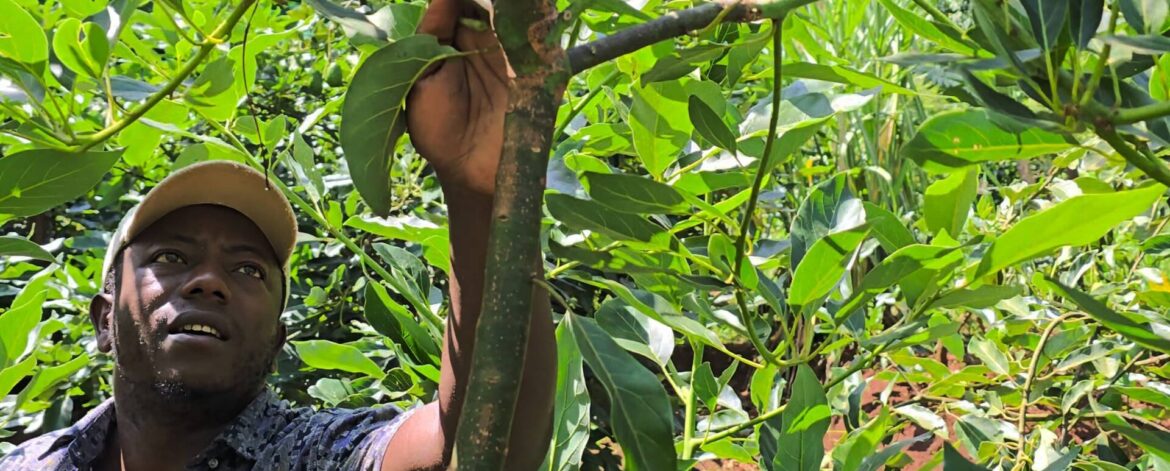
Kenya’s avocado farming industry is a major player in global agriculture, significantly impacting the country’s economy through high export earnings and agricultural development. The country is one of the top avocado producers worldwide, with production occurring in various regions and climates.
The growth of avocado farming in Kenya has opened up great opportunities for both small-scale and large-scale farmers. Export markets, especially in Europe, are eagerly looking for Kenyan avocados, with the Hass variety being the most sought after due to its rich, creamy texture and excellent shipping qualities.
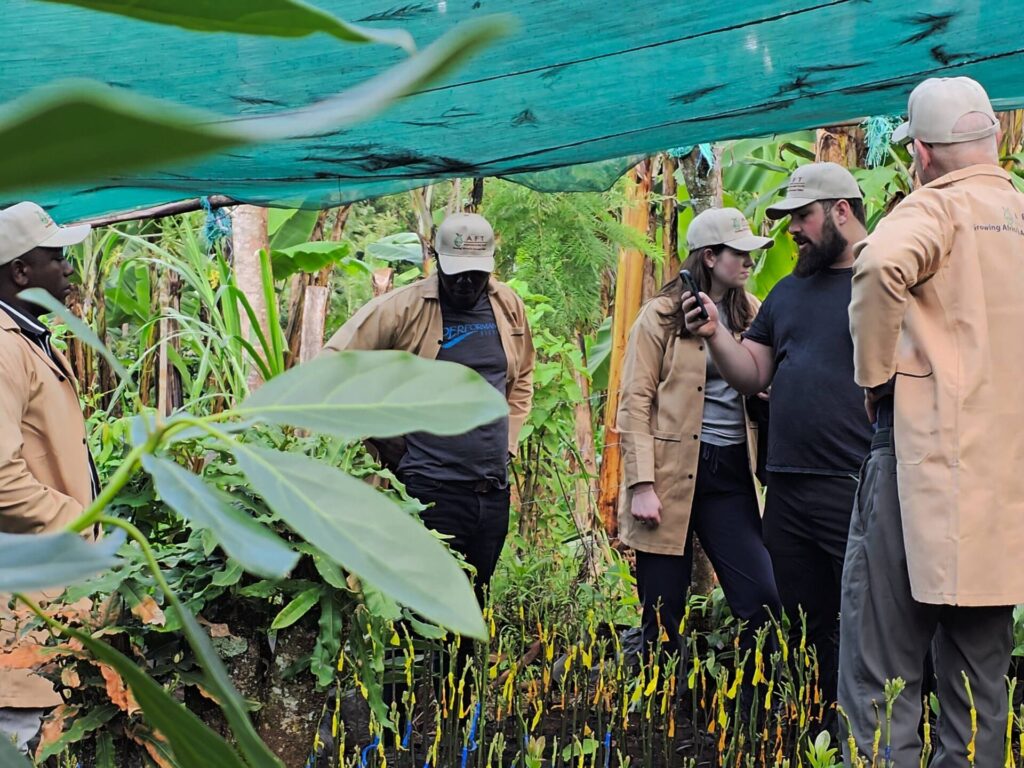
Key highlights of Kenya’s avocado farming sector:
- Annual export earnings exceed $127 million
- Direct employment for over 70,000 farmers
- Primary export destinations include Netherlands, France, and Germany
- Growing market penetration in Middle Eastern countries
The global demand for avocados continues to rise, driven by increasing health awareness and the fruit’s versatile uses in cooking. This growing demand, along with Kenya’s favorable conditions for avocado cultivation, puts the country’s avocado farming industry in a strong position for continued growth and expansion.
Major Avocado Producing Regions in Kenya
Kenya’s avocado production thrives across specific regions with ideal climatic conditions. The main growing areas include:
1. Central Kenya Region
- Murang’a County – Leading producer with extensive Hass variety cultivation, and offers training opportunities for aspiring commercial fruit growers.
- Kiambu County – Known for both commercial and smallholder farms
- Nyeri County – Features high-altitude growing conditions
2. Rift Valley Region
- Nakuru County – Specialized in Fuerte variety production
- Bomet County – Emerging production area with growing farmer participation
3. Eastern Kenya Region
- Embu County – Notable for mixed variety cultivation
- Meru County – Recognized for high-quality fruit production
The country’s arid and semi-arid regions remain unsuitable for avocado farming due to insufficient rainfall, high temperatures, and poor soil conditions. These areas include parts of Northern and North Eastern Kenya, where the harsh climate prevents successful avocado cultivation.
The productive regions share common characteristics: adequate rainfall patterns, moderate temperatures, and rich, well-draining soils – essential elements for successful avocado farming. For those interested in starting their own venture, a step-by-step guide to starting an avocado orchard could be invaluable. Additionally, understanding the role of tissue culture in banana seedling production might provide useful insights for diversifying into other fruits such as bananas or pomegranates, which are also grown in Kenya as highlighted in our article on pomegranate farming opportunities and challenges.
For any inquiries regarding avocado seedling purchases online, our frequently asked questions about avocado seedling purchases online section provides comprehensive information.
Avocado Varieties Grown in Kenya
Kenya’s avocado industry thrives on several commercial varieties adapted to different growing conditions. Hass and Fuerte dominate the market, with Hass particularly sought after for its rich, creamy texture and excellent shipping qualities. Notably, Murang’a, a region in Kenya, is renowned for producing high-quality Hass avocado seedlings.
Popular Varieties in Kenyan Farms:
- Hass: Dark, pebbled skin turning purple-black when ripe; creamy flesh
- Fuerte: Smooth, green skin; nutty flavor
- Jumbo (Kienyeji): Large local variety with watery flesh
- Pinkerton: Pear-shaped with small seed
- Reed: Round fruit with thick, green skin
- Puebla: Medium-sized with thin skin
- Bacon: Oval-shaped with green skin
- Nabal: Round fruit with thick flesh
Variety Selection Factors:
- Altitude: 1000-2100m above sea level
- Temperature range: 15°C to 30°C
- Annual rainfall: ~1000 mm
- Soil type and drainage
- Market preferences
The Hass variety performs best in temperatures between 25°C to 28°C with moderate to high humidity levels. These conditions create optimal growing environments for fruit development and disease resistance. Proper variety selection based on your specific location and climate conditions directly impacts farm productivity and fruit quality. For instance, understanding the nuances of choosing between local and imported apple varieties or how to choose the right mango variety for your Kenyan farm can significantly enhance the overall success of your farming venture.
Similar principles apply when considering growing avocados in diverse climates, which can provide valuable insights for Kenyan farmers venturing into this lucrative market.
Site Selection and Soil Requirements for Avocado Farming in Kenya
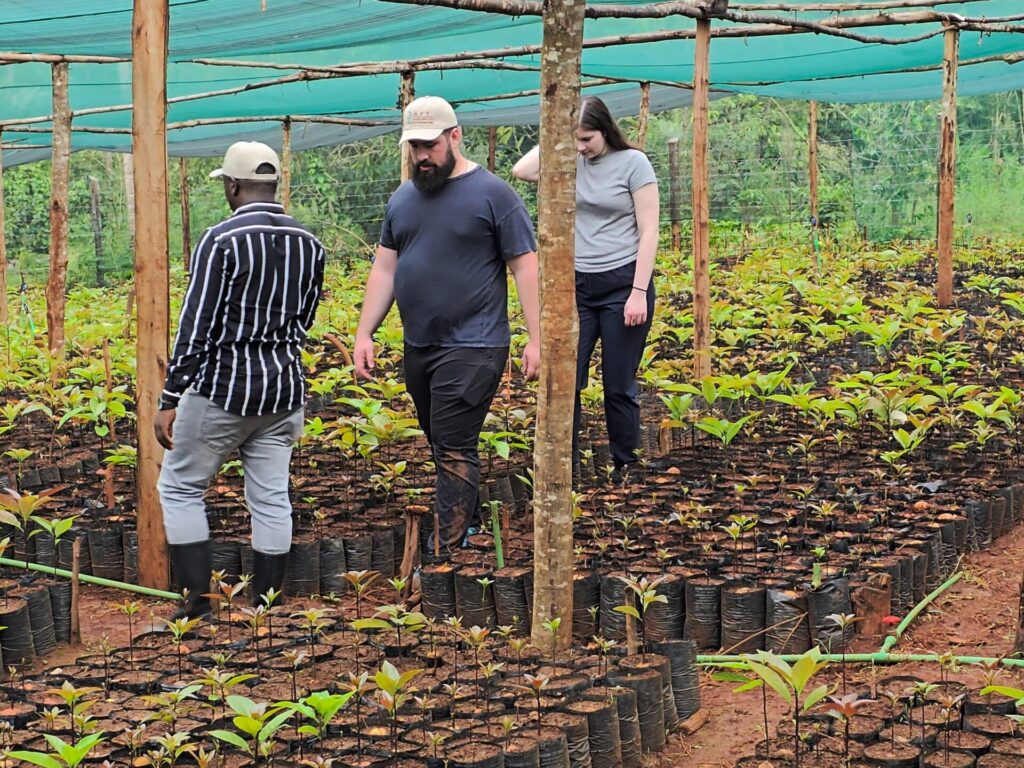
Selecting the right site with appropriate soil conditions determines the success of your avocado farm in Kenya. Your avocado trees need well-drained loam or sandy loam soils with a pH range of 5.5 to 6.5. The topsoil depth should reach approximately 1 meter to support healthy root development.
For a comprehensive understanding of the specific soil requirements for different fruit trees in Kenya, it’s important to note that avocado trees have unique needs.
Essential Soil Preparation Steps:
- Clear the land of weeds, stones, and debris
- Deep plough the soil to improve drainage
- Conduct comprehensive soil testing
- Apply lime to adjust soil pH if needed
Key Site Selection Factors:
- Choose land with gentle slopes (2-15%) for proper drainage
- Avoid waterlogged areas or heavy clay soils
- Select sites protected from strong winds
- Ensure accessibility to water sources for irrigation
Soil Testing Requirements:
- Test for macro and micronutrients
- Analyze organic matter content
- Check soil structure and texture
- Measure soil pH and electrical conductivity
A soil pH below 5.5 requires lime application to create optimal growing conditions. Your local agricultural extension officer can guide you on specific lime quantities based on your soil test results.
Establishing an Avocado Farm in Kenya
Starting your avocado farm requires certified grafted seedlings from licensed nurseries. These seedlings offer superior disease resistance and fruit quality compared to non-grafted alternatives, making it crucial to understand the benefits of grafted fruit seedlings. Your selected seedlings should display:
- Healthy green leaves
- Strong graft union
- No signs of pest damage
- Height of 45-60cm
Importance of Plant Spacing
Plant spacing plays a crucial role in your farm’s success. Space your trees:
- Hass variety: 5-7 meters apart
- Fuerte variety: 7-9 meters apart
- Between rows: 7-9 meters
Preparing Planting Pits
Create planting pits measuring 60cm in depth and width. The pit preparation process includes:
- Dig the pit one month before planting
- Separate topsoil from subsoil
- Mix topsoil with 20kg well-decomposed manure
- Add 500g of DAP fertilizer to the mixture
- Return the enriched soil mixture to the pit
Following a Seasonal Planting Calendar for Avocado Farming
For successful planting, it’s essential to follow a seasonal planting calendar for fruit seedlings in Central Kenya, ensuring that the timing aligns with optimal growing conditions.
Proper Planting Techniques
When you plant your seedlings, ensure they are at the same depth they grew in the nursery. Create a water basin around each seedling to retain moisture during irrigation. It’s also important to stake young trees to protect them from strong winds and maintain upright growth.
Expert Advice on Land Preparation for Avocado Farming
Additionally, preparing your land properly before receiving seedling delivery is crucial for their survival and growth, so make sure to follow some expert advice on land preparation.
Staying Informed About E-commerce Trends in Avocado Farming
As we look towards the future, it’s also beneficial for farmers to stay informed about the trends in e-commerce within agriculture, as this could significantly impact their farming practices and profitability.
Irrigation Management Strategies for Successful Avocado Farming in Kenya
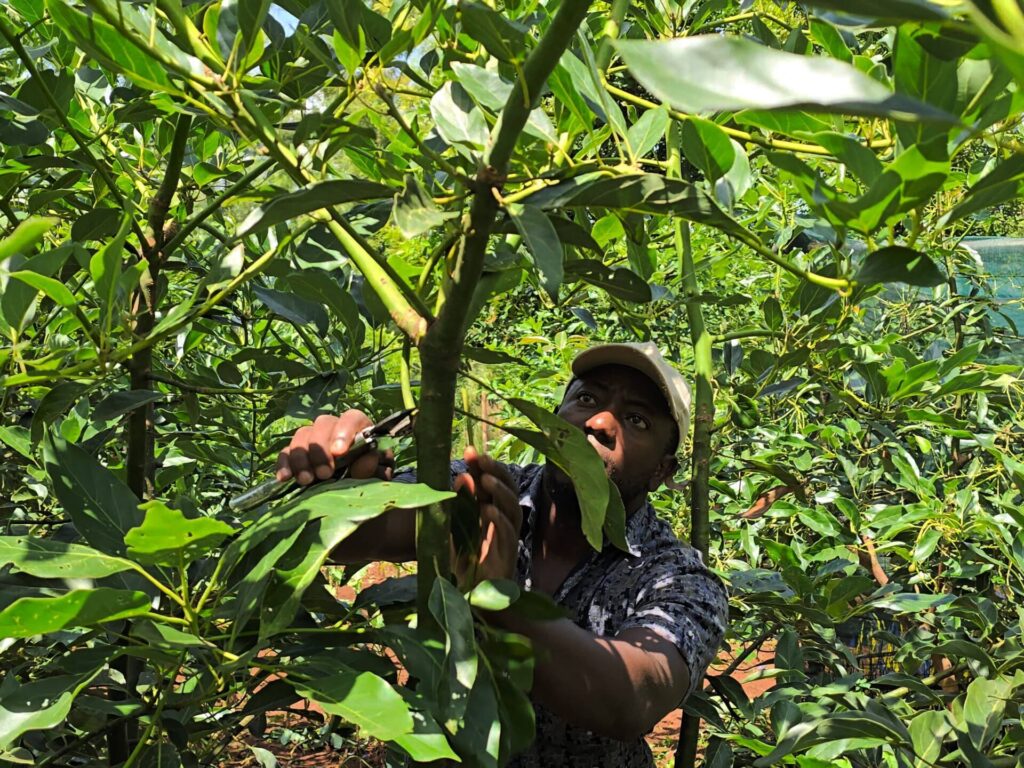
Drip irrigation stands as the most efficient water management system for avocado farming in Kenya. This method delivers water directly to the root zone, reducing waste and preventing leaf wetness that can trigger diseases.
Water Requirements by Tree Age:
- Young Trees (0-2 years): 20-30 liters per week
- Mid-Age Trees (2-5 years): 40-60 liters per week
- Mature Trees (5+ years): 80-120 liters per week
The irrigation schedule adapts to seasonal changes. During dry seasons, increase watering frequency to maintain consistent soil moisture. Reduce irrigation during rainy periods to prevent waterlogging.
Critical Irrigation Tips:
- Install moisture sensors to monitor soil water content
- Water early morning or late evening to minimize evaporation
- Create a 1-meter diameter water basin around young trees
- Maintain mulch around trees to conserve moisture
Root rot presents a significant threat to avocado trees in poorly drained soils. Signs of waterlogging include yellowing leaves and stunted growth. Check soil moisture by digging 15-20cm deep – the soil should feel moist but not saturated.
However, it’s important to note that excessive water can lead to nutrient leaching, which deprives the avocado trees of essential nutrients. Therefore, careful monitoring and adjustment of the irrigation system is crucial for maintaining soil health and ensuring the successful growth of avocado trees.
Fertilization Practices for Optimal Growth and Yield in Kenyan Avocado Farms
Proper fertilization practices play a vital role in avocado farming success. Your fertilization journey starts with applying well-decomposed organic manure during the initial planting stage. Mix 2-3 kg of organic manure with topsoil in each planting hole to provide essential nutrients and improve soil structure.
Fertilizer Program for Established Trees
For established trees, implement a balanced NPK fertilizer program based on:
- Soil test results
- Leaf tissue analysis
- Tree age
- Production stage
Fertilizer Requirements for Young Trees
Young trees (1-3 years) require:
- 250g NPK (17:17:17) per tree, applied quarterly
- Split applications to prevent nutrient leaching
Fertilizer Requirements for Mature Trees
Mature trees need:
- 2-3kg NPK (17:17:17) annually
- Additional micronutrients like zinc and boron
- Application timing aligned with flowering and fruit set
Identifying Nutrient Deficiencies In Avocado Farming
Regular soil testing helps identify specific nutrient deficiencies. Adjust your fertilization program when you notice:
- Yellowing leaves
- Poor fruit set
- Reduced yields
- Stunted growth
Fertilizer Application Techniques for Avocado Farming
Apply fertilizers in a ring around the tree’s drip line, keeping them away from the trunk to prevent burning. Water thoroughly after each application to help nutrients reach the root zone.
Pest and Disease Management Techniques in Kenyan Avocado Orchards
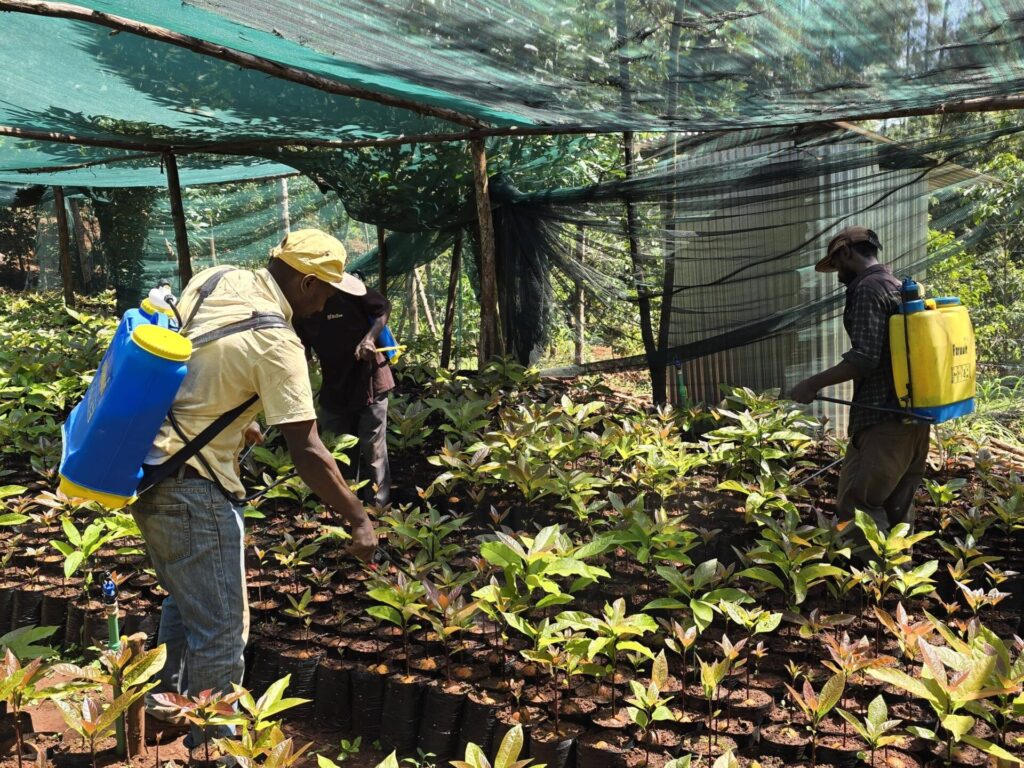
Successful avocado farming requires vigilant pest and disease management. Common pests in Kenyan orchards include:
- Fruit Flies: These pests lay eggs in ripening fruits, causing damage and reducing marketability.
- Thrips: Small insects that attack flowers and young fruits, leading to scarring.
- False Codling Moths: Larvae bore into fruits, creating entry points for secondary infections.
- Scales and Mites: These pests feed on leaves and fruits, causing discoloration and reduced vigor.
To combat these issues, preventing pest infestations in young orchards naturally is crucial.
Major diseases affecting Kenyan avocado trees:
- Root Rot: Caused by Phytophthora cinnamomi, leading to yellowing leaves and tree decline.
- Anthracnose: Results in dark spots on fruits and leaves.
- Scab: Creates corky lesions on fruits.
- Cercospora Fruit Spot: Causes circular brown spots on fruits.
For these diseases, it’s essential to have a solid understanding of identifying and preventing common avocado seedling diseases.
Effective management combines multiple strategies:
- Cultural Controls
- Regular orchard sanitation
- Removal of fallen fruits
- Proper spacing for air circulation
- Biological Controls
- Introduction of natural predators
- Use of beneficial fungi
- Pheromone traps for monitoring pest populations
- Chemical Controls
- Targeted fungicide applications
- Selective pesticide use
- Rotation of active ingredients to prevent resistance
Pruning Techniques for Healthy Trees and Improved Fruit Quality in Kenyan Avocado Farms
Proper pruning shapes avocado trees into strong, productive assets for your farm. A well-pruned tree allows sunlight to reach all branches, creating optimal conditions for fruit development.
Key Pruning Practices for Avocado Farming:
- Remove dead, diseased, or crossing branches to prevent disease spread
- Cut back vertical shoots to encourage lateral growth
- Thin out dense canopy areas to improve air flow
- Maintain tree height at 6-8 meters for easier harvesting
Timing Your Pruning:
- Light pruning: Year-round as needed
- Heavy pruning: After harvest, before flowering
- Young trees: Shape pruning in first 3 years
Pruning directly impacts fruit quality by:
- Reducing fruit competition for nutrients
- Preventing branch breakage under heavy fruit load
- Creating balanced light distribution
- Enabling easier pest monitoring and control
However, it’s important to remember that pruning is just one part of the equation. The importance of proper spacing when planting fruit trees cannot be overlooked, as it significantly influences the overall health and yield of the trees. Additionally, incorporating grafting techniques into your farming practices can further enhance crop yield and quality.
Tools Required:
- Clean, sharp pruning shears
- Long-handled loppers
- Pruning saw for thick branches
- Sterilizing solution for tools
Apply pruning paste to large cuts to prevent disease entry. The pruned material serves as excellent mulch when chopped and spread around trees.
Harvesting Best Practices for High-Quality Avocado Farming
Successful avocado harvesting requires precise timing and proper handling techniques. You’ll need to identify these key maturity indicators:
- Dark green to purple-black color change in Hass varieties
- Slight yellowing in Fuerte varieties
- Loss of skin glossiness
- Dry, brown stem end
- Slight softening at the blossom end
The picking process demands careful attention to prevent damage:
- Use clean, sharp clippers to cut stems 6-8mm from the fruit
- Hold fruits gently to avoid finger bruising
- Place harvested avocados in padded collection bags
- Transfer to clean plastic crates lined with protective material
Best Harvesting Times:
- Early morning or late afternoon to avoid heat damage
- Dry weather conditions to prevent disease spread
- 5-7 day intervals between picking rounds
Proper maturity testing involves picking sample fruits 2 weeks before expected harvest. These samples should ripen within 8-12 days at room temperature. A dry matter content of 21-23% indicates optimal harvest readiness for most Kenyan varieties.
Challenges Facing Avocado Farmers in Kenya and How to Overcome Them
Kenyan avocado farmers face significant hurdles in their farming operations:
1. Poor Quality Seedlings
- Unreliable nursery operators flood the market with substandard seedlings
- Farmers struggle to identify certified seedling suppliers, which is crucial as what makes a good nursery significantly impacts the quality of seedlings
- Low-quality seedlings lead to poor yields and disease-prone trees
2. Pest Management Issues
- Limited knowledge about proper pesticide application methods
- Environmental contamination from incorrect chemical usage
- High costs of effective pest control solutions
3. Infrastructure Constraints
- Rough rural roads damage delicate fruits during transport
- Inadequate cold storage facilities affect fruit quality
- Limited access to proper packaging materials
4. Resource Limitations for avocado farming
- Smallholder farmers struggle to secure bank loans
- High interest rates on available agricultural credit
- Limited access to modern farming technology
- Insufficient training opportunities on best farming practices
Solutions for Challenges in Avocado Farming
- Partner with certified nurseries for quality seedlings, such as those that follow best practices for smallholder farmers when buying avocado seedlings online
- Join farmer cooperatives for shared resources, which can also help support women and youth in agribusiness
- Seek agricultural extension services for training
- Utilize mobile-based farming apps for technical guidance
- Implement group transport systems to share costs
- Apply for government-backed agricultural loans
Opportunities for Growth in the Kenyan Avocado Farming Sector
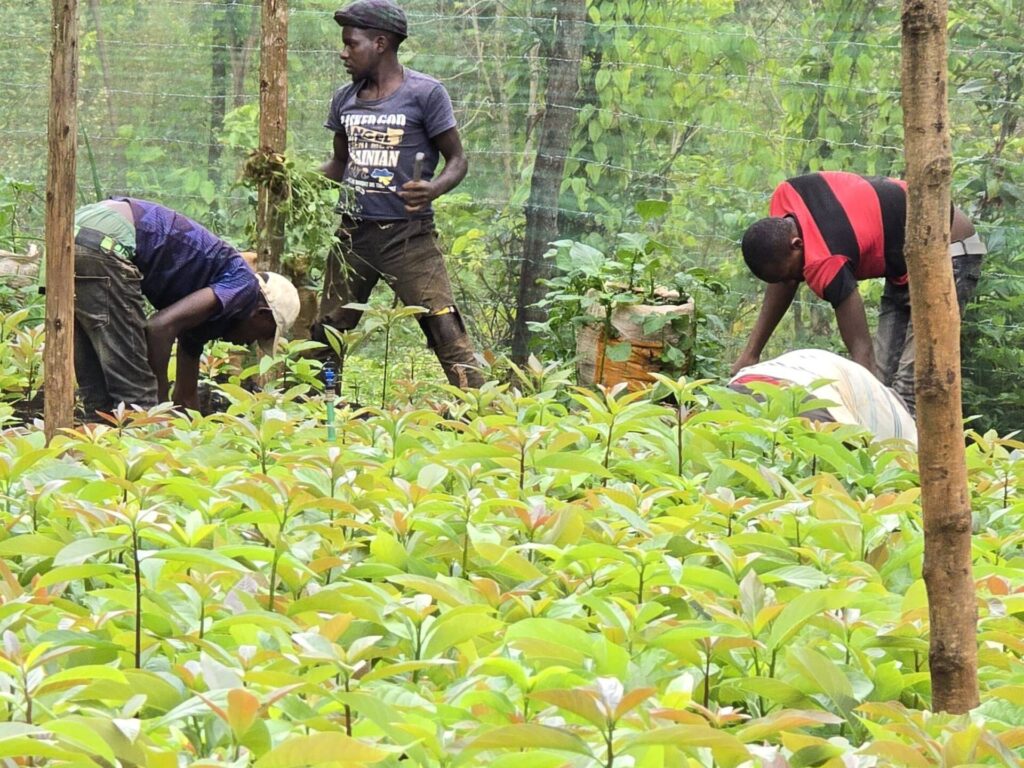
The Kenyan avocado industry presents lucrative opportunities through expanding global markets. The rising demand for Hass avocados in Europe, Middle East, and Asian markets creates substantial export potential for Kenyan farmers.
Value Addition Prospects:
- Production of avocado oil for cooking and cosmetic industries
- Manufacturing of processed products like guacamole
- Development of avocado-based beauty products
- Creation of dried avocado snacks
Market Enhancement Strategies:
- Adoption of organic farming practices to access premium pricing
- Implementation of GlobalGAP certification for international market access
- Integration with farmer organizations for collective marketing power
- Participation in contract farming arrangements with exporters
The government’s supportive policies strengthen the sector through:
- Reduced export barriers
- Investment in cold storage facilities
- Establishment of processing zones
- Technical support programs
Modern farming techniques training programs, such as those focusing on advanced irrigation methods and sustainable farming practices, equip farmers with essential skills. Furthermore, understanding and avoiding common avocado farming mistakes can significantly enhance productivity.
The combination of growing market demand, value addition opportunities, and strong institutional support positions Kenya’s avocado sector for significant growth and development.
Conclusion
Avocado farming in Kenya is a profitable opportunity for hardworking farmers. This guide has shared important practices that can help you succeed in this expanding industry, such as choosing the right varieties and using effective irrigation and pest management techniques.
Your journey into avocado farming begins with top-notch seedlings and professional advice. We specialize in offering certified Hass and Fuerte avocado seedlings, along with expert assistance to help you set up and care for a flourishing orchard.
Ready to kickstart your avocado farming journey?
- Contact us for certified seedlings
- Get expert guidance on farm setup
- Access ongoing support and consultation
📞 Call: 0711315313
✉️ Email: julius.murega@royalseedlings.com
Start your avocado farming venture today and become part of Kenya’s agricultural success story. Our team is here to assist you every step of the way, from selecting seedlings to managing harvests.
The future looks promising for avocado farming in Kenya, thanks to increasing global demand and supportive local infrastructure. By following the suggested practices and collaborating with experienced providers, you can set yourself up for success in this vibrant agricultural industry.
[Order your avocado seedlings now and take the first step toward a profitable farming venture]
FAQs (Frequently Asked Questions)
What are the major avocado producing regions in Kenya?
The key avocado production areas in Kenya include Central Kenya counties such as Murang’a, Kiambu, and Nyeri; Rift Valley counties like Nakuru and Bomet; and Eastern Kenya counties including Embu and Meru. Arid regions are generally excluded due to unsuitable climate conditions.
Which avocado varieties are commonly grown in Kenya and what factors influence their selection?
Kenya primarily grows commercial avocado varieties such as Hass and Fuerte. Other varieties include Jumbo (Kienyeji), Pinkerton, Reed, Puebla, Bacon, and Nabal. Selection depends on factors like altitude (1000-2100m), temperature ranging from 15°C to 30°C, annual rainfall of about 1000 mm, and specific microclimate conditions. The Hass variety particularly prefers certain temperature and humidity levels.
What soil conditions and site selection criteria are ideal for avocado farming in Kenya?
Ideal avocado farming sites have well-drained loam or sandy loam soils with a pH between 5.5 and 6.5. Deep topsoil of approximately one meter is essential for healthy root development. Soil preparation involves clearing weeds and stones, deep ploughing, conducting soil tests, and adjusting pH using lime as necessary.
How should irrigation be managed for successful avocado farming in Kenya?
Drip irrigation systems are recommended for water efficiency in Kenyan avocado farms. Young trees require different watering frequencies compared to mature trees. It is crucial to avoid waterlogging to prevent root rot by carefully managing the frequency and volume of irrigation based on tree age.
What integrated pest and disease management practices are effective for Kenyan avocado orchards?
Common pests include fruit flies, thrips, false codling moths, scales, and mites; diseases such as root rot, anthracnose, scab, and cercospora fruit spot also affect avocados. Effective management involves integrated pest management strategies combining cultural practices, biological controls, pheromone traps, and judicious use of fungicides to minimize losses while protecting the environment.
What opportunities exist for growth in the Kenyan avocado farming sector?
The sector benefits from expanding global markets driven by rising demand for Hass avocados. Opportunities include value addition through production of avocado oil for cooking and cosmetics as well as processed products like guacamole. Premium pricing is achievable via organic farming practices supported by government policies. Farmer organizations provide marketing support while training programs promote modern techniques. Contract farming links smallholders with exporters enhancing market access.