


Makueni County is a great example of how agriculture can thrive in Kenya’s semi-arid areas. This county in the southeast has completely changed its agricultural practices by using adaptive methods that work well in its difficult climate.
Challenges Faced by Makueni’s Agricultural Sector
The agricultural sector in Makueni faces several significant challenges:
- Inconsistent and unpredictable rainfall
- High temperatures that affect crop growth
- Soil degradation and erosion
- Decreased crop yields due to climate variability
Adopting Climate-Smart and Sustainable Agricultural Methods
To overcome these challenges, farmers in Makueni have turned to climate-smart and sustainable agricultural methods. These practices are designed to help farmers adapt to the changing climate and ensure long-term viability of their farming activities.
Some key benefits of these methods include:
- More efficient use of water resources
- Improved soil health and fertility
- Increased resilience of crops to climate stressors
- Diversification of income sources for farmers
- Enhanced food security for local communities
The transition from traditional farming practices to climate-smart agriculture is crucial for the sustainability of Makueni’s agricultural sector. Local farmers are now implementing innovative approaches that combine modern scientific knowledge with traditional wisdom, creating resilient farming systems capable of withstanding harsh weather conditions while maintaining productivity.
For instance, understanding the right methods for caring for newly planted avocado seedlings can significantly impact their survival and growth. Farmers can benefit from essential tips for caring for newly planted avocado seedlings, which include proper watering strategies and pest control measures.
Moreover, preparing the land effectively before receiving seedlings delivery is crucial for successful planting. Farmers can gain valuable insights from this expert advice on preparing your land before receiving seedlings delivery.
Identifying and preventing common avocado seedling diseases is another area where local farmers can enhance their knowledge. A comprehensive farmer’s guide to identifying and preventing common avocado seedling diseases can provide useful information in this regard.
In addition to avocados, diversifying into other crops such as mangoes could offer new income sources. However, it’s important to choose the right mango variety for your Kenyan farm to ensure successful cultivation.
Lastly, embracing technology and e-commerce in agriculture is a trend that every farmer should be aware of. Understanding the future of e-commerce in agriculture and trends every farmer should know by 2025 can help farmers leverage online platforms for better market reach and profitability.

Climate-Smart Agriculture (CSA) Techniques in Makueni
Climate-Smart Agriculture in Makueni County represents a strategic approach to farming that addresses three key objectives:
- Sustainable productivity increase
- Enhanced resilience to climate stress
- Reduced greenhouse gas emissions
1. Soil Ripping Technology
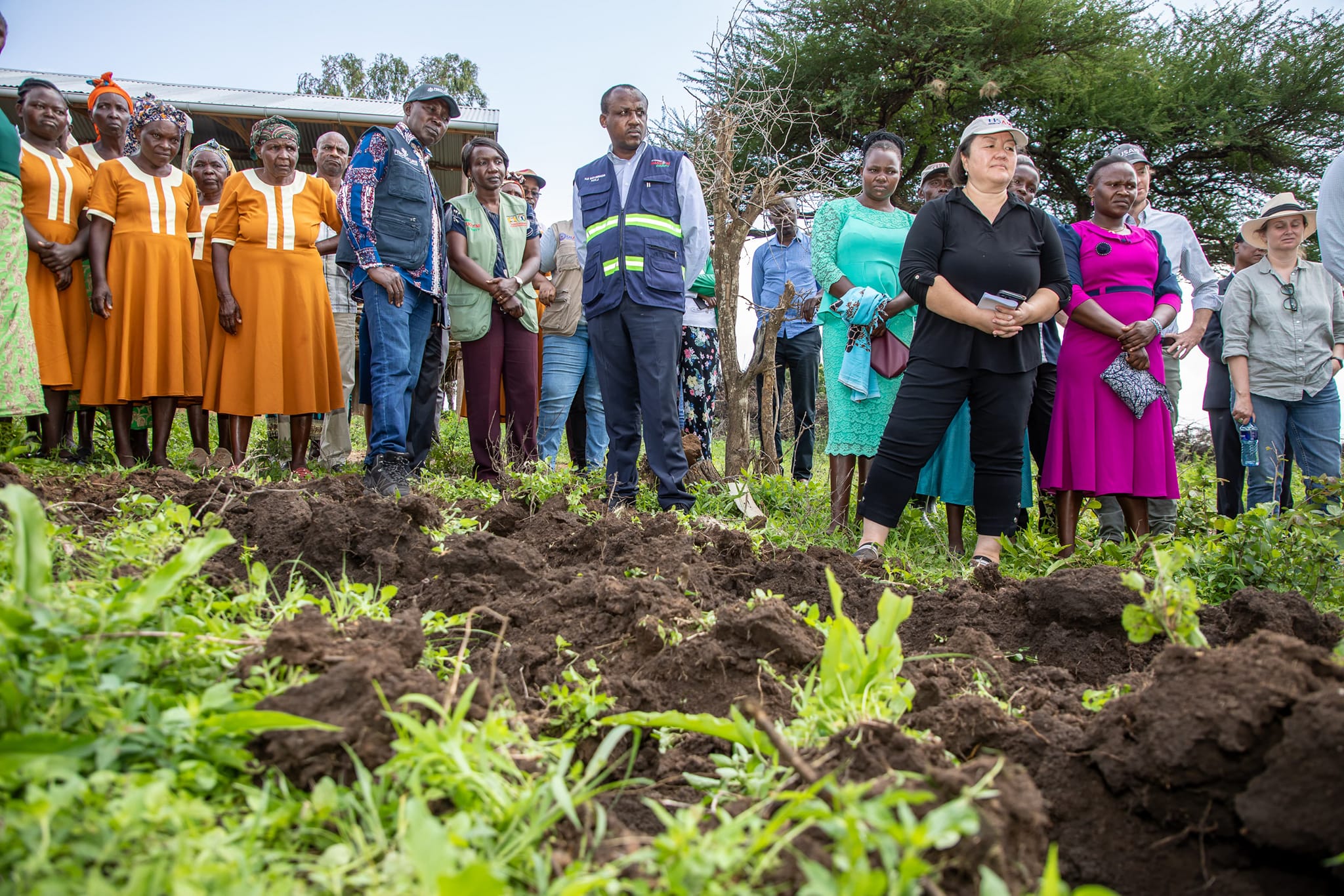
Farmers in Makueni use specialized ripping equipment to break up compacted soil layers. This practice creates deep furrows that:
- Allow better water penetration
- Improve root development
- Reduce surface runoff
- Enable precise fertilizer placement
Understanding the soil requirements for different fruit trees is crucial for maximizing the benefits of this technology.
2. Zai Pits and Planting Basins
These water-harvesting structures measure 60cm x 60cm x 60cm and serve multiple purposes:
- Collect and store rainwater
- Concentrate organic matter and nutrients
- Protect young plants from wind damage
- Enable successful crop growth with minimal rainfall
Farmers can utilize a seasonal planting calendar for fruit seedlings to optimize their planting strategies within these structures.
3. Mixed Crop-Livestock Systems
The integration of crops and livestock creates a resilient farming model where:
- Livestock provide manure for crop fertilization
- Crop residues serve as animal feed
- Diversified income streams protect against crop failure
- Soil fertility improves through nutrient cycling
These CSA techniques have transformed traditional farming practices in Makueni, enabling farmers to maintain productive farms despite challenging climatic conditions. Local farmers report yield increases of up to 50% when implementing these methods consistently.
Moreover, when venturing into specific crop farming such as avocado or pixie orange, avoiding common mistakes can further enhance productivity and ensure a bountiful harvest.
Use of Drought-Tolerant and Improved Seed Varieties
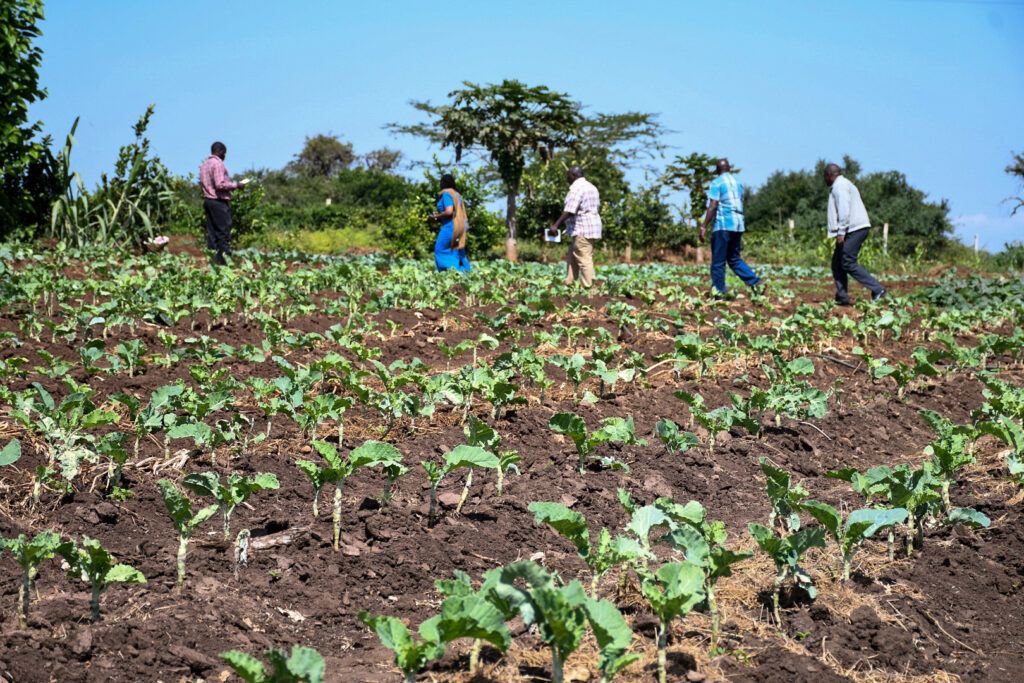
Drought-tolerant seeds are an important way for farmers in Makueni to adapt to the dry climate. These special seeds can survive long periods without rain and still produce good crops. Local farmers have reported up to 30% more harvest using these drought-resistant seeds for crops like sorghum, millet, and cowpeas compared to regular seeds.
Benefits of Improved Seed Varieties
Improved seed varieties offer additional advantages:
- Enhanced resistance to pests and diseases
- Better nutritional content
- Shorter maturation periods
- Higher market value
The Role of Community Seed Banks
Community seed banks play a crucial role in supporting small-scale farmers by providing access to quality seeds. These seed banks:
- Store seeds in controlled environments
- Preserve local genetic diversity
- Provide emergency seed supplies during crop failures
- Enable farmer-to-farmer seed exchange
The Seed Revolving Scheme in Makueni
The seed revolving scheme in Makueni operates through a practical approach:
- Farmers receive initial high-quality seeds
- They return double the quantity after harvest
- New farmers access these returned seeds
- The cycle continues, expanding seed access
Success Stories from Local Farmers
Local success stories highlight the positive impact of using improved seed varieties – farmers like Jane Mutuku from Kathonzweni have doubled their maize yields after switching to drought-tolerant varieties. The Kikima Farmers’ Association maintains a community seed bank serving over 500 households, ensuring continuous access to quality seeds throughout varying seasons.
Exploring Export Markets for Additional Income
Furthermore, exploring export markets such as Hass avocado could provide new income streams for farmers. With regions like Muranga becoming known for quality Hass avocado seedling production, farmers have an opportunity to tap into this lucrative market.
Importance of Proper Spacing in Fruit Tree Planting
Additionally, when considering fruit tree planting, understanding the importance of proper spacing is crucial for maximizing yield and ensuring healthy growth.
Choosing Between Local and Imported Apple Varieties
On another note, some farmers might be contemplating choosing between local and imported apple varieties, which could also significantly impact their farming outcomes.
Farmer Training and Capacity Building
Makueni County’s agricultural success relies heavily on comprehensive farmer training programs designed to enhance local farming capabilities. These programs focus on four critical areas:
1. Quality in Avocado Seedlings
- What makes a good nursery: key qualities Kenyan farmers should look for
- Best practices for smallholder farmers when buying avocado seedlings online
2. Pest and Disease Management Training
- Identification of common crop diseases
- Natural pest control methods
- Safe application of pesticides
- Early detection and prevention strategies
- Integrated pest management techniques
3. Advanced Harvesting Techniques
- Optimal harvest timing for different crops
- Post-harvest handling procedures
- Storage methods to prevent crop losses
- Quality grading systems
- Moisture content management
4. Good Agricultural Practices (GAP)
- Soil testing and analysis
- Crop rotation planning
- Water conservation methods
- Record keeping for farm operations
- Safe use of agricultural inputs
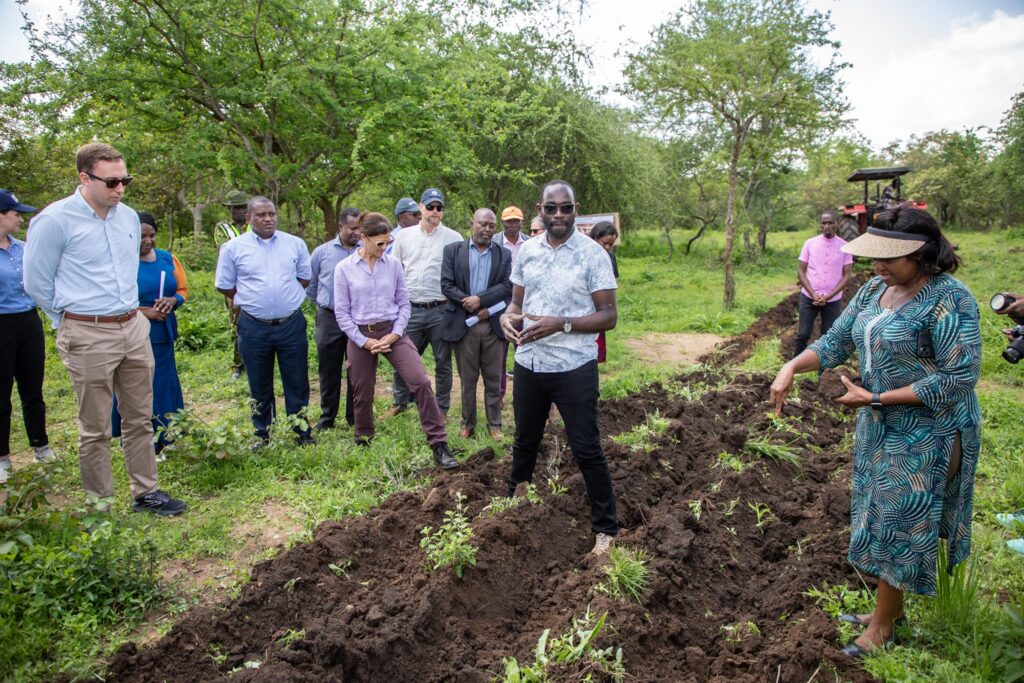
Local agricultural extension officers conduct regular field visits to provide hands-on training. Farmers learn through practical demonstrations at their farms, allowing immediate application of new knowledge. The training programs incorporate local farming wisdom with modern agricultural technologies, creating a balanced approach to capacity building.
Small group training sessions enable focused learning and peer-to-peer knowledge sharing. These groups meet regularly to discuss challenges, share successes, and learn new farming techniques. The continuous nature of these training programs ensures farmers stay updated with evolving agricultural practices and technologies.

Women-Led Cooperative Groups Driving Agricultural Innovation
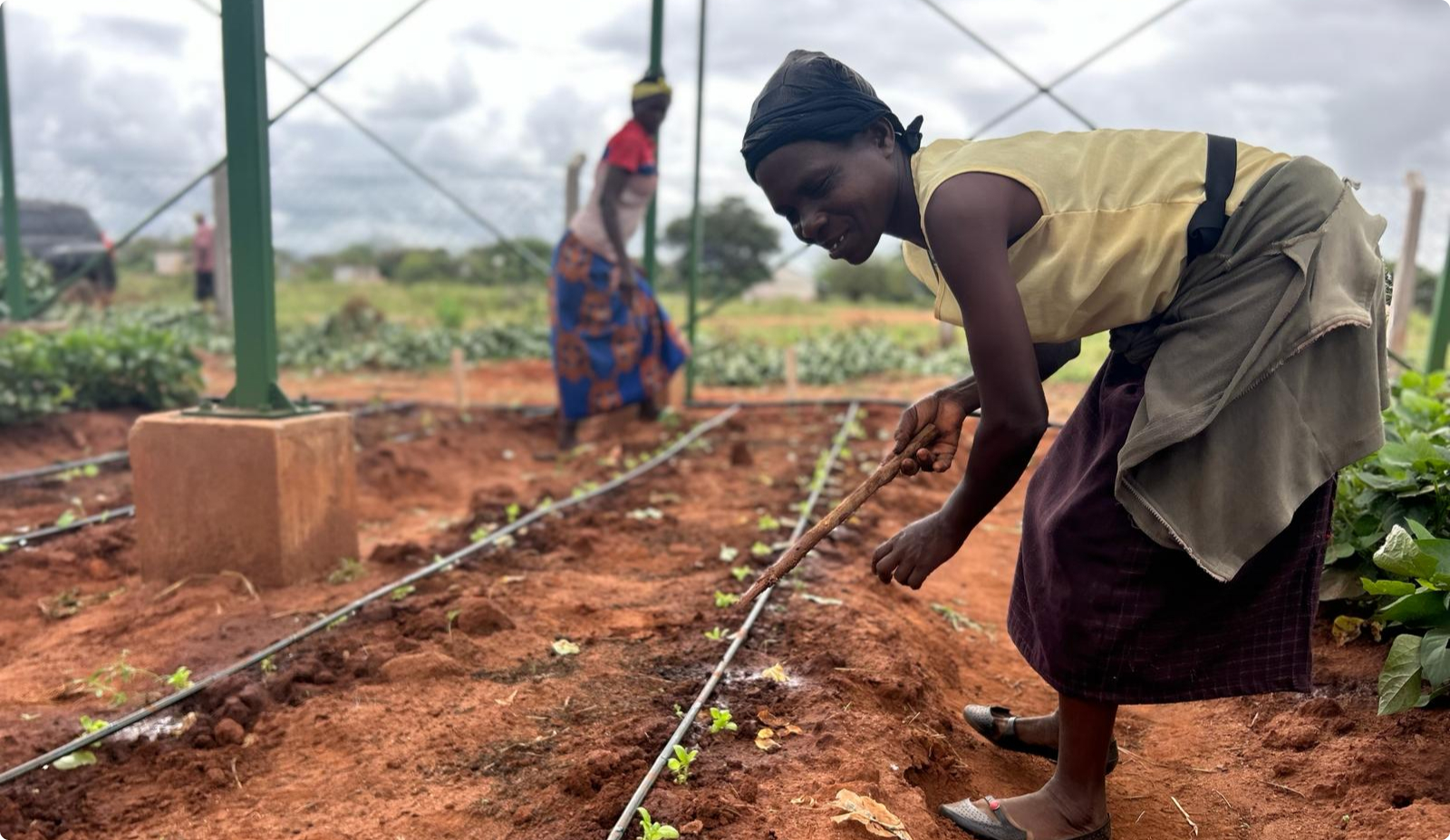
Women-led agricultural cooperatives in Makueni County are leading the way in transforming agriculture. These groups are actively using Climate-Smart Agriculture (CSA) technologies to create sustainable farming models that benefit entire communities.
Kimatwa Women Savings and Credit Cooperative: A Model of Collective Action
The Kimatwa Women Savings and Credit Cooperative exemplifies the power of collective action in agriculture. Their members:
- Pool resources to invest in modern farming equipment
- Share labor costs during peak farming seasons
- Negotiate better prices for farm inputs through bulk purchasing
- Access larger markets collectively
Their innovative approach combines traditional farming wisdom with modern agricultural practices. The cooperative maintains demonstration plots where members test new drought-resistant crop varieties and water conservation techniques.
Measurable Impact: Success Stories from Kimatwa
The group’s success is reflected in their numbers:
- 200+ active members
- 30% increase in crop yields since formation
- 45% improvement in household income
- Creation of sustainable seed banks
These women-led cooperatives strengthen food security through:
- Crop diversification strategies
- Implementation of efficient irrigation systems
- Development of value-added products
- Creation of reliable market linkages
The Kimatwa cooperative’s model has inspired similar initiatives across Makueni County. Their success demonstrates how organized women groups can transform agricultural practices while building economic resilience in semi-arid regions.
This aligns with broader efforts such as those by Royal Seedlings, which supports women and youth in agribusiness, further enhancing the impact of these cooperatives.
Demonstration Farms and Learning Hubs
Demonstration farms in Makueni County serve as practical classrooms where farmers witness the real-world application of climate-smart agricultural techniques. These farms showcase:
- Proper implementation of zai pits and soil ripping methods
- Successful crop rotation patterns
- Effective water conservation strategies
- Live demonstrations of mechanized farming techniques
Learning hubs complement these demonstration sites by creating dedicated spaces for knowledge exchange. Farmers gather at these centers to:
- Share personal experiences and success stories
- Learn new farming techniques from agricultural experts
- Access up-to-date climate information
- Participate in hands-on training sessions
The Makueni Agricultural Training Center stands out as a prime example of these educational initiatives. Here, experienced farmers mentor newcomers through structured learning programs, creating a ripple effect of knowledge throughout the community. This has improved the adoption of modern agricultural practices.
Peer-to-peer learning remains a cornerstone of these hubs’ success. Farmers who adopt new techniques become natural ambassadors, teaching others through:
- Regular field days
- Group discussions
- Practical demonstrations
- On-site problem-solving sessions
These learning spaces have transformed traditional farming approaches in Makueni, creating a network of informed and skilled agricultural practitioners ready to adapt to changing climate conditions.
Mechanization Adoption to Improve Efficiency
Makueni County’s agricultural landscape has undergone significant transformation through the strategic introduction of mechanized farming practices. Tractors equipped with specialized attachments now handle critical tasks like soil ripping and furrow making, replacing traditional manual methods.
The adoption of mechanization brings tangible benefits to local farmers:
- Time Efficiency: Tasks that previously took days of manual labor can be completed within hours.
- Precise Field Operations: Tractor-driven implements create uniform furrows and consistent soil preparation.
- Reduced Physical Strain: Farmers experience less fatigue and can focus on other essential farming activities. A CDC report highlights how mechanization reduces physical strain on farmers.
- Increased Land Coverage: Mechanized operations allow farmers to cultivate larger areas effectively.
Tractor services in Makueni operate through a coordinated system:
- Community-Based Model: Shared tractor services make mechanization accessible to small-scale farmers.
- Scheduled Operations: Farmers book services based on their planting calendars.
- Technical Support: Trained operators ensure proper implementation of mechanized techniques.
The impact of mechanization extends beyond operational efficiency. Farmers report 30-40% reduction in production costs and significant improvements in crop emergence rates. Local youth find employment opportunities as tractor operators and maintenance technicians, creating additional value within the agricultural sector.
Mechanization has become a cornerstone of modern farming practices in Makueni, enabling farmers to overcome labor constraints while improving their agricultural productivity. The use of various types of farm equipment has further enhanced the productivity and efficiency of farming operations in the region.

Integration of Indigenous Weather Knowledge with Modern Climate Services
Makueni farmers rely on time-tested indigenous weather forecasting methods passed down through generations. These traditional practices include:
- Observing ant movement patterns
- Monitoring specific bird species’ behavior
- Tracking flowering patterns of local trees
- Reading cloud formations and wind directions
These indigenous methods have proven remarkably accurate for local short-term weather predictions. Farmers use specific environmental indicators to determine planting times and prepare for weather changes.
The integration of traditional knowledge with modern climate services creates a robust forecasting system. Local meteorological stations now collaborate with community elders to:
- Document traditional weather indicators
- Compare indigenous predictions with satellite data
- Create localized weather bulletins in local languages
- Distribute weather updates via SMS and radio
This hybrid approach enables farmers to make informed decisions about:
- Planting dates: Combining traditional signs with seasonal forecasts
- Crop selection: Using both indigenous knowledge and climate projections
- Risk management: Applying local wisdom alongside scientific data
- Resource allocation: Planning based on integrated weather information
The Kenya Meteorological Department works with local knowledge holders to validate and incorporate traditional indicators into their forecasting models. This partnership strengthens the accuracy of weather predictions and builds trust in climate services among farming communities.
Partnerships Supporting Agricultural Development
Research partnerships drive agricultural innovation in Makueni County through strategic collaborations between key institutions. The Kenya Agricultural & Livestock Research Organization (KALRO) works hand-in-hand with local government bodies to implement research findings and deliver practical solutions to farmers.
Contributions of CGIAR Centers
CGIAR centers bring international expertise to Makueni’s agricultural landscape through:
- Advanced crop breeding programs
- Climate-smart agriculture research
- Soil health management studies
- Livestock improvement initiatives
Benefits for Local Farmers
These partnerships create a robust support system for local farmers by:
- Conducting field trials specific to Makueni’s conditions
- Developing location-specific crop varieties
- Providing technical training to extension officers
- Establishing demonstration plots
Role of Local Government
The local government plays a crucial role by:
- Facilitating access to research findings
- Coordinating implementation efforts
- Mobilizing community participation
- Providing infrastructure support
Tailoring Recommendations
Research institutions tailor their recommendations to Makueni’s unique context through:
- Soil analysis and mapping
- Climate data interpretation
- Local market assessments
- Cultural practice considerations
Involvement of Other Stakeholders
The partnership network includes agricultural universities, NGOs, and private sector players who contribute resources and expertise to strengthen farming systems in Makueni County.
Transforming Rain-Fed Agriculture into Resilient Systems
Traditional rain-fed farming in Makueni faces significant challenges due to unpredictable rainfall patterns and extended dry spells. Farmers experience:
- Crop failure from erratic precipitation
- Soil degradation due to intense rainfall events
- Limited water retention in conventional farming plots
- Reduced yields during drought periods
The transformation of rain-fed agriculture in Makueni implements strategic interventions to build resilient farming systems:
Water Management Solutions
- Construction of water pans for rainwater harvesting
- Implementation of drip irrigation systems
- Creation of terraces to prevent soil erosion
- Strategic placement of stone bunds to slow water runoff
Soil Enhancement Practices
- Application of organic mulch to reduce evaporation
- Integration of nitrogen-fixing cover crops such as those detailed in this resource on cover crops
- Regular soil testing for optimal fertilizer application
- Crop rotation to maintain soil health
These resilience-building strategies have shown promising results:
- 40% increase in crop survival during dry spells
- Enhanced soil moisture retention
- Improved crop yields even during below-average rainfall seasons
- Greater income stability for farming households
The adoption of these practices transforms traditional farming methods into climate-resilient agricultural systems, enabling farmers to maintain productive farms despite weather uncertainties. For instance, exploring pomegranate farming in Kenya could present new opportunities for diversifying crops and enhancing income stability.
Call to Action
Are you ready to transform your agricultural practices in Makueni County? We’re here to support your farming journey with high-quality seedlings, including grafted fruit seedling varieties, and sustainable agriculture partnerships.
Connect with us:
- 📱 Phone: 0711315313
- ✉️ Email: julius.murega@royalseedlings.com
Our team provides:
- Expert guidance on climate-smart farming techniques
- Access to drought-resistant seedling varieties
- Partnership opportunities for agricultural development
- Technical support for implementation, such as a step-by-step guide to starting an avocado orchard in Kenya
Don’t let climate challenges limit your farming potential. We offer expert advice on climate-smart farming techniques and access to drought-resistant seedling varieties. Reach out today to join our growing network of successful farmers in Makueni County. Your sustainable farming success story starts with a simple call or email.
Together, we can build resilient agricultural systems in Kenya.
FAQs (Frequently Asked Questions)
What are the key climate-smart agriculture techniques used in Makueni County?
In Makueni County, key climate-smart agriculture (CSA) techniques include soil ripping to reduce compaction and enhance water infiltration, the use of planting basins known as zai pits for effective water capture, and mixed crop-livestock farming systems that improve resilience and productivity in the semi-arid environment.
How do drought-tolerant and improved seed varieties benefit farmers in Makueni?
Drought-tolerant seeds are vital in Makueni’s semi-arid areas as they withstand water scarcity, while improved seed varieties boost crop yields. Community seed banks and seed revolving schemes support farmers by ensuring sustained access to quality seeds across multiple planting seasons.
What role do women-led cooperative groups play in advancing agricultural innovation in Makueni?
Women-led cooperatives, such as the Kimatwa Women Savings and Credit Cooperative, drive agricultural innovation by adopting climate-smart agriculture technologies collectively. These groups enhance food security and increase income through cooperative farming efforts and shared resources.
How does mechanization improve farming efficiency in Makueni County?
Mechanization in Makueni includes the introduction of tractors for soil ripping and furrow making, which reduces labor intensity and increases operational efficiency. Furrow technologies help optimize water use and improve planting practices, contributing to higher productivity.
Why is integrating indigenous weather knowledge with modern climate services important for farmers in Makueni?
Integrating indigenous weather forecasting methods practiced locally with scientific climate information services enhances decision-making for farmers. This combination provides more accurate and context-specific weather forecasts that help mitigate risks associated with climate variability.
What partnerships support agricultural development initiatives in Makueni County?
Agricultural development in Makueni is supported by collaborations between research institutions like CGIAR centers, Kenya Agricultural & Livestock Research Organization, and local government bodies. These partnerships deliver actionable recommendations tailored to the county’s unique semi-arid context to promote sustainable farming.