


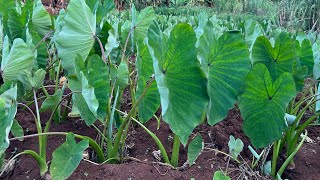
Arrowroot farming has a long history in Kenya, where local communities have been growing this versatile crop for generations. Known locally as “nduma,” arrowroot has evolved from being a traditional food source to becoming a profitable commercial venture.
 The Economic Potential of Arrowroot Farming
The increasing popularity of arrowroot in Kenya’s agricultural sector can be attributed to its significant market potential. A quarter-acre plot can generate KES 250,000 to KES 300,000, while a full acre has the potential to earn over KES 1 million annually.
The economic benefits of arrowroot farming go beyond individual farmers:
- It creates jobs through farming and processing activities.
- It promotes the development of value-added products such as flour and snacks.
- It opens up export markets due to rising global demand.
- It supports local agricultural cooperatives.
Government Support for Arrowroot Farming
The Kenyan government recognizes the potential of arrowroot and has implemented initiatives like the National Agriculture and Livestock Extension Program (NALEP) to support its growth. These programs aim to increase production, improve farming techniques, and enhance market access for farmers.
Why Arrowroot Farming is a Promising Investment
Arrowroot’s adaptability to different ecological zones and its growing popularity among health-conscious consumers make it an attractive agricultural investment in Kenya. As more people seek out nutritious food options, the demand for arrowroot is expected to rise.
In addition to arrowroot, other crops such as avocados are also gaining traction in the Kenyan agricultural sector. For those interested in diversifying their farming ventures, professional avocado farming training sessions are available. Such training could provide valuable insights into best practices for cultivating this high-demand fruit.
Moreover, aspiring commercial fruit growers can explore training opportunities in Muranga County that cover a range of topics from soil preparation to harvesting techniques.
For those considering starting an avocado orchard, a detailed step-by-step guide is also accessible. This resource outlines essential steps such as selecting the right nursery, which is crucial for the success of any farming venture. Farmers should be aware of key qualities that make a good nursery, ensuring they make informed decisions when sourcing their seedlings.
Ideal Growing Conditions for Arrowroot Farming
Arrowroot plants thrive in specific soil and climate conditions that directly impact their growth and yield potential. Here’s what you need to know about creating the perfect environment for your arrowroot crop:
Soil Requirements
- Well-drained loamy or silty soils
- pH range of 5.5 to 6.5
- Rich organic matter content
- Deep soil profile (minimum 30cm)
The soil’s drainage capacity plays a crucial role in preventing waterlogging, which can lead to root rot. A well-structured loamy soil allows proper root development and tuber formation. Regular soil testing helps maintain the ideal pH range and nutrient levels for maximum yield potential.
Climate Conditions
- Temperature range: 25-30°C
- Moderate to high humidity (60-80%)
- Annual rainfall: 1000-1500mm
- Protection from strong winds
Your arrowroot crop needs consistent moisture throughout its growing cycle. Areas with moderate to high humidity help maintain leaf health and reduce water stress. In regions with irregular rainfall patterns, supplemental irrigation becomes essential to maintain optimal soil moisture levels.
Altitude Considerations for Arrowrrot Farming
- Optimal growth from sea level to 1500 meters
- Higher altitudes result in slower growth
- Lower altitudes produce earlier maturity
The combination of proper soil conditions and favorable climate creates an environment where arrowroot plants can develop strong root systems and produce high-quality tubers.
In addition, it’s worth noting that the knowledge gained from other agricultural practices, such as the role of tissue culture in banana seedling production, can be beneficial when considering the propagation methods for different crops including arrowroot.
Furthermore, understanding how to prepare your land before receiving seedling delivery can also enhance the success rate of planting not just arrowroot but other crops like avocado as well. If you’re looking into expanding your agricultural ventures, remember that resources are available such as essential tips for caring for newly planted avocado seedlings or addressing any frequently asked questions about avocado seedling purchases online.
Lastly, it’s important to recognize the socio-economic aspect of agribusiness. Initiatives like those from Royal Seedlings that support women and youth in agribusiness are vital for promoting sustainable agricultural practices and empowering marginalized communities.
Planting and Cultivation Techniques for Arrowroot Farming
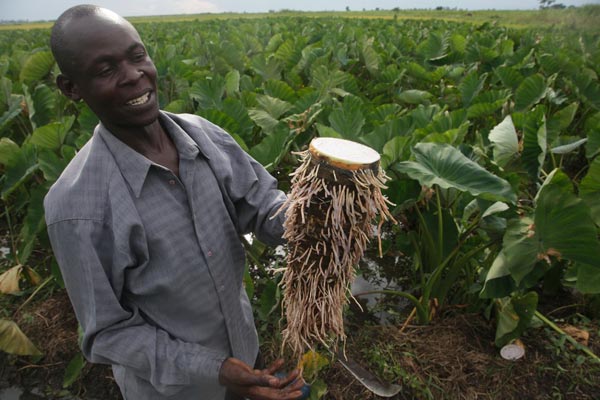
Successful arrowroot farming starts with proper hole preparation. Dig holes 30cm deep and wide, spacing them 9 inches apart in rows set at 2-3 feet intervals. This spacing allows optimal root development and easier harvesting.
Soil Preparation and Planting
- Mix topsoil with well-decomposed manure at a 2:1 ratio
- Plant rhizome pieces 5-7cm deep, ensuring each has 2-3 viable buds
- Cover planted rhizomes with loose soil, avoiding compaction
Organic Fertilization Benefits
- Enhanced soil structure and water retention
- Improved nutrient availability
- Reduced risk of soil-borne diseases
- Sustained release of nutrients throughout the growing season
Mulching plays a crucial role in arrowroot cultivation. Apply a 2-inch layer of organic mulch around plants to:
- Control weed growth
- Maintain soil temperature
- Reduce water evaporation
- Add organic matter as mulch decomposes
Irrigation Requirements for Arrowroot Farming
Arrowroot needs consistent moisture throughout its growth cycle. Install a drip irrigation system for:
- Regular water supply during dry spells
- Water conservation
- Precise moisture control
- Prevention of waterlogging
In areas receiving less than 1000mm annual rainfall, supplement with irrigation every 3-4 days. Adjust watering frequency based on soil moisture levels and weather conditions.
For farmers interested in diversifying their crops, understanding the seasonal planting calendar for fruit seedlings in central Kenya can provide valuable insights. Additionally, those looking into export opportunities might find it beneficial to explore how Kenyan farmers can profit from Hass avocado exports. It’s also essential for farmers to be aware of potential challenges, such as common avocado seedling diseases, which could impact their yield.
In terms of crop selection, farmers may need to make decisions about choosing between local and imported apple varieties for Kenyan climates. Lastly, regions like Muranga are known for high-quality Hass avocado seedling production, making it a significant area for such agricultural endeavors (Muranga: The heart of quality Hass avocado seedling production in Kenya).

Upland Arrowroot Farming Technology
Upland arrowroot farming technology is revolutionizing the way arrowroot is cultivated by employing new and improved methods. A key feature of this technology is the implementation of trench systems for cultivation.
Setting Up Trench Systems
To establish these trench systems, farmers must adhere to a specific process:
- Digging Trenches: Farmers begin by digging trenches that are 2 feet deep and 3 feet wide.
- Lining with Polythene Sheets: The next step involves lining these trenches with heavy-duty polythene sheets. This measure helps prevent water loss and maintains optimal soil conditions for arrowroot growth.
- Preparing Soil-Manure Mixture: The ideal mixture for these trenches comprises 60% well-decomposed farmyard manure, 30% topsoil, and 10% sand or gravel for drainage.
This specialized mix fosters a nutrient-rich environment that encourages robust root development and larger tuber formation.
Advantages of Polythene-Lined System
The polythene-lined system presents several key advantages over traditional methods:
- Water retention up to 40% higher than conventional techniques
- Protected root zone from soil-borne diseases
- Extended growing season
- Reduced irrigation needs
Integration of Modern Technology
In addition to trench systems, the integration of modern technology further enhances arrowroot farming efficiency through:
- Soil moisture sensors for precise irrigation timing
- pH monitoring systems to maintain optimal growing conditions
- Temperature control through selective covering during extreme weather
Research indicates that farms utilizing this technology achieve yields of 8,000-10,000 kg per acre compared to 5,000-6,000 kg in traditional systems. The controlled environment established by these methods leads to ideal conditions for tuber development, resulting in larger, healthier crops with superior market value.
Vertical Expansion Opportunities for Arrowroot Farming
The design of the trench system allows for vertical expansion, making it suitable for small-scale farmers with limited land. By installing multiple trenches with proper spacing of 1.5 meters between rows, farmers can maximize their production capacity.
Potential Adaptations for Other Crops
While this technology primarily focuses on arrowroot cultivation, it holds potential for adaptation in other crops as well. For instance, Pixie Oranges require similar soil conditions and care, making them suitable candidates for the trench system.
Moreover, understanding the [importance of proper spacing when planting fruit trees](https://royalseedlings.com/the-importance-of-proper-spacing-when-planting-fruit-trees) can significantly enhance yield and quality in such adaptations.
Future Trends in Agriculture
As we look towards the future, it’s crucial to consider various trends that may impact agriculture:
- The trends in e-commerce within agriculture are significant as they provide opportunities for farmers to sell their produce online.
- Exploring other farming opportunities such as [Pomegranate Farming in Kenya](https://royalseedlings.com/pomegranate-farming-in-kenya-opportunities-and-ch
Harvesting and Processing Arrowroot
Successful arrowroot harvesting depends on identifying the right maturity indicators. Watch for these key signs:
- Yellowing of leaves
- Browning of stem bases
- Visible cracks in the soil surface
- Plant age between 8-12 months
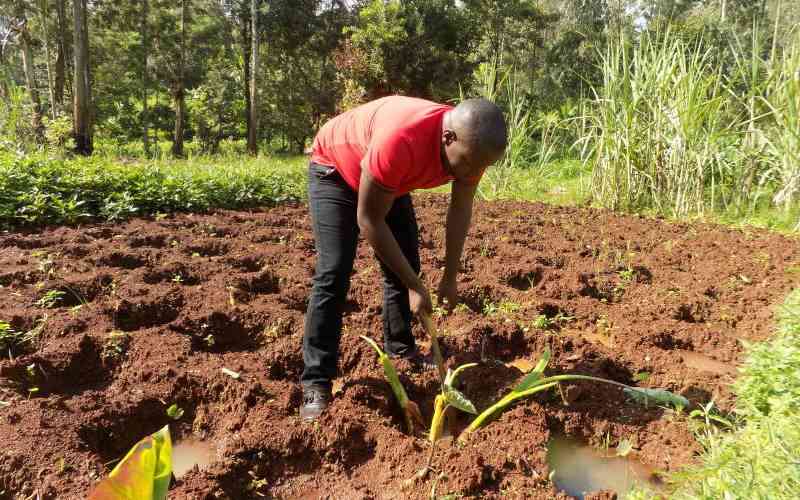
The harvesting process requires careful digging around the plant to avoid damaging the tubers. Gently lift the entire plant and separate the tubers from the main stem.
Expected Yields Per Acre:
- Traditional farming: 5,000-7,000 kg
- Modern techniques: 8,000-10,000 kg
- Upland technology: Up to 12,000 kg
Processing arrowroot creates valuable market opportunities. Popular value-added products include:
- Arrowroot flour
- Gluten-free baking mixes
- Traditional snacks
- Baby food
- Thickening agents for sauces
Local markets show strong demand for processed arrowroot products, with premium prices for quality flour. Export markets particularly value organic certification and consistent product quality. Small-scale processors can start with basic equipment to produce flour, while larger operations might invest in automated processing lines for diverse product ranges.
While focusing on arrowroot farming, it’s also essential to consider diversifying into other profitable crops such as avocados or mangoes. However, certain mistakes should be avoided when venturing into avocado farming. For those interested in buying avocado seedlings online, following best practices can yield better results. Furthermore, if you’re considering mango farming alongside your arrowroot venture, it’s crucial to understand how to choose the right mango variety that suits your farm’s conditions.
Additionally, it’s worth noting that successful arrowroot farming involves understanding soil health and implementing sustainable practices.
Nutritional Benefits and Health Aspects of Arrowroot Tubers
Arrowroot tubers are packed with essential vitamins and minerals, making them a highly nutritious food choice. Here’s a breakdown of the key nutrients found in arrowroot tubers:
- Vitamin B6: Supports brain function and helps form red blood cells
- Vitamin C: Boosts immune system and promotes collagen production
- Potassium: Regulates blood pressure and supports heart health
- Zinc: Aids in immune function and protein synthesis
- Phosphorus: Essential for bone health and energy metabolism
Digestive Health Benefits
The high fiber content in arrowroot tubers is beneficial for digestion. Fiber aids in regular bowel movements, prevents constipation, and promotes a healthy gut microbiome.
Iron Content and Anemia Prevention
A single serving of arrowroot provides 32% of your daily iron requirements. Iron is essential for the production of red blood cells and the transportation of oxygen throughout the body. Consuming foods rich in iron, such as arrowroot, can help prevent anemia.
Gluten-Free Baking Alternative
Arrowroot’s rising popularity stems from its role as a gluten-free alternative in baking. You can use arrowroot flour to:
- Replace wheat flour in baked goods
- Thicken sauces and gravies
- Create crispy coatings for fried foods
The neutral taste and excellent binding properties make arrowroot flour a preferred choice for people with celiac disease or gluten sensitivity. Its easy digestibility also makes it suitable for individuals with sensitive stomachs.
Incorporating grafted fruit seedlings into your diet can further enhance the nutritional benefits you receive, as these seedlings often produce more robust fruits with higher yields and better disease resistance.
Pest Management, Disease Control, and Irrigation Strategies in Arrowroot Farming
Arrowroot plants display natural pest-resistant qualities, yet they remain susceptible to specific diseases that require careful management. The primary threats include:
1. Bacterial Wilt
- Causes yellowing and wilting of leaves
- Spreads through contaminated soil and tools
- Control through crop rotation and clean farming tools
2. Leaf Mosaic Disease
- Transmitted by aphids
- Creates mottled patterns on leaves
- Manage by removing infected plants and controlling aphid populations
3. Banded Leaf Blight
- Fungal infection causing brown spots
- Thrives in humid conditions
- Apply copper-based fungicides for treatment
Effective Disease Management Practices:
- Maintain proper plant spacing
- Practice regular field sanitation
- Use disease-free planting materials
- Implement drip irrigation to prevent excess moisture
Irrigation Requirements:
- Water deeply once per week
- Maintain consistent soil moisture
- Reduce watering during rainy seasons
- Install drainage systems in heavy soils
Regular monitoring helps detect early signs of disease, allowing for timely intervention and reduced crop losses. Although arrowroot plants are naturally resistant to pests, it’s still beneficial to adopt some natural pest management strategies to further enhance their resilience.
Moreover, the quality of seedlings used in farming can significantly influence the overall productivity and economic viability of the farm. Therefore, investing in high-quality seedlings is crucial as they can lead to increased yields and subsequently improve smallholder incomes.
Conclusion
Arrowroot farming presents lucrative opportunities for Kenyan farmers across different plot sizes:
- A quarter-acre plot yields KES 250,000-300,000 annually
- Half-acre cultivation generates KES 500,000-600,000
- Full-acre farming surpasses KES 1 million yearly returns
The market demand continues to expand, driven by:
- Rising health consciousness among local consumers
- Growing international interest in gluten-free alternatives
- Increased adoption in commercial food processing
Value addition strategies multiply profit potential through:
- Processing into specialty flour for baking
- Creating ready-to-eat snacks and chips
- Developing arrowroot-based convenience foods
- Manufacturing starch products for industrial use
The success of arrowroot farming in Kenya hinges on implementing proper cultivation techniques, maintaining disease control measures, and adopting modern farming technologies.
Understanding the soil requirements for different fruit trees in Kenya can also provide valuable insights for farmers looking to diversify their crop production. With strategic planning and market-focused production, farmers can tap into this crop’s significant economic potential while contributing to Kenya’s agricultural growth.
Ready to start your arrowroot farming ?
Contact Royal Seedlings:
- 📱 Phone: +254 711315313
- 📧 Email: Julius.murega@royalseedlings.com
- 🌐 Website: www.royalseedlings.com
FAQs (Frequently Asked Questions)
What are the ideal growing conditions for arrowroot farming in Kenya?
Arrowroot thrives best in well-drained loamy or silty soils with an optimal pH range suitable for growth. It requires moderate to high humidity, annual rainfall, and is typically cultivated at specific altitudes that support its climatic needs.
How should I plant and cultivate arrowroot effectively?
Effective arrowroot cultivation involves proper spacing and hole preparation, using planting methods that promote healthy growth. Employing organic fertilizers and mulching helps maintain consistent soil moisture, while irrigation is essential, especially in drier regions.
What are the benefits of using upland arrowroot farming technology like polythene-lined trenches?
Polythene-lined trenches combined with a soil-manure mix enhance growth by improving moisture retention and nutrient availability. This technology optimizes yield potential and supports sustainable arrowroot farming practices in Kenya.
When is the right time to harvest arrowroot, and what yields can farmers expect?
Harvesting should be timed based on specific indicators that signal maturity of the tubers. Average yields per acre vary depending on variety and cultivation practices, with opportunities for value addition through processed products like flour and snacks to meet market demand.
What are the nutritional benefits and health aspects of consuming arrowroot tubers?
Arrowroot tubers are rich in vitamins, minerals, fiber, and iron, making them a nutritious food source. They serve as a gluten-free alternative in baking and contribute to health promotion, aligning with growing consumer interest in gluten-free options.
How can pests and diseases be managed in arrowroot farming?
Arrowroot plants possess some pest-resistant qualities; however, common diseases such as bacterial wilt, leaf mosaic disease transmitted by aphids, and fungal infections like banded leaf blight require management strategies. Integrated pest management including monitoring and appropriate treatments helps maintain crop health.