

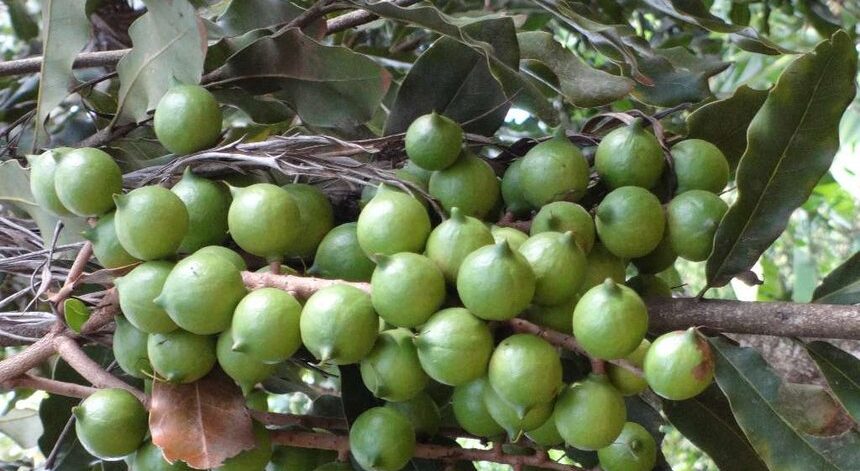
Avocado and macadamia farming is a great opportunity in today’s agriculture. These crops have grown from being niche products to becoming globally popular, bringing significant wealth to farmers of all sizes.
The numbers tell a compelling story: Hass avocados command 75% of the global fruit market share, while macadamia nuts rank among the world’s most expensive nuts. This market dominance translates into remarkable profit potential for farmers willing to invest in these crops.
However, entering this profitable market requires more than just money. It’s important to avoid common avocado farming mistakes that could hinder your success. Additionally, preparing your land properly before receiving seedlings delivery is crucial for a successful harvest.
Key market indicators highlight the strength of these agricultural ventures:
- Hass avocados are expected to grow at a rate of 4.8% annually from 2020 to 2025
- Macadamia nuts maintain high prices due to limited global supply
- Both crops offer multiple ways to make money through direct sales and value-added products
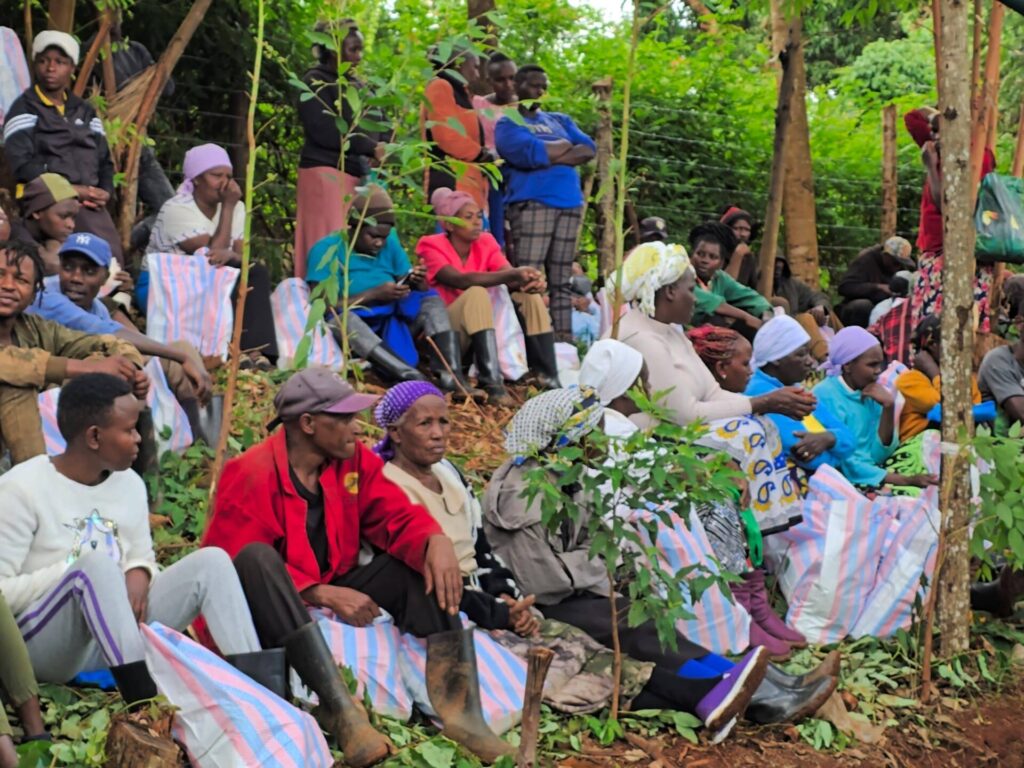
Starting avocado and macadamia farming puts you in a position where you can benefit from increasing global demand and proven profitability. These crops provide steady returns through established markets, making them ideal choices for both new and experienced farmers looking for sustainable income sources.
There are also many resources available to help you on this journey. For example, if you’re interested in diversifying your crop portfolio, you might want to explore pixie orange farming, which offers a complete guide for beginners.
It’s important to understand that not all avocado seedlings are the same. Knowing how to identify and prevent common avocado seedling diseases can save you time and money in the long run.
In addition to these practical tips, it’s worth mentioning that initiatives like those by Royal Seedlings are making strides in supporting women and youth in agribusiness, further enriching the agricultural landscape.
Market Demand for Avocados and Macadamias
Hass Avocado Market Growth
The global Hass avocado market has significant growth potential, with an estimated annual growth rate of 4.8% from 2020 to 2025. This premium variety accounts for 75% of the international fruit market share, driven by increasing health awareness and changing dietary preferences worldwide.
Key Statistics for Hass Avocados:
- Annual global consumption exceeds 2.5 million tons
- Market value expected to reach $8.3 billion by 2027
- United States leads consumption with 40% market share
- European demand growing at 15% annually
Macadamia Nuts in the Global Nut Market
Macadamia nuts hold a prestigious position in the global nut market, commanding premium prices due to their unique characteristics and limited production.
Major Macadamia Importing Countries:
- China: 35% of global imports
- United States: 25% of global imports
- Japan: 15% of global imports
- European Union: 12% of global imports
Nutritional Benefits of Avocados and Macadamias
The nutritional profiles of these crops attract health-conscious consumers. Macadamia nuts contain an impressive 70% oil content, making them valuable for both direct consumption and industrial processing. Avocados, with their 14% oil content, provide essential healthy fats while offering versatility in culinary applications.
Consumer Benefits:
- Macadamia Nuts:
- Rich source of heart-healthy monounsaturated fats
- High in essential minerals and antioxidants
- Hass Avocados:
- Contains fiber, potassium, and vitamins
- Lower calorie alternative to traditional fats
Shifts in Consumer Preferences
In addition to avocados and macadamias, the agricultural landscape is also witnessing a shift in consumer preferences towards locally sourced produce, such as apples. This shift has been analyzed in detail in a recent study on choosing between local and imported apple varieties for Kenyan climates.
Furthermore, the future of agriculture is being significantly influenced by e-commerce trends, which are explored in this insightful article about the future of e-commerce in agriculture. Lastly, advancements in agricultural science, such as the science behind grafting, are also contributing to improved crop yield and quality across various sectors including those producing avocados and macadamias.

Agricultural Programs and Initiatives Supporting Avocado and Macadamia Farming
Uganda’s government has positioned avocado and macadamia farming at the forefront of its agricultural development strategy. The National Development Plan III prioritizes these crops through targeted agro-industrialization programs designed to transform the agricultural sector.
Key government initiatives include:
- Subsidized high-quality seedling distribution to small-scale farmers
- Technical training programs for sustainable farming practices
- Infrastructure development to support post-harvest handling
- Export facilitation services for international market access
These strategic interventions have yielded significant results:
Sector Growth Metrics:
- 35% increase in avocado production since 2019
- 28% rise in macadamia nut exports
- Creation of 12,000+ new farming jobs
Income Impact:
- Average household income from avocado farming: $2,500/year
- Macadamia nut farmers earning potential: $3,800/year
- Value-added processing opportunities: 40% additional revenue
The Uganda Export Promotion Board has established dedicated support units for avocado and macadamia farmers. These units provide market intelligence, quality control guidance, and export documentation assistance. Local agricultural extension offices work alongside these units to ensure farmers meet international certification standards and maintain consistent product quality.
The government’s commitment extends to research and development, with dedicated funding for disease-resistant varieties and improved farming techniques through the National Agricultural Research Organization.
Farming Practices, Yields, And Profitability Strategies in Avocado and Macadamia Farming
Challenges Faced by Small-Scale Farmers
Small-scale farmers in Uganda typically manage modest plots of 1.7 acres, hosting approximately 16 Hass avocado trees per farm. These farmers face specific challenges:
- Limited access to modern irrigation systems
- Pest management constraints
- Post-harvest handling difficulties
- Transportation logistics to market centers
Revenue Opportunities from Avocado Trees
The productive journey of avocado trees presents compelling revenue opportunities. A healthy avocado tree begins fruit production within 3-4 years after planting, with yields steadily increasing throughout its lifespan. Key productivity factors include:
Optimal Growing Conditions
- Well-draining soil
- Regular fertilization
- Proper spacing (8-10 meters between trees)
- Consistent pruning practices
Farmers can gain valuable insights into achieving these optimal growing conditions by attending a professional avocado farming training session. These sessions often cover essential topics such as soil preparation, pest management, and irrigation techniques.
Yield Expectations
- Years 3-4: 20-30 fruits per tree
- Years 5-7: 100-200 fruits per tree
- Years 8+: 200-400 fruits per tree
Profitability Strategies for Avocado Farming
Early harvest profitability emerges as a significant advantage in avocado farming. Strategic planning enables farmers to generate income within the first three years of establishment. Profit enhancement strategies include:
- Intercropping with short-term crops during initial growth phases
- Implementation of drip irrigation systems
- Regular soil testing and amendment
- Strategic timing of harvest to match peak market demands
- Direct marketing to reduce middleman costs
For those considering starting an avocado orchard, a step-by-step guide can be invaluable. It provides detailed instructions on everything from selecting the right seedlings to post-harvest management.
Profit Margins for Small-Scale Farmers
Small-scale farmers who adopt these practices report profit margins ranging from 40-60% on their investments. The combination of proper farm management and strategic marketing positions both avocado and macadamia farming as highly lucrative agricultural ventures.
However, before embarking on this journey, it’s crucial to understand the [essential tips for caring for newly planted avocado seedlings, which can significantly impact the success of the orchard. Additionally, addressing common concerns by referring to the frequently asked questions about avocado seedling purchases online can further streamline the process for prospective farmers.
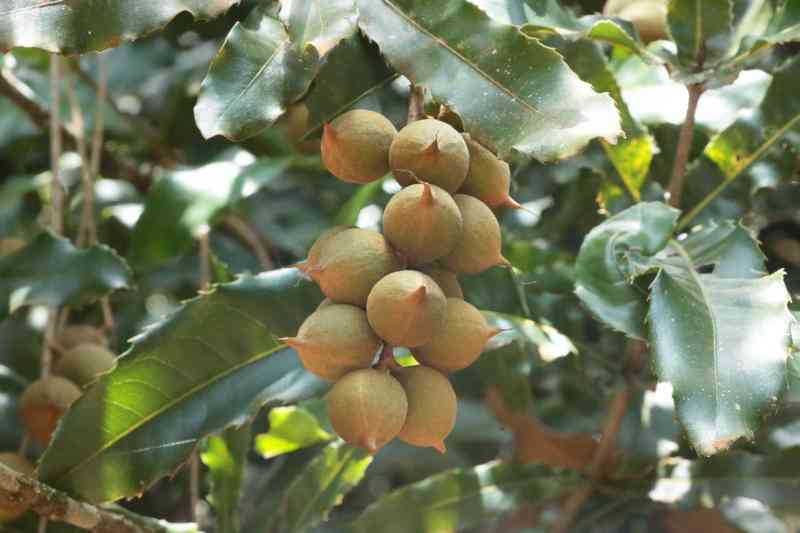
Challenges Faced by Macadamia Nut Farmers And How To Overcome Them
Hawaii is a major player in the global production of macadamia nuts, making a significant contribution to the world’s supply. The state’s distinct climate and soil conditions create perfect growing conditions for these high-quality nuts.
Key Challenges in Hawaiian Macadamia Farming:
- Declining wholesale prices have discouraged farmers from investing in orchard improvements
- Severe labor shortages during peak harvest seasons impact productivity
- High operational costs cut into profit margins
- Weather-related risks and crop damage from pests
- Competition from emerging markets like Kenya and Australia, where successful farming practices are being adopted
Practical Solutions for Farmers:
-
Market Diversification
- Direct-to-consumer sales through farmers’ markets
- Value-added product development (flavored nuts, oils, butter)
- Export market expansion beyond traditional buyers
-
Technology Integration
- Automated harvesting equipment to reduce labor dependency
- Digital monitoring systems for pest and disease management
- Smart irrigation solutions for water conservation
-
Operational Efficiency
- Implementing mechanical pruning systems
- Adopting integrated pest management practices
- Establishing cooperatives for shared resource utilization
Small-scale farmers can enhance their resilience by focusing on organic certification and premium market segments. Larger operations benefit from economies of scale through mechanization and bulk processing capabilities. The integration of sustainable farming practices helps reduce long-term operational costs while meeting growing consumer demand for environmentally conscious products.
For instance, proper spacing when planting fruit trees can significantly improve yield. Moreover, exploring avenues like pomegranate farming or leveraging resources from a good nursery can also provide additional opportunities for growth and diversification.
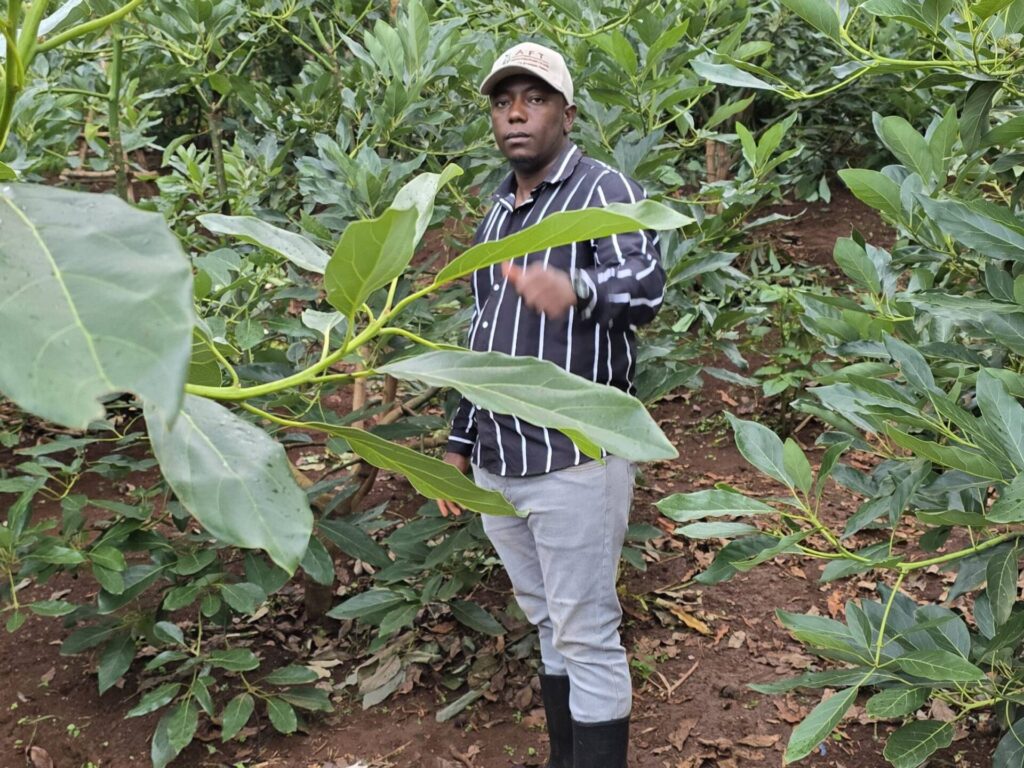
Financial Growth Potential In Avocado And Macadamia Farming Ventures Before You Start Your Journey
Net cash farm income from avocado and macadamia cultivation has shown remarkable growth patterns in recent years. Data from successful farming regions reveals average annual returns of $15,000 to $25,000 per acre for well-managed orchards.
Key financial indicators for prospective farmers:
- Initial Investment: $8,000-12,000 per acre
- Break-even Point: 3-4 years for avocados, 7-8 years for macadamias
- Annual Maintenance Costs: $2,000-3,000 per acre
- Expected ROI: 25-35% after full maturity
Government support programs have significantly boosted profitability margins through:
- Direct subsidies for seedling purchases
- Tax incentives for agricultural equipment
- Export promotion assistance
- Low-interest agricultural loans
Despite inflation pushing production costs up by 12-15% annually, farmers have maintained healthy profit margins through:
- Value-added processing initiatives
- Direct-to-consumer sales channels
- Organic certification premiums
- Crop insurance programs
Recent market analysis shows established farms achieving net income growth rates of 8-10% annually, with top performers reaching 15-20%. These figures account for rising input costs while highlighting the robust earning potential in both avocado and macadamia farming sectors. For a more comprehensive understanding of these financial dynamics, resources such as the USDA Economic Research Service’s report and the USDA Risk Management Agency’s specialty crop report can provide valuable insights.
The Role of Quality Seedlings in Maximizing Financial Returns
A crucial aspect that can significantly influence the financial success of avocado and macadamia farming ventures is the quality of seedlings used. For instance, when it comes to avocado farming in Kenya, Muranga is recognized as a key region for producing high-quality Hass avocado seedlings.
Similarly, understanding the role of tissue culture in banana seedling production, can provide insights into advanced farming techniques that could be beneficial even in avocado and macadamia farming.
Moreover, selecting the right mango variety could also offer additional revenue streams. Therefore, knowing [how to choose the right mango variety](https://royalseedlings.com/how-to-choose-the-right-mango-variety-for-your-kenyan-farm) could be a valuable asset for farmers looking to diversify their crops along with avocados and macadamias.
Exploring Money-Making Opportunities In The Avocado And Macadamia Industry
Avocado and macadamia farming is a great opportunity in modern agriculture. With the right crop choices, efficient management, and a focus on the market, farmers can earn significant profits.
You’ll find success through:
- Diversified Revenue Streams – Processing facilities, value-added products, direct-to-consumer sales
- Smart Resource Allocation – Optimized irrigation systems, sustainable farming methods
- Market Position Leverage – Premium pricing for quality produce, strong relationships with buyers
- Technology Integration – Advanced monitoring systems, automated harvesting solutions
The rising global demand for avocados and macadamias, combined with effective farming techniques and business skills, makes these crops highly profitable. By investing in avocado and macadamia farming and implementing good agricultural practices and market knowledge, you can expect substantial returns on your investment.
Call to Action
Ready to tap into the lucrative world of avocado and macadamia farming? Your journey to financial success starts here.
Take the first step today:
Contact Royal Seedlings:
- 📱 Phone: +254 711315313
- 📧 Email: Julius.murega@royalseedlings.com
- 🌐 Website: www.royalseedlings.com
- Order high-quality Hass avocado and macadamia
FAQs (Frequently Asked Questions)
What makes avocado and macadamia farming profitable agricultural ventures?
Avocado and macadamia farming are highly profitable due to strong global market demand, especially for Hass avocados and macadamia nuts. Their high-value products, coupled with increasing consumer preference for healthy oils and nuts, ensure lucrative returns for farmers who adopt efficient management strategies.
How is the global market demand shaping the avocado and macadamia industry?
The global market is experiencing a significant increase in demand for Hass avocados and macadamia nuts, driven by their nutritional benefits and versatile uses. Key importing countries continue to expand their consumption, supported by favorable trends in health-conscious diets and food innovation.
What government programs support avocado and macadamia farming in Uganda?
Uganda prioritizes avocado and macadamia cultivation through agro-industrialization programs that provide government support aimed at boosting sector growth. These initiatives enhance household incomes and increase export revenues, creating an enabling environment for farmers to thrive.
What farming practices enhance yields and profitability in avocado and macadamia cultivation?
Small-scale farmers can improve yields by understanding the productive lifespan of avocado trees, implementing early harvest strategies, and adopting best practices tailored to local conditions. Profitability is maximized through timely harvesting, quality seedling selection, and efficient farm management.
What challenges do macadamia nut farmers face, particularly in Hawaii, and how can they be overcome?
Macadamia nut farmers in Hawaii encounter challenges such as declining wholesale prices during harvest seasons and labor shortages. Solutions include diversifying markets to stabilize income streams and investing in labor-saving technologies to reduce operational costs.
How does financial growth potential manifest in avocado and macadamia farming ventures?
Financial growth is evident through increasing net cash farm incomes from these crops over recent years. Government support payments help offset rising production costs due to inflation, enhancing overall profitability for farmers engaged in avocado and macadamia cultivation.