
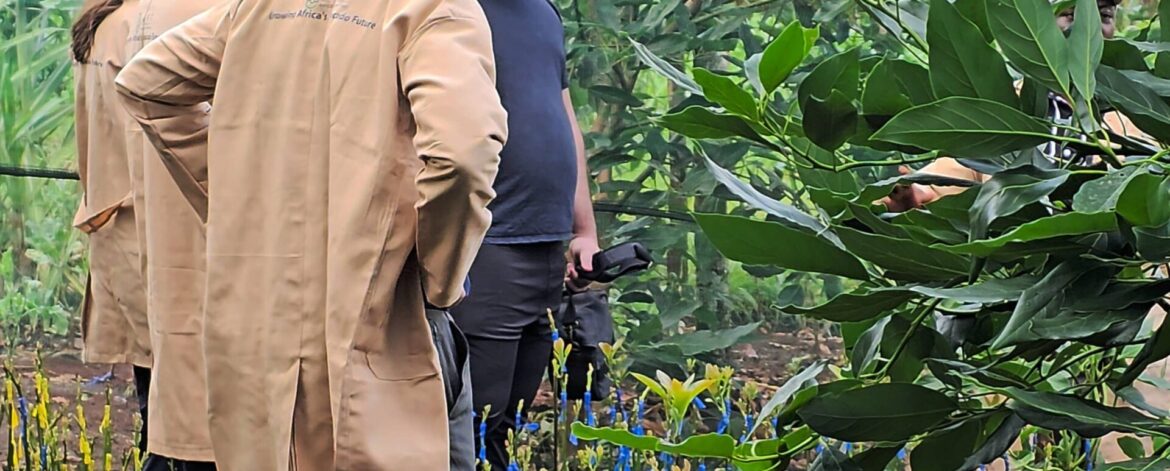
Starting your avocado orchard with healthy, certified seedlings is crucial for long-term success. Diseases like Phytophthora root rot can devastate entire orchards, causing substantial financial losses and years of wasted effort.
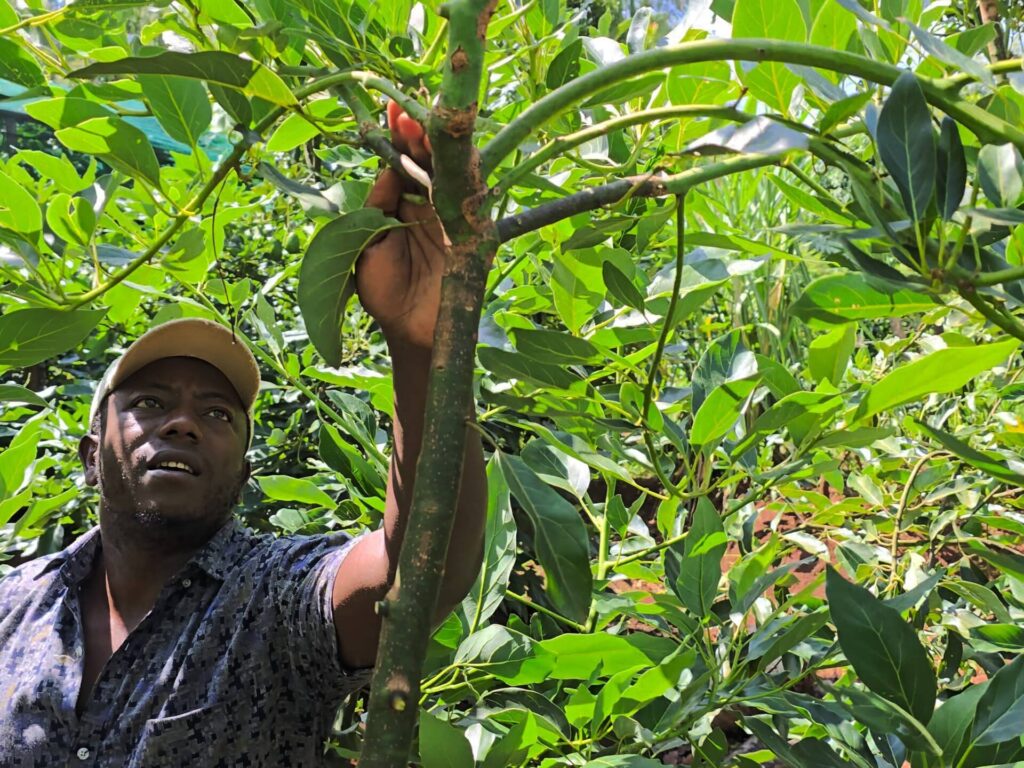
The risks of planting uncertified or diseased avocado seedlings include:
- Reduced fruit production
- Premature tree death
- Disease spread to neighboring trees
- Increased maintenance costs
- Soil contamination
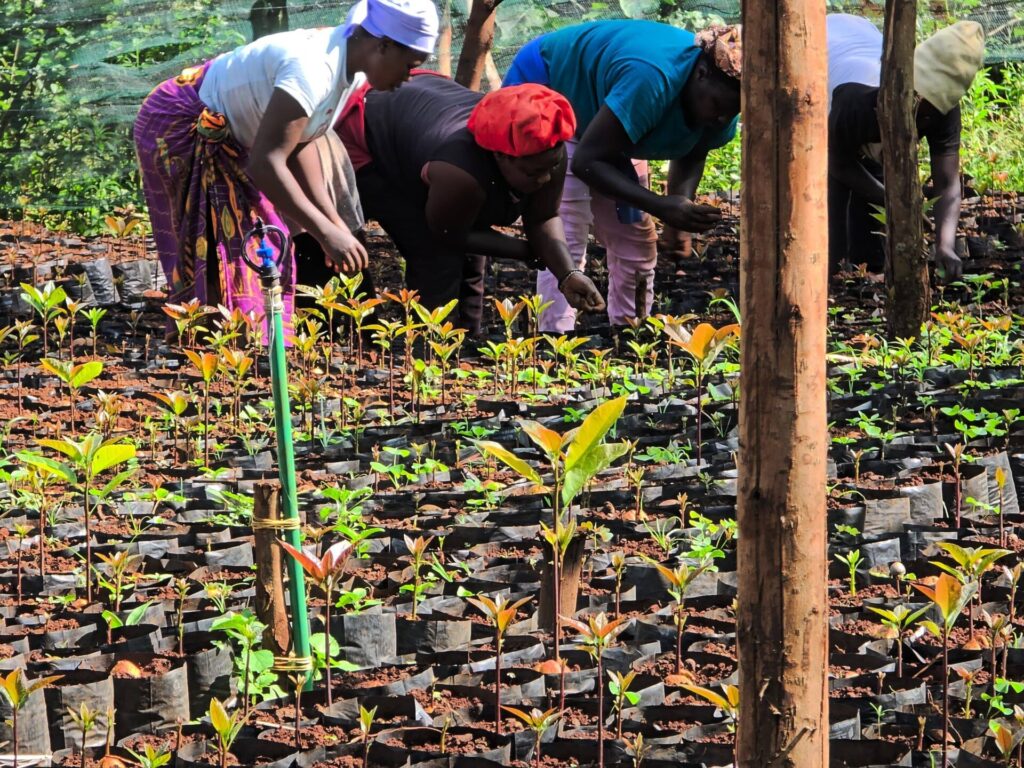
Certified, disease-free avocado seedlings provide a strong foundation for your orchard’s future. These seedlings undergo rigorous testing and inspection processes to ensure they meet strict health standards. By choosing certified planting material, you protect your investment and create optimal conditions for healthy tree growth.
Diseased seedlings can introduce devastating pathogens into your soil that persist for years. Once established, these pathogens become extremely difficult to eliminate. A single infected seedling can spread diseases throughout your orchard, affecting both existing and future plantings.
Your choice of initial planting material directly impacts your orchard’s productivity and longevity. Understanding how to identify certified and disease-free avocado seedlings helps you make informed decisions and sets the stage for successful avocado cultivation.

Understanding the Risks: Avocado Diseases and Their Impact
Phytophthora root rot is the most destructive disease affecting avocado orchards worldwide. This aggressive pathogen attacks the tree’s root system, causing infected trees to decline rapidly and potentially die. It’s crucial to implement strategies for preventing Phytophthora infestations in your orchard.
Key Symptoms of Avocado Diseases
Here are the main signs that indicate avocado diseases:
- Leaves turning yellow, starting from pale green and progressing to brown
- Canopy becoming small and sparse with wilted leaves
- Branches gradually dying, beginning from the tips of the tree
- Size and quantity of fruits significantly decreasing
- Roots appearing dark and brittle, breaking easily when touched
How Avocado Diseases Spread
These diseases can spread through various ways:
- Contaminated nursery stock
- Infected soil particles
- Water runoff carrying pathogens
- Unclean farming equipment
- Spores carried by the wind
Conditions Favoring Disease-Causing Pathogens
Pathogens that cause diseases thrive in specific conditions:
- Soils that do not drain well
- Excessive irrigation practices
- High moisture levels in the soil
- Temperatures ranging between 21-30°C
- Compacted soil conditions
Financial Risks Posed by Avocado Diseases
Your avocado orchard is at significant financial risk due to these diseases. An infected tree has the potential to spread pathogens to nearby trees through root contact and soil movement. Within the first year, infected trees show decreased productivity, resulting in complete crop failure if no action is taken. Furthermore, the soil remains contaminated for years, rendering it unsuitable for future avocado cultivation. Such long-term effects highlight the importance of recognizing and addressing these diseases promptly, as discussed in a recent study on avocado diseases.
What Does “Certified” Mean for Avocado Seedlings?
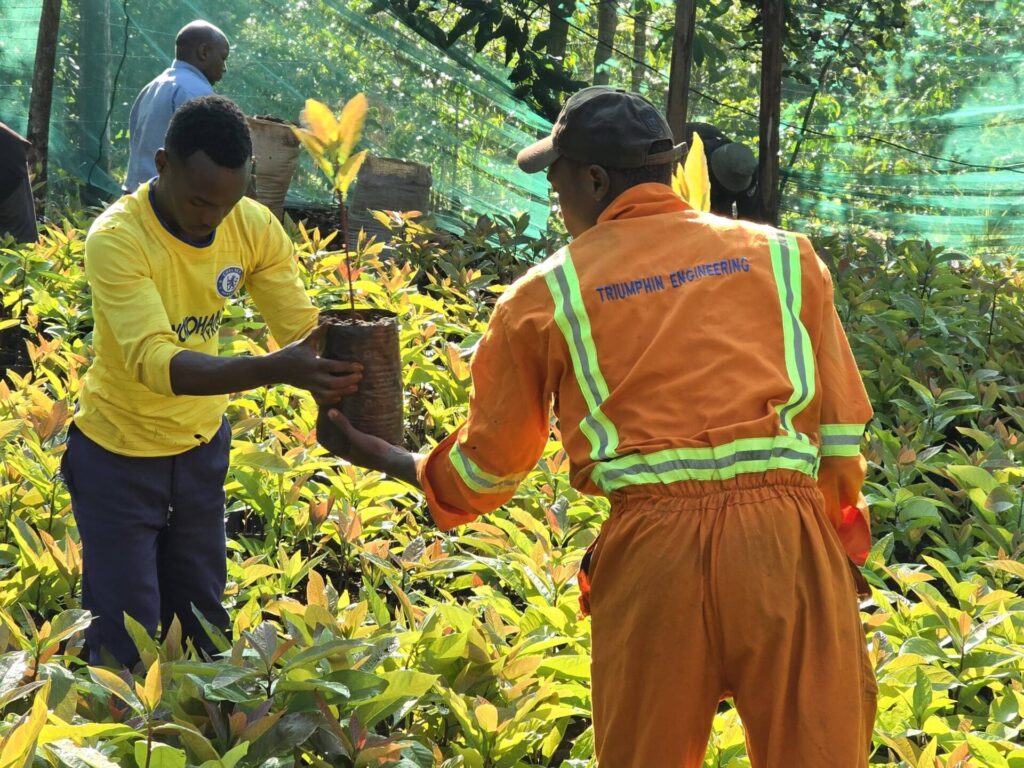
Certification represents a rigorous quality assurance process that validates avocado seedlings meet specific health and genetic standards. Licensed nurseries participate in certification programs administered by state agricultural departments to produce disease-free, true-to-type plants.
These certification programs require nurseries to:
- Maintain strict sanitation protocols
- Use pathogen-free growing media
- Implement regular testing procedures
- Keep detailed production records
- Submit to scheduled and random inspections
Licensed nurseries undergo frequent regulatory oversight from agricultural inspectors who:
- Verify compliance with certification standards
- Test plant material for diseases
- Monitor growing conditions
- Review documentation and record-keeping
- Ensure proper labeling practices
Purchasing certified stock provides significant advantages:
- Disease-free guarantee: Plants tested and verified free of known pathogens
- Genetic authenticity: Seedlings true to their labeled variety
- Traceable origin: Complete documentation of plant source and history
- Quality assurance: Plants grown under strict protocols
- Legal compliance: Meeting state agricultural regulations
The certification process creates a standardized system where growers can trust the health and authenticity of their planting material. State agricultural departments issue unique certification numbers to qualified nurseries, allowing buyers to verify the legitimacy of their stock through official databases.
How to Identify Certified Avocado Seedlings Before Planting
Identifying certified avocado seedlings requires careful attention to specific markers and documentation. Here’s what you need to look for when purchasing your seedlings:
Certification Labels
- Official Tags: Look for tamper-proof tags attached directly to each seedling or container
- Unique Identification Numbers: Each certified seedling should have a traceable identification code
- Date Stamps: Valid certification labels display inspection and certification dates
- Agency Seals: Official seals from recognized certification authorities must be present
Required Documentation
- Plant health certificates
- Inspection records
- Disease testing results
- Nursery license verification
- Variety authentication papers
Visual Verification Steps
- Check Label Authenticity
- Examine for watermarks
- Verify holographic elements
- Ensure all text is clear and legible
- Match Documentation
- Cross-reference seedling ID numbers with certificates
- Verify dates align across all documents
- Confirm nursery details match your supplier
Red Flags to Watch For
- Missing or damaged certification tags
- Incomplete documentation
- Inconsistent information between labels and paperwork
- Unofficial or photocopied certificates
- Expired certification dates
You can request additional verification from your supplier if documentation appears incomplete or unclear. Licensed nurseries maintain detailed records of their certification processes and should readily provide this information upon request.
The certification system creates a paper trail that allows you to trace your seedlings back to their source. This traceability helps ensure the authenticity of disease-free claims and supports quality control measures throughout the supply chain.
Confirm Nursery Practices for Disease Prevention
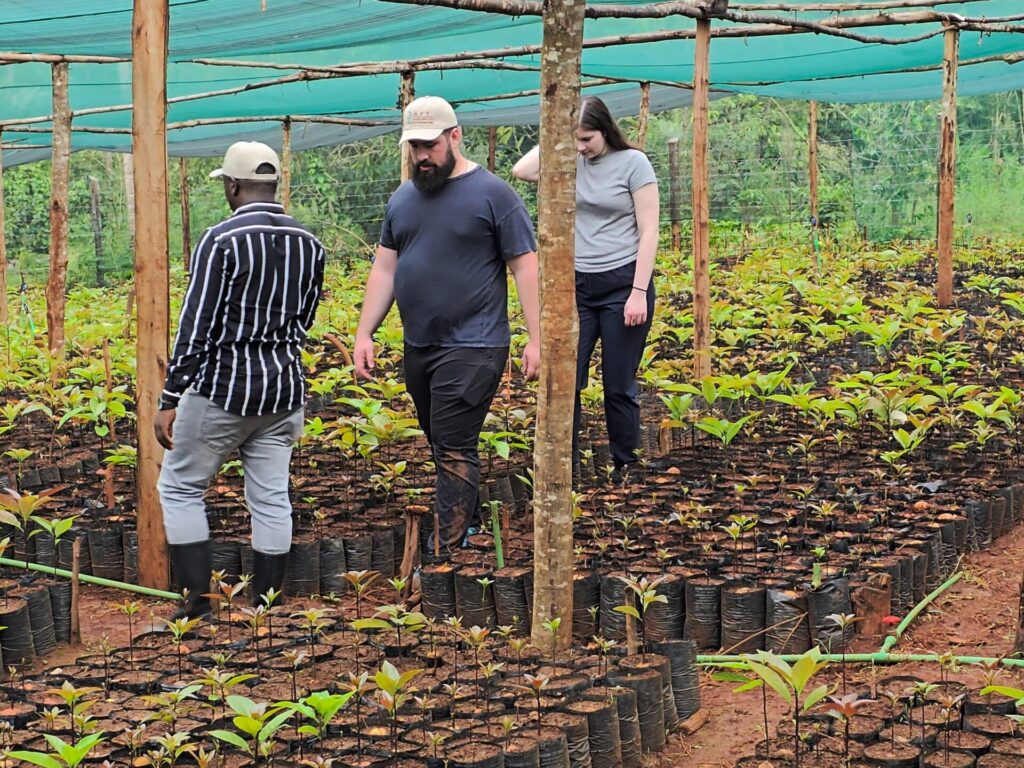
Licensed nurseries implement strict disease prevention protocols to maintain seedling health. You can identify quality nurseries by observing these key practices:
- Elevated growing benches: Keeping plants off the ground to prevent soil-borne pathogen contact
- Sterilized growing media: Using fresh, uncontaminated soil or substrate for each batch of seedlings
- Regular sanitization: Cleaning tools, equipment, and work surfaces on a consistent basis
- Protected growing areas: Ensuring proper ventilation and drainage systems in greenhouses or indoor spaces
- Isolation areas: Separating new plant materials from established crops until they are confirmed disease-free
Quality nurseries maintain detailed records of:
- Plant health monitoring schedules
- Disease testing results
- Treatment applications
- Source material tracking
- Staff training on sanitation protocols
Ask to see these records during your nursery visit. Professional operations will gladly share their disease prevention strategies and documentation. A nursery’s willingness to demonstrate their practices indicates their commitment to producing healthy, disease-free seedlings.
Watch for signs of active pest management like sticky traps, proper plant spacing, and clean work areas. These visual indicators reflect the nursery’s dedication to maintaining strict sanitation standards.
Inspecting Seedlings Physically Before Planting
Physical inspection serves as your first line of defense against diseased avocado seedlings. A thorough examination can reveal telltale signs of potential health issues before planting.
Healthy roots display these characteristics:
- White to light brown coloration
- Firm texture when gently squeezed
- Flexible structure without breaking
- Even distribution throughout the root ball
- Fresh growth tips with light coloring
Signs of diseased roots include:
- Black or dark brown discoloration
- Soft, mushy texture
- Brittle structure that breaks easily
- Sparse root development
- Foul odor
To perform a root inspection:
- Remove the seedling from its container
- Gently shake off excess soil
- Check root color and texture
- Test root flexibility
- Look for signs of new growth
Selecting Root Rot Resistant Cultivars
Root rot resistant cultivars provide additional protection against diseases like Phytophthora cinnamomi. These varieties demonstrate enhanced tolerance to soil-borne pathogens while maintaining high fruit quality.
Popular resistant cultivars include:
Dusa
- High resistance to root rot
- Excellent fruit quality
- Strong production rates
- Wide environmental adaptability
Latas
- Superior disease resistance
- Consistent yields
- Compact growth habit
- Good fruit size
Uzi
- Strong root system development
- Enhanced stress tolerance
- Reliable production
- Adaptable to various soil conditions
These cultivars combine disease resistance with commercial viability, making them ideal choices for new orchards. The initial investment in resistant varieties can significantly reduce long-term disease management costs and crop losses.
Regulatory Standards and Certification Authorities for Avocado Seedlings
State agricultural agencies maintain strict oversight of avocado nursery operations through comprehensive regulatory frameworks. The California Department of Food and Agriculture (CDFA) leads these efforts with its robust certification program, setting industry standards for disease-free avocado seedling production.
Requirements for Licensed Nurseries
Licensed nurseries must meet specific requirements:
- Annual facility inspections by CDFA officials
- Regular testing of plant material for pathogens, which can include diagnostic testing
- Documentation of all plant movement and sales
- Implementation of approved sanitation protocols
- Maintenance of detailed production records
CDFA Certification Process
The CDFA certification process includes:
- Initial Assessment: Complete evaluation of nursery facilities and practices
- Regular Monitoring: Scheduled and surprise inspections throughout the year
- Laboratory Testing: Scientific verification of plant health status
- Documentation Review: Examination of record-keeping compliance
These regulatory measures create multiple layers of protection for growers. State-licensed nurseries must demonstrate their ability to:
- Maintain sterile growing environments
- Implement quarantine procedures when necessary
- Use approved rootstock materials
- Follow prescribed pest management protocols
- Keep detailed records of plant origins and movements
State agencies work directly with research institutions to update regulations based on emerging threats and new scientific findings. This collaboration ensures certification standards remain current and effective in preventing disease spread through commercial avocado nursery stock.
Final Recommendations for Successfully Establishing a Disease-Free Avocado Orchard
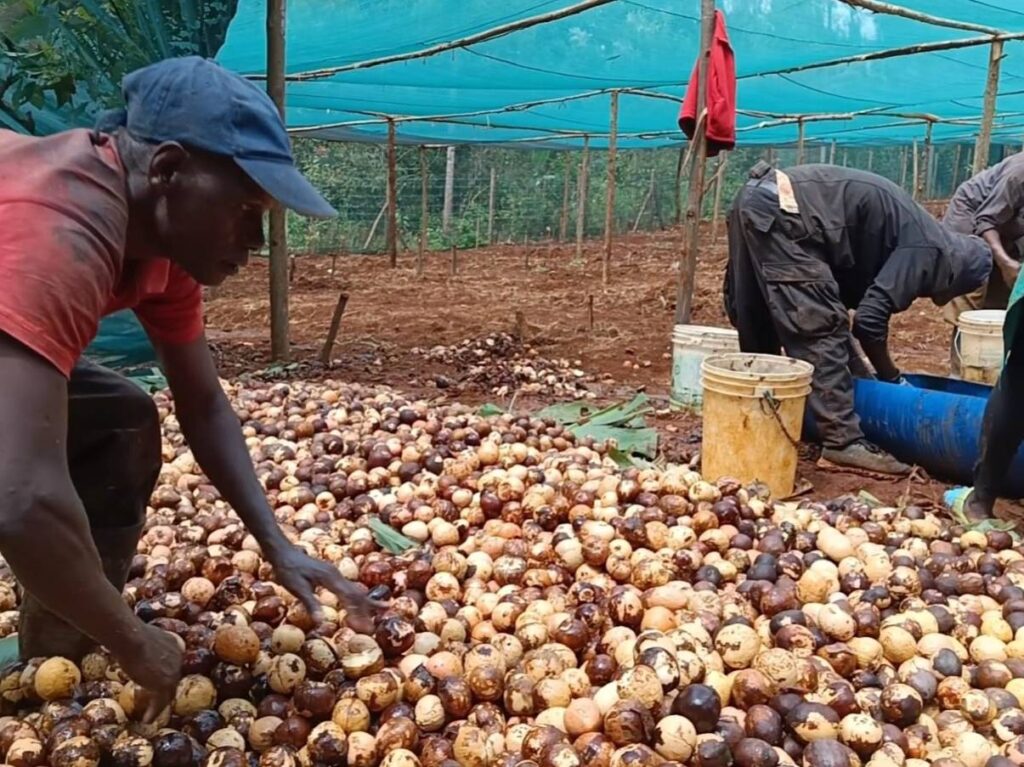
Starting with certified disease-free seedlings is just the first step. Your ongoing management practices determine the long-term health of your avocado orchard.
Essential Management Practices:
- Implement precise irrigation scheduling based on soil moisture monitoring
- Maintain soil moisture at optimal levels – moist but never waterlogged
- Create raised planting beds in areas with poor drainage
- Install drainage systems where needed to prevent water pooling
Soil Health Enhancement:
- Apply 4-6 inches of coarse organic mulch around trees, keeping it away from trunks
- Use materials like:
- Wood chips
- Bark pieces
- Coarse compost
- Straw
Benefits of Proper Mulching:
- Creates unfavorable conditions for Phytophthora cinnamomi
- Improves soil structure and water retention
- Adds organic matter as mulch breaks down
- Regulates soil temperature
- Suppresses weed growth
Monitoring Guidelines:
- Check soil moisture levels weekly using moisture meters
- Inspect tree health monthly for early disease signs
- Adjust irrigation based on seasonal changes
- Remove any standing water within 24 hours
- Keep detailed records of all management practices
Remember: A well-drained soil environment paired with proper irrigation management creates strong root systems resistant to disease. Your careful attention to these practices protects your investment in certified disease-free seedlings and supports healthy orchard development.
Final Recommendations for Successfully Establishing a Disease-Free Avocado Orchard
Your success in establishing a disease-free avocado orchard starts with a strategic approach to seedling selection. Here’s your essential checklist:
1. Source Verification
Partner with nurseries holding current certification licenses and maintaining transparent disease prevention protocols.
2. Documentation Review
Request detailed records of:
- Disease testing results
- Rootstock origin
- Treatment history
- Certification dates
3. Pre-Purchase Inspection
Examine root systems for firmness and color, check leaf quality and stem structure, look for signs of pest presence, and verify proper container drainage.
4. Transport Considerations
Use clean vehicles for seedling transport, protect plants from wind damage, maintain appropriate temperature control, and handle containers with care to prevent root damage.
These practices create a strong foundation for your avocado orchard’s long-term health and productivity.
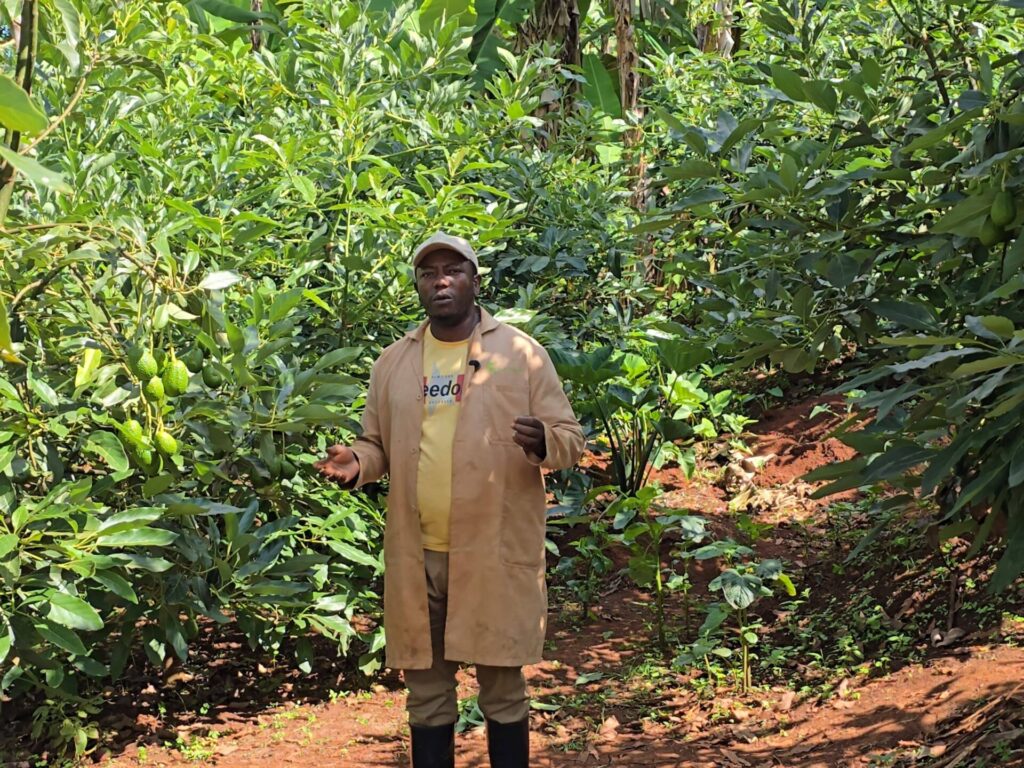
Are you ready to start avocado farming in Kenya?
Contact Royal Seedlings Company:
 Phone: +254 711315313
 Email: Julius.murega@royalseedlings.
com,  Website:www.royalseedlings.com
FAQs (Frequently Asked Questions)
What does it mean for avocado seedlings to be certified and disease-free?
Certified avocado seedlings are those that have undergone inspection and meet strict disease-free standards set by regulatory authorities, ensuring they are free from major threats like Phytophthora root rot. These seedlings come from licensed nurseries participating in certification programs, providing growers with healthy planting material to reduce risks of disease introduction.
Why is it important to plant certified and disease-free avocado seedlings?
Starting with certified and disease-free avocado seedlings is crucial because it minimizes the risk of introducing devastating diseases such as Phytophthora root rot into your orchard. Diseased or uncertified stock can lead to symptoms like yellowing leaves, wilted foliage, branch dieback, and reduced fruit production, ultimately impacting tree health and yield.
How can I identify certified avocado seedlings before planting?
To identify certified avocado seedlings, look for official certification labels or tags on the packaging, request verification documents proving inspection and disease-free status, and ensure you source your seedlings only from licensed nurseries that participate in recognized certification programs with regulatory oversight.
What physical signs should I inspect on avocado seedlings to ensure they are healthy?
Before planting, inspect the roots of avocado seedlings for signs of disease such as blackened or brittle roots which indicate root rot. Healthy roots appear firm and white. Selecting root rot-resistant cultivars like Dusa, Latas, or Uzi can further reduce disease risk in your orchard.
What role do regulatory standards and authorities play in avocado seedling certification?
Regulatory bodies such as the California Department of Food and Agriculture (CDFA) license nurseries and oversee certification programs to enforce state regulations for nursery stock. Their inspections and licensing requirements help protect growers by ensuring only disease-free, high-quality avocado seedlings enter the market.
What best practices should be followed after planting to maintain healthy avocado trees?
After planting certified seedlings, manage irrigation carefully to avoid excess soil moisture which favors pathogens like Phytophthora cinnamomi. Ensure well-drained soils, improve soil health by adding organic matter and applying coarse organic mulch beneath trees to suppress harmful pathogens while promoting optimal growth conditions.