


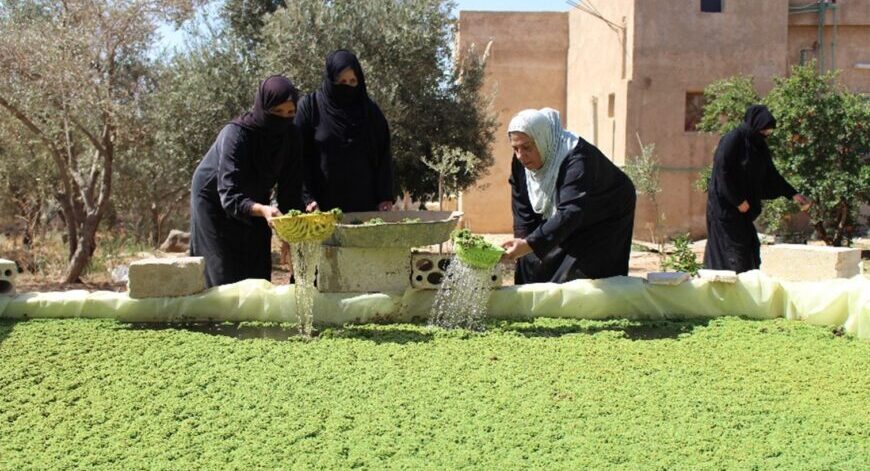
Azolla farming has emerged as a game-changing agricultural practice in Kenya, offering sustainable solutions for both livestock feed and crop production. This aquatic fern, thriving in Kenya’s tropical climate, represents a powerful resource for farmers seeking cost-effective alternatives to traditional farming methods.
The significance of Azolla cultivation lies in its remarkable versatility and rapid growth rate. A single plant can double its biomass within 2-5 days, creating a sustainable source of:
- High-protein livestock feed supplement
- Natural bio-fertilizer
- Environmental purification agent
- Mosquito control solution
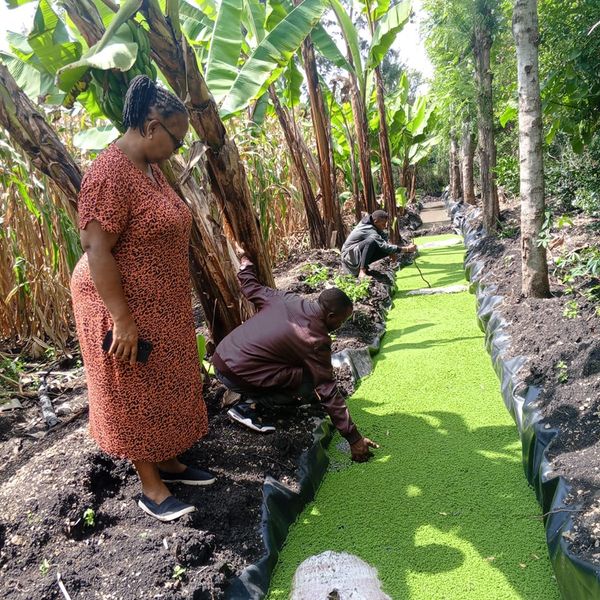
Kenyan farmers have discovered multiple benefits from integrating Azolla into their farming systems:
- Cost Reduction: Decreased dependence on expensive commercial feeds
- Enhanced Soil Fertility: Natural nitrogen fixation for improved crop yields
- Environmental Protection: Reduced chemical fertilizer usage
- Additional Income: Potential revenue from selling Azolla products
This complete guide will walk you through the essential aspects of Azolla farming in Kenya, from setup to harvest, helping you maximize the potential of this remarkable plant in your agricultural endeavors.
To further enhance your farming practices, consider exploring training opportunities for aspiring commercial fruit growers which could provide valuable insights into modern agricultural techniques. Additionally, if you’re facing challenges with pest infestations in your young orchards, this guide on preventing pest infestations naturally may prove beneficial.
While setting up your Azolla farm, it’s crucial to choose the right nursery. Understanding what makes a good nursery and the key qualities Kenyan farmers should look for can significantly impact your success. Lastly, make sure to follow a seasonal planting calendar for fruit seedlings in Central Kenya to optimize your crop yield.
Understanding Azolla Farming
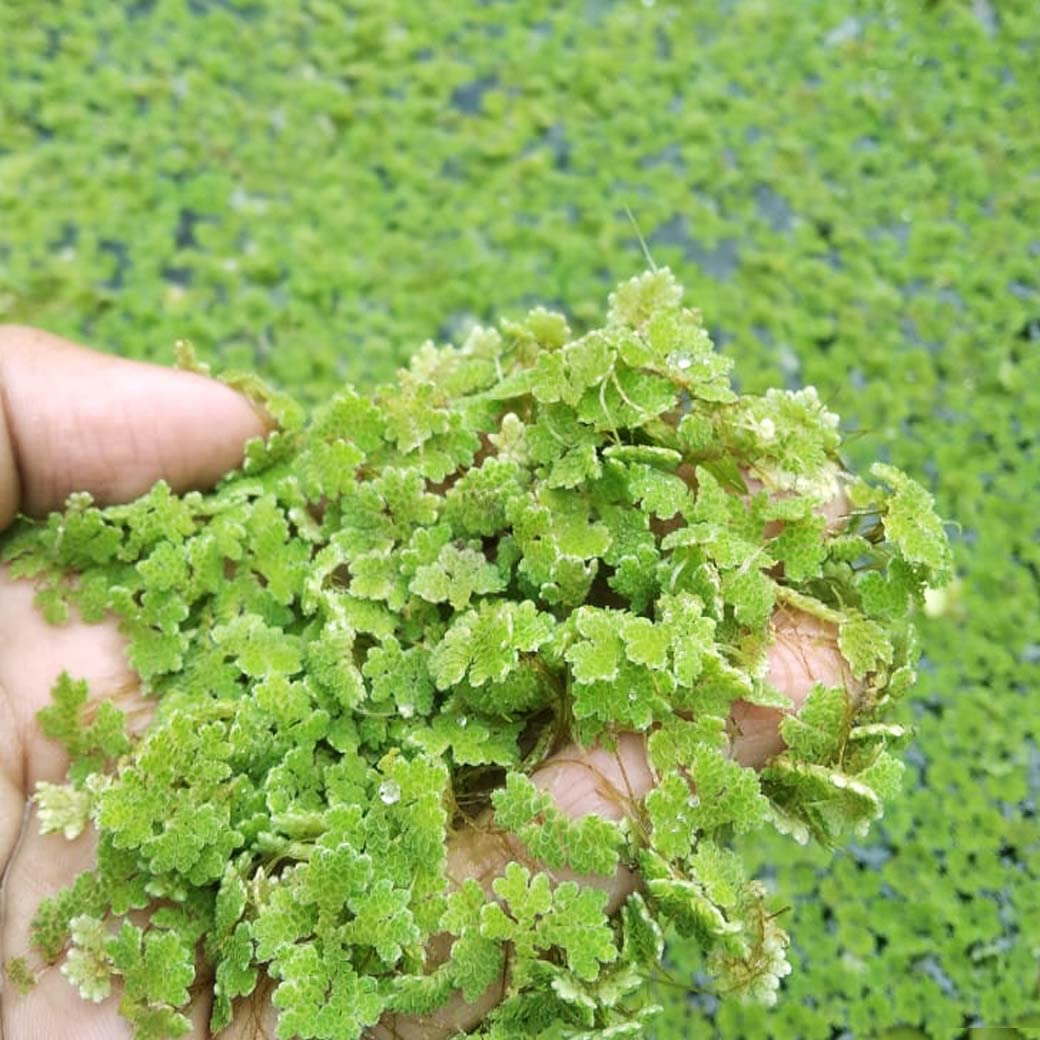
Azolla is a unique aquatic fern that floats freely on water surfaces, characterized by its small, overlapping leaves and distinctive red or green coloration. This remarkable plant belongs to the family Azollaceae and features a symbiotic relationship with the blue-green algae Anabaena azollae, enabling natural nitrogen fixation.
Native Habitat
Azolla thrives in tropical and subtropical regions, where it can be found naturally in wetlands, ponds, and rice paddies. It adapts well to still or slow-moving water bodies and prefers shaded to partially shaded environments.
Growing Conditions
To cultivate Azolla successfully, specific growing conditions need to be met:
- Water depth should range from 10 to 20 centimeters.
- The temperature should ideally be between 20 and 30 degrees Celsius.
- Azolla can tolerate a pH level between 4.3 and 7.0.
- Optimal humidity levels for growth are between 65% and 85%.
Agricultural Applications
Azolla has various agricultural applications that make it beneficial for farmers:
- Livestock Feed: It serves as a rich protein source for poultry, fish, and pigs.
- Bio-fertilizer: Azolla naturally enriches crops with nitrogen.
- Green Manure: It acts as a soil amendment to improve fertility.
- Rice Cultivation: Azolla can be used as a companion plant to enhance rice yields.
- Water Treatment: It provides natural purification for agricultural ponds.
The rapid growth rate of Azolla makes it particularly valuable for sustainable farming practices. Under ideal conditions, this aquatic fern can double its biomass within 2-5 days, providing a continuous supply of nutrient-rich organic matter for various agricultural applications.
In addition to Azolla farming, understanding the benefits of grafted fruit seedlings can also enhance agricultural productivity. For instance, starting an avocado orchard in Kenya could be a lucrative venture. However, it’s essential to know the frequently asked questions about avocado seedling purchases online and follow some essential tips for caring for newly planted avocado seedlings.
Moreover, it’s worth noting how organizations like Royal Seedlings are making strides in supporting women and youth in agribusiness, which is crucial for fostering inclusive growth in the agricultural sector.
Cultivation Requirements
Successful Azolla farming demands specific environmental conditions for optimal growth. You’ll need to maintain precise temperature and pH levels to achieve maximum yield.
Temperature Requirements:
- Optimal range: 20-30°C (68-86°F)
- Growth slows below 15°C
- Plant damage occurs above 35°C
pH Requirements:
- Ideal pH range: 4.3-7.0
- Best growth observed at pH 5.5
- Regular pH monitoring essential
Water Conditions:
- Water depth: 10-20 cm
- Still or slow-moving water
- Clear water free from debris
- Partial shade (25-50% sunlight)
The plant thrives in shallow water bodies with minimal water movement. Your cultivation area should receive filtered sunlight, as direct exposure can damage the delicate fronds. A light shade net can help regulate sunlight intensity.
Water quality plays a crucial role in Azolla growth. The water should be clean, free from chemical contamination, and maintained at a consistent depth. Regular testing helps maintain optimal growing conditions and prevents potential issues before they affect your crop.
These specific requirements create the foundation for healthy Azolla growth. When you maintain these conditions consistently, your Azolla culture can double its biomass every 2-5 days.
In addition to these factors, understanding soil requirements is crucial if you’re considering integrating Azolla farming with fruit tree cultivation. For instance, if you’re planning to buy avocado seedlings online, it’s essential to follow best practices for smallholder farmers when buying avocado seedlings online.
Moreover, the knowledge of identifying and preventing common avocado seedling diseases can be beneficial in ensuring the health of your plants.
If you’re interested in expanding your agricultural ventures into export markets, particularly with Hass avocado exports, understanding how Kenyan farmers can profit from Hass avocado exports in 2025 could provide valuable insights.
Lastly, if you’re considering diversifying into apple farming, you might want to explore the options between local and imported apple varieties for Kenyan climates.
It’s also essential to recognize that various environmental factors affecting plant growth play a significant role in successful Azolla farming.
Pond Preparation for Azolla Cultivation
Creating the right pond environment is crucial for successful Azolla farming. Here’s how to set up your cultivation pond:
Pond Construction Basics:
- Dig a rectangular pond 10-20 cm deep
- Level the bottom surface carefully
- Remove stones, roots, and debris
- Create slight slopes on all sides for water management
Plastic Lining Installation:
- Use heavy-duty black polyethylene sheets (500-gauge thickness)
- Extend the liner 30 cm beyond pond edges
- Secure edges with soil to prevent water seepage
- Avoid sharp objects that could puncture the liner
Benefits of Proper Lining:
- Prevents water loss through seepage
- Maintains consistent water levels
- Protects against soil contamination
- Enables better nutrient control
- Extends pond lifespan
Additional Preparation Steps:
- Install inlet and outlet pipes for water management
- Create a shade structure using nets (40% shade recommended)
- Build protective barriers against strong winds
- Add fertile soil mixed with organic matter as base layer
The plastic lining acts as a protective barrier between soil and water, creating an ideal environment for Azolla growth. A well-prepared pond reduces maintenance needs and supports healthy plant multiplication rates.

Nutrient Needs and Maintenance in Azolla Farming Ponds
Creating the right nutrient mix is essential for successful Azolla cultivation. Your pond needs a fertile base layer combining:
- 2 parts fertile topsoil
- 1 part well-decomposed cow dung
- 1 part aged compost
Mix these components thoroughly and spread a 2-3 cm layer across the pond bottom. This nutrient-rich foundation provides essential phosphorus, potassium, and micronutrients that Azolla needs to thrive.
Weekly Maintenance Requirements:
- Add fresh cow dung slurry (1kg per 10 square meters)
- Monitor phosphorus levels through visual inspection of plant color
- Remove any yellowing or dead plant material
- Maintain water depth at 10-15 cm
For maintaining a healthy pond environment, it’s crucial to follow some guidelines that can help ensure optimal conditions for your Azolla farming.
Signs of Nutrient Deficiency:
- Reddish-brown fronds indicate phosphorus deficiency
- Yellowing leaves suggest iron deficiency
- Stunted growth points to general nutrient shortage
The beauty of Azolla lies in its ability to fix atmospheric nitrogen, eliminating the need for nitrogen fertilizers. This natural process enriches your pond water and creates a self-sustaining ecosystem. Your main focus should be maintaining adequate phosphorus levels through regular organic matter additions.
Remember to avoid chemical fertilizers – they can harm the delicate balance of your Azolla ecosystem and reduce its nitrogen-fixing capabilities.
For optimal results, you might want to consider some expert advice on preparing your land before receiving seedlings delivery. This could provide additional insights into creating the ideal conditions for your Azolla farming.
Inoculation Process in Establishing an Azolla Pond Culture
The inoculation process marks a critical phase in establishing your Azolla pond culture. To ensure successful cultivation, you’ll need to source healthy Azolla plants from reliable suppliers or established farms. This is similar to the role of tissue culture in banana seedling production, where obtaining healthy plant material is crucial.
Recommended Inoculation Steps:
- Select fresh, green Azolla plants free from yellowing or browning
- Use 500g to 1kg of Azolla per square meter of pond surface
- Distribute the plants evenly across the pond surface
- Maintain water depth at 10-15cm during initial establishment
Signs of Successful Inoculation:
- Bright green coloration of plants
- Rapid multiplication within 3-5 days
- Even distribution across water surface
- No sinking or deteriorating plants
The initial growth phase requires careful monitoring of water temperature (20-30°C) and pH levels (4.3-7). You can protect young Azolla cultures from strong winds and excessive sunlight using shade nets during the first week of establishment.
Common Inoculation Mistakes to Avoid:
- Using damaged or diseased starter culture
- Overcrowding the pond during initial setup
- Introducing Azolla during extreme weather conditions
- Adding new plants to stagnant or contaminated water
A successful inoculation process leads to rapid colonization, with the Azolla doubling its biomass every 2-5 days under optimal conditions. The pond surface should achieve 70-80% coverage within two weeks of proper inoculation.
Harvesting Techniques and Water Quality Management in Azolla Farming Ponds
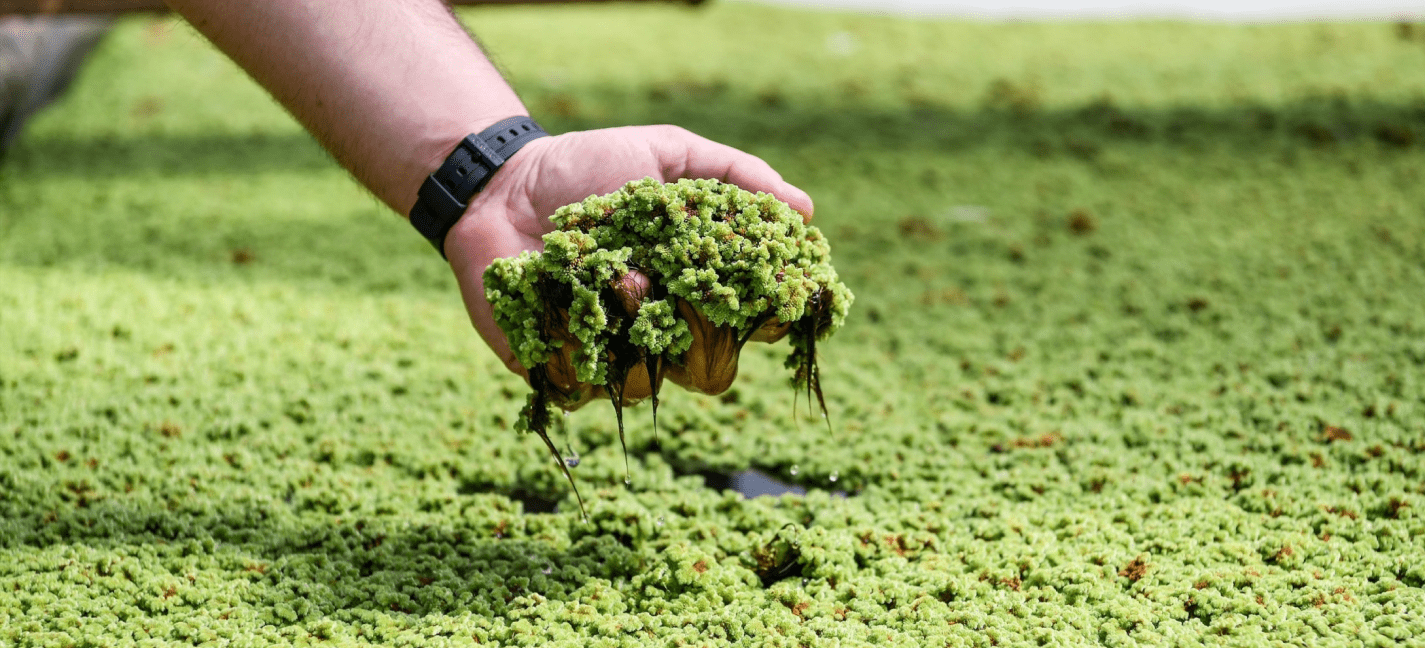
Successful Azolla farming requires precise harvesting techniques and consistent water quality management. You’ll achieve optimal yields by harvesting when the Azolla covers 70-80% of your pond surface, typically every 10-14 days.
Essential Harvesting Tools:
- Fine-mesh nets
- Clean collection baskets
- Bamboo poles
- Storage containers
Harvesting Steps:
- Skim the surface using fine-mesh nets
- Leave 25-30% of mature plants for regeneration
- Remove any yellowing or dead plants
- Store harvested Azolla in clean containers
Water Quality Management:
- Maintain water depth at 10-20 cm
- Replace 20% of pond water weekly
- Monitor pH levels (4.3-7.0)
- Remove debris and fallen leaves daily
The harvested Azolla yields approximately 2-3 kg/m² of fresh biomass. Fresh harvests can be used immediately for livestock feed, while excess can be dried and stored. Regular monitoring of water parameters ensures healthy growth cycles and prevents contamination.
Signs of Poor Water Quality:
- Yellowing of fronds
- Slow growth rate
- Presence of algae
- Foul odor
Implementing these harvesting techniques and water management practices creates optimal conditions for continuous Azolla production throughout the growing season.
However, it’s important to note that the principles of successful farming extend beyond Azolla cultivation. For instance, in Murang’a, specific techniques are employed to ensure quality Hass avocado seedling production, which significantly impacts smallholder incomes as discussed in this article.
Moreover, understanding [the science behind grafting](https://royalseedlings.com/the-science-behind-grafting-how-it-improves-crop-yield-and-quality) can further enhance crop yield and quality not just in avocado farming but across various types of fruit tree cultivation, where [proper spacing during planting](https://royalseedlings.com/the-importance-of-proper-spacing-when-planting-fruit-trees) also plays a crucial role.
It’s also essential to consider the broader environmental impact of farming practices, particularly regarding nutrient pollution from agricultural sources. This is a significant issue that requires attention and understanding of its sources and solutions. By implementing sustainable practices, we can mitigate these effects while still achieving our agricultural goals.

Utilization of Azolla: Livestock Feed Supplement and Organic Fertilizer Application
Azolla serves as a versatile resource in Kenyan agriculture, offering dual benefits as livestock feed and organic fertilizer.
As Livestock Feed:
- Fresh Azolla contains 25-30% protein, making it an excellent feed supplement
- Replace up to 20% of conventional feed costs for poultry operations
- Mix dried Azolla with regular feed at a 15:85 ratio for optimal pig nutrition
- Add fresh Azolla directly to fish ponds to support aquaculture growth
Feeding Guidelines:
- Poultry: 10-15% of daily feed ration
- Pigs: 5-10% of total feed mixture
- Fish: Direct pond application at 200g/m²
Organic Fertilizer Applications:
- Direct soil application: Spread fresh Azolla at 10 tons/hectare
- Composting method: Layer Azolla with crop residues at 3:1 ratio
- Green manure: Incorporate into paddy fields before rice transplanting
- Liquid fertilizer: Ferment Azolla with water (1:10 ratio) for 15 days
The nitrogen-fixing capabilities of Azolla enhance soil fertility naturally. Field studies show crop yield increases of 15-25% when using Azolla as fertilizer. Farmers report significant improvements in soil structure and water retention after regular Azolla applications.
For maximum benefits, combine both feed and fertilizer applications in your farming system. Fresh Azolla maintains higher nutritional value for livestock feeding, while partially decomposed material works best for soil enhancement. Moreover, innovative techniques such as valorizing Azolla pond weed using sonication can further enhance its usability in both livestock feeding and organic fertilization.
Additional Benefits and Applications of Azolla Farming
Azolla’s environmental impact extends far beyond its role as feed and fertilizer. This remarkable aquatic fern serves as a natural mosquito control agent by creating dense floating mats on water surfaces. These mats prevent mosquito larvae from accessing oxygen, disrupting their breeding cycle and reducing mosquito populations in farming areas.
The plant’s bioremediation capabilities make it a powerful tool for water purification:
- Heavy Metal Absorption: Azolla effectively removes toxic metals like lead, copper, and zinc from contaminated water bodies
- Nutrient Filtration: The plant absorbs excess nutrients, reducing water pollution and preventing algal blooms
- Organic Matter Decomposition: Azolla helps break down organic pollutants, improving water quality
Research shows Azolla can reduce mosquito larvae populations by up to 90% in treated water bodies. The plant’s rapid growth creates a natural barrier that:
- Blocks sunlight penetration
- Reduces water temperature
- Limits mosquito egg-laying sites
- Creates unfavorable conditions for larvae development
These mosquito control benefits are particularly valuable in rural Kenyan communities where malaria remains a significant health concern. The plant’s water purification abilities also support sustainable water management practices, making it an essential tool for environmental conservation efforts in agricultural settings.
Economic Viability, Cost-effectiveness, and Environmental Conservation in Azolla Farming Practice
Azolla farming stands out as a game-changing agricultural practice for Kenyan farmers, offering substantial economic benefits while promoting environmental sustainability.
Cost Savings:
- Reduced fertilizer expenses by up to 50% through natural nitrogen fixation
- Lower livestock feed costs – Azolla can replace 20% of conventional feed
- Minimal infrastructure requirements – simple pond setup with basic materials
- Low maintenance costs – natural reproduction eliminates recurring seed purchases
Environmental Impact:
- Zero chemical fertilizer pollution
- Enhanced soil fertility through organic matter enrichment
- Reduced greenhouse gas emissions from chemical fertilizer production
- Water conservation through efficient pond systems
The economic advantages extend beyond direct cost savings. Farmers can generate additional income by:
- Selling excess Azolla biomass to other farmers
- Marketing Azolla-based organic fertilizers
- Providing starter cultures to new Azolla farmers
- Reducing veterinary costs through improved livestock health
Small-scale farmers in Kenya report a 30-40% reduction in overall farming costs after implementing Azolla cultivation. This sustainable farming approach creates a positive cycle of environmental conservation and economic growth, making it an attractive option for both new and experienced farmers looking to maximize their agricultural returns while minimizing their environmental footprint.
In addition to Azolla farming, other agricultural practices like avocado farming and pomegranate farming are also gaining traction among Kenyan farmers. However, it’s essential to avoid common pitfalls in these ventures. For instance, understanding the mistakes to avoid in avocado farming can significantly enhance the chances of success. Moreover, beginners venturing into pixie orange farming should equip themselves with comprehensive knowledge to ensure a fruitful harvest.
Do you want to start Azolla farming in Kenya?
Contact Royal Seedlings:
 Phone: +254 711315313
- Email: Julius.murega@royalseedlings.
com, - Website:www.royalseedlings.com
 Phone: +254 711315313
 Email:
  Website:
FAQs (Frequently Asked Questions)
What is Azolla farming and why is it important in Kenya?
Azolla farming involves cultivating the aquatic fern Azolla, which thrives in tropical regions like Kenya. It is important due to its benefits such as providing a high-protein livestock feed supplement, serving as an organic fertilizer, and contributing to environmental conservation.
What are the ideal conditions for cultivating Azolla in Kenya?
Azolla requires warm environments with ideal temperatures and a specific pH range for optimal growth. It grows best in shallow ponds with plastic lining, fertile soil mixed with cow dung, and clean water conditions that support its development.
How do I prepare a pond for Azolla cultivation?
To prepare a pond for Azolla farming, set up shallow ponds lined with plastic to maintain pond health. Incorporate fertile soil mixed with organic matter like cow dung to provide essential nutrients, ensuring a conducive environment for Azolla growth.
What is the inoculation process for establishing an Azolla pond culture?
Inoculation involves introducing a healthy Azolla culture into a well-prepared pond. This step is crucial to establish a thriving Azolla population that will grow effectively under the right environmental and nutrient conditions.
How can Azolla be utilized in farming practices?
Azolla serves as a high-protein feed supplement for livestock such as poultry, pigs, and fish. Additionally, it acts as an organic fertilizer to enhance crop productivity and plays a role in controlling mosquito breeding through its bioremediation potential.
Is Azolla farming cost-effective and environmentally friendly?
Yes, Azolla farming is a low-cost practice that reduces reliance on chemical fertilizers, making it economically viable. It also supports environmental conservation by promoting sustainable agriculture and aiding in water purification efforts.