


Bamboo farming is a game-changer in Kenya’s agricultural scene. This fast-growing grass has caught the attention of farmers, investors, and environmental enthusiasts, offering promising profits while also being eco-friendly.

This guide will provide you with the necessary information to start and manage a successful bamboo farm in Kenya. Here’s what you’ll learn:
- Choosing the Right Bamboo Varieties: Discovering which bamboo types are most profitable for your area
- Effective Growing Techniques: Learning how to cultivate bamboo for maximum harvest
- Understanding Costs and Profits: Getting a clear picture of what it takes to start and run a bamboo business
- Implementing Sustainable Practices: Adopting environmentally-friendly farming methods
- Exploring Market Opportunities: Finding out different ways to make money from bamboo products
Bamboo farming is a great opportunity whether you’re an experienced farmer looking to expand or new to agriculture. With the right knowledge and execution, you can tap into Kenya’s projected $10 billion bamboo industry while also helping the environment through soil conservation and carbon sequestration.
If you’re interested in other agricultural ventures besides bamboo, you might want to check out pixie orange farming, which is another profitable option. If you’re already into avocado farming, it’s important to know about common avocado seedling diseases and how to prevent them for better yields.
The Potential of Bamboo Farming in Kenya
Bamboo’s remarkable growth rate sets it apart from traditional crops in Kenya. A bamboo plant reaches maturity in just 3-5 years, with continuous harvesting possible for decades without replanting. This rapid growth translates into quick returns for farmers, making it an attractive agricultural investment.
The Kenya Forestry Research Institute (KEFRI) projects the bamboo industry’s potential to generate $10 billion in annual revenue. This substantial economic opportunity stems from bamboo’s diverse applications:
- Construction materials
- Furniture manufacturing
- Textile production
- Bioenergy generation
- Paper products
- Craft items
The bamboo sector creates employment across multiple stages:
- Farming and cultivation
- Harvesting operations
- Processing facilities
- Manufacturing units
- Distribution networks
- Retail operations
Beyond economic benefits, bamboo farming delivers significant environmental advantages. A single hectare of bamboo absorbs up to 400 tons of CO2, making it a powerful tool in climate change mitigation. The plant’s extensive root system:
- Prevents soil erosion
- Enhances soil fertility
- Improves water retention
- Supports local biodiversity
- Reduces agricultural runoff
The social impact of bamboo farming extends deep into Kenyan communities. Small-scale farmers can start bamboo cultivation with minimal initial investment. Women particularly benefit through:
- Craft-making enterprises
- Value-added product development
- Local cooperative participation
- Small business opportunities
Furthermore, the knowledge gained from training opportunities for aspiring commercial fruit growers could be beneficial for those looking to diversify their farming practices beyond bamboo.
Additionally, there’s a growing interest in grafted fruit seedlings which can complement bamboo farming by providing high-yield fruit trees that can coexist with bamboo plantations.
As the bamboo industry’s growth potential creates a ripple effect of economic empowerment, environmental preservation, and community development across Kenya’s agricultural landscape, it’s also worth noting that other sectors such as Hass avocado exports and pomegranate farming are also showing promising opportunities for Kenyan farmers.

Ideal Growing Conditions for Bamboo in Kenya
Successful bamboo cultivation in Kenya requires specific environmental conditions to achieve optimal growth and yield. The climate requirements vary slightly among different bamboo species, but certain fundamental conditions remain consistent.
Temperature Requirements
- Optimal growth occurs between 15-35°C
- Night temperatures should not drop below 10°C
- Frost-sensitive during early growth stages
Rainfall and Water Needs
- Annual rainfall: 1,000-2,000mm
- Even distribution throughout the year
- Supplementary irrigation needed during dry spells
- Good drainage essential to prevent waterlogging
Soil Characteristics
- Well-draining loamy soils
- pH range: 5.5 to 6.5
- Rich in organic matter
- Deep soil profile (minimum 1 meter)
Altitude Considerations
- Sea level to 2,200 meters
- Lower altitudes: Bambusa vulgaris thrives
- Mid-range: Dendrocalamus species perform well
- Higher elevations: Giant bamboo shows best results
Site Selection Tips
- Choose locations with natural windbreaks
- Avoid waterlogged areas
- Ensure adequate sunlight exposure
- Consider proximity to water sources for irrigation
These growing conditions align perfectly with many agricultural regions across Kenya, from coastal areas to highland zones. The adaptability of different bamboo species allows farmers to select varieties best suited to their specific local conditions. Interestingly, the principles of site selection and soil characteristics can also be applied to other forms of agriculture in Kenya, such as raspberry and blackberry cultivation, demonstrating the versatility and adaptability of Kenyan farming practices.
Main Types of Bamboo Grown
Starting Your Bamboo Farm: Step-by-Step Guide
Starting a bamboo farm requires careful planning and precise execution. Here’s your practical guide to establish a thriving bamboo plantation:
1. Land Preparation
- Clear existing vegetation and remove rocks, roots, and debris
- Test soil pH levels (aim for 5.5-6.5)
- Till the soil to a depth of 30-40cm
- Add organic matter to improve soil structure
- Level the ground to prevent waterlogging
For those also considering diversifying their farming ventures, you might find our step-by-step guide to starting an avocado orchard in Kenya helpful.
2. Plot Layout and Design
- Mark planting points using a 5×5 meter grid system
- Create access paths between bamboo blocks
- Design water channels for proper drainage
- Install windbreaks if needed
3. Planting Process
- Dig holes 45cm x 45cm x 45cm
- Mix topsoil with organic manure (2:1 ratio)
- Plant seedlings at the same depth they were in nursery pots
- Water immediately after planting
4. Initial Care
- Mulch around plants using dry grass or leaves
- Install supports for young plants if needed
- Water twice daily for the first month
- Reduce watering frequency as plants establish
If you’re venturing into avocado farming as well, here are some essential tips for caring for newly planted avocado seedlings.
5. Protection Measures
- Install fencing to protect from livestock
- Create firebreaks around the plantation
- Set up shade structures for sensitive young plants
- Monitor for pest activity
Your bamboo plants need consistent care during the first year. Maintain a weed-free zone around each plant and ensure adequate water supply, particularly during dry spells. A well-established bamboo farm starts producing harvestable culms within 3-5 years.
If you’re also interested in understanding the specific soil requirements for different fruit trees in Kenya, we have detailed resources available on that topic as well.
Financial Aspects of Bamboo Farming in Kenya
Starting a bamboo farm in Kenya requires careful financial planning. The initial investment ranges from $2,500 to $3,500 per acre, broken down into these key components:
1. Land Preparation Costs
- Soil testing: $50-100
- Land clearing: $200-300
- Tilling and leveling: $150-250
- Drainage system setup: $300-400
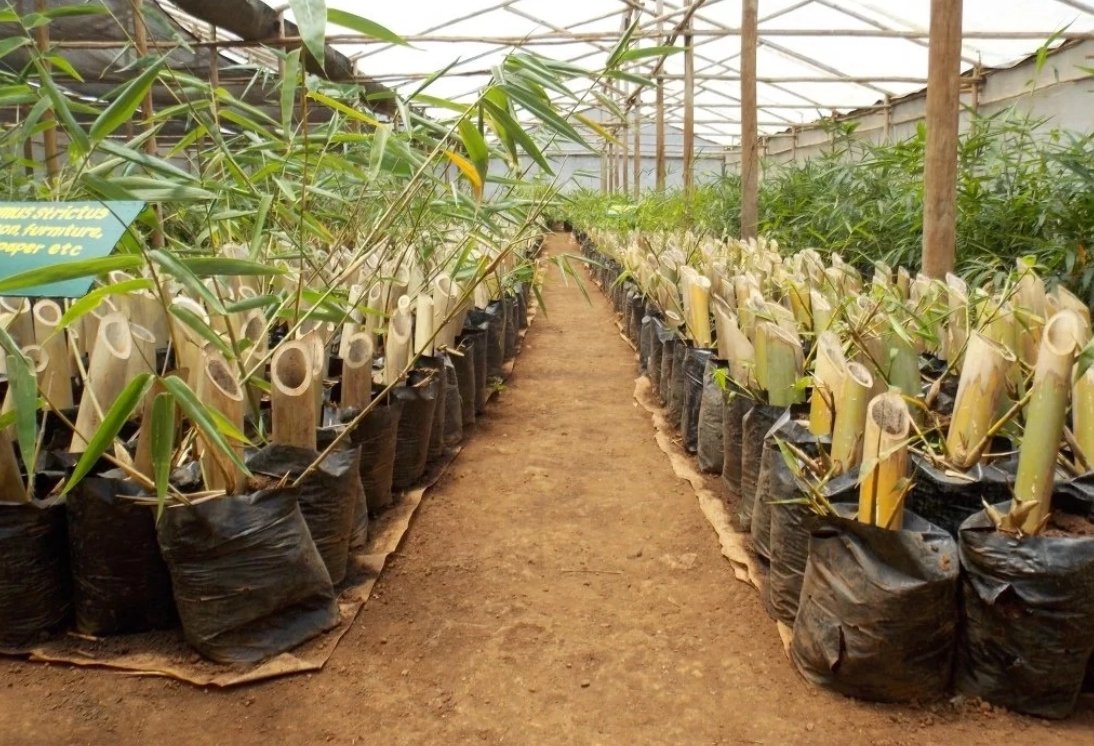
2. Planting Materials
- Quality seedlings: $800-1,000 (200 seedlings per acre)
- Organic fertilizers: $200-300
- Mulching materials: $100-150
It’s worth noting that the process of sourcing quality seedlings is crucial not only in bamboo farming but also in other agricultural ventures such as avocado farming in Kenya.
3. Irrigation System
- Drip irrigation equipment: $600-800
- Installation labor: $200-300
- Water storage facilities: $300-400
4. Expected Returns
- First harvest: 3-5 years after planting
- Yield potential: 10-20 tons per acre annually
- Raw pole prices: $5-8 per piece
- Annual revenue potential: $2,000-3,000 per acre
The beauty of bamboo farming lies in its low maintenance costs after establishment. A mature bamboo plantation requires minimal replanting due to its self-regenerating nature. Labor costs decrease significantly after the first year, focusing mainly on harvesting and basic maintenance activities.
Your investment generates multiple income streams through diverse bamboo products:
- Construction materials
- Furniture making
- Craft items
- Textile production
- Charcoal briquettes
Moreover, the skills acquired during training for other agricultural practices, like avoiding common avocado farming mistakes, can also be beneficial in managing a bamboo farm.
Additionally, understanding the seasonal planting calendar for fruit seedlings can provide valuable insights into the best times for planting and harvesting in any agribusiness venture.
For instance, resources such as the Home Vegetable Gardening – A Quick Reference Guide can offer essential tips that are applicable across various types of farming.
Lastly, it’s encouraging to note that initiatives like those by Royal Seedlings are actively supporting women and youth in agribusiness, paving the way for a more inclusive agricultural sector in Kenya.

Sustainable Practices in Bamboo Farming
Sustainable bamboo farming practices in Kenya blend traditional agricultural wisdom with modern eco-friendly techniques. The implementation of these methods creates a harmonious balance between profitable farming and environmental conservation.
Organic Cultivation Methods:
- Natural composting using locally available materials like crop residues and animal manure
- Green manuring with nitrogen-fixing cover crops
- Mulching with bamboo leaves to retain soil moisture
- Intercropping with legumes to enhance soil fertility
Natural Pest Management:
- Neem-based solutions for pest control
- Beneficial insects introduction
- Strategic planting of companion plants
- Regular monitoring and early detection systems
Water Conservation Techniques:
- Drip irrigation systems for efficient water use
- Rainwater harvesting structures
- Soil moisture conservation through mulching
- Proper drainage systems to prevent waterlogging
Soil Health Management:
- Regular soil testing and pH monitoring
- Application of organic soil amendments
- Minimal soil disturbance practices
- Erosion control through contour planting
These sustainable practices have shown significant benefits in Kenyan bamboo farms, including reduced production costs, improved soil fertility, and enhanced crop resilience. Farmers report stronger plant growth and better quality bamboo culms when following these organic cultivation methods.
The adoption of these eco-friendly practices positions Kenyan bamboo farmers to access premium markets where sustainably produced bamboo products command higher prices. These methods also align with global certification standards, opening doors to international organic bamboo markets.
Future Outlook and Innovations in Bamboo Farming
Technological advancements are reshaping Kenya’s bamboo farming landscape. Leading these innovations is tissue culture technology, which enables the rapid production of disease-resistant bamboo varieties. This breakthrough allows farmers to cultivate stronger plants with enhanced growth rates and improved resistance to common bamboo diseases.
Cutting-Edge Developments Explored by Research Institutions in Kenya
Research institutions in Kenya are exploring several cutting-edge developments:
- Smart Irrigation Systems: IoT-enabled sensors monitor soil moisture levels and automate watering schedules
- Mobile Applications: Digital tools help farmers track growth patterns and manage harvesting schedules
- Genetic Research: Studies focus on developing bamboo varieties adapted to Kenya’s diverse climatic zones
- Processing Technologies: New machinery for efficient bamboo processing into value-added products
The Role of Artificial Intelligence in Bamboo Farming
The integration of artificial intelligence in bamboo farming brings precision agriculture techniques:
- Drone surveillance for pest detection
- Growth pattern analysis through machine learning
- Yield prediction models
- Climate adaptation strategies
Collaborative Efforts for Sustainable Bamboo Development
Local research centers are partnering with international institutions to develop:
- Advanced propagation methods
- Disease-resistant cultivars
- Improved harvesting techniques
- Sustainable processing solutions
These technological innovations position Kenya’s bamboo industry for significant growth, creating opportunities for both small-scale and commercial farmers. The adoption of these modern farming practices strengthens the sector’s resilience and productivity. Moreover, the rise of e-commerce in agriculture presents an additional avenue for farmers to market their products directly to consumers, further enhancing profitability.
Conclusion
Bamboo farming in Kenya is a great opportunity for agricultural entrepreneurs. With its fast growth, diverse market potential, and sustainable practices, it offers a strong foundation for profitable ventures.
You can start your journey to bamboo farming in Kenya today. The key to success lies in implementing the sustainable practices outlined in this guide:
- Selecting the right bamboo species for your area
- Preparing the land properly
- Using sustainable cultivation methods
- Embracing innovative farming technologies
It’s important to understand the importance of proper spacing when planting and how grafting can improve crop yield and quality. Additionally, being aware of the economic impact of quality seedlings on smallholder incomes can greatly influence your farming success.
Ready to turn your agricultural dreams into reality? We’re here to support you on your bamboo farming journey.
Take the First Step:
- 📱 Call us: 0711315313
- 📧 Email: julius.murega@royalseedlings.com
Whether you need to order bamboo seedlings or seek partnerships, our team at Royal Seedlings is here to provide expert guidance and ensure your success in bamboo farming. Join the growing community of sustainable bamboo farmers in Kenya and be part of this transformative agricultural revolution.
FAQs (Frequently Asked Questions)
What makes bamboo farming a promising agricultural practice in Kenya?
Bamboo farming in Kenya is promising due to bamboo’s rapid growth, versatility, and economic potential. It offers environmental benefits like carbon sequestration and soil conservation, creates job opportunities, and contributes to poverty alleviation and community empowerment.
What are the ideal growing conditions for bamboo cultivation in Kenya?
Optimal bamboo growth in Kenya requires temperatures between 15-35°C, evenly distributed rainfall of 1,000-2,000 mm annually, and well-draining loamy soils with a pH range of 5.5 to 6.5. These conditions ensure healthy plants and maximize yield potential.
Which bamboo species are commonly cultivated in Kenya and what are their uses?
Key bamboo species in Kenya include Giant Bamboo (used in construction and furniture), Bambusa vulgaris (adaptable for crafts and food), Oxytenanthera abyssinica (drought-tolerant for semi-arid regions and utility poles), and Bambusa tulda (preferred for crafts due to fine texture).
How do I start a bamboo farm in Kenya?
Starting a bamboo farm involves land preparation such as clearing debris and tilling soil, selecting quality seedlings, and planting them with appropriate spacing of about 5×5 meters. Proper preparation promotes healthy growth and sustainable yields.
What are the financial requirements for establishing a bamboo farm in Kenya?
The initial investment for a bamboo farm in Kenya ranges from $2,500 to $3,500 per acre. This covers land preparation, purchasing seedlings, irrigation setup, and other essential inputs necessary for successful cultivation.
How can I incorporate sustainable practices into my bamboo farming venture?
Sustainable bamboo farming includes using organic cultivation methods such as applying local composts and natural pest control measures. This approach minimizes environmental impact while ensuring healthy plant growth and long-term farm profitability.