


Bee farming is a remarkable agricultural venture in Kenya that transforms lives and landscapes. This sustainable practice requires minimal land investment while yielding significant returns through multiple revenue streams.
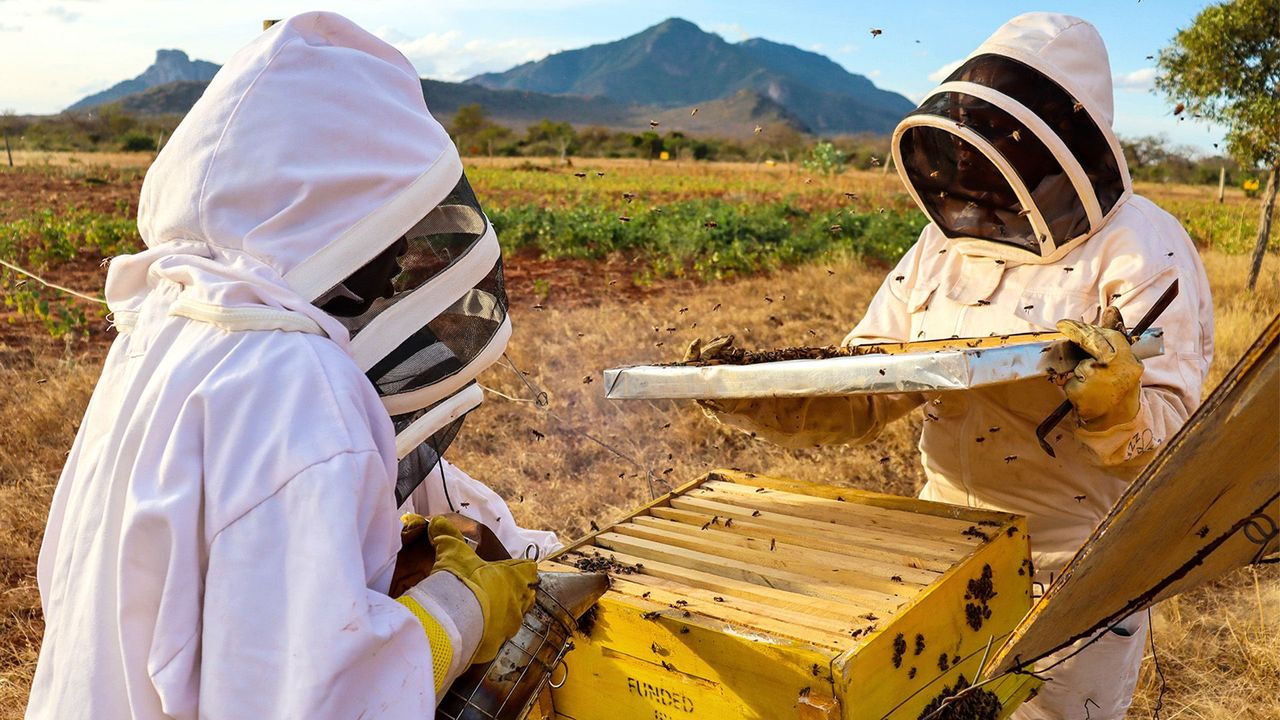
Kenyan bee farmers use the resilient African honeybee (Apis mellifera scutellata) to produce:
- Pure, natural honey
- Valuable beeswax
- Propolis
- Royal jelly
- Bee venom
The beauty of bee farming lies in its dual impact. You’ll discover a profitable agricultural enterprise that generates steady income through diverse products and market channels. At the same time, your bee colonies serve as vital environmental stewards, pollinating crops and maintaining biodiversity across Kenya’s varied ecosystems.
This sustainable approach to farming has gained traction across regions like:
- Rift Valley – Baringo and Narok
- Eastern Region – Meru and Kitui
- Coastal Region – Kilifi and Kwale
- Western Kenya – Kakamega and Bungoma
Whether you’re a small-scale farmer or an aspiring commercial beekeeper, Kenya’s beekeeping industry offers a path to financial independence while contributing to vital conservation efforts. The practice aligns perfectly with both economic development goals and environmental preservation needs, creating a win-win situation for farmers and nature alike.
Moreover, for those interested in diversifying their agricultural ventures beyond beekeeping, avocado farming presents an attractive opportunity. With proper guidance through a professional training session, one can learn about the intricacies of this fruitful endeavor.
Additionally, understanding the seasonal planting calendar for fruit seedlings in Central Kenya is crucial for maximizing yield. If you’re considering starting an avocado orchard, our step-by-step guide provides valuable insights into the process.
Lastly, for those who prefer the convenience of online shopping for avocado seedlings, we also address frequently asked questions about avocado seedling purchases online, ensuring you have all the information you need at your fingertips.
Understanding Bee Farming in Kenya
Bee farming thrives across diverse regions in Kenya, with notable success in the Rift Valley’s Baringo and Narok counties, Eastern Region’s Meru and Kitui, Coastal Region’s Kilifi and Kwale, and Western Kenya’s Kakamega and Bungoma areas. These regions offer ideal conditions for successful apiculture ventures.
Why Start Bee Farming?
Starting a bee farming operation requires minimal land space, making it an accessible venture for many Kenyans. You can establish a profitable apiary on as little as a quarter acre, integrating it seamlessly with existing agricultural activities. Also, this space-efficient characteristic allows farmers to diversify their income streams without sacrificing other farming practices. For instance, one could explore grafted fruit seedlings to enhance their agricultural output.
The Preferred Species: African Honeybee
The African honeybee (Apis mellifera scutellata) stands out as the preferred species for Kenyan beekeepers due to its:
- Natural resistance to common diseases
- High adaptability to local climate conditions
- Strong honey production capabilities
- Excellent foraging abilities
- Superior survival rates in challenging environments
Essential Equipment for Successful Bee Farming
To ensure the success of your bee farming venture, it’s important to have the right equipment. Here are the essential tools you’ll need:
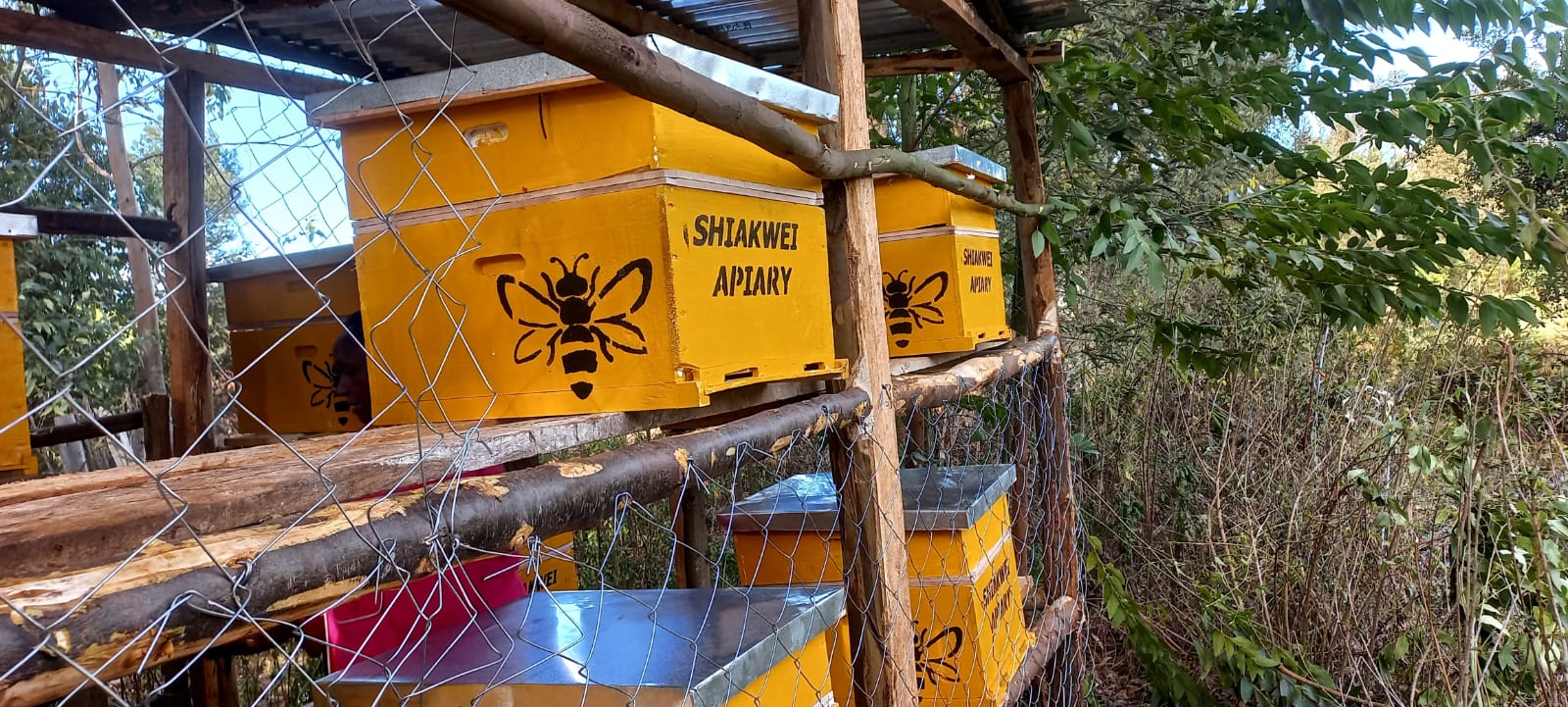
- Beehives – Langstroth hives provide optimal conditions for colony development
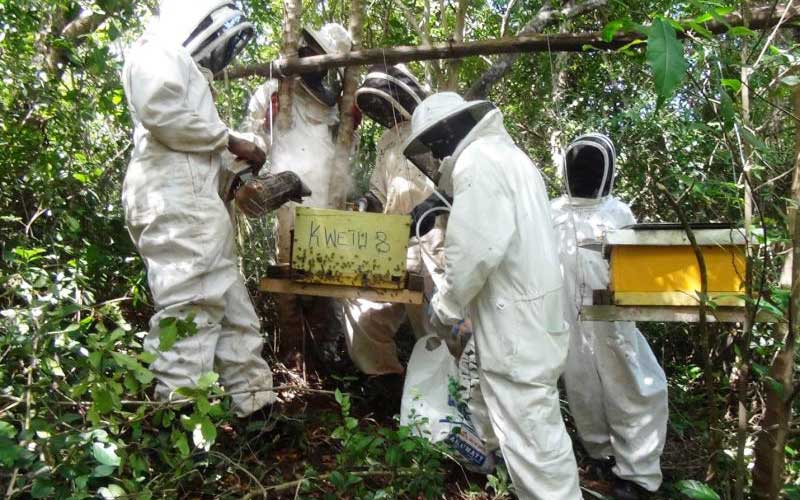
- Protective Gear – Full bee suits, gloves, and veils ensure safe handling
- Smokers – Used to calm bees during hive inspections
- Hive Tools – Specialized equipment for maintenance and inspection
- Honey Extractors – Clean and efficient honey harvesting equipment
Managing Bee Hives for Optimal Production
Regular hive inspections form the cornerstone of successful bee farming. A systematic inspection schedule helps you:
- Monitor queen bee presence and performance
- Check brood patterns and health
- Assess food stores and supplement when necessary
- Detect early signs of pest infestations
- Evaluate colony strength and growth
Interestingly, some of these pest management strategies can also be applied to preventing pest infestations in young orchards naturally, which is beneficial if you’re considering integrating fruit farming with your bee farming venture.
Harvesting Best Practices
The optimal harvesting schedule aligns with Kenya’s major flowering seasons, typically occurring twice yearly. Successful harvesting involves:
- Identifying mature, capped honey cells
- Using gentle smoke application to clear bees
- Removing honey frames with minimal disturbance
- Processing honey within 24 hours of collection
Additionally, the knowledge gained from avoiding avocado farming mistakes can be beneficial if you plan to incorporate avocado farming into your agricultural practices alongside bee farming.
In conclusion, bee farming in Kenya presents a lucrative opportunity due to its minimal land requirement and high adaptability of the African honeybee. By leveraging the right equipment, regularly managing hives, implementing best harvesting practices, and possibly integrating other agricultural ventures such as pixie orange farming or utilizing Royal Seedlings’ support for women and youth in agribusiness
Marketing Bee Products and Maximizing Economic Benefits
Kenyan beekeepers can tap into diverse marketing channels to maximize their profits from bee-related products. The direct-to-consumer approach allows farmers to sell honey and other bee products at local markets, securing better profit margins by eliminating intermediaries. Moreover, many successful beekeepers establish relationships with nearby shops, supermarkets, and hotels to create steady supply channels.
Value-added products present lucrative opportunities for increased income:
- Beeswax products: Candles, cosmetics, and leather polish
- Propolis: Natural medicine and health supplements
- Royal jelly: High-value nutritional supplement
- Bee venom: Medical and therapeutic applications
Cooperative marketing strengthens beekeepers’ bargaining power and market access. The Baringo Honey Producers Cooperative Society exemplifies successful collective marketing, helping members access better prices and larger markets through bulk selling and shared resources.
Digital platforms revolutionize bee product marketing in Kenya:
- Online marketplaces connecting farmers directly with urban consumers
- Social media channels for product promotion and customer engagement
- Mobile payment systems facilitating easy transactions
- E-commerce websites expanding reach to international markets
Export opportunities exist through certification programs. Organic certification and quality standards compliance open doors to premium markets in Europe and the Middle East. The Kenya Bureau of Standards (KEBS) certification helps beekeepers meet international market requirements.
Strategic pricing enhances profitability:
- Premium pricing for organic honey
- Seasonal price adjustments based on supply-demand dynamics
- Bulk discounts for wholesale buyers
- Special packaging options for gift markets
Beekeepers diversify income streams through educational services:
- Training programs for aspiring beekeepers
- Apiary tours for schools and tourists
- Consulting services for new bee farming ventures
- Equipment rental to other farmers
The economic benefits extend beyond direct sales. Pollination services create additional revenue streams, particularly in agricultural regions where farmers pay for bee colony placement during flowering seasons. This aspect of the business is particularly relevant when considering the economic impact of quality seedlings on smallholder incomes, which could significantly enhance the profitability of both beekeeping and farming ventures.
Moreover, understanding the differences between local and imported apple varieties can also provide insights into potential diversification opportunities for beekeepers who are looking to expand their agricultural endeavors alongside their apiculture businesses.
In addition to these avenues, it’s essential to recognize the role of data collection in assessing market conditions. Such data can inform strategic decisions about production levels, pricing strategies, and marketing approaches.
Furthermore, adopting organic production methods not only enhances product quality but also aligns with global trends towards sustainable agriculture, thereby opening up further market opportunities.
Contributing to Environmental Conservation Through Bee Farming
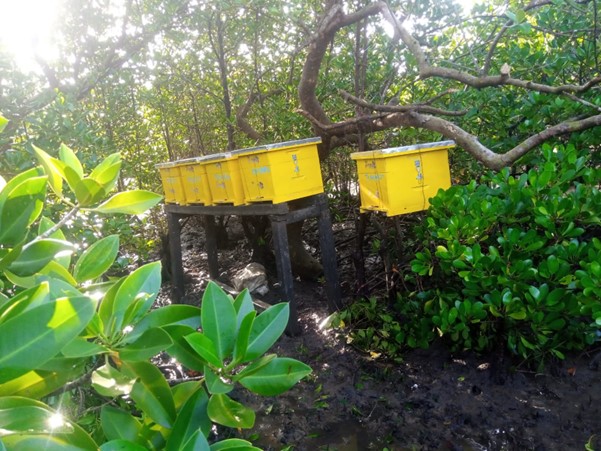
Bee farming in Kenya creates a powerful ripple effect across local ecosystems. These tiny pollinators serve as nature’s essential workers, facilitating crop production and maintaining biodiversity in various regions.
Key Environmental Benefits of Bee Farming:
- Enhanced Crop Yields: Bee colonies increase agricultural productivity through pollination services. A single colony can pollinate up to 300 million flowers daily, directly impacting food security in regions like Baringo and Meru. Also, the role of bee farming is especially significant in banana seedling production where the pollination helps improve yields.
- Biodiversity Protection: The presence of bee farms encourages the preservation of native flora. Beekeepers in Kilifi and Kwale actively plant diverse flowering species, creating wildlife corridors and supporting local ecosystem health.
- Sustainable Land Use: Bee farming promotes environmentally friendly practices:
- Reduced pesticide use to protect bee populations
- Integration with agroforestry systems
- Conservation of natural water sources
- Preservation of indigenous trees and plants
The African honeybee (Apis mellifera scutellata) plays a unique role in Kenya’s conservation efforts. These resilient bees adapt well to diverse climatic conditions, from the coastal regions of Kwale to the highlands of Kakamega. Their natural resistance to pests reduces the need for chemical treatments, supporting organic farming practices.
Beekeepers in Western Kenya have pioneered innovative conservation techniques by establishing bee sanctuaries. Also, these protected areas serve as breeding grounds for bees and create safe havens for other beneficial insects and birds.
Conservation Impact Through Sustainable Practices:
- Maintaining buffer zones around apiaries
- Creating flowering corridors between fragmented habitats
- Protecting water sources from contamination
- Supporting natural pest control methods
The symbiotic relationship between bee farming and environmental conservation extends beyond honey production. In areas like Narok and Kitui, beekeepers work with local communities to protect forest areas. This aligns with findings that emphasize the importance of conservation efforts and sustainable practices in agriculture.
Furthermore, integrating these sustainable practices with best practices for smallholder farmers when buying avocado seedlings online or essential tips for caring for newly planted avocado seedlings, can significantly enhance the overall productivity of farms while ensuring environmental conservation.
Additionally, understanding the importance of preparing your land before receiving seedlings delivery can further optimize the synergies between bee farming and crop production. Notably, these practices also align with recent research suggesting that sustainable agricultural methods can significantly reduce environmental impact while enhancing productivity, a concept detailed further in this [study](https://www.sciencedirect.com/science/article/pii/S000632072030672
Overcoming Challenges in Kenyan Beekeeping Industry
Kenyan beekeepers face distinct challenges that require strategic solutions to maintain successful apiculture ventures. Understanding these obstacles helps develop effective mitigation strategies for sustainable bee farming.
1. Pest and Disease Management
- Varroa mites devastate colonies by weakening adult bees and spreading viral infections
- Small hive beetles damage honeycombs and ferment honey stores
- Wax moths destroy combs and bee larvae
Beekeepers combat these threats through:
- Regular hive inspections using integrated pest management techniques
- Application of organic pest control methods
- Implementation of proper hive sanitation practices
2. Climate Change Impact
- Unpredictable weather patterns affect flowering seasons
- Extended droughts reduce nectar availability
- Heavy rains disrupt bee foraging activities
Adaptation strategies include:
- Planting drought-resistant flowering species, such as certain mango varieties
- Installing water sources near apiaries
- Creating windbreaks to protect hives
3. Market Access Barriers
- Limited storage facilities for honey products
- Transportation challenges to urban markets
- Price fluctuations affecting income stability
The Kenya Apiculture Platform addresses these challenges through:
- Establishing collection centers in rural areas
- Connecting farmers to reliable market channels
- Providing quality certification support
4. Government Support Initiatives
The Kenya Agricultural & Livestock Research Organization (KALRO) leads several programs:
- Training workshops on modern beekeeping techniques
- Research on disease-resistant bee strains
- Grants for small-scale farmers to acquire equipment
5. Technology Integration
Progressive beekeepers adopt innovative solutions:
- Mobile apps for hive monitoring
- Digital platforms for market price tracking
- Solar-powered honey processing equipment
Local success stories demonstrate effective challenge management. Joseph Omondi from Siaya County transformed his operation by:
- Installing modern Langstroth hives
- Creating partnerships with local retailers
- Diversifying into value-added products
Research institutions collaborate with farmers to develop practical solutions:
- Testing new disease treatment methods
- Breeding programs for resilient bee colonies
- Documentation of traditional knowledge
These combined efforts strengthen the beekeeping sector’s resilience and support sustainable growth in Kenya’s apiculture industry. Additionally, exploring other agricultural avenues such as pomegranate farming, which has its own set of opportunities and challenges, can provide alternative income sources for farmers. It’s also crucial for farmers to understand the importance of selecting the right nursery when sourcing plants, which can significantly impact their farming success as highlighted in this article about what makes a good nursery.
Conclusion
Bee farming is a powerful force for sustainable development in Kenya. This agricultural practice creates multiple income streams through honey production, beeswax processing, and value-added products – meeting the rising global demand for natural bee products.
In addition, the impact of beekeeping extends far beyond individual farmers:
- Economic Growth: Small-scale farmers access new markets, create employment opportunities, and build resilient rural economies
- Environmental Protection: Bee populations support vital ecosystem services through pollination, enhancing biodiversity and crop yields
- Community Development: Knowledge sharing and cooperative initiatives strengthen local partnerships and social bonds
The success stories from regions like Lamu County demonstrate how beekeeping transforms communities – shifting from destructive practices to sustainable livelihoods. Organizations such as PRATI and government initiatives through the Kenya Apiculture Platform provide essential support, making bee farming accessible to aspiring entrepreneurs.
Moreover, the skills acquired from training opportunities for aspiring commercial fruit growers can complement bee farming. For instance, understanding the importance of proper spacing when planting fruit trees can lead to better crop yields which in turn benefits beekeeping due to increased availability of flowering plants.
Bee farming in Kenya represents a harmonious blend of profit and purpose. It empowers farmers to generate sustainable income while acting as stewards of the environment. Also, this dual benefit positions beekeeping as a vital component in Kenya’s agricultural landscape, contributing to both economic prosperity and ecological conservation.
Lastly, the path forward lies in continued support for beekeepers, investment in research, and strengthening market connections to ensure this sustainable venture thrives for generations to come.
Ready to start your bee farming venture?
Contact Royal Seedlings:
- 📱 Phone: +254 711315313
- 📧 Email: Julius.murega@royalseedlings.com
- 🌐 Website: www.royalseedlings.com
FAQs (Frequently Asked Questions)
What makes bee farming in Kenya a sustainable venture for income and conservation?
Bee farming in Kenya offers a unique opportunity for individuals and communities to engage in a profitable agricultural practice that not only generates income but also contributes to environmental conservation by enhancing pollination services and promoting biodiversity.
Which regions in Kenya are most suitable for bee farming and why?
Popular regions for bee farming in Kenya include areas with favorable climates and abundant floral resources. These regions support healthy bee colonies due to their conducive environmental conditions, making them ideal for successful beekeeping ventures.
What are the essential equipment and practices needed for successful bee farming in Kenya?
Successful bee farming requires essential equipment such as beehives, protective gear, and honey extraction tools. Regular hive inspections are crucial to maintain colony health, while proper timing and methods of harvesting ensure sustainable production without harming the bees.
How do Kenyan beekeepers manage pests and diseases affecting their bee colonies?
Kenyan beekeepers implement practical strategies for pest and disease control, including regular hive inspections to detect issues early, employing natural or approved treatments, and adopting best management practices to protect colony health and optimize honey production.
What marketing channels are available for Kenyan beekeepers to maximize economic benefits?
Kenyan beekeepers can explore diversified marketing avenues such as selling directly to consumers, partnering with local businesses, or accessing new markets. These strategies also help increase income stability and expand opportunities within the growing demand for bee products.
How does bee farming contribute to environmental conservation efforts in Kenya?
Bee farming enhances pollination services essential for maintaining healthy ecosystems and food production systems. It also supports habitat preservation through sustainable land use practices, thereby playing a vital role in conserving biodiversity and promoting ecological balance.