

Beef farming is a crucial part of Kenya’s agriculture, playing a significant role in the country’s economy. It contributes 12% to the national GDP and 42% to the agricultural GDP, making it an important driver of economic growth.

The impact of beef farming goes beyond just numbers – it supports millions of Kenyans. Over 10 million people are employed in various roles within the industry, creating job opportunities throughout the country. The industry produces around 320,000 metric tons of beef each year, with a steady growth rate of 4%.
But beef farming isn’t the only agricultural venture in Kenya. There are also profitable opportunities in professional avocado farming which is becoming popular among farmers. Additionally, seasonal planting calendars for fruit seedlings can offer valuable information for those exploring fruit farming alongside beef production.
This guide explores the key aspects of beef farming in Kenya, including:
- Production systems and their effectiveness
- Traditional and modern farming practices
- Strategic breed selection
- Land management techniques
- Common challenges and practical solutions
- Market opportunities and future growth potential
Whether you’re an aspiring farmer, industry professional, or simply interested in learning more, this article offers valuable insights into Kenya’s thriving beef farming sector. It’s worth noting that with the right knowledge and resources, such as understanding how to prevent pest infestations in young orchards naturally, or knowing what makes a good nursery, one can greatly improve their farming success.
Importance of Beef Farming in Kenya
Beef farming is a crucial part of Kenya’s agriculture, contributing 12% to the national GDP and 42% to the agricultural GDP. This shows how important the sector is for economic growth and supporting rural communities.
Employment Opportunities in Beef Farming
The beef farming industry provides jobs for over 10 million Kenyans in different areas:
- Direct farming activities: Small-scale farmers and pastoralists
- Support services: Veterinary care, feed suppliers, and transport
- Processing and distribution: Slaughterhouses, meat processors, and retailers
Cattle Breeds in Kenya’s Beef Farming
Kenya’s success in beef farming depends on choosing the right cattle breeds that can thrive in various climates:
Indigenous Breeds
- East African Zebu: Hardy, disease-resistant, thrives in arid conditions
- Boran: Excellent meat quality, heat-tolerant, good foraging ability
Exotic Breeds
- Hereford: Fast growth rate, high-quality meat
- Charolais: Superior muscle development, efficient feed conversion
- Santa Gertrudis: Good heat tolerance, adaptable to various environments
Crossbreeds
- Sahiwal crosses: Combine hardiness with improved meat production
- Fleckvieh hybrids: Dual-purpose animals for meat and milk production

Beef Production in Kenya
The beef farming sector produces around 320,000 metric tons of beef each year, with a steady growth rate of 4%. Small-scale farmers and pastoralists play a significant role in this industry, owning about 90% of the cattle population. Their contributions are vital for ensuring food security and stability in rural economies.
While beef farming is crucial, it’s important to note that diversifying into other areas of agriculture such as fruit farming can also be beneficial. For instance, areas like Muranga County offer training opportunities for aspiring commercial fruit growers, which can provide additional income streams for these farmers.
Moreover, with the rising demand for avocados globally, avocado farming has also become a lucrative venture. However, it’s essential to avoid common mistakes when starting avocado farming, such as not understanding the essential tips for caring for newly planted avocado seedlings or failing to properly manage avocado seedling purchases online.
In addition to these challenges, there is a growing need to support women and youth in agribusiness. This is where organizations like Royal Seedlings come into play as they provide necessary support to these groups in the agricultural sector

Production Systems in Beef Farming
Beef farmers in Kenya use four main production systems, each suited to specific environmental conditions and market needs.
1. Nomadic Pastoralism
This is a traditional system practiced in dry and semi-dry areas where herds move around to find water and grass. It has low costs and doesn’t require much infrastructure, but it also has limited access to markets and is vulnerable to climate changes.
2. Ranching
Ranching involves large-scale commercial operations on privately owned land. It includes structured breeding programs and rotational grazing, which require higher investment in infrastructure and veterinary care. This system offers better access to premium markets and export opportunities.
3. Agro-Pastoralism
Agro-pastoralism is a mixed farming system that combines crops and livestock. In this system, crop residues are used as supplementary feed for animals. Compared to nomadic systems, agro-pastoralism has reduced mobility but provides enhanced food security through diversification.
In this context, understanding the role of tissue culture in banana seedling production can be beneficial for agro-pastoralists who integrate crop production with livestock. This advanced method can significantly improve the quality of banana seedlings, thus enhancing the overall yield of crops.
Moreover, knowledge about common avocado seedling diseases is crucial for farmers involved in mixed farming. This information can help prevent potential losses in avocado crop yield, which could serve as a vital supplementary feed for livestock.
4. Feedlot Systems
Feedlot systems involve intensive feeding programs in confined spaces where animals are fattened for market. This method allows for rapid weight gain through specialized feed formulations but comes with higher production costs.
Each system has its own advantages and disadvantages. Nomadic pastoralism requires minimal investment but faces challenges in productivity. Ranching offers better returns but demands significant capital investment. Agro-pastoralism provides stability through diversification, while feedlot systems deliver premium products at higher operational costs.
The choice of production system depends on factors like available resources, geographical location, market access, and investment capacity. Successful farmers often adapt elements from multiple systems to create hybrid approaches suited to their specific circumstances.
In regions like Muranga, known for its quality Hass avocado seedling production, farmers could leverage the benefits of agro-pastoralism by integrating high-quality avocado farming with beef production.
Additionally, understanding the science behind grafting can further enhance crop yield and quality, providing more resources for livestock feeding or additional income streams through crop sales.

Beef Farming Practices
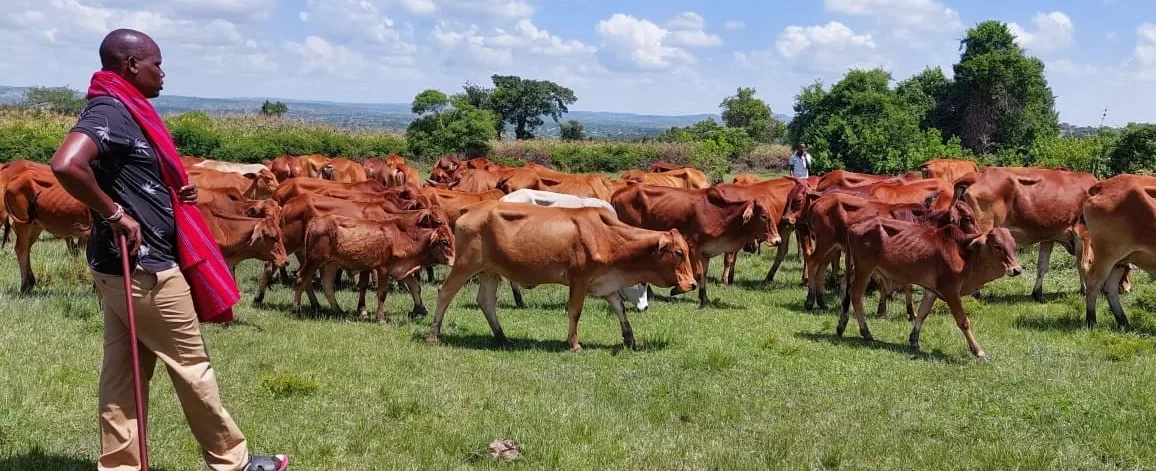
Kenyan beef farmers employ diverse practices ranging from traditional herding to modern feedlotting systems. Traditional herding practices involve moving cattle across vast grasslands, allowing them to graze on natural vegetation. These methods rely heavily on indigenous knowledge of seasonal patterns and grazing routes.
Modern Feedlotting: A Game Changer in Beef Production
Modern feedlotting has transformed beef production in Kenya through a structured feeding program:
1. Initial Assessment
- Weight measurement
- Health screening
- Breed classification
2. Feeding Program
- Morning feed: High-energy grain mix
- Midday: Protein supplements
- Evening: Roughage and minerals
3. Weight Gain Monitoring
- Daily gain target: 1-1.5 kg
- Weekly weight checks
- Body condition scoring
The feedlotting process transforms cattle to market-ready status within 60-120 days, making it attractive for export markets. This system produces consistently high-quality beef that meets international standards, particularly for Middle Eastern buyers who prefer well-marbled meat.
Advancements in Modern Beef Farming
Modern practices include:
- Automated feeding systems
- Digital weight tracking
- Health monitoring technology
- Climate-controlled housing
These advanced methods have increased production efficiency by 40% compared to traditional practices, positioning Kenya as a competitive beef exporter in the global market.
Exploring New Opportunities: Avocado Farming
In addition to beef farming, many Kenyan farmers are exploring other profitable avenues such as avocado farming. With a step-by-step guide to starting an avocado orchard in Kenya, farmers can diversify their income sources. The demand for Hass avocados in international markets is on the rise, making it a lucrative venture.
For those interested in understanding the benefits of grafted fruit seedlings or seeking best practices for smallholder farmers when buying avocado seedlings online, there are numerous resources available. Furthermore, with the right strategies, Kenyan farmers can profit significantly from Hass avocado exports by 2025.
Key Aspects for Successful Beef Farming
1. Strategic Breed Selection
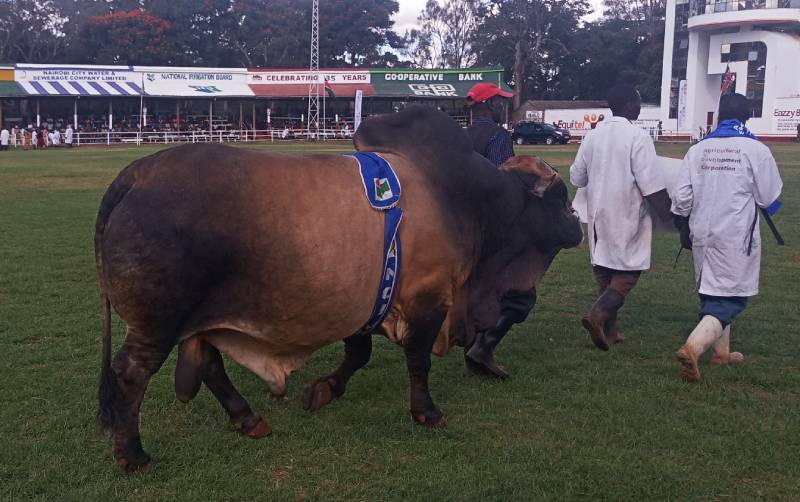
Strategic breed selection is a cornerstone of profitable beef farming in Kenya. The choice between indigenous breeds like Boran and Sahiwal versus exotic breeds such as Charolais and Hereford depends on:
- Climate Adaptability: Indigenous breeds thrive in arid regions
- Growth Rate: Exotic breeds offer faster weight gain
- Disease Resistance: Local breeds show higher resistance to common diseases
- Market Demand: Premium prices for specific breed characteristics
2. Effective Land Management Practices
Land management practices directly impact beef production sustainability. A well-structured farm requires:
- Paddock rotation systems for optimal grazing
- Water points within 1-2 km radius
- Strategic placement of shade structures
- Dedicated handling facilities
- Buffer zones to prevent soil erosion
It’s also crucial to prepare your land properly before receiving seedlings delivery, as this can significantly affect the overall productivity of the farm.
3. Tailored Nutrition Management
Nutrition management varies across different growth stages:
Calves (0-6 months)
- High-protein milk replacers
- Quality starter feed
- Clean water access
Growing Phase (6-12 months)
- Balanced protein-energy ratio
- Essential minerals supplementation
- Fresh forage availability
Finishing Phase (12+ months)
- High-energy feed concentrates
- Protein supplements
- Vitamin-mineral premixes
Regular body condition scoring helps adjust feeding programs and ensures optimal growth rates throughout each development stage.
4. Integration of Fruit Tree Farming
Incorporating fruit tree farming alongside beef farming can be beneficial. Understanding the soil requirements for different fruit trees in Kenya can help in selecting the right crops for your land. Additionally, paying attention to the spacing when planting fruit trees is vital for their growth and productivity.
Challenges Faced by Beef Farmers and Mitigation Strategies
Kenyan beef farmers face significant hurdles that impact their productivity and profitability. Here’s a detailed look at these challenges and practical solutions:
1. Environmental Challenges
- Recurrent droughts destroy grazing lands and water sources
- Unpredictable rainfall patterns affect fodder production
- Soil degradation in overgrazed areas
Solutions: Implementation of drought-resistant forage crops like Brachiaria grass, creation of water harvesting systems, and adoption of controlled grazing patterns. Exploring alternative farming options such as pomegranate farming, which can thrive in arid conditions, may also provide a viable solution.
2. Disease Management
- Foot and Mouth Disease outbreaks
- East Coast Fever prevalence
- Limited access to veterinary services
Solutions: Regular vaccination programs, improved biosecurity measures, and mobile veterinary clinics for remote areas.
3. Economic Barriers
- High production costs
- Limited access to credit facilities
- Market price fluctuations
- Poor infrastructure for transportation
Solutions: Formation of cooperative societies enables:
1. Collective bargaining power
2. Shared resources and equipment
3. Better access to financial services
4. Bulk purchase of inputs at reduced costs
Additionally, focusing on the economic impact of quality seedlings on smallholder incomes could help farmers understand the significance of investing in high-quality seeds which can lead to better yields and profitability.
4. Market Access Constraints
- Limited market information
- Poor road networks
- Inadequate storage facilities
Solutions: Digital platforms connect farmers to markets, while cooperative societies facilitate collective transportation and storage solutions.
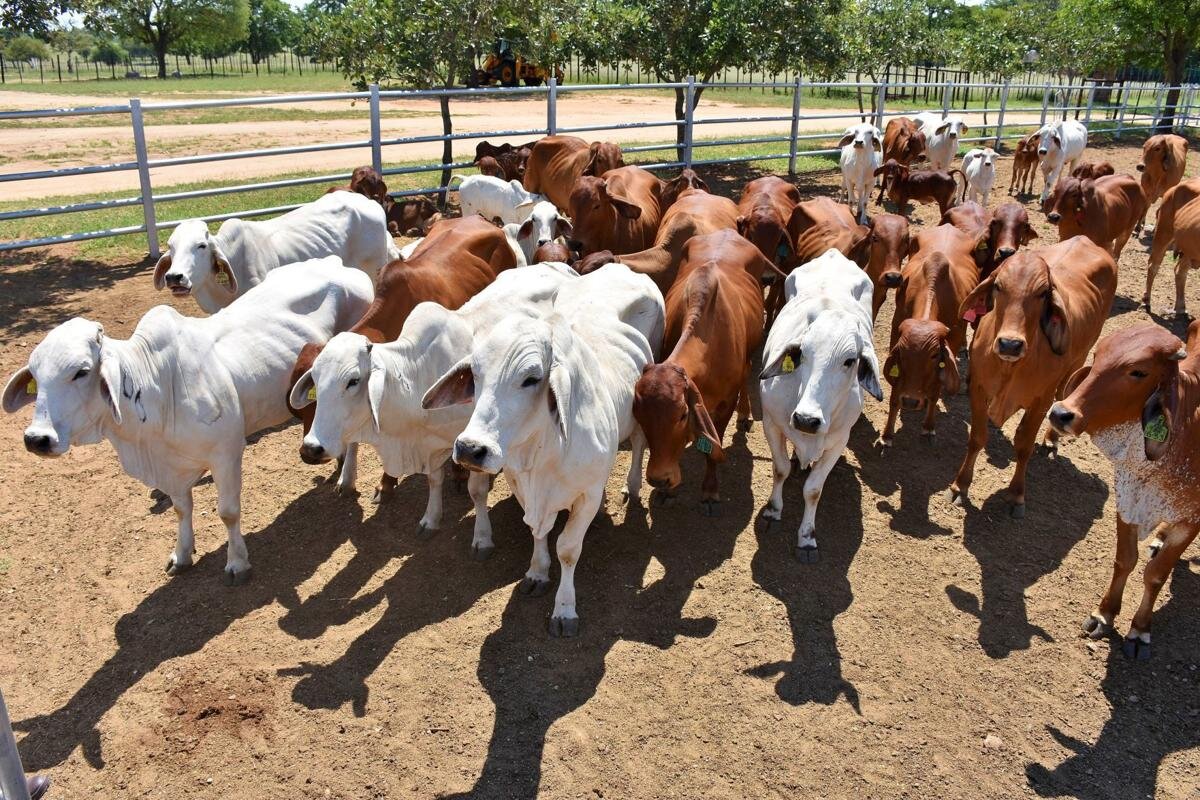
Future Prospects of Beef Farming in Kenya
The beef farming sector in Kenya is on the verge of significant transformation. Modern technological innovations are reshaping traditional farming practices:
1. Precision Agriculture Technologies
- GPS tracking systems for herd management
- Smart sensors for real-time health monitoring
- Automated feeding systems reducing labor costs
2. Genetic Advancement
- DNA testing for breed improvement
- Embryo transfer technology
- Selection of traits for climate resilience
3. Digital Solutions
- Mobile apps for disease diagnosis
- Market price tracking platforms
- Digital record-keeping systems
The demand for Kenyan beef continues to rise both domestically and internationally. Local consumption has increased by 4% annually, driven by urbanization and a growing middle class. Export markets, particularly in the Middle East, show strong interest in Kenyan beef products.
New market opportunities are emerging:
1. Value-Added Products
- Premium cuts for high-end restaurants
- Processed meat products
- Organic beef certification
2. Export Potential
- Middle East markets expansion
- African Continental Free Trade Area opportunities
- European Union market access negotiations
The integration of these technological advancements with growing market demand positions Kenya’s beef sector for substantial growth in the coming years. However, it’s crucial to note that the success of the beef farming sector is interconnected with other agricultural sectors. For instance, the insights from Pixie Orange farming could offer valuable lessons on crop diversification and integrated farming practices.
Moreover, understanding the nuances of choosing between local and imported apple varieties can help farmers make informed decisions that enhance their overall productivity. Similarly, learning about selecting the right mango variety can provide additional revenue streams and improve food security.
Lastly, embracing [e-commerce trends in agriculture](https://royalseedlings.com/the-future-of-e-commerce-in-agriculture-trends-every-farmer-should-know-2025) will be essential for farmers to reach wider markets and optimize their operations.
Conclusion
Beef farming in Kenya is a key part of agricultural success, providing significant opportunities for both small-scale and large-scale farmers. The sector’s ability to overcome challenges shows its flexibility and potential for growth.
Your journey into beef farming can start with these actionable steps:
- Implement sustainable grazing practices to maintain healthy pastures
- Choose drought-resistant cattle breeds suited to your local climate
- Join farming cooperatives to access better market prices
- Invest in modern farming technologies for improved productivity
- Maintain proper disease prevention protocols
The future of Kenyan beef farming lies in the hands of dedicated farmers who embrace sustainable practices. By combining traditional knowledge with modern techniques, you can contribute to the sector’s growth while ensuring environmental conservation. The growing demand for quality beef products creates a promising landscape for farmers ready to adapt and innovate in their farming practices.
Take the first step today – your commitment to sustainable beef farming practices will shape the industry’s future in Kenya.
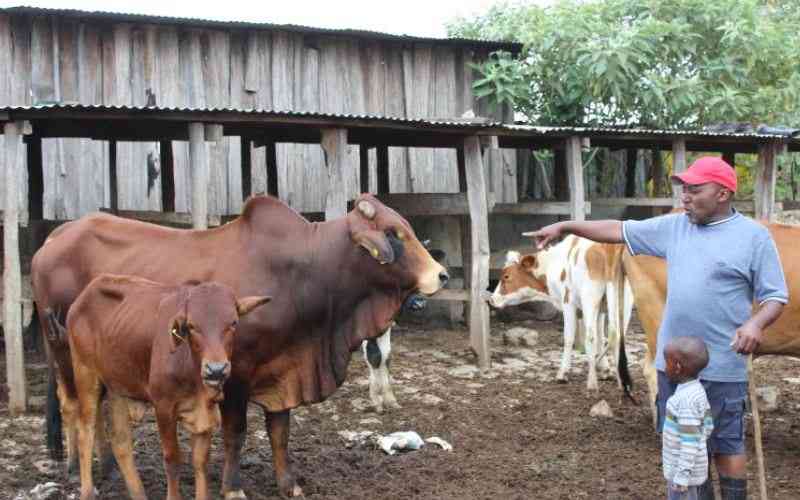
Ready for your next beef farming venture in Kenya?
Contact Royal Seedlings Company:
 Phone: +254 711315313
 Email: Julius.murega@royalseedlings.
com,  Website:www.royalseedlings.com
FAQs (Frequently Asked Questions)
What is the significance of beef farming in Kenya’s economy?
Beef farming significantly contributes to Kenya’s agricultural GDP and provides numerous employment opportunities, making it a vital sector for the country’s economic growth and food security.
What are the common cattle breeds reared in Kenya for beef production?
Kenyan beef farmers commonly rear indigenous breeds such as Boran, Sahiwal, and East African Zebu, which are well adapted to local conditions and contribute to sustainable beef production.
What are the main production systems used in beef farming in Kenya?
Beef farming in Kenya employs various production systems including nomadic pastoralism, ranching, agro-pastoralism, and feedlot systems, each with its own advantages and challenges suited to different environmental and economic contexts.
How do traditional and modern beef farming practices differ in Kenya?
Traditional herding involves extensive grazing and low input methods, while modern practices like feedlotting focus on intensive feeding strategies that improve market readiness and export potential through controlled nutrition and management.
What challenges do beef farmers in Kenya face and what strategies can mitigate them?
Major challenges include recurrent droughts, disease outbreaks, and economic constraints. Mitigation strategies involve adopting drought-resistant forage crops, forming cooperative societies for collective marketing, and implementing improved disease control measures.
What are the future prospects for beef farming in Kenya?
The future of beef farming in Kenya looks promising with technological advancements enhancing productivity and efficiency. Additionally, increasing consumer demand locally and internationally offers expanded market opportunities for Kenyan beef producers.