

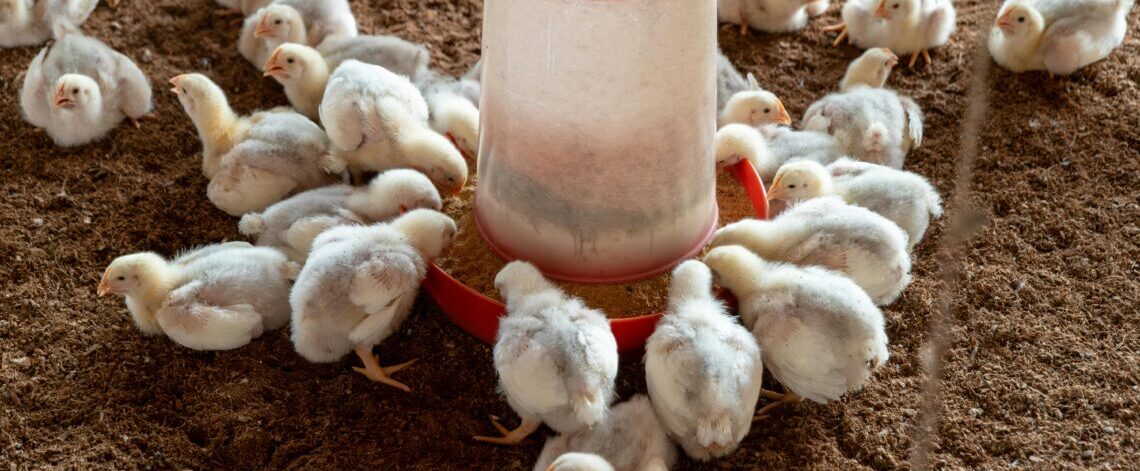
Broiler chicken farming is a crucial part of Kenya’s agriculture, providing a way to achieve food security and economic growth. This fast-paced business model allows farmers to see profits within 6-8 weeks, making it appealing to farmers of all sizes.
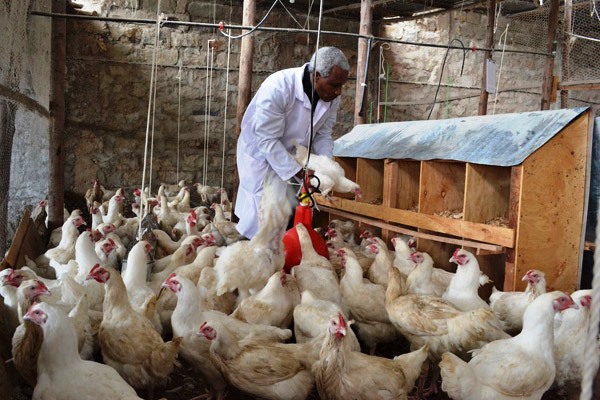
Why Broiler Farming in Kenya?
There are several reasons why broiler farming in Kenya is an attractive opportunity:
- Quick Turnaround: Farmers can go from raising day-old chicks to selling fully grown chickens in just 6-8 weeks.
- Steady Income: There is a consistent demand for chicken in the market, ensuring regular cash flow for farmers.
- Job Creation: Broiler farming generates employment opportunities in various sectors such as farming, processing, and distribution.
- Protein Availability: It directly contributes to increasing the availability of protein sources in the country.
The growth of broiler farming in Kenya can be attributed to changing consumer preferences and rapid urbanization. More and more Kenyan households are opting for chicken meat as their primary source of protein, leading to a surge in demand in cities, restaurants, and retail stores.
Market Potential
The market for broiler chicken looks promising with several factors driving its growth:
- Increased demand from hotels and restaurants
- Expansion of supermarket chains looking for reliable suppliers
- Growing urban population with higher purchasing power
- Shift in dietary preferences towards white meat
For aspiring farmers, starting a broiler chicken farm can be an accessible way to enter the world of commercial agriculture. The industry has established systems for production and marketing, making it easier for both small-scale and large-scale farmers in Kenya to succeed.
While broiler chicken farming offers great potential, it’s worth mentioning that there are other profitable farming ventures in the country as well. For example, avocado farming has gained popularity due to its high demand and profitability. By following the right seasonal planting calendar for fruit seedlings, farmers can optimize their avocado yields.
Additionally, many farmers are now opting to purchase avocado seedlings online. It is essential for them to know key tips for taking care of newly planted avocado seedlings to ensure a successful harvest. Moreover, properly preparing the land before receiving seedling delivery is crucial, and expert guidance on this topic can be found here.
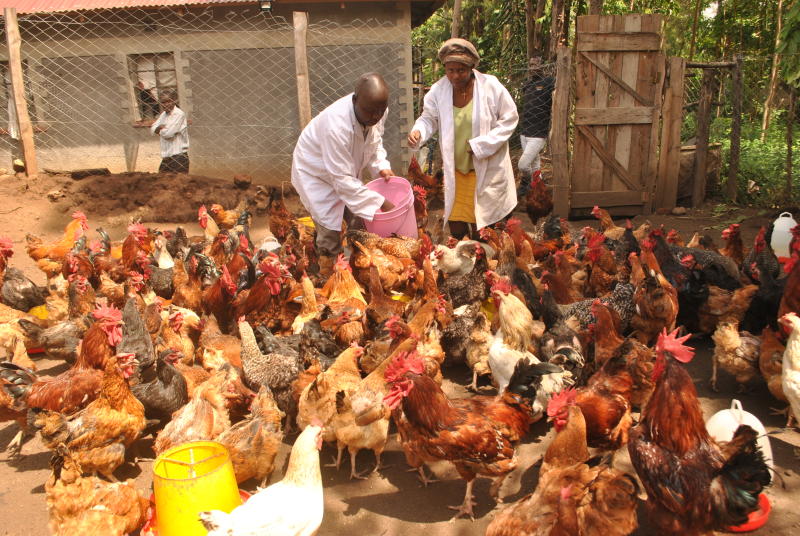
The Rapid Growth of Broiler Farming Sector in Kenya
Kenya’s broiler farming sector has experienced remarkable expansion, driven by a surge in chicken meat demand across multiple market segments. Urban populations lead this growth trend, with city dwellers consuming 50% more chicken compared to rural areas.
Key Market Drivers
The growth of the broiler farming sector is fueled by several key players in the market:
- Restaurant chains – Both local and international establishments require consistent chicken supply
- Hotels and catering services – High-volume buyers serving tourists and business clientele
- Supermarket chains – Growing demand for processed and packaged chicken products
- Fast-food outlets – Rapid expansion of quick-service restaurants across major cities
Changing Consumer Preferences
The sector’s growth reflects changing consumer preferences and rising disposable incomes. Modern Kenyan consumers prioritize:
- Convenient protein sources
- Healthier meat options
- Quick-cooking food items
- Value-added chicken products
Optimistic Market Projections
Market projections paint an optimistic future for broiler farming in Kenya. Research indicates chicken meat consumption will triple by 2050, creating substantial opportunities for farmers. This growth stems from:
- Rapid urbanization rates
- Population growth in major cities
- Rising middle-class demographics
- Increased preference for white meat
- Growing awareness of chicken’s nutritional benefits
Impact on Farmers
The expanding market has attracted both small-scale and commercial farmers, transforming broiler farming into a significant contributor to Kenya’s agricultural GDP. To thrive in this competitive landscape, farmers need to adopt modern practices and leverage resources effectively. For instance, understanding what makes a good nursery can significantly enhance the quality of poultry farming.
Moreover, there are initiatives aimed at supporting underrepresented groups in agriculture such as how Royal Seedlings supports women and youth in agribusiness, which could be beneficial for aspiring farmers from these demographics.
Additionally, exploring the future of e-commerce in agriculture could provide valuable insights into how technology can be leveraged for better farm management and product distribution.
While the current growth of the broiler farming sector is promising, the future holds even greater potential with the right approach and resources.
Setting Up a Successful Broiler Chicken Farm
The success of your broiler chicken farm starts with strategic site selection and proper infrastructure setup. Let’s explore the essential elements you need to consider.
Location Selection
Your farm location determines your operational efficiency and profitability. Here are the key factors to consider:
- Water Accessibility: A reliable water source within 500 meters of your farm
- Road Network: All-weather roads for easy feed delivery and market access
- Power Supply: Consistent electricity for heating and lighting systems
- Market Proximity: Within 50km radius of major markets or processing facilities
- Feed Suppliers: Close distance to reduce transportation costs
Housing Design Requirements
Your broiler house design needs to accommodate 10-12 birds per square meter while providing:
- Floor Space: 1 square meter houses 10 adult birds
- Roof Height: Minimum 2.5 meters at the center
- Ventilation: Side openings covering 20% of wall area
- Floor Type: Concrete with proper drainage slope
- Protection: Solid walls with wire mesh windows
Essential Infrastructure Components
- Feeding System: One tube feeder per 50 birds
- Drinking System: Nipple drinkers (1 per 10 birds)
- Lighting: 60-watt bulbs every 15 square meters
- Storage Area: Separate space for feed and equipment
- Waste Management: Proper drainage and manure collection system
Brooding Setup and Temperature Control
The first three weeks are critical for chick survival. Your brooding setup requires:
Temperature Requirements by Age
- Day 1-7: 32-34°C
- Day 8-14: 30-32°C
- Day 15-21: 28-30°C
- Day 22 onwards: 26-28°C
Heating Equipment
- Infrared bulbs (250 watts) – 1 per 100 chicks
- Hover brooders for larger operations
- Thermometers at chick height
- Temperature monitoring charts
In addition to broiler farming, diversifying into other agricultural ventures can be beneficial. For instance, starting an avocado orchard in Kenya could provide additional income. Moreover, exploring export markets for products like Hass avocados can significantly enhance profitability, as suggested in this guide on Kenyan farmers profiting from Hass avocado exports.
Furthermore, understanding how to choose the right mango variety or selecting between local and imported apple varieties based on Kenyan climates are crucial aspects that can impact your farming success. You can find valuable insights on these topics in our articles about choosing the right mango variety and deciding between local and imported apple varieties.
Lastly, the economic impact of quality seedlings on smallholder incomes is a vital area of study that could provide useful information.

Feeding and Nutrition Management for Optimal Growth Rates in Broilers
Proper feeding management directly impacts your broiler farm’s profitability. The feed conversion ratio (FCR) in Kenya should ideally range between 1.5 and 1.7, meaning your birds need 1.5-1.7 kg of feed to gain 1 kg of body weight.
Feed Phases and Nutritional Requirements
Starter Feed (Day 1-21)
- 22-24% crude protein content
- High energy levels for rapid growth
- Fine crumble texture for easy consumption
- Essential amino acids and vitamins
Grower Feed (Day 22-35)
- 20-22% crude protein content
- Balanced energy-to-protein ratio
- Medium-sized pellets
- Added minerals for bone development
Finisher Feed (Day 36-Market)
- 18-20% crude protein content
- Higher energy concentration
- Larger pellets
- Reduced mineral content
Best Practices for Feed Management
Feed Storage
- Store in cool, dry areas
- Keep feed off the ground
- Use first-in-first-out rotation
- Check for mold or contamination
Feeding Schedule
- Provide feed 24/7 during first week
- Adjust feeder height to bird’s back level
- Clean feeders daily
- Record daily feed consumption
Water Management
- 1 drinker per 80-100 birds
- Clean water twice daily
- Maintain water temperature at 20-25°C
- Test water quality monthly
Feed Efficiency Tips
- Minimize feed wastage
- Adjust feed amounts based on consumption
- Monitor bird behavior during feeding
- Track weekly weight gains
Regular monitoring of feed intake helps detect health issues early. Your birds should consume approximately 3.5-4 kg of feed during their 6-8 week growth cycle. Maintain detailed records of daily feed consumption and weight gains to optimize your feeding program.
In addition to proper feeding management, understanding the soil requirements for different crops can enhance overall farm productivity. This knowledge is particularly useful if you’re considering integrating fruit tree farming into your broiler farm operations.
Moreover, when expanding your farm’s crop diversity, it’s essential to follow the best practices for buying avocado seedlings online. This will ensure you acquire healthy seedlings that can thrive in your specific soil conditions.
Lastly, implementing grafting techniques could significantly improve the yield and quality of the crops you decide to cultivate alongside your broiler farming venture.

Managing Broilers Throughout Their Growth Stages: From Day 1 to Market Weight
Successful broiler farming requires careful attention during two critical growth phases: the starter phase and the finishing phase. Each stage demands specific management practices to achieve optimal growth rates and healthy birds.
Starter Phase (Day 1-21)
The foundation of profitable broiler farming begins with selecting high-quality day-old chicks from certified Kenyan hatcheries. Look for these indicators of healthy chicks:
- Bright, alert eyes and active movement
- Clean, dry feathers without matting
- Straight legs and normal feet
- Well-healed navels
- Uniform size across the batch
During the first three weeks, maintain these essential conditions:
- Room temperature at 32-34°C, reducing by 2-3°C weekly
- Relative humidity between 60-70%
- Fresh starter feed available 24/7
- Clean water within easy reach
- 23 hours of light daily
Finishing Phase (Day 22-Market Weight)
The finishing phase focuses on maximizing growth while maintaining bird health. Key management practices include:
- Adjusting feeder heights as birds grow
- Maintaining optimal stocking density of 8-10 birds/m²
- Regular weighing to track growth rates
- Monitoring feed consumption patterns
- Checking water quality and availability
Daily Management Checklist
- Remove any sick or dead birds promptly
- Clean and refill feeders twice daily
- Check water systems for blockages
- Monitor temperature and ventilation
- Observe bird behavior and eating patterns
- Record daily feed consumption
- Document mortality rates
Birds typically reach market weight of 1.5-2.5kg between 6-8 weeks of age. Regular monitoring helps identify potential issues early, allowing for quick intervention and maintaining optimal growth rates throughout both phases.
Health Management Strategies for Disease Prevention in Broiler Farming
Disease prevention is crucial for successful broiler chicken farming operations in Kenya. Two major diseases pose significant threats to broiler health:
1. Newcastle Disease
- Highly contagious viral infection affecting respiratory and nervous systems
- Symptoms include gasping, coughing, drooping wings, and twisted neck
- Vaccination required at day 7 and day 21 of chick growth
- Regular boosters needed for continued protection
2. Gumboro Disease (Infectious Bursal Disease)
- Attacks the bird’s immune system, leaving them vulnerable to other infections
- Common symptoms include white diarrhea, depression, and ruffled feathers
- Vaccination schedule starts at day 14 with a booster at day 24
Essential Biosecurity Measures:
Farm Access Control
- Install footbaths with disinfectant at entry points
- Restrict visitor access to poultry houses
- Maintain separate boots and clothing for farm work
Sanitation Protocols
- Daily cleaning of feeding and drinking equipment
- Weekly disinfection of entire poultry house
- Proper disposal of dead birds through deep burial or incineration
Health Monitoring
- Daily observation of bird behavior and appetite
- Weekly weight monitoring to track growth rates
- Immediate isolation of sick birds to prevent disease spread
Additional Prevention Strategies:
- Maintain optimal ventilation to reduce ammonia buildup
- Keep detailed health records for each batch
- Source chicks from certified disease-free hatcheries
- Implement strict quarantine for new bird introductions
While these strategies are vital for maintaining the health of broilers, it’s also important to consider the overall management of the farming environment. For instance, learning how to identify and prevent common diseases in other types of farming, such as avocado seedling diseases, can provide valuable insights into broader agricultural practices. Additionally, understanding the importance of proper spacing when planting fruit trees could also be beneficial in diversifying farming operations.
Market Opportunities and Profitability Factors for Broiler Farmers in Kenya
The chicken meat market in Kenya presents significant opportunities for broiler farmers. Urban consumers drive substantial demand through:
- Hotels and restaurants
- Supermarket chains
- Local butcheries
- Street food vendors
- Catering services
A growing middle class and changing dietary preferences create steady market growth, with urban areas consuming 70% of commercially produced chicken meat.
Profitability in broiler farming depends on several key factors:
-
Feed Cost Management
- Feed expenses constitute 70% of production costs
- Bulk purchasing can reduce expenses
- Local feed mixing might offer cost savings
-
Production Efficiency
- Optimal stocking density
- Proper feed conversion ratios
- Low mortality rates
- Fast growth cycles
-
Market Timing
- Higher prices during festive seasons
- Weekend market demand peaks
- Strategic selling during supply shortages
Profit margins typically range from 15-25% when operations run efficiently. Small-scale farmers can expect returns of KES 100-150 per bird, while large-scale operations might achieve KES 150-200 per bird through economies of scale.
Direct marketing to consumers or establishing relationships with institutional buyers can help farmers capture better prices and maintain consistent profit margins.
In addition to broiler farming, there are also training opportunities for aspiring commercial fruit growers in Murang’a County which could provide an alternative income stream. Moreover, exploring ventures such as pomegranate farming could further diversify and increase profitability for farmers in the region.
Exploring Value Addition, Contract Farming, and Support Programs for Growth in the Poultry Sector
Value addition in broiler farming opens new revenue streams beyond traditional live bird sales. Processing your chickens into ready-to-cook portions creates higher profit margins and meets growing consumer demands. Here’s what you can explore:
Value Addition Options
- Dressed whole chickens
- Cut portions (wings, drumsticks, breasts)
- Specialized products (chicken sausages, nuggets)
- Packaging and branding services
Contract farming partnerships with supermarkets and restaurants provide stable income streams. These arrangements typically include:
- Guaranteed purchase prices
- Technical support from buyers
- Regular payment schedules
- Quality control standards
- Access to premium markets
The Kenyan government actively supports poultry sector growth through various initiatives:
Government Support Programs
- Agricultural Finance Corporation (AFC) loans for poultry farmers
- Training programs through agricultural extension services
- Subsidized vaccination campaigns
- Market linkage facilitation
NGOs and development partners contribute significantly to sector development:
NGO Support Mechanisms
- Capacity building workshops
- Grant programs for small-scale farmers
- Technical assistance in modern farming methods
- Market access facilitation
- Women and youth empowerment initiatives
The Kenya Poultry Farmers Association (KEPOFA) provides additional support through:
- Networking opportunities
- Market information sharing
- Collective bargaining power
- Access to latest industry innovations
These support systems help farmers scale their operations while maintaining quality standards. Processing facilities, cold storage units, and transportation networks are available through various agricultural cooperatives, enabling small-scale farmers to participate in value addition activities.

Conclusion
Broiler chicken farming in Kenya represents a golden opportunity for both aspiring and established farmers. The rapid market growth, coupled with increasing urbanization, creates an ideal environment for successful poultry ventures.
Key Success Factors for Your Broiler Farm:
- Implement strict biosecurity measures from day one
- Monitor feed efficiency and maintain detailed records
- Build strong relationships with reliable suppliers and buyers
- Stay updated on industry trends and best practices
- Consider value-addition opportunities to maximize profits
The path to profitable broiler farming requires dedication, attention to detail, and continuous learning. Your success depends on making informed decisions about housing, feeding programs, and health management strategies.
Ready to Start Your Broiler Farming Journey?
Contact our team of poultry experts:
Ready to start your broiler chicken farming venture?
Contact Royal Seedlings:
-
- 📱 Phone: +254 711315313
- 📧 Email: Julius.murega@royalseedlings.com
- 🌐 Website: www.royalseedlings.com
We offer:
- Professional guidance for farm setup
- Quality day-old chicks
- Training programs such as professional avocado farming training
- Technical support
- Market linkages
The growing demand for chicken meat in Kenya’s urban centers positions broiler farming as a lucrative venture. With proper planning, management, and support, you can build a thriving broiler farming business that contributes to Kenya’s food security while generating substantial income.
In addition to broiler chicken farming, diversifying into areas like banana seedling production through tissue culture or exploring the benefits of grafted fruit seedlings could further enhance your agricultural portfolio. However, it’s crucial to be aware of potential challenges such as pest infestations in young orchards which can be managed effectively with the right strategies.
FAQs (Frequently Asked Questions)
What is the current state and importance of broiler chicken farming in Kenya?
Broiler chicken farming in Kenya is a rapidly growing sector crucial for food security and income generation. Driven by urbanization and changing diets, it supports the increasing demand for affordable protein sources across the country.
How do I choose the right location and set up infrastructure for a successful broiler farm in Kenya?
Selecting a farm location with easy access to water, feed suppliers, and proximity to markets is essential. Proper housing design should provide adequate space, ventilation, and protection from weather and predators. Brooding setups require controlled temperatures of 32-34°C using heat sources like infrared bulbs during the first 2-3 weeks.
What are the best feeding practices for optimal growth rates in broilers in Kenya?
Broilers require phase-specific feeds: starter, grower, and finisher, each with tailored nutritional needs. Effective feed management includes monitoring feed consumption regularly and ensuring clean water availability at all times to maintain good feed conversion ratios.
How can I manage broilers throughout their growth stages from day one to market weight?
Begin by selecting healthy chicks from reliable hatcheries. Adhere strictly to feeding regimes during starter, grower, and finisher phases while conducting regular health checks. Proper care during finishing ensures birds reach optimal market weight efficiently.
What health management strategies help prevent diseases like Newcastle and Gumboro in Kenyan broiler farms?
Implementing comprehensive vaccination programs against Newcastle disease and Gumboro disease alongside strict biosecurity measures is vital to control outbreaks. Regular monitoring and maintaining hygiene standards also reduce disease risks significantly.
What market opportunities exist for broiler farmers in Kenya and how can profitability be maximized?
High demand from urban consumers, restaurants, and supermarkets presents lucrative markets. Farmers can enhance profitability by managing feed costs effectively—since feed accounts for about 70% of expenses—and exploring value addition through processed chicken products or contract farming partnerships supported by government and NGO initiatives.