

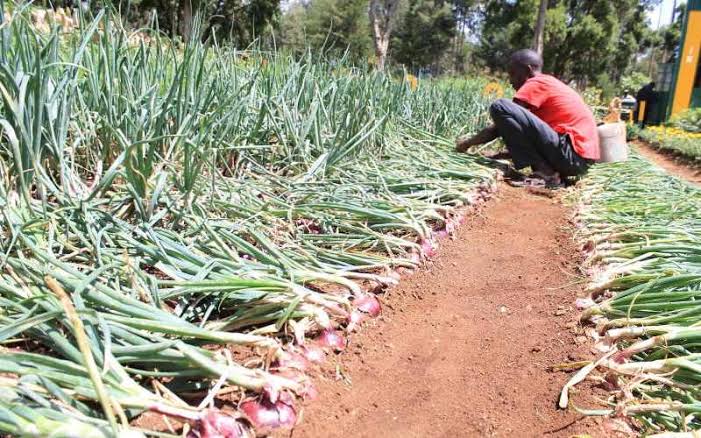
Bulb onion farming is a great opportunity in Kenya’s agricultural industry. It attracts farmers because it requires little capital and offers high returns on investment. The increasing demand for onions in Kenya has created a significant supply shortage, making it an ideal time to start growing onions.
Key Success Factors for Bulb Onion Farming:
- Understanding local market dynamics and price fluctuations
- Selecting appropriate onion varieties for your region
- Implementing proper crop management practices
- Maintaining optimal soil conditions and irrigation
- Applying effective pest and disease control measures
The current market demand for bulb onions in Kenya remains consistently high, driven by both local consumption and regional export opportunities. Local production hasn’t kept pace with this demand, creating a profitable gap for new farmers to fill.

Your success in bulb onion farming depends on mastering essential agricultural practices while staying attuned to market requirements. This guide walks you through every aspect of establishing and managing a successful bulb onion farm in Kenya.
While bulb onions are a lucrative venture, it’s also worth exploring other profitable agricultural opportunities such as Hass avocado exports or finding the right mango variety for your Kenyan farm. These options could further diversify your farming portfolio.
Moreover, understanding what makes a good nursery can significantly enhance your farming success. It’s crucial to know the key qualities Kenyan farmers should look for in a nursery when sourcing your seeds or seedlings.
Lastly, if you’re considering expanding your farming ventures, particularly into areas like Pixie orange farming, there are comprehensive guides available that can assist you in this journey. Additionally, it’s important to remember that agriculture is not just about profit; it’s also about empowering communities. For instance, learning about how Royal Seedlings supports women and youth in agribusiness can provide valuable insights into the social impact of farming.
Understanding the Basics of Bulb Onion Farming
Successful bulb onion farming starts with understanding the essential growing requirements. Kenya’s diverse climate zones offer multiple suitable locations for onion cultivation, each with specific conditions that influence crop success.
Ideal Climate Conditions
- Temperature range: 15-30°C
- Rainfall requirements: 350-550mm per season
- Altitude suitability: Sea level to 2,000 meters
- Light needs: Full sun exposure
- Growing season: 3-4 months
Soil Requirements
The soil requirements for bulb onions are specific and must be met for optimal growth.
- Type: Well-drained sandy loam
- pH level: 6.0-6.8
- Structure: Deep, friable soil
- Organic matter: High content
- Drainage: Excellent water drainage capacity
Popular Onion Varieties in Kenya
High-Yield Varieties
- Red Creole: Drought-resistant, excellent storage life
- Texas Grano 502: Large bulbs, sweet flavor
- Bombay Red: Early maturing, good market demand
Premium Hybrid Options
- Tropicana F1: Disease-resistant, uniform size
- Pearl Drop: White variety, premium market prices
- Red Baron: Deep red color, long storage life
Each variety brings unique characteristics to your farming operation. Red Creole suits areas with limited rainfall, while Texas Grano 502 produces larger bulbs ideal for commercial production. Hybrid varieties like Tropicana F1 offer enhanced disease resistance but require higher initial investment.
Soil testing remains crucial before planting. A comprehensive soil analysis helps determine nutrient deficiencies and pH corrections needed for optimal growth. Local agricultural extension officers can guide you through soil sampling and interpretation of results.
Your choice of variety should align with your local climate conditions, market demands, and available resources. Consider factors such as storage capabilities, transportation needs, and target market preferences when selecting your onion variety.
Additionally, understanding the [economic impact of quality seedlings](https://royalseedlings.com/the-economic-impact-of-quality-seedlings-on-smallholder-incomes) can significantly influence your farming success. The right seedlings can lead to better yields and higher income for smallholder farmers.
Moreover, if you’re considering diversifying into fruit tree farming in the future, it’s essential to understand how [grafting improves crop yield and quality](https://royalseedlings.com/the-science-behind-grafting-how-it-improves-crop-yield-and-quality). Proper spacing during planting is also a critical factor that can affect the overall health and productivity of your fruit trees (the importance of proper spacing when planting fruit trees).
Furthermore, it’s important to delve into the scientific aspects of crop cultivation such as vegetable physiology, which plays a crucial role in understanding
Step-by-Step Guide to Successful Bulb Onion Farming
The journey from seed to harvest requires careful attention at each growth stage. Here’s your comprehensive guide to mastering bulb onion cultivation:
1. Nursery Bed Preparation
- Create raised beds 1 meter wide and 15cm high
- Mix soil with well-decomposed manure (ratio 3:1)
- Add 50g DAP fertilizer per square meter
- Level the bed surface and water thoroughly
- Treat seeds with appropriate fungicides before sowing
2. Seed Sowing and Seedling Care
- Mix seeds with fine sand (1:3 ratio) for even distribution
- Sow seeds in rows 10cm apart, 1cm deep
- Cover with thin soil layer and mulch lightly
- Water twice daily using a fine sprinkler
- Remove mulch after germination (5-7 days)
3. Transplanting Process
- Prepare main field 3 weeks before transplanting
- Select healthy seedlings (pencil thickness, 3-5 leaves)
- Space plants 15cm apart in rows 30cm wide
- Water immediately after transplanting
- Shade transplants for 2-3 days in hot weather
Fertilizer Application Schedule
-
Base Application
- Apply 10 tons/ha organic manure
- Add 200kg/ha DAP during land preparation
-
Top Dressing
- First application: 100kg/ha CAN (3 weeks after transplanting)
- Second application: 100kg/ha CAN (bulb formation stage)
Effective Weed Management
Cultural Methods
- Regular hand weeding every 2-3 weeks
- Mulching with dry grass or black polythene
- Maintaining proper plant spacing
Chemical Control
- Pre-emergence herbicides: Apply Stomp 500E
- Post-emergence: Use selective herbicides like Fusilade
- Spray when weeds are young and actively growing
Irrigation Requirements
Light, frequent watering during establishment; moderate irrigation during vegetative growth; reduce watering as bulbs mature.
In addition to bulb onion farming, if you’re considering diversifying into fruit farming or exploring other agricultural avenues, there are training opportunities for aspiring commercial fruit growers in Muranga County that could be beneficial. Such training could provide valuable insights into areas like professional avocado farming, which is quite different from onion farming yet equally rewarding.
Furthermore, understanding the benefits of grafted fruit seedlings could enhance your fruit farming venture. If you encounter any pest issues while transitioning into fruit farming, you might find our tips on preventing pest infestations in young orchards naturally.

Managing Pests, Diseases, and Post-Harvest Handling in Onion Farming
Successful bulb onion farming requires vigilant pest management and proper post-harvest practices. Here’s what you need to know about protecting your onion crop and maintaining its quality after harvest.
Common Pests and Management
1. Thrips
- Tiny insects that cause silvery patches on leaves
- Control with Alonze or Profile insecticides
- Apply every 7-14 days during heavy infestation
- For a more effective method of killing 100% of the thrips, consider exploring alternative solutions like natural predators or insecticidal soaps.
2. Leaf-eating Caterpillars
- Feed on young leaves, reducing plant vigor
- Use targeted insecticides like Lambda-cyhalothrin
- Regular field monitoring helps detect early infestations
Disease Management
1. Downy Mildew
- Appears as purple-gray spots on leaves
- Apply Absolute fungicide at first sign
- Maintain proper spacing for air circulation
- For comprehensive management strategies against downy mildew, ensure you follow the recommended practices.
2. Purple Blotch
- Creates purple lesions on leaves
- Control with Fortress Gold fungicide
- Rotate crops to prevent disease buildup
Post-Harvest Handling
1. Harvesting Signs
- 75-80% fallen neck
- Yellowing leaves
- Soft neck when pressed
2. Proper Harvesting Steps
- Loosen soil around bulbs
- Pull plants gently by hand
- Remove excess soil without damaging bulbs
- Cut tops 2-3 cm above bulb
3. Curing Process
- Dry bulbs in well-ventilated shade
- Spread single layer on clean surface
- Cure for 7-10 days
- Remove damaged or diseased bulbs
4. Storage Requirements
- Store in cool, dry place
- Maintain temperature at 25-30°C
- Use mesh bags for ventilation
- Check regularly for sprouting or rot
Implementing these pest management strategies and post-harvest practices helps maximize your onion crop’s market value and storage life.
While the focus here is on onion farming, it’s worth noting that similar principles apply across various types of agriculture, including avocado farming. For instance, best practices for smallholder farmers when buying avocado seedlings online can significantly improve the success rate of an avocado farm. Additionally, understanding common avocado seedling diseases and their prevention can be beneficial for farmers diversifying their crop production.
Navigating the Market and Overcoming Challenges as a Bulb Onion Farmer
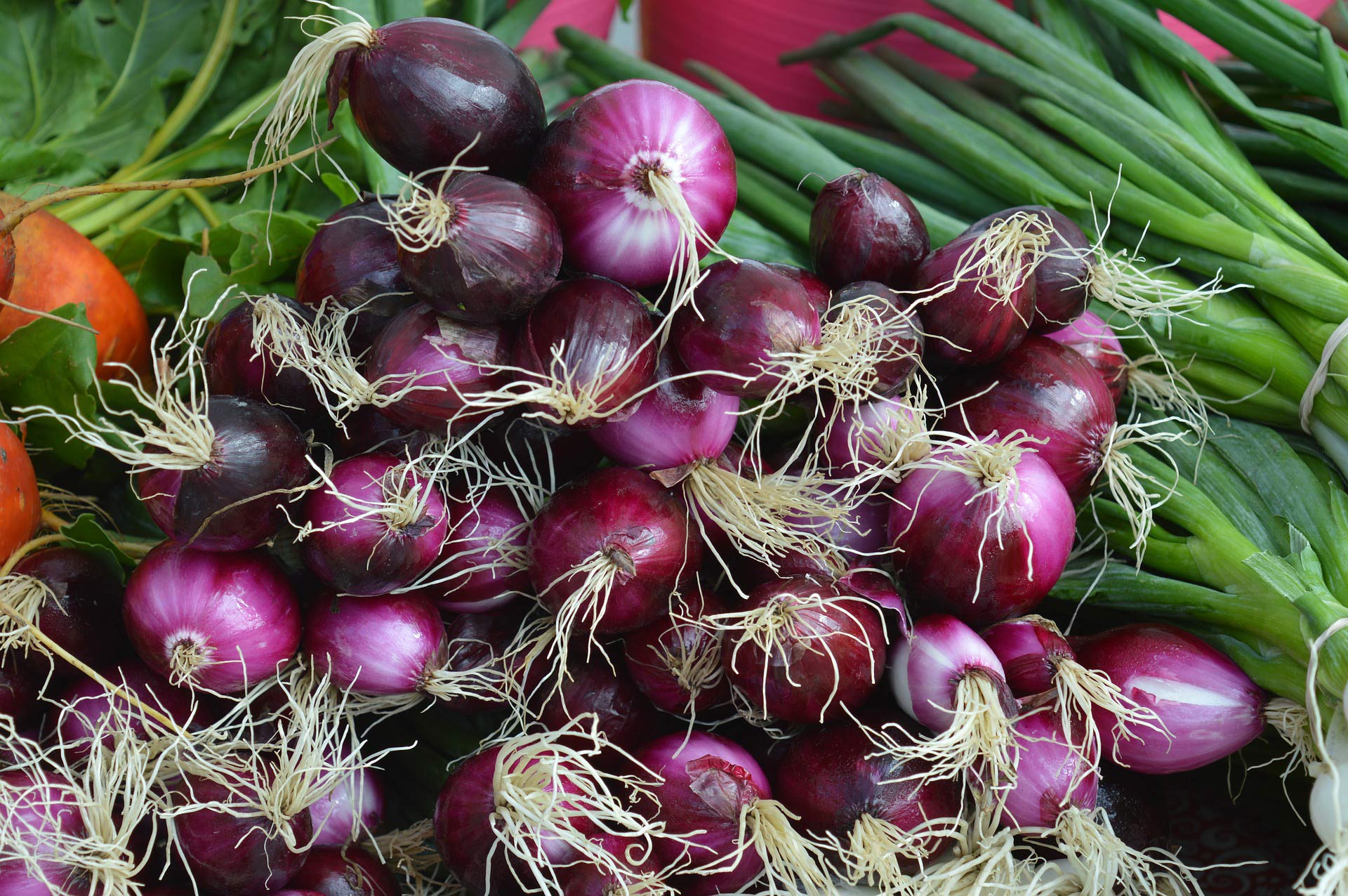
The market dynamics for bulb onions in Kenya present both opportunities and hurdles. Current market prices range from KES 80 to KES 150 per kilogram, with peak prices reaching KES 200 during supply shortages. These prices fluctuate based on:
- Seasonal production cycles
- Import volumes from neighboring countries
- Local demand variations
- Weather patterns affecting harvest quality
Successful bulb onion farmers face several production challenges that require strategic planning:
Market-Related Challenges
- Price volatility due to oversupply during peak seasons
- Competition from imported onions
- Limited access to reliable market information
- Transportation costs to major markets
Production-Related Hurdles
- High costs of quality seeds and inputs
- Water scarcity during dry seasons
- Labor shortages during critical farming periods
- Limited access to cold storage facilities
Smart farmers can navigate these challenges by:
- Joining farmer groups for collective marketing
- Investing in proper storage facilities
- Staggering planting dates to avoid market gluts
- Building relationships with reliable buyers
- Maintaining detailed records of production costs
The current market structure favors farmers who can consistently deliver quality produce. Direct partnerships with hotels, restaurants, and wholesale buyers can secure better prices and steady demand for your onion crop.
Farmers can also explore diversification into other lucrative crops such as pomegranates or Hass avocados which are in high demand both locally and internationally. Utilizing advanced techniques like tissue culture can enhance the quality of seedlings used in these ventures.
Moreover, embracing digital transformation by understanding the future of e-commerce in agriculture can provide farmers with greater access to markets and consumers, ultimately leading to increased profitability.
Embracing the Future: Advancements and Prospects in Bulb Onion Farming
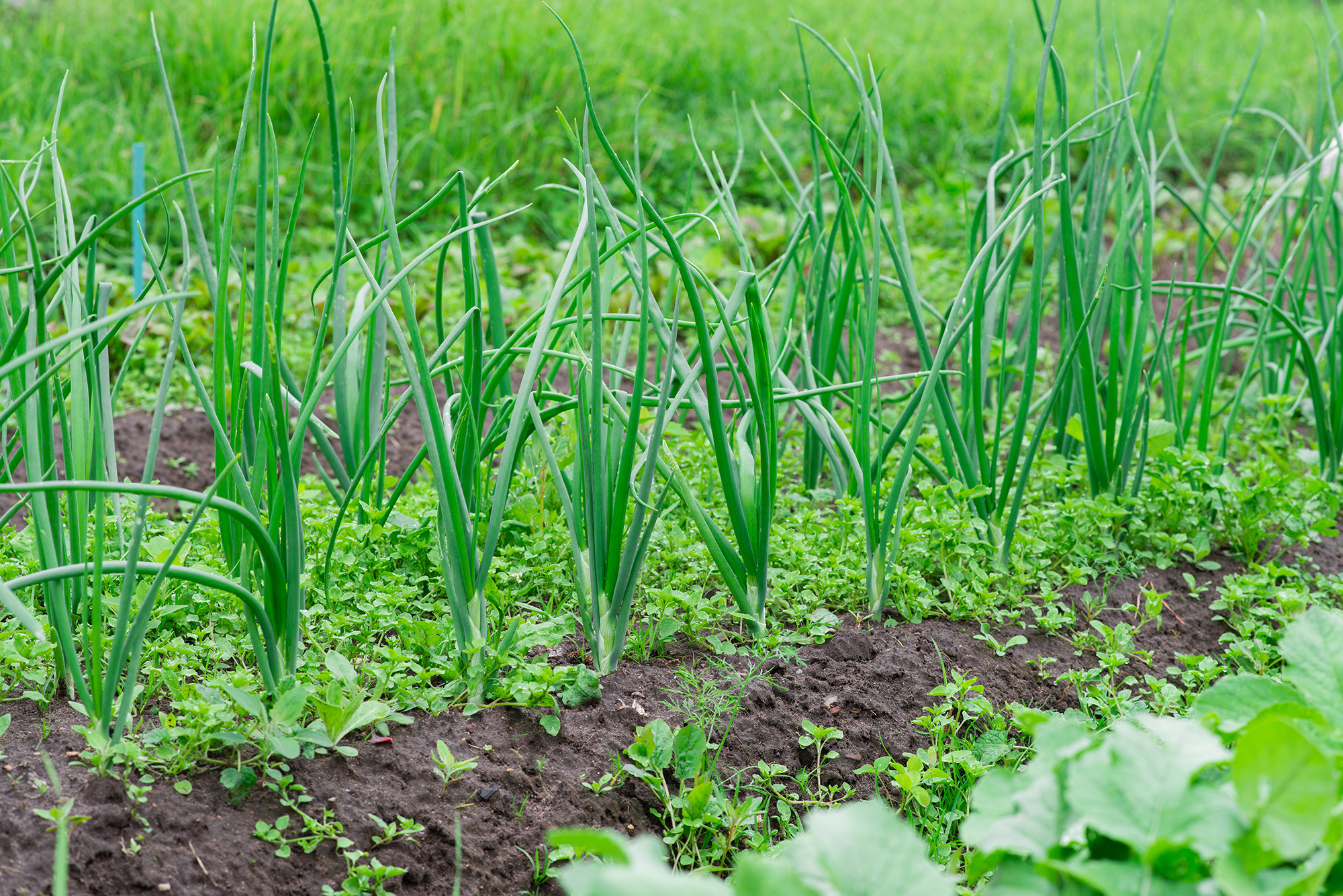
The future of bulb onion farming in Kenya is looking bright with new technological innovations changing traditional farming methods. Smart irrigation systems now allow for precise water management using soil moisture sensors and automated scheduling, which can reduce water waste by up to 40%.
Key technological advancements revolutionizing onion farming:
- Drone technology for crop monitoring and precise pesticide application
- IoT sensors tracking soil health and environmental conditions
- Mobile apps providing real-time market prices and weather forecasts
- Hydroponic systems enabling year-round production
- Cold storage facilities extending shelf life up to 6 months
The Kenyan government’s agricultural modernization programs support farmers with subsidized equipment and training in modern farming techniques. Research institutions continue developing disease-resistant onion varieties adapted to local conditions, promising higher yields and better pest resistance.
Value addition opportunities are expanding through processing facilities for dehydrated onions and onion powder, creating new revenue streams for farmers. The growing export market to neighboring countries positions Kenya as a regional onion production hub.
Conclusion
Bulb onion farming is a great opportunity for farmers in Kenya. With low startup costs, high demand in the market, and good profit margins, it is an attractive business for both small and large-scale farmers.
The success stories of hardworking farmers in various regions show that onion farming can thrive in different agricultural areas of Kenya. By planning well, following best farming practices, and understanding the market, farmers can turn their agricultural dreams into successful businesses.
There is also a growing demand for bulbs both within the country and in neighboring regions, which presents an opportunity for aspiring farmers. This agricultural venture not only benefits individual farmers but also contributes to Kenya’s food security and economic growth through potential export opportunities.
Call to Action: Partner with Us for Success in Bulb Onion Farming!
Ready to start your profitable bulb onion farming journey? We’re here to support your success with:
- Premium Onion Seedlings: Red Creole, Texas Grano 502, Bombay Red, Tropicana F1 Hybrid, and disease-resistant varieties.
- Expert Consultation Services: Soil testing and analysis, farm setup guidance, pest management strategies, and post-harvest handling techniques.
- Training Programs: Hands-on farming workshops, market linkage support, best practices implementation, and crop management skills.
To ensure a successful farming venture, it’s essential to understand the seasonal planting calendar. We provide a comprehensive seasonal planting calendar for fruit seedlings in Central Kenya that can also be beneficial for your onion farming.
Ready to start your bulb onion farming ?
Contact Royal Seedlings:
Ready to start your bulb onion farming ?
Contact Royal Seedlings:
- Phone: +254 711315313
- Email: Julius.murega@royalseedlings.
com, - Website:www.royalseedlings.com
Special offer: Get a 10% discount on seedling orders above 50,000 units when you mention “Complete Guide” during your inquiry.
Join our growing network of successful bulb onion farmers across Kenya. Let’s transform your farming dreams into reality – reach out now and take the first step toward agricultural success.
Book a consultation: Send “Onion Farming” to our WhatsApp number to schedule your free initial consultation.
FAQs (Frequently Asked Questions)
What are the ideal climatic and soil conditions for bulb onion farming in Kenya?
Bulb onion farming in Kenya thrives best in moderate climatic conditions with well-drained, fertile soils. Ideal temperatures range between 13°C to 24°C, and soils rich in organic matter with a pH of 6.0 to 7.0 provide optimal growth conditions for high-yield bulb onions.
Which onion varieties are most suitable for cultivation in Kenya?
Popular onion varieties grown in Kenya include Red Creole, Bombay Red, and Texas Grano. These varieties are known for their high yield potential and adaptability to Kenyan climatic conditions, making them ideal choices for profitable bulb onion farming.
What are the key steps involved in successful bulb onion farming?
Successful bulb onion farming involves several critical steps: preparing nursery beds, transplanting seedlings carefully, applying fertilizers appropriately to meet nutrient needs, implementing effective weed control methods, and managing pests and diseases promptly to ensure healthy crop development.
How can farmers manage pests and diseases effectively in bulb onion cultivation?
Farmers should regularly monitor their crops for common pests like thrips and diseases such as downy mildew. Implementing integrated pest management practices including crop rotation, timely application of recommended pesticides, and maintaining field hygiene can significantly reduce pest and disease impact on bulb onions.
What are the current market trends and challenges faced by bulb onion farmers in Kenya?
The market demand for bulb onions in Kenya remains strong with fluctuating prices influenced by seasonal supply. Farmers often face challenges like inconsistent rainfall, pest outbreaks, and post-harvest losses. Understanding market pricing trends and adopting improved farming techniques helps overcome these challenges for better profitability.
How is technology shaping the future of bulb onion farming in Kenya?
Advancements in agricultural technology such as improved seed varieties, mechanized planting and harvesting equipment, and precision farming techniques are enhancing productivity and sustainability in bulb onion farming. Embracing these innovations offers promising prospects for increased yields and profitability among Kenyan farmers.