



Butternut squash farming has emerged as a lucrative agricultural venture in Kenya, attracting both small-scale and commercial farmers. This nutritious crop thrives across diverse Kenyan regions, from the fertile highlands of Central Kenya to the rich soils of the Rift Valley.

The rising demand for butternut squash stems from its:
- Rich nutritional profile (vitamins A, C, potassium)
- Versatile culinary applications
- Strong market potential in local and export sectors
- Extended shelf life compared to other vegetables
A well-managed butternut squash farm can yield 15-20 tons per acre, making it a profitable investment for Kenyan farmers. Current market prices range from KES 30-80 per kilogram, depending on season and quality.
This comprehensive guide walks you through:
- Ideal growing conditions and regional suitability
- Top-performing butternut squash varieties
- Essential cultivation techniques
- Water and pest management strategies
- Harvesting best practices
- Market opportunities
Whether you’re a seasoned farmer or just starting, this guide equips you with practical knowledge to succeed in butternut squash farming.
In addition to butternut squash, diversifying your farming venture to include other profitable crops such as avocados can further enhance your income. For those interested in this path, here’s a step-by-step guide to starting an avocado orchard in Kenya.
If you have further inquiries about avocado seedling purchases online, we’ve got you covered with a list of frequently asked questions.
It’s crucial to understand how to care for newly planted avocado seedlings. Here are some essential tips for caring for newly planted avocado seedlings that can help ensure their healthy growth.
Additionally, if you’re interested in the science behind improving crop yield and quality through methods like grafting, this article explains the science behind grafting.
Finally, it’s worth noting that Royal Seedlings is committed to supporting women and youth in agribusiness, promoting inclusivity and empowerment within the agricultural sector.
1. Climatic Conditions and Suitable Regions for Butternut Squash Farming
Successful butternut squash farming demands specific environmental conditions for optimal growth and yield. Here’s what you need to know about the ideal growing conditions:
Temperature Requirements
- Daytime temperatures: 18-30°C
- Night temperatures: 15-20°C
- Frost-sensitive crop requiring protection during cold seasons
Rainfall and Water Needs
- Annual rainfall: 500-1200mm
- Even distribution throughout growing season
- Supplemental irrigation during dry spells is essential to ensure healthy crop growth
Humidity and Air Circulation
- Moderate humidity levels: 50-70%
- Good air circulation reduces disease risk
- Protection from strong winds needed
Soil Characteristics
The soil plays a crucial role in the successful cultivation of butternut squash. Ideally, it should be well-drained sandy loam or loamy soils, with a pH range of 5.5-6.8, rich in organic matter, and a deep soil profile of minimum 60cm. For more detailed insights, you can refer to this resource on understanding soil requirements for different fruit trees in Kenya which also provides valuable information that can be applied to other crops like peaches.
Prime Growing Regions in Kenya
These regions offer the perfect combination of altitude, temperature, and rainfall patterns for butternut squash cultivation:
- Central Kenya: Nyeri, Murang’a, Kirinyaga
- Rift Valley: Nakuru, Uasin Gishu, Nyandarua
- Eastern Kenya: Meru, Embu, Machakos
The Central Highlands provide excellent growing conditions with their moderate temperatures and reliable rainfall patterns. Rift Valley’s rich volcanic soils support robust root development, while Eastern Kenya’s warm climate accelerates crop maturity.
2. Varieties of Butternut Squash Cultivated in Kenya
Kenyan farmers have access to several high-performing butternut squash varieties, each offering unique characteristics suited to different growing conditions and market preferences.
Popular Varieties and Their Features:
- Waltham F1: 90-100 days maturity period, tan-colored medium-sized fruits, sweet nutty flesh, excellent storage capability, yield potential of 15-20 tons/hectare
- Atlas F1 Hybrid: Enhanced pest resistance, large uniform fruits, rich orange flesh, high vitamin A content, yield potential of 20-25 tons/hectare
- Jupiter F1: Early maturing (85-95 days), compact plant structure, disease-resistant qualities, deep orange dense flesh, yield potential of 18-22 tons/hectare
- Early Butternut: Short growing cycle (80-90 days), smaller fruit size perfect for small-scale farmers, sweet creamy texture, yield potential of 12-15 tons/hectare
Certified Seeds: Your Path to Success
Using certified seeds from authorized dealers provides:
- Guaranteed germination rates (85-95%)
- Disease-free planting material
- True-to-type variety characteristics
- Access to technical support
- Higher market value for produce
Licensed seed companies in Kenya stock these varieties through registered agro-dealers, ensuring farmers receive authentic high-quality planting materials backed by quality assurance certificates. These key qualities should be considered when selecting a nursery for butternut squash seedlings. Moreover, the economic impact of quality seedlings on smallholder incomes cannot be overstated as it plays a crucial role in enhancing their productivity and profitability.
3. Land Preparation, Planting Techniques, and Fertilization Management
Proper land preparation sets the foundation for successful butternut squash farming in Kenya. Start by clearing your land of weeds, rocks, and plant debris. Deep plowing at a 30-45cm depth breaks up compacted soil and improves drainage. A second lighter plowing creates finer soil particles ideal for seed germination.
Soil Preparation Methods:
- Test soil pH – aim for 5.5-6.8
- Add lime if soil is too acidic
- Incorporate organic matter through composting
- Level the field to prevent water pooling
You can find more detailed expert advice on preparing your land before receiving seedlings delivery which can be beneficial.
Planting Seasons and Techniques:
- Long rains: March-May
- Short rains: October-December
- For a detailed guide on the seasonal planting calendar for fruit seedlings in Central Kenya, refer to this resource.
- Plant spacing: 1-1.5m between plants, 2-3m between rows (proper spacing when planting is crucial, learn more about the importance of proper spacing when planting fruit trees)
- Seed depth: 2-3cm
- Raised beds height: 15-20cm (recommended for heavy soils)
Fertilization Requirements:
Base Application (Pre-planting)
- DAP: 200kg/ha
- Well-decomposed manure: 10-15 tons/ha
Top Dressing Schedule
- First application: 2 weeks after germination (CAN 100kg/ha)
- Second application: Flowering stage (NPK 17:17:17 at 150kg/ha)
- Third application: Fruit development (NPK 23:23:0 at 100kg/ha)
The success of your butternut squash crop depends heavily on nutrient timing. Apply nitrogen during vegetative growth, phosphorus for root development, and potassium during fruit formation. Regular soil testing helps maintain optimal nutrient levels throughout the growing season.
Mulching with dry grass or black plastic helps retain soil moisture, suppress weeds, and maintain consistent soil temperatures. For more information on effective mulching methods, you can refer to this comprehensive guide on mulches for home grounds. Apply mulch after seedling emergence, keeping it away from plant stems to prevent stem rot.
4. Water Management Practices and Pest/Disease Management Strategies
Water Management
Butternut squash requires consistent moisture levels throughout its growth cycle. You’ll need to provide 25-35mm of water per week, adjusted based on your local climate conditions.
Growth Stage Water Requirements:
- Seedling stage: Light, frequent watering
- Vegetative growth: Moderate watering every 2-3 days
- Flowering and fruit development: Deep watering 2-3 times weekly
- Pre-harvest: Reduced watering to enhance fruit quality
Drip irrigation stands out as the most efficient water delivery system for butternut squash. This method:
- Delivers water directly to plant roots
- Minimizes leaf wetness and disease risk
- Reduces water waste through evaporation
- Allows precise control of water distribution
Pest and Disease Management
Common Pests:
- Aphids – Control with neem oil or insecticidal soap
- Squash bugs – Remove by hand or use pyrethrin-based sprays
- Spider mites – Apply sulfur-based solutions
- Vine borers – Protect stems with aluminum foil collars
Disease Prevention:
- Powdery mildew: Space plants properly for air circulation
- Downy mildew: Apply copper-based fungicides preventively
- Bacterial wilt: Control cucumber beetles that spread the disease
- Fruit rot: Keep fruits off soil using plastic mulch
Integrated Pest Management Practices:
- Crop rotation every 3-4 seasons
- Regular field monitoring for early detection, similar to maintaining a scouting schedule to catch pest issues early
- Beneficial insect attraction through companion planting
- Selection of disease-resistant varieties, which can be crucial when buying avocado seedlings online
- Proper field sanitation and debris removal
It’s essential to record pest populations and treatment effectiveness to refine your management strategy over time. This approach is not only applicable to butternut squash but also valuable when identifying and preventing common avocado seedling diseases.
5. Harvesting Techniques, Post-Harvest Handling, and Market Opportunities/Challenges
Successful butternut squash harvesting relies on recognizing the right maturity indicators:
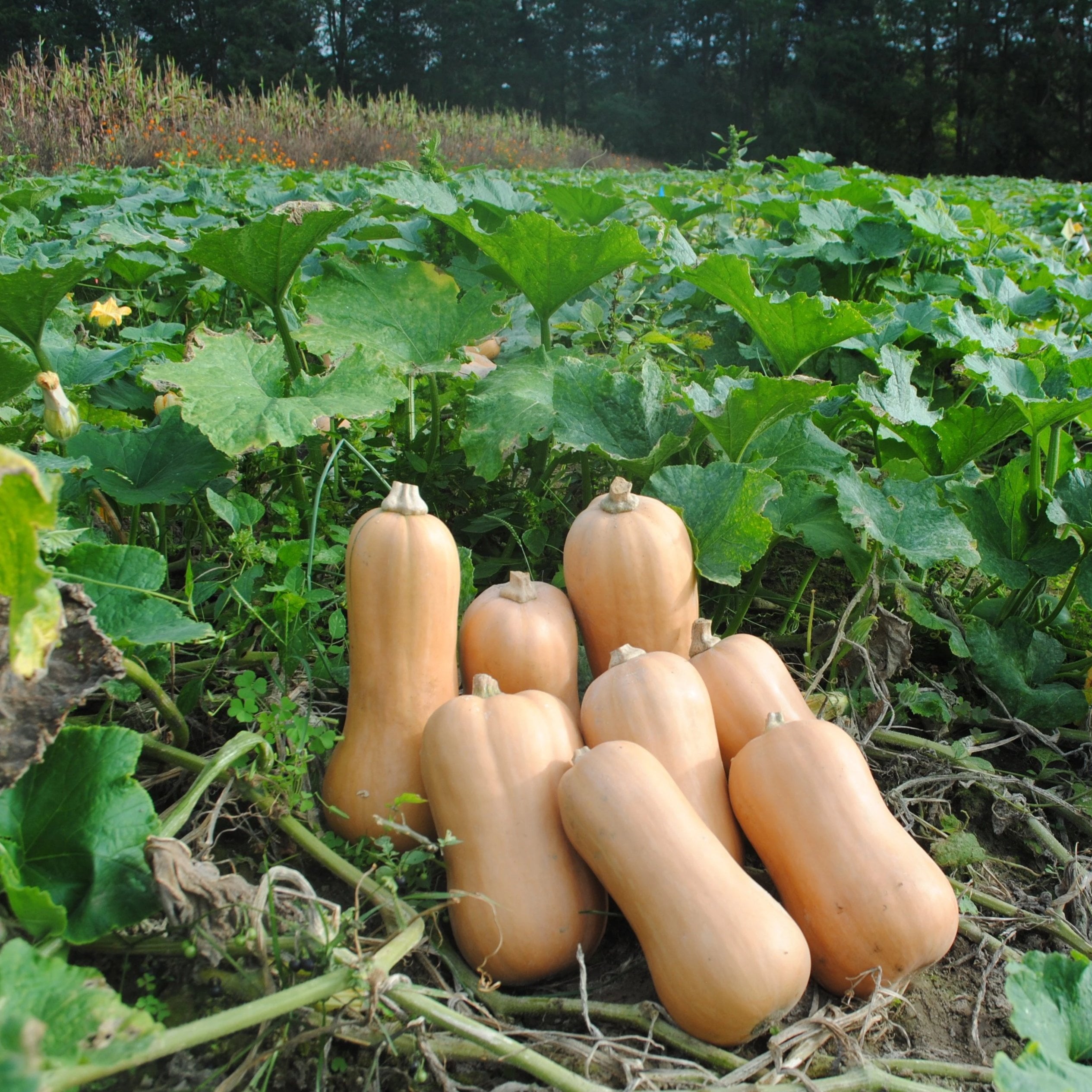
- Color Change: The skin turns uniformly tan
- Hardness Test: The rind resists fingernail penetration
- Stem Appearance: The vine near the fruit becomes brown and dry
The harvesting process requires careful handling to maintain fruit quality:
- Cut fruits early morning with sharp, clean tools
- Leave 2-3 inches of stem attached
- Avoid bruising or damaging the skin
- Handle fruits gently during collection
Post-Harvest Handling Best Practices
Proper curing strengthens the skin and heals minor wounds:
- Store fruits at 26-29°C
- Maintain 85% relative humidity
- Cure for 10-14 days
- Keep in well-ventilated areas
Storage Requirements
- Temperature: 10-15°C
- Humidity: 50-70%
- Storage duration: 2-3 months
- Regular inspection for signs of decay
Market Dynamics in Kenya
The butternut squash market presents diverse opportunities:
- Local supermarket chains
- Hotels and restaurants
- Export markets (EU and Middle East)
- Processing companies
In fact, exploring export markets can significantly enhance profitability for farmers. This is not only applicable to butternut squash but also other crops like Hass avocados which have a high demand in international markets.
Common Market Challenges
- Price fluctuations during peak seasons
- Transportation logistics in rural areas
- Limited cold storage facilities
- Competition from other regions
Farmers can maximize returns by timing their harvests to coincide with periods of high market demand, particularly during the tourist season when hotel consumption peaks. It’s crucial to avoid common farming mistakes that could affect yield and quality. Additionally, understanding how to choose the right mango variety can open up new avenues for diversification and profit in the agricultural sector.
Conclusion: The Future of Butternut Squash Farming in Kenya
Butternut squash farming in Kenya is at an important stage of growth and change. The increasing demand from local supermarkets, restaurants, and export markets shows great potential for both small-scale and commercial farmers.
The sector offers exciting opportunities:
- Growing Export Markets: European Union and Middle Eastern countries show increasing interest in Kenyan butternut squash
- Value Addition Potential: Processing companies seek quality produce for soups, purees, and ready-to-cook products
- Digital Agriculture: Modern farming technologies and mobile apps help farmers optimize production and connect with buyers. This aligns with the future of e-commerce in agriculture, which is set to revolutionize the sector.
- Climate Resilience: Butternut squash’s adaptability to various climatic conditions positions it as a sustainable crop choice
Research institutions and agricultural organizations are continuously working on developing improved varieties that are more resistant to diseases and have higher yield potential. By combining sustainable farming practices with expanding market opportunities, both new and experienced farmers in Kenya’s butternut squash sector can look forward to a bright future.
Additionally, exploring other agricultural ventures such as pomegranate farming could provide farmers with additional sources of income.

Call to Action: Partner with Us for Success!
Are you ready to start a successful farming journey? Whether you’re interested in butternut squash, banana, or avocado farming, Royal Seedlings is here to help. We offer certified, high-quality seedlings that will set you on the path to success.
Here’s how you can get started:
- Call us at +254-700-000-000 to place your order
- Visit our nursery in Nyeri for personalized farming advice
- Join our WhatsApp group for expert tips and market updates
- Schedule a farm visit with our agricultural specialists
We offer:
- Disease-resistant seedling varieties
- Technical support throughout your growing season
- Market linkage opportunities
- Bulk order discounts for farmer groups
In addition to our top-notch seedlings, we also provide extensive training opportunities for aspiring commercial fruit growers in Muranga County and insights into the benefits of grafted fruit seedlings.
📱 Contact us today:
-
- 📱 Phone: +254 711315313
- 📧 Email: Julius.murega@royalseedlings.com
- 🌐 Website: www.royalseedlings.com
Your success is our priority. Let’s grow together!
FAQs (Frequently Asked Questions)
What are the ideal climatic conditions and regions for butternut squash farming in Kenya?
Butternut squash thrives best in regions of Kenya with moderate temperatures, optimal rainfall, and suitable humidity levels. Ideal soil types should have balanced pH levels conducive to growth. Areas with these climatic conditions provide the best environment for successful butternut squash cultivation.
Which varieties of butternut squash are commonly cultivated in Kenya, and why is using certified seeds important?
Kenyan farmers commonly grow popular butternut squash varieties known for their taste and high yield potential. Using certified seeds is crucial as they ensure quality assurance, disease resistance, and better crop performance, leading to more profitable harvests.
How should land be prepared and what planting techniques are recommended for butternut squash farming in Kenya?
Land preparation involves clearing, plowing, and proper soil conditioning. Recommended planting methods include using raised beds or mounds with appropriate spacing. Planting during the right season and ensuring balanced fertilization focusing on nitrogen, phosphorus, and potassium enhances crop growth.
What water management practices and pest/disease control strategies are effective for butternut squash farming?
Efficient water management such as drip irrigation tailored to different growth stages ensures optimal moisture without wastage. Integrated pest management practices help control common pests and diseases affecting butternut squash, promoting healthy crops and reducing losses.
When is the best time to harvest butternut squash in Kenya, and how should post-harvest handling be managed?
Harvesting should be done when fruits show clear maturity indicators to avoid stress or damage. Post-harvest handling includes proper curing and storage methods that extend shelf life, ensuring the produce remains fresh before reaching markets.
What opportunities exist for farmers interested in partnering with Royal Seedlings for butternut squash farming success?
Farmers can collaborate with Royal Seedlings to access quality seedlings and expert support aimed at maximizing success in butternut squash farming. This partnership offers opportunities for improved yields, profitability, and sustainable farming practices within Kenya’s growing agricultural sector.