

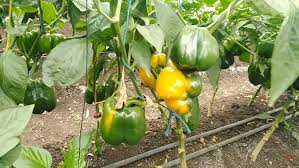
Capsicum farming in Kenya is a promising agricultural venture for both small and large-scale farmers. Known locally as pilipili hoho or bell peppers, capsicums have become an important crop in Kenya, offering good returns on investment.

The demand for capsicums is growing across various markets:
- Local markets and groceries
- Hotels and restaurants
- Schools and hospitals
- Export markets
This versatile crop’s popularity stems from its rich nutritional profile, packing essential vitamins A, B6, and C, along with powerful antioxidants and minerals. These nutritional benefits have created a steady market demand, translating into attractive profit margins for farmers.
Your success in capsicum farming depends on understanding:
- Proper growing techniques
- Disease management
- Market dynamics
- Post-harvest handling
This comprehensive guide walks you through every crucial step of capsicum farming in Kenya. From selecting the right varieties such as the Pixie Orange, which is known for its high yield and disease resistance, to implementing effective pest control measures, you’ll discover practical strategies to maximize your yields and profits. Whether you’re a beginner farmer or looking to expand your agricultural portfolio, this guide provides the essential knowledge needed to establish and maintain a thriving capsicum farm.
Understanding Capsicum and Its Importance in Kenya
Capsicum, locally known as pilipili hoho, is a highly nutritious vegetable that is widely consumed in Kenyan households. It is packed with essential nutrients that contribute to its popularity:
- Vitamin C: One medium capsicum provides 169% of the daily recommended intake
- Vitamin A: Important for maintaining healthy eyes and supporting the immune system
- Vitamin B6: Plays a role in brain development and function
- Potassium: Essential for maintaining a healthy heart and regulating blood pressure
- Antioxidants: Help protect cells from damage and reduce inflammation
Different Names for Capsicum in Kenya
In different regions of Kenya, capsicum is known by various names:
- Pilipili hoho (Swahili)
- Sweet pepper
- Bell pepper
- Green pepper
Economic Impact of Capsicum in Kenya
The economic impact of capsicum extends beyond individual households to the entire agricultural sector in Kenya. Small-scale farmers typically earn Ksh40-60 per kilogram at farm gate prices, while direct sales to supermarkets can fetch up to Ksh200 per kilogram. Large-scale producers benefit from export opportunities and bulk supply contracts with hotels, schools, and hospitals.
A single acre of capsicum can yield 25-30 tons per harvest cycle, generating potential revenues between Ksh1 million to Ksh1.8 million. This high-value crop creates employment opportunities across the value chain, from farm workers to market vendors, strengthening rural economies and contributing to food security.
Enhancing Capsicum Production with Advanced Agricultural Practices
Furthermore, the adoption of advanced agricultural practices such as using grafted fruit seedlings can significantly improve both the yield and quality of capsicum production.
Optimal Growing Conditions for Capsicum in Kenya
Successful capsicum farming in Kenya requires specific environmental conditions for optimal growth and yield. The crop thrives in temperatures between 15-30°C, with rainfall requirements of 800-1200mm annually. These conditions support healthy plant development and fruit production throughout the growing season.
Soil Requirements
Capsicum plants prefer well-drained loamy soils, with pH levels between 5.5 and 7.0, rich organic matter content, and good water retention capacity.
Sunlight and Location
They require a minimum of 6 hours direct sunlight daily, should be protected from strong winds, have adequate spacing for air circulation, and ideally be located away from frost-prone areas.
Kenya’s diverse agricultural zones offer multiple regions suitable for capsicum cultivation:
- Central Region: This area has a favorable altitude and moderate temperatures, making it ideal for capsicum farming. Farmers can also refer to the seasonal planting calendar for fruit seedlings in Central Kenya to optimize their planting schedules.
- Eastern Kenya: Well-suited climate with optimal rainfall patterns
- Coastal Areas: Year-round growing potential
- Kajiado & Narok: Ideal soil conditions
- Ukambani Region: Suitable for greenhouse production
- Baringo: Good irrigation potential
These regions combine the essential growing requirements: proper soil conditions, adequate rainfall, and optimal temperature ranges. Farmers in these areas can maximize their yields by aligning planting schedules with local weather patterns and implementing appropriate irrigation systems during dry spells.

Selecting the Best Capsicum Varieties for Kenyan Farmers
Kenyan farmers can choose from several high-performing capsicum varieties suited to local growing conditions. Here’s a detailed look at the most successful varieties:
1. California Wonder (Red)
- Large, blocky fruits with thick walls
- Matures in 70-75 days
- Excellent disease resistance
- High market demand for fresh consumption
2. Green Bell
- Traditional variety with consistent yields
- Early maturity at 60-65 days
- Adaptable to various growing conditions
- Popular choice for local markets
3. Admiral F1 (Yellow)
- Premium variety with bright yellow fruits
- Superior shelf life
- High resistance to bacterial wilt
- Preferred by high-end markets and exporters
4. Maxibel
- Compact plant with medium-sized fruits
- Strong resistance to Tobacco Mosaic Virus
- Ideal for greenhouse production
- Steady producer throughout the season
5. Selection Criteria for Success:
- Disease resistance profile
- Expected yield potential
- Market demand and price points
- Growing environment (open field vs greenhouse)
- Length of growing season
- Local climate adaptability
Your variety choice should align with your target market’s preferences. Hotels and restaurants often prefer colored varieties, while local markets show strong demand for traditional green capsicums.
In addition to capsicum, it’s worth exploring other profitable crops such as Hass avocados. Kenyan farmers can profit from Hass avocado exports, which are in high demand in international markets.
When considering diversification into other crops, such as apples or mangoes, it’s essential to understand how to choose the right mango variety for your Kenyan farm or choosing between local and imported apple varieties for Kenyan climates.
Additionally, learning about best practices for smallholder farmers when buying avocado seedlings online can greatly enhance your farming success. Consider your farming setup, available resources, and intended market before making your selection.
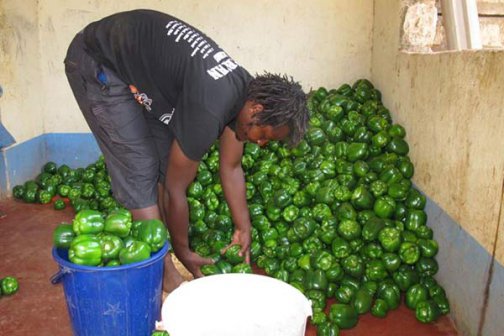
Step-by-Step Guide to Capsicum Farming Success in Kenya
Successful capsicum farming starts with proper planning and implementation of essential agricultural practices. Let’s dive into the crucial first steps of your capsicum farming journey.
1. Site Selection and Land Preparation
Choosing the Perfect Location
- Select a site receiving 6-8 hours of direct sunlight daily
- Pick areas with gentle slopes (2-5%) for proper drainage
- Maintain at least 100 meters distance from existing Solanaceae family crops (tomatoes, potatoes, eggplants)
- Ensure easy access to reliable water sources for irrigation
Soil Requirements
- Test soil pH levels (ideal range: 5.5-7.0)
- Look for well-draining loamy soils
- Avoid waterlogged or clay-heavy areas
- Check soil depth (minimum 30cm for proper root development)
Land Preparation Steps
- Clear the land of weeds, rocks, and plant debris
- Deep plow to a depth of 30-45cm
- Create raised beds 15-20cm high and 1m wide
- Space beds 60cm apart for easy access
Soil Enhancement
- Add 2-3 wheelbarrows of well-decomposed manure per 10m²
- Mix in quality compost to improve soil structure
- Incorporate agricultural lime if soil pH is below 5.5
- Allow enhanced soil to settle for 2 weeks before transplanting
Bed Preparation Tips
- Shape beds with slight dome for water runoff
- Create furrows along bed sides for irrigation
- Add mulching materials to conserve moisture
- Install drip irrigation systems before transplanting
Your site preparation directly impacts plant health, yield potential, and disease resistance. Proper attention to these foundational steps creates optimal growing conditions for your capsicum crop.
For those also considering diversifying into other crops like avocados, you might want to explore some professional training sessions on avocado farming. Additionally, if you’re looking into starting an avocado orchard, this step-by-step guide could be quite beneficial.
It’s also important to be aware of common pitfalls in avocado farming which can be avoided by following these expert tips. Lastly, if you’re preparing your land for seedling delivery, consider implementing some of these land preparation strategies that are not only applicable to capsicum but also other types of farming such as avocado farming.
2. Seed Starting and Nursery Management Techniques
Starting your capsicum seeds correctly sets the foundation for healthy, productive plants. The nursery phase typically spans 4-6 weeks, requiring careful attention to detail.
Essential Nursery Setup:
- Fill seed trays with sterilized soil mix
- Create 1cm deep planting holes
- Plant 1-2 seeds per hole
- Water gently using a fine spray
Optimal Growing Conditions:**
- Temperature: 20-25°C
- Light: Partial shade for first week
- Moisture: Keep soil consistently moist
- Spacing: 5x5cm between seedlings
Care Requirements:**
- Water twice daily during hot weather
- Remove weak seedlings
- Apply liquid fertilizer after 2 weeks
- Protect from strong winds and heavy rain
Your seedlings are ready for transplanting when they reach 10-15cm height and develop 4-6 true leaves. Harden off the seedlings by gradually exposing them to direct sunlight for 7-10 days before transplanting.
To ensure a successful nursery phase, it’s important to understand what makes a good nursery and implement essential tips for caring for newly planted avocado seedlings. Additionally, be mindful of potential pest infestations during this vulnerable stage and consider natural methods for preventing such issues. If you’re considering purchasing avocado seedlings online, it’s helpful to familiarize yourself with some frequently asked questions about such transactions.

3. Effective Watering Practices for Capsicums In Kenya
Water management plays a critical role in capsicum growth and fruit development. Your capsicum plants need consistent moisture without becoming waterlogged.
Key watering guidelines:
- Water deeply 2-3 times per week during dry spells
- Apply water directly to soil, avoiding leaf contact
- Maintain soil moisture at 2-3 inches depth
- Reduce watering frequency during rainy seasons
Irrigation methods:
- Drip irrigation – delivers precise water amounts
- Furrow irrigation – suitable for row planting
- Manual watering – use watering can with rose attachment
Root rot prevention:
- Install proper drainage systems
- Check soil moisture before watering
- Water early morning or late evening
- Mulch soil surface to retain moisture
During flowering and fruit development stages, maintain steady moisture levels. Irregular watering can lead to blossom end rot and reduced yields. Adjust your watering schedule based on weather conditions and soil type.
It’s also important to note that similar water management practices can be beneficial when growing other crops like avocados, particularly in preventing common seedling diseases associated with overwatering or poor drainage.
4. Fertilization Strategies For Optimal Yield And Fruit Quality In Capsicums
Proper fertilization directly impacts your capsicum yield and fruit quality. A balanced nutrition program combines three essential nutrients:
1. Nitrogen (N)
- Apply 100-150kg/ha during vegetative growth
- Promotes leafy development and plant vigor
- Best applied through split applications
2. Phosphorus (P)
- Add 60-80kg/ha at planting time
- Strengthens root system development
- Enhances flowering and early fruit set
3. Potassium (K)
- Use 80-100kg/ha throughout growing season
- Improves fruit size and quality
- Increases disease resistance
Fertilizer Options:
- Chemical fertilizers: NPK 17:17:17, CAN, DAP
- Organic alternatives:
- Well-decomposed manure (5-10 tons/ha)
- Compost tea
- Vermicompost
Apply fertilizers in a ring around each plant, 10-15cm from the stem. Water thoroughly after application to prevent root burn and ensure nutrient absorption.
However, fertilization is just one aspect of achieving optimal yield and fruit quality. Other strategies, such as grafting, can significantly enhance crop yield and quality. Additionally, understanding the right training techniques for aspiring commercial fruit growers can further optimize your capsicum farming practices.
5. Support Structures And Pruning Techniques For Better Productivity In Capsicums
Capsicum plants need physical support as they grow taller and bear fruit. Stakes measuring 4-5 feet in height, placed 6 inches deep into the soil next to each plant, provide essential support. Secure plants to stakes using soft twine or plant ties at 12-inch intervals.
Effective Support Methods:
- Single stake system – One stake per plant
- Trellis system – String support between posts
- Cage system – Wire mesh surrounding individual plants
Pruning Guidelines:
Pruning is a crucial aspect of maintaining healthy capsicum plants, similar to the pruning techniques for healthy persimmon trees. Here are some guidelines:
- Remove lower yellowing leaves
- Pinch off suckers growing between main stem and branches
- Trim excess foliage to improve air circulation
- Cut back growing tips after first fruit set
Pruning stimulates lateral branch development, leading to increased fruit production. Remove damaged or diseased branches immediately to prevent the spread of infections. Keep pruning tools clean and sharp, disinfecting between plants with a 10% bleach solution.
For greenhouse cultivation, train plants vertically using twine supports attached to overhead wires. This maximizes space utilization and ensures uniform light distribution throughout the canopy. Similar methods are used in commercial tomato production, where effective support structures and pruning techniques are implemented.
In addition to these techniques, it’s worth noting that the application of advanced methods such as tissue culture can significantly enhance seedling production not just in capsicums but also in other crops like bananas.

Pest And Disease Management Strategies In Capsicum Farming
Effective pest and disease control is crucial for successful capsicum farming in Kenya. Here’s your action plan for protecting your crop:
Common Pests and Control Methods:
- Aphids: Apply neem oil spray or introduce ladybugs as natural predators
- Red Spider Mites: Use Pentagon or Profile pesticides at recommended doses
- Cutworms: Place collar barriers around young plants and apply appropriate insecticides
- Whiteflies: Install yellow sticky traps and spray approved insecticides
Disease Management:
- Powdery Mildew
- Maintain proper plant spacing
- Apply Greencop fungicide when symptoms appear
- Remove infected leaves promptly
- Damping Off
- Use well-draining soil mix
- Avoid overwatering
- Sterilize nursery equipment
- Anthracnose
- Rotate crops every season
- Apply Absolute fungicide preventively
- Practice field sanitation
Prevention Tips:
- Inspect plants weekly for early detection
- Maintain proper field hygiene
- Use certified disease-free seeds
- Practice crop rotation with non-solanaceous crops
- Keep records of pest and disease occurrences
Remember to follow safe handling practices when using pesticides and maintain pre-harvest intervals. Integrated Pest Management (IPM) combining cultural, biological, and chemical control methods offers the most sustainable approach to pest and disease management in your capsicum farm.
Ready to start your capsicum farming venture?
Contact Royal Seedlings:
- 📱 Phone: +254 711315313
- 📧 Email: Julius.murega@royalseedlings.com
- 🌐 Website: www.royalseedlings.com

FAQs (Frequently Asked Questions)
What are the optimal growing conditions for capsicum farming in Kenya?
Capsicum thrives best in Kenya under temperatures ranging from 15-30°C with rainfall between 800-1200mm. The crop prefers well-drained loamy soils with a pH of 5.5 to 7.0 and requires at least 6 hours of direct sunlight daily. Key growing regions include Central, Eastern Kenya, Coast, Kajiado, Narok, Ukambani, and Baringo.
Which capsicum varieties are recommended for Kenyan farmers?
Popular capsicum varieties suitable for Kenyan farmers include California Wonder (red), Green Bell (green), Admiral F1 (yellow), and Maxibel. Selection should be based on disease resistance, yield potential, and market preferences to ensure successful cultivation and profitability.
How should I prepare my land for successful capsicum cultivation in Kenya?
Select sunny sites away from other Solanaceae plants to minimize pest and disease risks. Prepare raised beds enriched with compost or well-rotted manure to improve soil fertility and drainage, ensuring optimal conditions for capsicum growth.
What are the best practices for seed starting and nursery management in capsicum farming?
Start seeds in nurseries or seed trays under controlled conditions. Provide proper care until seedlings reach 10–15 cm in height before transplanting to the field. This approach ensures strong, healthy plants ready for successful establishment.
How should I manage watering and fertilization for capsicums in Kenya?
Maintain regular watering schedules to keep soil moist but avoid overwatering to prevent root rot. Supplement rainfall with irrigation when necessary. Use balanced fertilization: nitrogen promotes vegetative growth; phosphorus supports roots and flowering; potassium enhances fruit development. Both organic and chemical fertilizers can be used depending on availability.
What pest and disease management strategies are effective for capsicum farming in Kenya?
Implement integrated pest management by monitoring common pests such as aphids and using appropriate control measures like insecticidal soaps or natural predators. Maintain good field hygiene, crop rotation, and select disease-resistant varieties to reduce incidence of diseases and ensure healthy crops.