

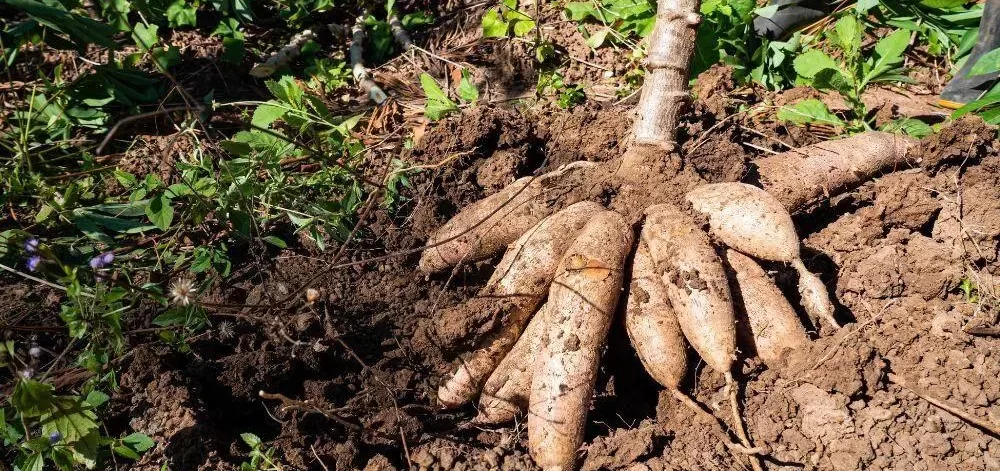
Cassava farming is a crucial part of Kenya’s agriculture, especially in dry areas where other crops struggle to grow. This hardy root vegetable can withstand drought conditions, making it an important crop for food security, as it feeds millions of Kenyan families and provides small-scale farmers with sustainable income opportunities.

Importance of Cassava Farming in Kenya
Cassava farming plays a significant role in Kenya’s agricultural landscape for several reasons:
- Food Security Champion: Cassava’s ability to grow in marginal soils with minimal rainfall makes it an essential crop for regions facing climate uncertainties.
- Income Generation: Small-scale farmers can earn steady income through cassava production and value-added products.
- Nutritional Value: Rich in carbohydrates, cassava provides essential dietary energy for rural and urban populations.
Economic Potential of Cassava Farming
The economic potential of cassava farming in Kenya continues to expand. Current market trends show:
- Growing demand in urban areas for cassava-based products
- Rising export opportunities within East African markets
- Increasing industrial applications in pharmaceuticals and animal feed production
Kenya’s cassava sector has attracted significant investment from both government and private sectors, creating a robust agricultural value chain. Modern farming techniques, improved varieties, and expanding market access have transformed traditional cassava farming into a commercially viable enterprise.
In addition to cassava, other crops like avocados are also gaining traction in the Kenyan agricultural sector. If you’re interested in diversifying your farming ventures, you might want to explore the lucrative field of avocado farming. For instance, you can learn about starting an avocado orchard or discover essential tips for caring for newly planted avocado seedlings.
However, like any other farming venture, avocado farming comes with its own set of challenges. It’s crucial to be aware of common avocado farming mistakes to avoid to ensure a bountiful harvest.
Furthermore, if you’re considering purchasing avocado seedlings online, you may have some questions. We have compiled a list of frequently asked questions about avocado seedling purchases online that could provide valuable insights.
It’s also worth noting that initiatives are being taken to support women and youth in agribusiness. For instance, Royal Seedlings is actively involved in such efforts.
Through this comprehensive guide to cassava farming in Kenya, you’ll discover how to tap into the potential of this sector through proven farming methods, disease management strategies, and market-oriented production approaches while also exploring opportunities in the burgeoning avocado farming industry.
Land Preparation and Planting Techniques for Cassava Farming
Successful cassava farming starts with proper land preparation. You’ll need to clear your land of vegetation, rocks, and debris. Deep ploughing at 20-30cm depth breaks up soil compaction and improves root penetration. For a detailed guide on how to prepare your land effectively before receiving seedlings, check out this expert advice.
Creating Optimal Growing Conditions
- Remove all tree stumps and roots to prevent interference with cassava root development
- Break down large soil clumps to create a fine tilth
- Form ridges 30-40cm high, spaced 1 meter apart
- Create drainage channels in areas prone to waterlogging
Soil Requirements
- Well-drained sandy loam soil
- pH range: 5.5-7.0
- Avoid heavy clay soils that restrict root growth
- Test soil pH before planting – adjust with lime if needed
Stem Cutting Selection and Preparation
- Choose mature stems (8-12 months old)
- Cut stems into 20-25cm lengths
- Ensure each cutting has 5-7 nodes
- Use sharp tools to prevent stem damage
- Treat cuttings with fungicide before planting

Planting Methods
- Horizontal planting: Ideal for dry areas
- Bury cuttings 5-10cm deep
- Position nodes sideways in soil
- Vertical planting: Best for wet regions
- Insert cuttings 10-15cm deep
- Maintain upright position
Spacing Guidelines
Proper spacing when planting is crucial for optimal growth. It’s recommended to maintain a plant-to-plant distance of 1 meter and a row-to-row distance of the same measure. This results in a population density of approximately 10,000 plants per hectare. However, these guidelines may need adjustments based on factors such as soil fertility, rainfall patterns, and intercropping plans. For more insights into the importance of proper spacing when planting, take a look at this article on spacing guidelines.
For optimal results, it’s best to plant at the onset of rains when soil moisture is adequate. In irrigated fields, you can plant year-round with proper water management. Additionally, understanding the seasonal planting calendar can greatly enhance your planning efforts.
Lastly, using quality seedlings can significantly influence your farming success. The economic impact of quality seedlings on smallholder incomes should not be underestimated in your cassava farming journey.
Moreover, incorporating some of the techniques from the comprehensive Kansas Garden Guide could provide additional insights into effective gardening practices that can be beneficial for cassava farming as well.
Crop Management Practices in Cassava Farming
Effective crop management practices determine the success of your cassava farming venture. Here’s what you need to know about managing your cassava crop:
Weed Control Methods
- Hand weeding during the first 3-4 months after planting
- Use of mulch materials like dry grass or crop residues to suppress weed growth
- Application of pre-emergence herbicides like Primextra or Lasso
- Regular field monitoring to identify and remove problematic weeds
- Maintaining proper plant spacing to create canopy cover that naturally suppresses weeds
Soil Fertility Management
- Apply organic compost at 2-3 tons per hectare before planting
- Use NPK fertilizer (15:15:15) at 200-300kg per hectare
- Add nitrogen-rich materials like:
- Green manure
- Animal manure
- Legume residues
- Incorporate crop residues back into the soil after harvest
- Test soil pH regularly and adjust with lime if needed
Timing of Fertilizer Application
- First application: During land preparation
- Second application: 2-3 months after planting
- Third application: 5-6 months after planting
Your cassava plants need adequate nutrients throughout their growth cycle. Signs of nutrient deficiency include yellowing leaves, stunted growth, and poor root development. Regular soil testing helps determine specific nutrient requirements for your field.
Pest, Disease, and Irrigation Management in Cassava Farming
Successful cassava farming requires vigilant pest and disease monitoring combined with effective water management strategies. Here’s what you need to know about protecting your cassava crop:
Common Pests in Cassava Fields
- Cassava mealybugs – white, cotton-like insects that attack leaves and stems
- Green spider mites – tiny pests causing leaf spotting and defoliation
- Whiteflies – vectors for viral diseases, causing leaf yellowing
- Termites – attack underground tubers, creating hollow cavities
To combat these pests, you might want to consider [natural pest control methods](https://royalseeedlings.com/preventing-pest-infestations-in-young-orchards-naturally) which can be effective in managing pest populations without harming the environment.
Major Diseases to Watch For
- Cassava Mosaic Disease (CMD)
- Symptoms: Yellow patches on leaves, stunted growth
- Spreads through whiteflies and infected cuttings
- Cassava Brown Streak Disease (CBSD)
- Signs: Brown streaks on stems, root rot
- Transmitted by whiteflies and propagation material
Similar to cassava, [common avocado seedling diseases](https://royalseedlings.com/a-farmers-guide-to-identifying-and-preventing-common-avocado-seedling-diseases) could also provide insights into managing plant health effectively.
Effective Control Strategies
- Regular field monitoring to detect early signs of infestation
- Use clean, disease-free planting materials
- Remove and destroy infected plants
- Apply appropriate pesticides when pest populations exceed economic thresholds
- Maintain field hygiene by removing crop residues
Implementing [effective pest management strategies](https://royalseedlings.com/preventing-pest-infestations-in-young-orchards-naturally) can significantly reduce the risk of infestations.
Resistant Varieties
- TME 14 – High resistance to CMD
- MM96 – Tolerant to both CMD and CBSD
- Shibe – Strong resistance to common pests
- Tajirika – Disease-resistant variety with high yield potential
Irrigation Management
- Install drip irrigation systems for water efficiency
- Water deeply but infrequently to encourage deep root development
- Reduce irrigation during the dormancy period
- Monitor soil moisture levels regularly
- Apply mulch to conserve soil moisture
Water Management Tips
- Maintain proper drainage to prevent waterlogging
- Schedule irrigation based on growth stages
- Adjust watering frequency during dry spells
- Consider rainfall patterns when planning irrigation schedules
These management practices help create optimal growing conditions for healthy cassava crops while minimizing losses from pests and diseases.
Intercropping, Crop Rotation, Harvesting, and Post-Harvest Processing Techniques in Cassava Farming
Cassava’s adaptable growth pattern makes it an excellent candidate for intercropping systems. You can maximize your land use by pairing cassava with these compatible crops:
- Legumes: Beans, groundnuts, and cowpeas add nitrogen to the soil
- Short-term crops: Maize, sweet potatoes, and vegetables
- Cash crops: Pineapples and bananas for additional income streams
The ideal intercropping pattern places shorter crops between cassava rows, allowing sufficient sunlight penetration for all plants. Plant spacing adjustments of 1.5m x 1m create adequate room for companion crops.
Benefits of Strategic Crop Rotation
Implementing crop rotation in your cassava fields yields multiple advantages:
- Breaks pest and disease cycles
- Enhances soil structure through diverse root systems
- Reduces soil erosion
- Maintains balanced soil nutrients
Recommended Rotation Sequence:
- Cassava (Year 1)
- Legumes (Year 2)
- Cereals (Year 3)
- Back to cassava (Year 4)
This rotation pattern helps maintain soil fertility naturally. The legume phase particularly enriches the soil with nitrogen, benefiting subsequent cassava plantings. You’ll notice improved yields and reduced pest problems when following this systematic approach.
Additionally, incorporating advanced techniques such as grafting can further enhance the quality and yield of your cassava crop. Grafting not only improves crop yield but also enhances the overall quality of the produce, making it a valuable technique in modern cassava farming practices.

Challenges Faced by Kenyan Cassava Farmers and Support from Government/NGOs
Kenyan cassava farmers face significant challenges that affect their productivity and income potential. Pest and disease management is a major concern, with the Cassava Mosaic Disease (CMD) and Cassava Brown Streak Disease (CBSD) causing up to 100% yield losses in severe cases.
Pest and Disease Challenges
The main pest and disease challenges include:
- Whiteflies transmitting viral diseases
- Cassava mealybugs destroying stems and leaves
- Green mites reducing photosynthetic capacity
- Root rot diseases affecting storage roots
Post-Harvest Losses
Post-harvest losses are another critical challenge, with farmers losing 20-30% of their harvest due to:
- Limited access to proper storage facilities
- High perishability of fresh cassava roots
- Inadequate processing infrastructure
- Transportation difficulties to market centers
Support from KALRO and NGOs
To address some of these challenges, KALRO provides disease-resistant varieties and technical training. Additionally, agricultural extension services offer pest management guidance while NGOs promote farmer group formation for collective marketing. The government also plays a vital role by supplying subsidized farming inputs.
National Root and Tuber Crops Development Strategy
In an effort to tackle the post-harvest loss issue, the Ministry of Agriculture has implemented the National Root and Tuber Crops Development Strategy. This strategy focuses on:
- Establishing cassava processing centers
- Creating market linkages
- Providing improved storage solutions
- Supporting value addition initiatives
Best Practices for Buying Seedlings Online
It is crucial for farmers to adopt best practices when buying seedlings online, whether they are purchasing cassava or other crops like avocado or mango. Such practices can significantly enhance the success rate of their farming ventures.
Exploring Export Markets
As part of diversifying their income sources, Kenyan farmers should also consider exploring export markets. For example, there is a growing demand for Hass avocado in international markets. Similarly, understanding how to choose the right mango variety can also open up new opportunities for growth in the agricultural sector.
These interventions aim to address the challenges while enhancing the sustainability of cassava farming in Kenya. Moreover, adopting agricultural best practices can further improve yield and sustainability in this vital sector.
Economic Opportunities and Improved Varieties Available for Cassava Farmers in Kenya
The rising demand for cassava products in Kenya creates lucrative opportunities for farmers. Urban consumers increasingly seek gluten-free alternatives, driving the market for cassava flour and processed foods. The industrial sector demands cassava for manufacturing adhesives, pharmaceuticals, and animal feed.
Key Market Opportunities:
- Food processing industries
- Starch production for industrial use
- Export markets within East Africa
- Value-added products like cassava chips and flour
- Animal feed production
Kenya Agricultural & Livestock Research Organization (KALRO) has developed high-performing cassava varieties to meet this growing demand:
TME 14
- Matures in 6-9 months
- Yields up to 30 tonnes per hectare
- Strong resistance to Cassava Mosaic Disease
- Excellent cooking qualities
MM96
- Early maturing variety (8 months)
- Disease-resistant characteristics
- High starch content
- Suitable for commercial processing
Additional improved varieties include Kibandameno, Shibe, and Tajirika, each bred for specific regional conditions and market requirements. These varieties offer farmers enhanced productivity while meeting processor specifications and consumer preferences in both local and export markets.
The expanding cassava value chain presents opportunities in processing, transportation, and distribution. Farmers can tap into these segments by forming cooperatives or partnering with established processors to maximize returns from their cassava farming ventures.
Moreover, understanding soil requirements is crucial for the successful cultivation of not just cassava but also other crops such as pomegranates which have their own set of farming opportunities and challenges.
In a bid to diversify, farmers may consider choosing between local and imported apple varieties that are suitable for the Kenyan climate.
Another promising avenue is the production of Hass avocados, particularly in regions like Muranga which is known as the heart of quality Hass avocado seedling production in Kenya.
Lastly, the future of e-commerce in agriculture holds significant potential for farmers looking to expand their market reach beyond traditional boundaries.

Conclusion
Cassava farming in Kenya is a blend of traditional methods and modern advancements. By combining sustainable practices with innovative technology, we can create a strong agricultural system that benefits both farmers and communities. This includes using techniques like precision farming and developing disease-resistant varieties to ensure food security and open up new economic opportunities.
The success of your cassava farming venture depends on implementing the strategies outlined in this guide:
- Proper land preparation and soil management
- Strategic pest control measures
- Smart water management systems
- Value-added processing techniques
- Market-driven variety selection
Ready to start your cassava farming journey? Royal Seedlings Company offers high-quality, disease-resistant cassava varieties suited for Kenyan growing conditions. Our agricultural experts provide comprehensive support throughout your farming cycle.
But our expertise doesn’t stop at cassava. We also specialize in the role of tissue culture in banana seedling production, which can significantly enhance the quality and yield of banana farming.
Additionally, we offer training opportunities for aspiring commercial fruit growers in Muranga County, equipping you with the necessary skills and knowledge to succeed in fruit farming.
For those interested in avocado farming, our professional avocado farming training sessions are designed to provide comprehensive insights and practical knowledge.
Moreover, understanding the benefits of grafted fruit seedlings can open up new avenues for increasing productivity and profitability in your farming ventures.
Contact Royal Seedlings Company:
 Phone: +254 711315313
- Email: Julius.murega@royalseedlings.
com, - Website:www.royalseedlings.com
 Phone: +254 711315313
 Email:
  Website:
Transform your agricultural dreams into reality – partner with Royal Seedlings Company today.
FAQs (Frequently Asked Questions)
What is the significance of cassava farming in Kenya?
Cassava farming in Kenya plays a crucial role in ensuring food security and generating income for many farmers. It has significant economic potential due to growing local demand and its adaptability to various soil conditions.
How should I prepare land and plant cassava for optimal growth?
Land preparation for cassava involves clearing and ploughing the field, followed by ridge formation to promote root development. Optimal soil conditions include well-drained soils with suitable pH levels. Cassava is commonly propagated through stem cuttings, which should be planted at proper spacing and arrangements to maximize yield.
What are the best crop management practices for cassava farming?
Effective cassava crop management includes regular weed control, maintaining soil fertility through compost and fertilizers, and monitoring for pests and diseases. Using resistant varieties and adopting appropriate irrigation methods also contribute to healthy crop growth.
How can pests and diseases be managed in cassava farming?
Identifying common pests and diseases early is essential. Strategies include using resistant cassava varieties such as TME 14 and MM96, applying recommended pest control measures, practicing good field hygiene, and ensuring adequate irrigation to maintain plant health.
What are the benefits of intercropping and crop rotation with cassava?
Intercropping cassava with compatible crops enhances land use efficiency and can reduce pest incidence. Crop rotation improves soil fertility by breaking pest cycles and replenishing nutrients, leading to better cassava yields over time.
What challenges do Kenyan cassava farmers face, and what support is available?
Farmers often encounter difficulties in pest and disease management as well as post-harvest losses due to storage issues. Government programs and NGOs offer support through training, provision of improved varieties, such as TME 14, access to quality seedlings from companies like Royal Seedlings Company, and promotion of sustainable farming practices.